


 Claim Ownership
IHSA Safety Podcast
Subscribed: 30Played: 823
Subscribe

© 2021 Copyright 2021
Description
The IHSA Safety Podcast is a free podcast from the Infrastructure Health and Safety Association that seeks to improve the lives of workers in Ontario; one thought-provoking discussion at a time.
We engage with professionals and industry influencers to help them implement and improve health and safety solutions for workers and the workplace. Each episode explores best practices, resources, and training to control and eliminate safety hazards in work environments involving high-risk activities in the industries that IHSA serves: construction, transportation, and electric utilities
130 Episodes
Reverse
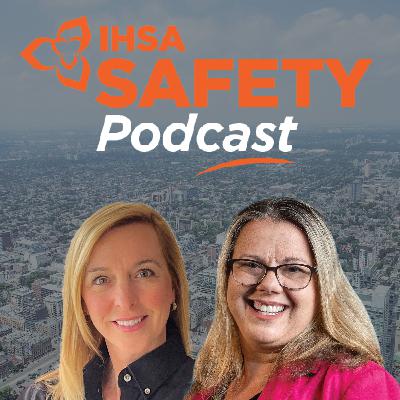
This episode of the IHSA Safety Podcast discusses the health and safety resources available to young workers and their parents and features Pam Patry, northern region manager at WSPS.Pam highlights that young workers don’t know what they don’t know, so if they’re not trained or taught about hazards in their workplace, they won’t know what to look out for or how to recognize a hazard. Young workers often receive generic training such as WHMIS but may not be educated on specific hazards they could face in their roles. There’s a pressing need for site-specific training so that young workers can be better equipped to handle hazards. Workplace training should clearly explain what the job involves, the hazards that may be present, and how to manage or remove them. Training should also be easy to understand to help young workers quickly grasp the essential information they need.Pam emphasizes that young workers should be reminded of their three rights—right to know about hazards, right to participate in safety procedures, and right to refuse unsafe work. Parents should support their children in asserting those rights and be proactive in understanding their child's work environment, including what their tasks are and how much safety training they’ve received. Their tasks may appear simple, but they could pose risks if not done correctly. Free resourcesHealth and safety basics for new and young workersNew and Young WorkersRights of workers in OntarioSee Privacy Policy at https://art19.com/privacy and California Privacy Notice at https://art19.com/privacy#do-not-sell-my-info.
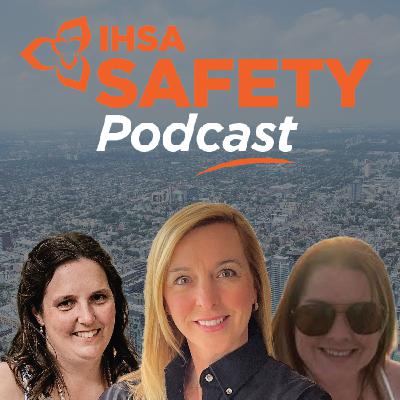
This episode of the IHSA Safety Podcast discusses adequate health and safety training for teenagers entering the workforce and features Angela and Melanie.Angela and Melanie express concerns about young workers receiving proper training on common workplace hazards, emergency procedures, or personal protective equipment (PPE) at their places of work. Angela says, although her son learned some basic safety protocols, there should have been more focused training at his workplace on potential hazards like chemical exposure and working at heights.Melanie states that while her daughter did receive some training on health and safety at her current job, her previous job did not provide adequate training, especially in the context of potential violence and harassment, which are common hazards in the workforce. Angela and Melanie emphasize the importance of safety education and communication in preventing workplace incidents. Both parents agree that high schools should provide more education on workplace safety, especially before students enter the workforce. They also encourage other parents to ask questions about their children's work environments, emphasize their rights, and engage more proactively in conversations about safety. Free resourceHealth and safety basics for new and young workersNew and Young WorkersRights of workers in OntarioSee Privacy Policy at https://art19.com/privacy and California Privacy Notice at https://art19.com/privacy#do-not-sell-my-info.
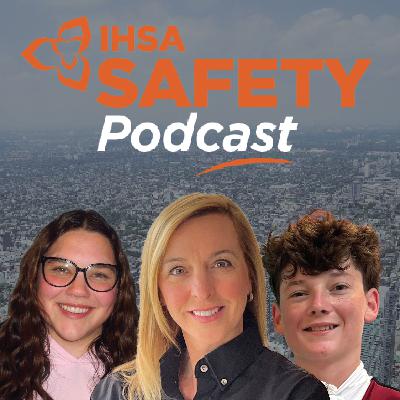
This episode of the IHSA Safety Podcast discusses young workers' experiences with health and safety training and features guest speakers Ashley and Will, who share their experiences from different sectors.Ashley and Will discuss the challenges young workers face when it comes to health and safety awareness and training. Ashley, who works in healthcare and previously in a grocery store, mentions that her grocery store job provided only minimal training during orientation, mainly through video content that wasn’t engaging. However, her healthcare job involves ongoing learning, helping her stay informed about safety practices. Will, who works in the service sector, didn’t receive any formal safety training at his job; however, he learned some safety tips from family and other sources.When asked about overall safety at their jobs, Will feels his safety is prioritized, while Ashley, who received little attention when she got injured at her grocery store job, says her current workplace supports and encourages open discussions on safety. They both discuss more topics such as safety procedures, incident reporting, and PPE, and both express the need for improved and more interactive safety training processes to better prepare young workers for real workplace hazards. Free resourcesHealth and safety basics for new and young workersNew and Young WorkersRights of workers in OntarioSee Privacy Policy at https://art19.com/privacy and California Privacy Notice at https://art19.com/privacy#do-not-sell-my-info.
This episode of the IHSA Safety Podcast discusses IHSA’s 5-part video series "Ask a Construction Health and Safety Expert" and features series host Ken Rayner and industry experts Deb Moskal and Dave Dametto.Ken states that the series is designed to support small business owners, especially those in their first year, by providing easy, accessible health and safety resources and helping them achieve compliance. With over 10,000 new construction businesses joining IHSA each year, the series addresses common questions and misconceptions about health and safety compliance.Deb Moskal highlights how crucial it is for new construction businesses in Ontario to have basic health and safety guidance. The number of requirements and responsibilities they face can feel daunting; however, with the right guidance and tools, they don’t have to be. As these businesses face initial start-up challenges, keeping their workers safe is critical, so it's essential that they create strong health and safety practices from the beginning.Dave explains that the series covers a plethora of health and safety topics for construction workers, such as mandatory training, legislation, hazard assessments, incident response plans, and competent supervision. The episodes are free and available on IHSA's website and YouTube, as well as on a dedicated landing page designed for easy access to additional resources. Free resourcesAsk a Construction Health and Safety Expert landing pageIHSA’s free health and safety resourcesSafety talksIHSA’s 5-episode series on construction health and safety (YouTube)See Privacy Policy at https://art19.com/privacy and California Privacy Notice at https://art19.com/privacy#do-not-sell-my-info.
This episode of the IHSA Safety Podcast discusses COR®’s Maintenance Action Plan (MAP) and features Peter Smith, Lead COR® Auditor at IHSA, and Margaret Hart, health and safety program administrator at Hart-Well Electrical.The MAP, which was introduced in Alberta in 2016 to improve health and safety standards, is a new option for mature COR®-certified organizations in Ontario to enhance health and safety without the burden of repetitive internal audits.Peter explains that following a recertification audit a company has the option to participate in a MAP instead of completing an internal maintenance audit. The company would submit a MAP proposal to IHSA that outlines five objectives for continuous improvement. Once IHSA approves, the company has nine to 10 months to address the outlined objectives and provide evidence to IHSA 60 days before their certification anniversary date. Once IHSA signs off, the MAP effectively replaces the internal maintenance audit for that recertification year, and a letter of good standing is issued to the company.Margaret discusses her team’s experience with MAP, and she and Peter offer tips on the MAP process for companies that may be considering taking the MAP approach. Free resourcesWhat is COR®? COR® – Getting StartedThe Benefits of COR®Debunking Seven Myths about the COR® ProgramSee Privacy Policy at https://art19.com/privacy and California Privacy Notice at https://art19.com/privacy#do-not-sell-my-info.
This episode of the IHSA Safety Podcast discusses the new COR® Combined Audit program and features Peter Smith, Lead COR® Auditor at IHSA.Peter states that the COR® Combined Audit allows organizations with many accounts to undergo one comprehensive COR® audit rather than multiple audits throughout the year. The key benefit of the program is to enhance efficiency during the COR® certification process, so that instead ofreviewing the same health and safety management system with various accounts multiple times, the review can be completed in a single audit of all accounts. The combined audit program isn’t mandatory but rather optional, and it doesn’t change the COR® standards or audit expectations. Each account is still expected to be in compliance withthe COR® 2020 standard, and each account still gets its own individual certification.Peter also highlights other benefits of the program, such as saving time and money. It cuts down on the time spent writing several audit reports for each account and also lowers the cost of auditing each account. Free resourcesWhat is COR®? COR® – Getting StartedThe Benefits of COR®Debunking Seven Myths about the COR® ProgramSee Privacy Policy at https://art19.com/privacy and California Privacy Notice at https://art19.com/privacy#do-not-sell-my-info.
This episode of the IHSA Safety Podcast discusses the hierarchy of controls as a fundamental tool in workplace health and safety and features Scott Laing.Scott explains that the hierarchy of controls is a framework that helps to reduce or eliminate hazards, starting with the most effective methods such as elimination and substitution and moving down to less effective measures such as personal protective equipment (PPE).The hierarchy of controls helps manage workplace risks effectively, particularly on construction sites. Because construction sites are dynamic with conditions changing frequently, it’s always critical to identify hazards before they lead to incidents. Scott emphasizes that workers' involvement in hazard identification and safety discussions is necessary, as they can best identify risks that may not be obvious to supervisors or health and safety committee members.Scott discusses the ways technology is improving the ability to recognize and control hazards in construction, such as the use of drones for site inspections and the Building Information Modeling (BIM) equipment, which visualizes a project before the construction begins. Scott also shares additional safety tips for workers and safety professionals when using the hierarchy of controls.Free resourcesHierarchy of Controls to Ensure Workers’ SafetyBasics of Supervising TrainingTraining Requirements ChartSafety TalksSee Privacy Policy at https://art19.com/privacy and California Privacy Notice at https://art19.com/privacy#do-not-sell-my-info.
This episode of the IHSA Safety Podcast discusses mental health and self-care within the construction industry and features construction supervisor Andy Fournier. Andy discusses areas of supervising that can lead to stress, such as tight schedules and deadlines. One way he manages stress is to set realistic expectations and understand that deadlines can change due to unforeseen factors. It’s better if a project is delayed than to cut corners and put lives at risk. It's also important to be open and honest with clients about deadlines and adjusting their expectations.Andy states that prioritizing self-care is vital and should include actions like focusing on the most important tasks and setting boundaries to prevent burnout. He makes it a point to disconnect from work outside of work hours, which has been good for his mental health.Although the stigma around mental health remains, more individuals are starting to talk more openly and freely about stress and emotional challenges with coworkers or those who have experienced similar struggles and can relate. Andy highlights his practice of incorporating mental health discussions into safety meetings, encouraging workers to talk about their challenges and support one another.Free resourcesMental Health at Work - A Mental Health Guide for Construction Small BusinessesMental Health Safety Talks: Facilitator's GuideThe Role of a SupervisorWhat Supervisors Need to KnowThe Working Minds for the Trades - ManagerSee Privacy Policy at https://art19.com/privacy and California Privacy Notice at https://art19.com/privacy#do-not-sell-my-info.
This episode of the IHSA Safety Podcast discusses the legal responsibilities, safety standards, and regulatory framework that every construction supervisor needs to know and features construction supervisor Andy Fournier.Andy discusses the most important supervisory responsibilities on a construction project, one of which is prioritizing safety above all else. He speaks against a culture that puts schedule and deadlines over safety, stating that while no one may remember how quickly a project is completed, everyone will always remember the impact of safety oversights, such as incidents that result in serious injuries or fatalities. Jobsites should promote a culture in which taking the extra time to do things correctly is valued, even if it means the project takes longer than planned.Another responsibility Andy prioritizes as a supervisor is proper planning. Poor planning can lead to frustration and chaos on jobsites, which makes it crucial that supervisors stay ahead of potential issues with adequate planning.Andy further discusses some tips on being able to handle different types of personalities and also shares some tools and resources that have improved his understanding of the different construction regulations. Free resourcesThe Role of a SupervisorThe Competent SupervisorWhat Supervisors Need to KnowThe Working Minds for the Trades - ManagerBasics of SupervisingSee Privacy Policy at https://art19.com/privacy and California Privacy Notice at https://art19.com/privacy#do-not-sell-my-info.
This episode of the IHSA Safety Podcast discusses personal protective equipment (PPE) and features Ryan Smith, health and safety consultant at IHSA.Ryan highlights the necessity of having the appropriate PPE fit and proper training on how to use them. The right fit, the right gear, and the right training could mean the difference between going home safe and not going home at all.Ryan identifies common PPE mistakes on construction sites, such as not wearing hard hats at all times when on site, not wearing appropriate eye protection where there's a risk to the worker's eye, and not using fall prevention or fall protection as required. He also mentions comfort as one of the key factors employers should consider when it comes to PPE use. Investing in high-quality PPE appropriate for a specific task is critical, as it encourages and promotes regular use and proper maintenance, both of which enhance safety on the job.Ryan also emphasizes the need for consistent enforcement from leadership in following the primary safety measures on jobsites so that workers don’t have to rely solely on PPE to stay safe. Any positive change in site culture should begin at the top and spread downward; hence, employers must put in the effort to ensure their workplace safety culture is high-standard and compliant. Free resourcesPersonal Protective Equipment (PPE)Construction Health & Safety ManualSafety TalksSee Privacy Policy at https://art19.com/privacy and California Privacy Notice at https://art19.com/privacy#do-not-sell-my-info.
This episode of the IHSA Safety Podcast discusses the importance of mental health training in the workplace and features Enzo Garritano, IHSA’s President and CEO.Enzo highlights the necessity of understanding mental health and its impact in the workplace. Everyone in the workplace plays a part in mental health, and it should be treated like any other workplace risk, with a focus on raising awareness and understanding the support roles and resources available.Enzo discusses ‘Opening the Door to Support,’ one of IHSA’s eLearning programs designed to equip learners with essential skills and tools to support mental health in the workplace. This interactive, six-module program covers essential topics such as breaking down stigma, identifying red flags, leading by example, communicating supportively, and supporting others.Enzo emphasizes the critical need for both management and workers to participate in mental health training to increase their awareness and understanding of mental health. Getting training is a starting point that provides opportunities for growth in the subject matter, and leaders should invest in getting their workers and teams involved. Free resourcesOpening the Door to SupportThe Working Mind for the Trades - ManagerThe Working Mind for the Trades – Worker2026 National Conference: The Power of Peer SupportSee Privacy Policy at https://art19.com/privacy and California Privacy Notice at https://art19.com/privacy#do-not-sell-my-info.
This episode of the IHSA Safety Podcast discusses IHSA’s Associate COR® Consulting Program and features IHSA’s Chris McKean along with health and safety consultants Mike Russo, Abe Khalil, and Chris Ring.Chris McKean explains that the Associate COR® Consulting Program was developed to help Ontario workplaces achieve COR® certification and to promote collaboration and continuous improvement in health and safety practices among IHSA members. He states that COR®-certified companies are statistically safer than non-certified ones, and the program aims to extend that strong safety culture across more workplaces.Mike, Abe, and Chris Ring share their motivations for joining the program, emphasizing the desire to support companies in navigating the COR® certification process, which can often feel overwhelming for some companies. They note that many organizations are already implementing effective safety practices; they just need help documenting and refining them, which is the purpose of the program.They also discuss how the program helps close gaps in audit quality and member satisfaction, ensuring that companies receive consistent, competent guidance throughout their certification journey. Free resourcesIHSA – Certificate of Recognition (COR®)Maple Safety ConsultingOccupational Health & Safety Prevention ServicesWorkBrightSee Privacy Policy at https://art19.com/privacy and California Privacy Notice at https://art19.com/privacy#do-not-sell-my-info.
This episode of the IHSA Safety Podcast discusses the essential elements of building a strong safety culture in the construction industry and features Tracy O'Brien, health and safety manager at Tomlinson.Tracy defines a positive safety culture as a self-sustaining and supportive environment where safety is ingrained in everyday practices, encouraging open communication and allowing all employees to voice concerns without fear of penalty.An effective safety culture impacts not only the physical safety of workers but also the overall productivity and success of construction projects. Signs of a strong safety culture include visually clean sites, proper PPE use, maintained housekeeping, and active engagement from supervisors and workers who feel heard and valued.Tracy discusses the stigma surrounding near-miss reporting and how creating a supportive environment for sharing incidents can help identify potential risks and prevent future occurrences. She also shares real-life incidents that reinforce the importance of safety culture during emergencies and the need for continuous improvement in safety practices. Free resourcesIHSA - Certificate of Recognition (COR®)Basics of Supervising TrainingJHSC Training Part 1JHSC Training Part 2See Privacy Policy at https://art19.com/privacy and California Privacy Notice at https://art19.com/privacy#do-not-sell-my-info.
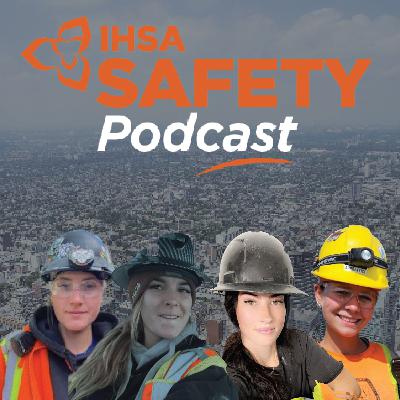
This episode of the IHSA Safety Podcast discusses women in the trades and features four skilled tradeswomen who are building, welding, wiring, and driving real change in the industry.Gabrielle, a carpenter apprentice; Kenedi, a heavy equipment operator; Kenya, a apprentice; and Catrina, an electrical apprentice, speak about what inspired them to pursue careers in the trades—from family involvement to sheer curiosity, as well as a love for hands-on, creative work.They discuss the challenges they’ve faced as women in male-dominated workplaces; some encountered resistance, while others received support and acceptance. They also highlight how workplace culture—whether strong or weak—can make a significant difference, emphasizing the importance of a positive and inclusive environment.The women share tips for those considering a career in the trades, such as not being discouraged by negative opinions but to use them as motivation instead. They also discuss other topics like the need for more private, clean washroom facilities, proper PPEs that fit, mental health support, as well as their hope to see more women enter the trades. Free resourcesWomen in Construction Health and SafetyChallenging stigma and preventing mental harmSafety talk: Toxic masculinitySee Privacy Policy at https://art19.com/privacy and California Privacy Notice at https://art19.com/privacy#do-not-sell-my-info.
This episode of the IHSA Safety Podcast discusses the Ontario Construction Secretariat (OCS) and the evolution of health and safety in Ontario's construction industry and features Brian Barron, CEO of the OCS.Brian speaks on his extensive history in construction and health and safety in Ontario. Drawing on his experience as a former inspector with the Ministry of Labour, Immigration, Training and Skills Development (MLITSD) and a construction small business owner, Brian shares that his transition from the MLITSD to CEO of the OCS was motivated by the OCS's commitment to improving the construction industry through collaboration between labour and management, as well as its focus on training and quality of life for workers.Brian explains that the OCS, established in 1993 to support provincial-wide collective bargaining in the construction industry, has a three-part mandate: to facilitate collective bargaining with data and information, to provide opportunities to network between labour and management, and to advance unionized construction in the ICI sector.Brian also explores topics on health and safety culture within Ontario’s construction industry, discussing improvements, current challenges, and the biggest health and safety priorities. He also explains factors that contribute to a stronger safety culture in unionized workplaces and the lessons non-unionized workplaces can take from them. Free resourcesThe Ontario Construction Secretariat (OCS)Entry Level Construction (IHSA training)IHSA YouTube channelSee Privacy Policy at https://art19.com/privacy and California Privacy Notice at https://art19.com/privacy#do-not-sell-my-info.
Choosing the right contractor for your home renovation is about more than cost—it’s also about safety. On this episode of the IHSA Safety Podcast, we discuss contractor safety standards when it comes to home renovations. This episode takes a different approach as it plays out real-world scenarios and conversations between a homeowner and potential contractors.The conversations emphasize the importance of contractor safety standards and the critical decisions homeowners must make when hiring a contractor for their home renovations. Key tips to keep in mind when hiring a contractor include:· Always ask for proof of WSIB coverage and liability insurance· Pay rapt attention to how the contractor talks about safety· Remember that the cheapest quote isn't always the best dealFree resourcesHiring a Roofing Contractor: Tips for HomeownersHiring a Commercial Diving ContractorHomeowner, Unit Owner, Tenant: My ResponsibilitiesSee Privacy Policy at https://art19.com/privacy and California Privacy Notice at https://art19.com/privacy#do-not-sell-my-info.
In 2022, Ontario recorded the highest number of transport truck collisions in a decade, causing 71 fatalities due to inexperienced drivers, risky moves by some truck drivers, and mechanical failures. On this episode of the IHSA Safety Podcast, Kim Richardson, senior advisor with The Professional Truck Training Alliance of Canada (PTTAC), discusses the crucial need for smarter and more thorough training in the trucking industry.Kim, a long-time truck driver in Ontario, explains that the PTTAC is calling for a major shift in recognizing truck driving as a Red Seal trade, which would mean stricter standardized training across the country and potentially lead to safer roads for everyone. The Red Seal certification program, which is being developed by the Red Seal committee, aims to make commercial truck driving a principal trade in five provinces, with Alberta taking the lead. The program will require drivers to attend an approved school and carrier involved in the Red Seal program, and a minimum of 2,000 hours behind the wheel before a written test can be taken. To further raise awareness for the program, the Red Seal committee, consisting of industry leaders, carriers, insurers, and schools, developed a three-part approach: educate, advocate, and support. Industry leaders should educate their industries on the benefits of the Red Seal apprenticeship, while government and association leadership at high levels should advocate for the program. Carriers' support is also essential, as their involvement is crucial for the program's survival.Kim further discusses what a ‘misclassified driver’ represents, how a Red Seal certification addresses international drivers and their eligibility to operate in Canada, and how interested parties in the Red Seal approach can get involved. Free resourcesProfessional Truck Training Alliance of CanadaTrucking Operations: Your Personal SafetyStruck-by Hazards in TransportationSee Privacy Policy at https://art19.com/privacy and California Privacy Notice at https://art19.com/privacy#do-not-sell-my-info.
On this episode of the IHSA Safety Podcast, Michele Beckstead-Jackson from Ontario’s Ministry of Labour, Immigration, Training and Skills Development (MLITSD) discusses the importance of asbestos awareness in Ontario workplaces and the required training for workers and supervisors to ensure they are well-equipped to recognize asbestos hazards and know how to safely control them.Asbestos remains a dangerous material, particularly in construction and renovation projects. Proper training for workers and supervisors is not only best practice—it’s a legal requirement. Michele states that general awareness training by a competent person is required regardless of whether a worker is performing Type 1, Type 2, or Type 3 operations. For Type 3 asbestos abatement work, 253W and 253S are required modular trainings under the Occupational Health and Safety Act, which means workers and supervisors must complete one of these courses before performing or overseeing any Type 3 abatement work. Without a valid 253W or 253S certificate of completion card, a worker or supervisor is not legally permitted to engage in Type 3 work.Michele mentions a separate training, 253H, which is an apprenticeship program designed to provide apprentices with basic training to handle various hazardous materials in the workplace. However, it does not include the specialized training required for Type 3 abatement work and therefore is not an acceptable substitute for 253W or 253S.Michele also explains the similarities and differences between the modular and apprenticeship programs, as well as the registration process for trainings. Free resourcesAsbestos Awareness and Training Requirements for Workplace Safety (Ep. 99)Asbestos on Construction Projects - Reporting and Notification Responsibilities (Ep. 82)Health and Safety Advisory: Asbestos in Elevator ComponentsHealth & Safety Advisory: Heat Stress and Type 3 Asbestos OperationsAsbestos Work in Construction Hazard AwarenessSee Privacy Policy at https://art19.com/privacy and California Privacy Notice at https://art19.com/privacy#do-not-sell-my-info.
One common mistake organizations often make is using the terms "assessment," "inspection," and "audit" interchangeably. These terms have different meanings and serve different purposes in health and safety, making it essential to not confuse them. This episode of the IHSA Safety Podcast discusses the differences between assessments, inspections, and audits in workplace safety and features Michael Falls, health and safety management systems consultant with IHSA in the COR® department.Michael addresses each term and explains that assessments are systematic evaluations used to identify hazards and risks associated with specific tasks, processes, or environments. Inspections are routine checks of the workplace, looking at equipment, processes, and unsafe conditions. Audits are systematic, independent, and documented processes for gathering evidence and evaluating it objectively to determine how well an organization meets pre-established criteria.Michael states why each of these processes matters in workplace safety, providing real-life examples of each process, as well as explaining how they are tied to legal compliance. Common mistakes organizations make in assessment, inspection, and auditing processes can be avoided by understanding and applying the terms accurately. Misusing these terms introduces risks that can lead to gaps in safety practices, missed opportunities for improvement, and unclear roles and responsibilities.Michael also emphasizes the crucial roles employers, supervisors, and workers play in assessments, inspections, and audits, as their input and overall participation are critical for ensuring the effectiveness of the processes. Free resourcesIHSA – Certificate of Recognition (COR®)COR® ResourcesCOR® TrainingSee Privacy Policy at https://art19.com/privacy and California Privacy Notice at https://art19.com/privacy#do-not-sell-my-info.
This episode of the IHSA Safety Podcast discusses the Office of the Worker Adviser (OWA) and features Kevin Brown and Kristen Lindsay from Ontario's Office of the Worker Adviser.The Office of the Worker Adviser is a resource that supports injured Ontario workers and ensures their rights are respected and enforced. The OWA team provides assistance in filing claims and navigating appeals, helping injured workers understand their rights and standing up for fairness. There is no charge for OWA services or any contingency fees, and workers keep all benefits they win.The OWA has been providing services since 1985, with staff members being mostly lawyers and licensed paralegals. Their staff are recognized as experts within the field and frequently present at law society trainings or the Ontario Bar Association Workers' Compensation section.Kevin highlights three reasons why OWA is a valuable resource: expertise, accessibility, and effectiveness. People can easily reach an experienced OWA representative quickly for advice through various methods, including email, phone, virtual, and in-person. The wait time for representation services is relatively short—between three and four months. They also have offices throughout the province.Kevin and Kristen also answer some frequently asked questions from workers, such as advice with return-to-work meetings, understanding medical evidence needed for claims, and how workers’ WSIB benefits relate with other forms of disability benefits like employment insurance and CPP. Free resourcesThe Office of the Worker Adviser (OWA)See Privacy Policy at https://art19.com/privacy and California Privacy Notice at https://art19.com/privacy#do-not-sell-my-info.


Download from Google Play

Download from App Store
 United States
🙏
🙏
🙏