


 Claim Ownership
Lab Rats to Unicorns
Subscribed: 6Played: 79
Subscribe

© Lab Rats to Unicorns
Description
Lab Rats to Unicorns is a podcast that aims to demystify the process of creating a great company in life sciences. Under the guidance of our host, John Flavin, you will hear personal stories of creation, be able to understand how great companies are created, and get insights into the many ways that you as an individual can engage in the creation of tomorrow’s life science companies. From the lab rat, signifying the process of invention and discovery, to the unicorn, signifying market success, there are a thousand players and ways in which people can contribute to the creation of great companies.
85 Episodes
Reverse
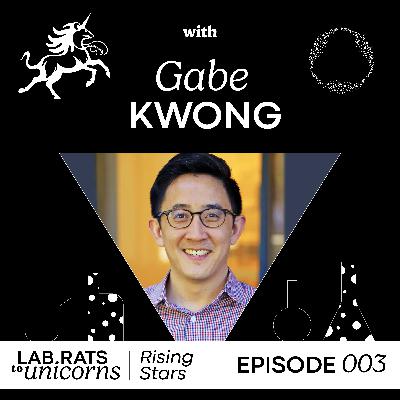
In this episode of Lab Rats to Unicorns: Rising Stars, we are joined by Dr. Gabe Kwong, a trailblazing biomedical engineer, innovator, and entrepreneur. Gabe is the director of the Laboratory for Synthetic Immunity at Georgia Tech and Emory University, where his groundbreaking research focuses on engineering immune cells as living drugs and developing cutting-edge diagnostics for early disease detection. Gabe shares his journey from academia to entrepreneurship, founding Glimpse Bio and Port Therapeutics to bring life-saving technologies from the lab to the market. He delves into the transformative potential of synthetic immunity and his work on the Cancer Moonshot initiative, which aims to create an activity-based cancer atlas and advance multi-cancer early detection. In this candid conversation, Gabe reflects on the importance of mentorship, the power of community spaces like Science Square in Atlanta, and the challenges of aligning science with market demands. Tune in to hear how Gabe is driving innovation, building bridges in the biotech ecosystem, and training the next generation of entrepreneurial researchers. This episode is an inspiring look at the intersection of science, innovation, and the human drive to make a difference.
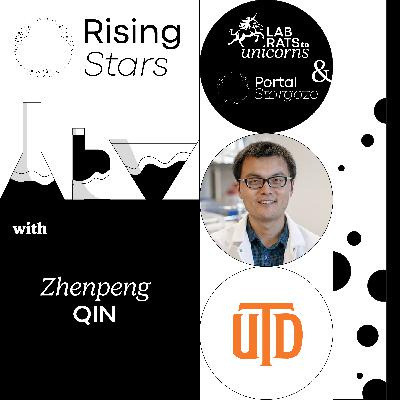
In this insightful episode of Lab Rats to Unicorns, Steve Lehmann sits down with Dr. Zhenpeng Qin, Associate Professor of Mechanical and Bioengineering at the University of Texas at Dallas. Dr. Qin shares his groundbreaking work in biomedical engineering, focusing on the development of nanomaterials to advance diagnostics and therapeutic delivery. From innovations in nanoparticle technology to exploring the blood-brain barrier for treatment delivery, Dr. Qin’s journey reveals the power of interdisciplinary research. This episode dives into the evolution of his career, his shift from traditional mechanical engineering to medical applications, and his vision for the future of biomedical technology.
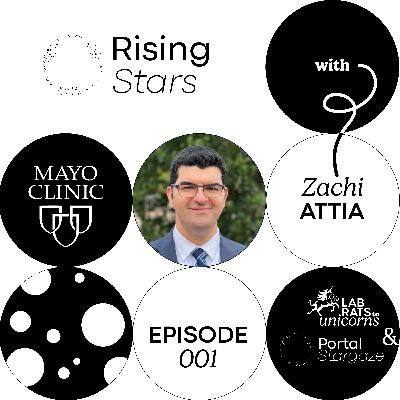
Join Steve Lehmann & Jeremy Langsam from Portal's Stargaze team on a bimonthly segment of Lab Rats to Unicorns: Rising Stars. In this episode, they explore the groundbreaking work of Zachi Attia, the Director of Artificial Intelligence at Mayo Clinic. With a rich background in electrical engineering and a Ph.D. in Bioinformatics, Zachi discusses his pivotal role in advancing AI models that predict and screen cardiovascular diseases. From his innovative research to real-world applications that are saving lives, this episode offers an inspiring look into the future of healthcare.
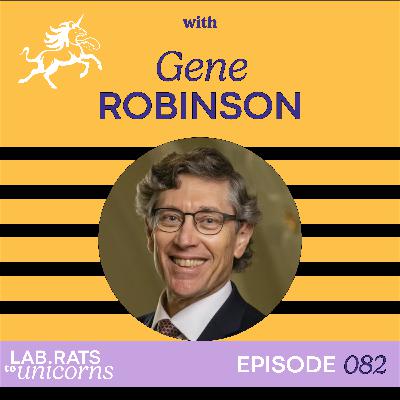
In this episode of Lab Rats to Unicorns, John Flavin sits down with Dr. Gene Robinson, a pioneering scientist in the biology of social behavior and a professor at the University of Illinois Urbana-Champaign. Widely recognized for his groundbreaking work in genomics and neuroscience, Dr. Robinson has spent decades uncovering how genes influence behavior—using the complex societies of honeybees as his model system. From leading the sequencing of the honeybee genome to advancing our understanding of how environment and biology interact, Dr. Robinson’s work has reshaped how scientists think about the relationship between genes and behavior. Now stepping into his role as Executive Director and CEO of the Discovery Partners Institute, he is focused on applying artificial intelligence and interdisciplinary collaboration to real-world challenges across industry and society. This conversation explores the evolution of genomics, the surprising plasticity of behavior at the molecular level, and the implications of this work for fields ranging from medicine to AI. At its core, this episode is about curiosity, persistence, and the power of following a question—from a beekeeping hobby at age 17 to discoveries that challenge how we understand human potential.
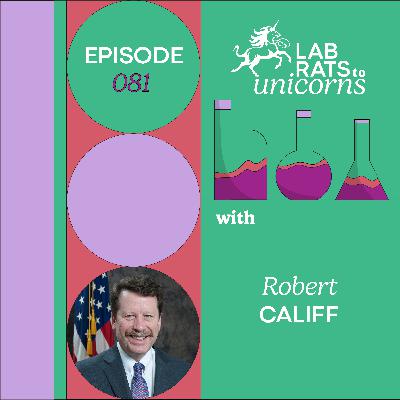
In this episode of Lab Rats to Unicorns, John Flavin sits down with Dr. Robert Califf, physician-scientist and two-time Commissioner of the U.S. Food and Drug Administration under Presidents Barack Obama and Joe Biden. A cardiologist by training and longtime leader in clinical research, Dr. Califf has spent his career at the intersection of medicine, technology, regulation, and public service. From founding the Duke Clinical Research Institute to guiding the FDA through the COVID-19 pandemic, Dr. Califf brings a rare perspective on how science becomes medicine—and how policy, politics, and evidence shape what ultimately reaches patients. He reflects on the early days of cardiology breakthroughs, the birth of large-scale clinical trials, and the responsibility regulators carry in balancing innovation with safety. The conversation explores translational medicine, the realities of uncertainty in public health, the evolving role of AI in healthcare, and the global competition shaping the future of biomedical innovation. At its core, this episode is about decision-making under pressure—and the systems required to ensure that groundbreaking ideas translate into measurable benefit for patients.
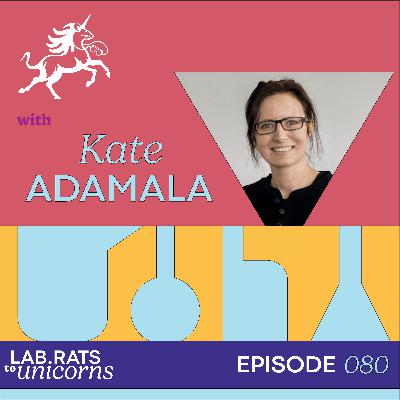
In this episode of Lab Rats to Unicorns, John Flavin speaks with Dr. Kate Adamala, a synthetic biologist and University of Minnesota professor whose work explores one of science’s biggest questions: what is life — and can we build it from scratch? As a leader in the International Build-a-Cell Collaboration, Kate is helping drive global efforts to construct synthetic living systems from nonliving components while advancing research across minimal cells, origins-of-life science, and biocomputing.Kate shares how a childhood love of science fiction shaped her path into synthetic biology and explains the idea of “life but not alive,” highlighting how synthetic cells differ from traditional genetic engineering. She also discusses the shift from academic discovery to entrepreneurship through Synlife, the challenges of scaling entirely new biological platforms, and the regulatory questions ahead.The conversation explores how programmable synthetic cells could transform medicine, manufacturing, sustainability, and even space exploration — while raising profound scientific and ethical questions about humanity’s growing ability to design life itself.
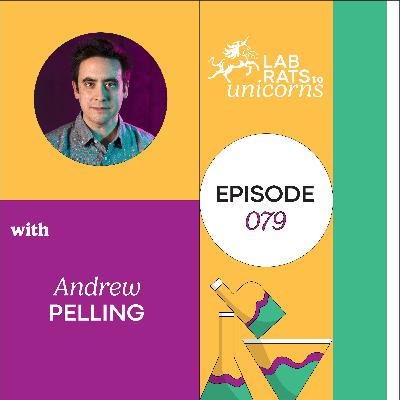
In this episode of Lab Rats to Unicorns, John Flavin sits down with Dr. Andrew Pelling—trailblazing biophysicist, artist-trained scientist, and Co-Founder & Chief Scientific Officer of Spiderwort Biotechnologies. Andrew is best known for reimagining living systems, most famously by using decellularized apples and other plants as scaffolds to grow human tissue—work that helped spark an entirely new category of plant-derived biomaterials.Formerly a professor at the University of Ottawa, Andrew founded the Pelling Lab for Augmented Biology, an unconventional research environment where scientists and artists explored how physical forces—rather than genetic manipulation—shape cellular behavior. His approach focuses on stretching, compressing, and reshaping cells to unlock new biological possibilities.Andrew shares how his background in the arts shaped his scientific intuition, why curiosity-driven research led from grocery-store experiments to restoring movement in paralyzed rats, and how that breakthrough ultimately inspired the founding of Spiderwort. Along the way, he reflects on failure, leadership, and building imaginative teams—offering a compelling vision for how augmented biology could transform regenerative medicine and human health.
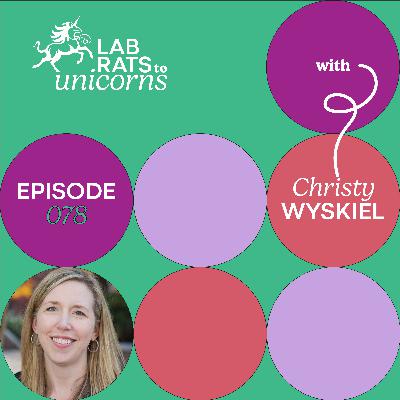
In this episode of Lab Rats to Unicorns, John Flavin sits down with Christy Wyskiel, a nationally recognized leader in translational science, startup acceleration, and innovation ecosystem building. As a longtime architect of university-based commercialization programs, Christy has helped shape how academic discoveries become venture-backed companies with real-world impact.Christy shares her journey from early roles in economic development to becoming a driving force behind one of the most respected university innovation engines in the country. Over the course of her career, she has worked at the intersection of research, startups, investors, and institutions—designing systems that help founders navigate the path from lab bench to market.Throughout the conversation, Christy breaks down what actually enables scientific founders to succeed: access to capital, shared infrastructure, mentorship, regulatory fluency, and—most importantly—people who understand both science and company-building. She reflects on lessons learned from supporting hundreds of startups, the importance of founder readiness, and why universities must evolve beyond tech transfer to remain competitive.This episode offers a behind-the-scenes look at the systems, strategies, and collaborative effort that make it possible to turn groundbreaking research into thriving companies.
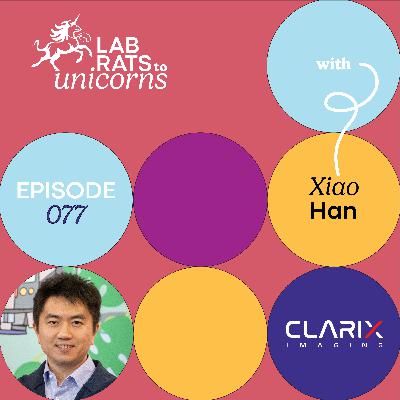
In this episode of Lab Rats to Unicorns, John Flavin sits down with Dr. Xiao Han, Co-Founder and CEO of Clarix Imaging, a pioneering medical device company spun out of the University of Chicago. Xiao is transforming the world of cancer surgery with real-time, high-resolution 3D imaging that helps surgeons visualize tumors more clearly and make more precise decisions in the operating room. Before launching Clarix, Xiao spent more than a decade as a medical physics researcher and faculty member at the University of Chicago, developing advanced tomographic imaging technologies and collaborating closely with radiologists, surgeons, and pathologists. His journey—from physics student to inventor to CEO—was shaped by a deep curiosity, an engineering mindset, and a passion for translating scientific breakthroughs into tools that directly improve patient care. Xiao shares the pivotal experience inside a pathology lab that made him leave academia to start Clarix, how the company achieved FDA clearance in under 18 months, and why multidisciplinary collaboration is the key to accelerating innovation. He also offers an inside look into how Clarix’s VSI-360 platform is redefining breast cancer surgery and opening the door to a new standard of real-time intraoperative imaging across multiple specialties. Throughout the conversation, Xiao reflects on leadership, translational research, the power of seeing technology used in the OR, and his vision for the future of precision surgery.
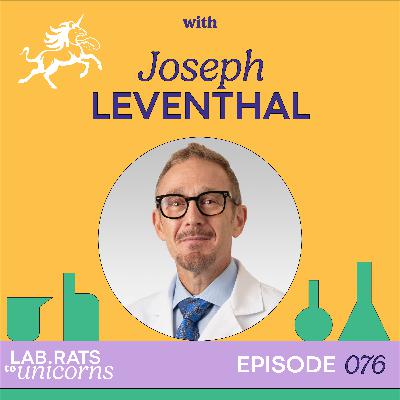
In this episode of Lab Rats to Unicorns, John Flavin sits down with Dr. Joseph Leventhal, Professor of Surgery and Director of Living Donor Kidney Transplantation at Northwestern University Feinberg School of Medicine. A pioneer in the field of organ transplantation, Dr. Leventhal’s research is redefining what’s possible in immune tolerance—an area often described as the “holy grail” of transplantation, where a patient’s body can accept a donated organ without lifelong immunosuppressive drugs.Dr. Leventhal shares his journey from growing up in New York City to becoming one of the foremost leaders in transplant surgery and cell therapy innovation. He discusses how his team’s groundbreaking clinical work has shown that tolerance can be achieved through cellular therapies, potentially freeing patients from the burdens of chronic immunosuppression.From the early days of cyclosporine to founding TRACT Therapeutics and developing first-in-human T-regulatory cell therapies, Joe reflects on the scientific curiosity, resilience, and collaboration that drive progress in a complex field. He also explores the evolving ecosystem for biotech innovation in Chicago, the challenges of translating academic research into clinical therapies, and the optimism surrounding the next generation of precision cell therapies.
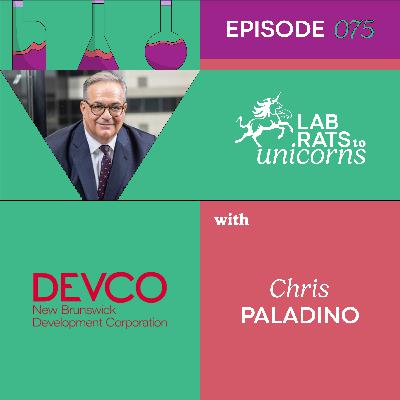
In this episode of Lab Rats to Unicorns, John Flavin is joined by Chris Paladino, President of the New Brunswick Development Corporation (DEVCO)—a nonprofit real estate development organization that has played a central role in revitalizing New Brunswick, New Jersey. Under Chris’s leadership since 1994, DEVCO has overseen more than $3.5 billion in projects spanning education, healthcare, housing, and innovation. Chris shares how a developer’s vision—rooted in collaboration and community impact—can drive economic growth and scientific progress. From transforming New Brunswick into a model for public-private partnerships to spearheading HELIX NJ, a $1.6 billion health and life sciences hub developed with Rutgers, Princeton, Nokia Bell Labs, the New Jersey Economic Development Authority, and Portal Innovations, Chris offers an insider’s view of how cities can evolve into thriving innovation ecosystems. Throughout the conversation, he reflects on lessons learned from decades of civic development, the importance of “creative collisions” between academia and industry, and why long-term success depends on patience, partnerships, and purpose.
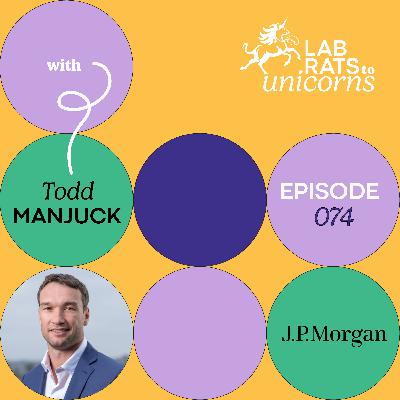
In this episode of Lab Rats to Unicorns, John Flavin is joined by Todd Manjuck—Associate on JPMorgan’s Innovation Economy team and former U.S. Navy SEAL. Todd supports venture-backed companies across the life sciences sector, helping founders and executives navigate the unique challenges of scaling healthcare businesses. From capital access to operational strategy, Todd serves as a connector between early-stage innovators and the broader ecosystem. Before entering the world of finance and innovation, Todd spent over eight years as a Navy SEAL, an experience that continues to shape his approach to leadership, resilience, and decision-making under uncertainty. He reflects on how lessons from special operations translate to biotech—whether in adapting strategy, managing risk, or building strong teams. Throughout the conversation, Todd shares his perspectives on today’s life sciences landscape, the parallels between entrepreneurship and combat training, and the importance of mentorship and resilience in the face of uncertainty. He also opens up about his mother’s cancer journey, which inspires his commitment to supporting companies working to advance treatments and improve patient outcomes.
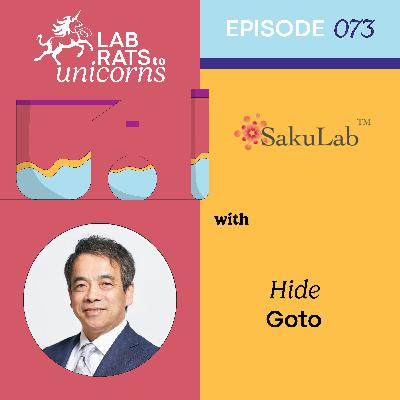
In this episode of Lab Rats to Unicorns, John Flavin is joined by Dr. Hide Goto, Head of Open Innovation Japan at Astellas. With more than 27 years of experience in drug discovery and research, Dr. Goto has journeyed from molecular biology and small-molecule drug development to leading-edge work in regenerative medicine, cell therapy, and now, ecosystem building. After three years in Boston as President of the Astellas Institute for Regenerative Medicine, Dr. Goto returned to Japan with a new perspective: science alone is not enough. To turn breakthroughs into therapies, Japan must embrace open innovation—building stronger connections between academia, startups, industry, and global partners. In this conversation, he reflects on the differences between Boston’s high-functioning life sciences cluster and Japan’s emerging ecosystem, the mission of SakuLab in Tsukuba, and the importance of fostering an entrepreneurial mindset among Japanese scientists. He also shares why now is a pivotal moment, with government funding, global partnerships, and new programs like the SakuLab Startup Bootcamp aligning to spark a new generation of biotech founders in Japan.
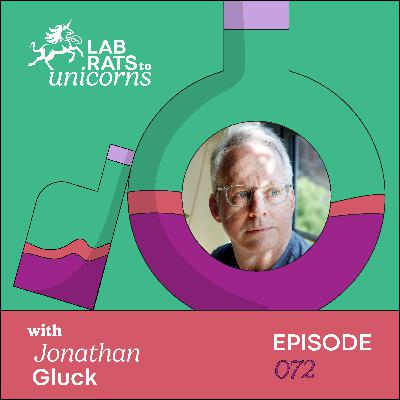
In this episode of Lab Rats to Unicorns, John Flavin is joined by Jonathan Gluck—award-winning writer, longtime magazine editor, and now author of the deeply personal memoir An Exercise in Uncertainty: A Memoir of Illness and Hope. For more than two decades, Jonathan helped shape cultural conversations at New York Magazine, Vogue, The New York Times, and The Washington Post. But in his book, he turns the lens inward, chronicling his unexpected cancer diagnosis, the maze of the healthcare system, and the breakthroughs in biomedical research that helped him outlive the odds. From his first shocking diagnosis of multiple myeloma in his late thirties to the cutting-edge therapies like CAR T-cell treatment that have sustained him two decades later, Jonathan’s journey reflects both the fragility and resilience of the human spirit. Along the way, he shares how writing helped him process uncertainty, why patient storytelling matters for science and society, and what lessons living “one stone at a time across the river” can offer to entrepreneurs, innovators, and anyone facing the unknown.
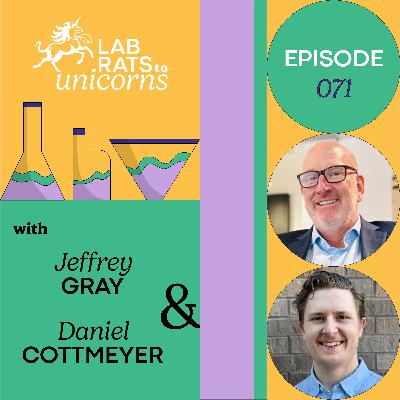
In this episode of Lab Rats to Unicorns, John Flavin is joined by Jeffrey Gray, Founder & CEO of AgeTech Connect, and Dr. Daniel Cottmeyer, a physical therapist and PhD researcher at Georgia State University. Together, they explore how science, entrepreneurship, and storytelling are coming together to change the way we age. From wearable diagnostics and remote rehab to system-level thinking around healthcare access and loneliness, this conversation dives deep into one of the most human and pressing frontiers in tech: aging well. Jeff shares how personal experience led him to create AgeTech Connect, now the largest national community of agetech innovators, while Daniel unpacks the science behind joint degeneration and how companies like Arthroba are using real-time metrics to personalize therapy and improve mobility.
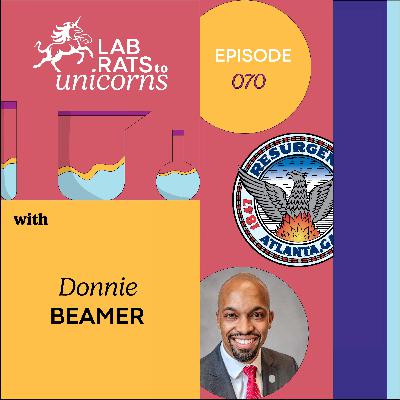
In this episode of Lab Rats to Unicorns, John Flavin is joined by Donnie Beamer, Atlanta’s first-ever Senior Technology Advisor, appointed by Mayor Andre Dickens. Donnie brings a unique blend of experiences—as an entrepreneur, investor, corporate innovator, and civic leader—making him the perfect connector for Atlanta’s growing innovation ecosystem. From launching an AI-driven robotic bartender startup to leading new growth initiatives at Cox Communications, Donnie’s career has spanned entrepreneurship, tech, and economic development. Now, in his role with the City of Atlanta, he’s helping shape the region’s future by uniting startups, corporations, universities, and investors to fuel Atlanta’s rise as a national tech hub.
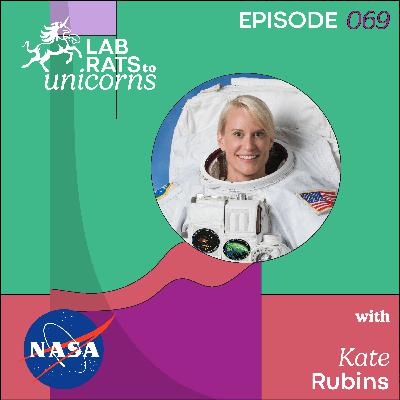
WATCH FULL VIDEO INTERVIEW HEREIn this episode of Lab Rats to Unicorns, John Flavin is joined by Dr. Kate Rubins, NASA astronaut, microbiologist, Army Major, and the first person to sequence DNA in space. With a PhD in cancer biology from Stanford and groundbreaking research on viruses like Ebola and smallpox, Dr. Rubins has spent her career at the intersection of biology, innovation, and exploration. From her early work in infectious disease labs to running her own research facility in the Democratic Republic of Congo—and ultimately conducting over 200 experiments aboard the International Space Station—Dr. Rubins exemplifies what happens when science meets mission. In this episode, Kate reflects on her path to becoming an astronaut (spoiler: she applied as a joke), what it’s like to conduct molecular biology experiments in microgravity, and how the constraints of space research are driving innovation in diagnostics, biotech, and health access on Earth.
Kathleen Sebelius has led a career defined by public impact—first as Governor of Kansas and then as U.S. Secretary of Health and Human Services, where she helped steer one of the most significant healthcare reforms in American history. In this episode of Lab Rats to Unicorns, Sebelius unpacks the leadership lessons she’s learned across government and health systems, including the rollout of the Affordable Care Act and her efforts to accelerate translational research through federal agencies like the NIH, FDA, and CMS. At a time when NIH funding is under political pressure, Sebelius offers a powerful defense of continued public investment in biomedical science. She argues that undermining NIH not only risks slowing innovation but jeopardizes America’s global leadership in medicine, biotechnology, and economic competitiveness. Whether you're a policymaker, entrepreneur, or scientist, this conversation reveals why bipartisan support for public health infrastructure and regulatory expertise is more important than ever—and how real progress depends on collaboration across sectors.
In this episode of Lab Rats to Unicorns, host John Flavin speaks with Dr. Geoff Duyk, co-founder and CEO of Grove Biopharma. Geoff brings over 35 years of experience across academia, biotech leadership, and venture capital. From his early work in human genetics at UCSF to co-founding Millennium Pharmaceuticals and leading R&D at Exelixis, Geoff unpacks the evolution of biotech from the 1970s to today. This conversation comes on the heels of Grove’s massive $30M Series A. Geoff shares the story behind Grove Biopharma’s founding, born from a collaboration between a Northwestern chemist, a green chemistry innovator, and himself—culminating in a startup focused on intracellular targets using novel protein-mimetic polymers. Geoff also reflects on the infrastructure and cultural foundations that make biotech innovation possible, from the NIH’s visionary investments to the importance of people, timing, and place. Learn how Grove is challenging the limits of drug design with a new class of molecules that behave like antibodies but operate inside cells—unlocking new frontiers in cancer and beyond.
In this episode of Lab Rats to Unicorns, we sit down with two powerhouse leaders advancing the life sciences movement in Atlanta: Dr. Steven Goudy, a pediatric otolaryngologist at Emory University and founder/CEO of Oridivus, and Ashley Cornelison, Executive Director of Portal Innovations Atlanta and a longtime champion of biotech startups in the Southeast.Together, they explore the unique challenges and opportunities of building biotech companies from academic and clinical environments. Dr. Goudy shares his journey from surgeon to entrepreneur, detailing how his NIH-funded research led to Oridivus—an Atlanta-based startup developing a first-in-class therapy for oral wound healing. Ashley offers a deep dive into her time with the Georgia Research Alliance and how that experience informs her current work supporting early-stage companies through venture development and infrastructure at Portal.The conversation also highlights the Innovation Certificate Program, a joint initiative between Emory and Portal designed to equip clinicians and researchers with the tools to bring ideas to market. With stories of resilience, creativity, and cross-disciplinary collaboration, this episode paints a vivid picture of a region on the rise—powered by talent, mission-driven startups, and a growing network of support.

Comments

Download from Google Play

Download from App Store
 United States