


The Truth In This Art
Subscribed: 45Played: 2,322
Subscribe


© 2019 - 2026 Copyright of this audio content is owned by Contrarian Aquarian
Description
The Truth In This Art with Rob Lee is a Baltimore-based arts and culture podcast where independent journalist Rob Lee goes beyond the highlight reel to uncover the truth behind the work—the creative process, the choices, and the stories that shape the people who make it.
This podcast features thoughtful conversations with emerging and established photographers, filmmakers, designers, musicians, chefs, writers, and other creative voices. Each episode explores how artists build sustainable practices, stay connected to their communities, and create work that reflects the world around them. More than interviews, these are stories about what it takes to build a creative life—the challenges, choices, and experiences that make art matter.
For makers, culture lovers, and the creatively curious
972 Episodes
Reverse
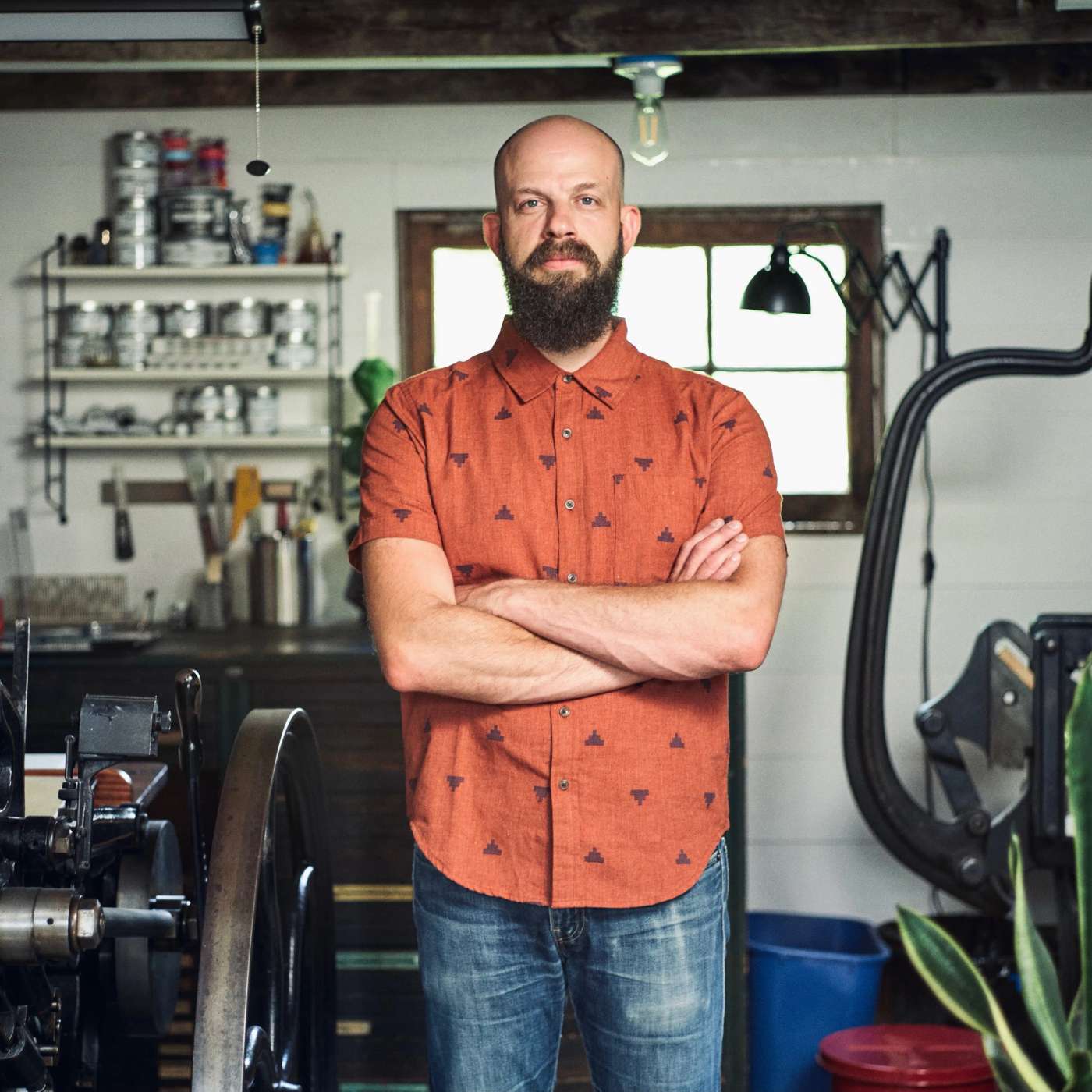
In this episode of The Truth In This Art, I sit down with Jesse Kirsch — graphic designer, artist, and co-founder of No Plan Studio, a Takoma Park studio combining contemporary design with century-old letterpress equipment.About Jesse Kirsch: Kirsch is a graphic designer and artist whose work spans print, installation, and community projects. At No Plan Studio, he and his wife and creative partner, Diane, bring modern design together with vintage printing tools, while making room for experimentation and unexpected turns.Kirsch’s path has moved through graphic design, letterpress, art fairs, and ambitious installations, including a project for a renovated NBC studio in Washington, D.C. He talks about how technology can be another tool in the artist’s kit, and why a project, deadline, or purpose can help get ideas moving.During the pandemic, he designed and printed three letterpress prints for Takoma Park, donating the proceeds to grants for local businesses. The project raised around $10,000. What began as a way to help neighbors became a deeper connection to the place he calls home — and a reminder that design can mean more than a paycheck.He also reflects on the name No Plan and the way creative work can take unexpected turns. An article once described the studio’s work this way: “The town is our portfolio.” In this conversation, Kirsch shares how that idea reflects No Plan Studio’s connection to the community around it.Find No Plan Studio on Instagram at @NoPlanStudio, at NoPlan.studio, and find letterpress goods at NoPlan.press.Photo credit: Shawn Bruce.
The Truth In This Art is supported by William G. Baker, Jr. Memorial Fund, the Maryland State Arts Council's Creativity Grant and Mayor's Individual Artist Award - Creative Baltimore Fund (Baltimore). Host: Rob LeeMusic: Original music by Daniel Alexis Music with additional music from Chipzard and TeTresSeis.Production:Produced by Rob Lee & Daniel AlexisEdited by Daniel AlexisShow Notes courtesy of Rob Lee and TransistorPhotos:Rob Lee photos by Vicente Martin for The Truth In This Art and Contrarian Aquarian Media.Guest photos courtesy of the guest, unless otherwise noted.Support the podcastThe Truth In This Art Podcast Fractured Atlas (Fundraising): https://www.fracturedatlas.orgThe Truth In This Art Podcast Bluesky: https://bsky.app/profile/thetruthinthisart.bsky.socialThe Truth In This Art Podcast Instagram: https://www.instagram.com/truthinthisart/?hl=enThe Truth In This Art Podcast Website: https://www.thetruthinthisart.com/The Truth In This Art Podcast Shop: Merch from Redbubble
★ Support this podcast ★

 1
In this episode of The Truth In This Art, I sit down with Kala Hagopian — founder and lead artist of Hagopian Arts, a woman-owned public art studio in the Philadelphia region.About Kala Hagopian: Artist and founder of Hagopian Arts. Her large-scale murals transform public spaces by blending botanical and wildlife realism with geometric design, rooted in ecology, culture, and our relationship to the natural world.Hagopian grew up in Vermont with her father, painter Philip Hagopian. No money, but art everywhere — fields, forests, and a public school Renaissance Program where she studied directly alongside ecologists and other professionals. Going to the source became instinct early. She trained at the Pennsylvania Academy of Fine Arts, started painting murals, launched her first collaborative public art initiative in 2012, founded Hagopian Arts on her own in 2016 — the same year her son was born — and in 2018 started the EcoMural Project, often painting with her baby on her back.That project now sits at 26 murals, each taking three to eight months to complete. She talks about building it through partnerships with organizations like John Heinz Wildlife Refuge, Philly Orchard Project, North American Land Trust, and Pollinator Partnership — groups that bring research, community education, and ecological depth into every project.She also talks money and compromise. Early on, she'd spend six months on a job someone else finished in two weeks — same pay. She kept going, pushing every piece past what was expected. "I wasn't willing to compromise how I really wanted to paint, and I think that's defined me."On independence, her answer is the same every time: "I cannot let life just happen to me. I want to be creating it."Find Kala Hagopian on Instagram at @HagopianArts and at HagopianArts.com.Photo courtesy of subject
The Truth In This Art is supported by William G. Baker, Jr. Memorial Fund, the Maryland State Arts Council's Creativity Grant and Mayor's Individual Artist Award - Creative Baltimore Fund (Baltimore). Host: Rob LeeMusic: Original music by Daniel Alexis Music with additional music from Chipzard and TeTresSeis.Production:Produced by Rob Lee & Daniel AlexisEdited by Daniel AlexisShow Notes courtesy of Rob Lee and TransistorPhotos:Rob Lee photos by Vicente Martin for The Truth In This Art and Contrarian Aquarian Media.Guest photos courtesy of the guest, unless otherwise noted.Support the podcastThe Truth In This Art Podcast Fractured Atlas (Fundraising): https://www.fracturedatlas.orgThe Truth In This Art Podcast Bluesky: https://bsky.app/profile/thetruthinthisart.bsky.socialThe Truth In This Art Podcast Instagram: https://www.instagram.com/truthinthisart/?hl=enThe Truth In This Art Podcast Website: https://www.thetruthinthisart.com/The Truth In This Art Podcast Shop: Merch from Redbubble
★ Support this podcast ★
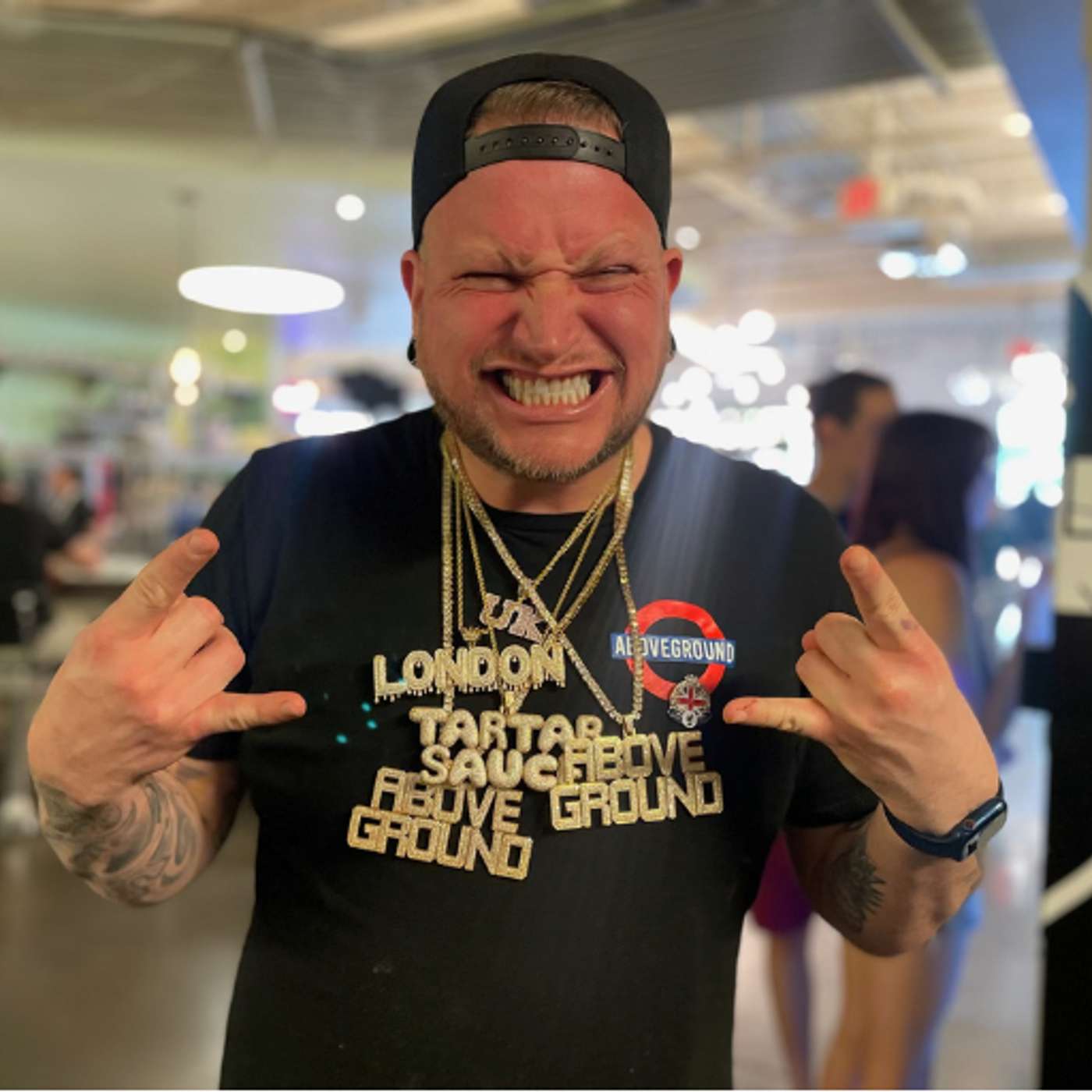
In this episode of The Truth In This Art, I sit down with Washington, D.C.-based chef Nicholas Martino!About Chef Nicholas Martino: Chef, entrepreneur, and proprietor of ABOVEGROUND, a British street-food and pub concept, and Egg Yaki, a Japanese comfort food concept, both located inside Union Market DC. His work brings together his culinary travels, love of British and Southeast Asian food cultures, and creative approach to cooking.We start at the beginning — Martino's earliest food memories include his mother pushing the boundaries of what he was willing to try, from couscous to sushi. He started working in restaurants at 14, eventually finding his way to culinary school and discovering that cooking was the path he wanted to pursue.We get into his story from Pennsylvania restaurant kitchens to London, where he trained under legendary chef Marco Pierre White, and later to Singapore, where he helped open Marco's first restaurant in Southeast Asia. Those experiences shaped his approach to food, introduced him to new cultures, and helped him develop his own culinary voice.Martino also opens up about the philosophy at the center of his work: treating food as art, embracing creativity, and making room for experimentation. He talks about building ABOVEGROUND as a love letter to British culture, developing Egg Yaki from his travels through Southeast Asia, and creating a kitchen culture where mistakes become opportunities to learn. As he puts it, "There are no problems, there's only solutions."He talks about where he and his work intersect — from his passion for art and design to his commitment to fostering creativity and trust among his team. He also shares the story behind his signature house bacon dish, his approach to proper British fish and chips, and his belief that cooking is one of the easiest ways to understand another culture.And he closes with advice for people navigating the challenges of the hospitality industry that is direct: don't let the haters get to you, never give up, and always bet on yourself.Photo courtesy of subject
The Truth In This Art is supported by William G. Baker, Jr. Memorial Fund, the Maryland State Arts Council's Creativity Grant and Mayor's Individual Artist Award - Creative Baltimore Fund (Baltimore). Host: Rob LeeMusic: Original music by Daniel Alexis Music with additional music from Chipzard and TeTresSeis.Production:Produced by Rob Lee & Daniel AlexisEdited by Daniel AlexisShow Notes courtesy of Rob Lee and TransistorPhotos:Rob Lee photos by Vicente Martin for The Truth In This Art and Contrarian Aquarian Media.Guest photos courtesy of the guest, unless otherwise noted.Support the podcastThe Truth In This Art Podcast Fractured Atlas (Fundraising): https://www.fracturedatlas.orgThe Truth In This Art Podcast Bluesky: https://bsky.app/profile/thetruthinthisart.bsky.socialThe Truth In This Art Podcast Instagram: https://www.instagram.com/truthinthisart/?hl=enThe Truth In This Art Podcast Website: https://www.thetruthinthisart.com/The Truth In This Art Podcast Shop: Merch from Redbubble
★ Support this podcast ★
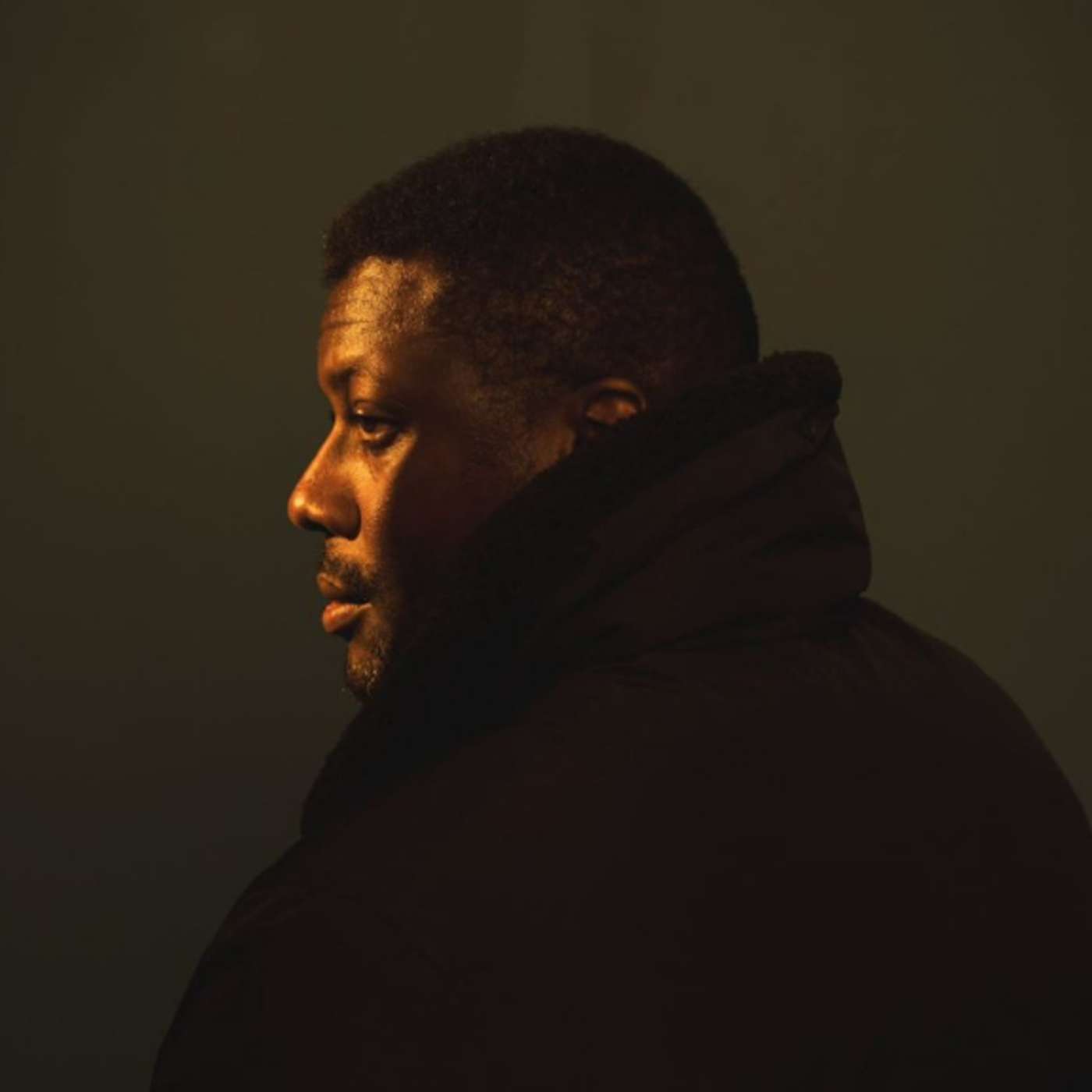
In this special bonus episode of The Truth In This Art, host Rob Lee welcomes David R. Ibata back to the podcast, this time to talk about his solo show, Vignettes, in front of an audience at Vika Gallery!About David R. Ibata: DC-area painter with Jamaican and Congolese roots, raised in Maryland and Washington DC, whose solo show Vignettes at Vika Gallery explores the influential moments, experiences, and cultural forces that shaped him as a person and as an artist.We recorded this one on October 3rd at Vika Gallery on 1700 Connecticut Avenue Northwest — a director's commentary of David's work, in front of a live audience. The work is a visual exploration of the people, places, images, sounds, and experiences that surrounded him growing up in a city in constant transition.We get into the 80s sci-fi that gave him a sense of comfort and identity — Star Trek, Star Wars, Highlander — at a time when outside felt dangerous. He's direct about his complicated relationship with hip hop growing up: "to me it represented the violence that was outside." That tension — between the culture surrounding him and the worlds he escaped into through film and television — is threaded throughout the work.We also talk about process: building up a body of work over the better part of a year, figuring out what stays and what goes, and the labor of constructing a painting that actually works — getting the face right, calculating the light, building it up from nothing.Be sure to follow David and follow Vika Gallery — links in the show notes.Photo courtesy of subjectBe sure to follow David R. Ibata and Vika Gallery — links in the show notes.Photo courtesy of subject
The Truth In This Art is supported by William G. Baker, Jr. Memorial Fund, the Maryland State Arts Council's Creativity Grant and Mayor's Individual Artist Award - Creative Baltimore Fund (Baltimore). Host: Rob LeeMusic: Original music by Daniel Alexis Music with additional music from Chipzard and TeTresSeis.Production:Produced by Rob Lee & Daniel AlexisEdited by Daniel AlexisShow Notes courtesy of Rob Lee and TransistorPhotos:Rob Lee photos by Vicente Martin for The Truth In This Art and Contrarian Aquarian Media.Guest photos courtesy of the guest, unless otherwise noted.Support the podcastThe Truth In This Art Podcast Fractured Atlas (Fundraising): https://www.fracturedatlas.orgThe Truth In This Art Podcast Bluesky: https://bsky.app/profile/thetruthinthisart.bsky.socialThe Truth In This Art Podcast Instagram: https://www.instagram.com/truthinthisart/?hl=enThe Truth In This Art Podcast Website: https://www.thetruthinthisart.com/The Truth In This Art Podcast Shop: Merch from Redbubble
★ Support this podcast ★
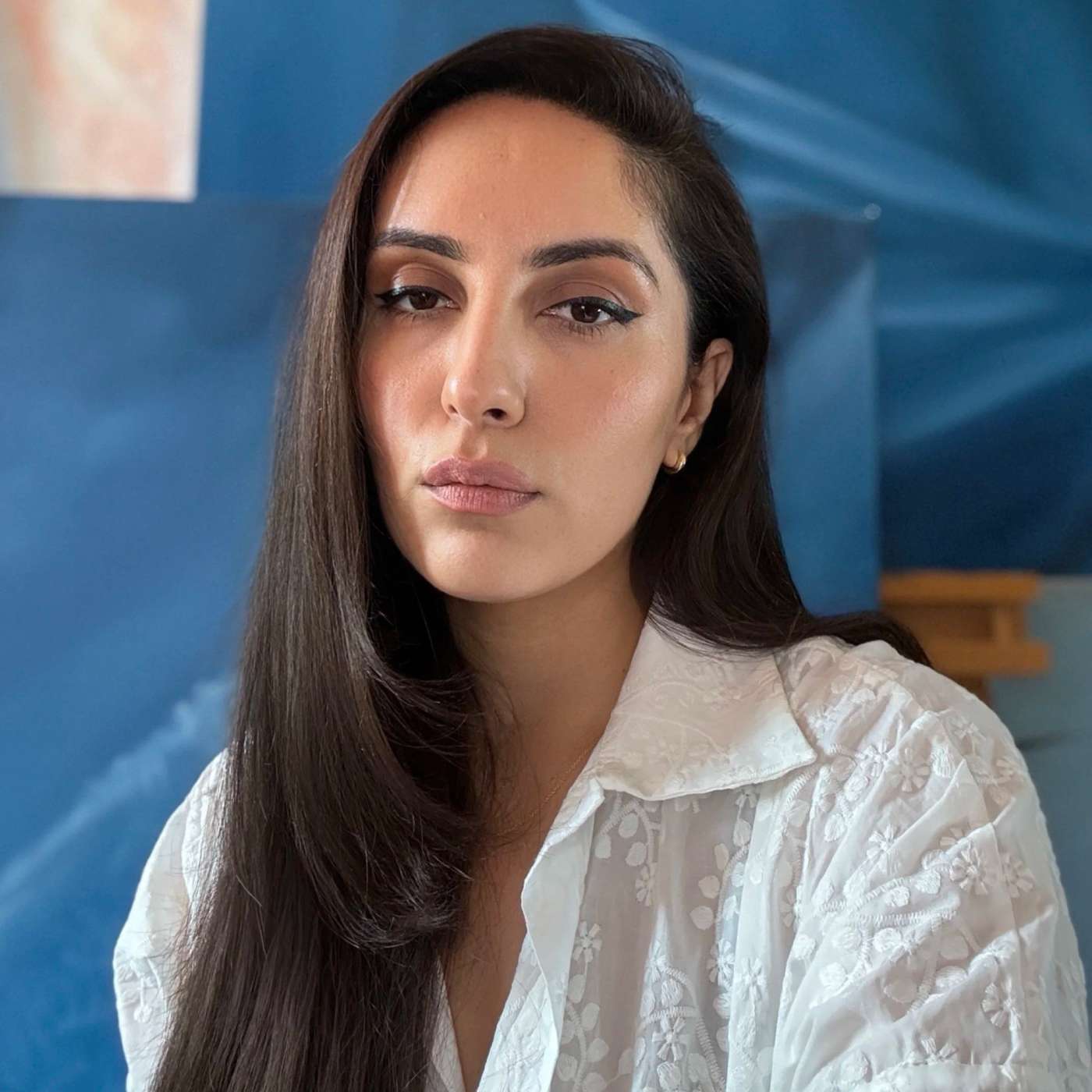
In this episode of The Truth In This Art, I sit down with Afghan American painter Sara Diani at Eaton Hotel in Downtown DC!About Sara Diani: Afghan American artist based in Northern Virginia and working in Washington DC, who works in oil and soft pastel to explore intimacy, desire, and attachment — focusing on fragments of the body, lingerie, fabric, curves, and the spaces between forms.We start at the beginning — Sara's first creative memory is getting reprimanded in first grade for not waiting for the paint to dry during a portrait exercise. She connects that moment directly to who she is now: an oil painter who needs glow, patience, and time.We get into her path to painting — a BA in art history from George Mason University with a focus on Eastern art, a photography background that served as a bridge to creative freedom, and drawing people, something she says has always stayed with her.Sara also opens up about the tension at the center of her work: growing up Afghan American in a culture where modesty was expected and desire was not something you put on a canvas. She's clear that she can only speak from her own experience — while being direct that curiosity about the body, yearning, and intimacy is what pulls her to make work. As she puts it, she "alchemizes" those feelings onto canvas.She talks about where she and her work intersect — her answer is that they don't diverge. She exists in her creativity. And she talks about the music and television that gave her a sense of freedom growing up — Busta Rhymes, the visual wildness of 90s music videos — and how that shaped her sense of what art could look like.And she closes with advice for artists that is direct: focus on your work, focus on your voice, and don't water it down for anyone.Photo courtesy of subject
The Truth In This Art is supported by William G. Baker, Jr. Memorial Fund, the Maryland State Arts Council's Creativity Grant and Mayor's Individual Artist Award - Creative Baltimore Fund (Baltimore). Host: Rob LeeMusic: Original music by Daniel Alexis Music with additional music from Chipzard and TeTresSeis.Production:Produced by Rob Lee & Daniel AlexisEdited by Daniel AlexisShow Notes courtesy of Rob Lee and TransistorPhotos:Rob Lee photos by Vicente Martin for The Truth In This Art and Contrarian Aquarian Media.Guest photos courtesy of the guest, unless otherwise noted.Support the podcastThe Truth In This Art Podcast Fractured Atlas (Fundraising): https://www.fracturedatlas.orgThe Truth In This Art Podcast Bluesky: https://bsky.app/profile/thetruthinthisart.bsky.socialThe Truth In This Art Podcast Instagram: https://www.instagram.com/truthinthisart/?hl=enThe Truth In This Art Podcast Website: https://www.thetruthinthisart.com/The Truth In This Art Podcast Shop: Merch from Redbubble
★ Support this podcast ★

Comments

Download from Google Play

Download from App Store
 United States