


Critical Wade Theory
Subscribed: 4Played: 19
Subscribe

© Wade Wainio
Description
I'll talk about everything from politics to entertainment and philosophy. I'm also a part-time entertainment writer and working-class from the UP of Michigan, so that might come up occasionally. Oh, and I make weird experimental music and sometimes host a college radio show.
690 Episodes
Reverse
...once violence is reframed as a technical problem, ethics disappear.Civilian deaths become “collateral damage.”Illegal invasions become “strategic interventions.”Torture becomes “enhanced interrogation.”
Today I want to talk about an actor many to know, but who I personally know in an incomplete way. That actor is F. Murray Abraham.
A billionaire cosmetics heir is behind Trump's Greenland greed. I also explain the weird, myth-based origins of the cosmetics company he inherited. Then I explore the most publicized scandal of the powerful right-wing media figure who tried (and failed) to get this billionaire cosmetics heir hired in political office.
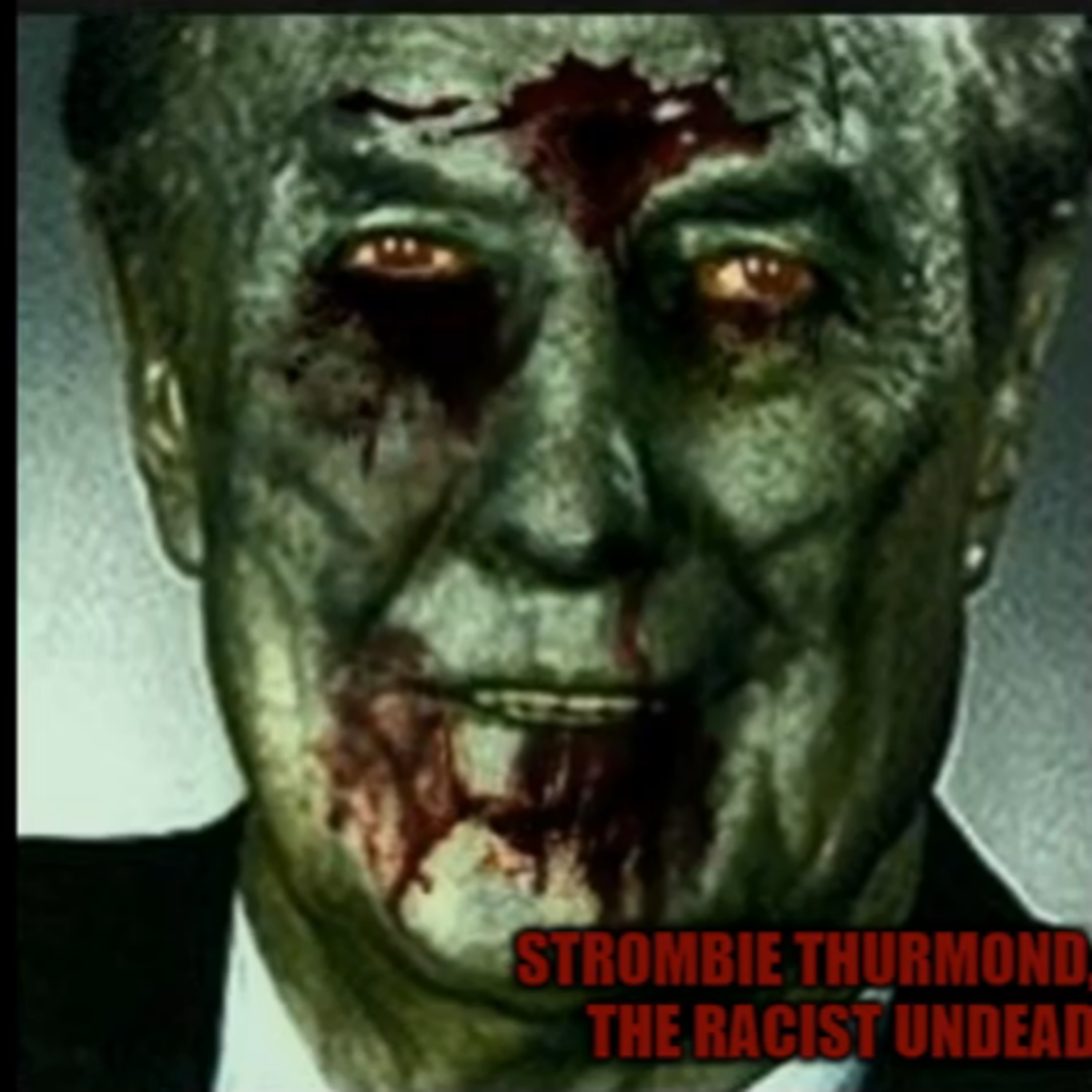
In this episode, I will look at Trump's authoritarian goofiness that's making him gooey over Greenland. I will then continue examining how our system (or maybe I should say "their system") helped produce Trump in the first place, by looking at the bizarre and devilish legacy of Lee Atwater, the repentant fascist political strategist bluesman. And lastly I will look at one of the specific scandals of Strom Thurmond, what it implies about the system, and why such examples further verify standard left-wing critiques of our political system.
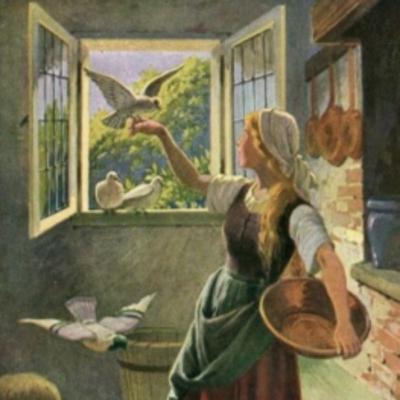
There’s a word that comes up again and again when we talk about stories, especially old ones.Real.We ask whether a tale is real folklore. A real myth. A real fairy tale.

If you were coming of age in the early 2000s and even slightly tuned into indie music, there’s a good chance The Shins found you before you ever went looking for them.They’re an American indie rock band known for melodic, introspective songs and sharp, literate lyrics. Music that doesn’t shout for attention, but somehow stays with you. The kind of songs that feel personal, even when you can’t quite explain why.

We like to believe our systems work — that justice is blind, democracy is fair, and truth has a fighting chance...Main photo credit: Origin unknown (if you know the original source, go ahead and let me know).

My podcast is not very successful by any means. I can say it is gaining momentum, on YouTube, but it's still not a huge show. Nevertheless, I keep receiving e-mails from right-wingers who want to be my guest. I have decided I don't want to platform them, and I don't have guests on as often as I used to anyway.Still, this shows you that right-wingers are confident, and that they want to get their message out as much, as often, as possible. I only RARELY receive ANY interest from random liberals or leftists when it comes to being a guest on my podcast.To me, that partly shows the difference between the right and the left, and partly explains why they are formidable.

The episode explores a recent ICE shooting of a woman in Minnesota, then shifts to Mark Burnett’s role in shaping Donald Trump’s rise as a media figure. From there, I analyze the influence of Burnett’s wife, Roma Downey, focusing on her role in producing Christian media. The argument is that Downey’s soft, “New Age–inflected” Christian messaging may function as a gateway that draws in audiences who wouldn’t normally engage with overtly right-wing content, even if her work is not explicitly political.The analysis connects Christian media, reality television, and spectacle-based entertainment such as professional wrestling, UFC, and boxing, highlighting shared narrative structures that normalize hierarchy, authority, and simplified moral frameworks. I argue that these media forms have helped condition audiences toward MAGA-style thinking over time. Finally, the episode places this within a broader historical pattern, showing how “apolitical spirituality” is often mobilized or exploited during rightward political shifts, presenting the case in a historically grounded way rather than as a conspiracy theory.

Today I'm talking about After We Fell, the 2021 romantic drama and the third installment in the After franchise. If you’ve made it this far into the series, you already know what kind of ride you’re signing up for. Big emotions, messy relationships, and a lot of arguing in nice-looking rooms.
![CWT610: 'Homegrown' Director Michael Premo on His January 6 Documentary [INTERVIEW]](https://s3.castbox.fm/9a/f4/e2/3a49c572486f9e378bad4415e8c9c9c896_scaled_v1_400.jpg "CWT610: 'Homegrown' Director Michael Premo on His January 6 Documentary [INTERVIEW]")
[NOTE: I will upload a fuller video of this, if there is a demand for it, with "demand" meaning if even 1 person asks for it.]In his latest documentary work, Homegrown, filmmaker Michael Premo turns his camera away from institutions and figureheads and instead focuses on the everyday people who became wrapped up in the events surrounding January 6. In this conversation with me (for VENTS Magazine online, and for this podcast), Premo talks about responsibility, radicalization, ethics, and what he learned by staying close to the personal lives of those involved.The documentary will be released in North America on January 6, 2026, marking the five-year anniversary of the attack on the U.S. Capitol. The film Homegrown is also currently available at homegrown.film.
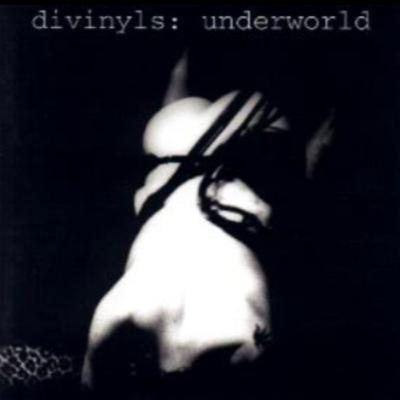
If you think of the Divinyls purely through the lens of “I Touch Myself,” you'll have an idea of what this album might provide — even if the lyrics don't unsettle prudes as much as their hit about handling the bearded clam.
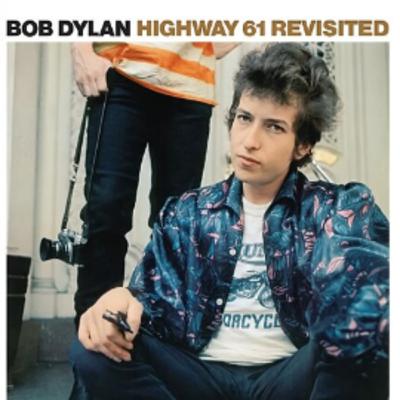
Released in 1965 as the title track of Dylan’s album Highway 61 Revisited, the song stands as one of the clearest statements of his break from acoustic folk into electric blues-rock. This wasn’t a gentle evolution. It was a confrontation — with tradition, with authority, and with the idea that music should behave itself.
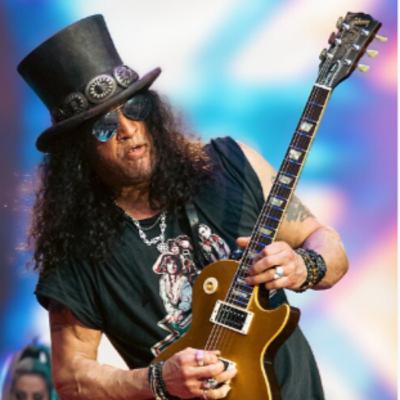
Remembering a rock festival...that I never went to.

What happens when a country hands the keys to a werewolf? More broadly, I discuss Latin America's far-right shift.
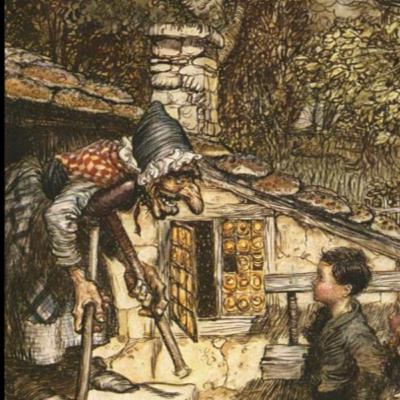
When we think about fairy tales, most of us picture the cleaned-up versions. Soft edges. Clear morals. Princesses who suffer quietly until someone saves them. These are the Victorian-era revisions many of us grew up with, stories that have been sanded down to feel safe, instructive, and polite.But that’s not where these stories began...
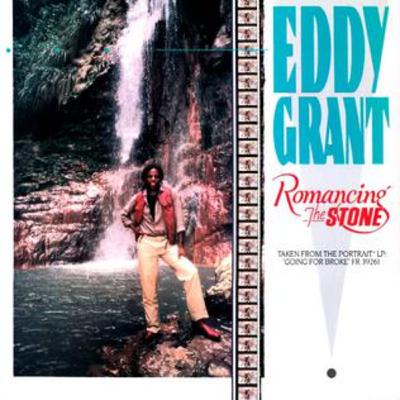
Today, I'm talking about a song that lives at the crossroads of pop music and movie history. It’s called “Romancing the Stone”, and it comes from Eddy Grant in 1984. It was also made to promote a film of the same name.
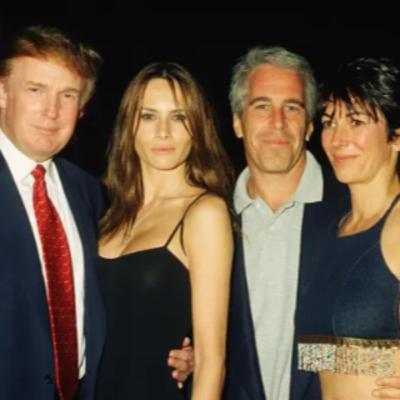
There's a lot I could take about regarding Trump, like the Epstein files. But today I'm talking about a building.But really, I'm talking about power.And the line between law and ego.
A fan of Myles Kennedy asked me to post the full video version, so here it is! Now you can see my goofy face, in addition ti hearing my goofy voice.

Welcome back. Today we’re talking about Ty Segall — the 2017 self-titled album by Ty Segall. Not the first one. The second. And that detail actually matters.

Comments

Download from Google Play

Download from App Store
 United States