


 Claim Ownership
Got Somme : Master Sommelier's Wine Podcast
Subscribed: 56Played: 1,857
Subscribe

© SESSION in PROGRESS
Description
Got Somme' is a podcast for wine lovers who know nothing about what's in their glass. We aim to educate you on types, tannins and taste to producers, appellations and age.
We speak to the best winemakers in the world finding out how they make the wine that has captured the attention of Master Sommelier Carlos Santos. Carlos will aim to teach radio announcer and novice wine enthusiast Angus O'Loughlin how to discern a good wine from a bad and empower listeners with a skill set good enough to choose the table wine next time you have friends over.
We speak to the best winemakers in the world finding out how they make the wine that has captured the attention of Master Sommelier Carlos Santos. Carlos will aim to teach radio announcer and novice wine enthusiast Angus O'Loughlin how to discern a good wine from a bad and empower listeners with a skill set good enough to choose the table wine next time you have friends over.
136 Episodes
Reverse
If the world’s best wines from France aren’t using oak… why do so many Chardonnays in Australia and the New World taste so oaky?In this episode of Got Somme, Angus O’Loughlin and Master Sommelier Carlos Santos take a deep dive into Chablis, the purest expression of Chardonnay. We blind taste three bottles from the same producer and vintage at three price points — Petit Chablis ($40), Chablis AOC ($48), and Chablis Premier Cru ($78) — to find out whether price really does equal quality. Along the way, we break down:Why Chablis tastes like oyster shellsThe difference between Petit Chablis, Chablis, Premier Cru and Grand CruLeft Bank vs Right Bank of the Serein RiverWhen (and why) some producers start using oakThe real meaning of minerality in ChablisWhether Premier Cru is actually worth the extra moneyAngus kicks things off with a blind tasting challenge… and shockingly out-tastes a Master Sommelier to start 2026 in style.If you think you don’t like Chardonnay, this episode might completely change your mind. SPONSORSGrays.com https://www.grays.com/search/wineRIEDEL https://www.riedel.com/en-au/shop#sort=bestSeller(Australians use code: GOTSOMME New Zealand: GOTSOMMENZ at check out for 20% off) What We’re DrinkingProducer: Simonnet-FebvreVintage: 2023Petit Chablis – $40Chablis AOC – $48Chablis Premier Cru – $78 Chapters00:00 – Why Chablis Isn’t Oaky01:50 – Blind Tasting Begins03:25 – Does Price Equal Quality?04:30 – Chablis vs Chardonnay Explained08:35 – Left Bank vs Right Bank of Chablis10:20 – What Is Petit Chablis?12:35 – What Makes Chablis AOC Better? 14:40 – Premier Cru vs Grand Cru18:10 – Is Premier Cru Worth the Money?20:00 – Why Some Chablis Uses Oak26:45 – Steak vs Jus (Best Wine Analogy Ever)28:10 – Master Sommelier Blind Tasting Fail chablis, chablis wine, chablis vs chardonnay, petit chablis, chablis premier cru, chablis grand cru, blind wine tasting, master sommelier, wine podcast, got somme, wine education, french wine, white wine, chardonnay styles, why, chablis tastes mineral, oak, chardonnay, best chablis, wine tasting australia
New Episode Out Now!
We risked $1,700 worth of wine to answer one question: is expensive wine worth it?In this episode of Got Somme, Angus O’Loughlin and Master Somm Carlos Santos open two Grand Cru Burgundies (around $800 a bottle) and taste them side by side. No posturing, no wine snobbery, just an honest test of what you’re paying for when the label gets serious.We talk:- What “Grand Cru” actually means in Burgundy- Why producers matter as much as terroir- The difference between a great $30 bottle and an $800 bottle- Whether expensive wine is “worth it” or just status- How to find underrated regions that deliver insane valueBIG thanks to The French Wine Centre for providing the bottles 🙏🏼https://frenchwinecentre.com/Check out their AMAZING mixed 6 of French Reds for $250https://frenchwinecentre.com/collections/packs/products/issue-02-mixed-3-the-redsIf you’ve ever wondered whether luxury wine is genuinely better, this is the episode.Comment your next episode idea:Do we go cheaper and find the best $20 bottle?Or do we keep climbing and chase the next Burgundy benchmark?Subscribe for more blind tastings, wine stories, and the unfiltered truth about what’s in the glass.Chapters00:00 We’re risking $1,700 on wine00:24 The most expensive bottles we’ve had01:18 What we’re drinking: Echezeaux + Clos de la Roche03:17 How we got the bottles (French Wine Center)04:22 Why Burgundy prices get insane06:55 First smell: “This is incredible”09:20 First sip and the tannin moment12:33 Why you rarely drink Grand Cru13:00 Switching to Clos de la Roche14:54 The big question: is expensive wine worth it?17:06 The real answer: story, value, perspective18:14 What should we taste next?
Master Sommelier Carlos Santos goes behind the scenes of building a $1.5 million restaurant wine list for a new Byron Bay venue created by chef Shannon Bennett.From $35,000 magnums to $40 best-selling wines, we break down how sommeliers curate world-class wine lists, negotiate rare allocations, and balance prestige bottles with everyday drinkers.You’ll learn:• How a Master Sommelier builds a wine list from scratch• Why some wines sell more than others• The hardest wines to source in Australia• How trade tastings and supplier relationships work• Why Australian wine is dominating restaurant lists• How price psychology shapes customer ordersIf you love wine, restaurants, or the behind-the-scenes world of hospitality, this episode is for you.Recorded at our new Collins Street studio by SESSION in PROGRESS.SPONSORSGrays.comhttps://www.grays.com/search/wine RIEDEL: https://www.riedel.com/en-au/shop#sort=bestSeller (Australians use code: GOTSOMME New Zealand: GOTSOMMENZ at check out for 20% off)FOLLOW GOT SOMMEInstagram: https://www.instagram.com/gotsomme/Studio: https://www.instagram.com/session.in.progress/Subscribe for new wine episodes every week.TIMESTAMPS00:00 $1.5 million wine list reveal01:30 Building a wine list from scratch05:10 Choosing wines for Byron Bay diners08:20 Hardest wines to source12:00 Back vintages and vertical tastings16:40 Why $40 wines outsell $1,000 wines19:30 The $35,000 bottle22:00 Trade tastings & negotiation secrets25:00 Supporting Australian wineriesWelcome to Got Somme, the ultimate wine podcast where Master Sommeliers and wine experts share their tips, blind tasting challenges, and insider knowledge from vineyards around the world. Whether you’re a wine beginner or a seasoned enthusiast, we explore everything from wine education and wine tasting techniques to sparkling wines, red vs white, and the best wines under $30.Subscribe for weekly episodes and join us as we taste, learn, and uncover the stories behind your favourite wines. Perfect for anyone looking to improve their wine knowledge, discover new wine regions, or just enjoy a fun, educational chat about wine.
Blind wine tasting is brutal. Even for a Master Sommelier.In this episode of Got Somme, Carlos blind tastes a vibrant, medium-ruby red wine and reads the clues as Pinot Noir: juicy cherry, raspberry, Christmas cake spice, fine tannins, elegant structure, and that “Old World on the palate, New World on the nose” tension.But then comes the reveal.It’s actually Gamay from Beechworth, Victoria, a 2024 release, and it happens to be one of Angus’ favourite wines of all time.This is the whole point of blind tasting: you follow the evidence, you make the call, and sometimes the wine still stitches you up.If you’re learning wine, love Pinot Noir, or want to understand how sommeliers think in real time, this one is for you.How to identify red wine blind using colour, aroma, tannin and acidPinot Noir vs Gamay: the overlap that tricks even prosWhat “fine-grain tannins” and “perfume” really mean in practiceWhy some Gamay can present like high-level PinotHosted by Angus O’Loughlin and Master Sommelier Carlos, Got Somme makes wine more fun, practical and less precious. New episodes weekly.Recorded at SESSION in PROGRESS studios.
Carlos analyses colour, aroma, acidity, texture and structure to identify a mystery white wine. From Albariño to Garganega to Rhône blends and Viognier, the clues stack up… until the reveal throws everything off.Blind tasting is one of the hardest skills in wine. Even for a Master Sommelier.If you love learning wine in a fun, practical way, this series will sharpen your palate and teach you how sommeliers actually think.WHAT YOU’LL LEARN• How sommeliers approach blind wine tasting• Key clues from colour, acidity and aroma• Albariño vs Viognier vs Rhône blends explained• Why light bubbles and texture matter• The biggest mistakes even pros makeRecorded at SESSION in PROGRESS studios in Melbourne.Wine: 'The Story' Marsanne Rousanne Viognier 2020https://www.instagram.com/storywines/WATCH NEXT• Blind Tasting Red Wine Challengehttps://www.youtube.com/watch?v=P4jBm8qOfgg&t=7s• Best Value Wines Under $30https://www.youtube.com/watch?v=YOIUiUNobKw&t=689sSUBSCRIBENew episodes every week.Subscribe for wine tips, blind tasting challenges and interviews with winemakers.
This wine breaks every assumption.It looks like a rosé.It drinks like something from Italy.But it’s neither.In this episode of Got Somme, we put a mystery wine in front of a Master Sommelier for a full blind tasting. No labels. No hints. Just colour, aroma, texture and instinct.Decanter and Glassware: RIEDELhttps://www.riedel.com/en-auUse Code GOTSOMME for 20% off (Australia Only)We break down:Why this wine looks like rosé but isn’tThe flavour markers that suggest Italy (and why they’re misleading)How structure, acid and mouthfeel reveal the truthWhat most people get wrong when tasting blindAnd the final reveal of what this wine actually isIf you love blind wine tastings, sommeliers at work, or learning how to taste wine properly without the snobbery, this one’s for you.Subscribe for more blind tastings, wine myths busted, and deep dives into how great wine really works.#BlindWineTasting #WineTasting #Sommelier #NotRosé #WineEducation #GotSomme #WineBlindTasting #WinePodcastWelcome to Got Somme, the ultimate wine podcast where Master Sommeliers and wine experts share their tips, blind tasting challenges, and insider knowledge from vineyards around the world. Whether you’re a wine beginner or a seasoned enthusiast, we explore everything from wine education and wine tasting techniques to sparkling wines, red vs white, and the best wines under $30.Subscribe for weekly episodes and join us as we taste, learn, and uncover the stories behind your favourite wines. Perfect for anyone looking to improve their wine knowledge, discover new wine regions, or just enjoy a fun, educational chat about wine.
Fortified wines might be some of the most misunderstood wines in the world — often dismissed as “old-fashioned,” too sweet, or too strong. In this episode of Got Somme, Angus O’Loughlin and Master Sommelier Carlos Santos dive deep into the world of Sherry, Port, and Pedro Ximénez, unpacking why these wines deserve far more attention than they get. From the Sherry Triangle in southern Spain to the steep vineyards of the Douro Valley in Portugal, Carlos breaks down how fortified wines are made, why they’re aged the way they are, and how styles like Fino, Amontillado, Oloroso, Tawny Port, Ruby Port, LBV, and Vintage Port all differ. Along the way, Angus shares a deeply personal memory of secretly drinking his grandmother’s sherry after school, while Carlos explains how some fortified wines can literally be hundreds of years old, growing thicker, darker, and more concentrated over generations. They also tackle the big question: Why did fortified wines fall out of favour, and what would it take to make them cool again? If you think fortified wines are uncool, overly sweet, or irrelevant — this episode might completely change your mind. SPONSORS Grays.com https://www.grays.com/search/wine RIEDEL https://www.riedel.com/en-au/shop#sort=bestSeller (Australians use code: GOTSOMME New Zealand: GOTSOMMENZ at check out for 20% off) Chapters & Timestamps 00:00 – Welcome back to Got Somme (and a fortified wine confession) Angus kicks off 2026 with a story involving his grandmother, WWF, and sherry. 02:00 – Why fortified wines are misunderstood Alcohol, sugar, warmth — and why modern drinkers avoid them. 02:40 – What is Sherry? The Sherry Triangle explained Jerez, Puerto de Santa María, and Sanlúcar de Barrameda. 04:05 – Sherry styles explained (Fino, Amontillado, Oloroso) Biological vs oxidative ageing, flor yeast, and flavour profiles. 06:30 – Pedro Ximénez: how a white grape turns black and sticky Sun-dried grapes, raisining, and extreme concentration. 08:20 – A wine memory that unlocks childhood nostalgia Angus realises he’s been drinking sherry since high school. 10:30 – Australian fortified wines & Rutherglen legends Chambers, ancient barrels, and wines that predate living memory. 12:40 – Port explained: Douro Valley to Porto Why port is made in one place and aged in another. 15:00 – Why fortified wines feel “uncool” today Generational drinking shifts, stigma, and missed opportunities. 17:30 – How Spain made sherry relevant again through food Chefs, Michelin stars, and smart cultural positioning. 20:00 – Port styles explained: Tawny vs Ruby vs Vintage How ageing works and why vintage port can outlive you. 22:30 – Big Got Somme goals for 2026 Touring, international wineries, and what’s next for the show. 24:10 – Final thoughts and a fortified farewell Saúde. Welcome to Got Somme, the ultimate wine podcast where Master Sommeliers and wine experts share their tips, blind tasting challenges, and insider knowledge from vineyards around the world. Whether you’re a wine beginner or a seasoned enthusiast, we explore everything from wine education and wine tasting techniques to sparkling wines, red vs white, and the best wines under $30. Subscribe for weekly episodes and join us as we taste, learn, and uncover the stories behind your favourite wines. Perfect for anyone looking to improve their wine knowledge, discover new wine regions, or just enjoy a fun, educational chat about wine.This podcast proudly presented by Grays.com: https://www.grays.com/search/wine-and-more?tab=itemsSee omnystudio.com/listener for privacy information.
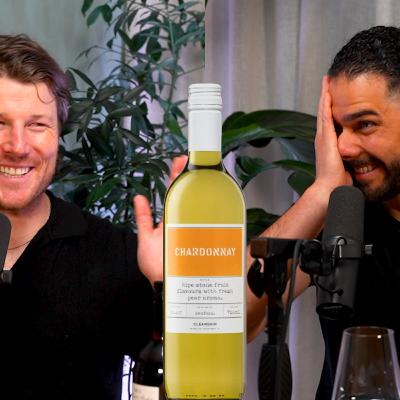
For the first time in Got Somme history, Angus is using a spittoon.For the first time ever our Master Somm is tasting clean skin wine. In this episode, Angus and Master Sommelier Carlos Santos put six $5 clean skin wines under the microscope to answer a question we get asked all the time: Are clean skin wines actually drinkable, or are they only good for cooking? With six bottles on the table, including Sauvignon Blanc, two Chardonnays, Rosé and Shiraz, Carlos gives an honest, no-nonsense assessment of what’s worth drinking, what’s best kept for the kitchen, and what should probably go straight down the sink. What Is a Clean Skin Wine? Clean skin wines are bottles sold without a branded label. Often they are the result of: Oversupply from wineries Wines not making the cut for a producer’s main label Brand changes or ownership transitions Excess wine needing to be cleared quickly In some cases, these wines may even come from large, well-known producers who simply can’t move stock fast enough in the current market. Wines Tasted in This Episode: All wines were purchased for approximately $5 per bottle. Sauvignon Blanc (2024) Chardonnay (modern branded clean skin) Chardonnay (traditional black-and-white clean skin) Rosé Shiraz Each wine was assessed for aroma, palate, balance, drinkability and value for money. The Results: Which $5 Wines Passed the Test? ✅ Drinkable at $5 According to Carlos, these wines are genuinely drinkable at the price point: Sauvignon BlancFresh, fruity and recognisably Sauvignon Blanc in style. High acidity and noticeable sulfites, but surprisingly competitive in blind tasting against entry-level New Zealand styles. Chardonnay (traditional clean skin label)Simple, short and one-dimensional, but balanced and inoffensive. Better on the palate than the nose and acceptable for casual drinking or food pairing at the price. ShirazThe standout of the lineup. Peppery, dark fruit driven, recognisably Shiraz and the most enjoyable overall. Less aggressive sulfites due to tannin structure and the best value of the bunch. ❌ Best Left for Cooking Rosé Chardonnay (modern branded version) These wines showed strong sulfite aromas, artificial flavours and lacked balance. Fine for slow cooking, sauces or reducing into a dish, but not recommended for drinking. Does Wine Quality Matter When Cooking? Carlos explains that for most everyday cooking, especially slow cooks like: Bolognese Stews Braises There is little difference between using a $5 bottle and a $100 bottle. Once wine is reduced and cooked for hours, nuance disappears. Save the good stuff for the glass. Final Verdict on Clean Skin Wines Clean skins can be drinkable Oversupply in the wine industry means quality can trickle down the price ladder At $5, expectations matter Some are fine for drinking responsibly Most are perfectly suitable for cooking If you’re on a tight budget, a chilled glass from Carlos’s top three is acceptable. If you can stretch to $15–$20, you’ll still get more consistency and enjoyment. Carlos’s Top Picks (In Order) Shiraz Chardonnay (traditional clean skin) Sauvignon Blanc Want to See the Bottles? Head to @gotsomme on Instagram to see the exact labels tasted in this episode. Have questions about clean skin wines?Drop them in the comments. We reply to every single one. Thanks for watching and we’ll see you on the next episode of Got Somme 🍷This podcast proudly presented by Grays.com: https://www.grays.com/search/wine-and-more?tab=itemsSee omnystudio.com/listener for privacy information.

In the final episode of Got Somme for 2025, Angus O’Loughlin and Master Sommelier Carlos Santos reflect on the year that was through the wines that defined it. Rather than revisiting bottles already featured on the podcast, Carlos reveals a personal Wine of the Year driven by memory, place and emotion. A Champagne enjoyed on a beach at sunset, oysters and lobster on hand, and a moment that perfectly captured why wine is never just about what is in the glass. Angus counters with his own standout wine of the year, an Australian Semillon that completely exceeded expectations and cut through a line-up of elite wines to steal the show. Along the way, they dive deep into Champagne ageing, Blanc de Blancs versus Brut styles, the importance of time on lees, the underrated ageing power of Australian Semillon, and why context and connection matter more than price tags. The episode also marks the end of an enormous year for Got Somme, celebrating huge audience growth and setting the stage for what is coming in 2026. SPONSOR: RIEDEL https://www.riedel.com/en/shop/riedel-superleggero-premium/champagne-wine-glass-642500028 (Australians use code: GOTSOMME New Zealand: GOTSOMMENZ at check out for 20% off) Key Takeaways: Wine of the Year is about moments, not price or prestige Blanc de Blanc Champagne prioritises freshness, acidity and elegance Time on lees dramatically changes Champagne texture and flavour Australian Semillon is one of the world’s most underrated ageing wines Some wines need patience before they truly show their potential Emotional connection often defines the wines we remember most Great wine clears the palate as much as it excites it Context, food and company can elevate a wine beyond expectation Wines Featured in This Episode Delamotte Blanc de Blancs Champagne Brokenwood ILR Semillon (Hunter Valley) Chapters 00:00 Wine of the Year reveal begins 01:20 Champagne glassware and tasting context 02:45 Delamotte Blanc de Blancs explained 04:50 Champagne ageing, lees and style differences 07:10 Why freshness beats brioche for some drinkers 09:20 Other standout Champagne moments of the year 11:40 Fortified wines and a historic Rutherglen tasting 13:30 Angus’ Wine of the Year reveal 15:30 Why Australian Semillon is so underrated 16:50 Ageing potential and future evolution 18:50 Got Somme audience growth and 2026 plans 21:00 Final reflections and sign off Welcome to Got Somme, the ultimate wine podcast where Master Sommeliers and wine experts share their tips, blind tasting challenges, and insider knowledge from vineyards around the world. Whether you’re a wine beginner or a seasoned enthusiast, we explore everything from wine education and wine tasting techniques to sparkling wines, red vs white, and the best wines under $30. Subscribe for weekly episodes and join us as we taste, learn, and uncover the stories behind your favourite wines. Perfect for anyone looking to improve their wine knowledge, discover new wine regions, or just enjoy a fun, educational chat about wine.This podcast proudly presented by Grays.com: https://www.grays.com/search/wine-and-more?tab=itemsSee omnystudio.com/listener for privacy information.
In this episode of Got Somme, Angus O’Loughlin and Master Sommelier Carlos Santos take you into one of Italy’s most iconic wine rivalries: Barolo vs Barbaresco. We break down everything from grape variety, regional differences, aging laws, price, aromas, palate structure, and why—despite their similarities—one of these wines consistently demands 30 to 40 percent more at retail. And yes… we revisit the infamous first attempt at this episode, where a $500 bottle of Barolo turned out to be faulty. Cork taint. Wet cardboard. Pain. Watch here: https://www.youtube.com/watch?v=DAmb5p34Q-I&t=20s If you’ve ever wondered:– Why is Barolo more expensive?– Can you actually tell them apart in a blind tasting?– What aromas define Nebbiolo?– Which wine should YOU be buying? …this is your episode. Watch Carlos Blind Taste this Barolo before we recorded the episode here: https://www.youtube.com/watch?v=31Sawb7Elp4&t=5s SPONSORS Grays.comWhere we sourced today’s beautifully aged bottles→ Buy well-stored, premium wine (and avoid the faulty disasters we once had) https://www.grays.com/search/wine RIEDELWe are tasting from the RIEDEL Performance Pinot Noir glasses—perfect for Nebbiolo’s aromatics. https://www.riedel.com/en-au/shop#sort=bestSeller (Australians use code: GOTSOMME New Zealand: GOTSOMMENZ at check out for 20% off) KEY MOMENTS & TAKEAWAYS 1. Barolo vs Barbaresco: What’s the Actual Difference? Both wines are made from Nebbiolo, grown in Piedmont, but come from different sub-regions: Barolo: Southwest of Alba, slightly cooler, higher altitude Barbaresco: Northeast of Alba, warmer, more perfumed Even though the geographical distance is small, the microclimate differences lead to two very different personalities in the glass. 2. Aging Laws That Drive the Price Barolo DOCG 38 months aging (At least 18 months in oak) Reserva: 62 months aging minimum (at least 18 months in oak) Barbaresco DOCG 26 months aging (9 months in oak) Reserva: 50 months aging (9 months in oak) Holding wine for 3–5 years before it earns $1 dramatically affects price—and explains why Barolo is typically more expensive. 3. Appearance: What Nebbiolo Looks Like Both wines show the classic: Brick/rust rim Light colour intensity Transparent core But today, the Barbaresco is noticeably lighter at the rim than the Barolo—something even Carlos says isn’t always the case. 4. Nose: The Aroma Clues Barbaresco More perfumed More lifted red fruits Floral (rose, dried flowers) Slightly softer aromas Barolo More rustic and powerful Leather Tar and asphalt Tobacco Darker, deeper aromatics Carlos also explains why Nebbiolo often shows “tar”—a hallmark of the grape and winemaking style. 5. Palate: Similar DNA, Different Personalities Both wines show: High tannin High acidity Elevated alcohol Intense structure But the Barbaresco presents as more elegant and delicate, while the Barolo pushes toward intensity, rustic tannin, and power. As Angus puts it: “They’re identical twins wearing different outfits.” FOLLOW GOT SOMME Instagram and TikTok: @GotSommeStudio bookings: SessionInProgress.com.auThis podcast proudly presented by Grays.com: https://www.grays.com/search/wine-and-more?tab=itemsSee omnystudio.com/listener for privacy information.
In this episode, Angus and Master Sommelier Carlos Santos dive into Mencia, a red grape variety from the northwest of Spain that sits beautifully between Pinot Noir, Gamay and Syrah. If you love Pinot but want something a little richer, or you are looking for a gateway into bolder reds, Mencia might be your new favourite varietal. Carlos breaks down the regions of Bierzo and Galicia, how altitude and maritime influence shape the wine, and why Mencia has become a quiet favourite among sommeliers. Angus approaches the wine blind and shares how he assesses the colour, nose and palate as a novice working on his tasting skills. Perfect for wine lovers who want to expand beyond the usual Chardonnay, Pinot Noir and Cabernet. Sponsors: RIEDEL Wine Glasses: https://www.riedel.com/en-au/shop#sort=bestSeller (Australians use code: GOTSOMME New Zealand: GOTSOMMENZ at check out for 20% off) Grays.com Buy the wine, drink the wine where we get ours: https://www.grays.com/search/wine Key Talking Points Mencia often sits between Pinot Noir and Syrah in weight and structure Mostly grown in Bierzo and Galicia in northwest Spain Expect red fruits, violet, rose, medium body and silky tannins A great option for Pinot Noir drinkers wanting something more generous Understanding how altitude, climate and maritime influence shape the style Why Spain’s wine renaissance in the late 20th century elevated Mencia Blind tasting approach for novices Chapters 00:00 — What is Mencia?Setting up the grape, why it’s confusing and why it matters. 00:16 — Why Pinot Noir Drinkers Should Try ItPositioning Mencia for the Australian palate and explaining its style. 01:08 — Carlos’s First Encounters With MenciaOrigin story, credibility and early exposure. 01:53 — What Mencia Tastes Like (Compared to Syrah, Gamay and Pinot)The clearest flavour and structure comparison. 02:30 — Is Mencia the Gateway Back to Bigger Reds?Bridging lighter drinkers to fuller styles. 03:32 — Blind Tasting: Appearance and AromaThe start of the formal assessment. 05:58 — Palate BreakdownTannins, body, fruit profile, balance — the core tasting notes. 08:15 — Old World vs New World GuessGreat chapter for wine geeks. 10:33 — Where Mencia Grows and Why It MattersBierzo, Galicia, altitude, climate — the terroir chapter. 13:45 — Spain’s Wine Revival and Mencia’s ComebackHistory in context, tied to modern quality. 14:56 — Final Thoughts and What to Try NextClear closing chapter. Tasting Notes (From the Episode) Appearance: Deep ruby, opaque core, richer colour than Gamay or PinotNose: Red roses, violets, ripe strawberry, raspberry, light pepperPalate: Medium body, silky tannins, red and black fruit mix, gentle warmth, balanced finishAlcohol: Listed at 13.5 percentOverall: Fruit forward, expressive, high quality for the price Mencia wine, Pinot Noir alternatives, Spanish red wine, Bierzo wine region, Galicia wine, Master Sommelier podcast, wine tasting tips, medium bodied red wine, Gamay vs Mencia, Syrah alternatives, GotSom podcast, Carlos Santos sommelier, Angus O'Loughlin wineThis podcast proudly presented by Grays.com: https://www.grays.com/search/wine-and-more?tab=itemsSee omnystudio.com/listener for privacy information.
When you pick up a bottle of champagne, do you know what the letters RM or NM mean? In this episode of Got Somme, Carlos breaks down the codes behind the label and why they completely change the flavour, quality, and story inside your glass. From grower champagnes to the big houses like Krug, Moët & Chandon and Veuve Clicquot, we explore what makes one bottle taste unique while another stays consistent year after year. Carlos and Angus taste through five different styles — including Brut Nature, Rosé de Saignée, Grand Cru, and Vintage Champagne — explaining how sugar levels, vineyard ownership, and blending practices shape each glass. Whether you’re a champagne lover, a curious drinker, or just want to sound like you know your stuff next time you’re at the bar, this episode is for you. Sponsors: RIEDEL Wine Glasses: https://www.riedel.com/en-au/shop#sort=bestSeller (Use code: GOTSOMME at check out for 20% off) Grays.com Buy the wine, drink the wine where we get ours: https://www.grays.com/search/wine In this episode:• What RM (Récoltant Manipulant) and NM (Négociant Manipulant) really mean• How rosé champagne gets its colour• The difference between Brut, Extra Brut, and Brut Nature• Why some bottles taste the same every year (and why that’s impressive)• What “Grand Cru” and “Premier Cru” actually represent• How Krug builds an “orchestra” of wines for each vintage Chapters: 0:00 – Introduction – Welcome to Got Somme & the focus on champagne0:30 – RM vs NM – What these labels mean and why it matters2:12 – Five Champagnes Tasted – Overview of the lineup3:36 – Grower Champagne & Personal Picks – Why RM is sought after5:02 – Big Houses & Consistency – How Moët, Veuve Clicquot, Krug blend wines7:22 – Orchestra Analogy – How Krug’s cellar master blends hundreds of wines9:46 – Vintage vs Non-Vintage – Differences in aging and style12:07 – Unique Grapes & Pinot Blanc/Gris – Expanding beyond classic varieties13:50 – Rosé Champagnes – How color is created and pressing techniques16:06 – Brut vs Brut Nature vs Extra Brut – Sugar levels and taste impact18:32 – Premier Cru & Grand Cru – Top regions & why it matters20:17 – Tasting RM Producers – Frederic Savard, Paul de Tune & others22:08 – Vintage Champagne Explained – Aging requirements and complexity25:14 – Takeaways on Labels & Buying Tips – NM vs RM insights26:53 – Closing Thoughts & Call to Action – Engage with us & subscribThis podcast proudly presented by Grays.com: https://www.grays.com/search/wine-and-more?tab=itemsSee omnystudio.com/listener for privacy information.
Master Sommelier Carlos Santos uncovers the surprising versatility of this one food that pairs beautifully with wine. Cooking the same ingredient three ways, Carlos shares expert advice on which wines—from Champagne to Riesling and Sherry—best compliment each preparation. Dive into the fundamentals of food and wine pairing, learn how to consider flavour intensity, and discover why creativity matters in pairing dishes with wines. This episode also highlights why this food goes beyond breakfast, proving their culinary potential at any meal. Sponsors: RIEDEL Wine Glasses: https://www.riedel.com/en-au/shop#sort=bestSeller (Use code: GOTSOMME at check out for 20% off) Grays.com Buy the wine, drink the wine where we get ours: https://www.grays.com/search/wine Key Takeaways A single ingredient can transform your wine pairing choices. The most versatile foods for wine pairing. Spicy dishes can make wine pairing more challenging. Scrambled eggs pair beautifully with Champagne. Riesling enhances the delicate flavours of poached eggs. Sherry adds richness to egg-based dishes. Understanding flavour intensity is crucial for successful pairing. Creativity allows for unique and exciting food and wine matches. Classic pairings have stood the test of time for a reason. Episode Chapters 00:00 The Versatility of Eggs in Wine Pairing 05:10 Exploring Different Egg Preparations 11:11 Fundamentals of Food and Wine Pairing 17:00 Egg Dishes Beyond Breakfast Welcome to Got Somme, the ultimate wine podcast where Master Sommeliers and wine experts share their tips, blind tasting challenges, and insider knowledge from vineyards around the world. Whether you’re a wine beginner or a seasoned enthusiast, we explore everything from wine education and wine tasting techniques to sparkling wines, red vs white, and the best wines under $30. Subscribe for weekly episodes and join us as we taste, learn, and uncover the stories behind your favourite wines. Perfect for anyone looking to improve their wine knowledge, discover new wine regions, or just enjoy a fun, educational chat about wine.This podcast proudly presented by Grays.com: https://www.grays.com/search/wine-and-more?tab=itemsSee omnystudio.com/listener for privacy information.

In this episode of Got Somme, Carlos and Angus explore the fascinating world of aged wine by tasting two vintages of the Clonakilla Shiraz Viognier — one from 2002 and another from 2022. Together, we uncover how time transforms wine, from its colour and aroma to its structure and flavour. We dive into the importance of wine closures, the art of decanting older bottles, and how visual differences like hue and clarity can reveal a wine’s journey. Through this side-by-side tasting, we reveal how aging develops complexity, showcasing the elegance of well-crafted Shiraz Viognier over two decades. Beyond tasting notes, we'll reflect on their personal connection to the Clonakilla label and its place in the history of Got Somme. Whether you’re a casual drinker or a dedicated collector, this episode celebrates the beauty of aged Australian wine and the passage of time in every bottle. Key Takeaways Aged wine offers a unique journey through time. Closures play a major role in how wine matures. Visual cues—colour and clarity—signal a wine’s age and development. Tasting notes evolve over time, revealing complex layers. Decanting aged wines enhances aroma and smoothness. Comparing different vintages offers insight into craftsmanship and climate. The Shiraz Viognier blend holds historical and regional significance. Wine can evoke personal memories and connections. The 2002 vintage showcases the art of patient aging. Both wines tell distinct yet equally compelling stories. Chapters 00:00 – Aged Wine: A Journey Through Time02:54 – The Evolution of Wine Closures06:05 – Tasting Notes: Comparing 2002 and 202208:45 – The Significance of Shiraz Viognier11:42 – Decanting and Serving Recommendations14:43 – Final Thoughts on Wine ComparisonsThis podcast proudly presented by Grays.com: https://www.grays.com/search/wine-and-more?tab=itemsSee omnystudio.com/listener for privacy information.
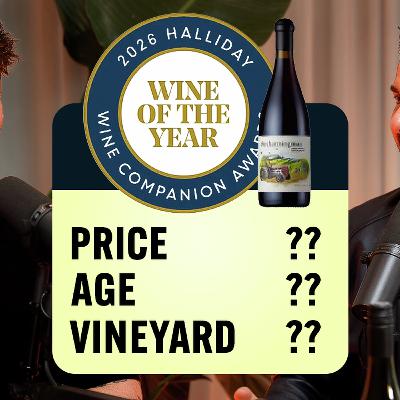
Is this really Australia’s best wine? The 2024 Thistledown “Charming Man” Single Vineyard Old Vine Grenache has just been awarded Wine of the Year, Red Wine of the Year, and Grenache of the Year at the 2026 Halliday Wine Companion Awards. In this episode of Got Somme, Angus O’Loughlin and Master Sommelier Carlos Santos taste and review the $95 Grenache to see if it lives up to the hype. You’ll hear from winemaker Giles Cook MW on what makes this single vineyard McLaren Vale Grenache so special, plus Carlos breaks down how to assess Grenache vs Pinot Noir on colour, nose, palate, and ageing potential. We tackle the “Poor Man’s Pinot” debate, explore the history of Grenache in Australia (Barossa & McLaren Vale old vines), and ask: is this wine really worth $95—or more than $300 on a restaurant wine list? Sponsors: RIEDEL Wine Glasses: https://www.riedel.com/en-au/shop#sort=bestSeller Grays.com Buy the wine, drink the wine where we get ours: https://www.grays.com/search/wine Socials: TikTok: https://www.tiktok.com/@gotsommepodcast Instagram: https://www.instagram.com/gotsomme What you’ll learn in this episode: Why Grenache is making a comeback in Australia. How climate change has influenced Grenache’s popularity. The key differences between Grenache and Pinot Noir. What makes the Halliday Wine Companion judging process unique. How to taste Grenache like a sommelier (colour, nose, palate, finish). Featured Wine: 2024 Thistledown “Charming Man” Single Vineyard Old Vine Grenache (McLaren Vale, South Australia). Watch: Halliday Wine Companion Podcast: https://www.youtube.com/watch?v=VhZJshq0FUk This podcast proudly presented by Grays.com: https://www.grays.com/search/wine-and-more?tab=itemsSee omnystudio.com/listener for privacy information.

The Wine That Changed My Life: Blind Tasting 12 Australian Gamays What happens when you put Australia’s best Gamay producers head-to-head in a blind tasting? In this episode, host Angus O’Loughlin and Master Sommelier Carlos Santos sit down with 12 bottles, including cult favourite Sorrenberg Gamay, to uncover which Australian Gamay truly stands out. From Geelong to Gippsland, Beechworth to the Adelaide Hills, we pour, swirl, and sip our way through an extraordinary lineup that showcases the diversity, vibrancy, and rising reputation of Gamay in Australia. In This Episode: The story of the 2019 Sorenberg Gamay – the wine that changed Angus’s life Blind tasting 12 Australian Gamays side by side How terroir, whole bunch fermentation, oak, and acidity play into style and balance The difference between approachable, fruit-driven Gamay vs. high-end, complex bottlings Which Gamays deliver value under $40 – and which bottles justify $80+ Featured Wines: Sorrenberg Gamay (Beechworth) Bass Phillip Gamay (Gippsland) Farr Rising Gamay (Geelong) Bannockburn Gamay (Geelong) Sinapius Gamay (Tasmania) Timo Mayer (Yarra Valley) Gum Wines Gamay (Heathcote) Catlin 'Gallard' Gamay (Adelaide Hills) Lyon’s Will Estate Gamay (Macedon Ranges) Beyond the Pines 'Wind River' Gamay (Adelaide Hills) Eldridge Estate Gamay (Mornington Peninsula) …and more. Why Listen? If you’ve ever wondered where Australian Gamay sits compared to Beaujolais, or which bottles deserve a place in your cellar, this is the tasting for you. Whether you’re a casual drinker, a sommelier, or a collector, this episode brings insider knowledge, lively debate, and plenty of laughs along the way. This podcast proudly presented by Grays.com: https://www.grays.com/search/wine-and-more?tab=itemsSee omnystudio.com/listener for privacy information.
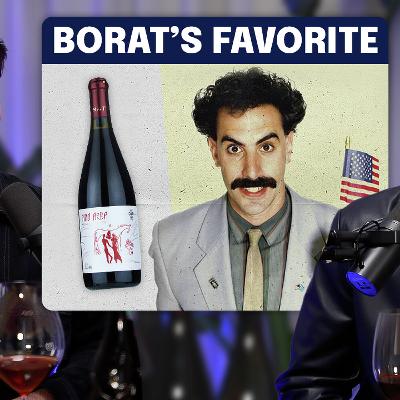
"Wa wa wee wa" In this episode of Got Somme, our hosts take you on a journey through two fascinating and lesser-known wine regions: Kazakhstan and Georgia. Featuring a listener’s selection of bottles, we explore the unexpected elegance of a Kazakhstan Pinot Noir and the bold character of a Georgian Saperavi. Along the way, we'll discuss tasting notes, cultural traditions, and winemaking techniques that set these regions apart. Sponsors: RIEDEL Wine Glasses: https://www.riedel.com/en-au/shop#sort=bestSeller Grays.com Buy the wine, drink the wine where we get ours: https://www.grays.com/search/wine Socials: TikTok: https://www.tiktok.com/@gotsommepodcast Instagram: https://www.instagram.com/gotsomme Key Takeaways Kazakhstan wines can surprise with unique flavours and quality. Listener participation makes wine discovery more engaging. Dr. Meyer stands out for low-intervention winemaking. Comparing regions reveals striking differences in style and character. Georgian wines are rooted in ancient traditions and native varieties. Tasting notes evolve as wines breathe in the glass. Serving temperature plays a crucial role in how wine is experienced. Cultural context enriches the wine-tasting journey. Wine discovery often involves unexpected aromas and flavours. Chapters 00:00 – Exploring Unique Wines from Kazakhstan 02:40 – Listener’s Choice: Wines from Kazakhstan and Georgia 05:43 – Tasting and Comparing: Dr. Meyer vs. Kazakhstan Pinot Noir 08:36 – Diving into Georgian Wines: The Saperavi Experience 11:40 – Reflections on Wine Culture and History 1 4:29 – Final Thoughts and Future Wine AdventuresThis podcast proudly presented by Grays.com: https://www.grays.com/search/wine-and-more?tab=itemsSee omnystudio.com/listener for privacy information.
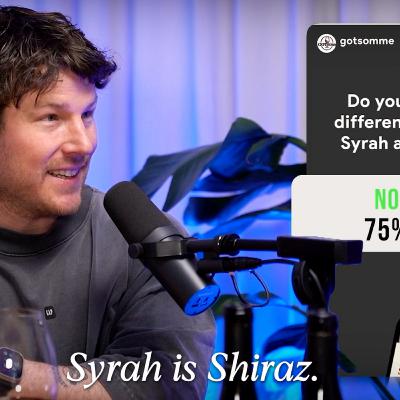
Discover how one grape tells two stories. Rhône Valley Syrah meets Heathcote Shiraz in a tasting that uncorks terroir, trends, and label politics. Syrah and Shiraz share identical genetics yet walk very different cultural paths. In this episode of Got Somme, we taste benchmark bottles from France’s Rhône Valley alongside Heathcote, Victoria, to reveal how soil, climate, and marketing shape each wine’s personality. You'll learn why cooler-climate Australian producers are embracing the term “Syrah", how Cambrian soil defines Heathcote Shiraz, and what these trends mean for Australia’s export future. We alos want to know your thoughts on what defines labelling Syrah on Australian bottles? Sponsors: RIEDEL Wine Glasses: RIEDEL Superleggero Hermitage/Syrah https://www.riedel.com/en-au/shop/riedel-superleggero-premium/hermitage-syrah-642500041 Grays.com Buy the wine, drink the wine where we get ours: https://www.grays.com/search/wine Socials: TikTok: https://www.tiktok.com/@gotsommepodcast Instagram: https://www.instagram.com/gotsomme Key Takeaways One grape, two personas: “Syrah” signals elegance while “Shiraz” hints at bold generosity. Labels guide perception: Name choice influences consumer expectations before the first sip. Terroir tells the truth: Rhône delivers peppery finesse, Heathcote offers mineral-driven power. Trends are cyclical: Market demand swings between delicate and full-bodied styles. Blind tasting wins: Remove the label and let origin and craftsmanship speak louder. Chapters 00:00 The Syrah vs Shiraz Debate 02:50 French Style Deep-Dive 06:03 Rhône vs Heathcote Tasting Notes 08:55 Shiraz’s Evolution in Australia 11:38 Reading the Label: Syrah or Shiraz 14:38 Looking Ahead: Future of Australian Shiraz This podcast proudly presented by Grays.com: https://www.grays.com/search/wine-and-more?tab=itemsSee omnystudio.com/listener for privacy information.
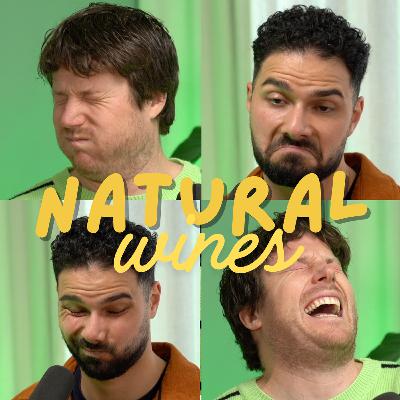
"Natural wine" words strong enough to make a Somms knees weak. The low-intervention style that's gaining traction across wine bars, bottle shops, and dinner tables globally. Whether you’re a seasoned sommelier or a curious sipper, this episode offers insights into the natural wine movement, its differences from organic wine, and why pet-nats (pétillant naturels) are popping up on every trendy wine list. Master Sommelier Carlos Santos unpacks key elements of natural winemaking, the certifications (or lack thereof), and why taste profiles can be wildly different from conventional wines. They share firsthand experiences from the wine industry, discuss how terroir and fermentation practices influence flavour, and answer audience questions about pairing and building inclusive wine lists. Whether you're researching what natural wine means, how it’s made, or just looking to better understand organic vs natural wine, this episode is a go-to resource. So use your roll on crystal deodorant, face the tidal moon and take your shows of and earth yourself while enjoying this episode! Sponsors: RIEDEL Superleggero Champagne Wine Glass: https://www.riedel.com/en-au/shop/riedel-superleggero-premium/champagne-wine-glass-642500028 RIEDEL Veloce Chardonnay: https://www.riedel.com/en-au/shop/veloce/chardonnay-633000097 RIEDEL Performance Pinot Noir: https://www.riedel.com/en-au/shop/performance/pinot-noir-688400067 Grays.com Buy the wine, drink the wine where we get ours: https://www.grays.com/search/wine Socials: TikTok: https://www.tiktok.com/@gotsommepodcast Instagram: https://www.instagram.com/gotsomme Key Takeaways: Natural wines are increasingly popular with younger wine drinkers and urban markets. Organic wines are certified; natural wines are not, but both prioritise sustainability. Pet-nats are bottled before fermentation ends, creating natural fizz from trapped CO₂. Low-intervention winemaking avoids additives and heavy filtering. Natural wines vary widely in taste depending on winemaker choices and vineyard conditions. Great wine lists balance personal taste with broad appeal for all customers. Terroir and winemaking technique are key to flavour, especially in natural wine. Don’t be afraid to pair natural wines with unexpected foods for unique results. Engaging with audiences drives better wine education and community. Grenache may thrive in warmer climates due to climate change. Chapters: 00:00 – Introduction to Natural Wines02:54 – Organic vs Natural Wine: Key Differences05:59 – What Are Pet-Nats? Flavour and Production Explained08:45 – Why Natural Wines Are Trending11:52 – Tasting Notes: Exploring Unique Natural Wines14:42 – Terroir, Techniques, and Taste17:47 – Q&A: Real Questions From Curious Wine DrinkersThis podcast proudly presented by Grays.com: https://www.grays.com/search/wine-and-more?tab=itemsSee omnystudio.com/listener for privacy information.

Comments

Download from Google Play

Download from App Store
 United States