


Frictionless Marketing
Subscribed: 0Played: 3
Subscribe

© Copyright 2025 /prompt.
Description
Consumers increasingly demand more. And, traditional advertising tactics often cause friction throughout the customer journey. With /prompt., the leading earned-first creative marketing and communications agency, discover how emerging trends and innovative strategies are reshaping this new era.
Inspired by his bestselling book "Friction Fatigue," /prompt.'s CEO, Paul Dyer, along with a rotating cast of agency leaders, host Frictionless Marketing, exploring how brand marketers and communication experts can deliver personalized, non-disruptive experiences at peak speed.
Listen in for behind-the-scenes stories, expert insights, and discussions on today's best-in-class marketing campaigns. Frictionless Marketing helps decision-makers like you prepare for a future in which the consumer rules, advertising is no longer the answer, and 'frictionless' frameworks are essential to building your brand.
Inspired by his bestselling book "Friction Fatigue," /prompt.'s CEO, Paul Dyer, along with a rotating cast of agency leaders, host Frictionless Marketing, exploring how brand marketers and communication experts can deliver personalized, non-disruptive experiences at peak speed.
Listen in for behind-the-scenes stories, expert insights, and discussions on today's best-in-class marketing campaigns. Frictionless Marketing helps decision-makers like you prepare for a future in which the consumer rules, advertising is no longer the answer, and 'frictionless' frameworks are essential to building your brand.
74 Episodes
Reverse
In this episode of the Frictionless Marketing podcast, host Lori Rubinson, Managing Partner at /prompt and WFAN Sports Talk Radio host, dives into the realm of sports analytics with MLB.com's Mike Petriello. Lori and Mike discuss the often misunderstood role of analytics in sports, especially baseball, addressing common criticisms and explaining how analytics can improve decision-making. Mike shares his journey into baseball analytics, starting from his history degree to his current work with MLB and ESPN. They explore the definition of analytics, its application in baseball through pitch design labs, and the broader implications for players, fans, and the sport as a whole. The conversation touches on rule changes, the impact of sports betting, and the future of AI in baseball. This episode provides valuable insights for both sports enthusiasts and those interested in data-driven decision-making.00:00 Introduction and Guest Welcome00:48 Mike Petriello's Journey into Baseball Analytics02:19 Defining Analytics in Baseball04:32 The Evolution and Impact of Analytics in Baseball09:04 Pitching Labs and Technological Advancements11:08 Incorporating Data into Storytelling and Broadcasting14:24 The Role of Analytics in Player Contracts and Performance23:49 Rule Changes and Their Impact on the Game29:38 The Future of Analytics and AI in Baseball34:33 Closing Thoughts and Fun QuestionsFrictionless Marketing is a production from /prompt, the leading earned first creative marketing and communications agency. Grounded in the present, yet attuned to the future. To learn more about how to make marketing frictionless, purchase Friction Fatigue by /prompt CEO Paul Dyer online and at booksellers worldwide.Produced and distributed by Simpler Media Productions.
In this episode of Frictionless Marketing, host Paul Dyer interviews Alex Wagner, Vice President of Public Relations and Brand Experience at Constellation Brands. Alex discusses her extensive career journey, from starting in communications at USC Annenberg to leading global brand communications at Calvin Klein and eventually shaping consumer engagement at Constellation Brands. She delves into leadership practices, the importance of staying connected with her team, and the value of transparency. Additionally, Alex talks about the significance of purpose-driven marketing and highlights successful initiatives like the Prisoner Wine Company's social justice focus and High West's “Protect the West” program.00:00 Introduction to Frictionless Marketing Podcast00:43 Alex Wagner's Career Journey03:49 Leadership and Team Dynamics12:52 Brand Purpose and Consumer Engagement19:30 Measuring ROI and Business Impact25:14 Values in Action and Corporate Culture28:09 Fun Conclusion: Reflecting on Personal PreferencesFrictionless Marketing is a production from /prompt, the leading earned first creative marketing and communications agency. Grounded in the present, yet attuned to the future. To learn more about how to make marketing frictionless, purchase Friction Fatigue by /prompt CEO Paul Dyer online and at booksellers worldwide.Produced and distributed by Simpler Media Productions.
In this episode, Dr. Disha Narang joins the podcast to shed light on the significant advancements in GLP-1 medications, their impact on weight management and diabetes, and how media coverage plays a role in shaping public perception. Dr. Narang emphasizes the importance of evidence-based information to combat misinformation and clarifies common misconceptions surrounding GLP-1s and obesity. Highlighting the stigmatization of obesity and the genetic and environmental factors that contribute to it, the discussion also delves into the future of weight management treatments, the exciting developments in the field, and the necessity for preventive healthcare and mindful living. This insightful conversation provides valuable information on understanding obesity as a disease and the ongoing research and developments in therapeutics.00:00 Introduction and Welcome00:57 The Impact of Media on GLP-1 Perception02:14 Addressing Misconceptions and Side Effects06:11 Obesity as a Disease: Public Perception and Stigma10:16 Evaluating New Treatments and Medications15:38 Future of Weight Management and Preventive Health18:13 Conclusion and Final ThoughtsFrictionless Medicine is a production from /prompt, the leading earned first creative marketing and communications agency. Grounded in the present, yet attuned to the future. Produced and distributed by Simpler Media Productions.
In this episode of Frictionless Marketing, we welcome Jerome Brathwaite, the Global Head of Brand Equity and Marketing for Cetaphil at Galderma. Jerome shares insights from his extensive experience in the beauty and skincare industry, highlighting his role in transforming Cetaphil into a global brand. The discussion covers a range of topics, including the successful Game Time Glow campaign, New York Fashion Week activations, and the integration of AI in marketing strategies. Jerome also delves into the importance of cultural shifts, the role of emotion in marketing, and his approach to product innovation and talent development. Join us for an in-depth conversation on the future of skincare marketing and Jerome's passion for storytelling and brand management.00:00 Introduction to Frictionless Marketing00:06 Meet Jerome Brathwaite: Brand Management Expert01:09 Diving into the Game Time Glow Campaign02:48 The Ecosystem Behind the Campaign04:45 Global Impact and Emotional Connection08:32 Product Innovation and Market Needs12:53 Leadership and Mentorship Insights16:45 The Future of Skincare and Beauty Brands19:03 Musical Past and Marketing Journey19:59 Conclusion and Final ThoughtsFrictionless Marketing is a production from /prompt, the leading earned first creative marketing and communications agency. Grounded in the present, yet attuned to the future. To learn more about how to make marketing frictionless, purchase Friction Fatigue by /prompt CEO Paul Dyer online and at booksellers worldwide.Produced and distributed by Simpler Media Productions.
In this episode of Frictionless Marketing, host Paul Dyer welcomes chats with Amy Atwood, Vice President of Regional Communication and Philanthropy at Takeda Pharmaceuticals. With over 25 years in corporate communications, Amy shares her journey, insights on the evolving pharmaceutical industry, advice for communications professionals, and perspectives on purpose-driven work and DEI. Together, Paul and Amy recap key themes from the Fierce Pharma PR Communications Summit East, including the impact of AI, storytelling, health equity, and the significance of having communicators at decision-making tables. Moreover, Amy discusses the importance of wellness and reverse mentorship in the workplace.00:00 Introduction to Frictionless Marketing00:01 Meet Amy Atwood: A Journey in Corporate Communications01:01 Key Themes from the Fierce Pharma PR Communications Summit01:44 The Role of AI in Communications03:59 Health Equity and DEI in the Pharmaceutical Industry06:15 The Importance of Communications in Business Strategy20:20 Crisis Communications: Best Practices and Insights22:19 Embracing Failures and Learning from Them23:07 The Future of Communications: Measurement and Analytics29:10 Wellness and Work-Life Balance for Communicators32:10 Conclusion and Final ThoughtsFrictionless Marketing is a production from /prompt, the leading earned first creative marketing and communications agency. Grounded in the present, yet attuned to the future. To learn more about how to make marketing frictionless, purchase Friction Fatigue by /prompt CEO Paul Dyer online and at booksellers worldwide.Frictionless Marketing is a production from /prompt, the leading earned first creative marketing and communications agency. Grounded in the present, yet attuned to the future.Produced and distributed by Simpler Media Productions.
In this episode of Frictionless Marketing, host Paul Dyer welcomes Tanya Wymer, Executive Director of Enterprise Communications at Biogen. Tanya shares her journey from a farming community in Ontario to becoming a leader in corporate communications. She discusses her accolades, such as the CEO Elements Award at Biogen and the Change Communications Global Award at Novo Nordisk, emphasizing her role as a change agent in transforming corporate cultures. Tanya also delves into the challenges of balancing diverse stakeholder expectations, the significance of employee-centric communication strategies during restructuring, and the ongoing brand refresh project at Biogen. Reflecting on the evolving role of communications professionals, Tanya provides valuable insights on fostering creativity, resilience, and effective communication in a global, dynamic corporate environment.00:00 Introduction to Frictionless Marketing00:05 Meet Tanya Wymer: A Journey in Corporate Communications01:08 Tanya's Early Inspirations and Career Path02:45 Awards and Transformational Work04:10 Balancing Transformation and Stakeholder Expectations05:18 Internal Communication Strategies at Biogen07:31 Employee-Centric Culture and Brand Refresh15:15 Global Communication Challenges and Strategies23:38 Creating a Productive and Creative Team Environment25:37 Looking Ahead: Exciting Projects at Biogen26:46 Conclusion and Closing RemarksFrictionless Marketing is a production from /prompt, the leading earned first creative marketing and communications agency. Grounded in the present, yet attuned to the future. To learn more about how to make marketing frictionless, purchase Friction Fatigue by /prompt CEO Paul Dyer, online and at booksellers worldwide.Frictionless Marketing is a production from /prompt, the leading earned first creative marketing and communications agency. Grounded in the present, yet attuned to the future.Produced and distributed by Simpler Media Productions.
In this episode of Frictionless Marketing, host Paul Dyer sits down with Sri Ramaswami, Vice President of US Pharmaceuticals Communications for GSK, to discuss the challenges faced by individuals with chronic illnesses, particularly lupus. The conversation centers around the moving story of Salathiel, a young woman diagnosed with lupus right after her high school graduation. Sri emphasizes the systemic barriers in healthcare, especially those affecting marginalized communities, and outlines GSK's initiatives to promote health equity, reduce negative social determinants of health, and improve access to quality care. Sri shares insights into the power of storytelling in creating empathy and driving change and offers valuable advice on remaining adaptable while staying true to one's values in a rapidly evolving industry.00:00 Introduction to Frictionless Marketing00:05 A Heartfelt Story of Salathiel's Battle with Lupus00:54 Sri Ramaswami's Keynote Highlights02:58 Challenges Faced by Lupus Patients03:52 Understanding Lupus: Symptoms and Diagnosis05:31 Systemic Barriers and Health Disparities06:15 GSK's Initiatives for Health Equity08:06 Three Pillar Approach to Reducing Barriers10:09 Advice for Aspiring Professionals14:07 Conclusion and Final ThoughtsFrictionless Marketing is a production from /prompt, the leading earned first creative marketing and communications agency. Grounded in the present, yet attuned to the future. To learn more about how to make marketing frictionless, purchase Friction Fatigue by /prompt CEO Paul Dyer, online and at booksellers worldwide.Produced and distributed by Simpler Media Productions.
Lisa Caputo is the Executive Vice President and Chief Marketing and Communications Officer for The Travelers Companies, Inc., where she's been since 2011.Lisa held previous positions at Citigroup and spent over ten years in the public sector, serving as Deputy Assistant to President Clinton and Press Secretary to First Lady Hillary Clinton through President Clinton's first term in office.In this conversation with Lippe Taylor CEO Paul Dyer, Lisa gets into how her political background gave her a leg up in comms, advice for young PR professionals, and the importance of understanding the relationship between content and context. Without further ado, please enjoy this conversation with Lisa Caputo.-----Produced by Simpler Media
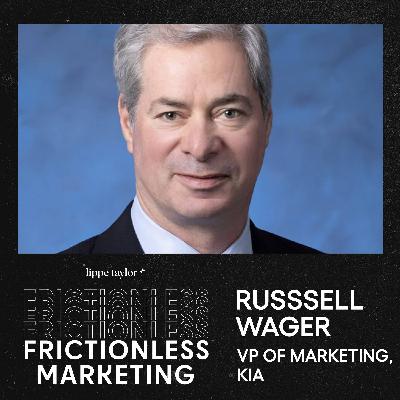
Russell Wager is the VP of Marketing at Kia America where he oversees all of the company’s marketing & communications, including the marketing operations, customer journey, and public relations areas. Russell joined Kia in July 2019 after previous positions at Mazda, DDB, and TBWA Chiat Day among others. In this conversation with Paul Dyer, Russell gets into Kia's very successful transition into EVs, balancing features and benefits with statements of purpose as well as details about the Kia EV6 GT's very cool Drift Mode! Without further ado, please enjoy this conversation with Kia's VP of Marketing, Russel Wager. -----Produced by Simpler Media
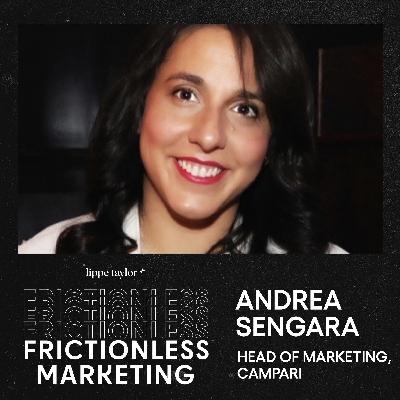
Andrea Sengara is the head of marketing at Campari America. Andrea joined Campari in 2020 after over two decades of experience within the alcohol beverage industry, including senior leadership roles across Diageo, Combs Enterprises, and, most recently, Moet Hennessey LVMH. Today, Andrea oversees all facets of marketing for Campari Group’s premium portfolio of brands, including Aperol, Campari, SKYY Vodka, Espolòn Tequila, Grand Marnier, and Wild Turkey.In this conversation with Lippe Taylor CEO Paul Dyer, Andrea gets into her career history, including what it was like to work closely with Sean Combs, or Puff Daddy, or Puffy or Diddy, or I can't keep up anymore, but yes, him. Andrea also explores marketing in a post covid world and her key ingredients for powerful earned marketing campaigns. All this and so much more on today's episode of Frictionless Marketing. Here are some key takeaways from this conversation with Campari's Head of Marketing, Andrea Sengara. Global perspectives yield better communications. Andrea stated that "impactful, interesting ideas come from when we bring different people with different backgrounds and different experiences together to try to crack an opportunity," which is a great guideline. Diversity of thought and experience enables well-rounded teams, as well as well-rounded comms functions. Considering that the main goal of any comms campaign is to reach & influence an audience effectively, the best path forward is for your message to be informed and crafted by multiple perspectives to enable your message to be more universal and, therefore, impactful.Marry legacy with new technology. Decades ago, Italian filmmaker Federico Fellini did an ad campaign with Campari, and to pay homage to that partnership, Campari recently created a short film on Fellini using AI technology. The intelligence in Campari's execution was in how they honored their legacy ad campaigns but modernized them by using today's technology, in this case with AI. Digging deep into the archives of your brand's previous campaigns and modernizing them with today's technology can lead to new perspectives on older ideas and very interesting marketing. Yield the formula for earned marketing. As an agency, Lippe Taylor is a big believer in Earned Marketing, the idea that brands have to earn a place in culture by doing real things in the real world to attract and earn real attention instead of just running ads. When asked about earned marketing, Andrea brilliantly broke down the equation she and her team at Campari think through in order to crack an earned campaign. She stated that the foundation of earned marketing is knowing what you stand for as a brand, knowing what your consumer cares about, and observing what is being talked about. Brilliant earned marketing campaigns can occur at the nexus of these three ideals, so consider this in your next brainstorming session. Thanks for listening! Don’t forget to subscribe today!-----Produced by Simpler Media
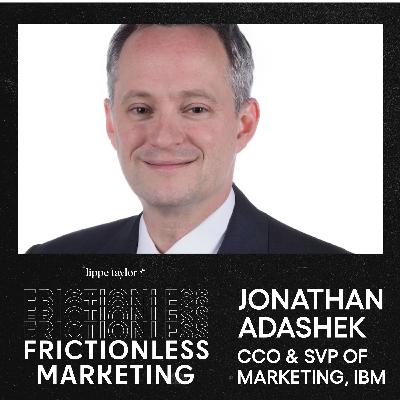
Jonathan Adashek is the Chief Communications Officer and Senior Vice President of Marketing and Communications at IBM. Before joining IBM, Jonathan was at Renault Nissan Mitsubishi Alliance in Paris, as well as Nissan Motor Co. in Yokohama, Japan, and prior to that had stints at Microsoft and Edelman. One of Jonathan's first roles was as a special assistant at the White House before becoming director of the national delegate strategy for the John Kerry presidential campaign.At IBM, Jonathan leads a team of 800+ professionals in more than 170 countries with responsibility for IBM’s global communications, corporate citizenship, and CSR, as well as strategic events and social media.Without further ado, please enjoy this conversation with IBM CCO and SVP of Marketing and Communications Jonathan Adashek. Here are some key takeaways from this conversation with Jonathan. Simplify your message. As a company, IBM has thousands of products, services, and solutions, and prior to Jonathan coming on board, there was an overwhelming amount of different marketing and communications campaigns for these different products. This caused confusion among the general public over what IBM really stood for as a brand. One of Jonathan's first orders of business was to significantly simplify IBM's message into one slogan: “Let's Create.” A brand can only get so much attention which is why it's important not to diffuse your brand's message across a number of separate campaigns. Furthermore, emotional statements like “Let's Create” can transcend product features and benefits and get to the heart of your company's real mission, which is way more effective than focusing on the products. Admit failure early & honestly. Jonathan mentioned committing an epic failure at IBM recently. Instead of blaming someone else, shirking behind it, or attempting some sort of internal coverup, he sent out an all-employee message outlining what had happened while owning up to it. He claimed the experience was more cathartic than scary and set a standard for radical honesty at the company that was unprecedented. Embracing humanity on an executive level with this kind of honesty is the foundation for creating extremely healthy and effective company cultures. Be client zero; practice what you preach. All products and tech solutions conceived of and created by IBM must be used internally as a standard for their creation. Jonathan states that clients and customers will not stand by any other standard. By being client zero, IBM is able to only create products and solutions that they stand by after a lot of trial and error. This ensures a level of trust with customers that simply cannot be bought.Thanks for listening, don’t forget to subscribe!-----Produced by Simpler Media
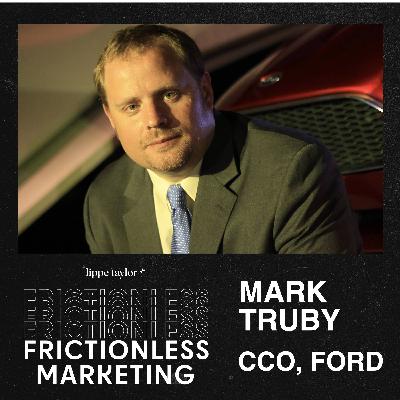
Mark Truby is chief communications officer at the Ford Motor Company where he leads all global communications and public relations activities. This includes building the company’s reputation globally and helping to lead communications that reach Ford’s external and internal audiences, including customers, employees, dealers, suppliers, news media, communities, governments, and policymakers. He reports directly to Ford CEO Jim Farley.Mark is also the proud father of 3 boys and was named to the 2022 PRWeek Power List.Prior to joining Ford, Mark was an award-winning reporter and editor at The Detroit News, which is a big part of Mark's executive origin story. Mark's journalism background gave him a much more story-centric approach to comms, which is evident in a lot of Ford's marketing. Mark dives deep into this, his career history, and tells us a great story about the months-long process of getting to President Joe Biden to drive the Ford F-150 at a recent launch. Without further ado, here is Ford CCO Mark Truby in conversation with Lippe Taylor CEO Paul Dyer. Here are some key takeaways from this conversation with Mark. 1. Learn journalism. Many comms leaders have stated that journalism is the most useful form of writing to learn. As a form, it teaches conciseness and the inverse pyramid concept of stating the facts up front and then expanding as you move forward, which structurally applies to just about anything. In Mark's case, his journalism background was the foundation that he built his comms career on because he not only learned all about Ford but understood journalists and how to reach them because he was one himself. This proved to be a fruitful point of leverage in his PR career because, overall, being a journalist taught Mark to always look for the story, which is what editors are always trying to uncover in every article and every pitch. More on this in the next point. 2. Make art, not ads. A lot of Ford's approach to marketing under Mark's leadership has been very story-centric and leaned more into entertainment than marketing. Ford launched a fascinating podcast series all about what happened to the Bronco, a long and elaborate story that could only be told on a long-form medium like podcasting. Ford also put out multiple documentaries, none of which felt like advertising but worked beautifully as engaging stories that elegantly showcased the brand. The benefit of creating this kind of content is that it never goes away - unlike news cycles, the documentaries and podcasts keep streaming and remain indelible. 3. Connect the past with the future. A big challenge for heritage brands is leveraging their legacy while remaining relevant. In Mark's case, he's well aware that Ford will never seem as new and cutting-edge as Tesla, and that's ok - Tesla will never have the 100+ year history that Ford has. In bridging the gap between your brand's legacy and relevance, Mark says it's a matter of connecting the past with the future, embracing where your brand has been but, most importantly, articulating where it's going in a concise narrative. Thanks for listening! To learn more about our agency, visit us at www.lippetaylor.com. -----Produced by Simpler Media
Wendy Lund is a women’s health advocate, adviser, and activist with more than 30 years of experience in marketing and communications. After working at Planned Parenthood, the National League of Nursing, and some of the country’s leading healthcare communications firms, Wendy joined Organon, the largest women’s health company of its kind. As Chief Communications Officer, she’s working to change how women’s health is approached, treated, shaped, and especially talked about.In this conversation with Lippe Taylor CEO Paul Dyer, Wendy gets into her career history, how to merge your passion and purpose with your career, and how the movie Erin Brockovich inspired her approach to leadership. Here are some key takeaways from this conversation with Wendy. Listen. When they were launching, Organon initiated a comprehensive listening tour where they spoke to women everywhere about their unmet healthcare needs. This is rare for healthcare companies, who usually focus on doctors, but Organon's mission is to serve their female patient base as intently as possible, which is why they focused on listening from the day they launched in 140 markets and then made major decisions based on what they found out. Take it personally. Wendy cites the movie and true story of Erin Brockovitch as inspiring her approach to bridging her passion with her profession. There's a line where Erin is told she is taking things too personally, to which she replies: "Not personal? That is my time, my sweat, and my time away from my kids—If that's not personal, I don't know what Is." This stuck with Wendy and inspired her approach to her work. Wendy takes her work personally because she takes the mission of helping women across the world personally. Taking it personally has made the difference in pushing through difficulties and complications because, for Wendy, it's a matter of mission. It's cliche, but when your heart is in something, you will naturally work harder and move mountains to achieve it. Finding and, better yet, creating those causes and missions within your career will make all the difference towards your overall impact.Just go for it. Wendy cites a tendency for a lot of young professionals to wait for the perfect moment to take the leap, be more ambitious, take on bigger projects, etc. Wendy's advice: just go for it. Regardless of your perceived credentials or qualifications, taking big projects on head-first, regardless of feeling ready, can actually be the catalyst that gives you those very qualifications you want. Thanks for listening! Don't forget to subscribe, and to learn more about Lippe Taylor, check us out at Lippetaylor.com. -----Produced by Simpler Media
Michael Gonda is the Chief Communications Officer of McDonald's, a position he's held for the past 8 months.Michael is responsible for setting integrated communications strategies that advance the message of the brand and drive business impact in more than 100 markets around the world. He oversees corporate communications, including media relations and financial communications; global public affairs and public policy; issues and crisis management; internal and strategic communications and communications for McDonald’s International Operated Markets and International Development Licensee Markets.Prior to joining McDonald’s, Michael had previous stints at Chobani and Weber Shandwick, and Michael was recently added to PRWeek's 2022 Power List. In this conversation with Lippe Taylor CEO Paul Dyer, Michael gets into why legacy brands need to fight harder for relevance, details about his meteoric leadership rise, and fun anecdotes around the recent McDonald's Indiana sign war. Thank you as always for listening, don't forget to subscribe. -----Produced by Simpler Media
Maggie Schmerin leads the global advertising and social media team at United Airlines where she's been for over five years. Her previous experience includes multiple years at Edelman where she worked on such brands as BlackBerry, Shell, Kellogg’s, Mars, Proctor & Gamble and Samsung among others. Maggie has also been honored by Crain's Chicago Business, and named a 40 under 40 by PR Week. In this conversation with Lippe Taylor CEO Paul Dyer, Maggie gets into her career path including making the shift from agency-side to brand-side, leadership lessons, and the importance of mindshare over marketshare - all of this and so much more on today's episode of Frictionless Marketing. And now, please welcome, United Airlines Head of Global Advertising and Social Media, Maggie Shmerin. Here are some key takeaways from this conversation with Maggie:Agency people - learn your client's culture. At an agency, it's an obvious prerequisite to learn as much as you can about your client's industry, products, competitors, numbers, etc. but what can often get overlooked is the importance- of learning about your client's internal culture. Maggie has an agency background and can empathize from both the agency and brand side, and she finds that her most trusted agency partners are the ones who take the time and have the passion to truly understand United's internal culture. Learning how your client's company works, thinks, operates, and communicates can substantially increase your level of intimacy with them. A pro tip is to sit in on your client's earnings calls if they'll let you. Related point: brand people, learn your agency's culture. The very obvious inverse of the previously stated point is that brands need to stay on top of everything their agency is doing, especially the work they're doing for other clients to really grasp what they're capable of. Mutual levels of familiarity between agency and brand can enable the kind of harmonious communication and understanding that ultimately lays the foundation for great work to be done. All of this begins and ends with understanding culture. Focus on mind share not just market share. When doing a competitive audit before launching United's recent major marketing campaign, Maggie observed an absurd sea of sameness within the airline industry; they all used the same colors, the same verbiage, focused on the same things and overall were indistinguishable from each other - the same went for other brands in the travel sector. When leading the Good Leads the Way campaign, Maggie knew that United needed to break away from the homogeny of not just the airline industry but the entire travel industry. She recognized the importance of mindshare vs market share and that United wasn't just competing with other airlines it was competing with the entire travel industry including hotels, rental cars, etc for the mindshare of travelers. Thinking in such a macro way was one of the reasons Good Leads the Way was a massive success - it was completely fresh and different and launched as an outlier in the entire travel industry, not just among other airlines.Thanks for listening, don't forget to subscribe!
Adam Collins is the Chief Communications and Corporate Affairs Officer at Molson Coors. In years prior, Adam spent four years working for the office of Mayor Rahm Emmanuel and was the Communications Director for the Chicago Police department. In this wide-ranging conversation with Lippe Taylor CEO Paul Dyer, Adam discusses all things Molson Coors, including the Superbowl ad they launched in The Metaverse, executive leadership advice, and details about Miller’s long-standing rivalry with Anheuser Busch.Here are some key takeaways from this conversation with Adam:Pick your battles but put the customer first. Miller and Anheuser Busch have a famous rivalry that has resulted in everything from hilarious jab ads and online snark to real lawsuits. When asked whether this kind of public sparring with your competitor in a marketing context is worthwhile, Adam cited that it has to ultimately serve the customers. In their recent campaign The World's Dumbest Math Problem, Miller sought to enlighten calorie-conscious beer drinkers that their product, Miller 64 had fewer carbs and calories than Michelob Ultra. This seems like a typical jab but, ultimately many customers had no idea there was a lower calorie option, and thus the ad was successful because it served the customers by educating them.ESG is not only the right thing to do; it can serve the product and the company.Molson Coors has been an innovator in ESG since before it was a thing when founder Bill Coors invented the recyclable aluminum can and gave the technology away for free so it would be ubiquitous across the industry, resulting in fewer steel cans on the side of the road. Today, Coors follows the same example with multiple ESG initiatives that serve the environment and the company. The company's 75+ year sustainable agricultural standards for growing barley not only are better for the earth but make the beer taste noticeably better. Programs that prevent water leakage at production facilities not only save water but save the company money. Finding intelligent ways to make your ESG programs impact your bottom line, as well as the earth, can enable sustainability to be even more sustainable.Be there to pick up the glass. This was a throwaway point Adam made towards the end of the interview, but it bears some focus. When discussing his advice for aspiring marketing leaders, Adam mentions the importance of betting on yourself and taking risks. He also mentions that he empowers his junior staffers to take intelligent, calculated risks by guaranteeing them that if their idea turns out to be a disaster, he will stand by their side and help them clean up the mess. This is what excellent leadership is all about, inspiring your team not only with inspirational phrases but with your word that if the chips are down, you'll be by their side to pick up the pieces. Thanks for listening, don’t forget to subscribe!-----Produced by Simpler Media
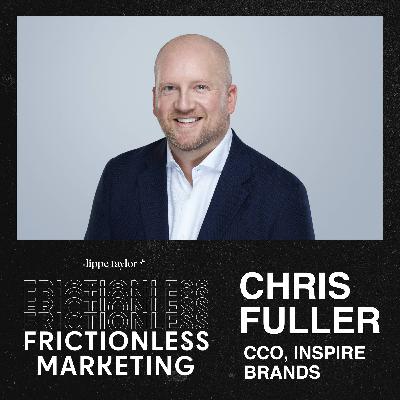
Chris Fuller is the Chief Communications Officer of Inspire Brands whose portfolio includes Arby’s, Baskin-Robbins, Buffalo Wild Wings, Dunkin’, Jimmy John’s, Rusty Taco, and SONIC Drive-In restaurants. Chris’ prior experiences include stints at Yum! Brands and Pizza Hut as well as an early position as press secretary for the US House of Representatives.In this conversation with Lippe Taylor CEO Paul Dyer, Chris dishes out advice on managing an array of disparate brands that align towards a singular mission, how to properly execute CSG campaigns, and how a culture of empathy is the key to building resilient teams. Here are some key takeaways from this conversation with Chris. The key to effective CSG is transparency.One of Inspire's brand tenets is being action-oriented, and as such, they do an impressive amount of social purpose work. Chris claims that listing out all CSG plans, actions, and impact in a public forum is critical in ensuring success. Inspire publishes everything from the number of jobs they're creating to the economic impact they're providing to the communities they serve. This type of transparency brings a high level of accountability to ESG plans that otherwise could remain on a shelf. Data can inform intuition.A common query among marketing leaders is how to become data-driven while remaining in touch with the kind of creative intuition that drives brilliant marketing ideas. According to Chris, the two are intertwined. Chris claims that the data and analytics his best-in-class team is able to provide, enable and inform his and his team's creative intuitions instead of stifling them. This is the left brain, right brain balance that's critical for marketing leaders to grasp. Stay flexible, but encourage in-person meetings.Chris claims that during COVID, flexibility was key to enabling his people to adapt and pivot to the major changes they faced. Fast forward two years later, Chris and his team had to correct some of the imbalances caused by their remote work agreements, specifically the lack of team cohesion that can occur with an over-reliance on ZOOM and a lack of in-person meetings.To counter this, he introduced a program called In Good Company, where the sole purpose was to get his people back to meeting in person regularly while remaining flexible on remote work policies. Chris, like many leaders, understands that there's a magic that occurs with face-to-face meetings that cannot be replicated. Chris even went so far as to say that the biggest business decisions and innovations occur during in-person meetings.Thanks for listening, don’t forget to subscribe!-----Produced by Simpler Media
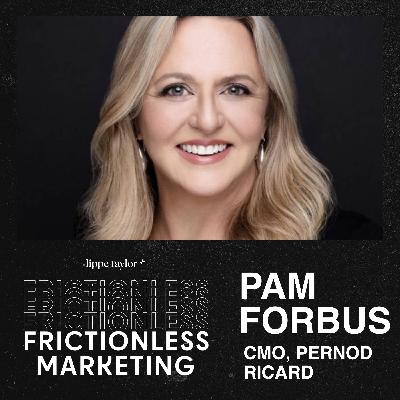
Pam Forbus is the Chief Marketing Officer of Pernod Ricard North America, a role she has held since July 2020. In her role, she oversees the marketing strategy for Absolut, Jameson, Malibu, Avion, and multiple other spirits, wines, and champagnes. Before joining Pernod Ricard, Pam worked for Walt Disney Studios, where she led the insights, analytics, and CRM functions. Prior to Disney, Pam spent nearly two decades at PepsiCo, where she pioneered – and rolled out globally – a new demand-science approach to insights. In this conversation with Lippe Taylor CEO Paul Dyer, Pam discusses the role of data in making creative decisions, her leadership path to becoming CMO, and her team’s recent journey into the metaverse with Absolut Vodka. Here are some key takeaways from the conversation with Pam: Be a market maker, not a marketer.When asked what skills aspiring marketing leaders should acquire, Pam cited that a core understanding of what drives the business and a cross-functional awareness of how to work with sales and finance departments to determine what really sells products is everything. Pam cautioned that marketers should not focus on vanity metrics, like likes, shares, and impressions, but instead focus on understanding the drivers of bottom-line sales. She also furthered this with the following distinction: "If we're doing it right, if we're driving the business, and we're driving strong brand value equity, we are market makers, not marketers." Don't just jump on protests bandwagons, be part of the solution.When the Facebook boycott occurred, Pam and her organization joined it but wondered what else they could do to affect real change in meaningful ways. As a result, she and her team created the Engage Responsibly initiative with the ANA to combat hate speech online. Since launching, more than ninety leading marketers, agencies, media companies, social media platforms, trade groups, and NGOs have pledged to take definitive action to combat online hate speech.Always remain data-led.A common query among marketing leaders is 'how do I become data-driven while remaining creatively intuitive?' As much as she values creativity, Pam cautions against being swept up in it. Pam forces herself to be objective against the work she and her team are executing, regardless of how emotionally tied to it they become. "Make your decisions based on data because that is the consumer response and consumer reaction... If it's not testing well and it's not delivering. We've got to go back to the drawing board and fix it."Thanks for listening, don’t forget to subscribe!-----Produced by Simpler Media
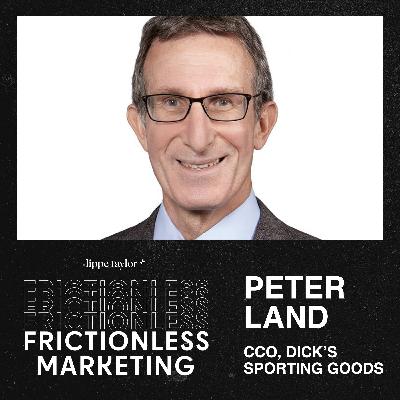
Peter Land has been with DICK’S Sporting Goods since mid-2020, where he currently serves as their Chief Communications and Sustainability Officer. He is also an adjunct professor at the New York University Stern School of Business, a position he has held since 1998. Prior to joining the team at DICK’S, Peter specialized in corporate reputation and consumer marketing as a partner in New York strategic communications agency Finsbury Glover Hering. Before that, he was senior veep of corporate communications for AOL, and, earlier, he held that same title at PepsiCo.In this conversation with Lippe Taylor CEO Paul Dyer, Peter discusses the importance of skills acquisition, how marketing and comms functions are merging, the value of cultivating great ideas, and much much more.Here are some key takeaways from this conversation with Peter Land:Build personal relationships and networks in person. Emailing back and forth with people you meet online is no way to make viable connections. According to Peter, you need to interact face-to-face if possible because that’s how deep, meaningful, personal relationships are forged. He also makes the point that personal relationships are “massively important in communications. It's important across the board, but especially in our discipline [earned-creative comms].” Having a solid network allows you to do things like “say to your work colleagues … ‘I think your idea could get us some airtime at [one of the big morning shows]—a friend of mine is a producer there; let me ask them if they think so too.’” Find opportunities to repurpose.To illustrate the point, Peter cites the example of a campaign his brand conducted last year called “Inside Moves.” The centerpiece was a 60-second commercial featuring eight of DICK’S Sporting Goods' top executives (all of whom are female), with company CEO Lauren Hobart voicing over the story of how the brand is driving the entire industry to boost women’s and girls’ athletics. But while the content of the commercial started with a great idea, it wasn’t the only bit of ingenious thinking—Peter explains that he and his team additionally came up with a strategy of weaving the commercial’s message into profiles of the women execs for dissemination via social channels and then repurposing those personality snapshots for internal use as employee-relations/team-building tools. Let your brand value shine by solving problems.Peter tells of seeing just before the 2021 NCAA Final Four women's basketball tournament a viral video revealing how poorly equipped the women’s weight room was at the event venue, the Alamo Dome in San Antonio, Texas. That sparked a publicity gambit in which the DICK’S Sporting Goods stores in San Antonio pitched in to deliver to the Alamo Dome sufficient weight equipment to put the women’s weight room on par with the much-better outfitted men’s room. “It was an incredible moment that let the NCAA know we’re here for the women's basketball community,” Peter says. “[This] completely energized our San Antonio teammates and got us coverage in USA Today and on NBC’s “Today” show. It also became an intense social media story that grew and grew and grew.”Thanks again for listening! If you enjoyed this episode, why not share it with your friends and colleagues on Linkedin - don’t forget to follow the show on Instagram @LippeTaylor and on Twitter at the same handle. ALSO, don’t forget to subscribe. -----Produced by Simpler Media
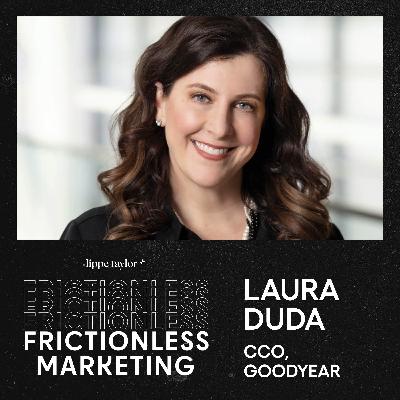
Laura Duda is senior vice president and chief communications officer at The Goodyear Tire & Rubber Company, where she leads all internal and external communications globally for Goodyear, including public and media relations, employee communications, corporate reputation management, philanthropy, and community relations, as well as Goodyear’s fleet of world-famous airships.In this conversation with Lippe Taylor CEO Paul Dyer, Laura gets into how Goodyear remains an iconic brand amid all the disruption in the auto industry, the wisdom behind strategic partnerships with brands completely unrelated to your industry, and advice for rising PR stars.Here are some key takeaways from this conversation with Laura Duda. Talk the Talk Before you Walk the WalkLaura discussed how Goodyear would only announce new innovations and ESG initiatives to the public when they were market-ready or otherwise activated. Despite the inherent dignity in waiting until something has materialized before talking about it, by then, it's usually too late. Many brands will make bold declarations about their product & ESG plans five, ten, even 25 years in advance. Being transparent about your plans for the future is critical to claiming your brand's share of voice.Purpose should extend beyond products.Goodyear doesn't consider itself as just a tire brand; instead, their overarching purpose is to enable mobility, which is way more of a universal notion to get behind. Considering how disrupted the automotive industry is and continues to get, having a purpose that transcends your product line is a critical part of future-proofing your brand by fostering the kind of agile thinking that will enable your brand to weather the storms of disruption and remain relevant.Shake things up by partnering with brands in disparate industries.The Goodyear blimp is one of the most enduring examples of earned marketing and an OG case study in the annals of communications. Goodyear hasn't ceased that spirit at all and recently enacted a partnership with AirBnb where customers were able to rent a night in the Goodyear blimp. Laura stated that one of their keys to remaining relevant was partnering with other brands that challenge their teams to think differently and outside of their industry. The activation was a win-win for both brands and an example of the kind of inter-brand partnership we're seeing more and more of.-----Produced by Simpler Media

Comments

Download from Google Play

Download from App Store
 United States