


 Claim Ownership
Better Tomorrow Speaker Series
Subscribed: 1Played: 35
Subscribe

© 2020 University of Hawai'i at Manoa
Description
The Better Tomorrow Speaker Series hosts conversations that matter. We bring together authors, advocates, and academics to talk about solving problems in Hawai‘i and the world.
The series is a joint venture of the University of Hawai‘i at Mānoa, the Hawai‘i Community Foundation, and Kamehameha Schools.
The series is a joint venture of the University of Hawai‘i at Mānoa, the Hawai‘i Community Foundation, and Kamehameha Schools.
36 Episodes
Reverse

The Trump administration is a torrent of provocations, policy changes, budget cuts, culture wars, and now, real wars. But how do you separate what really matters from all the noise?
In this episode DW Gibson and Robert Perkinson sit down with political scientist Colin Moore to discuss immigration, foreign policy, higher education, and the state of American democracy. In reviewing the first year of Trump’s second term, they try to map out a path through the next three years.
Political scientist Colin Moore is a political scientist with the University of Hawaii Economic and Research Organization (UHERO) and a political commentator for KITV. He earned his Ph.D. from Harvard and previously held fellowships at Yale and UC Berkeley.
DW Gibson is an award-winning author and journalist, whose work has appeared in The New York Times, The Washington Post, The Atlantic, and Harper's Magazine. He’s now executive producer of podcasts and multimedia at Hawaii Public Radio.
Robert Perkinson is an associate professor of American Studies and the director of the Better Tomorrow Speaker Series.
Production Assistance:
Willow Hutchison
Sound Engineering:
Adeel Meer
The Better Tomorrow Speaker Series features incisive conversations on the most pressing issues of our time. The project is a joint venture of the University of Hawai‘i and the Hawai‘i Community Foundation. BTSS website: http://manoa.hawaii.edu/speakers/ YouTube: https://www.youtube.com/@uhbtssInstagram: http://www.instagram.com/uh_btss/ Facebook: http://www.facebook.com/UHBTSS/ Twitter: https://twitter.com/uh_btss
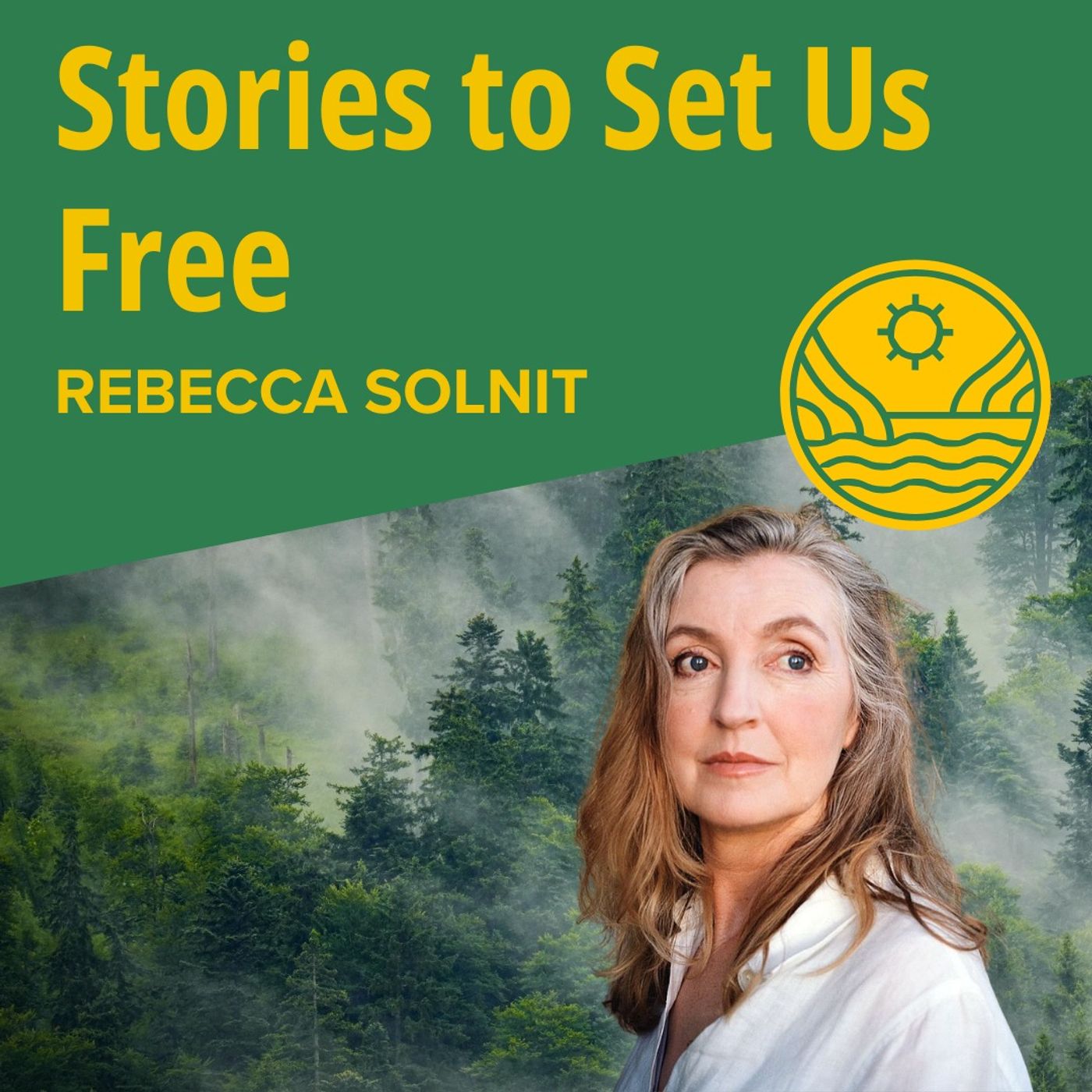
The conversation dives into topics like climate change, feminism, and political resistance, emphasizing that the biggest barriers to progress are often cultural and narrative—not technical.
Writer and historian Rebecca Solnit is the author of 25+ books on feminism, history, and hope, including Men Explain Things to Me. A Guggenheim Fellow and National Book Critics Circle Award winner, she writes for Harper’s and The Guardian and is the Fall 2025 Dai Ho Chun Chair in the College of Arts, Languages & Letters.
Interviewer
Robert Perkinson is an associate professor of American Studies and the director of the Better Tomorrow Speaker Series.
Videography and Audio Recording
Greeneye Productions
Production Assistance:
Willow Hutchison
Sound Engineering:
Adeel Meer
The Better Tomorrow Speaker Series features incisive conversations on the most pressing issues of our time. The project is a joint venture of the University of Hawai‘i and the Hawai‘i Community Foundation. BTSS website: http://manoa.hawaii.edu/speakers/ YouTube: https://www.youtube.com/@uhbtssInstagram: http://www.instagram.com/uh_btss/ Facebook: http://www.facebook.com/UHBTSS/ Twitter: https://twitter.com/uh_btss
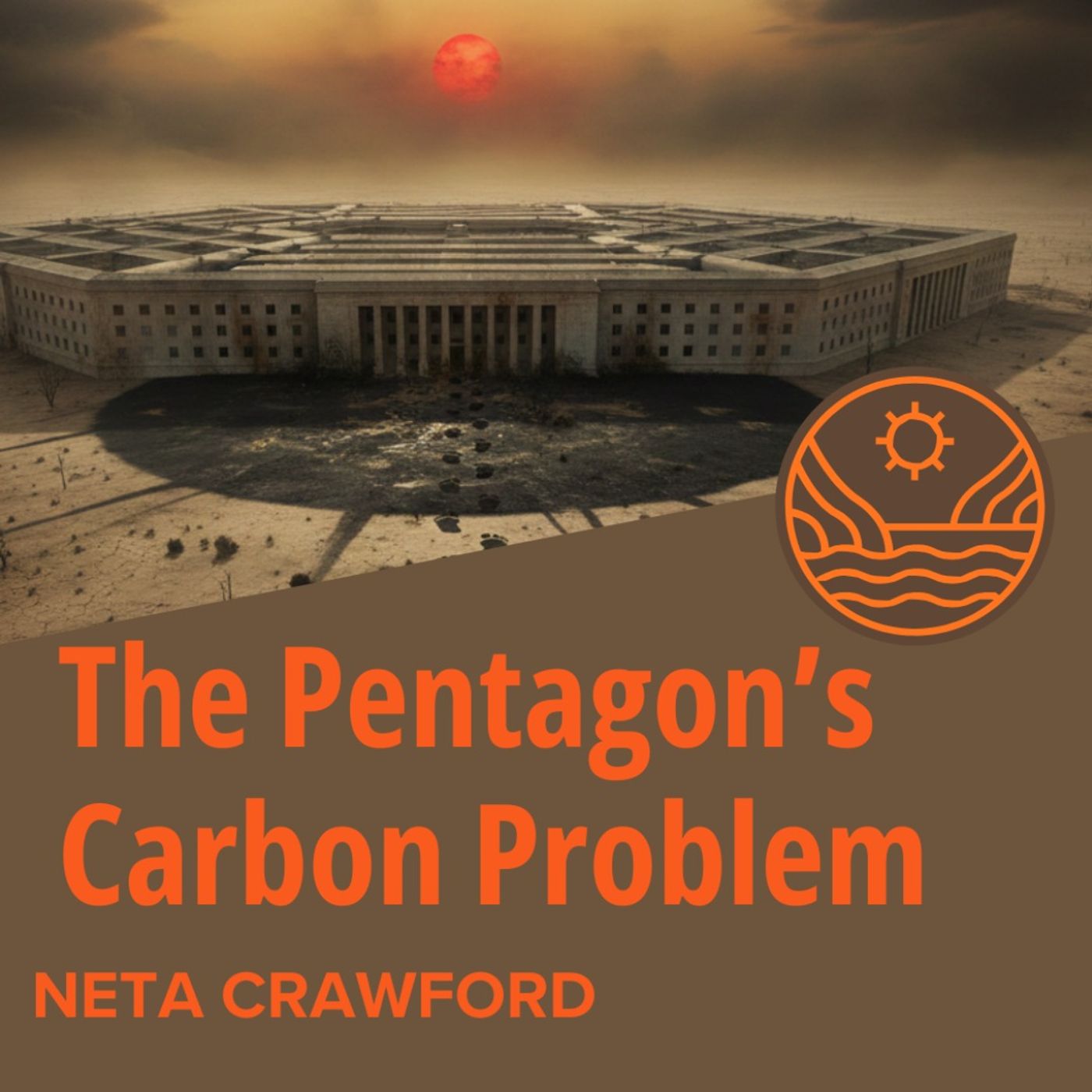
In this episode, historian and international relations scholar Neta Crawford examines the deep and largely hidden ties between U.S. military power, fossil fuel dependence, and the climate crisis. Tracing a history that runs from 19th-century coal stations to today’s global network of more than 700 U.S. military bases, Crawford explains how war-fighting doctrine, energy consumption, and emissions became structurally intertwined—and why the U.S. military may be doing more to endanger us than protect us. Neta Crawford is the author of four books and dozens of journal articles, including The Pentagon, Climate Change, and War. She is a professor at the University of St. Andrews in Scotland and the co-founder of the Costs of War Project at Brown. She has been elected to both the American Academy of Arts and Sciences and the British Academy. Robert Perkinson is an associate professor of American Studies and the director of the Better Tomorrow Speaker Series.
The Better Tomorrow Speaker Series features incisive conversations on the most pressing issues of our time. The project is a joint venture of the University of Hawai‘i and the Hawai‘i Community Foundation. BTSS website: http://manoa.hawaii.edu/speakers/ YouTube: https://www.youtube.com/@uhbtssInstagram: http://www.instagram.com/uh_btss/ Facebook: http://www.facebook.com/UHBTSS/ Twitter: https://twitter.com/uh_btss
The U.S. has built the largest global network of military bases in history—and Hawaiʻi has long stood at its center. In this conversation, David Vine traces the hidden costs of empire and why they matter as Hawaiʻi weighs the future of its lands and security.In this episode, anthropologist and author David Vine discusses the global reach of the U.S. military and the history of near-continuous American warfare. Drawing on decades of research, Vine argues that foreign military bases have often enabled conflict, imposed heavy environmental and social costs, and displaced Indigenous communities, while doing little to enhance real security. The conversation focuses in particular on Hawaiʻi’s role in this system, from land seizures and contamination to the state’s ongoing negotiations over base leases, and explores how historical perspective can inform debates about security, sovereignty, and the future use of land in the islands.David Vine anthropologist, author of The United States of War, Base Nation, and Island of Shame.Robert Perkinson (moderator) is an associate professor of American Studies at the University of Hawaii at Mānoa and director of the Better Tomorrow Speaker Series.Sound Engineering:Adeel MeerCenter for Language & TechnologyProduction Assistance:Amika Matteson, Christine Ahn, Sydney Son, and Willow Hutchison
The Better Tomorrow Speaker Series features incisive conversations on the most pressing issues of our time. The project is a joint venture of the University of Hawai‘i and the Hawai‘i Community Foundation. BTSS website: http://manoa.hawaii.edu/speakers/ YouTube: https://www.youtube.com/@uhbtssInstagram: http://www.instagram.com/uh_btss/ Facebook: http://www.facebook.com/UHBTSS/ Twitter: https://twitter.com/uh_btss
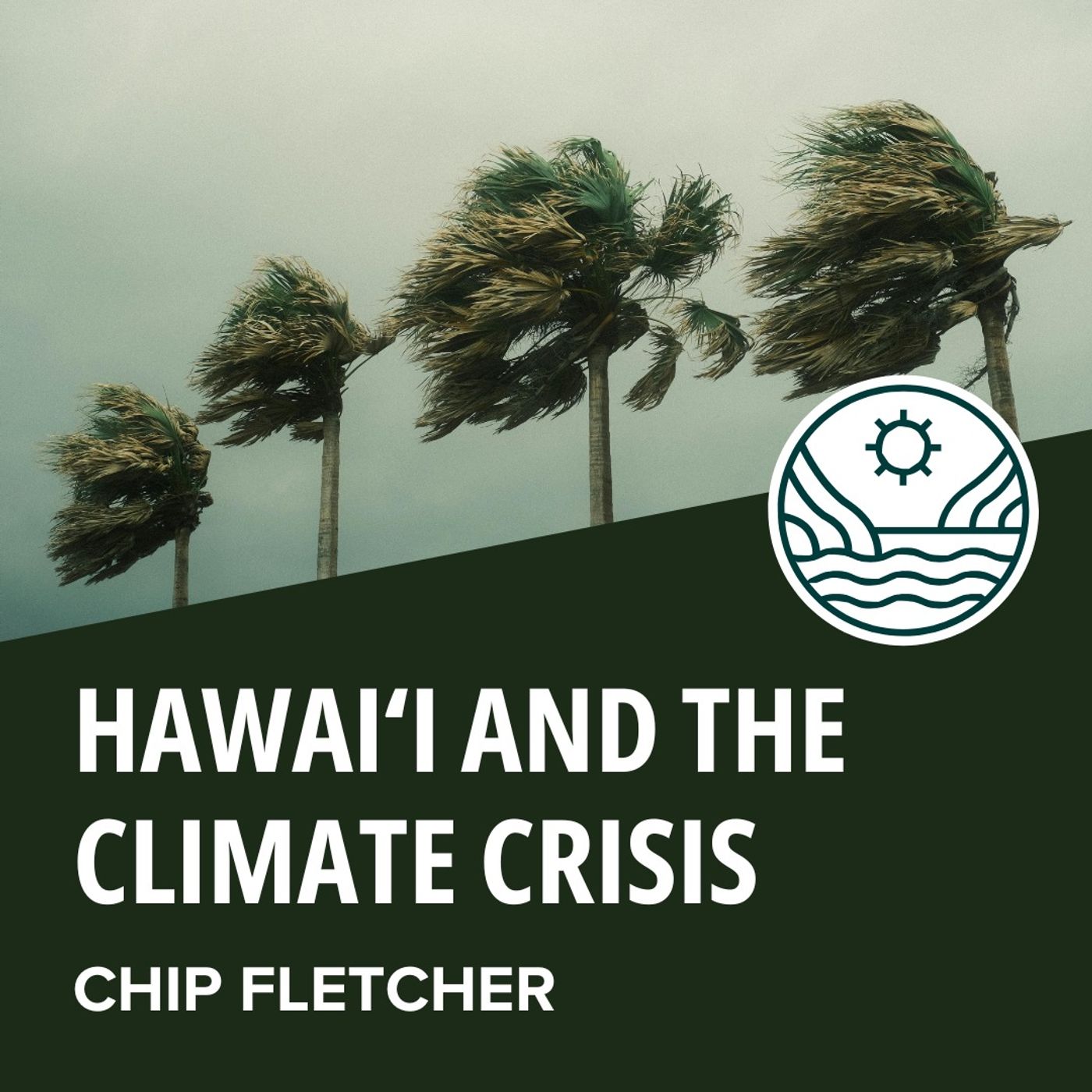
We talk about the climate crisis all the time, but when was the last time you sat down for a refresher on the basic science? Join geologist and coastal systems expert Chip Fletcher for a primer on the physics behind rising temperatures, rising seas, jet stream deviations, extreme weather, and more. Understanding the mechanisms of warming and its cascading effects better equips us to evaluate proposals to mitigate and adapt. Dr. Fletcher has written three textbooks and over 100 peer-reviewed articles. He is the Dean of the University of Hawaiʻi’s School of Ocean and Earth Science and Technology (SOEST), and he is the governor’s top climate advisor. Robert Perkinson is an associate professor of American Studies at UH Mānoa and director of the Better Tomorrow Speaker Series.
The Better Tomorrow Speaker Series features incisive conversations on the most pressing issues of our time. The project is a joint venture of the University of Hawai‘i and the Hawai‘i Community Foundation. BTSS website: http://manoa.hawaii.edu/speakers/ YouTube: https://www.youtube.com/@uhbtssInstagram: http://www.instagram.com/uh_btss/ Facebook: http://www.facebook.com/UHBTSS/ Twitter: https://twitter.com/uh_btss
What drives us to achieve—and at what cost? In today’s episode, author and entrepreneur Jane Chen shares the story of founding Embrace, an innovative nonprofit that created low-cost incubators to save babies’ lives in conflict zones around the world. She poured everything into the project, overcoming impossible challenges and earning recognition from leaders like Beyoncé and President Obama—until the work began to unravel, and so did she.In her new memoir, Like a Wave We Break, Jane chronicles the collapse and her fight to rebuild, grappling with intergenerational trauma, family violence, and the demons that pushed her forward. Ultimately, she discovers that real healing—and meaningful impact—depend not on relentless striving, but on learning to lead, love, and live with compassion. Author and entrepreneur Jane Chen is the co-founder of Embrace Global, which developed a groundbreaking infant incubator that has helped save the lives of nearly a million babies. Trained at Stanford and Harvard, Chen has been recognized as a Schwab Social Entrepreneur of the Year by the World Economic Forum and was a recipient of the Economist Innovation Award. She is the author of Like a Wave We Break: A Memoir of Falling Apart and Finding Myself.Robert Perkinson (moderator) is an associate professor of American Studies at UH Manoa and the Director of the Better Tomorrow Speaker Series.
The Better Tomorrow Speaker Series features incisive conversations on the most pressing issues of our time. The project is a joint venture of the University of Hawai‘i and the Hawai‘i Community Foundation. BTSS website: http://manoa.hawaii.edu/speakers/ YouTube: https://www.youtube.com/@uhbtssInstagram: http://www.instagram.com/uh_btss/ Facebook: http://www.facebook.com/UHBTSS/ Twitter: https://twitter.com/uh_btss
Explore the dynamic crossroads of law, indigeneity, and climate justice with two extraordinary voices: Julian Aguon, the founder of Blue Ocean Law, and our host for this profound dialogue, Professor Kapua Sproat from the University of Hawaiʻi at Mānoa.In this episode, you'll hear Julian and Kapua explore the critical need for community and solidarity in the face of the climate crisis, especially as it impacts vulnerable Pacific communities. They discuss the vital role of storytelling and the arts in igniting social movements and reminding us of our shared humanity and potential. Julian shares compelling insights into the landmark, though ultimately unsuccessful, case of Davis v. Guam, shedding light on the complexities of self-determination and the limitations of current legal frameworks when grappling with the legacy of colonization.The conversation also beautifully navigates the profound connection between indigenous peoples and their ancestral lands, highlighting the deep grief and injustice of displacement while underscoring the fundamental human longing for freedom and belonging. Despite acknowledging the constraints of the legal system, Julian articulates a hopeful vision for law as a tool to protect indigenous rights and empower communities to be at the forefront of solving the planetary crisis.Prepare to be moved and inspired as Julian and Kapua weave together personal reflections, legal analysis, and powerful calls to action. You’ll hear about the political significance of grief, the essential roles of both anger and love in driving social change, and ultimately, a message of hope for the future, especially for young indigenous leaders. The episode culminates in a moving reading of Julian’s poem, "gaali," leaving us with a lingering sense of connection and purpose.So, tune in as we embark on this vital conversation with Julian Aguon and Kapua Sproat, recorded right here in Honolulu, a testament to the ongoing work and resilience of Pacific communities in the face of unprecedented challenges. Let's listen and learn together. A prolific essayist, Julian Aguon is the author of No Country for Eight-Spot Butterflies (2022), which Junot Díaz calls “a breathtaking book . . . alive with passion, wisdom, and heart.” Aguon is the founder of Blue Ocean Law, a progressive firm that works at the intersection of Indigenous rights and environmental justice, and he serves on the Global Advisory Council of Progressive International.Kapuaʻala Sproat (Moderator) is the director of the Ka Huli Ao Center for Excellence in Native Hawaiian Law at the University of Hawaiʻi.
The Better Tomorrow Speaker Series features incisive conversations on the most pressing issues of our time. The project is a joint venture of the University of Hawai‘i and the Hawai‘i Community Foundation. BTSS website: http://manoa.hawaii.edu/speakers/ YouTube: https://www.youtube.com/@uhbtssInstagram: http://www.instagram.com/uh_btss/ Facebook: http://www.facebook.com/UHBTSS/ Twitter: https://twitter.com/uh_btss
Political geographer Reece Jones discusses the politics of immigration under the second Trump administration. An expert on the history of borders, migration, policy, and politics, Jones explains how immigration restriction in America has always been bound up with racial exclusion and demographic engineering, from Chinese exclusion to the border wall. He reviews US immigration policy from the civil rights movement forward, and he explains how the Trump administration in its second incarnation is advancing ideas first forged by fascists and eugenicists a century ago.Reece Jones is a political geographer who studies the relationship between states, borders, and people on the move. He is a Guggenheim Fellow, professor at UH Manoa, and prolific author of books examining US immigration policy.Robert Perkinson (interviewer) is an associate professor of American Studies at UH Manoa and the director of the Better Tomorrow Speaker Series.Topics include: immigration, border walls, department of homeland security, naturalization, demography, eugenics, dhs, ice, immigration and customs enforcement, trump, immigration enforcement, immigration policy, detention centers, history of immigration, US migration trends, immigration and crime, Chinese exclusion act, 1924 immigration act, immigration act of 1965, family migration, chain migration, Reece Jones books, border crossings, Trump second term, economic impacts of immigration, border patrol, border agents, asylum law, deportation, changes to refugee status, social engineering
The Better Tomorrow Speaker Series features incisive conversations on the most pressing issues of our time. The project is a joint venture of the University of Hawai‘i and the Hawai‘i Community Foundation. BTSS website: http://manoa.hawaii.edu/speakers/ YouTube: https://www.youtube.com/@uhbtssInstagram: http://www.instagram.com/uh_btss/ Facebook: http://www.facebook.com/UHBTSS/ Twitter: https://twitter.com/uh_btss
This special episode features highlights from a 2016 talk by Angela Davis – renowned political activist, scholar, and award-winning author – in her keynote address as Inouye Chair at the University of Hawaiʻi Law School. Despite being from a decade ago, Davis' commentary on freedom and inequality in the United States remains as pertinent as ever. Her talk draws on a vast array of topics, from systemic racism to feminism to the prison industrial complex. She asserts that we must employ abolitionist ideologies in the fight for equality against an elitist, capitalist democracy founded on oppression and slavery. In connecting prominent American political movements of the 21st century to Hawaiʻiʻs own battle with colonialism, she reminds us that freedom is a constant struggle everywhere, one that we must fight together. Angela Y. Davis is known internationally for her ongoing work to combat all forms of oppression in the U.S. and abroad. She is best known for her political activism as a Black Panther, radical feminist, and Marxist during the 1960s and 1970s. Throughout her career she has advocated for the importance of incorporating race and sexuality into the study of gender inequality, making her one of the first scholars to recognize intersectionality. Professor Davis is also credited as one of the founders of second-wave feminism due to her scholarly work on womenʻs roles in politics and the home. Her articles and essays have appeared in numerous journals and anthologies, and she is the author of nine books, including Angela Davis: An Autobiography; Women, Race, and Class; Blues Legacies and Black Feminism: Gertrude “Ma” Rainey, Bessie Smith, and Billie Holiday; Freedom is a Constant Struggle: Ferguson, Palestine, and the Foundations of a Movement and The Meaning of Freedom. Robert Perkinson (moderator) is an associate professor of American Studies at UH Manoa and the director of the Better Tomorrow Speaker Series.
The Better Tomorrow Speaker Series features incisive conversations on the most pressing issues of our time. The project is a joint venture of the University of Hawai‘i and the Hawai‘i Community Foundation. BTSS website: http://manoa.hawaii.edu/speakers/ YouTube: https://www.youtube.com/@uhbtssInstagram: http://www.instagram.com/uh_btss/ Facebook: http://www.facebook.com/UHBTSS/ Twitter: https://twitter.com/uh_btss
In this wide-ranging studio conversation, Rosanna Xia and Makena Coffman discuss the human stories behind sea level rise and climate adaptation. Xia shares the process of writing California Against the Sea, the emotional complexity of managed retreat, and how communities are reimagining coastal life in the face of change. Together, they explore the role of journalism, policy, insurance, Indigenous knowledge, and community action in building climate resilience. Rosanna Xia is an environmental reporter for the Los Angeles Times, where she specializes in stories about the coast and ocean. She was a Pulitzer Prize finalist in 2020 for explanatory reporting, and her work has been anthologized in the Best American Science and Nature Writing series. Her award-winning book, California Against the Sea, has been praised as a poetic and mind-expanding exploration of what we stand to lose in the face of rising water. Makena Coffman (moderator) is the Director for the University of Hawaiʻi at Mānoa Institute for Sustainability and Resilience. She also serves as Chair of the City and County of Honolulu Climate Change Commission. A Professor of Urban and Regional Planning, Coffman teaches graduate courses in climate change and low carbon cities. Her research interests include greenhouse gas mitigation, energy policy and alternative transportation strategies. She is a Research Fellow with the University of Hawaiʻi Economic Research Organization, holds a B.A. in International Relations from Stanford University, and a Ph.D. in Economics from the University of Hawaiʻi at Mānoa.
The Better Tomorrow Speaker Series features incisive conversations on the most pressing issues of our time. The project is a joint venture of the University of Hawai‘i and the Hawai‘i Community Foundation. BTSS website: http://manoa.hawaii.edu/speakers/ YouTube: https://www.youtube.com/@uhbtssInstagram: http://www.instagram.com/uh_btss/ Facebook: http://www.facebook.com/UHBTSS/ Twitter: https://twitter.com/uh_btss
Can childhood trauma shape a person’s lifelong health? Dr. Nadine Burke Harris and Governor Josh Green reveal the powerful science behind Adverse Childhood Events (ACES), which can profoundly shape an individual’s development, increasing the risk for chronic physical and mental health conditions across their lifespan. Drawing on their backgrounds as both physicians and policy makers, Dr. Harris and Dr. Green discuss how trauma-informed care can heal communities in Hawaiʻi, California, and around the world. Nadine Burke Harris is a pediatrician, author, and former Surgeon General of California. She began her work on the health effects of childhood trauma while working as a clinician in the underserved neighborhood of Bayview-Hunters Point in San Francisco. She went on to found the Bayview Child Health Center and the Center for Youth Wellness to push pediatric medicine to acknowledge the consequences of Adverse Childhood Experiences (ACEs) and toxic stress on childrenʻs health. Her award winning book, The Deepest Well: Healing the Long-Term Effects of Childhood Adversity, details the clinical experiences in San Francisco that led her to these groundbreaking findings on the significance of childhood stress on lifelong health outcomes, and what we can do to break the cycle of toxic stress. Dr. Josh Green is a physician and the current Governor of Hawai’i. Known for his affordable housing and trauma-informed healthcare policies, he has dedicated his time in office to advocating for all dimensions of public health. After being stationed in Hawai’i by the National Health Service Corps in 2000, Dr. Green began his career as an emergency room doctor in rural hospitals and clinics on the Big Island. He served in the Hawai’i State House of Representatives and the Senate before being elected Lieutenant Governor in 2018 and then Governor in 2022. Following his successful leadership during the pandemic, Dr. Green founded the nation’s first Office of Wellness and Resilience in 2023. Robert Perkinson (moderator) is an associate professor of American Studies at UH Manoa and the director of the Better Tomorrow Speaker Series. Yunji de Nies (interviewer) is a journalist, reporter, and TV host based in Honolulu, Hawaii.
The Better Tomorrow Speaker Series features incisive conversations on the most pressing issues of our time. The project is a joint venture of the University of Hawai‘i and the Hawai‘i Community Foundation. BTSS website: http://manoa.hawaii.edu/speakers/ YouTube: https://www.youtube.com/@uhbtssInstagram: http://www.instagram.com/uh_btss/ Facebook: http://www.facebook.com/UHBTSS/ Twitter: https://twitter.com/uh_btss
Have you ever struggled to connect with a teen? If so, this interview is for you! In this conversation on the emerging science of adolescence, Ellen Galinsky – renowned social scientist and bestselling author – turns what we think we know upside down. She encourages us to think of these years as an opportunity for growth and discovery, while offering practical, evidence-based advice to help teens thrive. Ellen Galinsky is the author of hundreds of research reports, articles, and books, including the bestselling Mind in the Making and the recently published The Breakthrough Years, which critics have called a “masterpiece” and a “superb contribution to science and society.” She is the President of Families and Work Institute, an advisor on youth mental health to the U.S. Department of Health and Human Services, and she formerly served as Chief Science Officer to the Bezos Foundation. Robert Perkinson (moderator) is an associate professor of American Studies at UH Manoa and the director of the Better Tomorrow Speaker Series.
The Better Tomorrow Speaker Series features incisive conversations on the most pressing issues of our time. The project is a joint venture of the University of Hawai‘i and the Hawai‘i Community Foundation. BTSS website: http://manoa.hawaii.edu/speakers/ YouTube: https://www.youtube.com/@uhbtssInstagram: http://www.instagram.com/uh_btss/ Facebook: http://www.facebook.com/UHBTSS/ Twitter: https://twitter.com/uh_btss
Trump reliably generates headlines, but what has his second administration done in the first 100 days that’s really consequential? In this episode, we take stock of Trump I and Trump II, with special emphasis on immigration, university funding, and Elon Musk’s Department of Government Efficiency, or DOGE. Our guests, Colin Moore and Nick McLean, provide a clear-eyed assessment of what matters and what doesn’t–and what Trump II means for the future of governance and democracy. Colin Moore is a political scientist, Director of the Matsunaga Institute for Peace and Conflict Resolution, and an Associate Professor at the University of Hawai‘i Economic Research Organization (UHERO).Nicholas McLean is an assistant professor of law at the William S. Richardson School of Law. He previously served as a Deputy Solicitor General in the State of Hawaiʻi Department of the Attorney General. Robert Perkinson (moderator) is an associate professor of American Studies at the University of Hawaii at Manoa and director of the Better Tomorrow Speaker Series.
The Better Tomorrow Speaker Series features incisive conversations on the most pressing issues of our time. The project is a joint venture of the University of Hawai‘i and the Hawai‘i Community Foundation. BTSS website: http://manoa.hawaii.edu/speakers/ YouTube: https://www.youtube.com/@uhbtssInstagram: http://www.instagram.com/uh_btss/ Facebook: http://www.facebook.com/UHBTSS/ Twitter: https://twitter.com/uh_btss
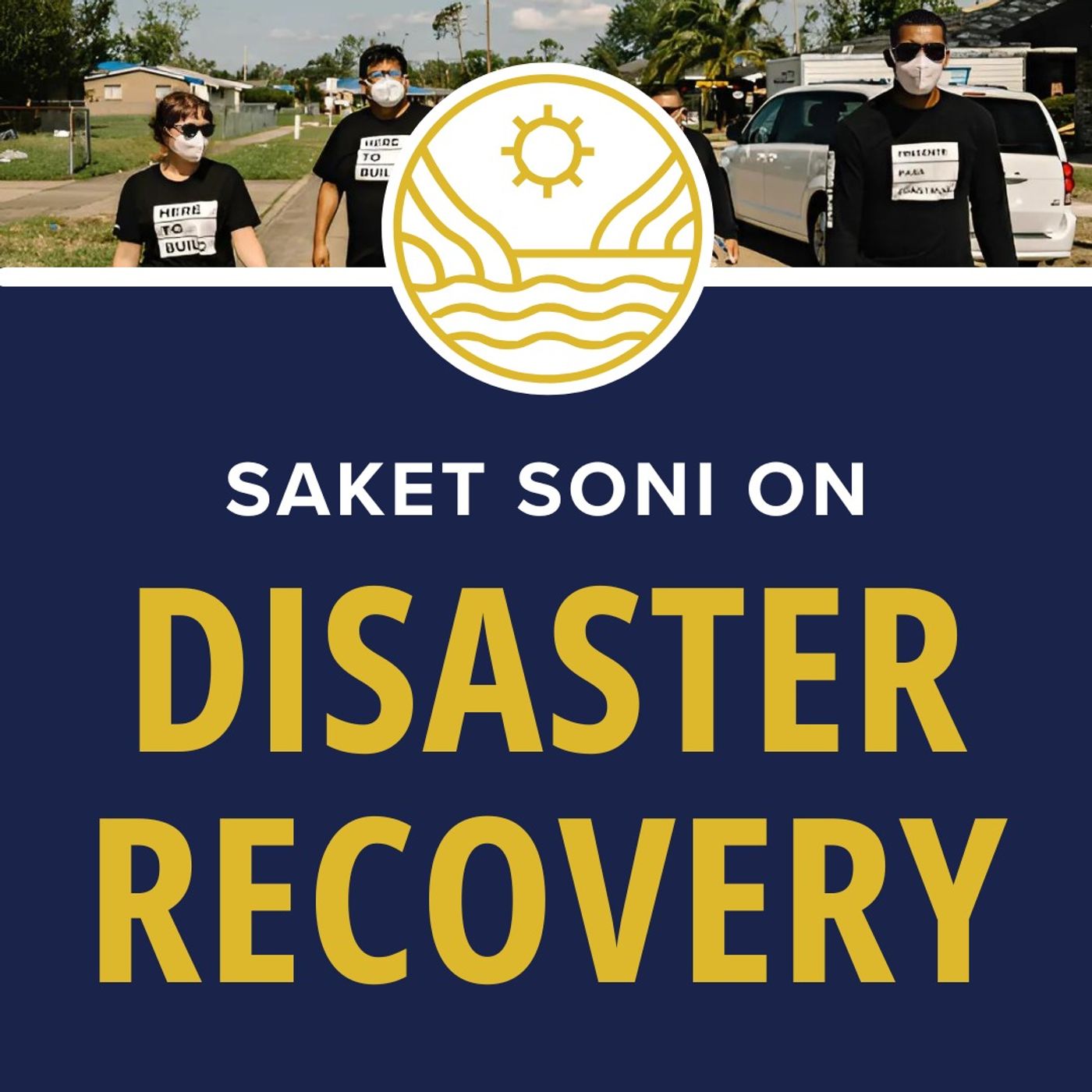
In the aftermath of every disaster, there’s a forgotten workforce–undocumented, exploited, and underpaid. What happens when the people rebuilding our world are the ones at risk? In a world where climate disasters are becoming more frequent and severe, Saket Soni explores the critical intersection of disaster resilience, immigrant labor, and social justice. From Hurricane Katrina to the Maui wildfires, Soni–founder of Resilience Force–takes us deep into the stories of the workers who rebuild our communities after tragedy strikes.Saket Soni is a labor organizer, human rights strategist, and the founder and director of Resilience Force, an organization dedicated to amplifying the voice of workers who rebuild communities after climate disasters. Labeled an “architect of the next labor movement” in USA Today, Soni’s work has been profiled in the New Yorker, TIME, Fast Company, and the New York Times. He is the author of The Great Escape: The True Story of Forced Labor and Immigrant Dreams in America.Robert Perkinson (moderator) is an associate professor of American Studies at the University of Hawaii at Manoa and director of the Better Tomorrow Speaker Series.
The Better Tomorrow Speaker Series features incisive conversations on the most pressing issues of our time. The project is a joint venture of the University of Hawai‘i and the Hawai‘i Community Foundation. BTSS website: http://manoa.hawaii.edu/speakers/ YouTube: https://www.youtube.com/@uhbtssInstagram: http://www.instagram.com/uh_btss/ Facebook: http://www.facebook.com/UHBTSS/ Twitter: https://twitter.com/uh_btss

Emerging research has shown us that plants have the ability to communicate with other plants, react to sound and touch, store memories, deceive animals to their benefit, and protect themselves and their kin. These scientific discoveries challenge us to rethink the ways we conceive of agency, intelligence, and consciousness. Are plants intelligent, even conscious? Join us as Zoë Schlanger, author of “The Light Eaters” and staff writer for The Atlantic, welcomes us into the unseen world of plants.Zoë Schlanger is a staff writer at The Atlantic, and her writings on climate change and the environment have appeared in The New York Times, Newsweek, NPR, and Quartz. She was the recipient of a 2017 National Association of Science Writers reporting award for coverage of air pollution in Detroit, and a finalist for the 2019 Livingston Award for a series on water politics at the Texas-Mexico border.Robert Perkinson (moderator) is an associate professor of American Studies at the University of Hawaii at Manoa and director of the Better Tomorrow Speaker Series
The Better Tomorrow Speaker Series features incisive conversations on the most pressing issues of our time. The project is a joint venture of the University of Hawai‘i and the Hawai‘i Community Foundation. BTSS website: http://manoa.hawaii.edu/speakers/ YouTube: https://www.youtube.com/@uhbtssInstagram: http://www.instagram.com/uh_btss/ Facebook: http://www.facebook.com/UHBTSS/ Twitter: https://twitter.com/uh_btss
American civil rights advocate Kimberlé Crenshaw shares the origins and development of both “Critical Race Theory” and “Intersectionality.” Growing up in the context of the Civil Rights Movement, she highlights her drive to become a lawyer and utilize the law to actualize African American aspirations. In her work, she carries with her the legacies of legal civil rights efforts. Applying an intersectional lens to the way that black women experience violence at the intersection of race and gender, Crenshaw advocates for their stories to be told through the campaign to #SayHerName, also the title of her newest book. Kimberlé W. Crenshaw is a pioneering scholar and writer on civil rights, critical race theory, Black feminist legal theory, and race, racism and the law. In addition to her position at Columbia Law School, she is a Distinguished Professor of Law at the University of California, Los Angeles.Robert Perkinson (moderator) is an associate professor of American Studies at the University of Hawaii at Manoa and director of the Better Tomorrow Speaker Series.
The Better Tomorrow Speaker Series features incisive conversations on the most pressing issues of our time. The project is a joint venture of the University of Hawai‘i and the Hawai‘i Community Foundation. BTSS website: http://manoa.hawaii.edu/speakers/ YouTube: https://www.youtube.com/@uhbtssInstagram: http://www.instagram.com/uh_btss/ Facebook: http://www.facebook.com/UHBTSS/ Twitter: https://twitter.com/uh_btss
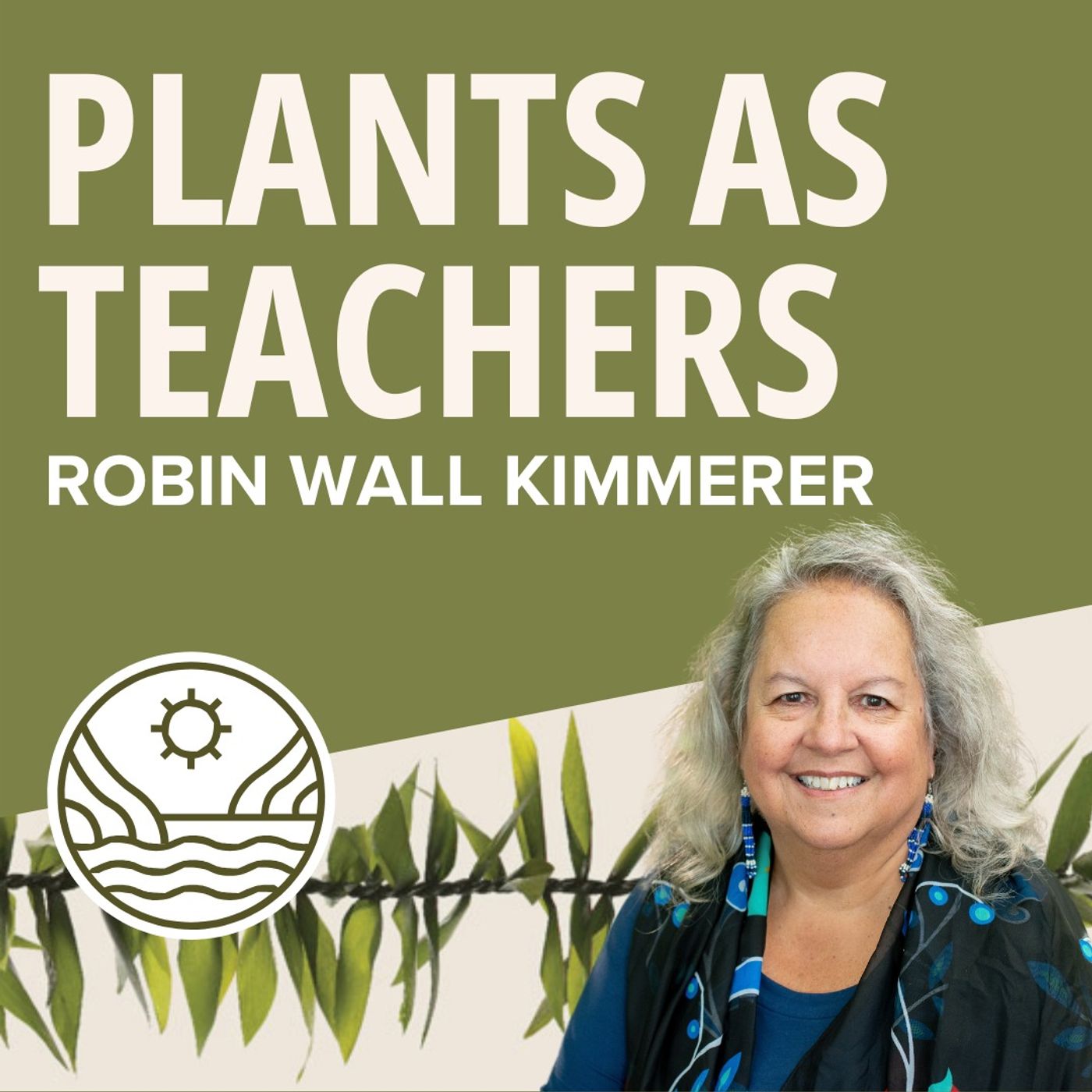
How can we incorporate Indigenous ways of knowing into our scientific understanding of the natural world? While native and western science often seem at odds with one another, botanist, professor, and enrolled member of the Citizen Potawatomi Nation, Robin Wall Kimmerer shares how bridging the gap between these two perspectives helps us understand the earth in a more holistic way. In this discussion with poet and professor Brandy Nālani McDougall, Kimmerer unpacks her research journey in ethnic ecology, land justice, and indigenous knowledge. Their discussion dives into topics that include indigenous science, cultural erasure and preservation, plant culture, and restoration of relationships to land. Botanist, professor, and enrolled member of the Citizen Potawatomi Nation, Robin Wall Kimmerer is the author of Braiding Sweetgrass: Indigenous Wisdom, Scientific Knowledge and the Teachings of Plants. A SUNY Distinguished Teaching Professor of Environmental Biology and the founder of the Center for Native Peoples and the Environment, Kimmerer has won the John Burroughs Medal for outstanding nature writing and a MacArthur “genius” grant. Her research interests include the restoration of ecological communities, as well as the restoration of our relationships to land. Brandy Nālani McDougall is a Kānaka ʻŌiwi author, educator, activist, and the Hawai'i State Poet Laureate for 2023–2025. She is an Associate Professor of American studies at the University of Hawaii at Manoa specializing in Indigenous Studies. Sound editing by Amika Matteson. Graphic by Taylor Hansen.
The Better Tomorrow Speaker Series features incisive conversations on the most pressing issues of our time. The project is a joint venture of the University of Hawai‘i and the Hawai‘i Community Foundation. BTSS website: http://manoa.hawaii.edu/speakers/ YouTube: https://www.youtube.com/@uhbtssInstagram: http://www.instagram.com/uh_btss/ Facebook: http://www.facebook.com/UHBTSS/ Twitter: https://twitter.com/uh_btss
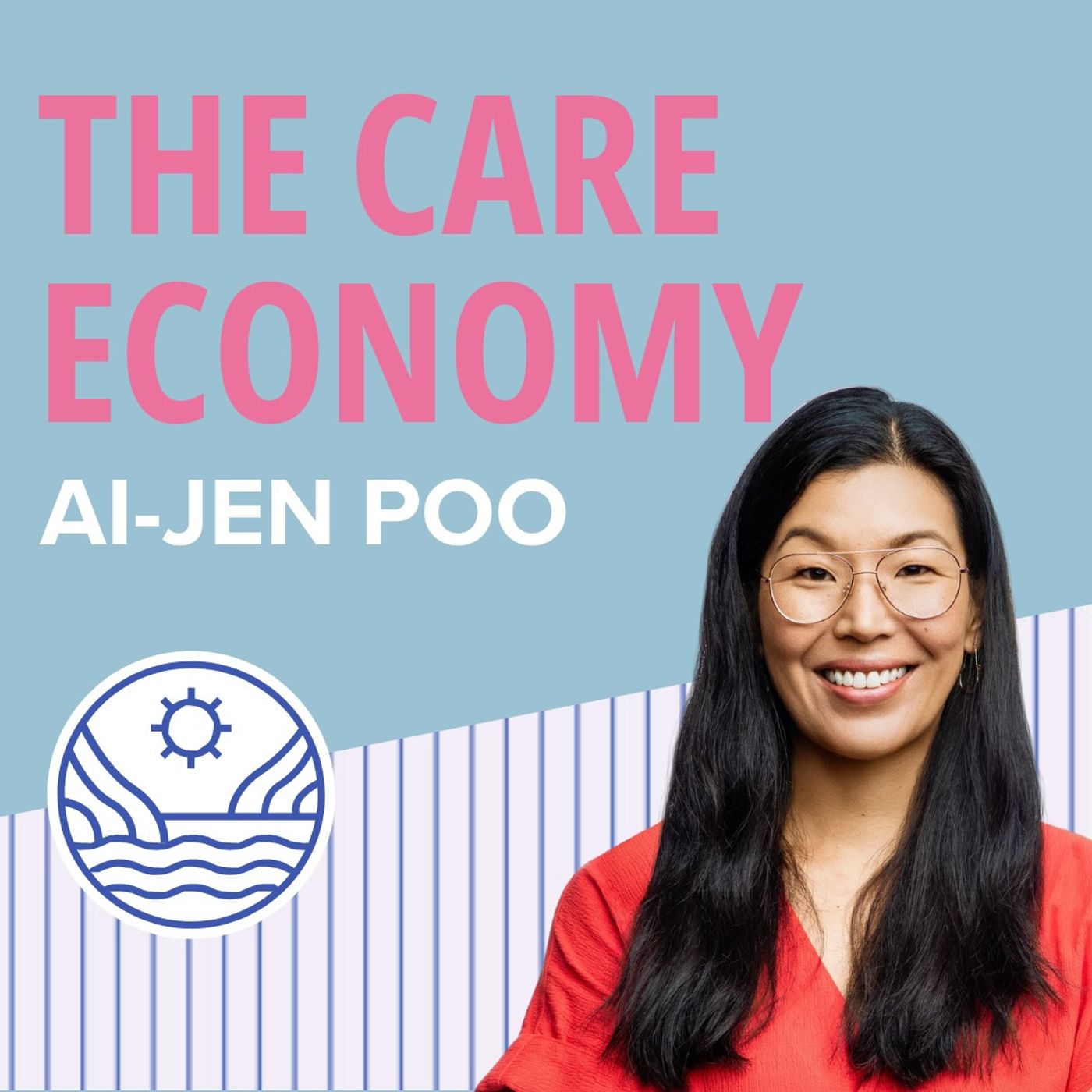
We all recognize that infrastructure like highways, water systems, and electricity are essential for leading healthy and productive lives. But what about our systems of care? Ai-jen Poo–Director of Caring Across Generations and President of the National Domestic Workers Alliance–argues that care work is critical to making the world work. Caregiving, says Ai-jen Poo, from child-rearing to elder care, allows all of us to thrive–as individuals, as families, and as a society.A next generation labor leader and rising voice in the women’s movement, Ai-jen Poo is a MacArthur “genius” fellow, one of Fortune’s 50 World’s Greatest Leaders, and one of TIME’s 100 Most Influential People in the World. Her work has been featured in Marie Claire, New York Times, Washington Post, and Jezebel. She is author of The Age of Dignity: Preparing for the Elder Boom in a Changing America. In 2017, Ai-jen served as the Dan and Maggie Distinguished Chair in Democratic Ideals at UH Mānoa.Robert Perkinson (moderator) is an associate professor of American Studies at the University of Hawaii at Manoa and director of the Better Tomorrow Speaker Series.Sound editing and graphic by Hannah Sambrano.
The Better Tomorrow Speaker Series features incisive conversations on the most pressing issues of our time. The project is a joint venture of the University of Hawai‘i and the Hawai‘i Community Foundation. BTSS website: http://manoa.hawaii.edu/speakers/ YouTube: https://www.youtube.com/@uhbtssInstagram: http://www.instagram.com/uh_btss/ Facebook: http://www.facebook.com/UHBTSS/ Twitter: https://twitter.com/uh_btss

We all know that the most effective social movements begin locally. But how can we use community organizing to ensure their success? If we are to make tangible change – says renowned author, activist, and organizer George Goehl – we need to start by listening to the community, setting achievable goals, and then mobilizing toward victory using basic principles of community organizing. This is a conversation about what it takes for people without power and resources to win more of both. George Goehl started organizing in a soup kitchen in Southern Indiana nearly 30 years ago and has been at it ever since. Today, George is traveling the country helping people launch new organizing projects, training a generation in the fundamentals of organizing. He is the host of the podcasts, To See Each Other and Fundamentals of Organizing. George’s work has been featured in The Atlantic, the New York Times, Washington Post, on CNN, and Rolling Stone. Robert Perkinson (moderator) is an associate professor of American Studies at the University of Hawaii at Manoa and director of the Better Tomorrow Speaker Series.
The Better Tomorrow Speaker Series features incisive conversations on the most pressing issues of our time. The project is a joint venture of the University of Hawai‘i and the Hawai‘i Community Foundation. BTSS website: http://manoa.hawaii.edu/speakers/ YouTube: https://www.youtube.com/@uhbtssInstagram: http://www.instagram.com/uh_btss/ Facebook: http://www.facebook.com/UHBTSS/ Twitter: https://twitter.com/uh_btss
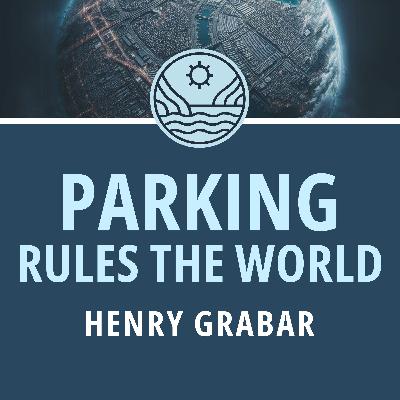
In this searching interview, award-winning journalist Henry Grabar digs deep into the paradox of parking: We all want it, but we ignore the costs. The pursuit of the perfect parking space, he finds, worsens traffic, increases housing costs, hurts small businesses, endangers pedestrians, destroys wetlands, accelerates global warming, and, on a day-to-day basis, drives us to distraction. So what can be done? Based on extensive reporting and research, Grabar argues that smarter policy can make our cities more vibrant, just, and sustainable, one converted parking space at a time. Henry Grabar is a journalist, researcher, Harvard Loeb Fellow, and author of Paved Paradise: How Parking Explains the World. Interviewer Kathleen Rooney is transportation policy lead at the Ulupono Initiative, a Hawaii-based investment impact firm.
The Better Tomorrow Speaker Series features incisive conversations on the most pressing issues of our time. The project is a joint venture of the University of Hawai‘i and the Hawai‘i Community Foundation. BTSS website: http://manoa.hawaii.edu/speakers/ YouTube: https://www.youtube.com/@uhbtssInstagram: http://www.instagram.com/uh_btss/ Facebook: http://www.facebook.com/UHBTSS/ Twitter: https://twitter.com/uh_btss

Comments

Download from Google Play

Download from App Store
 United States