


 Claim Ownership
Beyond The Water Cooler
Subscribed: 9Played: 32
Subscribe

© Copyright 2026 Lisa LLoyd
Description
Are you confident about how to create the best workplace, from the inside out, where people are put first? Does your workforce share a clear sense of purpose, are they secure about change, do they know how to reduce stress, anxiety and the risk of burnout? Are you sure that productivity in your company is not diminished by presenteeism or staff turnover?
This podcast features mini-series’ that delve into these topics and more, that have never been more important. As a psychologist, I get beneath the surface to really figure out the what, the why and the how, around your team being their best. These are authentic conversations about what employee experience is really about, what it takes to succeed and most importantly, how to achieve it.
The ‘Great Resignation’ has proven a real challenge to retention, with more people walking and damaging reputations. And workers being recruited are rightfully demanding that organisations put their needs first. So creating an exceptional employee experience, everyday, is a must for companies wanting success in the future of work, and beyond.
I will be sharing key strategies and proven insights that I have supported companies to develop, and I will be joined by leaders and inspirational others to hear their stories, their highs and lows and what they have learned. Together we will unpack real-world challenges, current trends and the big questions about organisational culture, engagement, uncertainty, resilience and all things people. Real life, real talk about what it takes to be a great company that puts exceptional employee experience at the heart of everyday practice.
My mantra is simple: Get people right to get business right. So if you want to create a workforce that is happy, experiences good mental health, is motivated and connected, and lives and breathes psychological safety and empowerment to enable performance, this podcast is for you. Joining the dots is a priority, so whether you’re in leadership, management, hr, or people development, there will be something to learn. What will be your first step to show that you’re committed to making a difference?
It's Time for Change helps companies who are ready to change, who take their people's wellbeing and work-experience seriously, and who recognise the upside to a happy workforce. The big question I'm often asked is "Where do we start?" My response is simple... right at the beginning, from your people up, with my support to help you plan and implement a happy and productive future around positive mental-wellbeing and work-culture. If this resonates with you and your company, we should talk.
Email: lisa@itstimeforchange.co.uk
Website: www.itstimeforchange.co.uk
Join the club: www.itstimeforchange.co.uk/jointheclub
LinkedIn: www.linkedin.com/in/lisapsychology/
This podcast features mini-series’ that delve into these topics and more, that have never been more important. As a psychologist, I get beneath the surface to really figure out the what, the why and the how, around your team being their best. These are authentic conversations about what employee experience is really about, what it takes to succeed and most importantly, how to achieve it.
The ‘Great Resignation’ has proven a real challenge to retention, with more people walking and damaging reputations. And workers being recruited are rightfully demanding that organisations put their needs first. So creating an exceptional employee experience, everyday, is a must for companies wanting success in the future of work, and beyond.
I will be sharing key strategies and proven insights that I have supported companies to develop, and I will be joined by leaders and inspirational others to hear their stories, their highs and lows and what they have learned. Together we will unpack real-world challenges, current trends and the big questions about organisational culture, engagement, uncertainty, resilience and all things people. Real life, real talk about what it takes to be a great company that puts exceptional employee experience at the heart of everyday practice.
My mantra is simple: Get people right to get business right. So if you want to create a workforce that is happy, experiences good mental health, is motivated and connected, and lives and breathes psychological safety and empowerment to enable performance, this podcast is for you. Joining the dots is a priority, so whether you’re in leadership, management, hr, or people development, there will be something to learn. What will be your first step to show that you’re committed to making a difference?
It's Time for Change helps companies who are ready to change, who take their people's wellbeing and work-experience seriously, and who recognise the upside to a happy workforce. The big question I'm often asked is "Where do we start?" My response is simple... right at the beginning, from your people up, with my support to help you plan and implement a happy and productive future around positive mental-wellbeing and work-culture. If this resonates with you and your company, we should talk.
Email: lisa@itstimeforchange.co.uk
Website: www.itstimeforchange.co.uk
Join the club: www.itstimeforchange.co.uk/jointheclub
LinkedIn: www.linkedin.com/in/lisapsychology/
113 Episodes
Reverse
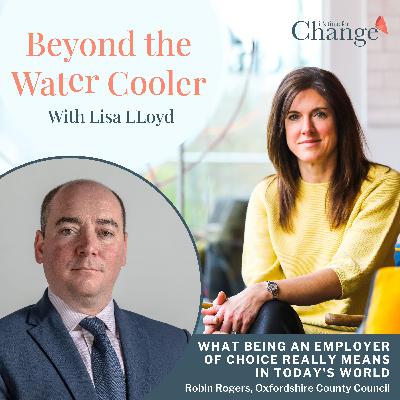
How do you become an employer of choice in a busy, ever-shifting work climate, where people are under pressure and their capacity for work already feels stretched?That’s the question I explored with Robin Rogers, Director of Economy and Place at Oxfordshire County Council.What I found compelling speaking with Robin is how local authorities are wrestling with exactly the same workplace questions as charities and private organisations. Employing talented people is not about a slick strapline or offering the highest salaries, especially when you’re up against rising living costs and competing employers in a vibrant local economy.It’s so easy to reach for the usual ideas around flexibility or development, yet what matters most is the experience people have, day in and day out - the sense that their work genuinely has an impact and is part of something bigger.Robin offers a window into how you can create space for purpose, openness and compassion, whilst support never slips into indulgence. It’s about leaders who show up, who are present, and who care enough to hold themselves and others to account, not out of habit or control but out of genuine commitment to performance and wellbeing.We talk challenging tradition, rethinking career paths, and how proactively supporting your teams makes a real difference to retention, reputation and, crucially, the everyday energy of your organisation.It also means telling honest stories - warts and all, sometimes scrappy, but always anchored in place, people, and pride. That’s how you become an employer people actively choose, not fall into.The practical insights and generosity in Robin’s leadership are a reminder that good work culture starts with leaders who are willing to model what they want to see, listen before acting, and keep people at the heart of decisions. Some valuable provocations for any leader or manager who wants to create a place where people can, and do, thrive.More about RobinRobin Rogers is the Director of Economy and Place at Oxfordshire County Council. His portfolio includes strategic and statutory planning, place shaping and regeneration, climate action, energy, economic development and innovation. Previous Oxfordshire roles have included Head of Strategy and as the Programme Director for the county’s COVID Response. His 20-year career in local government has focussed on place-based strategy and transformation, with prior posts in Southampton and the London Borough of Southwark. Robin is a school governor and trustee of a local homelessness charity and in 2010 was a Churchill Fellow.Get in touch with Robin: robin.rogers@oxfordshire.gov.ukResources & ReferencesInsight to Action: What It Means to Be an Employer of ChoiceWatch this episode on YouTubeThe Heart of Modern Leadership (itstimeforchange.co.uk)Building Cultures (itstimeforchange.co.uk)People First for Business Success (itstimeforchange.co.uk)Contact details for LisaLinkedIn: lisapsychologyWays to work with me: itstimeforchange.co.uk/tailored-supportJoin The Leadership Lens: itstimeforchange.co.uk/lets-connectEmail me for a friendly chat: lisa@itstimeforchange.co.uk
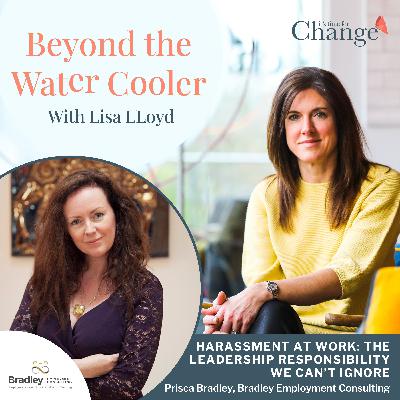
We often talk about progress on International Women’s Day, but real progress in our organisations means taking a hard look at what still isn’t working, especially where workplace harassment is concerned. Throwing a policy on the shelf or holding a one-off session misses the point. The reality - which far too many women live, often in silence - should make us all uncomfortable.As leaders and managers, we set the tone. When we treat workplace harassment as just a legal issue, we fail our people. It is a leadership issue, a cultural issue, and for too many, a daily experience that chips away at well-being, confidence, and trust. The recent statistics stagger me: 80% of women on average do not report harassment, many don’t even recognise it at the time, and this is happening in every sector. Power dynamics, exhaustion, and a lack of confidence all play roles - so does a work culture where open conversation isn’t normalised.I’m joined by Prisca Bradley, whose expertise in employment law and discrimination practice is one thing, but it’s her straight-talking focus on actionable responsibility that I value most. Together we get specific - what does meaningful responsibility look like for leaders and managers? How does proactive, ongoing education replace reactive, box-ticking behaviour? What tangible steps can you take, not only to comply, but to ensure your people are supported, seen, and able to thrive?You’ll hear stories, concrete examples, and practical advice on everything from risk assessments to opening up conversations that matter. This is about more than compliance. It’s about leadership that actively builds a culture where employees are safe, engaged, and able to contribute at their best.If you care about high-performing teams and your reputation as an employer, knowing your part in this is essential.More about PriscaHaving been a solicitor and partner in private practice for several law firms, Prisca Bradley decided to set up her own consultancy in 2019 focussing on providing a blend of employment law advice and support and training to organisations and businesses primarily within the education, charity, technology and start-up sectors. She particularly enjoys supporting leaders and managers to develop their skills and working with organisations to create healthy working environments.Get in touch with Prisca: www.bradleyemploymentconsulting.co.ukResources & ReferencesInsight to Action: Tackling Workplace Harassment: Leadership Responsibility in ActionWatch this episode on YouTube7 Superpowers of Women in the Workplace Part 1 - Dr Shawn Andrews (itstimeforchange.co.uk)7 Superpowers of Women in the Workplace Part 2 - Dr Shawn Andrews (itstimeforchange.co.uk)Women’s Equality 50 Years On: Actions for Employers – Prisca Bradley (itstimeforchange.co.uk)3 Inspirational Female Leaders (itstimeforchange.co.uk)Employer 8 Step Guide Preventing Sexual Harassment Work (equalityhumanrights.com)Employers' Initiative on Domestic Abuse (eida.org.uk)Developing a combined measure of domestic abuse, sexual assault and stalking, England and Wales - Office for National StatisticsRetained Partnership InfoContact details for LisaLinkedIn: lisapsychologySign up to be kept in the loop: itstimeforchange.co.uk/jointheclubEmail me for a friendly chat: lisa@itstimeforchange.co.uk
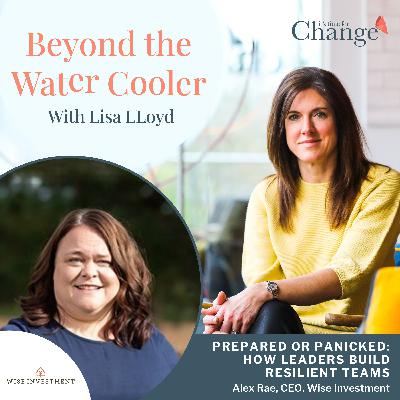
Getting people right means getting business right - and I’m always drawn to conversations about the human factor at work. I’m joined by Alex Rae, CEO at Wise Investments, whose insights cut through the noise about future-proof organisations and put real emphasis on what matters - people.We dig into preparedness and possibility as a lens for leadership. Forget any notion that leaders should have all the answers - Alex is clear about building teams that can weather uncertainty, adapt, and thrive without being reliant on a single individual. That kind of culture isn’t about complicated strategies. It’s the result of leaders who trust their people, keep the conversation open, and invest in genuine relationships across their business.You’ll hear us unpack the difference between simply reacting to change and leading with intention. We talk openly about the risks for teams when rapid change leaves people feeling overwhelmed or unsure about their place. Alex shares how Wise Investments face these challenges head-on, through both practical and emotional support, with practices that reinforce resilience and belonging. The social committee, well-being initiatives, and everyday conversations aren’t just nice extras - they’re essential foundations for high performance.Leadership is about balancing care and challenge. The best managers help their teams grow by keeping things simple, staying present, and making room for continuous learning. None of this is about tick-box exercises - it’s active, ongoing, and firmly embedded in Wise’s culture.If you’re wondering how to build a workplace where people feel secure, valued, and ready for whatever comes next, this conversation offers plenty to reflect on. Download the free resource in the show notes and join me in thinking about how prepared, and how hopeful, we really are for the future of work.More about Alex:Alex Rae grew up in Sweden and moved to the UK aged 15. Five years later she started working at Wise Investment and 25 years later she's still there. Alex has an 18 year old daughter and outside of work she loves seeing friends and going out for dinner.Get in touch here: wiseinvestment.co.ukResources & ReferencesInsight to Action: Preparedness, Possibility, and People - How Leaders Build Resilient Teams Watch this episode on YouTubeOxfordshire Business Summit EbookRetained Partnership InfoContact details for Lisa LLoyd:LinkedIn: lisapsychologyWebsite: itstimeforchange.co.ukSign up to be kept in the loop: itstimeforchange.co.uk/jointheclubEmail me for a friendly chat: lisa@itstimeforchange.co.uk
'HR data' - for many, those two words conjure up images of spreadsheets, reporting for the sake of it, or endless discussions about what to count and who even cares.But what if we stopped treating ‘people data’ as just another extra or admin task, and instead saw it as essential for understanding what really makes our teams tick?I sat down with Lorna Moles, director of Farrell HR, to unpick why so many HR professionals - and leadership teams more broadly - struggle to move beyond reporting the basics. We explored how HR data, when used purposefully, can be the backbone of good decision-making, strategic storytelling, and building credibility in the boardroom.What stood out for me was that data isn’t just numbers - it’s people’s stories, frustrations, ideas, and what gets in the way of them being at their best.If we really want to create a work culture where employees thrive and managers feel equipped to lead well, we need to spend as much time listening to what people are telling us (in conversations, feedback, and lived experience) as we do looking at the headline numbers.A big theme was curiosity - not taking data at face value, but asking what lies beneath. It means drilling beyond ‘how many’ to really notice the patterns, the outliers, the “why”. That’s when data moves from being a tick-box exercise to something alive and genuinely useful for managers, leaders, and the whole organisation.Of course, none of this matters if we don’t communicate well. Lorna and I both agree - it’s far too easy to stop at “here’s the report”. True impact begins when we work together to make sense of the data, ask the right questions, and use it to support people, not just measure them.If you’re a leader, HR professional, or manager wanting your workplace to perform at its best, start by asking how you use your people data. Is it an afterthought - or a springboard for conversations that drive real change?This conversation is a reminder to see beyond the spreadsheet and get under the surface of what’s really going on.More about Lorna:Lorna Moles runs FARRELL HR, harnessing over 20 years of in-house experience to help organisations transform workplace culture, future-proof their teams and navigate HR challenges with clarity and compassion.She offers flexible, tailored HR support - whether you need core HR services, strategic advice or project-based help during periods of growth or change.With FARRELL HR, businesses benefit from senior-level HR expertise without the overhead of hiring in-house: from policy and procedures to performance management, restructuring, talent planning and employee engagement.Get in touch here: www.farrellhr.co.ukResources & ReferencesInsight to Action: Making Data Matter: How HR Can Build Influence Through Storytelling and Insightful ReportingWatch this episode on YouTubeExplore barriers to some data-collection approaches and a number of different methods that provide the opportunity to capture everyone’s voice: Never Just a Survey – Kieran Innes, StribeFind out where you and your team are at and what's needed to shift the dial on performance data: High Performance AcceleratorA Guide to HR Data Insights That Drive Real Results (www.thehrdirector.com)Retained Partnership InfoContact details for Lisa LLoyd:LinkedIn: lisapsychologyWebsite: itstimeforchange.co.ukSign up to be kept in the loop: itstimeforchange.co.uk/jointheclubEmail me for a friendly chat: lisa@itstimeforchange.co.uk
High performing teams aren’t just about more tools or faster processes. What really sets them apart as we look to 2026 is how they create and sustain performance - not simply by working harder, but by rethinking the way they lead and work together.I’m noticing a clear pattern across organisations: people are working flat out, yet performance feels fragile and easily disrupted. Decision making can be slower, energy is slipping, and many leaders admit to feeling under pressure to have all the answers. The challenge isn’t a lack of talent or drive, but rather that our default models of leadership and management don’t always fit the pace and complexity we face today.It’s time to let go of what I call “zombie leadership” - outdated habits and models built on constant urgency, control and the relentless need for answers. Instead, the teams that are thriving are those where leaders do less, but do it intentionally. They create space for thinking, learning, and genuine contribution. They focus less on output in the short-term, and more on clarity - quality over busyness.This shift isn’t always comfortable, especially if your identity as a manager or leader has been based on having the answers. But asking better questions, building real pauses into conversations, and protecting your team’s energy pays off in resilience, judgement, and creativity.Our focus has to be on work cultures where wellbeing and high performance aren’t separate goals, but interdependent. Sustainable success comes from leading differently, not pushing harder. If you’re ready to step back, prioritise space, and foster genuine high performance in your organisation, there are some simple but impactful actions you can take - fewer, better meetings, smarter decision making, and actively managing energy.What would happen if doing less became your greatest leadership strength? If you want the support to make that shift, you know where to find me.Resources & ReferencesDownload the free resource: Insight to Action: Sustainable High Performance in 2026: What Teams Need to Do DifferentlyListen to this episode on YouTubeDownload the High Performance Accelerator to increase self-awarenessThe 5 Unseen People Challenges Leaders Must Face in 2026Retained Partnership InfoContact details for Lisa LLoyd:LinkedIn: lisapsychologyWebsite: itstimeforchange.co.ukSign up to be kept in the loop: itstimeforchange.co.uk/jointheclubContact me: itstimeforchange.co.uk/contactEmail me for a friendly chat: lisa@itstimeforchange.co.uk
As we approach a new year, I’m urging leaders and managers to pause and reflect - it’s time for strategic, actionable thinking about how we’ll lead into 2026. Expectations at work have changed, people have changed, and the way organisations respond needs to change too. I’m sharing the five people challenges that simply can’t be ignored if you want a work culture where employees thrive, not just survive. You'll also hear my suggestions about where to start for each challenge to make a real difference for the year ahead.The reality facing us? Emotional exhaustion is everywhere, often hidden behind the facade of resilience. High output does not mean high wellbeing - it's all too easy to misinterpret performance and overlook quiet depletion within teams. If left unchecked, this erodes empathy, creativity, and ultimately, results.I’m seeing manager capability gaps widen, especially as they avoid difficult conversations or rely on tech for easy, yet superficial, solutions. Managers are now the critical link between strategy and reality. They need practical support to become skilled communicators who coach rather than instruct - tackling feedback, boundaries, and emotional intelligence head-on.With more of us working hybrid or across multiple sites, culture is fragmenting. Belonging, consistency, and trust now hinge on intentional daily habits, observable behaviours, and rituals that build connection, even at a distance. Culture is built moment to moment: in tone, clarity, and follow-through, not slogans on the wall.The world is also less predictable - dealing with brittleness, anxiety, non-linearity, and incomprehensibility. Thriving teams need to practise flexibility, foster trust, adapt quickly, and ensure shared understanding.Finally, a warning - there’s often a gulf between what leaders believe is happening and the lived reality for their teams. Listening, curiosity, consistent communication, and small intentional changes matter more than ever.Ask yourself: Where are the cracks? Where do the opportunities lie for your leadership, your management approach, and your team’s ability to perform at their best? When people thrive, business thrives. Let’s start that journey now.Resources & ReferencesDownload the free resource: Leading in 2026 - The 5 Critical People Challenges and Actions for Thriving, High-Performing TeamsListen to this episode on YouTubeDownload the High Performance Accelerator to increase self-awarenessTo reduce the anxiousness experienced in our BANI world, this discussion framework could prove helpful: Tackling Anxiety Collectively: Team Discussion FrameworkExplore ways to build resilience: 13 Skills to Build ResilienceRetained Partnership InfoContact details for Lisa LLoyd:LinkedIn: lisapsychologyWebsite: itstimeforchange.co.ukSign up to be kept in the loop: itstimeforchange.co.uk/jointheclubContact me: itstimeforchange.co.uk/contactEmail me for a friendly chat: lisa@itstimeforchange.co.uk
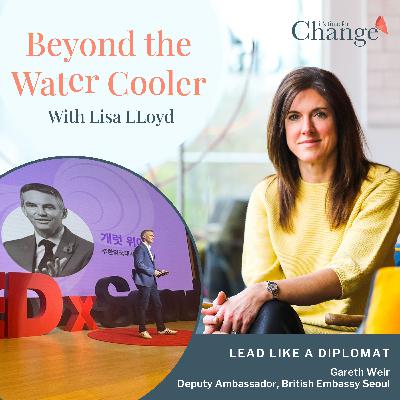
No sidelines. That’s the phrase Gareth Weir digs into as we explore leadership, management, and the connections across our working world. Gareth is the Deputy Ambassador at the British Embassy in Seoul, and he’s just recorded a TEDx talk challenging the myth that it’s enough to stand on the edge and watch the world go by.Growing up in West Africa with teachers for parents, Gareth’s early experience with diverse cultures shaped his view that we’re all far more connected than we admit. Whether it’s a mobile phone made across continents or the food on our plate, nothing is truly isolated anymore. Gareth believes that real leadership starts with recognising this interdependence and embracing the messiness of reality.Curiosity, as Gareth sees it, isn’t a soft skill - it’s a strategic tool for managers and teams. Listening loudly and deliberately seeking what’s unsaid shifts conversations from the superficial to the substantial. If we want thriving, high performing teams, we have to ask ourselves: what might I be missing? Creating the space to challenge assumptions and actively invite diverse perspectives should be woven into our workplace governance, not just left to chance.Gareth also shares why maximum challenge followed by maximum loyalty is at the heart of great decision making. Leaders must signal their intentions, flex their style, and be open about when they’re directing and when they’re co-creating. Building trust, prioritising connection, and respecting the hidden system beneath any organisation are essential to wellbeing, alignment, and lasting influence.If you’re questioning what it means to be a courageous leader in today’s world - this conversation will help. Connection isn’t just about feeling good; it’s vital for high performance, psychological safety, and tackling the toughest problems together.Gareth’s reflections on shadowing, co-creation, and practical curiosity offer plenty to take away. For those looking to build work cultures where people thrive, this is not one to skip.More about Gareth:Gareth Weir has worked as an entrepreneur, in the private sector and public sector. He is fortunate to have lived and worked in a range of countries and contexts. Gareth is currently the UK Deputy Ambassador to the Republic of Korea. Links to contact Gareth:LinkedIn: Gareth WeirResources & ReferencesInsight to Action: Lead Like a Diplomat: Practical Lessons in Curiosity, Connection & CourageWatch this episode on YouTubeThe Human Factor Behind High-Performing TeamsRetained Partnership InfoContact details for Lisa LLoyd:LinkedIn: lisapsychologyWebsite: itstimeforchange.co.ukSign up to be kept in the loop: itstimeforchange.co.uk/jointheclubContact me: itstimeforchange.co.uk/contactEmail me for a friendly chat: lisa@itstimeforchange.co.uk
What does it really take to build a work culture where employees genuinely belong and perform at their best? The conversation with Megan Carter - Head of People at Blenheim Palace and Pye Homes - clears away the gloss and gets down to the essentials.Even when joining an organisation with positive foundations, it’s easy for teams to fall into silos or lose sight of shared purpose. The solution, as Megan points out, lies in clear values and a lived approach to leadership. It’s not about a strategy sitting idle, but about the everyday behaviours, especially from leaders, that help people feel heard and valued.A high-performing workforce is sustained by fostering human connections, regular feedback, and authentic listening. I loved hearing about their ‘You said - we did’ process, which isn’t just an HR tick-box exercise, but an ongoing cycle of feedback and collective action. Their very low staff turnover and positive atmosphere are the results of intentional engagement, employee forums, and a culture where everyone’s voice matters.It isn’t hierarchical; it’s approachable, personal, and rooted in day-to-day interactions - remembering names, checking in with genuine concern, and encouraging emotional intelligence. The three pillars - Grow, Give, and Belong - run through everything they do, helping ensure that everyone’s potential is supported, community connections are strong, and each person feels they matter.Too often, people talk about work culture as a set of slogans or initiatives, but as Megan shared, it’s the little things - regular check-ins, supporting managers, empowering employees to solve problems together - that add up to a thriving, resilient workforce.If you’re a leader or manager, don’t shy away from honest feedback, keep role modelling the behaviours you want to see, and remember: sustainable success is always collective. When your people thrive, so does your business.More about Megan:Megan Carter is a People Director dedicated to shaping positive working environments and fostering strong, inclusive cultures that drive innovation and inclusivity. She prioritises wellbeing and personal growth for organisational success.Links to contact Megan:LinkedIn: Megan Carter Blenheim PalacePye HomesResources & ReferencesInsight to Action Building a Culture of Belonging and Excellence - Downloadable ResourceWatch this episode on YouTubeThe Emotional Needs Audit (itstimeforchange.co.uk)Tomorrow's Workplace - Building workplaces around employee emotional needs (itstimeforchange.co.uk)Building Cultures - B4 People Ecosystem(itstimeforchange.co.uk)Rethinking Leadership for meaningful wellbeing (itstimeforchange.co.uk)High Performance through Happy People - Festival of Happiness 2024 (itstimeforchange.co.uk)Burnout Signs & Solutions in Modern Workplaces (itstimeforchange.co.uk)Leadership Insights for a Changing World - Oxfordshire Business Summit Free eBook (itstimeforchange.co.uk)Working at BlenheimRetained Partnership InfoContact details for Lisa LLoyd:LinkedIn: lisapsychologyWebsite: itstimeforchange.co.ukSign up to be kept in the loop: itstimeforchange.co.uk/jointheclubContact me: itstimeforchange.co.uk/contactEmail me for a friendly chat: lisa@itstimeforchange.co.uk
Burnout isn’t just about dramatic crashes or sudden breakdowns - far more often, it creeps in slowly, going undetected until leaders and high performers find themselves exhausted, cynical, and detached. It’s an uncomfortable reality, particularly in workplaces where relentless pace and hyper-productivity can masquerade as success.I spoke with Dr Claire Plumbly, psychologist and founder of Plum Psychology, who specialises in helping professionals recover from burnout. We challenge assumptions around burnout - as Claire says, it isn’t simply a workload issue, and it’s certainly not a badge of honour. Burnout can exist on a continuum: you can be hitting every marker for burnout and still function, still deliver. That’s often missed by leaders and managers, especially when high output is mistaken for wellbeing.The conversation moves beyond the familiar territory of “resilience” and “stress management”, and digs into the deep-seated organisational factors that keep burnout hidden or, worse, normalised. We explore how team culture, boundaries, and everyday interactions can either perpetuate burnout or be used to genuinely create thriving, healthy teams.I’m all about provoking leaders to think differently. It isn’t enough to simply identify stress signs; the real impact comes from regular, genuinely caring one-to-ones, creating true psychological safety, and holding space for rest and reflection - rather than cramming more into every vacant minute.Key takeaways are practical: model healthy boundaries, celebrate the power of pausing, and rethink what performance really means. Your self-worth and value cannot simply be measured by what’s ticked off a to-do list each day. Sustainable high performance comes from the rhythm and rituals of work, not the heroics of overwork.Claire’s book and resources offer insight for leaders who want to support teams to feel connected, valued, and safe. Burnout flourishes in silence - the antidote is care, conversation, and culture. The show notes have the links you’ll need.Let’s be clear: work should enable people to thrive, not merely survive.More about Claire:Dr Claire Plumbly is a Clinical Psychologist, author of Burnout: How to Manage Your Nervous System Before It Manages You, and founder of Plum Psychology - a team of psychologists offering trauma-informed burnout recovery both in-person and online. Through one-to-one work, intensive-therapy, and workshops, she helps busy professionals shift out of survival mode and into sustainable success.Links to contact Claire:LinkedIn: Dr Claire PlumblyFacebook: @drclaireplumblyInstagram: @drclaireplumblyTikTok: @drclaireplumblyWebsite: www.plum-psychology.comResources & ReferencesInsight to Action: Burnout Intervention - Downloadable ResourceWatch this episode on YouTubeRetained Partnership InfoSuper Humans Burnout Too (itstimeforchange.co.uk)A Conversation About Tackling Burnout (itstimeforchange.co.uk)Reducing Overwhelm with Simple Curious Creative Leadership with Carla Marassous (itstimeforchange.co.uk)Burnout by Dr Claire PlumblyThe 5 step method to switch off after work Claire's playlist of other podcasts, discussing issues that inter-relate with burnout like grief, ADHD, extra stresses of running your own business, peri-menopause etc: spotify.com/playlistContact details for Lisa LLoyd:LinkedIn: lisapsychologyWebsite: itstimeforchange.co.ukSign up to be kept in the loop: itstimeforchange.co.uk/jointheclubContact me: itstimeforchange.co.uk/contactEmail me for a friendly chat: lisa@itstimeforchange.co.uk
Have you ever found yourself frustrated by the endless “Top 10 Ways to Lead” lists, only to realise that thriving teams and high-performing cultures aren’t built by ticking boxes? In this special episode of Beyond the Water Cooler, I’m sharing my recent guest appearance on Battling with Business, where I joined Gareth Tennant and Chris Kitchener to dive into what truly helps people and organisations flourish.We explored why leadership is far more nuanced than a job title or a generic playbook - it’s an ongoing commitment to understanding individual needs, being curious about what motivates others, and creating meaningful, authentic connections. Genuine interest and thoughtful feedback unlock unseen potential and build the trust every great team needs. Our conversation covered:The real meaning of leadership as a set of daily behavioursWhy curiosity and empathy are essential for team performanceBuilding psychological safety through vulnerability and honest questionsHow feedback helps uncover hidden strengths and encourage growthCreating connection - whether through personal stories or simple, agenda-free chatsWhat leaders can do to protect and support their teams, especially under pressureThe vital role of trust in high performing culturesWe talked openly about the everyday challenges leaders face when building psychological safety, especially in times of stress, and shared practical ideas for scaling healthy cultures in large organisations. Ultimately, we agreed - it’s the small moments, genuine conversations, and intentional focus on people that create workplaces where everyone can thrive.If you’re passionate about leadership, management, and nurturing working environments where people perform at their best, this discussion offers fresh, practical insights you can take away today.More about Battling with Business:In the Battling with Business podcast, Gareth Tennant, a former Royal Marines Officer, and Chris Kitchener, a veteran of the software development world, explore ideas and concepts around teams and teamwork, leaders and leadership, and all things in between. It’s a discussion between a former military commander and a business manager, comparing and contrasting their experiences as they attempt to work out what makes teams, leaders, and businesses tick.Links to contact Gareth & Chris:LinkedIn: Gareth Tennant Chris KitchenerResources & ReferencesHigh Performance Accelerator ResourceListen to this episode on YouTube Demystifying Psychological Safety | It's Time for ChangeRethinking Leadership | It's Time for ChangeStrategy, Tactics & Operations - Gareth Tennant | It's Time for ChangeBattling with Business PodcastRetained Partnership InfoContact details for Lisa LLoyd:LinkedIn: lisapsychologyWebsite: itstimeforchange.co.ukSign up to be kept in the loop: itstimeforchange.co.uk/jointheclubContact me: itstimeforchange.co.uk/contactEmail me for a friendly chat: lisa@itstimeforchange.co.uk
Leadership. It’s at the heart of every conversation I have about workplace culture and team performance. This latest episode of Beyond the Water Cooler is no exception. I’m joined by the fabulous Rich Hanrahan, co-founder of RPNA, to pick apart the link between leadership, wellbeing, and organisational output - and, as you might expect, the conversation is packed with insights that anyone in management or working with teams needs to hear.Rich shares findings from his recent report focused on wellbeing across the government sector. But here’s the thing - its recommendations and lessons aren’t just for that field. As Rich so clearly spells out, the biggest impact we can have on employee wellbeing is by improving the quality of leadership at all levels. It’s not about adding another standalone ‘wellbeing programme’ - it’s about embedding thoughtful, people-focused leadership into the very fabric of how we work.We challenge the numbers-driven approach to engagement surveys - that relentless focus on scores, rather than real conversations. Rich’s view? Be curious, not just competitive. Create space and time for meaningful discussions. That’s where managers can really support teams and where real improvement lives. I loved exploring findings like 88% of frontline staff wanting to contribute more. Imagine if we actually asked people what they want to get involved with and gave them the space to help shape change! But there’s a flip side: discomfort remains, with 69% of frontline staff not feeling emotionally safe with their first-line manager. For me, this underlines the crucial need for managers to focus as much on the people side as they do the numbers, and to create a culture of genuine psychological safety.And then there’s conflict. As Rich points out, much of it grows out of people caring deeply. If we can reframe conflict as healthy disagreement and tackle its systemic causes, we’ll see teams thrive - not just survive.This is an episode for anyone wanting to create a workplace that’s about more than ticking boxes. If you care about happy, motivated, high-performing teams, this one’s for you. More about Rich:Rich holds a Masters Degree in Coaching, Mentoring & Leadership. He believes in leadership that transforms wellbeing and results. He co-founded RPNA to help leaders and their teams flourish on the jagged frontier of the future of work, as they adopt new technology, adapt to change in societal expectation of work and service, and reimagine the future of their organisations.Links to contact Rich:LinkedIn: Rich HanrahanRPNAWebsite: www.therpna.co.ukResources & ReferencesDownloadable ResourceWatch this episode on YouTubeWellbeing by Design (itstimeforchange.co.uk)Joining the Dots (itstimeforchange.co.uk)Compassionate Leadership (a better approach for mental health?) (itstimeforchange.co.uk)TRADING PLACES: Organisational Effectiveness – Theran Knighton-Fitt, Mygrow (itstimeforchange.co.uk)Retained Partnership InfoAccess the Burning Out Burning Bright report here: The RPNA Home | RPNA | Transformational changeContact details for Lisa LLoyd:LinkedIn: lisapsychologyWebsite: itstimeforchange.co.ukSign up to be kept in the loop: itstimeforchange.co.uk/jointheclubContact me: itstimeforchange.co.uk/contactEmail me for a friendly chat: lisa@itstimeforchange.co.uk
When we talk about people thriving at work, the conversation must go well beyond policies and perks. In this final episode of season 11, I’m wrapping up with my high-level reflections on what truly matters when it comes to leadership, management, and fostering a work culture where employees are not only high performing, but actually want to show up and contribute.From working with organisations of all sizes and across many industries, a pattern has emerged – five consistent challenges surface time and again: managing stress, masking in leadership, team performance, feedback, and navigating change. None are unique, but left unaddressed, they hold back even the most well-intentioned businesses.Here’s my honest take: tackling stress is not about “surface fixes” but about looking at the whole system, listening, and acting. The organisations making a real difference are those creating space for genuine conversations about what’s driving stress, and then actually planning to reduce it.Then there’s masking in leadership. So many leaders share their hidden anxieties and pressures with me – but rarely with anyone else. Yet the moment leaders show some vulnerability, authenticity spreads. This isn’t soft: it’s the pathway to real collaboration and trust.Team performance? It starts with unpicking day-to-day behaviours, getting clear on shared values, and involving your people in defining what excellence really looks like. Simple, practical activities lead to immediate improvements because it's meaningful - it avoids box-ticking.Feedback remains a sticking point for most – too often avoided, occasionally brutal, seldom continuous. Building a “feedback culture” isn’t about frameworks alone, but about making space for honest, regular dialogue all through the business.And finally, change. Successful organisations realise that the human side of change is not a nice-to-have, but the glue holding everything together. Trust, psychological safety, and regular communication build resilience throughout.As ever, my passion is about putting the human factor first so that people, and therefore organisations, can truly excel. Thanks for joining me this season – I can’t wait to return with even more practical insights in September!Resources & ReferencesRetained Partnership Information High Performance AcceleratorB4 People Ecosystem Blog: Change is ChallengingLeadership Labs | It's Time for Change (itstimeforchange.co.uk)For free resources that you can use for yourself or your team, check out: itstimeforchange.co.uk/category/resourcesTo be on the receiving end of new, free, downloadable resources, join the club here: itstimeforchange.co.uk/jointheclubContact details for Lisa LLoyd:LinkedIn: lisapsychologyWebsite: itstimeforchange.co.ukSign up to be kept in the loop: itstimeforchange.co.uk/jointheclubContact me: itstimeforchange.co.uk/contactEmail: lisa@itstimeforchange.co.uk
Do you know the difference between strategy, tactics, and operations? This conversation with Gareth Tennant, Director of Decision Advantage, brings clarity. And he should know, having two decades’ experience as a Royal Marines officer. His insights into intelligence, decision-making and organisational learning are invaluable. Gareth helps us understand why muddling strategy, tactics and ops can leave us feeling exhausted and directionless. Most of us go through our days making decisions on autopilot. We rarely stop and consider how we make those decisions, and how our habits around leadership and management shape the very culture of our organisations. That is a problem.The notion of rigid hierarchies and knowing the answers is replaced with psychological safety, the power of “mission command”, and knowing that leaders shouldn't micromanage. In fact, giving people genuine responsibility – with the right support and training – is what enables teams not just to cope, but to excel, even in the face of uncertainty.This episode is packed with stories, practical ideas (including why “war gaming” isn’t just for the military!), and heaps of fresh energy around what work success can look like. If you really want to know how to help your people perform brilliantly and feel proud of what you’re building together, do tune in.Thank you to Gareth's wife for the introduction through a rather serendipitous Battle Box gym class! Enjoy!More about Gareth:Gareth is a former Royal Marines Commando who specialised in Intelligence, Surveillance and Reconnaissance. Using hard fought lessons from his experience in combat, he now works with clients helping them make better decisions through a combination of more effective sense making and through the cultivation of coherence across disperate teams within organisations.Links to contact Gareth:LinkedIn: Gareth TennantDecision Advantage ConsultingWebsite: www.decisionadvantage.ukX: @BattlingwithbizResources & ReferencesLeadership Labs | It's Time for Change (itstimeforchange.co.uk)Watch this episode on YouTube My work with companies (itstimeforchange.co.uk)Battling with Business PodcastTeam of Teams: New Rules of Engagement for a Complex World by General Stanley McChrystalFor free resources that you can use for yourself or your team, check out: itstimeforchange.co.uk/category/resourcesTo be on the receiving end of new, free, downloadable resources, join the club here: itstimeforchange.co.uk/jointheclubContact details for Lisa LLoyd:LinkedIn: lisapsychologyWebsite: itstimeforchange.co.ukSign up to be kept in the loop: itstimeforchange.co.uk/jointheclubContact me: itstimeforchange.co.uk/contactEmail: lisa@itstimeforchange.co.uk
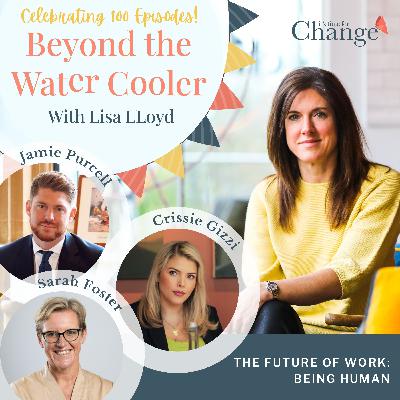
We’ve officially reached the 100th episode of Beyond the Water Cooler! It’s a perfect moment to pause and reflect on not just how far we’ve come, but where we’re headed when it comes to the future of work.To celebrate this milestone, I’ve brought together three brilliant guests, each an industry leader from a different sector: Sarah Foster from law (Freeths Oxford), Jamie Purcell from hospitality (Le Manoir aux Quat’Saisons), and Crissie Gizzi from construction (Morgan Sindall). Together, we open the lid on how leadership and work culture are evolving across fields that may appear worlds apart but share strikingly similar challenges and opportunities.A common thread emerges throughout our discussion: uncertainty is both a reality and a catalyst for change. Skills shortages, technology integration, evolving employee expectations, and the unknowns ahead make it more important than ever for leaders to foster cultures built on curiosity, empathy, and adaptability. Our guests share practical insights: from running meaningful check-ins and supporting wellbeing, to investing in learning, embracing hybrid working, and designing innovative ways to retain and develop people.We talk candidly about what keeps us up at night—wellbeing, resilience, and how to prepare for the skills and confidence gaps of tomorrow. Yet there’s real excitement too, especially around diversity, inclusion, and learning from other industries. Whether it’s making workplaces accessible by investing in new transport routes, or shaping firm strategies that are truly influenced by staff voice, the future of work will belong to those who listen, adapt, and lead with openness.If you want a glimpse into the challenges and joys of steering your team through uncertainty, and inspiration to build a thriving, high-performing culture—whatever your sector—this episode is for you. Here’s to being curious, empathetic, and, above all, human… even as the future keeps us on our toes.More about my guests:Sarah Foster Sarah manages Freeths Oxford office, is Joint National Head of the Freeths Private Client Services team and sits on their management board. She has 30 years' post-qualification experience of dealing with contentious trust and probate disputes and professional negligence claims. She is well known for her firm but fair approach to the resolution of disputes.Sarah is a member of the Association of Contentious Trusts and Probate Specialists (ACTAPS) and the Professional Negligence Lawyers Association (PNLA). She is also an affiliate member of the Society of Trust and Estate Practitioners (STEP).She is listed as an Eminent Practitioner in Chambers and Partners (2025 edition) for both professional negligence and private wealth disputes. She is also a Recommended Lawyer in the Legal 500 (2025 edition) being recognised as a Leading Partner for Private Client – Contentious Trusts and Probate.Jamie PurcellHaving grown up in the Cotswolds and beginning his career in country house hotels, Jamie moved to London for 12 years to take up sales roles in hotels such as Rocco Forte Hotels, The Langham London and Corinthia London. He has recently returned to his country roots, assuming the role of Director of Sales at Le Manoir Aux Quat'Saisons, a Belmond hotel. Jamie is looking forward to helping drive the commercial success of this iconic gastronomic oasis as they embark on exciting times ahead. Crissie GizziAs Senior Business Development Manager at Morgan Sindall Construction & Infrastructure, Crissie is primarily responsible for the overall sustainable growth of the region, and is focused on new business and key account customers for the Thames Valley & Oxford office. She achieves this with a consistent approach to creating & building relationships, developing key opportunities, managing and attending events, and leading their win strategy process.Links to contact my guests:Sarah FosterLinkedIn: Sarah FosterFreeths OxfordWebsite: www.freeths.co.ukJamie Purcell LinkedIn:Jamie PurcellLe Manoir aux Quat’SaisonsWebsite: www.belmond.com/hotels/europe/uk/oxfordshire/belmond-le-manoir-aux-quat-saisonsCrissie GizziLinkedIn:Cristina GizziMorgan SindallWebsite: www.morgansindall.comResources & ReferencesLeadership Labs | It's Time for Change (itstimeforchange.co.uk)Watch this episode on YouTubeDrop me a line to download a free resource that will help you and your team be more conscious about how you show up at work.13 Skills to Build Resilience (itstimeforchange.co.uk)TRADING PLACES: Organisational Effectiveness – Theran Knighton-Fitt, Mygrow (itstimeforchange.co.uk)Workplace Culture: 14 Steps (itstimeforchange.co.uk)TRADING PLACES: The Being Playful Podcast: Playfulness to Revolutionise Performance (itstimeforchange.co.uk)Is Fear blocking your leadership? (itstimeforchange.co.uk)Do Soft Skills Need a Rebrand? with Andrew Bardsley (itstimeforchange.co.uk)For free resources that you can use for yourself or your team, check out: itstimeforchange.co.uk/category/resourcesTo be on the receiving end of new, free, downloadable resources, join the club here: itstimeforchange.co.uk/jointheclubContact details for Lisa LLoyd:LinkedIn: lisapsychologyWebsite: itstimeforchange.co.ukSign up to be kept in the loop: itstimeforchange.co.uk/jointheclubContact me: itstimeforchange.co.uk/contactEmail: lisa@itstimeforchange.co.uk

Ever wondered what it truly takes to build a thriving workplace culture—one where employees are not only high performing but genuinely engaged and supported? I’m excited to share something a little different for this episode of Beyond the Water Cooler. This time, the tables are turned, and I’m the guest, joining Theran Knighton-Fitt on Mygrow's Organisational Effectiveness Webinar for a deep dive into organisational effectiveness, leadership, management, and what really helps employees and businesses to flourish.I talk with Theran about the vital link between workplace culture, leadership practice, and individual wellbeing—and how these connect to organisational performance.Here is a taste of what we talk about:Why effective leaders focus less on tasks and more on creating the right environment for their teams to succeedHow being clear about what ‘good’ looks like—at both team and organisational levels—sets the stage for meaningful impactThe shift from command-and-control to human-centred leadership, and what that really means in daily practiceHow open, honest conversation unlocks team intelligence and drives collective achievementTheran and I also get into the realities of modern work, including the loneliness that can arise even in busy workplaces, the challenges of supporting hybrid and virtual teams, and the critical role of emotional intelligence for today’s leaders.Practical insights include:How leaders can build trust by being vulnerable and modelling authenticityThe simple, powerful questions that spark meaningful change—like, “What do you need from me?”Why clarity, recognition, and space for reflection are so vital for engagement and sustained performanceWhat it looks like in practice to move from measuring individuals to valuing and enabling the collectiveWhether you’re a leader, a manager, or simply someone passionate about healthy workplace culture, there’s so much here to support you in building environments where people can do their best work—and feel good doing it.Enjoy this special episode, and let me know your thoughts—how are you enabling your team’s collective intelligence and wellbeing? What works for you?More about Theran:People and words are two of Theran Knighton-Fitt's favourite kinds of things. Theran thinks, writes, and speaks about humans— about our individual and collective potential.In the world of work this means he take a keen interest not only in company culture but also in company character. On LinkedIn and in his speaking engagements, he digs into topics and issues involving Capitalism, Organisational Culture, Behaviour, Values, Emotional Intelligence, Narrative Identity, Psychology and Social Science.In his role as Chief Humanising Officer at Mygrow, Theran is interested in pioneering new ways of achieving collective flourishing and group cohesion through the powerful vehicles of companies and organisations. His personal purpose statement in everything he does professionally is to “Realise Humanity.” Links to contact Theran:LinkedIn:Theran Knighton-Fitt MygrowWebsite: www.mygrow.meResources & ReferencesLeadership Labs | It's Time for Change (itstimeforchange.co.uk)Watch this episode on YouTubeOrganisational Effectiveness Webinar (www.mygrow.me)Joining the Dots (itstimeforchange.co.uk)Humanising Capitalism to Shape Culture (itstimeforchange.co.uk)14 Steps to Achieving an Engaging Performing Workplace Culture (itstimeforchange.co.uk)Compassionate Leadership: A Better Approach for Mental Health (itstimeforchange.co.uk)For free resources that you can use for yourself or your team, check out: itstimeforchange.co.uk/category/resourcesTo be on the receiving end of new, free, downloadable resources, join the club here: itstimeforchange.co.uk/jointheclubContact details for Lisa LLoyd:LinkedIn: lisapsychologyWebsite: itstimeforchange.co.ukSign up to be kept in the loop: itstimeforchange.co.uk/jointheclubContact me: itstimeforchange.co.uk/contactEmail: lisa@itstimeforchange.co.uk
Many companies are cancelling programmes and changing language about DE&I following Trump's messaging. Where do you stand on this topic? Angela Prentner-Smith, Managing Director of This is Milk brings her rich knowledge and experience of neurodiversity to the podcast, which is especially timely as yesterday was World Autism Awareness Day. She reminds us why it remains an important driver of business success.If you're still working out where you stand or how to plan for the future of DE&I, the key points we discuss will help:Understanding Neurodiversity: Angela clarifies the difference between neurodiversity—the broad concept of varied brain functionality in society—and neurodivergence, typically associated with conditions like ADHD, autism, dyspraxia, and dyslexia.Inclusivity in Leadership and Management: Angela emphasises the importance of recognising neurodivergent individuals who are already present in our organisations. She offers practical strategies that leadership and management can implement to foster inclusivity.Creating a Work Culture That Promotes Thriving, High Performing Employees: We explore action that organisations can take to empower neurodivergent employees to thrive and achieve high performance. Businesses not only support neurodivergent employees but create a healthier, more productive work environment for everyone.Challenges and Misconceptions: We discuss the pervasive stereotypes and complex language issues that neurodivergent individuals face, and how leadership can help address these challenges in order to enhance workplace culture.This episode is a must-listen for anyone passionate about building a more inclusive and diverse workplace. Tune in and learn how together, we can contribute to a more understanding and inclusive organisations. What will be your contribution to that cause?More about Angela:Angela Prentner-Smith is the award-winning managing director and founder of This is Milk, a consultancy, training and technology business. She is an adept and engaging trainer in project related skills such as management, business analysis, inclusion, neurodiversity, and digital leadership.Angela delivers digital leadership training for the Meirc Training in Dubai, Scottish Digital Academy, Kelvin College and a host of other partners. Since launching 10 years ago, Angela and her team have built a reputation as innovators and have created a brand and market position in a unique place in the Scottish market. In 2023 Angela was awarded the accolade of top 10 female entrepreneurs in ScotlandAngela has become a vocal advocate of equities particularly in gender roles, neurodiversity and human-centred business practices. This focus has become a core part of the This is Milk family of products with the launch of Neve learning having won a prestigious CivTech challenge that aims to disrupt the world of workplace learning and deliver inclusive and personalised learning journeys.Links to contact Angela:LinkedIn:Angela Prentner-SmithThis is MilkWebsite: www.thisismilk.co.ukResources & ReferencesLeadership Labs | It's Time for Change (itstimeforchange.co.uk)Watch this episode on YouTube The Case For A Neurodiverse Culture with Mel Francis, Neuroinclusive HR (itstimeforchange.co.uk)World Autism Awareness Month: At Work (www.autism.org.uk)The Neuroverse: Neurodiversity in the Workplace Webinar (www.youtube.com)The Neuroverse: Autism in the workplace: Part 1 (www.youtube.com)The Neuroverse: Autism in the workplace: Part 2 (www.youtube.com) Tackling Anxiety Collectively: Team Discussion Framework (itstimeforchange.co.uk)Managing Anxiety (itstimeforchange.co.uk)You Can't Afford Not To Embrace Neurodiversity - Angela Prentner-Smith (www.scotsman.com)Neurospicy (neurospicyatwork.com)For free resources that you can use for yourself or your team, check out: itstimeforchange.co.uk/category/resourcesTo be on the receiving end of new, free, downloadable resources, join the club here: itstimeforchange.co.uk/jointheclubContact details for Lisa LLoyd:LinkedIn: lisapsychologyWebsite: itstimeforchange.co.ukSign up to be kept in the loop: itstimeforchange.co.uk/jointheclubContact me: itstimeforchange.co.uk/contactEmail: lisa@itstimeforchange.co.uk
Happy International Day of Happiness! 🎉 There’s no better way to celebrate than exploring how happiness can make or break our workplace with insights from expert, Matt Phelan, co-founder of The Happiness Index.In this enlightening episode of the Beyond the Water Cooler podcast, I chat with Matt about the intricate relationship between happiness and organisational growth. Here's what we explore:Happiness and Growth: Understand why Matt believes organisations cannot grow without happy employees, and the key to success.Addressing Common Barriers: Learn about some of the main barriers organisations face in fostering a happy workforce and get practical advice on overcoming resistance within leadership teams.The Power of Acknowledgment: Matt sheds light on the importance of personalised acknowledgment and why recognising individual employee contributions is crucial.A Global Perspective: Gain insights from contrasting cultural approaches to raising happy communities.Matt also shares his candid thoughts about the future of workplace culture and the pivotal role leaders play in maintaining a thriving, happy organisation. Whether you’re a manager, business owner, or simply interested in organisational success, this episode is brimming with valuable takeaways. Don’t miss out on this opportunity to enhance your leadership skills and ensure your workplace is a hub of happiness and productivity.More about Matt:Matt Phelan is a Co-Founder of The Happiness Index, a platform that helps organisations measure the key employee engagement AND happiness drivers to power their people strategy. In his day-to-day role, he's responsible for the strategic direction of the business.Matt is the founder of The Happiness and Humans Community, host of The Happiness Index Podcast and author of Freedom To Be Happy: The Business Case for Happiness & The Happiness Index: Why Today's Employee Emotions Equal Tomorrow's Business Success"Matt recently completed a TEDx talk where he presented 12 million data points on happiness from 1 million human beings in 100+ countries in less than 15 minutes.Links to contact Matt:LinkedIn: Matthew PhelanInstagram: @matthewjphelanX: @matthewphelanWebsites:mattphelan.co.ukwww.thehappinessindex.comResources & ReferencesWatch this episode on YouTube40 Activities Ranked by Happiness: Work Ranks 39th, Just Above Being Sick (corporate-rebels.com)Festival of Happiness 2024 (itstimeforchange.co.uk)Powered by Happiness: Award Winning Performance - Jaye Cowle (itstimeforchange.co.uk)Do Soft Skills Need a Rebrand - Andrew Bardsley (itstimeforchange.co.uk)If you want to learn some of the skills to create a happier, engaged and high-performing workforce, you might be interested in Leadership Labs | It's Time for Change (itstimeforchange.co.uk)The Happiness Index: Why Today's Employee Emotions Equal Tomorrow's Business Success by Matt Phelan (amazon.co.uk)The Happiness Index Podcast:Apple PodcastsSpotifyFor free resources that you can use for yourself or your team, check out: itstimeforchange.co.uk/category/resourcesTo be on the receiving end of new, free, downloadable resources, join the club here: itstimeforchange.co.uk/jointheclubContact details for Lisa LLoyd:LinkedIn: lisapsychologyWebsite: itstimeforchange.co.ukSign up to be kept in the loop: itstimeforchange.co.uk/jointheclubContact me: itstimeforchange.co.uk/contactEmail: lisa@itstimeforchange.co.uk
With Trump's very problematic attitude to women and DEI, is progress that's been made over the last 50 years about to do a massive U-turn? In case you've somehow managed to avoid his comments, here is just one example (there are sooooo many)...Talking about Kamala Harris during a Fox News appearance in September 2024, Trump said, "They put her in, and she somehow — a woman — somehow she's doing better than [President Joe Biden] did." With comments like this from an 'authority' figure, just what do employers need to do to ensure they continue to benefit from all that women bring to the world of work? Prisca Bradley joins me to share her perspective as an employment lawyer. She has brilliant insight that brings to life an essential discussion, turning ideology into practical action. From recruitment, critical thinking development and training for leaders and managers, to empowering women to speak up and encouraging men to be active allies, this is a thought-provoking discussion. It's about psychology, geo-politics, ethics, performance and so much more. Although we've recorded this for International Women's Day, this is a critical agenda that must be driven from the boardroom across the organisation, throughout all strategy and ops, across the employee lifecycle, 365 days a year. Accelerate Action for gender equality.How are YOU translating concepts into pragmatic practice?More about Prisca:Having been a solicitor and partner in private practice for several law firms. Prisca decided to set up her own consultancy in 2019 focussing on providing a blend of employment law advice and support and training to organisations and businesses primarily within the education, charity, technology and start-up sectors. She particularly enjoys supporting leaders and managers to develop their skills and working with organisations to create healthy working environments.Links to contact Prisca:LinkedIn: Prisca BradleyWebsite: www.bradleyemploymentconsulting.co.ukResources & ReferencesLeadership Labs | It's Time for Change (itstimeforchange.co.uk)Watch this episode on YouTubeNew Research: Women More Effective Than Men In All Leadership Measures (www.forbes.com)Link to commentary on the rights of women survey: www.womensgrid.org.ukSeb Randle Podcast Episode: Men: Developing AlliesDr Shawn Andrews Podcast Episodes: 7 Superpowers of Women in the Workplace (Part 1)7 Superpowers of Women in the Workplace (Part 2)Tammy Gee Podcast Episode: How Is Menopause Impacting Your LeadershipCharlotte Wilson Podcast Episode: A Female Perspective in Celebration of International Womens DayEve Was Framed - Baroness Helen Kennedy QC (www.univ.ox.ac.uk)Blink - Malcolm Gladwell (www.worldofbooks.com)For free resources that you can use for yourself or your team, check out: itstimeforchange.co.uk/category/resourcesTo be on the receiving end of new, free, downloadable resources, join the club here: itstimeforchange.co.uk/jointheclubContact details for Lisa LLoyd:LinkedIn: www.linkedin.com/in/lisapsychologyWebsite: itstimeforchange.co.ukSign up to be kept in the loop: itstimeforchange.co.uk/jointheclubContact me: itstimeforchange.co.uk/contactEmail: lisa@itstimeforchange.co.uk

Rosie Hawes is a business risk consultant who has worked in Russia, China and South Korea. In this conversation she brings a really interesting perspective to the challenges of managing people in different cultures. Her experience really shines a light on the range of pressures facing different cultures, from misogyny and gossip, to the 'entitlement' of gen Z. We explore the whether we need to accept or challenge practices that don't align with our values, particularly when they are perceived as some to be damaging. Rosie helps us think about how to sustain high performance in teams that are made up of individuals from different cultures, or who may be operating overseas to us. Is it really that difficult?It was fascinating hearing about some of Rosie's investigations and experiences and what she learnt about the diverse world of work. Find out for yourself. Listen to the podcast or watch on YouTube and meet Rosie's cat!More about Rosie:With a 20+ year career in risk and investigations spanning Russia, China and South Korea, Rosie Hawes brings a fascinating perspective on the challenges of being a foreign manager in a new environment and how to build a team of individuals from diverse backgrounds. Having supported multinational clients looking to expand in high risk jurisdictions, she shares her experience of the pitfalls firms fall into when expanding when failing to consider local fraud and corruption schemes, cultural nuances and even different concepts of trust. Links to contact Rosie:LinkedIn: Rosie HawesResources & ReferencesLeadership Labs | It's Time for Change (itstimeforchange.co.uk)Watch this episode on YouTubeFor free resources that you can use for yourself or your team, check out: itstimeforchange.co.uk/category/resourcesTo be on the receiving end of new, free, downloadable resources, join the club here: itstimeforchange.co.uk/jointheclubContact details for Lisa LLoyd:LinkedIn: www.linkedin.com/in/lisapsychologyWebsite: itstimeforchange.co.ukSign up to be kept in the loop: itstimeforchange.co.uk/jointheclubContact me: itstimeforchange.co.uk/contactEmail: lisa@itstimeforchange.co.uk
On average someone is diagnosed with cancer at least every 90 seconds in the UK. That's a hard-hitting statistic. What is also alarming is a finding by a Cancer@Work study that found 50% of people undergoing cancer treatment are too scared to tell their bosses they have cancer. Fear gets in the way.When you add to that the discomfort many line managers have about talking to employees about their cancer, we realise we have a BIG problem. But it shouldn't be. Like everything I talk about when advocating for a work culture where employees are able to show up with authenticity and experience what they need to feel and perform well... it's about simply being human.That does not require managers or colleagues to be subject experts. But it does require genuine care and curiosity. After all, cancer, like most things in life, is a unique experience, so it's about getting to know the individual's reality by asking.This podcast conversation with the brilliant Sharron Moffatt helps us understand what to say and do, what to avoid, and the very real difference that can make. Why? Because with stats like that above, cancer is definitely not a niche - you need to know your part. It will affect your workforce.It will affect your reputation. Sharron specialises in mental health and has lived experience of cancer. She is incredibly good at communicating what you need to know, usually with a sprinkling of her awesome energy and humour that makes her super easy to engage with. I can't recommend her highly enough if you're looking for workshops and support.More about Sharron:Sharron Moffatt, a Mental Health Trainer, Cancer Awareness Ambassador and Speaker brings 30 years of global experience in health and wellbeing, and her approach is as inspiring as it is relatable. Mental health and cancer can be challenging subjects, but Sharron has a unique way of breaking down barriers and making these conversations feel relatable, approachable, and empowering. Drawing on her professional expertise and a side of hard-earned wisdom, she’s passionate about sparking real, meaningful change—both in the workplace and in the lives of everyone she touches.Links to contact Sharron:LinkedIn: Sharron MoffattInstagram: @50_bald_and_booblessWebsite: sharronmoffatt.co.ukResources & ReferencesLeadership Labs | It's Time for Change (itstimeforchange.co.uk)Watch this episode on YouTubeManaging Cancer in the Workplace (www.macmillan.org.uk)How to Create a Cancer Aware Workplace Culture (cancersupportuk.org)www.worldcancerday.orgwww.cancerresearchuk.orgCancer Information and Support: Supporting Someone with Cancer (www.macmillan.org.uk)Stigmatisation of cancer is very real: more needs to be done to support sufferers at work (makeadifference.media)For free resources that you can use for yourself or your team, check out: itstimeforchange.co.uk/category/resourcesTo be on the receiving end of new, free, downloadable resources, join the club here: itstimeforchange.co.uk/jointheclubContact details for Lisa LLoyd:LinkedIn: www.linkedin.com/in/lisapsychologyWebsite: itstimeforchange.co.ukSign up to be kept in the loop: itstimeforchange.co.uk/jointheclubContact me: itstimeforchange.co.uk/contactEmail: lisa@itstimeforchange.co.uk

Comments

Download from Google Play

Download from App Store
 United States