


 Claim Ownership
Thought-Provoking Podcast
Subscribed: 1Played: 17
Subscribe

© Donald Hayden
Description
Thought-provoking ideas often challenge our fundamental understanding of the world, prompting us to question and expand our perspectives, And delve into the core of our beliefs and assumptions, encouraging us to consider alternative viewpoints and deeper meanings. Such ideas can stimulate intellectual curiosity, ignite profound discussions, and inspire personal growth. By confronting complex and sometimes uncomfortable truths, thought-provoking concepts push the boundaries of our knowledge and stimulate a more nuanced and reflective approach to life.
88 Episodes
Reverse

Peace is generally understood as a state of harmony, calm, and the absence of conflict. It can take on different meanings depending on the context:1. Personal PeaceA sense of inner calm and emotional stability.Often associated with mindfulness, contentment, and mental well-being.Example: Feeling at peace after resolving a personal issue or spending time in nature.2. Social PeaceThe absence of violence or conflict within communities or societies.Involves mutual respect, justice, and cooperation among people.Example: A peaceful neighborhood where residents coexist despite differences.3. Political or International PeaceThe absence of war or armed conflict between countries or groups.Often maintained through diplomacy, treaties, or international organizations like the UN.Example: A ceasefire agreement between warring nations.4. Spiritual PeaceA deeper, often religious or philosophical sense of tranquility and acceptance.Found in many religious teachings (e.g., "peace be with you" in Christianity or the concept of shanti in Hinduism and Buddhism).In essence, peace isn't just the absence of conflict—it's also the presence of conditions that allow people and communities to thrive: justice, equality, understanding, and compassion.#motivation #inspiration
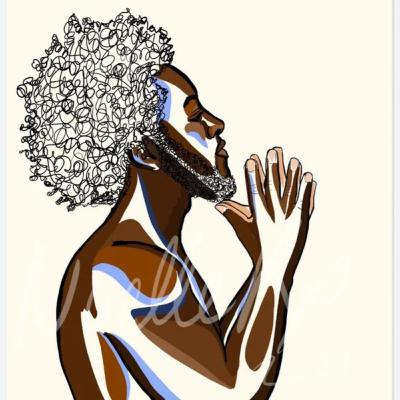
Having a conversation with God is a deeply personal and spiritual experience. It often begins with prayer, but extends into moments of quiet reflection, where one senses guidance, comfort, or clarity beyond human understanding. In those moments, even without audible words, there's a profound connection—an awareness that you are seen, heard, and known by a higher power. Speaking to God doesn’t require eloquence or ceremony; it only requires sincerity and an open heart. Through this divine dialogue, faith is nurtured and trust is built.Believing in God means choosing to trust even when life feels uncertain or difficult. Faith is not the absence of questions, but the courage to hold onto belief despite them. It’s easy to believe when everything goes well, but true faith often grows strongest during trials. When we choose to believe in God’s promises and character—His goodness, wisdom, and love—we anchor ourselves to something unchanging. Faith is the assurance of things hoped for, even when we cannot yet see them. It’s the daily decision to walk forward, trusting that God’s plan is bigger than our own.Doubt can creep in during silence, suffering, or waiting, but we are reminded throughout scripture not to let doubt take root. James 1:6 urges believers to ask without doubting, for doubt makes us unstable, like a wave tossed by the wind. To doubt God is to question His ability, His timing, or His care. While God understands our human fears, He calls us to replace doubt with trust—to believe that He is who He says He is. When we resist doubt and choose faith, we draw closer to His presence, and we begin to see our lives transformed by His unshakable truth.
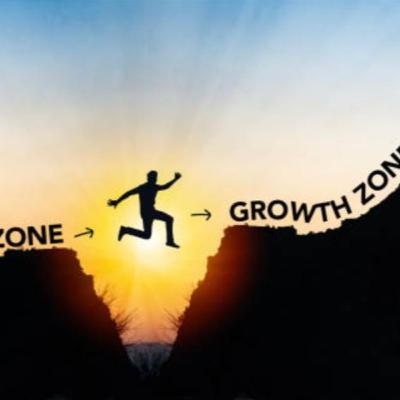
Growth begins at the end of your comfort zone because that’s where real transformation happens. Inside the comfort zone, routines are familiar and risks are minimal, but so are the chances for meaningful progress. We tend to stay where things feel predictable and safe, even if that means settling for less than we’re capable of. While comfort may bring a sense of stability, it often prevents us from exploring our full potential and discovering new paths. True personal and professional development requires stepping beyond what’s easy and embracing what’s unfamiliar.When we take that step into the unknown, we invite challenges that force us to adapt, think differently, and grow stronger. Whether it’s starting a new job, moving to a different city, learning a new skill, or confronting a fear, these moments of discomfort test us—and in doing so, they expand our limits. Struggles and failures may be part of the process, but they often teach the most powerful lessons. Every time we face uncertainty with courage, we learn something valuable about ourselves: that we are more resilient, resourceful, and capable than we realized.Over time, what once felt uncomfortable becomes second nature, and our comfort zone expands. This ongoing process of pushing boundaries is how we evolve—not just in skills or achievements, but in confidence and self-awareness. Growth is not a one-time event, but a continuous journey fueled by curiosity, challenge, and the willingness to embrace discomfort. So the next time fear or hesitation creeps in, it might be a sign you’re standing right at the edge of something great.

Your environment plays a powerful role in shaping your mindset by influencing how you think, feel, and behave on a daily basis. The people you surround yourself with, the spaces you occupy, and the media you consume all contribute to your mental framework. For instance, a supportive and positive social circle can boost your confidence, encourage growth, and help you adopt an optimistic outlook. On the other hand, constant exposure to negativity, chaos, or criticism can lead to self-doubt, anxiety, or a fixed mindset that resists change.Physical environments also affect your ability to focus, feel motivated, and maintain emotional balance. Clean, organized, and inspiring spaces tend to promote productivity and creativity, while cluttered or stressful environments can contribute to mental fatigue and distraction. Even factors like natural light, noise levels, and access to nature can shape your overall mental state. In essence, your surroundings are not just a backdrop to your life—they’re active players in how you see the world and how you see yourself. #Motivation #inspiration

Delayed gratification is the ability to resist immediate rewards in order to achieve a more valuable long-term goal. It involves patience, self-control, and the understanding that short-term sacrifices can lead to better outcomes in the future. For example, a student who chooses to study instead of playing games right away may earn better grades later. Practicing delayed gratification helps people build discipline, make wiser decisions, and develop habits that support long-term success in areas such as education, health, and personal growth.

Negativity can significantly impact a person’s mental well-being by fostering a cycle of harmful thoughts and emotions. When someone is constantly exposed to negative influences—whether through their own self-talk, relationships, or environment—they are more likely to develop feelings of hopelessness and low self-esteem. Over time, this negativity can become internalized, leading the individual to view themselves and their circumstances in an increasingly pessimistic light.Persistent negativity also disrupts cognitive processes, making it harder for individuals to concentrate, make decisions, or see solutions to their problems. It can cloud judgment, fuel anxiety, and even contribute to mental health issues such as depression. As the brain becomes conditioned to expect the worst, it reacts with stress more frequently, triggering the release of cortisol and creating a heightened state of emotional tension.Furthermore, negativity can influence behavior, pushing people to withdraw from others, avoid challenges, or engage in unhealthy coping mechanisms like substance use or procrastination. These responses not only reinforce negative beliefs but also limit personal growth and fulfillment. Over time, the mind can become trapped in a loop where negativity feeds more negativity, making it difficult to break free without conscious effort and supportBeginning video @BobProctor

Belief is a powerful force that shapes how we see the world and navigate through life. It is the foundation of our values, decisions, and actions, guiding us even when logic or evidence may be lacking. Believing in something—whether it's in ourselves, in others, or in a greater purpose—can offer strength during difficult times and inspire us to keep moving forward. At its core, belief is about trust and conviction; it allows us to dream, to hope, and to strive for things beyond our current reality. Even when challenged, belief can remain steady, becoming a source of motivation and resilience.

Having a purpose is like having a compass that guides you through life. It gives direction, meaning, and motivation to your daily actions, helping you focus on what truly matters. When you have a clear sense of purpose, challenges become opportunities for growth, and even setbacks feel like part of a bigger journey. Purpose gives your life coherence and a sense of fulfillment, aligning your passions with your actions. It is not just about achieving goals but about feeling connected to something larger than yourself, which fuels resilience and keeps you grounded, no matter the obstacles you face. #education #motivation

Joy is a powerful, uplifting emotion that fills the heart with light and warmth. It arises from moments of connection, achievement, or simply appreciating the beauty around us. Unlike fleeting happiness, joy often carries a deeper sense of contentment and peace, resonating within us long after the moment has passed. Whether it's the laughter shared with loved ones, the thrill of a personal triumph, or the quiet serenity found in nature, joy reminds us of the goodness in life and the potential for beauty in every experience. It is a celebration of the present, an affirmation that life, in all its ups and downs, holds moments worth cherishing. #motivation
Showing up is more than just being a physically present; it's about committing to the moment, embracing responsibility, and putting in the effort even when it’s tough. Whether it's in work, relationships, or personal growth, showing up means facing challenges head-on, staying consistent, and being dependable. It’s a silent declaration of your intentions, a demonstration that you're willing to engage, learn, and grow. In a world full of distractions and excuses, showing up is a powerful act of resilience, proving that your presence and effort matter more than perfection. #motivation
Being somebody is about embracing your individuality and standing confidently in your own skin. It’s the recognition that you are unique, with your own set of thoughts, experiences, and aspirations that make you who you are. It’s not about seeking validation from others, but finding purpose and meaning in what you do, how you interact, and how you grow. Being somebody is about owning your story, learning from challenges, and continuously evolving while staying true to your essence. It’s the quiet strength of knowing your worth and showing up authentically in the world.
Loving yourself is the foundation of building healthy self-esteem. It means accepting your flaws, celebrating your strengths, and treating yourself with kindness and compassion. When you nurture self-love, you start to recognize your own worth, allowing you to set boundaries, make better choices, and prioritize your happiness. True self-esteem isn't about perfection but about embracing who you are, flaws and all, and trusting that you deserve respect, care, and love from both yourself and others. By loving yourself, you create a positive, confident mindset that radiates outward, helping you navigate life with resilience and joy.
Doing your part in life means contributing to the well-being of others and the world around you, no matter how big or small the effort may seem. It involves taking responsibility for your actions, being mindful of how they affect others, and striving to make a positive difference in whatever capacity you can. Whether it’s through acts of kindness, pursuing personal growth, or participating in community efforts, each step you take towards being a better person or helping others adds to the collective good, creating a ripple effect that can lead to meaningful change. #motivation
Mental health plays a crucial role in personal growth, as it affects our emotional, psychological, and social well-being. It influences how we think, feel, and act, shaping our ability to cope with life's challenges. Prioritizing mental health allows individuals to build resilience, improve self-awareness, and foster positive relationships. By maintaining a healthy mindset, we can better navigate obstacles, develop a strong sense of self, and achieve personal growth. Acknowledging the importance of mental health is essential in fostering not only individual well-being but also the ability to thrive and reach one's full potential.

ime is one of the most precious resources we have, yet it often feels fleeting. It's an ever-present force that moves relentlessly forward, regardless of our actions. In our busy lives, we can easily fall into the trap of wasting time, whether through procrastination, distractions, or simply not making the most of our moments. While some argue that time wasted can be a form of relaxation or self-care, it's essential to recognize that every moment is an opportunity to grow, create, and connect. Wasting time can feel comforting in the short term, but in the long run, it can leave us with a sense of regret or unfulfillment.On the other hand, the power of time is undeniable. When we use our time wisely, we can accomplish incredible things—whether it’s personal growth, building relationships, or achieving our dreams. Time, when invested intentionally, can be the catalyst for progress and change. Time is also deeply intertwined with memory and experience; it shapes who we are and how we perceive the world. Learning to manage our time effectively gives us the ability to maximize its value, ensuring that each day contributes to the person we want to become and the life we want to lead.Equally important is how we choose to spend our time with others, especially with family, and with ourselves. Time spent with family strengthens bonds, fosters love, and creates lasting memories. These shared moments help us navigate life’s challenges and celebrate its joys. In contrast, time with oneself—whether in solitude or self-reflection—can lead to a deeper understanding of our own needs and aspirations. Striking a balance between these two aspects of time is crucial for our well-being. It’s not just about how much time we have, but how we choose to spend it, ensuring that it enriches both our personal growth and our relationships with others.
Intro by Chi-Town Problem Child
Email: Thoughtprovoking79@gmail.com

The holidays are a time of joy, warmth, and togetherness, offering a well-needed break from the hustle and bustle of everyday life. It's a season where people come together to celebrate, whether through festive traditions, giving, or simply enjoying each other's company. There’s something magical about this time of year, where the air feels a little lighter, and the world seems to slow down, allowing us to fully appreciate the small, meaningful moments.
Spending time with loved ones during the holidays is one of the most treasured parts of the season. Whether it's gathering around the dinner table, exchanging thoughtful gifts, or simply enjoying each other's presence, these moments create lasting bonds. The laughter, shared stories, and warm hugs bring a sense of comfort and joy that remind us of what truly matters: connection and love. In these moments, time seems to stand still, and the feeling of togetherness is more important than anything else.
The holidays also provide the opportunity to reflect on the past and create new memories that will last a lifetime. Each year adds another chapter to the story of our lives, filled with new experiences and cherished traditions. The joy of reliving old memories and creating new ones with family and friends enriches the holiday season, making it a time to be thankful for the love and experiences we have. These memories, whether big or small, continue to fill our hearts with warmth long after the holidays have passed.

The outcome of any election, including the 2024 presidential race, can stir strong emotions and opinions, but it doesn’t change the fundamental truth: life goes on. People will inevitably have differing views on who should lead, but the political process is a part of how democratic societies function. Whether one agrees with the results or not, it’s essential to focus on what we can control—our personal lives, our actions, and our individual impact on the world around us. Who is in office doesn’t negate the importance of personal growth, relationships, and the pursuit of one’s goals.It’s natural to feel passionate about who holds political power, especially when the decisions made affect your life, values, or future. However, getting caught up in the emotional turmoil of election outcomes can lead to division and distraction. Political leadership, no matter who it is, often doesn’t have the immediate, direct power we think it does on an individual level. Instead of letting political results dictate your happiness or mindset, it’s more productive to channel energy into positive endeavors—whether that’s work, personal projects, or strengthening connections with those who share your values.Ultimately, every individual has the agency to make their life meaningful regardless of the political landscape. If you disagree with the direction a leader is taking, advocate for change, support causes you believe in, and engage with your community. But at the end of the day, life is bigger than politics. You can still pursue your passions, help others, and make decisions that align with your principles, regardless of who holds office. Personal fulfillment and progress are shaped more by individual choices and actions than by the shifting tides of political fortune.
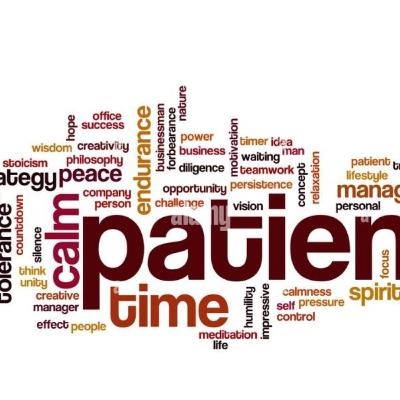
Patience is often seen as a quiet virtue, but in reality, it’s one of the most powerful tools we can harness on the path to mastery. Whether we're learning a new skill or working towards a long-term goal, progress rarely comes overnight. It’s easy to get discouraged when results aren’t immediate, but true growth happens through consistent practice, even in the face of setbacks. The key isn’t in rushing to the finish line, but in embracing the journey, step by step. Progress, however slow, is still progress, and that momentum builds as we give ourselves permission to move at our own pace.
The power of patience lies in its ability to turn frustration into understanding. When we learn to wait without surrendering to impatience, we allow ourselves to grow both mentally and emotionally. In times of difficulty, it’s often tempting to quit or seek shortcuts, but that rush for instant results can lead to burnout. Patience, however, teaches us to trust the process. It’s in the small, daily efforts—where practice becomes habit—that real transformation occurs. By focusing on the long game and resisting the urge to fast-forward, we build resilience and deepen our commitment.
Patience truly is a superpower. It allows us to stay grounded, even in the face of uncertainty. When we are patient, we give ourselves space to reflect, to learn from mistakes, and to improve without the pressure of perfection. In a world that often glorifies instant gratification, patience reminds us that lasting success is rarely quick or easy. Instead, it’s earned through deliberate practice, small wins, and a steadfast belief that, with time, we will get exactly where we need to be.

Sometimes, I find myself at the center of the chaos, realizing that I might be the problem in my own story. Whether it's my stubbornness in holding onto old habits or my tendency to overthink every decision, I can see how my actions ripple out and affect those around me. It's a humbling realization, acknowledging that change starts from within. By recognizing my role in the challenges I face, I can begin to untangle the web I've woven and take the first steps toward a more positive path.

Gaining confidence often begins with self-awareness and self-acceptance. Start by setting small, achievable goals that allow you to experience success, which builds a sense of accomplishment. Surround yourself with supportive people who encourage and uplift you, and practice positive self-talk to counteract negative thoughts. Engaging in activities that challenge you, whether they’re public speaking, learning a new skill, or stepping out of your comfort zone, can also enhance your confidence. Remember, confidence grows with experience, so be patient with yourself as you embrace new challenges and celebrate your progress along the way.

Comments

Download from Google Play

Download from App Store
 United States