


 Claim Ownership
Drive-In Double Feature Podcast
Subscribed: 13Played: 139
Subscribe

© Drive-In Double Feature
Description
Join Ryan and Nathan, two knowledgeable Film Studies majors, as they dive deep into the world of cinema, discussing not only the most obscure and underrated films, but also the trashiest and sleaziest titles that often get overlooked by mainstream audiences. Their podcast is a delightful blend of humor and insight, making it a must-listen for anyone with a taste for the weird and unexpected. Tune in for a fun and informative journey through the hidden gems
https://twitter.com/didfpod
https://www.patreon.com/driveindoublefeaturepodcast
and email us at:
driveindoublefeaturpodcast@gmail.com
https://twitter.com/didfpod
https://www.patreon.com/driveindoublefeaturepodcast
and email us at:
driveindoublefeaturpodcast@gmail.com
423 Episodes
Reverse
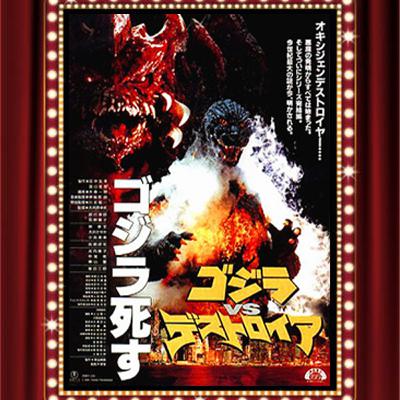
Nathan and Ryan close out the Heisei era with Godzilla vs. Destoroyah (1995), one of the most emotional and consequential films in the entire franchise. With Godzilla undergoing a catastrophic nuclear meltdown and facing his most terrifying enemy yet—born from the Oxygen Destroyer itself—the stakes have never been higher. The hosts discuss the film’s apocalyptic tone, its brutal monster designs, the tragic fate of Junior, and how Toho deliberately framed this as a true ending for the King of the Monsters. It’s epic, grim, and surprisingly heartfelt kaiju cinema.
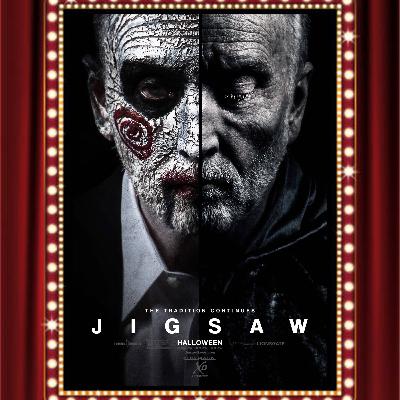
Nathan and Ryan piece together Jigsaw (2017), the attempt to revive the Saw franchise with a slicker look, a new timeline trick, and a fresh batch of morally questionable victims. The hosts break down the film’s dual-story structure, its polished traps, and whether this “back to basics” approach actually works after years of escalating insanity. Is Jigsaw a clever reassembly of the franchise or just another twist for twist’s sake? Either way, the games are back on.
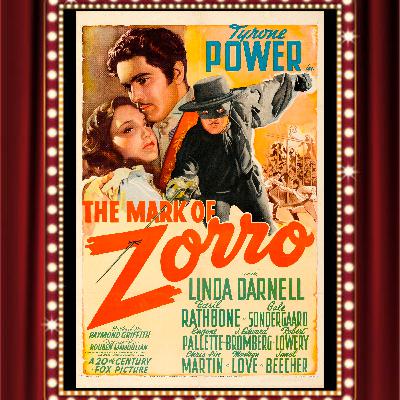
Nathan and Ryan don their masks and capes to talk about The Mark of Zorro (1940), the definitive cinematic version of the legendary masked avenger. Starring Tyrone Power in one of classic Hollywood’s most iconic dual performances, the film blends romance, humor, and razor-sharp swordplay into a near-perfect swashbuckler. The hosts discuss Rouben Mamoulian’s energetic direction, Basil Rathbone’s unforgettable villain turn (and fencing skills), and why this film remains the gold standard for heroic adventure nearly a century later.
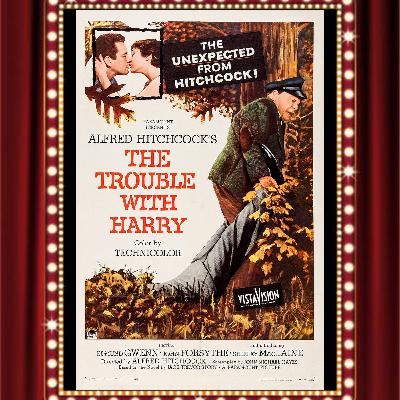
Nathan and Ryan dig into Alfred Hitchcock’s most charmingly morbid film, The Trouble with Harry (1955), a dark comedy where a dead body keeps inconveniently turning up in the middle of a picturesque Vermont town. The hosts discuss Hitchcock’s playful tone, the film’s autumnal Technicolor beauty, and how its gentle humor stands in stark contrast to the director’s more suspense-driven classics. Featuring an early performance from Shirley MacLaine and a score by Bernard Herrmann, this episode explores why The Trouble with Harry is one of Hitchcock’s most underrated—and oddly comforting—films.
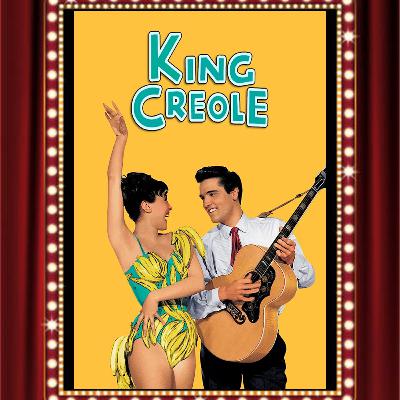
Nathan and Ryan head to the mean streets of New Orleans for King Creole (1958), widely considered the best film Elvis Presley ever made. Directed by Michael Curtiz, this gritty crime drama drops Elvis into a world of gangsters, broken families, and nightclub danger, letting him channel real anger and vulnerability instead of novelty musical fluff. The hosts discuss the film’s noir edge, its standout performances (including Walter Matthau as a vicious mob boss), and how King Creole shows the movie star Elvis that could have been if Hollywood had taken more risks.
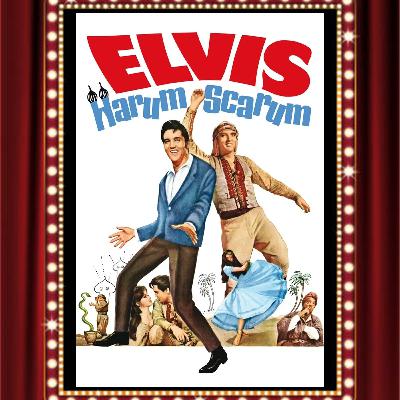
Nathan and Ryan head into pure ’60s pop chaos with Harum Scarum (1965), one of Elvis Presley’s most baffling and colorful musical misfires. Cast as a reluctant action hero in a fictional Middle Eastern kingdom, Elvis sings, fights assassins, and stumbles through a plot that feels like a spy movie filtered through a Vegas revue. The hosts break down the film’s camp appeal, questionable stereotypes, and why Harum Scarum often lands on “worst Elvis movie” lists—while still being weirdly fascinating as a time capsule of mid-’60s excess.
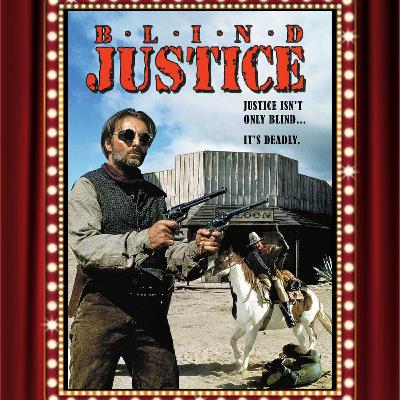
Nathan and Ryan saddle up for Blind Justice (1994), a TV movie that boldly transplants the spirit of Zatoichi into a post–Civil War Western. Starring Armand Assante as a blind gunslinger escorting an orphaned boy across dangerous territory, the film blends samurai honor, frontier justice, and made-for-TV grit. The hosts discuss the movie’s odd-but-compelling cultural mashup, Assante’s intense performance, and why this forgotten Western deserves a second look from fans of genre hybrids and ’90s TV movies.
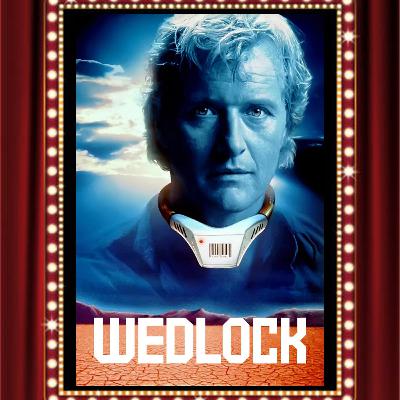
Nathan and Ryan lock in to Wedlock (1991), a gritty sci-fi action thriller where prison reform means strapping explosive collars to inmates and pairing them off in deadly “marriages.” Starring Rutger Hauer, Mimi Rogers, and Joan Chen, the film blends cyberpunk aesthetics, high-concept dystopian ideas, and early-’90s action cheese. The hosts break down the movie’s wild premise, its surprisingly prescient tech paranoia, and whether Wedlock works better as science fiction or as a pulpy B-movie thriller. It’s love, loyalty, and head-popping consequences—Drive-In style.
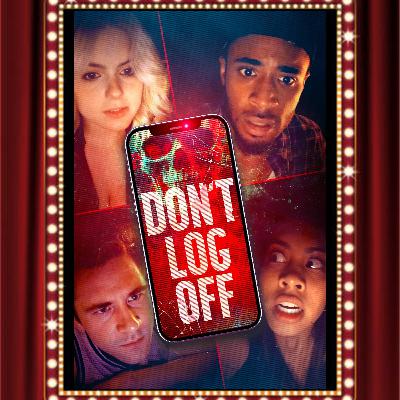
Nathan and Ryan log in to discuss Don’t Log Off (2025), a modern techno-horror film that taps into the paranoia of constant connectivity. Built around video calls, online identities, and the fear of what happens when the screen doesn’t go dark, the movie blends contemporary anxieties with classic genre tension. The hosts break down how well the film uses its digital setting, whether the gimmick sustains the scares, and how Don’t Log Off fits into the growing subgenre of internet-based horror. It’s timely, uneasy, and proof that sometimes the scariest thing is staying online.
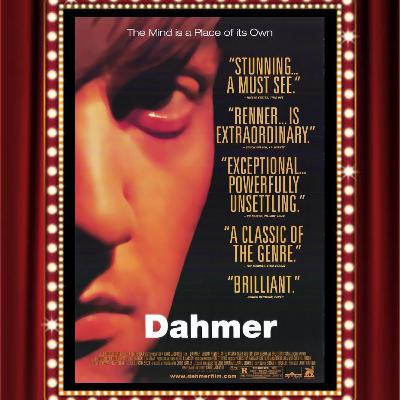
Nathan and Ryan take a grim turn with Dahmer (2002), the unsettling true-crime drama starring Jeremy Renner as infamous serial killer Jeffrey Dahmer. Instead of leaning into exploitation, the film opts for a cold, restrained approach, focusing on isolation, routine, and the quiet horror of unchecked violence. The hosts discuss Renner’s chilling performance, the film’s muted tone, and whether Dahmer succeeds as a character study rather than a traditional serial killer thriller. It’s an uncomfortable watch—and a very different kind of horror than the usual Drive-In fare.
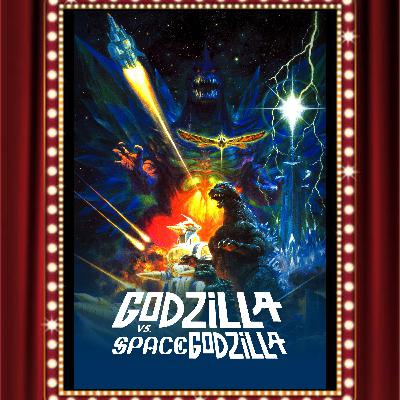
Nathan and Ryan blast off into the Heisei era with Godzilla vs. SpaceGodzilla (1994), one of the strangest and most divisive entries in the franchise. The hosts break down SpaceGodzilla’s wild origin story, the crystal-covered battlefields, and the introduction of fan-favorite MOGUERA. From telekinetic kaiju powers to baby Godzilla in peril, this episode explores how the film balances big ideas, uneven effects, and classic Godzilla spectacle. Is it an underrated gem or a cosmic misfire? Either way, it’s peak ’90s
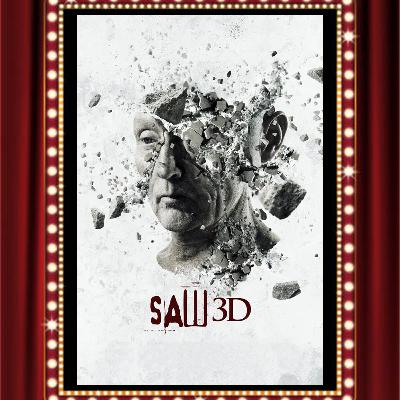
Nathan and Ryan strap on their 3D glasses and dive into Saw 3D (aka Saw: The Final Chapter), the movie that promised to end the franchise… and very clearly did not. The hosts break down the gimmicky 3D gore, the returning legacy characters, and the soap-opera-level twists that push Jigsaw mythology to its absolute limit. From public traps to pink blood splatter to one last “gotcha” reveal, this episode examines whether Saw 3D works as a franchise finale or just another cruel game in a series that refused to die.
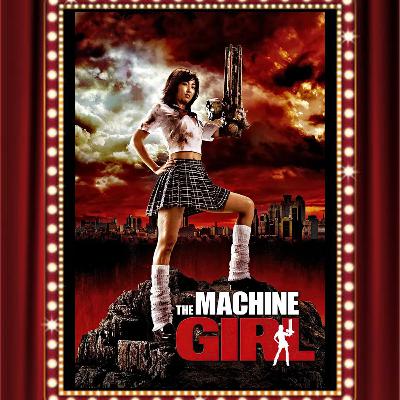
Nathan and Ryan crank the insanity dial to maximum with The Machine Girl (2008), a no-holds-barred Japanese splatter film that turns revenge into a geyser of blood, severed limbs, and absurd weaponry. The hosts dive into the film’s gleefully over-the-top violence, DIY energy, and cartoonish tone, where bullies get pulverized and a schoolgirl upgrades her missing arm with a fully functional machine gun. From low-budget ingenuity to punk-rock filmmaking spirit, this episode celebrates The Machine Girl as a cult classic that knows exactly how ridiculous it is—and loves every second of it.
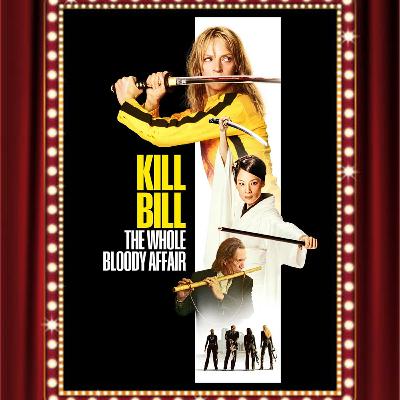
Nathan and Ryan sharpen their Hattori Hanzō swords and dive into Kill Bill: The Whole Bloody Affair, Quentin Tarantino’s elusive, fully assembled vision of his two-part revenge epic. Combining Vol. 1 and Vol. 2 into a single, blood-soaked experience—with altered edits, restored scenes, and extended carnage—the hosts break down how the film plays as one continuous saga. They discuss its genre-hopping insanity, anime violence, spaghetti western soul, and whether this version truly stands as Tarantino’s definitive cut. It’s operatic revenge, pop-culture maximalism, and arterial spray at its finest.
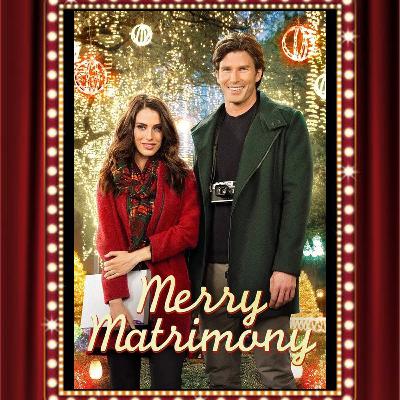
Nathan and Ryan dive into Merry Matrimony (2015), a Hallmark holiday romance where a marriage of convenience becomes the key to saving a family business just in time for Christmas. The hosts break down the film’s cozy vibes, predictable-but-comforting tropes, and the undeniable charm that keeps these seasonal cable movies endlessly watchable. From fake dating to festive sweaters and last-minute realizations of true love, this episode asks the important question: does Merry Matrimony earn its spot in the holiday movie rotation?
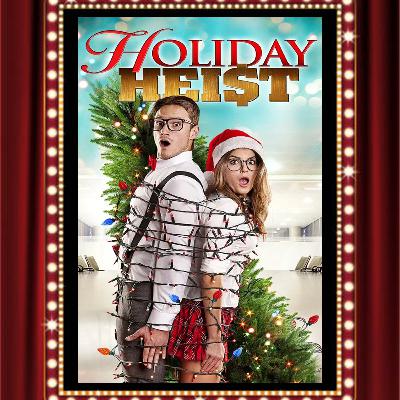
Nathan and Ryan unwrap Holiday Heist (2011), a made-for-TV Christmas movie that blends lighthearted family drama with a surprisingly competent bank robbery. When two siblings get caught up in a holiday hostage situation, the season of goodwill collides with small-time crooks, parental bonding, and cable-movie tension. The hosts break down the movie’s Hallmark-meets-heist vibes, its earnest performances, and why this oddball holiday thriller stands out among the usual parade of festive romances and talking animals. It’s Christmas cheer… with a criminal twist!
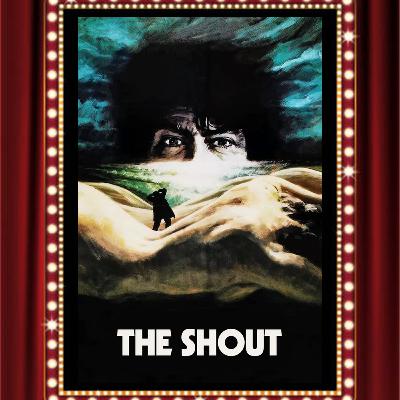
Nathan and Ryan take a chilling listen to The Shout (1978), a strange and unsettling British psychological horror film adapted from a story by Robert Graves. Starring Alan Bates, John Hurt, and Susannah York, the film weaves folklore, repression, and unreliable narration into a hypnotic tale about an ancient Aboriginal scream capable of killing anyone who hears it. The hosts discuss its fractured storytelling, eerie sound design, and surreal tone, exploring why The Shout remains a haunting and often overlooked gem of late-’70s art-horror.
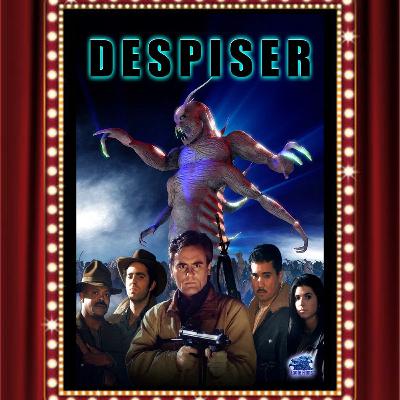
Nathan and Ryan dive headfirst into Despiser (2003), a bizarre direct-to-video hybrid that mixes live-action, early-2000s CGI, and animated hellspawn into one surreal action-horror experience. When a crooked cop is killed and dragged into a war between Heaven and Hell, he’s forced to battle demons, angels, and his own conscience—often as a glowing cartoon character. The hosts break down the movie’s ambitious-but-rough visuals, oddball mythology, and why Despiser feels like a lost late-night cable fever dream that only the Drive-In Double Feature Podcast would dare to resurrect.
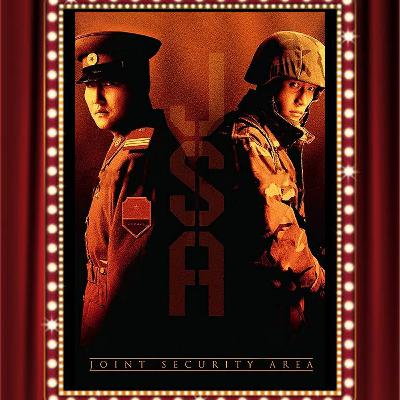
Nathan and Ryan cross the DMZ (metaphorically) to talk about Joint Security Area (2000), Park Chan-wook’s breakout thriller that blends political tension, mystery, and emotional drama in a story set at the border between North and South Korea. The hosts dig into the film’s Rashomon-style structure, its look at fractured brotherhood, early hints of Park’s signature style, and why this film still resonates as one of the strongest anti-war statements of its era. From bullets to bittersweet bonds, Drive-In Double Feature heads into one of the most gripping “what really happened?” mysteries in modern Korean cinema.
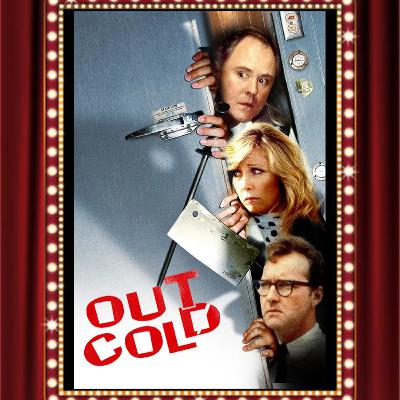
Nathan and Ryan dive into the icy, offbeat world of Out Cold (1989), a dark comedic thriller where John Lithgow plays a mild-mannered dry cleaner who gets tangled up in murder, manipulation, and one very bad night. The hosts break down the film’s strange blend of noir, black comedy, and suburban paranoia, Lithgow’s pitch-perfect unraveling, and how this forgotten oddity quietly became a cult gem. From frozen corpses to marital double-crosses, Drive-In Double Feature warms up this chilly, underrated slice of late-’80s weirdness.

Comments

Download from Google Play

Download from App Store
 United States