


 Claim Ownership
UKTN | The Podcast
Subscribed: 11Played: 324
Subscribe

© 2022 MEDIA VENTURES INTERNATIONAL LIMITED T/A UKTN. REGISTERED IN ENGLAND & WALES AT WEWORK 41 CORSHAM ST LONDON N1 6DR. COMPANY NUMBER 11023400.
Description
Each week, Jane Wakefield sits down with some of the key movers and shakers from the UK tech ecosystem for the UKTN Podcast. Learn growth strategies from both seasoned and up-and-coming founders, hear market sentiments from investors, and understand the tech policy affecting businesses across the country.
The UKTN Podcast provides insight into the most influential people in the UK’s innovation economy, exploring their personal and professional journeys and hearing their views on the hottest tech topics of the day.
The UKTN Podcast provides insight into the most influential people in the UK’s innovation economy, exploring their personal and professional journeys and hearing their views on the hottest tech topics of the day.
157 Episodes
Reverse

Varun Bhanot, co-founder and CEO of Magic AI discusses the journey of growing one of the UK’s most successful AI firms, how the AI-enabled mirror his company devised is disrupting the fitness industry, what he learned from the 149 rejections he got when pitching the business and why his team consists are what he calls ‘interpreneurs'. Bhanot also explains how he juggles a young family with running his business and the role crop circles played in his marriage.
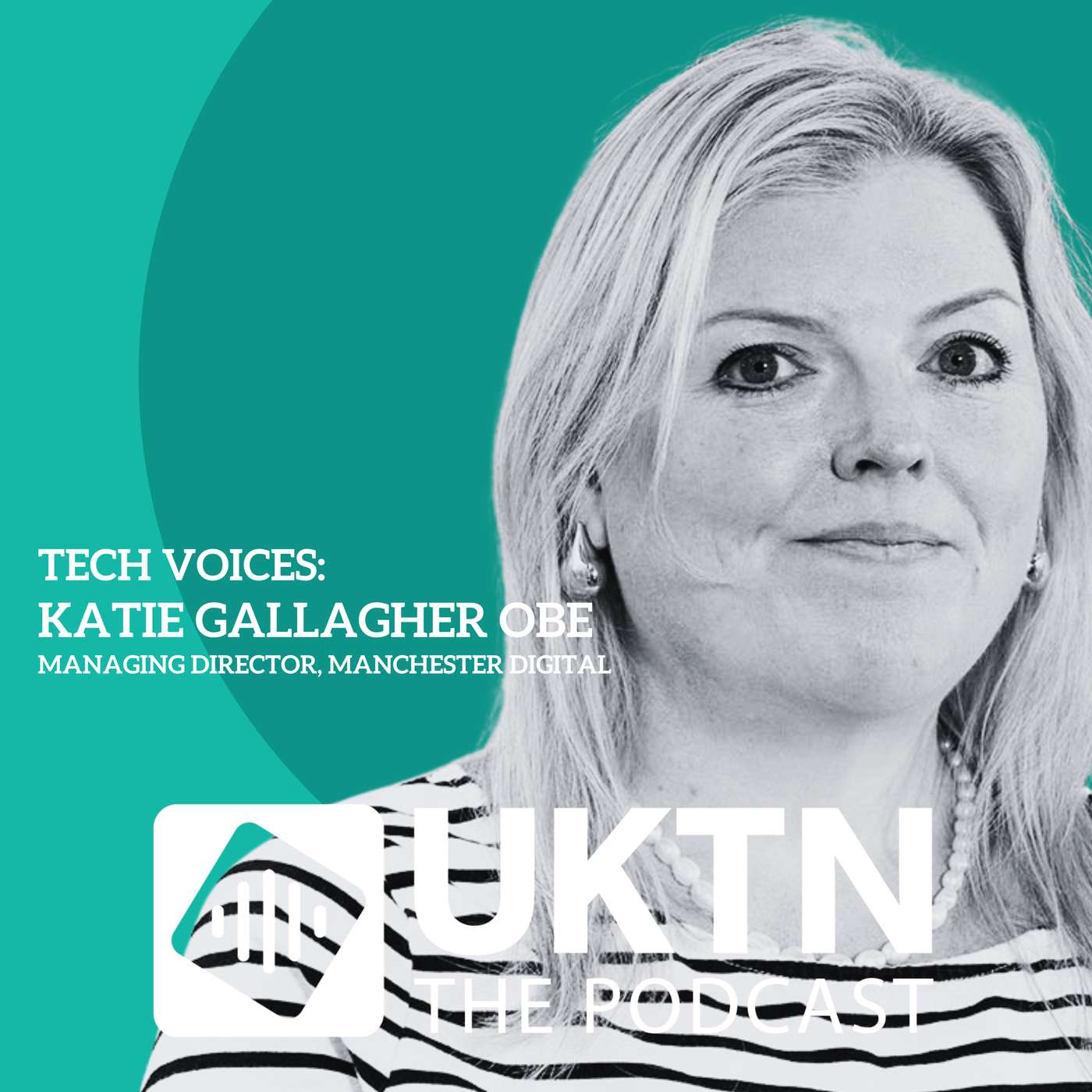
Katie Gallagher OBE, managing director of Manchester Digital discusses why the city is being seen as a blueprint not just for tech start-ups but for wider economic growth too. Gallagher chats about Manchester’s rich heritage in digital technology from cyber-security to e-commerce and how it is building on that to be one of the UK’s key AI hubs.

Amelia Armour, Partner at Amadeus Capital talks to Jane Wakefield about the impact of having a female co-founder in the male dominated world of VC, what tech she is excited about for the future and how AI might help democratise entrepreneurship.

Dr Farzana Rahman, chief executive officer of Hexarad, discusses her journey from medical doctor to startup founder, how companies like hers are tackling the high demand for medical treatments not being met by the NHS and how AI is being used in the health tech ecosystem. Hexarad is an end-to-end radiology platform wherein users can get diagnoses from scans such as CTEs and MRIs.

Beckie Taylor, co-founder of Tech Returners, discusses her long career in HR and how the buzzword of diversity has changed to questions about the impact of AI, how she found the journey from becoming a mum back into the workplace, and why CVs might not be the best way for women looking for a pathway back into the tech industry. Taylor also spoke on her hometown of Manchester and whether it holds the secret sauce to building long-lasting and thriving tech communities.

Sue Black OBE, a legendary British computer scientist, discusses her inspirational journey into computing, why too little has changed when it comes to sexism in the tech industry and her hopes and fears for the global workforce in the age of AI. Black was the founding chair of the British Computing Society’s BCSWomen group, championed the preservation of the WW2 codebreaking HQ Bletchley Park and is a professor of computer science at Durham.
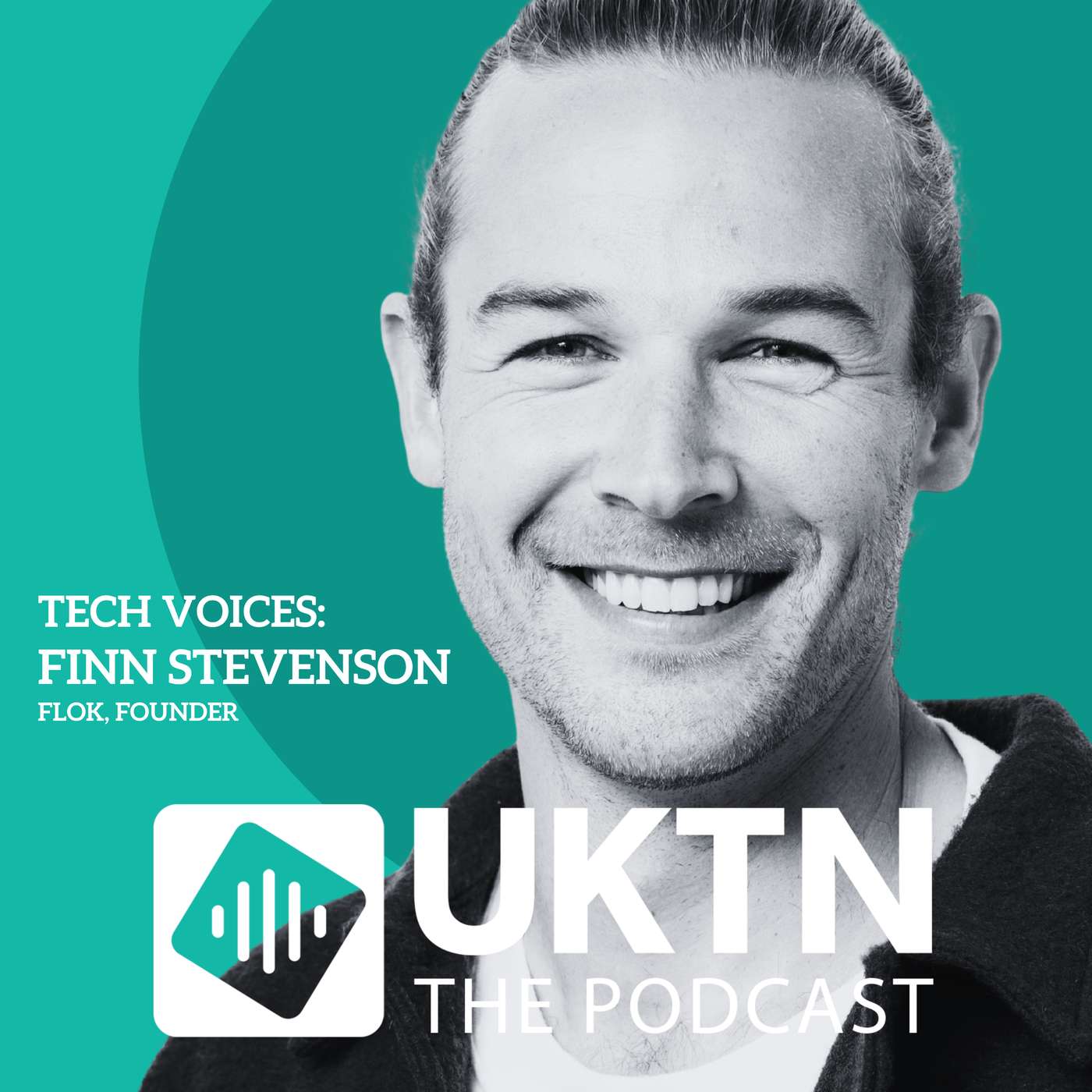
Finn Stevenson, co-founder and chief executive officer of Flok Health, discusses the slow pace of change and the strategic shortfalls of public health organisations, the real-world health impact of these challenges and why tech is one part of the solution needed. Flok Health is an AI-powered physiotherapy clinic that provides patients with virtual appointments to treat back pain. The platform fuses AI and human physiotherapists for personalised care without long waiting lists.
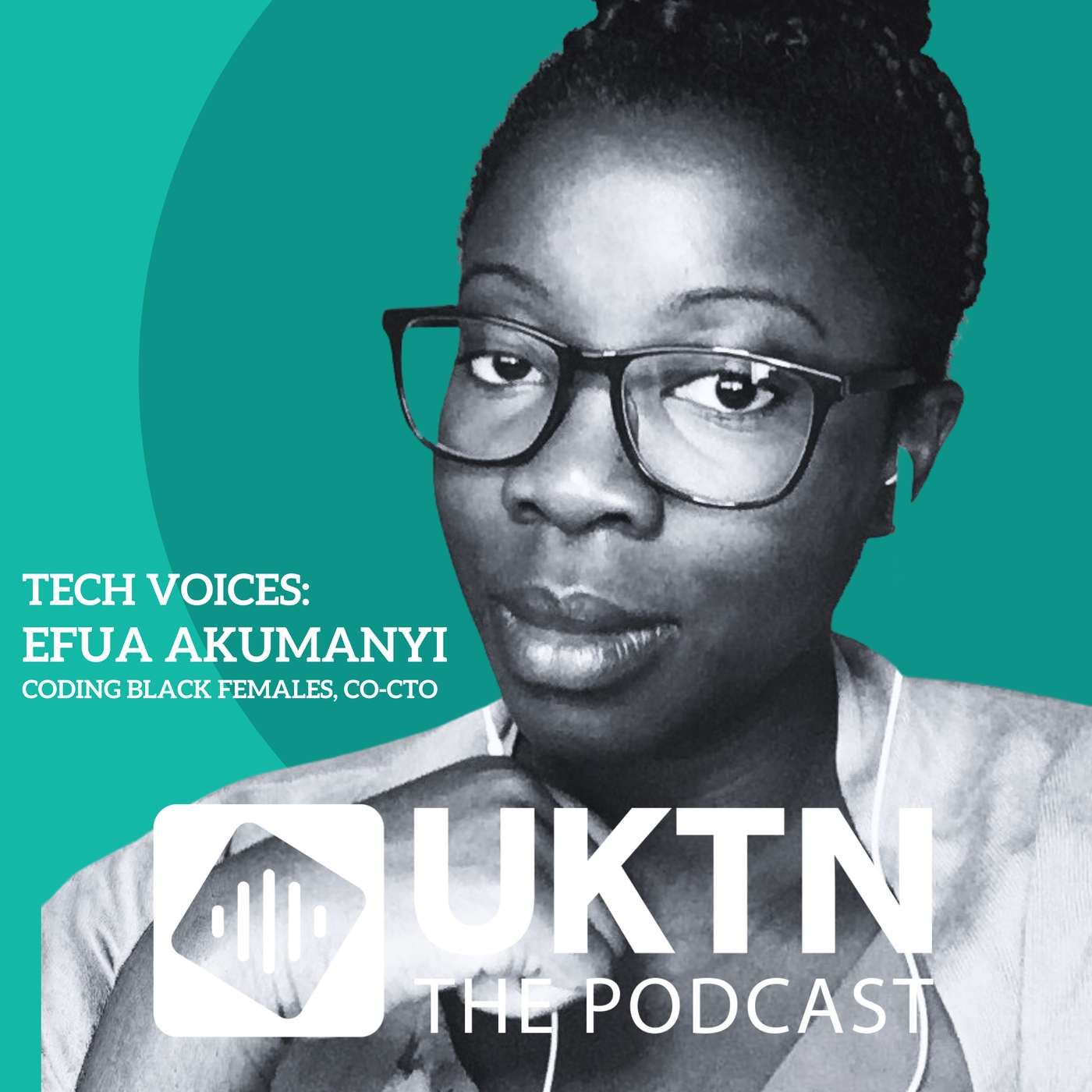
Efua Akumanyi, chief technology officer at Coding Black Females, discusses her own entry into the world of software development as one of the few women on an AI degree, why so many women feel discouraged from entering the sector and how she re-dedicated her career to supporting black women entering tech. Coding Black Females is the largest community of black women in the UK tech industry. The group aims to grow, educate and inspire one of the most underrepresented groups in the industry.

Emma Hagan, chief executive officer of ClearBank UK, discusses the rich history of the British fintech and why the UK needn’t lose its crown in the sector and the rise of AI in fraud and what fintechs can do to help. ClearBank was founded a decade ago as the UK’s first new clearing back in over two centuries. The firm provides financial institutions with access to payments and clearing services as well as offers embedded banking services in partnership with fintechs.

Justin Basini, co-founder and chief executive of ClearScore, discusses how companies like his helped the UK come to grips with the concept of a credit score, why the UK is the rational choice for floatation for the bulk of British fintechs and why he is confident in the growth of the UK markets. ClearScore is a London-based fintech best known for providing free credit score checks and offering tailored support to consumers looking to improve their financial wellbeing.
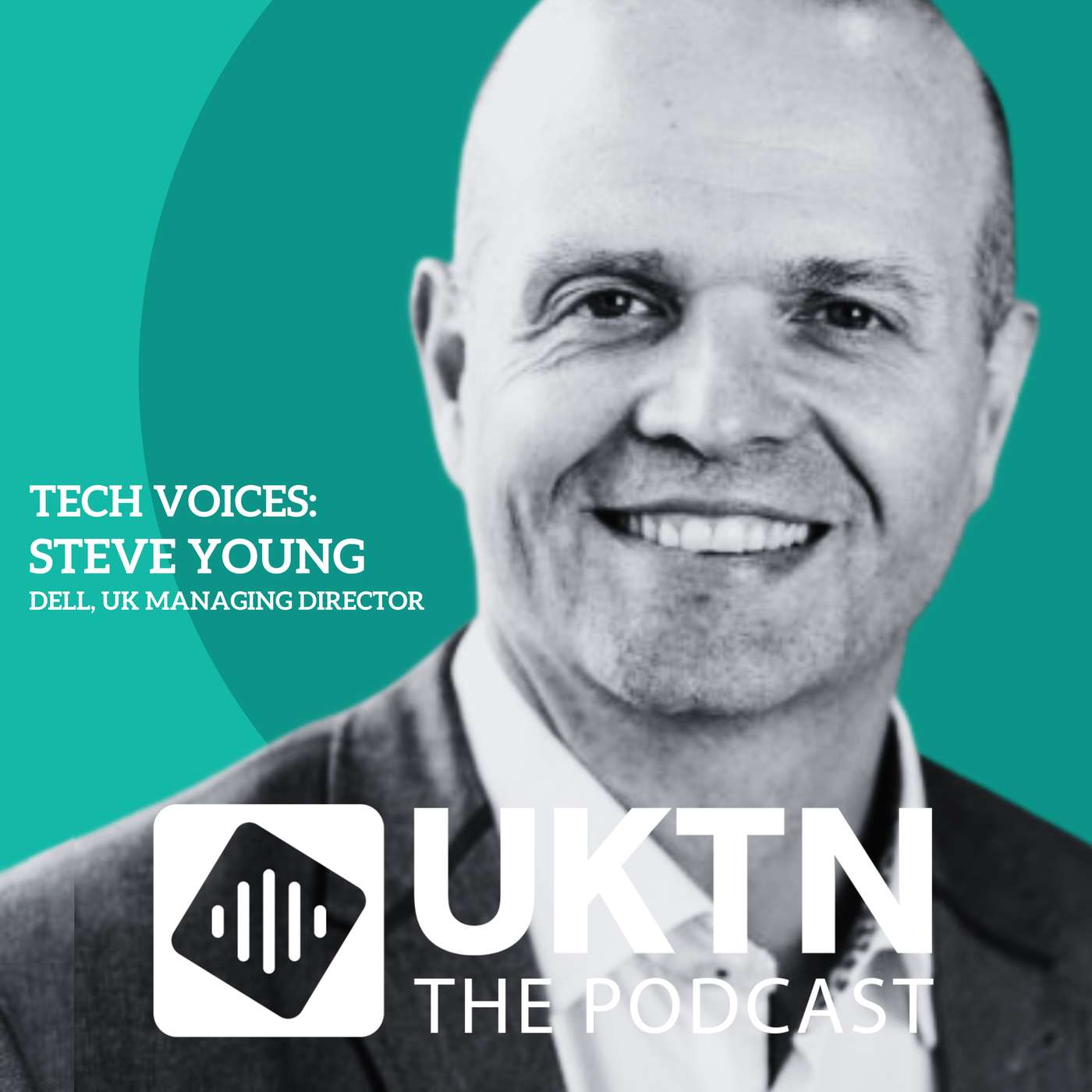
Steve Young, managing director of Dell UK, discusses Dell’s expansion into the data centre and artificial intelligence industry, what is needed to accelerate the growth and efficacy of AI integration and why he has remained at the same company for so long. Dell is among the most well-known electronics brands, most famous for its computers and laptops. The company has more recently taken a leading role in the AI industry.

Catherine Lenson, chief operating officer of Phoenix Court, discusses why well-defined corporate and investment culture supports a cohesive strategy, how different stages of investment come with drastically different needs and why sticking with a founder long-term is both rewarding and satisfying. Phoenix Court is a venture capital firm that backs businesses from the seed stage all the way through to IPO. Lenson has worked across the investment industry, having held roles at firms including UBS and SoftBank.
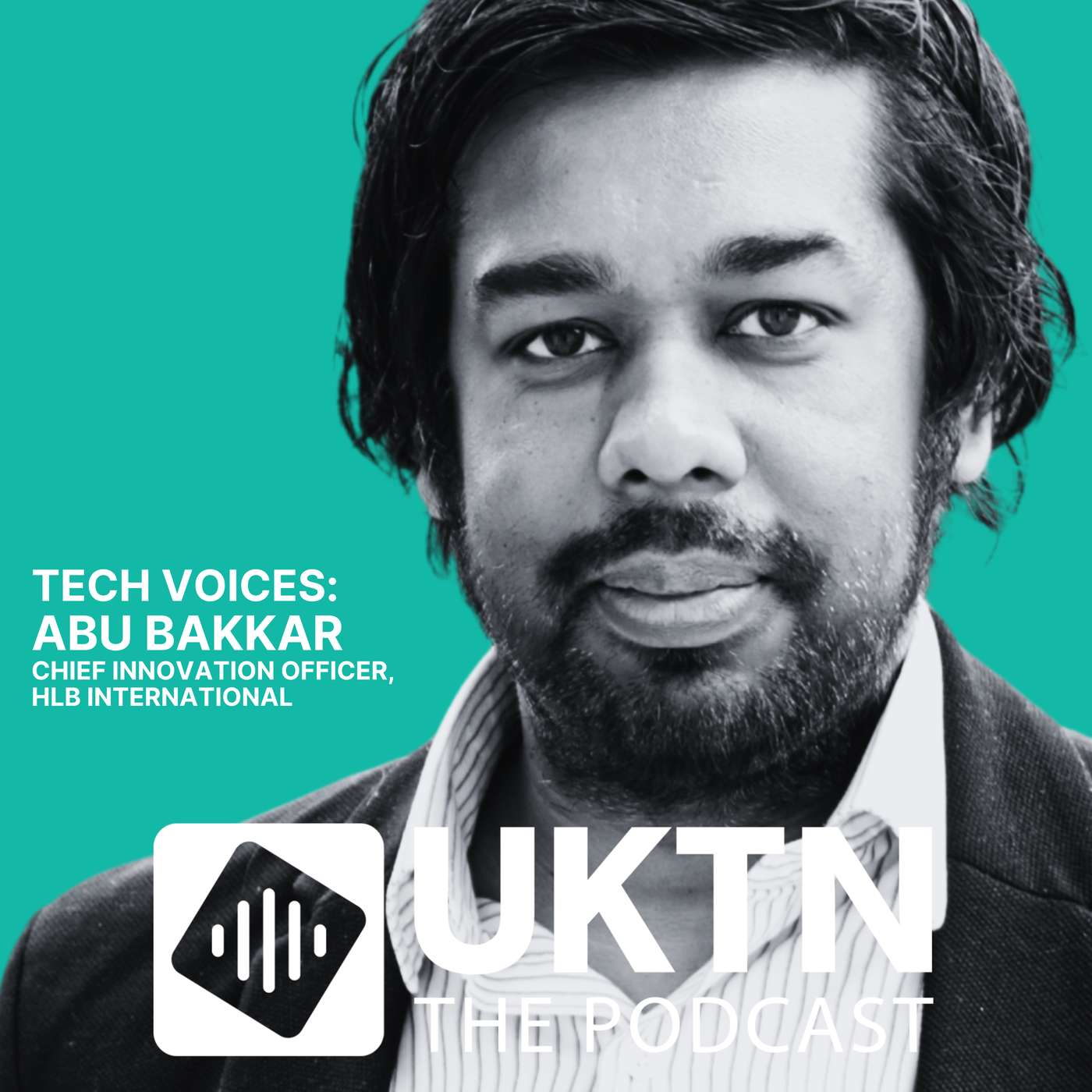
Abu Bakkar, chief innovation officer at HLB International, discusses how artificial intelligence is transforming the priorities of the professional services sector, the challenges this presents to the next generation of consultancy recruits and why upskilling has become mandatory. HLB International is a global network of advisory and accounting firms. In the worldwide top ten of advisory organisations, HLB spans across more than 150 countries encompasses the work of around 60,000 individuals.

Amanda Brock, chief executive officer of OpenUK, discusses how the term open source is so often used incorrectly, why true open source is fundamental to the success of innovation and why AI and its data has created complicated conversations around what it means to be open. OpenUK is the UK’s industry body for open source technology. Brock became the organisation's CEO in 2019, with a background of more than 30 years in the global technology sector.

Will Hutton, political journalist, author and academic, discusses the potential implications of the upcoming Autumn Budget on the British tech industry, why working with the EU is vital for achieving the growth ambitions championed by the government and how the UK can maintain its place on the global tech stage. Hutton is a columnist for the Observer, president of the Academy of Social Sciences and the author of numerous major works covering politics and economics.
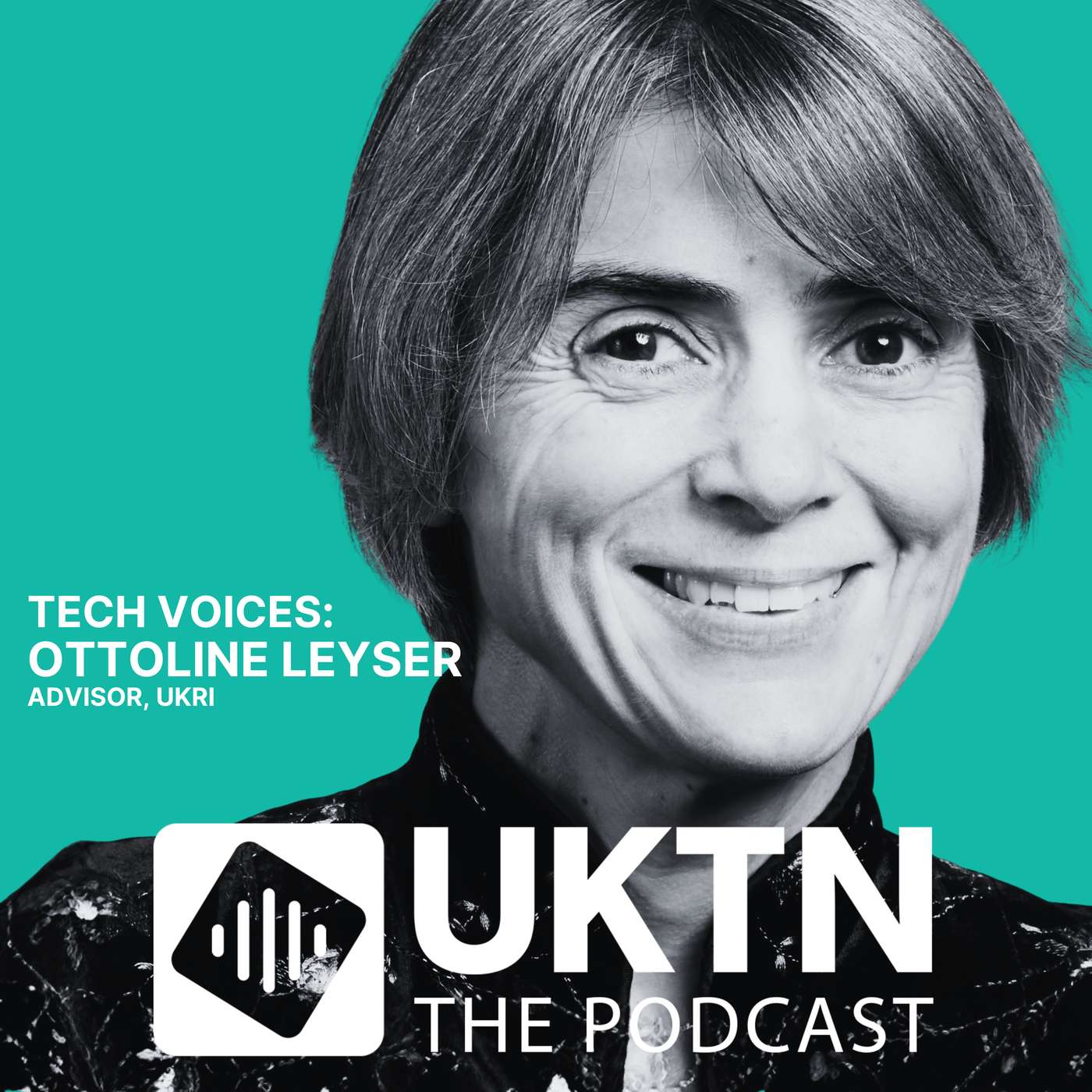
Dame Ottoline Leyser, former chief executive of UKRI and chair of the advisory board of Innovate Cambridge, discusses the research and business success from the University of Cambridge and how that can be applied throughout the country, government plans to support a global Oxford-Cambridge tech hub and the power of local pride in growing new tech clusters. Leyser was appointed as the head of UK Research and Innovation, the public body which directs government funding to science and technological enterprises, in 2020.

David Hogan, vice president for enterprise at NVIDIA, discusses the UK’s efforts in scaling its digital infrastructure to meet its ambitious goals in artificial intelligence and just how fundamental the recent shifts in AI technology have been to the shaping the future of the world. NVIDIA is one of the largest companies in the world, known for its top-of-the-line chips, it has been and continues to be instrumental in the rapidly developing AI sector.

Laura Modiano, head of startups at OpenAI, discusses just how far artificial intelligence has advanced since the launch of ChatGPT, how AI is drastically accelerating the growth rates of businesses and how far the company’s flagship product can go. OpenAI is the creator of ChatGPT and is among the largest AI companies globally. Valued this year at $500bn, it is the most valuable private company in the world and has worked extensively with the British government on its AI ambitions.
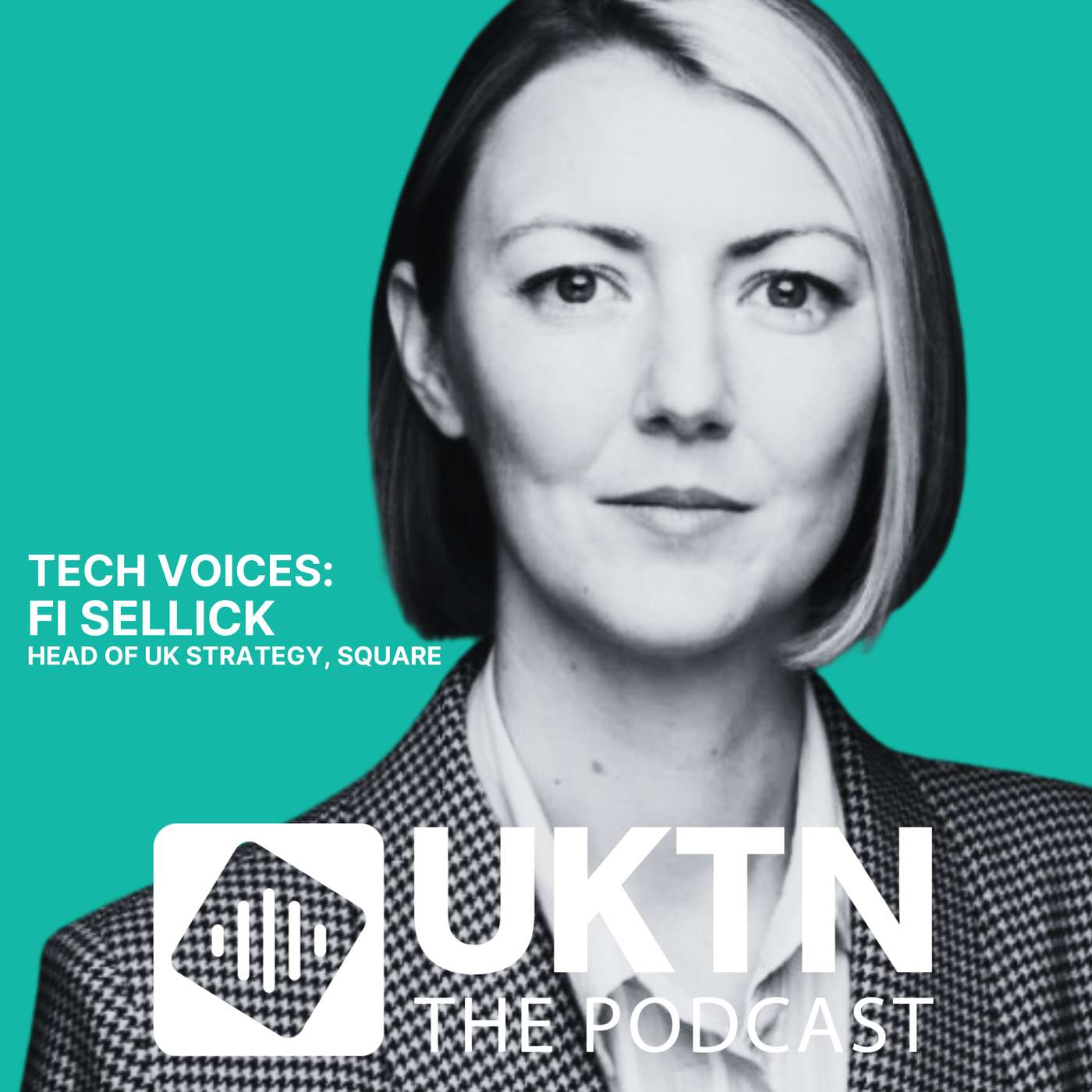
Fi Sellick, head of UK strategy at Square, discusses how macroeconomic challenges impact small businesses as well as their payment providers, how Square is implementing AI across different markets and cryptocurrency’s role in democratising finance. Square is a contactless payment system for businesses co-founded by Twitter creator Jack Dorsey. The company partners with firms offering support in payments and point-of-sale.

Karen McCormick, chief investment officer at Beringea, discusses the relationship between the business, technology and investment communities of the UK and the US, why the entrepreneurial spirit of the UK is catching up to Silicon Valley and why almost every business has become an AI business. Beringea is a transatlantic venture capital investment group jointly based in London and Michigan. McCormick discusses the challenges tech companies in Europe face when trying to emulate the success of US tech giants and what firms like Beringea look for in a portfolio company.

Comments

Download from Google Play

Download from App Store
 United States