


 Claim Ownership
The Ghastly Podcast
Subscribed: 1Played: 2
Subscribe

© Nick Hall and Johanna McNulty 2021
Description
Join horror fans Nick Hall and Johanna McNulty on a tour of some of the most gruesome, terrifying and downright diabolical films ever made! Listen with caution...
17 Episodes
Reverse
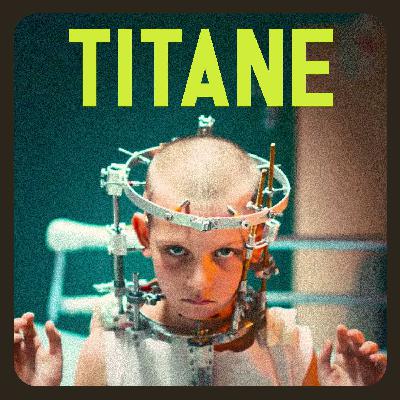
“I don’t care. You’re my son. You’ll always be my son. Whoever you are.” “Disturbing”, “shocking” and “thrilling” were just some of the words critics used to describe French director Julia Ducournau’s 2021 sophomore feature Titane. Agathe Rousselle is Alexia, showgirl and serial killer with a titanium plate in her head as a result of a childhood car accident. But her life-saving operation has left her with something unexpected: a romantic predilection for motor vehicles. Following a sexual encounter with a car and a string of gruesome murders, Alexia finds herself both pregnant with a mysterious metallic life-form and on the run from the authorities. Taking on a new identity as the missing son of an ageing fire captain, Alexia – or 'Adrien', if you will – must attempt to conceal her pregnancy as she camouflages into a new life. Taking its cues from Cronenberg in more ways than one, Titane is a wince-inducing body horror and the first in a brief series of stand-alone episodes examining popular horror films from recent years. In an attempt to unpackage Titane's complex and unruly narrative, Nick and Johanna explore and discuss the film’s take on gender, the human body, and the meaning of family,

“Death to Videodrome. Long live the new flesh.” Where to begin with Cronenberg’s 1983 psychological horror Videodrome? At once a prescient prediction of our modern state and a warning of horrors still yet to come, Videodrome defies categorisation from the start. Our ‘hero’ is Max Renn, CEO of soft-core channel Civic TV, who discovers a mysterious transmission of what appears to be - but surely can’t be - people being tortured and killed. Of course, it’s perfect fodder for Max's seedy channel, but what kind of person watches this kind of material anyway? And, perhaps more importantly, what power is it capable of exerting on its viewers? Videodrome is a paranoid, hallucinatory trip into the new media landscape that threatens to colonise even our dreams. Join Nick and Johanna as they attempt to make sense of it all and to come to a conclusion on the question of ethics in this final episode of the 'Meta-Horrors' series. Expect a host of unusually eclectic conversational topics ranging from Lacanian theory to the manosphere; from interpellation to the ethics of pornography.
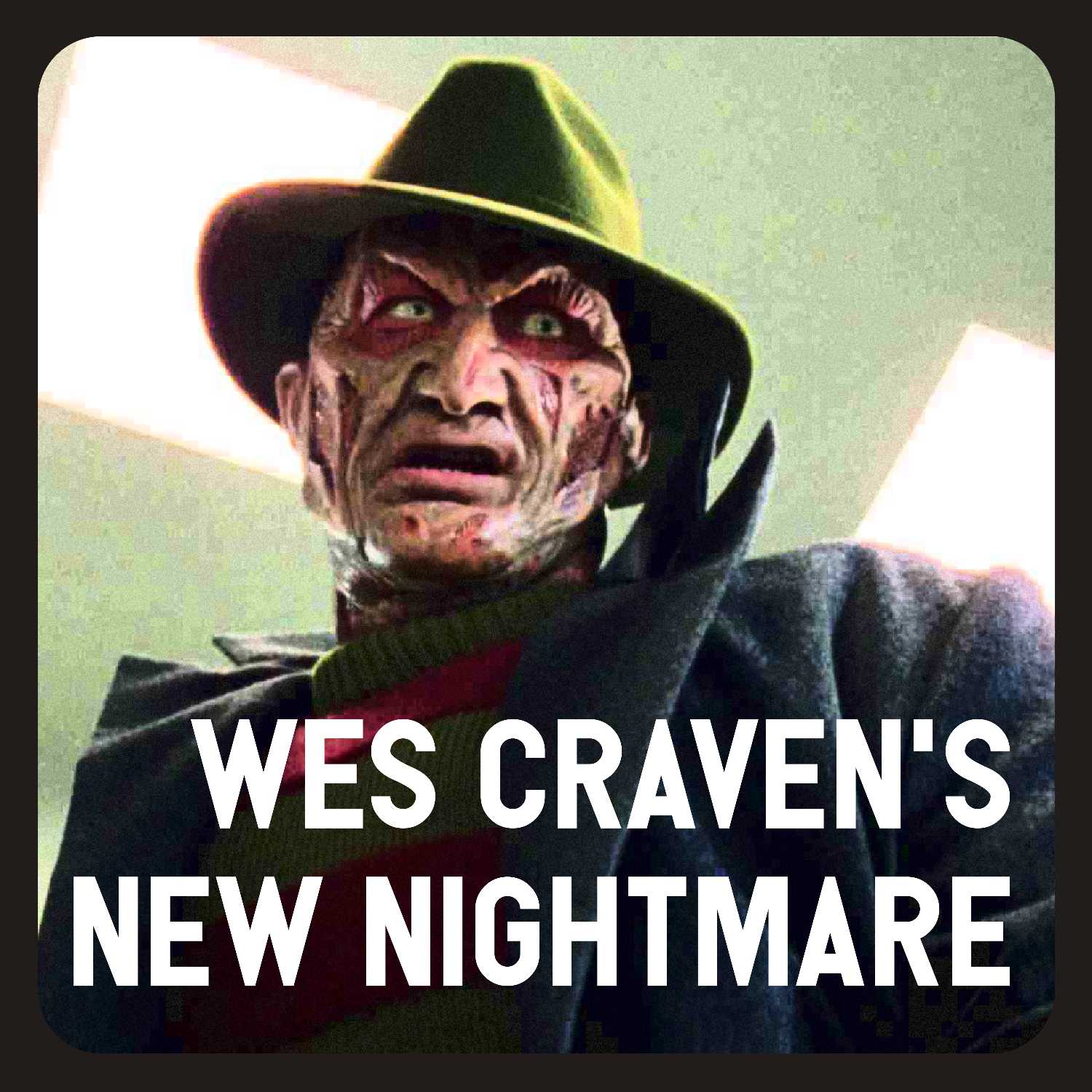
“Every kid knows who Freddy is. He’s like Santa Claus… or King Kong… or…”Wes Craven redefined horror cinema with his 1984 classic A Nightmare on Elm Street, but as the series expanded and a reel of sequels were released, the character of Freddy Krueger - the knife glove-wielding dream killer - grew beyond his control. It wasn't long before Freddy was toppled from his plinth of unfathomable villainy, becoming instead a familiar cultural touchstone and cash cow for corporate Hollywood. New Nightmare is Craven’s reclamation of his original creative vision and a reassertion of his directorial authority, as well as an acknowledgement of the enormous burden that success and celebrity can thrust on those cast members who become the unwitting ‘faces’ of Craven’s artistic visions. Heather Langenkamp must return to play Nancy one last time as one of horror’s most iconic villains reaches far beyond the boundaries of the filmic text to threaten not only everything that she holds dear, but even the fate of the world itself. Join Nick and Johanna for the penultimate episode of 'Meta-Horrors' as they explore the boundaries between film and fiction, and capitalism and creativity through the lens of an oft-overlooked horror classic...
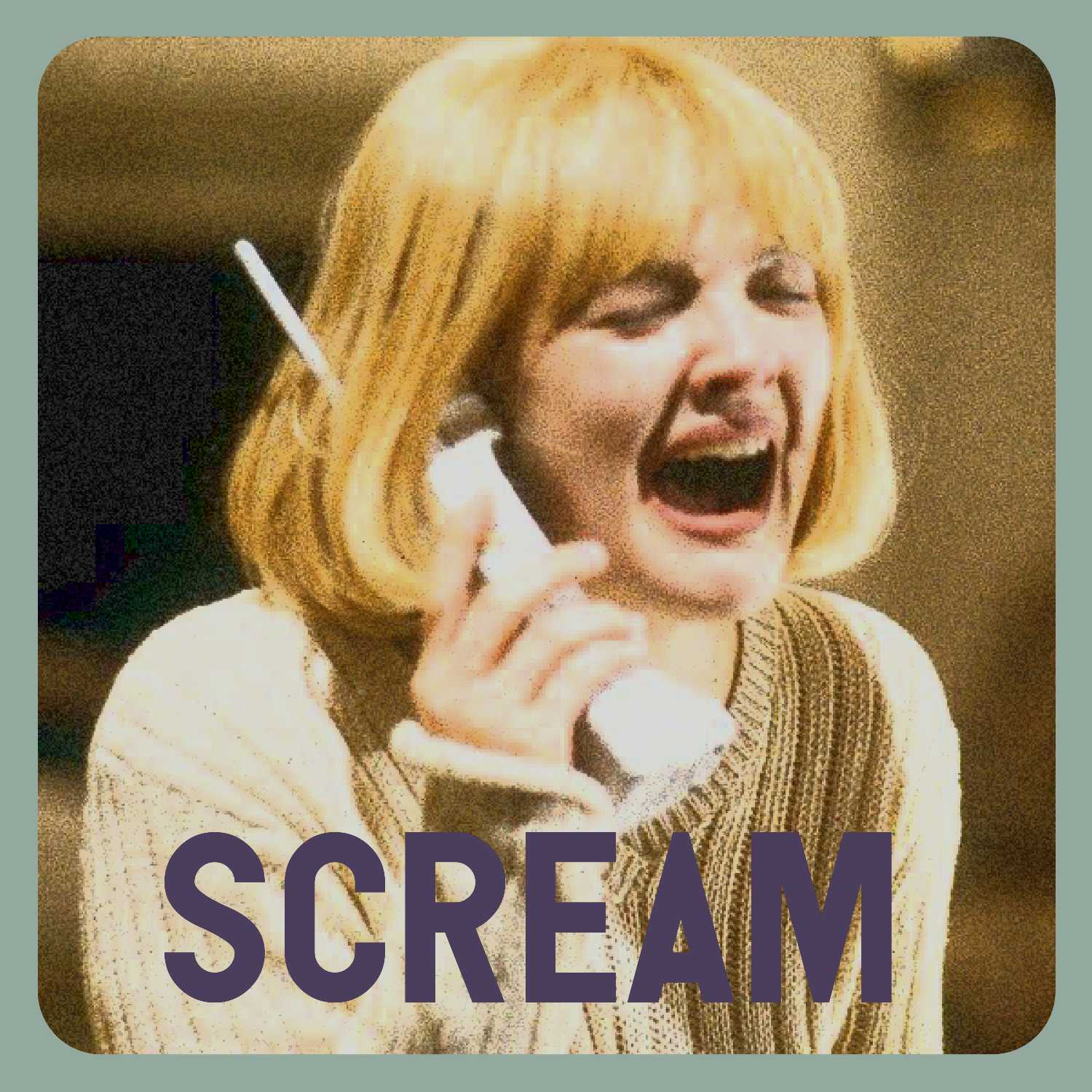
"Movies don’t create psychos; movies make psychos more creative!"Watching Casey Becker (Drew Barrymore) being terrorised by an unknown caller in the opening scene of 'Scream' invokes a rather peculiar nostalgia for that most mythical of devices: the landline. As we become ever more attached to our mobile phones, the landline - and all the anxieties it gave shape to concerning the melding of public and private realms - will soon be nothing more than an antique, a home accessory for the trend-conscious. It is now commonplace to be pestered relentlessly by our devices: phones ring, smart watches buzz, appliances speak, and Alexa listens to it all from her corner. Looking back from this age of unprecedented reachability, the mid-90s techno-paranoia embodied by the sadistic antagonist Ghostface, who toys with his victims on the phone before attacking them, is almost quaint.That's not to say that Wes Craven's 1996 slasher doesn't still pack plenty of genuine punches. After all, this is the film that not only spawned one of the most lucrative and critically respected horror franchises of all time, but also changed the game regarding how mainstream horror could seek to captivate an increasingly media-savvy audience. Meta-commentary takes centre stage in the film, supplying its teenage protagonists with both a roadmap of tropes by which they might manage to evade the Ghostface killer, and opportunity to subvert the time-worn conventions of the genre. In this sense, Sidney Prescott becomes more than just your run-of-the-mill Final Girl; she is able to shape her path through the narrative as much as the narrative works to shape her. So what are you waiting for? Turn off your notifications and tune in now to Part 5 of our 'Meta-Horrors' journey!Reading List:DELGADO , MICHELLE., 2021. How ‘Scream’ Explored the Exploitative Nature of the Nightly News.. [online] Horror Homeroom.MCGRATH-CONWELL, DEVIN., 2021. How Scream (1996) Takes a Stab at White American Masculinity - Horror Movie - Horror Homeroom. [online] Horror Homeroom.ROMANO, AJA., 2021. Scream turns 25 this year. Here’s how it changed horror movies forever.. [online] Vox.ROWE KARLYN, KATHLEEN., 2003. Scream, Popular Culture, and Feminism’s Third Wave: “I’m Not My Mother”.. [online] Colorado University: Genders 1998-2013.WEE, VALERIE. “The Scream Trilogy, ‘Hyperpostmodernism,’ and the Late-Nineties Teen Slasher Film.” Journal of Film and Video, vol. 57, no. 3, [University of Illinois Press, University Film & Video Association], 2005, pp. 44–61.
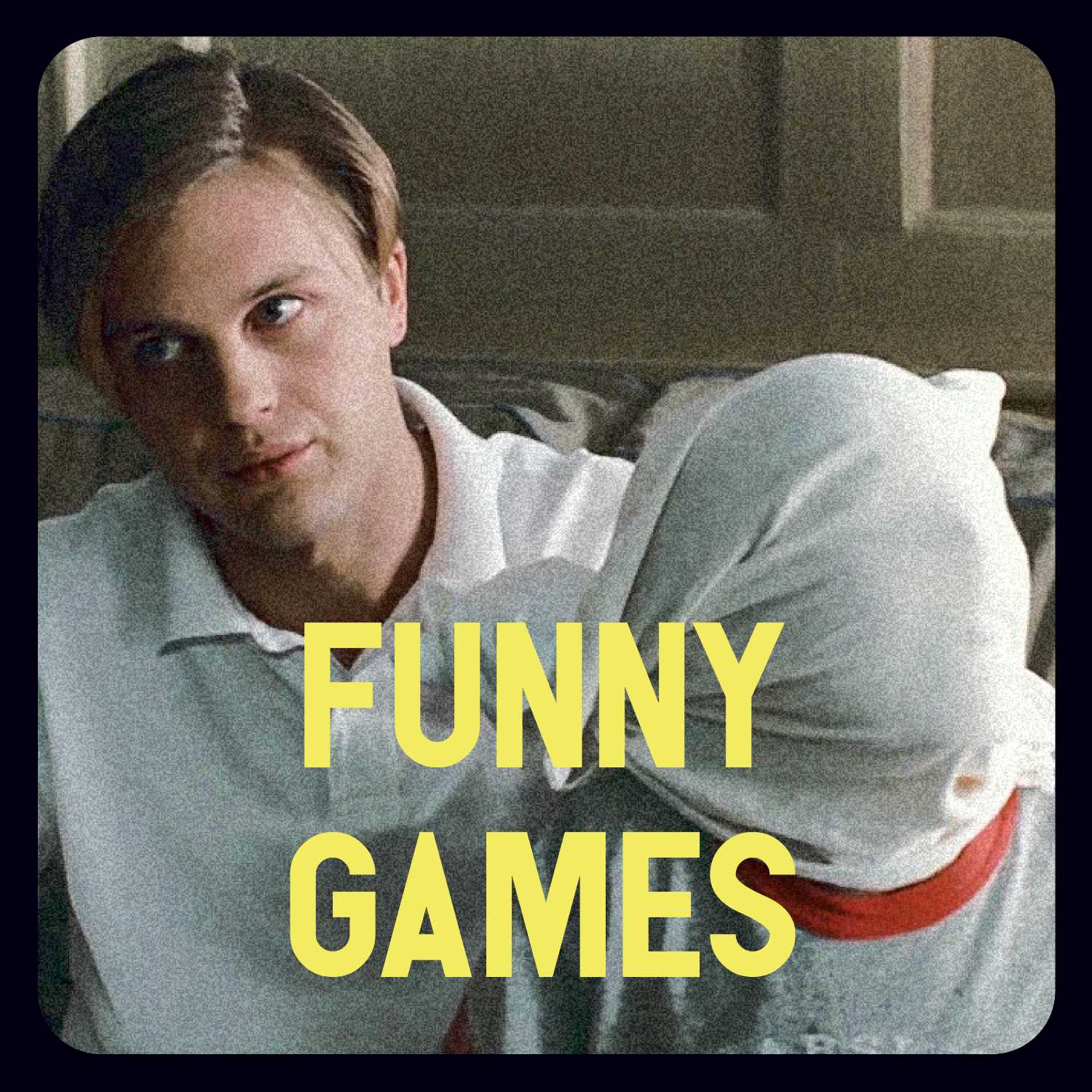
"You must admit, you brought this on yourself."Director Michael Haneke’s 2007 shot-for-shot remake of his psychological horror Funny Games, originally produced in 1997 in Austria, shocked and divided audiences and critics upon its release. Derided by some as needlessly sadistic whilst lauded by others as an intellectual confrontation of modern society’s obsession with violence, what all parties agreed on – including Haneke himself – was that the film’s narrative leads unambiguously to a pointless, nihilistic conclusion. Naomi Watts and Tim Roth play a wealthy American couple on holiday in the lakes with their child who are terrorised and held hostage by a pair of blonde, white-clad caddies who threaten to turn their lives into a literal horror movie. But why are we, the viewers, watching this unfold? In this week’s episode of the Ghastly Podcast Nick and Johanna focus on the 2007 remake with a reference to Haneke’s 1997 original, discussing horror as a spectator sport, the sociocultural meaning of violence, and the logistics of remakes and Americanisation.
"They don't want to see us killed. They want to see us punished."This week’s episode of the Ghastly Podcast sees Nick and Johanna continuing their deep dive into meta-horror with a look at 2011’s Cabin in the Woods, described by its own co-writer and producer (one Joss Whedon) as a ‘loving hate letter’ to the genre. Five college students – one a dumb blonde, her jock boyfriend, the nice girl, a shy nerd with a crush on her, and the stoner who tags along – take a weekend vacation to an isolated cabin in the woods, ignoring the warnings of locals about its dark history. Think you’ve heard this story before? Think again. Nick and Johanna discuss the merits and drawbacks of Drew Goddard’s classic subversion of the genre and ask whether a parody of horror with one eye always on the fourth wall can really claim to be outside the conventions that it critiques.
"Gilderoy, this is going to be a fantastic film. Brutal and honest. Nobody has seen this horror before."Nick and Johanna’s exploration of meta-horror continues with a particularly unique example of the genre, Peter Strickland’s Berberian Sound Studio. In this film, Strickland takes us behind the scenes to work with mellow English sound engineer Gilderoy, recently arrived in Italy having been personally asked to work on director Giancarlo Santini’s giallo film The Equestrian Vortex - the first horror film Gilderoy has ever worked on. We never get to see the film – sound is the only sense that we can use to experience Santini’s creation – but the psychological effects of production are clear to see on both Gilderoy and Santini’s tortured cast members. Strickland lifts the lid on an often forgotten aspect of film production, while proving that horror is in the ear as well as the eye of the beholder...
"People think that I create the horror, but I don't. Horror is already out there, in all of us. It's in you."This week marks the beginning of a new series entitled 'Meta-Horrors', starting with a discussion of the 2021 release CENSOR, the debut feature of British director Prano Bailey-Bond. Set in the mid-1980s at the height of the Video Nasties panic, the film follows Enid, a strait-laced censor who works for the BBFC, but who begins to find herself strangely compelled by one particular film she is asked to assess. Bailey-Bond’s film is a love letter to the genre and to the 1980s, lovingly shot on a mixture of film, Super8 and VHS, but with a grisly underbelly. Inspired by the real debates around horror and censorship in general that dominated political discourse in Thatcherite Britain, Bailey-Bond brings the question into the 21st century. Nick and Johanna discuss the question of the morality of horror and more, kicking off the beginning of an exciting foray into the elusive, kaleidoscopic world of metatextuality.
"Birth and death are extraordinary experiences. Life is a fleeting pleasure."Nick and Johanna’s three-part exploration of the theme of dance in horror cinema concludes with Gaspar Noé’s 2018 film CLIMAX, set in the deep winter of 1996 in France. CLIMAX follows one night in the lives of a dance troupe whose post-rehearsal sangria is spiked with LSD, leading to nightmarish consequences. All the while, dance and music are at the forefront of the film, with Noé including two extended single-cut dance sequences. If nothing else, CLIMAX is an incredible technical feat, and Noé manages to extract both stunningly executed choreography as well as raw, partly improvised performances from a cast of largely untrained actors. But this is a Noé film, after all, and the technical perfection of the dancers soon gives way to a much more lawless world of violence and sexuality. Nick and Johanna compare and contrast the role of dance in CLIMAX with that of both versions of Suspiria, along with other topics including French identity, violence, and the sense of self versus civilisation.
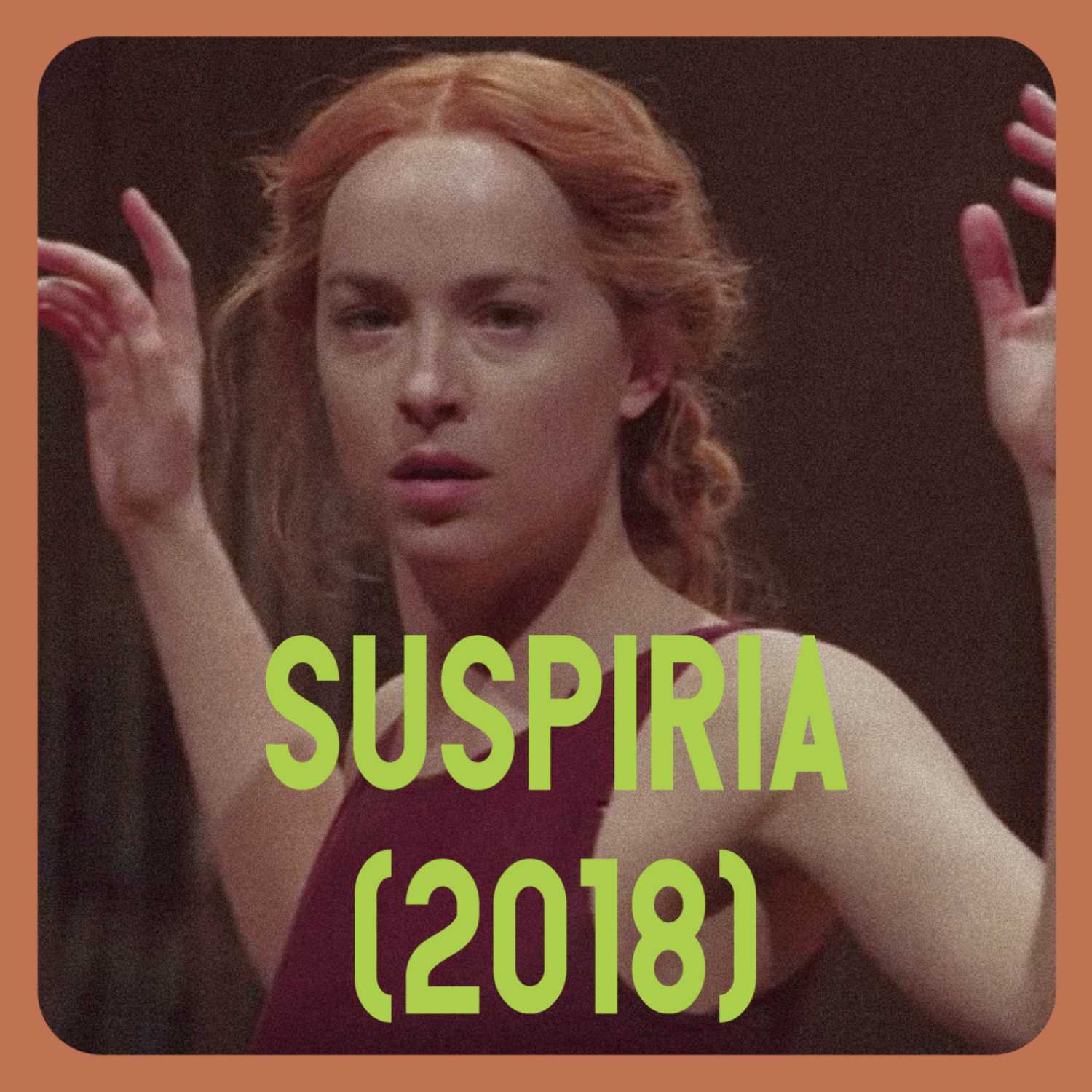
"When you dance the dance of another, you make yourself in the image of its creator..."This week Nick and Johanna continue their exploration of dance in horror cinema with Luca Guadagnino's 2018 reimagining of the cult classic. Starkly different to the 1977 film in both style and substance, 2018's Suspiria makes a bold and admirable effort to establish its own unique interpretation of the original's disturbing premise while bedding the machinations of the cult within a broader historical context. There is no denying that the 2018 version of Suspiria has crafted an enthralling vision of dance as a physical manifestation of witchcraft. Choreographer Damien Jalet's angular, disjointed movements tap into a raw feminine energy that feels both primal and powerful, and the extended performance sequences alone are utterly bewitching. But how does this remake compare to the original? Join Nick and Johanna for an in-depth discussion of 2018's Suspiria, with topics ranging from the film's referencing of the holocaust to Argento's own response to the work.
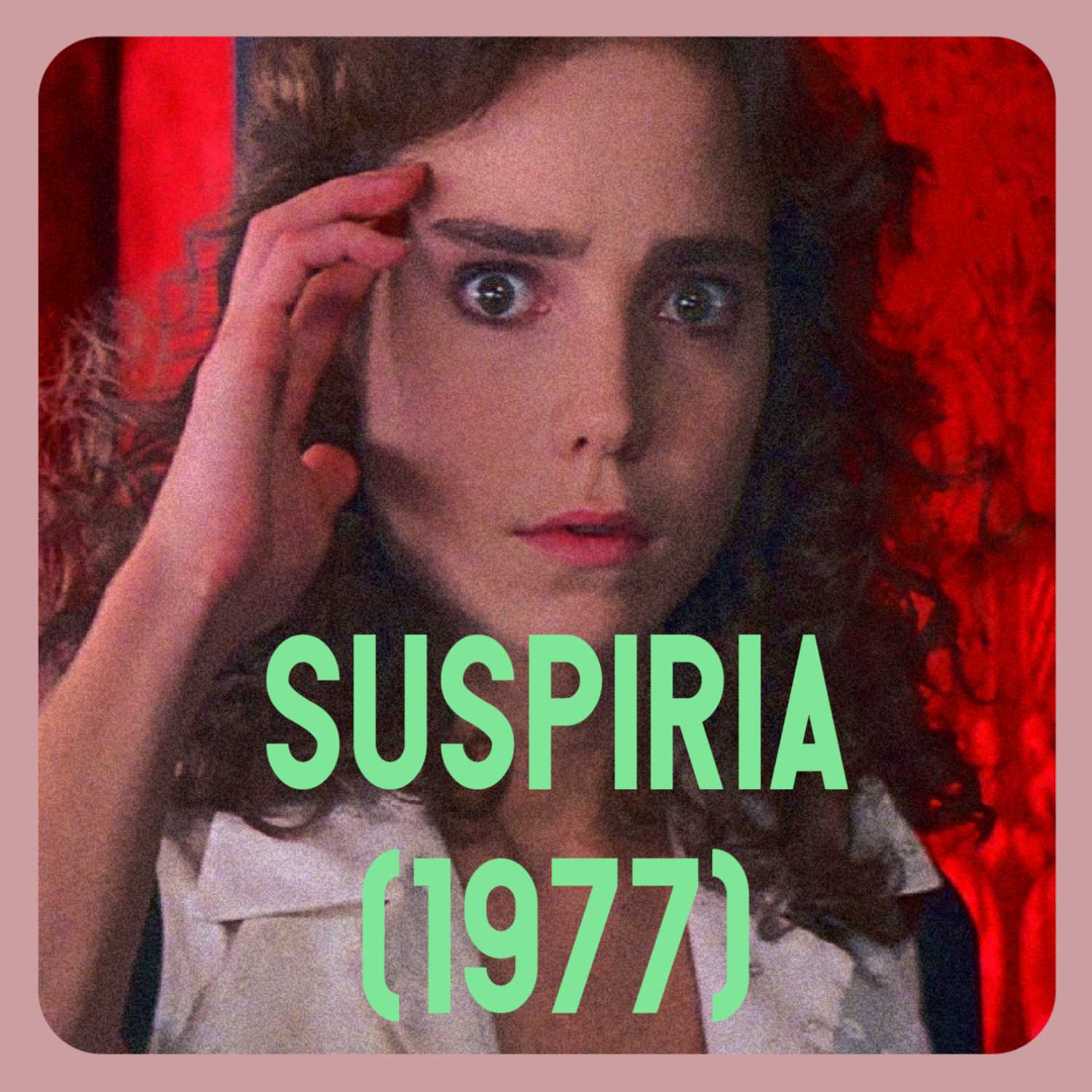
"do you know anything about... witches?"There is only one way to kick off a new three-part series on dance in horror cinema, and that is with Dario Argento's legendary 1977 work Suspiria. Taking place in a dance school nestled deep within Germany's black forest, the film follows ballet student Susie Bannion as she uncovers a disturbing truth: that the academy is being run by a coven of witches. Though the film has long been admired for its pioneering film techniques, gorgeous cinematography and extraordinary score, there has been surprisingly little wider recognition of the role played by dance within the film. There's much to be unpacked, so join Nick and Johanna for a fascinating and lively discussion that will demonstrate how the theme of dance significantly enriches the film's messages about power, femininity and violence. Suspiria is a twisted technicolour fairytale, a lurid descent into the uncanny that, even now, possesses the power to unsettle even the most seasoned horror fan. Join us if you dare...
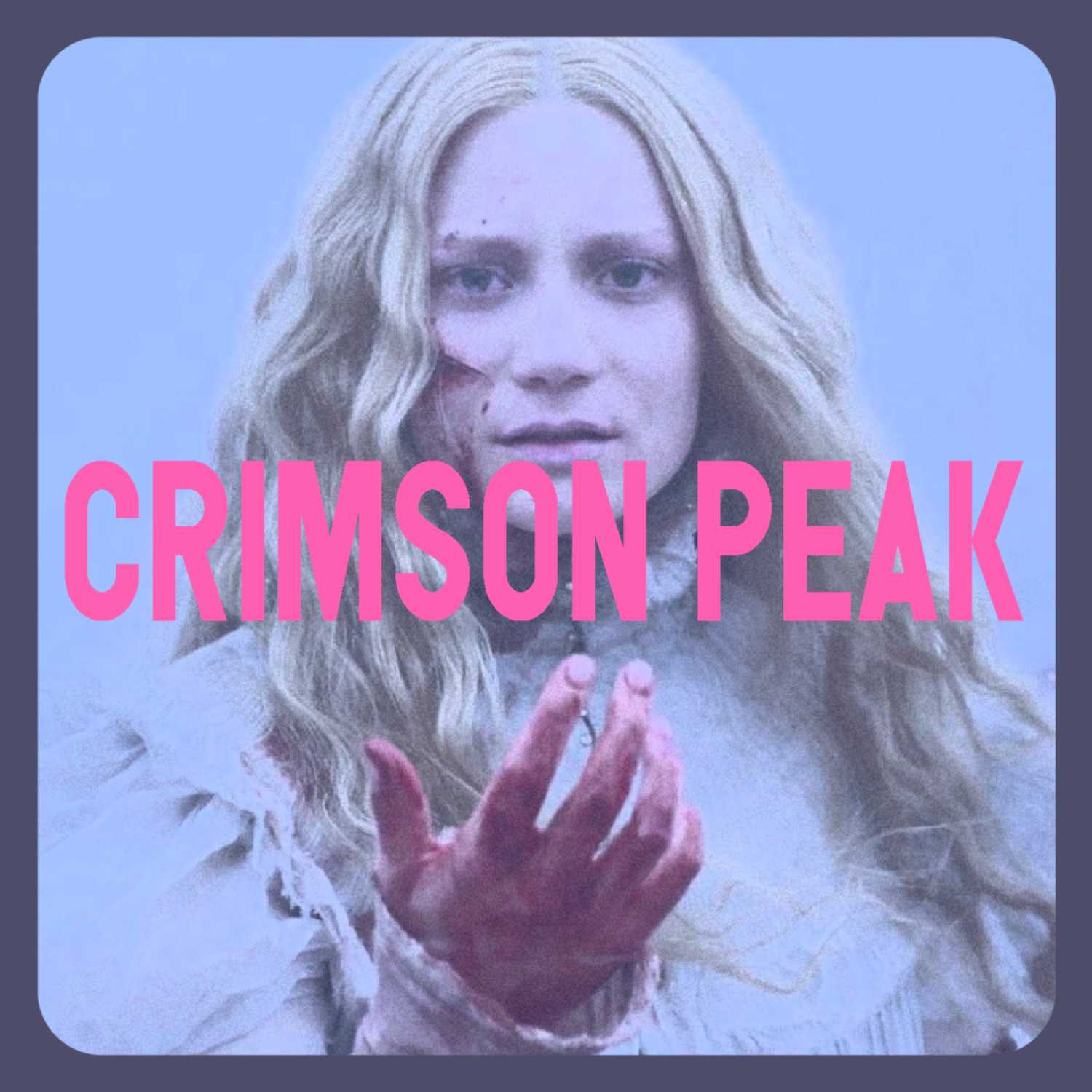
"A house as old as this one becomes, in time, a living thing. It starts holding onto things..."There are few voices in contemporary cinema that are as defiantly idiosyncratic as that of Guillermo Del Toro, and 2015's Crimson Peak could well be the Mexican filmmaker's most idiosyncratic work to date. A fitting final instalment to our six-part series on horror film, this neo-Victorian tale of love, murder and ghosts is both a visual feast and a passionate love letter from Del Toro himself to the Gothic genre.
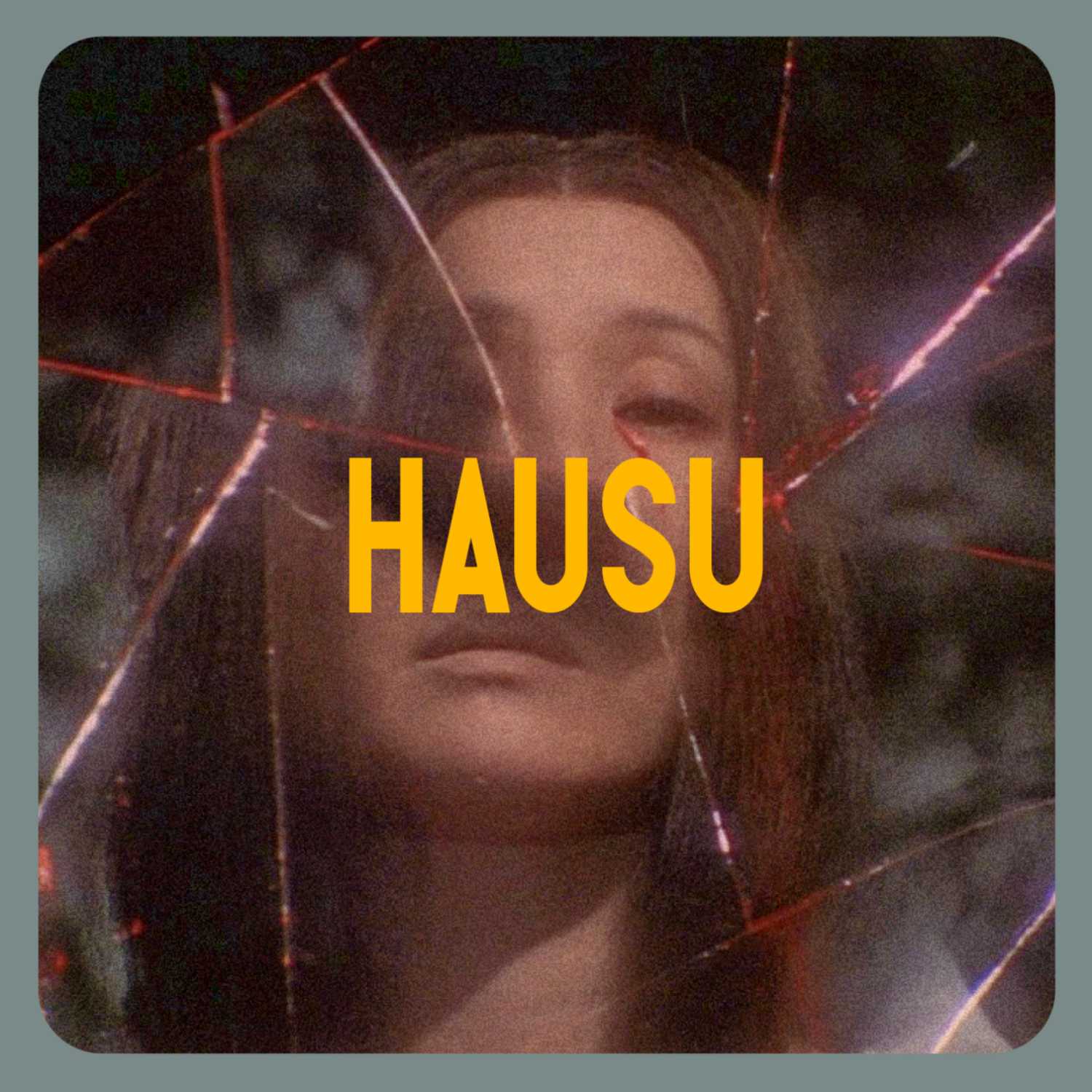
"The one thing that never perishes... the only promise... is love..."There are films that are unique, and then there's Hausu. Released in Japan in 1977, the film initially garnered lukewarm reviews from critics but rapidly became revered as a cult masterpiece, blending brain-scrambling experimental visuals with a hyper-surreal blend of horror, comedy and melodrama. The film follows schoolgirl Gorgeous as she travels with her six friends to spend the summer holidays at her mysterious aunt's house in the country. But what was intended to be an innocuous break from the city holiday quickly unravels into the holiday from hell (quite literally), as a vengeful demonic spirit seeks to pluck the girls off one by one and consume their youth. With a script co-written by Obayashi's 2 year-old daughter Chigumi, Hausu is not just a gloriously warped reinterpretation of the haunted house trope, but is also an unsettling adventure in to the pre-adolescent subconscious that refuses to conform to expectation. Whether admired or mocked, Hausu can never be forgotten. Join Nick and Johanna for what is guaranteed to be a wild ride!
"Oh, Mother of God, I'm coming apart!"Join us this week as our six-part Haunted Houses series continues with Stuart Rosenburg's The Amityville Horror, the film that kickstarted one of the most relentless cinematic franchises in history. Adapted from Jay Anson's eponymous 1977 novel, The Amityville Horror established the modern haunted house as we know it, and countless cultural works are indebted to its vision of an American middle-class family beset by malignant supernatural forces. We hope you enjoy the episode!
"Can't you feel it? It's alive...watching...."No discussion of horror cinema's haunted houses would be complete without Robert Wise's seminal 1962 film The Haunting. Join us as Nick and Johanna take a look at some of the complex themes and ideas that lie just beneath the surface of this chilling masterpiece. We hope you enjoy this episode!
"There'll be food and drink, and ghosts... and maybe even a few murders. You're all invited..."Continuing our Haunted Houses series, this week Nick and Johanna pick apart the somewhat overlooked William Castle production The House on Haunted Hill (1959). The House on Haunted Hill sees Vincent Price at his most eccentric and watchable as the sinister millionaire Fredrick Loren, who challenges a party of strangers to spend the night in a haunted house, with a cash prize of $10,000 awaiting anyone who can make it till dawn. Unabashedly camp, melodramatic and armed with a wonderfully schlocky twist, The House on Haunted Hill is a highly entertaining romp that still packs quite a punch. We hope you enjoy the episode!
"Do you dare enter?"To celebrate the launch of The Ghastly Podcast, hosts Nick and Joanna kick off a six-part inaugural special focusing on the iconic haunted houses of horror cinema. This week Nick and Johanna take a look at the early Universal classic The Old Dark House (1932), directed by James Whale.
Comments

Download from Google Play

Download from App Store
 United States