



Biz Talk
Subscribed: 15Played: 114
Subscribe
© Copyright @ China Plus
Description
Biz Talk gives an in-depth look into how top companies around the world conduct business and how policymakers view the fast-changing world economy. It presents 360 degree profiles of industry movers and shakers, tech mavericks and policymakers, and drills down on the stories behind their success, to give you clarity on what's happening in every facet of business.
209 Episodes
Reverse

China's February economic report card is out! Fresh economic data, fresh insights. CGTN's Zhu Zhu and Aaron Liu, who had covered the Two Sessions, connect with Zhu He of CF40 and Einar Tangen, senior fellow at Center for International Government Innovation, to break down the latest data. What's the state of play in early 2026? And how do today's figures shape tomorrow's 15th Five-Year Plan?
Amid sluggish global economic recovery, China's 2026 GDP target of 4.5-5% reaffirms its commitment to high-level opening-up. What opportunities await foreign investors in industries such as services, green energy, and digital trade?
China is placing artificial intelligence at the heart of its next wave of economic transformation. This year’s government work report calls for creating new forms of “smart economy,” signaling a shift from simply applying AI to individual sectors toward a broader transformation of the economy. At the same time, China has set a target for the digital economy to account for 12.5 percent of GDP by 2030, up from 10.5 percent last year. What do all these tell us about the direction of China’s economic transformation? Could the smart economy become the country’s next major engine of growth — and what new opportunities might come with it?
China's "Two Sessions" have opened as global markets seek clarity on growth, policy support, and reform direction amid economic uncertainty.
China has set its economic growth target for 2026 at around 4.5 to 5 percent. Premier Li Qiang announced the target in the government work report at the opening of this year’s National People's Congress in Beijing. The report outlines a more proactive policy stance, with measures to expand domestic demand, stabilize employment, and strengthen market confidence. It also emphasizes scientific research, high-tech innovation, and industrial upgrading as key drivers of future growth. What’s the thinking behind this growth target? What do these policy signals tell us about the direction of China’s economy?
The United States has begun collecting a temporary 10 percent global import tariff, with the White House signaling it hopes to raise it to 15 percent. The move has added to confusion over U.S. trade policy and comes after the Supreme Court ruling striking down broad tariffs imposed last year.
With legal battles unfolding and lawmakers pushing for potential tariff refunds, businesses and trading partners are questioning the direction of American trade strategy.
What does this mean for U.S. businesses and global markets? Where is American trade policy heading? How will the US tariff impact global trade?
With 87 percent of Chinese companies planning to increase AI investment in 2025 and more than half reporting faster than expected progress, China's AI momentum is accelerating. Simultaneously, the State Council's AI+ Action Plan is pushing adoption in priority sectors, from manufacturing and energy to healthcare, finance and retail. Guan Xin hosts a panel discussion at the World Economic Forum's Annual Meeting with distinguished guests in the AI sector, to examine China's evolving AI architecture and what lessons its AI+ approach offers for global AI strategies.
As China welcomes the Year of the Horse, Spring Festival once again becomes more than a holiday -- it becomes a national barometer.
Rooted in thousands of years of tradition, Spring Festival remains China's warmest cultural landmark. But today, it is also a high-frequency economic indicator. When tradition meets AI-powered retail, green consumption, immersive tourism, and a digital payment ecosystem, the question is no longer whether the festival is changing-- but how that change is propelling China's growth.
This year, travel has surged to record levels. Box office revenues have climbed. Tourism has rebounded across cities big and small. Smart retail and AI-driven services are scaling rapidly. Together, these signals offer a snapshot of domestic demand, consumer confidence, and the speed of technological transformation in the world’s second-largest economy.
What do all these trends reveal about China’s consumer momentum and economic trajectory in the year ahead?
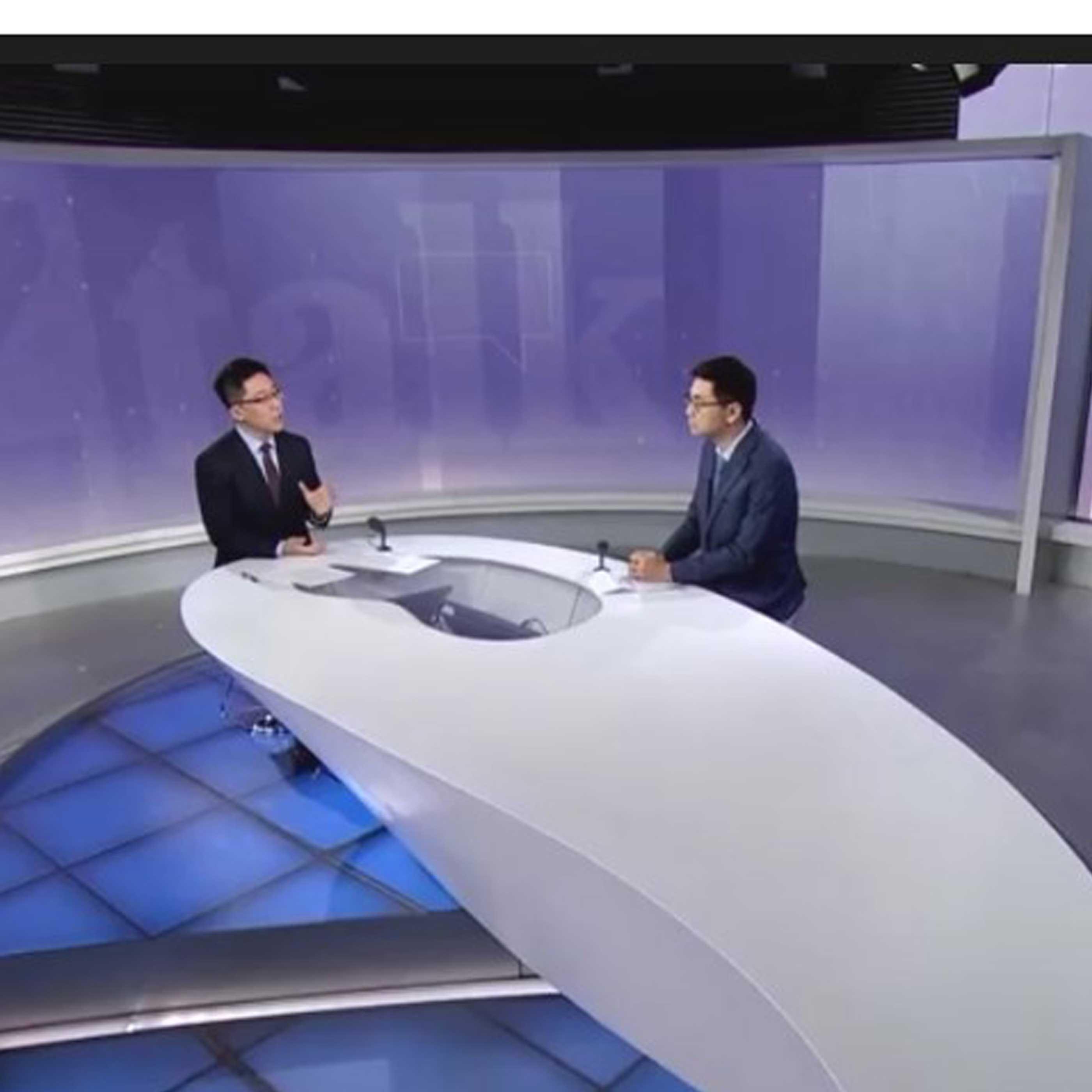
At a time of heightened global uncertainty, China and several European countries have stepped up diplomatic engagement. In recent months, a number of European leaders have visited China with discussions covering trade, technology, energy, and broader economic cooperation. These visits come as Europe grapples with slowing growth, energy security concerns and ongoing geopolitical pressure, raising questions about how China-Europe economic relations are evolving and what's driving this renewed engagement.
According to Caixin, a number of Chinese provinces fell short of their growth targets in 2025. Guangdong, the country's largest provincial economy, expanded by 3.9 percent, while Jiangsu narrowed the gap with a stronger 5.3 percent growth. Other major provinces, including Shandong and Zhejiang, grew by 5.5 percent or more. These numbers point to a deeper shift. As China moves into a new stage of development, growth rates alone no longer tell the full story. Why has "how fast" the economy grows become less important than "how well" it grows?
British PM Keir Starmer's first official China visit in eight years had a clear goal: boosting economic opportunities for UK firms. Accompanied by over 50 business leaders, the trip sought to revive the UK economy through China's market. What results did it achieve, and what lies ahead?
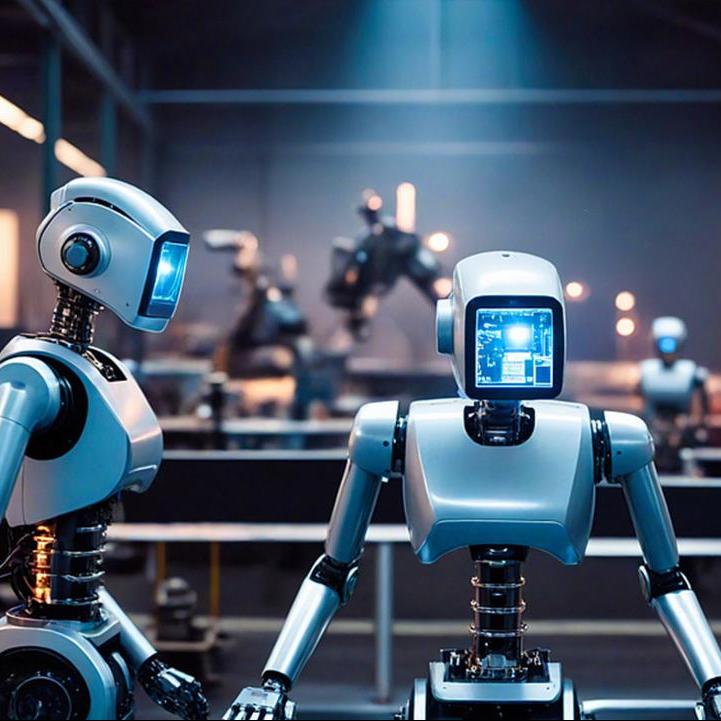
China is accelerating its push to become a global innovation powerhouse. There are three international technological innovation centers at the heart of the strategy: Beijing, Shanghai, and the Guangdong-Hong Kong-Macao Greater Bay Area. At the same time, China is doubling down on “industries of the future” -- from humanoid robots and quantum computing to brain-computer interfaces and 6G. Why is China prioritizing these frontier technologies as new engines of growth? How do China’s three innovation hubs differ in function and strategy? And how do they work together to help China move up the global innovation value chain?
Biz Talk host Zhao Yang talked with Yan Liang, Professor of Economics, Willamette University; Qu Qiang, Fellow of Belt and Road Research Center at Minzu University of China; Andy Mok, Professor at Beijing Foreign Studies University.
After an 8-year gap, the British Prime Minister has arrived in China, seeking a more pragmatic relationship. Leading a major business delegation, the visit aims to unlock trade and investment opportunities at a time of global instability. How will this long-awaited trip reshape the future of China-UK relations?
China’s commercial space sector is taking off as a new engine of growth. Once dominated by state-led programs, China's space sector is undergoing rapid commercialization. Private companies are expanding into new areas such as satellites, launch vehicles, and space services, reshaping the industry's scale, speed, and structure. Why is the commercial space sector becoming such a strategic focus in China? What does this mean for industry players and investors?
The World Economic Forum Annual Meeting 2026 has come at a pivotal moment for the global economy, as uncertainty, rapid technological change, and rising geopolitical risks continue to reshape the world. Against this backdrop, participants are asking a critical question: how can the international community preserve cooperation and build greater resilience in an increasingly complex and challenging environment?
The World Economic Forum’s annual meeting has wrapped up in Davos against a backdrop of rising geopolitical tensions and global economic uncertainty. This year’s theme, “A Spirit of Dialogue,” underscores a growing recognition that cooperation is no longer optional, it’s essential. China has been firmly in focus. From meeting its 5 percent growth target in 2025 to its expanding role in advanced manufacturing, green technologies and artificial intelligence, China is being discussed as both a stabilizer of global growth and a driver of future innovation. With China’s GDP surpassing 140 trillion yuan for the first time, what do these signals really tell us about the Chinese economy? What does China’s presence at Davos mean for the global economy, investors, and international cooperation?
As the World Economic Forum prepares for Davos 2026, we look behind the scenes. How is its influential agenda set? How does the forum turn annual dialogue into lasting impact for the future?
China's foreign trade hit a new record high in 2025. Total imports and exports rose 3.8 percent to 45.5 trillion yuan, or 6.5 trillion U.S. dollars, marking the ninth year of growth. Exports rose 6.1 percent, while imports increased 0.5 percent to a record 18.5 trillion yuan, as China maintained its position as the world’s second-largest import market for the 17th year. Trade ties also became broader and more diversified, with China trading with more than 240 countries and regions, including its Belt and Road partners, which accounted for over half of total trade. So, what is driving this resilience—and what does it signal for China's role in global trade? What does it mean for China's economy?
The geopolitical struggle between the U.S. and Venezuela has once again placed energy and economics at center stage. How is this conflict reshaping world supply chains, market expectations, and the international economic order?
China’s equity markets have kicked off 2026 with a bang, with the Shanghai Composite Index climbing to a 10-year high. The rally builds on strong momentum from last year, when an AI-driven surge pushed the A-share market to its best annual performance in six years. As major global investment banks turn increasingly bullish on Chinese equities, we ask a key question: what is driving this market surge? What’s the situation of China’s economy at the start of 2026?
Host Zhao Yang talked with Yan Liang, Professor of Economics, Willamette University;Dr. Zhou Mi, Senior Research Fellow with Chinese Academy of International Trade and Economic Cooperation;Qu Qiang, professor from Minzu University of China.

Comments

Download from Google Play

Download from App Store
 United States