


 Claim Ownership
Future Energy Perspectives
Subscribed: 5Played: 17
Subscribe

© 2022
Description
We know that we need to act now to reach net zero. We also know the key building blocks to make this future a reality: accelerate renewables, phase out fossil fuels, expand the grid and decarbonise industry.
That’s why in 2023, Power Engineering International and Siemens Energy continue with the second season of the Future Energy Perspectives series. Building on last year’s incisive insight from Siemens Energy experts into the essential pathways to-wards a decarbonized world, the new season focusses more on the nuts and bolts we need to turn these goals into reality. For starters, we’ll look at why replacing potent greenhouse F-gases used for insulating switchgear is crucial.
We’ll also explain the importance of cybersecurity for power generation and transmission; the prospects of carbon capture; and the role of peaker plants in a new energy system. In short, it´s clear that to make net zero happen, we also need to get the details right. That’s our aim with the new Future Energy Perspectives series.
For more information, visit https://www.powerengineeringint.com/future-energy-perspectives/
That’s why in 2023, Power Engineering International and Siemens Energy continue with the second season of the Future Energy Perspectives series. Building on last year’s incisive insight from Siemens Energy experts into the essential pathways to-wards a decarbonized world, the new season focusses more on the nuts and bolts we need to turn these goals into reality. For starters, we’ll look at why replacing potent greenhouse F-gases used for insulating switchgear is crucial.
We’ll also explain the importance of cybersecurity for power generation and transmission; the prospects of carbon capture; and the role of peaker plants in a new energy system. In short, it´s clear that to make net zero happen, we also need to get the details right. That’s our aim with the new Future Energy Perspectives series.
For more information, visit https://www.powerengineeringint.com/future-energy-perspectives/
14 Episodes
Reverse
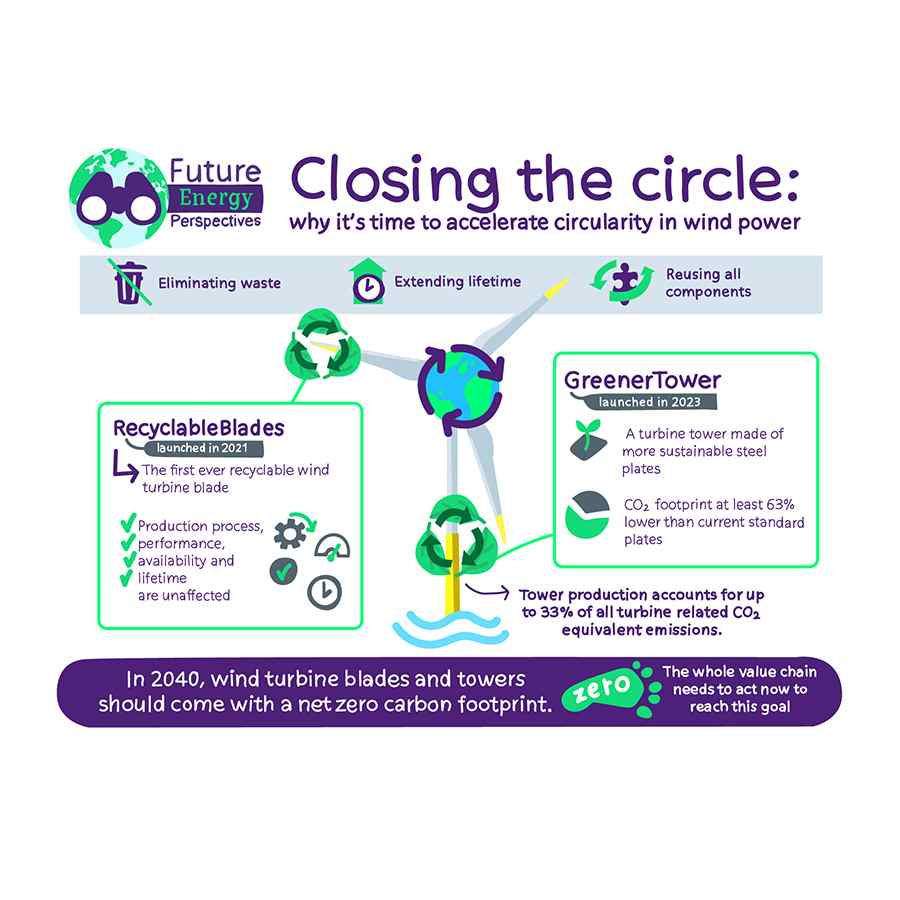
With wind power capacity expected to increase exponentially, manufacturers are developing circularity solutions to make turbines with a net zero carbon footprint. Maximilian Schnippering of Siemens Gamesa explains how these breakthroughs are happening.
Image by Siemens Energy
Text by Maximilian Schnippering
Read by Philip Gordon
For more info, visit: https://www.powerengineeringint.com/future-energy-perspectives/

The cement and steel industries are notoriously hard to decarbonise, yet their production plants generate the solution: waste heat. Tobias Panse of Siemens Energy explains waste heat recovery technologies in this episode of Future Energy Perspectives.
Image by Siemens Energy
Text by Tobias Panse
Read by Philip Gordon
For more info, visit: https://www.powerengineeringint.com/future-energy-perspectives/
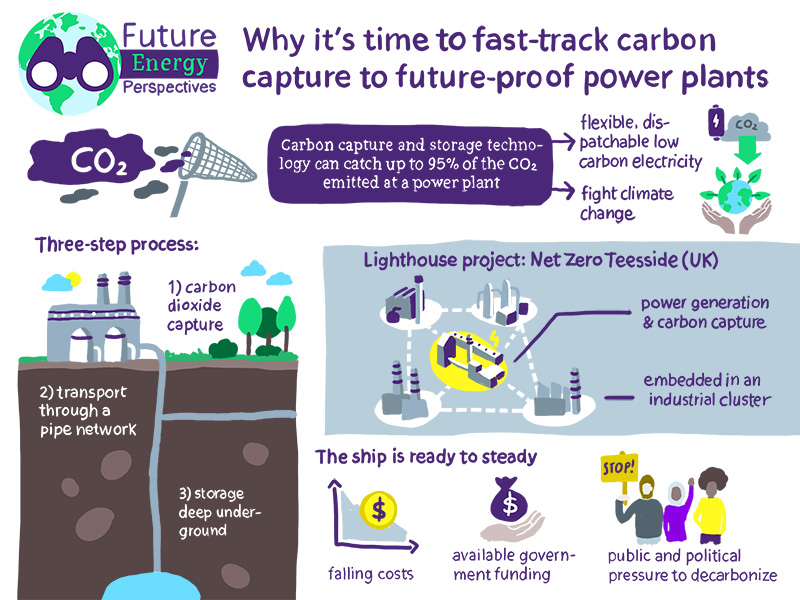
Carbon capture, utilization and storage technology isn’t new and it’s been much maligned and overlooked. Yet Daniel Hofmann of Siemens Energy says that is changing. He explains why, and also makes the case for CCUS as an essential ‘no regrets’ technology to achieve climate change targets and to future-proof power plants.
Image by Siemens Energy
Text by Daniel Hofmann
Read by Philip Gordon
For more info, visit: https://www.powerengineeringint.com/future-energy-perspectives/

It is an uncomfortable fact that there is no way of futureproofing power assets against unknown cybersecurity threats. However, it is also true that energy companies can be smart, vigilant and adaptable about cyber threats if they apply a ‘defence in depth’ concept. In this episode of the Future Energy perspectives series, Bernhard Mehlig, cybersecurity specialist at Siemens Energy, explains how.
Image by Siemens Energy
Text by Bernhard Mehlig
Read by Philip Gordon
For more info, visit: https://www.powerengineeringint.com/future-energy-perspectives/
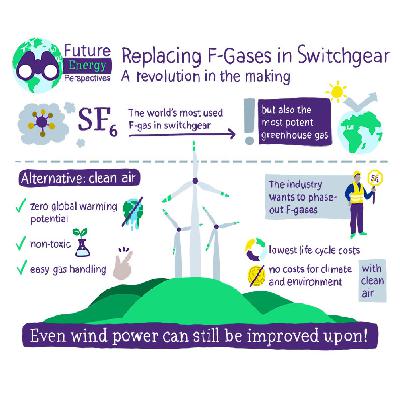
Welcome to the second season of the Future Energy Perspectives series. In this episode, Dr Mark Kuschel of Siemens Energy talks about alternatives to using SF6 (sulphur hexafluoride) as insulation gas in high-voltage switchgear. A decade ago, there were no viable alternatives to this this fluorinated gas, even though this F-gas is considered to have the highest global warming potential. Now that alternatives are available, the F-gas era appears to be ending.
Image by Siemens Energy
Text by Dr Mark Kuschel
Read by Philip Gordon
For more info, visit: https://www.powerengineeringint.com/future-energy-perspectives/
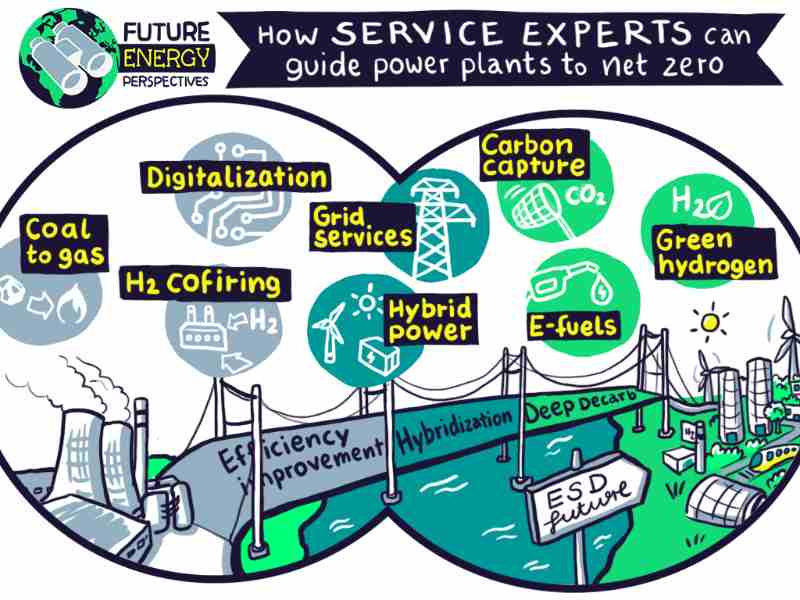
There is a suite of innovative options available to power plant operators trying to balance the need to decarbonize with an ageing workforce, increased costs, and how to create new revenue streams. Jens Klingemann and Robin Höher of Siemens Energy lift the lid on some of the most effective service solutions.
Image by Siemens Energy
Text by Jens Klingemann and Robin Höher
Read by Philip Gordon
For more info, visit: https://www.powerengineeringint.com/future-energy-perspectives/
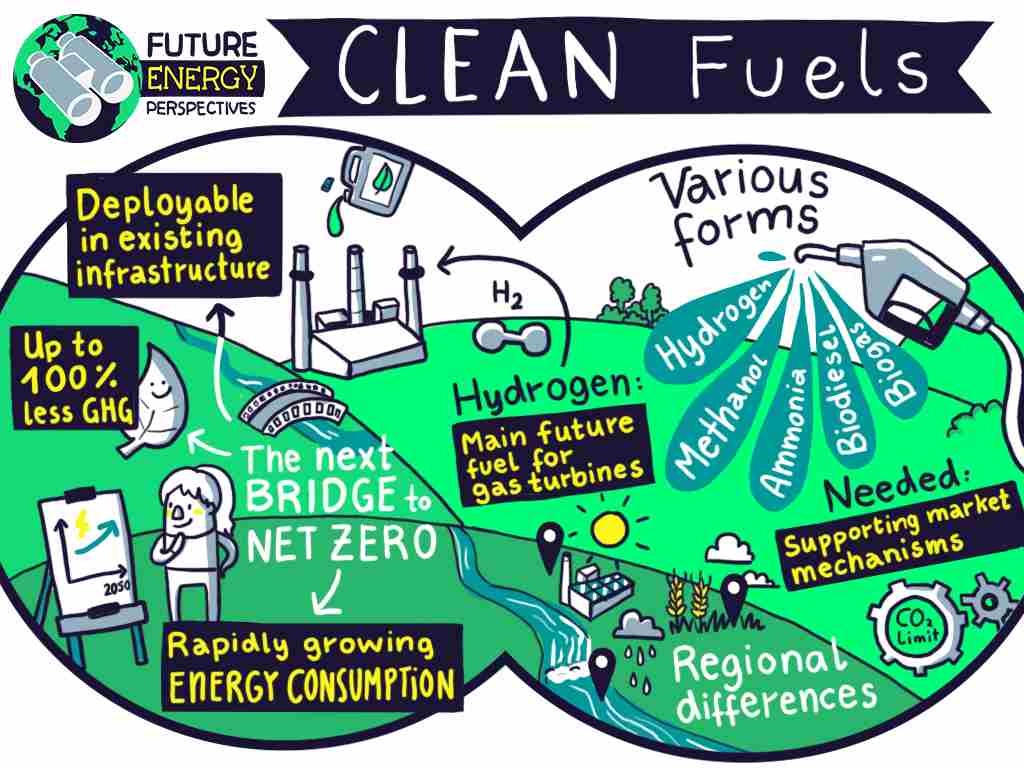
Clean fuels are expected to play a vital role for the energy transition. In this audio article, ‘Scaling up clean fuels for net zero’, Erik Zindel of Siemens Energy takes a deep dive into hydrogen, its derivatives and biofuels to explain how they will help gas-fired power plants stay relevant.Image by Siemens EnergyText by Erik ZindelRead by Philip GordonFor more info, visit: https://www.powerengineeringint.com/future-energy-perspectives/
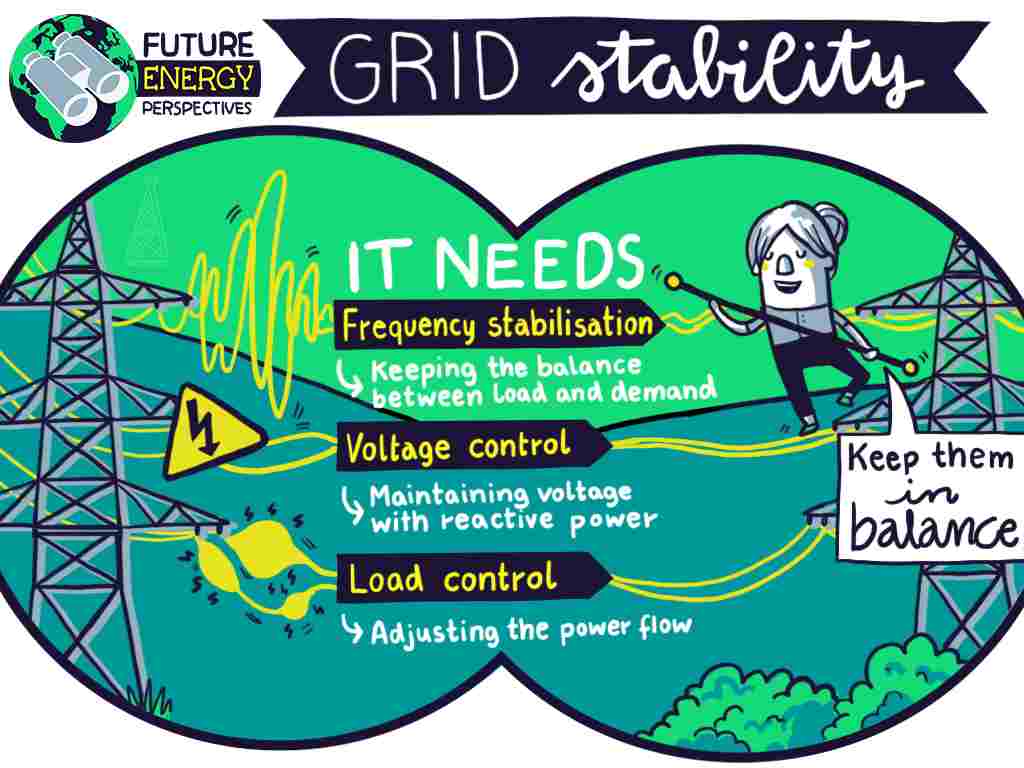
Thorben Fohrmann and Bernd Niemann from Siemens Energy explain how to ensure the stability of power grids built for central power plants in an age of increasing distributed generation.
Image by Siemens Energy
Text by Thorben Fohrmann and Bernd Niemann
Read by Philip Gordon
For more info, visit: https://www.powerengineeringint.com/future-energy-perspectives/
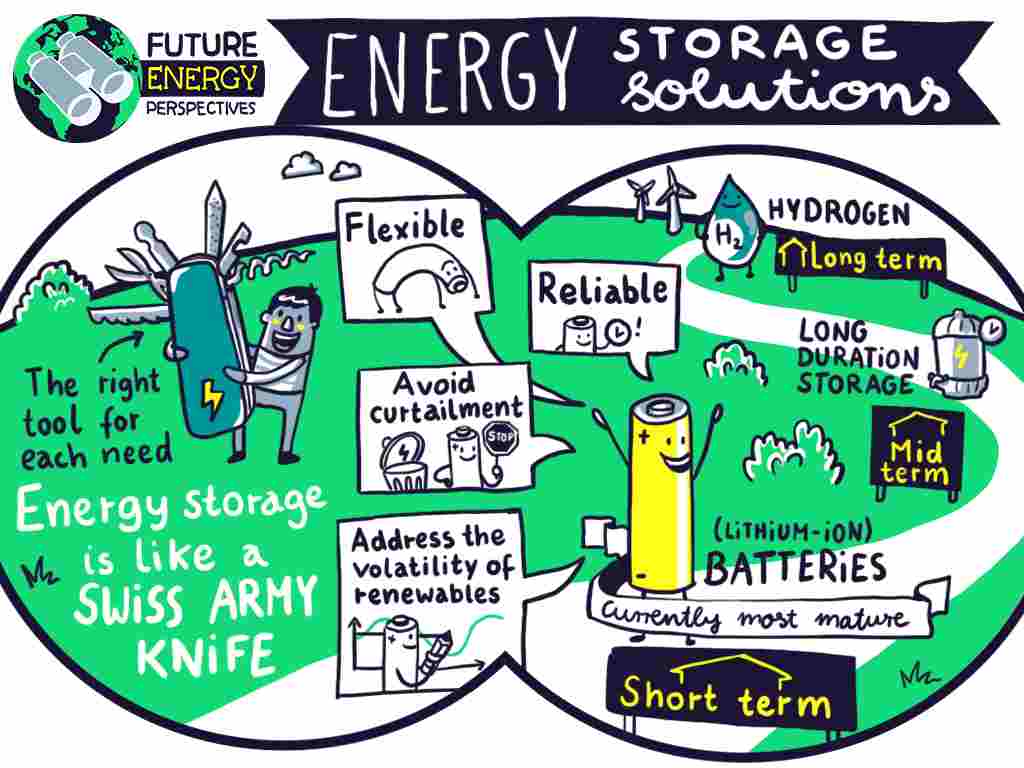
Dr Holger Wolfschmidt from Siemens Energy explains why without the right quantity and energy storage mix in place, we won’t be able to stabilise the grid, decarbonise power generation, secure energy supply and make sector coupling possible.
Image by Siemens Energy
Text by Dr Holger Wolfschmidt
Read by Philip Gordon
For more info, visit: https://www.powerengineeringint.com/future-energy-perspectives/
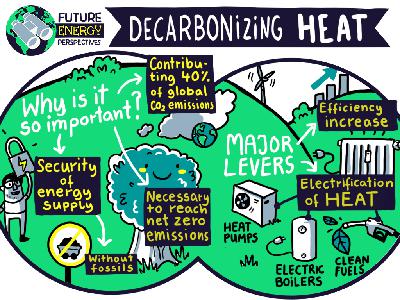
Future Energy Perspectives #5: Decarbonising heat: the hot topic we can’t ignore
Heat. It may often be too hot to handle, but it’s not impossible to decarbonise. And because it accounts for around half of global energy consumption, we need to get on with it. Christian Hüttl and Norbert Wenn from Siemens Energy outline the tools to green heat at home, in buildings and in industry.
Image by Siemens Energy
Text by Christian Hüttl and Norbert Wenn
Read by Philip Gordon
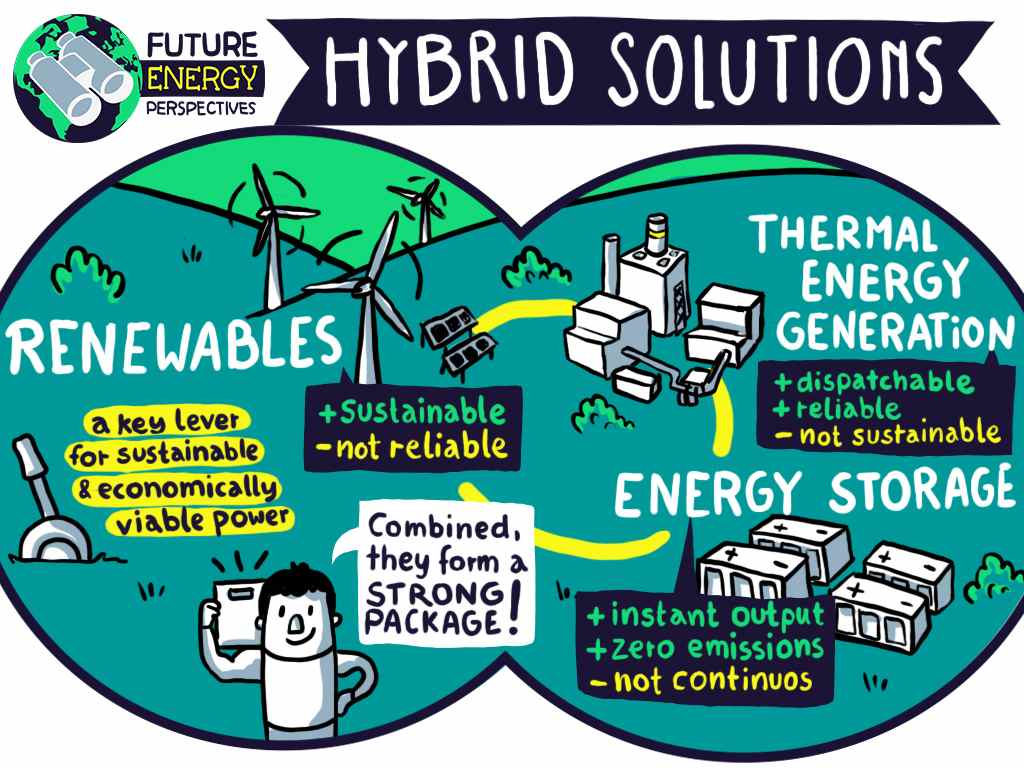
In the coming years, hybrid power plants will become an indispensable part of our energy landscape because they offer a site-specific solution to facilitate carbon-free energy generation and sector coupling for a decarbonised economy. In this episode of Future Energy Perspectives, Siemens Energy’s Mario Hüffer explains more.
Image by Siemens Energy
Text by Mario Hüffer
Read by Philip Gordon
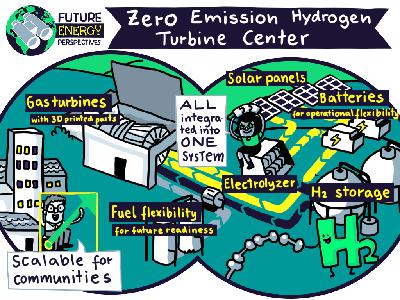
The Zero Emission Hydrogen Turbine Center, a Swedish hydrogen power plant project, is integrating gas turbines, renewables, energy storage and electrolysis in a flexible energy system of the future. Siemens Energy’s Åsa Lyckström explains how.
Image by Siemens Energy
Text by Åsa Lyckström
Read by Pamela Largue
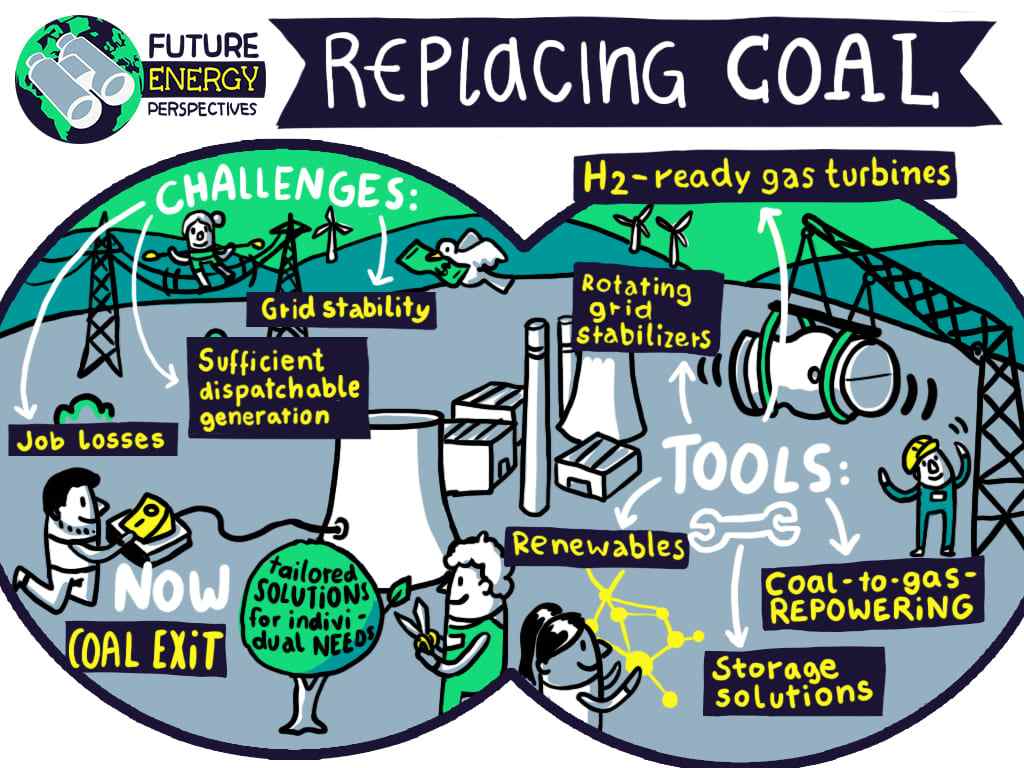
In the second episode of the exclusive ‘Future Energy Perspectives’ series, Dr Norbert Henkel and Olaf Kreyenberg from Siemens Energy explain how hydrogen-ready gas-fired power plants can displace coal while maintaining baseload power and grid stability, and accelerate the rise of renewables.
Text: Dr Norbert Henkel and Olaf Kreyenberg / Siemens Energy Read by: Philip Gordon This series is brought to you by Power Engineering International and Enlit, in partnership with Siemens Energy.
For more information, visit: www.powerengineeringint.com/future-energy-perspectives/
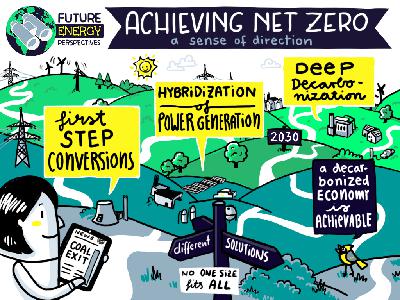
In the first of an exclusive nine-part series entitled ‘Future Energy Perspectives’, Karim Amin, Executive Vice-President of Generation at Siemens Energy, spotlights the key factors for reaching a net-zero economy by mid-century.Text: Karim Amin / Siemens EnergyRead by: Philip Gordon This series is brought to you by Power Engineering International and Enlit, in partnership with Siemens Energy. For more information, visit: www.powerengineeringint.com/future-energy-perspectives/
Comments

Download from Google Play

Download from App Store
 United States