DiscoverHumans of Agriculture
Humans of Agriculture
Claim Ownership

Humans of Agriculture

Author: Humans of Agriculture

Subscribed: 146Played: 5,125
Share

Description

We're going behind the scenes to see and understand modern agriculture, because no matter whether you're in it or not, you probably don't know all the pieces to just how incredible, diverse and multi-layered agriculture is. We do this by uncovering the real stories, experiences and voices of modern agriculture.
360 Episodes
Reverse
In this episode of Humans of Agriculture, we sit down with Jack Ternouth, Head of Commercial Operations at Zentera (formerly New Zealand Merino Company), for a conversation that captures what’s possible when curiosity, grit, and opportunity collide in agriculture.Jack didn’t grow up on a farm, but through sheer determination and a willingness to learn, he’s built a career from the ground up in one of the most complex and globally connected parts of the ag industry. From classing wool and working alongside growers to now leading commercial conversations with global brands, his journey is a powerful example of what’s possible in ag today.On this episode, we explore what it takes to build a career in agriculture without a traditional background, the critical role of mentorship, and why value creation - not scale - is the future for countries like Australia and New Zealand. Jack also shares how Zentera is helping create more certainty for growers in a volatile market through traceability, long-term contracts, and global brand partnerships.This episode is about ambition, learning on the go, and the next generation shaping agriculture’s future.Key insights from the conversation:Jack Ternouth’s journey from outsider to commercial leader in the wool industryWhy curiosity, hunger, and alignment matter more than backgroundThe power of mentorship in accelerating a career in agricultureHow Zentera is creating stability for growers in volatile marketsWhy storytelling still matters in a data-driven worldThe shift from commodity to value-added agricultureThe importance of traceability, certification, and global consumer trustOpportunities for young people to build careers in ag without farming rootsChapters:00:00 Intro & Why This Conversation Matters01:48 Jack’s Background: From Zimbabwe to New Zealand04:10 Starting at NZ Merino & Learning the Wool Industry06:30 Moving Into Commercial & Global Brand Relationships08:05 Advice for Young People Entering Agriculture09:40 Learning the Industry Without a Farming Background11:30 Storytelling vs Data in Modern Agriculture12:45 Zentera’s Growth & Global Strategy14:40 Certifications, Traceability & Market Access16:20 Supporting Growers & Moving Away from Mulesing18:10 Volatility, Contracts & Creating Certainty20:15 The Future of Wool & Global Demand22:10 Long-Term Vision for the Industry24:10 Opportunities for the Next Generation in Ag25:45 Wrap Up Atlas Grazing:This episode is brought to you by Atlas Grazing.If you run livestock, you know the results come from countless small decisions madein the paddock. Season after season. Experience and instinct guide those calls, andnothing replaces that.There's a new tool called Atlas Grazing worth taking a look at. Developed from morethan a decade of working alongside graziers and supporting real farm businesses, itbrings your livestock records, paddocks and rainfall together in one place.The right tools don't replace what you already know. They give you the clarity to actsooner, with more confidence. See what's happening across your operation at aglance, adapt as conditions change, and keep work moving wherever the day takesyou.Atlas Grazing. Clear records. Confident livestock decisions.Start your free 30-day trial at AtlasAg.com/grazing
(Image: Supplied)In this episode of Humans of Agriculture, Oli and Mick Corcoran sit down with Angus Street, CEO of Zentera (formerly New Zealand Merino), for a full-circle conversation on leadership, legacy, and the future of wool.From growing up on a farm in northern NSW to navigating job loss during the GFC, launching startups in China, and leading major ag businesses, Angus shares an honest reflection on a career shaped by curiosity, risk, and relationships.Now at the helm of Zentera, Angus unpacks the company’s evolution from a grower-led wool collective into a global, purpose-driven brand focused on traceability, sustainability, and premium markets. He explains why the wool industry must fight for relevance in a synthetic-dominated world, and how consumer trends in Europe, China, and the US are creating new opportunities.The conversation dives deep into leadership, what it takes to step into an existing culture as CEO, why “discovery before diagnosis” matters, and the importance of putting people at the centre of transformation.This episode is equal parts strategy, storytelling, and self-reflection - grounded in agriculture but globally relevant.Key insights from the conversationAngus Street’s journey from journalism to global ag leadershipLessons from failure and starting businesses in ChinaThe evolution of New Zealand Merino into ZenteraWhat “whakapapa” means in a business contextHow wool is competing in a synthetic-dominated marketLeadership lessons: curiosity, culture, and managing changeWhy the future of wool depends on collaboration and storytellingChapters:00:00 Intro & Why This Conversation Matters02:10 Meet Angus Street03:50 Early Career, China & AuctionsPlus Journey08:00 From NZ Merino to Zenterra: The Rebrand11:30 What Zenterra Does & Global Brand Partnerships14:40 Moving to NZ & Leading an Existing Team18:05 First 90 Days as CEO: Curiosity Over Action21:00 Culture, Change & Leadership Lessons26:40 Global Wool Demand & Market Trends30:45 Premiums, Growers & Industry Challenges33:40 The Future of Wool: Niche or Opportunity?35:20 Dream Job, Family & Life on the Land38:40 Wrap Up Atlas Grazing:This episode is brought to you by Atlas Grazing.If you run livestock, you know the results come from countless small decisions madein the paddock. Season after season. Experience and instinct guide those calls, andnothing replaces that.There's a new tool called Atlas Grazing worth taking a look at. Developed from morethan a decade of working alongside graziers and supporting real farm businesses, itbrings your livestock records, paddocks and rainfall together in one place.The right tools don't replace what you already know. They give you the clarity to actsooner, with more confidence. See what's happening across your operation at aglance, adapt as conditions change, and keep work moving wherever the day takesyou.Atlas Grazing. Clear records. Confident livestock decisions.Start your free 30-day trial at AtlasAg.com/grazing
What happens when you put nature first in a cattle business?In this episode of Humans of Agriculture, Oli sits down with Carly Baker-Burnham from Bonnie Doone Beef in Queensland’s North Burnett. Together with her husband Grant, Carly has helped reshape their grazing operation by focusing on landscape health, intensive rotational grazing and long-term stewardship.That shift eventually led them to take part in one of Australia’s early soil carbon projects, resulting in one of the country’s largest issuances of Australian Carbon Credit Units (ACCUs). But beyond the headlines, Carly shares what actually matters: improving soil, increasing biodiversity and building a business that works with nature.This conversation explores the realities behind soil carbon, the importance of measurement and scientific rigor, and why observation of the land remains one of a farmer’s most powerful tools.Key insights from the conversationWhy shifting to a nature-first approach transformed productivity and nearly tripled production on the same land baseThe practical changes behind their grazing system: more paddocks, rest for pastures and better dataInside one of Australia’s early soil carbon projects, including the measurement, audits and long timelines involvedWhy Carly welcomes scepticism around carbon claims and the importance of science-backed resultsThe role farmers can play in removing carbon from the atmosphere through healthy soilsWhy observation and connection to the land remain critical for better decision makingChapters:00:00 Introduction and life at Bonnie Doone 03:58 Family history and finding their path in agriculture 08:19 Succession, family business and hard decisions 13:22 Moving from reactive farming to strategic business thinking 16:13 Practical grazing changes and adopting a nature-first approach 21:26 Inside Bonnie Doone’s soil carbon project 29:02 Carbon claims, scepticism, and scientific rigour 33:08 Involving the next generation in environmental stewardship 35:05 Where farmers can start with soil carbon thinking 37:57 What Carly is most proud of today Atlas Grazing:This episode is brought to you by Atlas Grazing.If you run livestock, you know the results come from countless small decisions madein the paddock. Season after season. Experience and instinct guide those calls, andnothing replaces that.There's a new tool called Atlas Grazing worth taking a look at. Developed from morethan a decade of working alongside graziers and supporting real farm businesses, itbrings your livestock records, paddocks and rainfall together in one place.The right tools don't replace what you already know. They give you the clarity to actsooner, with more confidence. See what's happening across your operation at aglance, adapt as conditions change, and keep work moving wherever the day takesyou.Atlas Grazing. Clear records. Confident livestock decisions.Start your free 30-day trial at AtlasAg.com/grazing
As fuel pressure builds across parts of regional Australia, we wanted to step into the conversation in a way that is clear, factual and useful. Not to add to panic, but to help our audience understand what is actually happening, what it means for agriculture, and what bigger questions this moment is exposing around resilience, preparedness and national priorities.And when it comes to conversations like this, Andrew Henderson is one of our go-to voices.Andrew is the founder and principal of AgSecure and has built his career working across biosecurity, national resilience and the vulnerabilities that sit inside the systems agriculture depends on. He brings a rare combination of strategic insight, practical understanding and calm analysis, which is exactly what a topic like this needs.In this episode, Andrew helps unpack the current fuel challenge facing Australian agriculture and Australia more broadly. He explains how the fuel system works, why regional areas are feeling the pressure first, what the Liquid Fuel Emergency Act means, and why this is about much more than a temporary supply scare.This is a conversation about fuel, but it is also a conversation about resilience, leadership and the reality of operating in a world that is becoming less stable, less predictable and more exposed to disruption.In this episode, we cover:Why the fuel challenge matters to Australian agriculture right nowWhy Andrew Henderson was the right person to help unpack itHow Australia’s fuel system actually worksWhy regional Australia feels these pressures firstWhat the Liquid Fuel Emergency Act means in practiceWhy this moment is exposing bigger resilience gaps in the systemWhat farmers and agricultural businesses should be thinking about next Atlas Grazing:This episode is brought to you by Atlas Grazing.If you run livestock, you know the results come from countless small decisions madein the paddock. Season after season. Experience and instinct guide those calls, andnothing replaces that.There's a new tool called Atlas Grazing worth taking a look at. Developed from morethan a decade of working alongside graziers and supporting real farm businesses, itbrings your livestock records, paddocks and rainfall together in one place.The right tools don't replace what you already know. They give you the clarity to actsooner, with more confidence. See what's happening across your operation at aglance, adapt as conditions change, and keep work moving wherever the day takesyou.Atlas Grazing. Clear records. Confident livestock decisions.Start your free 30-day trial at AtlasAg.com/grazing
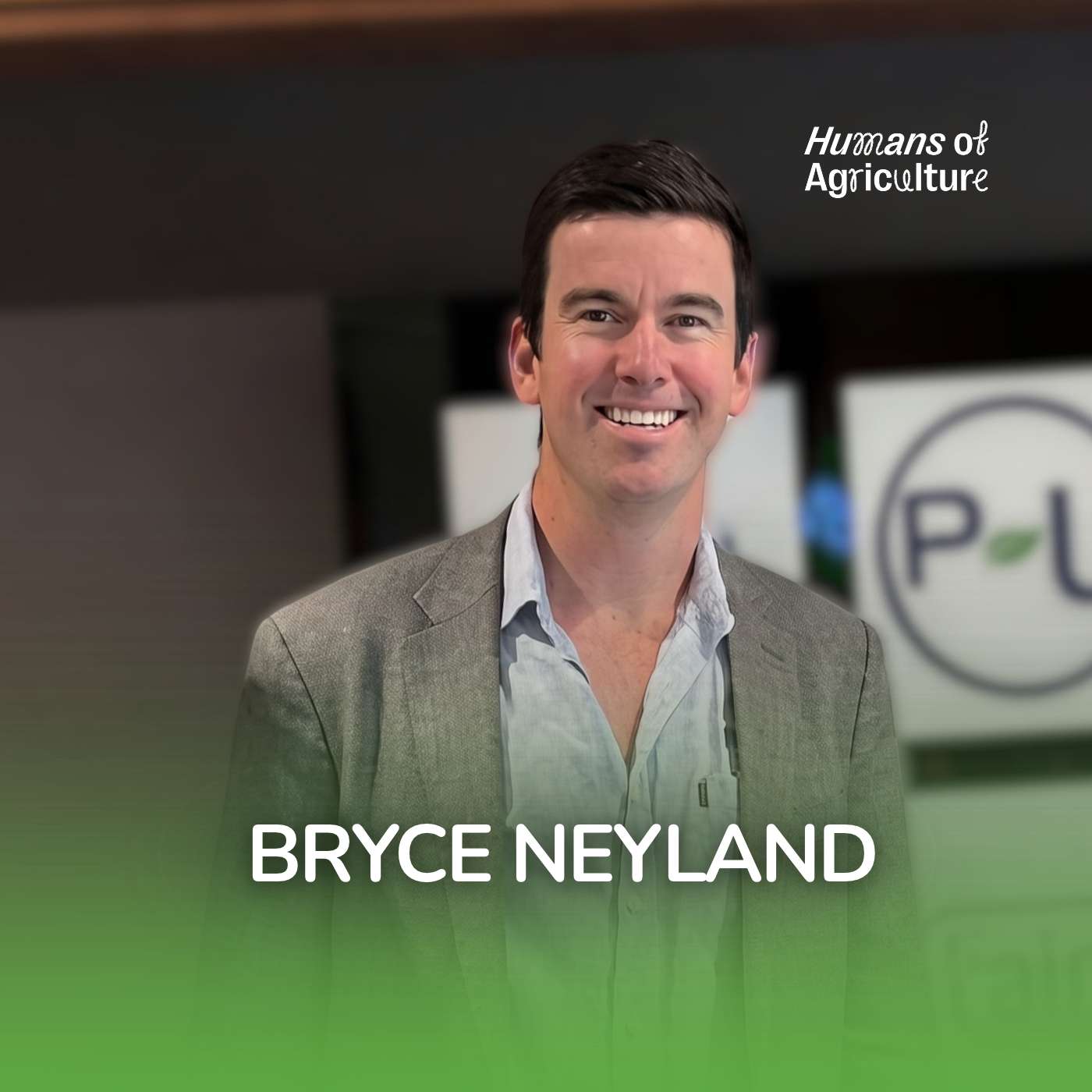
A short sharp and quick chat with the 2026 Zanda McDonald Award Winners.2026 Winners:Karn Dhaliwal (NZ): Founder and owner of Ohinewai Harvest Ltd and Dhaliwal Ag Ltd in Waikato, recognised for his entrepreneurial approach to horticulture.Bryce Neyland (AU): A civil engineer for Select Harvests in New South Wales, focused on large-scale, transformative rural developments and almond orchard infrastructure.Bryce Neyland, 35, from Gol Gol in New South Wales, is a civil engineer for Select Harvests, leading projects across their almond orchards and processing facility. Combining a farming background with strong engineering and project management expertise, he manages large scale, transformative rural developments.Karn Dhaliwal, 32, from Te Hoe in Waikato, is the founder and owner of Ohinewai Harvest Ltd and Dhaliwal Ag Ltd. He has built a diverse horticultural and cropping business and is recognised for his entrepreneurial approach to growing, leadership within the vegetable industry and commitment to creating opportunities for the next generation in horticulture.Zanda McDonald Award Chairman Shane McManaway said both winners demonstrated outstanding leadership and a strong vision for the future of the primary industries. Atlas Grazing:This episode is brought to you by Atlas Grazing.If you run livestock, you know the results come from countless small decisions madein the paddock. Season after season. Experience and instinct guide those calls, andnothing replaces that.There's a new tool called Atlas Grazing worth taking a look at. Developed from morethan a decade of working alongside graziers and supporting real farm businesses, itbrings your livestock records, paddocks and rainfall together in one place.The right tools don't replace what you already know. They give you the clarity to actsooner, with more confidence. See what's happening across your operation at aglance, adapt as conditions change, and keep work moving wherever the day takesyou.Atlas Grazing. Clear records. Confident livestock decisions.Start your free 30-day trial at AtlasAg.com/grazing
Johno Mackay grew up remote in the Northern Territory, shaped by hard work, risk-taking parents, and a deep love for the bush. In this conversation, Johno shares the path from School of the Air and station life to building a contract mustering and fencing business in Northern Australia, before an accident in his team pushed him into an entirely new chapter: ag tech.What followed was the creation of JobSafe Pro, a practical safety and compliance platform designed to help agricultural businesses simplify paperwork, think more clearly about risk, and build stronger safety systems without adding more complexity.This episode is about far more than an app. It is about backing yourself young, learning to lead, finding opportunity in tough moments, and recognising that agriculture today can open more doors than ever before. Johno also shares his belief in the value of the North, the importance of mentors, and why the people who get ahead are often the ones willing to work hard, show initiative, and keep having a crack.It is a grounded and forward-looking conversation about agriculture, ambition, safety, and building something meaningful from the bush.In this episode we coverGrowing up remote in the Northern Territory and the influence of familyLife after School of the Air and heading to Emerald Ag CollegeStarting a contract mustering business at 21Building a life and business in Northern AustraliaThe opportunity that still exists for young people in the NorthLessons in work ethic, leadership and earning trustA serious workplace accident and the reality of risk in agricultureWhy farm safety needs more attention across the sectorTurning a hard experience into the idea for JobSafe ProWhat Johno learned through Farmers2FoundersBuilding partnerships with AgForce and EldersBringing Patrick into the business after a life-changing accidentWhy the future of agriculture will belong to people willing to learn, move and adapt Atlas Grazing:This episode is brought to you by Atlas Grazing.If you run livestock, you know the results come from countless small decisions madein the paddock. Season after season. Experience and instinct guide those calls, andnothing replaces that.There's a new tool called Atlas Grazing worth taking a look at. Developed from morethan a decade of working alongside graziers and supporting real farm businesses, itbrings your livestock records, paddocks and rainfall together in one place.The right tools don't replace what you already know. They give you the clarity to actsooner, with more confidence. See what's happening across your operation at aglance, adapt as conditions change, and keep work moving wherever the day takesyou.Atlas Grazing. Clear records. Confident livestock decisions.Start your free 30-day trial at AtlasAg.com/grazing
Australian agriculture runs on more than crops, livestock, and markets. It runs on people and communities.In this episode, Skye Ward shares the story behind the Rabobank Community Fund, a program designed to invest directly into grassroots initiatives across rural and regional Australia.Since launching in 2021, the fund has invested over $4 million into projects that strengthen leadership, improve wellbeing, and support the resilience of rural communities.Skye also shares her personal story of growing up in the Monaro region, the experience of moving towns and building community as an adult, and why belonging remains one of the most powerful drivers of strong rural places.From succession workshops and financial literacy programs to melanoma skin-check trucks and simple community events that bring people together, the fund supports practical initiatives that make a real difference on the groundThis conversation highlights why investing in people and community capability is just as important as investing in farms and businesses.In this episode we exploreWhy strong communities underpin successful agricultural regionsThe thinking behind the Rabobank Community FundHow grassroots funding creates real impact on the groundExamples of initiatives supported across rural AustraliaThe role of leadership development and wellbeing programsWhy collaboration and community capability matter for agriculture’s futureFind out more & apply now!!Applications for the 2026 Rabobank Community Fund close on 15 March.If you’re part of a local group, community initiative, or organisation looking to make an impact, this could be the opportunity to bring your idea to life.Learn more and apply via rabobank.com.au. Atlas Grazing:This episode is brought to you by Atlas Grazing.If you run livestock, you know the results come from countless small decisions madein the paddock. Season after season. Experience and instinct guide those calls, andnothing replaces that.There's a new tool called Atlas Grazing worth taking a look at. Developed from morethan a decade of working alongside graziers and supporting real farm businesses, itbrings your livestock records, paddocks and rainfall together in one place.The right tools don't replace what you already know. They give you the clarity to actsooner, with more confidence. See what's happening across your operation at aglance, adapt as conditions change, and keep work moving wherever the day takesyou.Atlas Grazing. Clear records. Confident livestock decisions.Start your free 30-day trial at AtlasAg.com/grazing
In this episode of Humans of Agriculture, we dive deep into the innovative world of AMPS Agribusiness. Join us as we sit down with Tony Lockrey, a seasoned agronomist and leader who has dedicated decades to the fields of Northern New South Wales. Tony takes us "under the hood" of AMPS's unique, grower-led model that fast-tracks agricultural research from institutions directly into the paddock.We explore how AMPS has built a seamless ecosystem connecting research, agronomy, and commercial supply. Tony shares the fascinating story of Lancer wheat, a variety that became a regional powerhouse thanks to intensive, localised trials. Beyond the science, we discuss the evolving role of an agronomist, the importance of nurturing the next generation through a "job-first" education model, and the unparalleled value of a business owned and driven by the growers themselves.Chapter Markings[0:00] Introduction: AMPS Agribusiness and the Grower-Led Model.[1:15] Tony Lockrey's Evolution: From Technical Specialist to People Leader.[3:45] The Power of Relationships: When Customers Become Family and Shareholders.[5:10] Research in the Ute: Bringing the Lab to the Paddock.[7:20] Managing the Next Generation: Moving Out of the Way for Growth.[9:05] The Lancer Story: How Localised Research Accelerates Variety Adoption.[12:30] The "How-To" Grow Guide: Turning Data into Decisions in One Season.[14:15] The Origins of AMPS: A Response to Declining Institutional Research.[17:00] Commercial Synergy: Linking Supply, Procurement, and Paddock Outcomes.[19:40] Scientific Rigour: 30,000 Plots a Year and Statistical Significance.[22:15] Paddock Geography: Understanding Elevation, Frost, and Time of Sow.[25:30] Developing the "Agronomy Eye": Training the Future of Ag.[28:10] The Changing Face of Education: Work-First, Degree-Second.[31:00] Building a Safe and Cohesive Team Culture.[34:15] The Resilience of Australian Growers: Innovation Born of Necessity.[37:00] Pride in Cohesion: Six Branches, One Mission.[39:30] Upcoming Events: Winter Crop Reviews and Research Membership. Atlas Grazing:This episode is brought to you by Atlas Grazing.If you run livestock, you know the results come from countless small decisions madein the paddock. Season after season. Experience and instinct guide those calls, andnothing replaces that.There's a new tool called Atlas Grazing worth taking a look at. Developed from morethan a decade of working alongside graziers and supporting real farm businesses, itbrings your livestock records, paddocks and rainfall together in one place.The right tools don't replace what you already know. They give you the clarity to actsooner, with more confidence. See what's happening across your operation at aglance, adapt as conditions change, and keep work moving wherever the day takesyou.Atlas Grazing. Clear records. Confident livestock decisions.Start your free 30-day trial at AtlasAg.com/grazing
Season 4 of Monthly Markets opens with a strong pulse check across livestock, wool, property and grain.Tom and Mick begin with:Wagga sheep market strength, with mutton pushing 7.50–8.00 and trade lambs over 10.50The Eastern Market Indicator hitting 1677 cents — a two-year recordCattle prices holding firm at GunnedahMajor rural property listings across NSW and QLD, including Springfield, Bogo, Glenfinnan, and Goodar StationThen they’re joined by Tommy Taylor from Clear Grain Exchange for a deep dive into the grain landscape.In this episode:How Clear Grain Exchange worksEmpowering growers to set their own target pricesBringing 140+ buyers into a single digital marketplaceSecure settlement and title retention for reduced counterparty riskDigitised documentation simplifying compliance and accounting2025–26 Harvest ReviewRecord WA cropStrong Northern NSW and QLD yieldsChickpeas, lentils and canola performing wellBarley trading near parity with wheat in some regionsGlobal Market PressuresArgentina’s 30 million tonne wheat crop flooding lower-spec marketsFreight advantages favouring WA exportersStocks-to-use ratios tightening globally despite current surplusesOn-Farm Storage TrendsIncreased investment in storage infrastructureGrowers holding grain as both a price strategy and drought hedgeRisks and costs of multi-year carryChina & CanolaFirst canola exports to China since 2020Political risk remains, but diversified export markets provide resilienceFeedlots & Domestic DemandPotential 6 million head on feedFeedlots becoming a major structural demand driverBarley strength in northern markets driven by ration preferencesTommy’s AdviceDon’t miss opportunitiesSet target pricesVolatility creates upside for prepared sellersThis episode is essential listening for growers, traders, feedlot operators, advisors and agribusiness professionals planning for the year ahead. Atlas Grazing:This episode is brought to you by Atlas Grazing.If you run livestock, you know the results come from countless small decisions madein the paddock. Season after season. Experience and instinct guide those calls, andnothing replaces that.There's a new tool called Atlas Grazing worth taking a look at. Developed from morethan a decade of working alongside graziers and supporting real farm businesses, itbrings your livestock records, paddocks and rainfall together in one place.The right tools don't replace what you already know. They give you the clarity to actsooner, with more confidence. See what's happening across your operation at aglance, adapt as conditions change, and keep work moving wherever the day takesyou.Atlas Grazing. Clear records. Confident livestock decisions.Start your free 30-day trial at AtlasAg.com/grazing
For decades, Australian agriculture has operated within a set of conditions that quietly shaped its success - stable geopolitics, expanding global trade, predictable markets, and steady productivity gains.That era is ending.In this conversation, Tim Hunt joins Oli Le Lievre to unpack the global forces reshaping food and agriculture right now, from geopolitics and trade fragmentation to climate volatility and rapid technological change. With a career spanning banking, economics, and international agriculture, Tim brings a clear-eyed, global perspective on why these shifts are structural, not cyclical - and what that means for producers, agribusiness leaders, and the wider food system.Recorded just one week out from evokeAG 2026, where Tim and Oli will be part of the MC team alongside Liz Brennan, this episode is about making sense of a changing world - and asking how Australian agriculture adapts, evolves, and leads in what comes next.In This Episode, We ExploreWhy the conditions that built modern Australian agriculture are no longer guaranteedHow geopolitics, trade, climate, and technology are colliding to reshape food systemsWhy these shifts represent long-term structural change, not short-term cyclesThe role realism plays in building resilient farm businesses and industriesWhy agriculture sits at the centre of global economics, politics, and cultureHow a top-down view of the world complements on-farm decision-makingTechnology as agriculture’s most important tailwind in an increasingly volatile eraWhat real value-adding looks like beyond branding and provenanceWhy adaptation, not protection, has always underpinned Australia’s agricultural successThe role events like evokeAG play in helping the industry respond collectively Atlas Grazing:This episode is brought to you by Atlas Grazing.If you run livestock, you know the results come from countless small decisions madein the paddock. Season after season. Experience and instinct guide those calls, andnothing replaces that.There's a new tool called Atlas Grazing worth taking a look at. Developed from morethan a decade of working alongside graziers and supporting real farm businesses, itbrings your livestock records, paddocks and rainfall together in one place.The right tools don't replace what you already know. They give you the clarity to actsooner, with more confidence. See what's happening across your operation at aglance, adapt as conditions change, and keep work moving wherever the day takesyou.Atlas Grazing. Clear records. Confident livestock decisions.Start your free 30-day trial at AtlasAg.com/grazing
Millie Moore didn’t leave her job because she was unhappy. She left because she was curious.After four and a half years in a corporate ag role, Millie made a decision that many people talk about but few actually take. She quit, moved to Canada, and went ranching to properly immerse herself in the beef industry and test herself on the ground.That choice led to something bigger. In this episode, Millie shares how ranch life in Alberta opened doors to meat judging, scholarships, and ultimately a fully funded Masters in meat science at the University of Illinois.This conversation explores career risk, confidence, building networks without a farming background, and why agriculture offers far more pathways than most people realise. It also kicks off a year-long series with Millie, where she’ll continue to share what she’s learning across the US, Canada, and Australia.⏱️ EPISODE TIMESTAMPS00:00 — Quitting a corporate job to go ranching02:10 — University, early career, and choosing what not to do03:20 — Why Millie stayed 4.5 years in her first role04:40 — The fear and reality of moving overseas06:30 — First impressions of ranch life in Canada08:45 — Canada vs the US beef industry09:05 — Not coming from a farming background10:30 — “If you want to be in beef, go be in beef”11:40 — How Millie built her network from scratch13:40 — Why agriculture feels hard to break into (and why it isn’t)15:20 — Dealing with rejection and imposter syndrome19:55 — Meat judging and why it shapes so many careers22:10 — The US meat judging circuit explained24:40 — Sponsorship, alumni, and industry support26:20 — Returning to study and why Illinois made sense28:30 — What’s next and a year of conversations ahead Atlas Grazing:This episode is brought to you by Atlas Grazing.If you run livestock, you know the results come from countless small decisions madein the paddock. Season after season. Experience and instinct guide those calls, andnothing replaces that.There's a new tool called Atlas Grazing worth taking a look at. Developed from morethan a decade of working alongside graziers and supporting real farm businesses, itbrings your livestock records, paddocks and rainfall together in one place.The right tools don't replace what you already know. They give you the clarity to actsooner, with more confidence. See what's happening across your operation at aglance, adapt as conditions change, and keep work moving wherever the day takesyou.Atlas Grazing. Clear records. Confident livestock decisions.Start your free 30-day trial at AtlasAg.com/grazing
At just 19 years old, Sam Rogers is building one of Australia’s most exciting agtech startups. Founder of GrazeMate, Sam is using autonomous drones, robotics, and AI to help farmers and ranchers move cattle, measure pasture, and gain real-time insights straight to their phone. In this episode, Sam shares his journey from growing up on a cattle station in North Queensland to raising capital, relocating to the US, and taking GrazeMate global. This conversation explores innovation in agriculture, resilience, robotics, and what the future of farming could look like when technology meets deep agricultural knowledge.Keywords: agtech, agriculture innovation, autonomous drones, robotics in farming, cattle mustering technology, GrazeMate, EvokeAG, future of agriculture, ag startups, Australian agtechEpisode SummaryIn this episode of Humans of Agriculture, Oli Le Lievre sits down with Sam Rogers, the 19-year-old founder of GrazeMate, an agtech startup redefining how cattle are managed using autonomous drones and artificial intelligence.Sam shares his remarkable personal story, growing up on a cattle property in North Queensland, competing internationally in robotics as a teenager, surviving a spinal tumour, and climbing peaks in Nepal. These experiences shaped his mindset and ultimately led him to build GrazeMate, a technology that helps farmers muster cattle, estimate liveweight, analyse pasture, and manage grazing with far greater efficiency.The conversation explores Sam’s rapid rise in the agtech world, including global media attention, raising investment, relocating to California, and preparing to take the stage as a Groundbreaker at EvokeAG. Together, Oli and Sam unpack the opportunity agriculture presents for solving some of the world’s biggest challenges, the power of robotics at scale, and why the future of farming depends on aligning innovation with real on-farm needs.This is a powerful story about curiosity, resilience, and the role young innovators can play in shaping the future of agriculture.Chapter Markings00:00 Why now matters and the idea behind robot cowboys00:35 Welcome back to Humans of Agriculture and introducing Sam Rogers03:49 Media attention, Forbes features, and global interest in GrazeMate05:07 What farmers around the world are really struggling with06:46 Growing up on a cattle station in North Queensland08:26 The influence of family, curiosity, and learning by doing09:43 Early robotics, AI competitions, and environmental motivation12:09 The origins of GrazeMate and spotting the on-farm opportunity14:00 Surviving a spinal tumour, Everest Base Camp, and mindset shifts16:53 Why agriculture is the most important industry in the world19:39 Technology, incentives, and what society chooses to reward20:50 Why GrazeMate moved to the US and what is happening on the ground24:18 Building a world-class team and earning investor trust27:01 Teaching robots at scale and the future of autonomous systems29:46 EvokeAG, coming home, and Sam’s message to Australian agriculture31:39 Final reflections and looking ahead Atlas Grazing:This episode is brought to you by Atlas Grazing.If you run livestock, you know the results come from countless small decisions madein the paddock. Season after season. Experience and instinct guide those calls, andnothing replaces that.There's a new tool called Atlas Grazing worth taking a look at. Developed from morethan a decade of working alongside graziers and supporting real farm businesses, itbrings your livestock records, paddocks and rainfall together in one place.The right tools don't replace what you already know. They give you the clarity to actsooner, with more confidence. See what's happening across your operation at aglance, adapt as conditions change, and keep work moving wherever the day takesyou.Atlas Grazing. Clear records. Confident livestock decisions.Start your free 30-day trial at AtlasAg.com/grazing
Clancy Mackay’s story is one of the most extraordinary ever shared on Humans of Agriculture and there’s a reason it remains our most downloaded episode of all time.This is a full re release of our most listened to episode ever.In this conversation, Oli Le Lievre sits down with Clancy Mackay to share one of the most extraordinary stories ever told on Humans of Agriculture.From growing up off grid in the Northern Territory with no power or running water, to breaking horses, mustering cattle, riding saddle broncs in the US, flying helicopters across remote Australia, and navigating profound personal loss, Clancy’s journey is raw, confronting, and deeply human.This episode explores resilience beyond the buzzword. It is about grit, grief, purpose, and learning how to keep moving forward when life repeatedly tests you. It is also about respect for animals, people, and place, and why calm leadership and deep understanding matter more than force or ego.Why this episode mattersClancy’s story is not polished or comfortable. It is honest.It reminds us that agriculture is built on people who endure, adapt, and keep showing up. People shaped by hardship, curiosity, and responsibility rather than shortcuts or certainty.This is an episode to sit with. An episode to return to. And an episode worth sharing. Atlas Grazing:This episode is brought to you by Atlas Grazing.If you run livestock, you know the results come from countless small decisions madein the paddock. Season after season. Experience and instinct guide those calls, andnothing replaces that.There's a new tool called Atlas Grazing worth taking a look at. Developed from morethan a decade of working alongside graziers and supporting real farm businesses, itbrings your livestock records, paddocks and rainfall together in one place.The right tools don't replace what you already know. They give you the clarity to actsooner, with more confidence. See what's happening across your operation at aglance, adapt as conditions change, and keep work moving wherever the day takesyou.Atlas Grazing. Clear records. Confident livestock decisions.Start your free 30-day trial at AtlasAg.com/grazing
I loved the day we had with the team at Rohde's and the way we crafted this into an amazing video and our last #ThisIsAussieAg video in audio format did pretty well -  you can check it out on our YouTube in full!Watch it on YouTube here - link to our video Atlas Grazing:This episode is brought to you by Atlas Grazing.If you run livestock, you know the results come from countless small decisions madein the paddock. Season after season. Experience and instinct guide those calls, andnothing replaces that.There's a new tool called Atlas Grazing worth taking a look at. Developed from morethan a decade of working alongside graziers and supporting real farm businesses, itbrings your livestock records, paddocks and rainfall together in one place.The right tools don't replace what you already know. They give you the clarity to actsooner, with more confidence. See what's happening across your operation at aglance, adapt as conditions change, and keep work moving wherever the day takesyou.Atlas Grazing. Clear records. Confident livestock decisions.Start your free 30-day trial at AtlasAg.com/grazing
In today’s episode, I wanted to do something a little different and share an update on where Humans of Agriculture is heading. Over the last six years we’ve told hundreds of stories and met thousands of people, and it’s clear that the beating heart of our work isn’t just the stories themselves, but the people behind them.We’re stepping into a new chapter. One that builds on our storytelling roots, but focuses more deliberately on careers, connection, and helping people see what’s possible for them in agriculture.After that, I sit down with two remarkable leaders. First up is Billy Slater, who shares insights on confidence, preparation, transition, and why the biggest moments require the smallest focus. Then, I chat with Adrian Capogreco, Managing Director of Nutrien Ag Solutions, about leadership, resilience, community, and the future of the industry.Episode Chapters00:00 — Welcome and Why This Episode Is Different01:20 — What’s Ahead: Upcoming Conversations and Guests02:24 — The Honest Update: Where Humans of Agriculture Is Heading04:49 — How the Project Started and Why It Still Matters06:55 — The Pivot: From Storytelling to Stories + Careers + Community08:40 — Introducing HOA Recruitment09:36 — Oli’s Personal Challenge: The Longest Resume in Agriculture10:35 - Setting Up Today’s Conversations11:00: Leadership with Billy Slater11:46 — Preparing for Transition and Backing Yourself12:55 — Earning Confidence13:34 — Overcoming Self-Doubt14:45 — Handling Big Moments15:38 — Vulnerability, Courage, and Team Culture17:00 — Positive Reinforcement and High Standards18:32 — Oli’s Reflections on Billy’s Lessons19:30 - Leadership and the Future with Adrian Capogreco19:41 — Introducing Adrian at the Nutrien Stand19:56 — Adrian’s Non-Negotiables in Leadership20:20 — A Non-Negotiable in Life: Balance20:55 — Advice for First-Time Managers21:55 — The Quirks and Strengths of Agriculture22:40 — Mindset When Things Get Tough23:45 — What’s Next for Nutrien24:45 — Wrapping Up with Adrian Atlas Grazing:This episode is brought to you by Atlas Grazing.If you run livestock, you know the results come from countless small decisions madein the paddock. Season after season. Experience and instinct guide those calls, andnothing replaces that.There's a new tool called Atlas Grazing worth taking a look at. Developed from morethan a decade of working alongside graziers and supporting real farm businesses, itbrings your livestock records, paddocks and rainfall together in one place.The right tools don't replace what you already know. They give you the clarity to actsooner, with more confidence. See what's happening across your operation at aglance, adapt as conditions change, and keep work moving wherever the day takesyou.Atlas Grazing. Clear records. Confident livestock decisions.Start your free 30-day trial at AtlasAg.com/grazing
Bridgitte Brooks is rewriting the story of Australian wool - and of rural women. The fifth-generation sheep farmer has launched a wool athleisure brand from her farm in Yuna, Western Australia in a bid to connect modern consumers with a natural fibre that she feels is undercelebrated. From baby blankets to wool athleisure wear, Bridgitte is stitching together sustainability, style, and heritage—with a deep belief that rural communities can thrive when families are supported and fibre stories are told well.Chapters00:00 Introduction to Bridgitte and Her Journey02:58 Life in Rural Australia and Its Challenges05:41 The Birth of a Fashion Business08:13 Navigating the Fashion Industry10:36 Sustainability and the Future of Fashion13:17 The Importance of Succession Planning16:09 Family Dynamics in Farming18:59 Advice for Future Generations21:30 Reflections and Future Aspirations24:11 Closing Thoughts and Future PlansLearn more about Homestead Road and how Bridgitte is rewriting a new story for Australian wool.Find more stories from us on our Instagram, Facebook and Linkedin.ALSO - Come to our event in either Brisbane or Melbourne! You can hear more episodes of Humans of Agriculture here. If you enjoyed this episode, share with a friend and let us know your thoughts at hello@humansofagriculture.com.  Don't forget to rate, subscribe, and leave a review! Atlas Grazing:This episode is brought to you by Atlas Grazing.If you run livestock, you know the results come from countless small decisions madein the paddock. Season after season. Experience and instinct guide those calls, andnothing replaces that.There's a new tool called Atlas Grazing worth taking a look at. Developed from morethan a decade of working alongside graziers and supporting real farm businesses, itbrings your livestock records, paddocks and rainfall together in one place.The right tools don't replace what you already know. They give you the clarity to actsooner, with more confidence. See what's happening across your operation at aglance, adapt as conditions change, and keep work moving wherever the day takesyou.Atlas Grazing. Clear records. Confident livestock decisions.Start your free 30-day trial at AtlasAg.com/grazing
In this episode, Oli sits down with Australia’s Federal Minister for Agriculture, Fisheries and Forestry — Julie Collins — live from the National Farmers’ Federation Conference on the Gold Coast.From her Tasmanian roots to leading one of the nation’s most important portfolios, Julie shares how her background shaped her approach to agriculture, sustainability, and community. She reflects on the government’s new Ag and Land Sector Plan, the role of programs like free TAFE and Ag Connections in building the workforce, and how storytelling can strengthen both our domestic pride and global reputation.Julie also talks candidly about being out on farms, meeting producers, and why she believes Australian agriculture is the most productive and sustainable in the world. Looking ahead, she shares her optimism for how the industry can leverage the 2032 Olympics to showcase our regions, food, and people to the world. Atlas Grazing:This episode is brought to you by Atlas Grazing.If you run livestock, you know the results come from countless small decisions madein the paddock. Season after season. Experience and instinct guide those calls, andnothing replaces that.There's a new tool called Atlas Grazing worth taking a look at. Developed from morethan a decade of working alongside graziers and supporting real farm businesses, itbrings your livestock records, paddocks and rainfall together in one place.The right tools don't replace what you already know. They give you the clarity to actsooner, with more confidence. See what's happening across your operation at aglance, adapt as conditions change, and keep work moving wherever the day takesyou.Atlas Grazing. Clear records. Confident livestock decisions.Start your free 30-day trial at AtlasAg.com/grazing
Passionfruit farmer Mitchell East is flipping the script on food waste, giving unsellable fruit a second chance. Mitchell returned to his family farm in Manjimup WA on a mission to find a tasty use for surplus, speedily perishable fruit like passionfruit and cherries.The horticulture industry is always looking for new ways of squeezing value from seconds produce, with many tonnes of fruit and vegetables that can't be sold or stored going to waste every day.And there's no shortage of produce in the Southern Forests food hub around Manjimup, which punches well above its weight to grow a massive volume and variety of fresh produce for domestic and international markets.Liv sat down with this fruit-farmer-turned-manufacturer to hear how Mitchell is utilising otherwise wasted fruit to not only boost profit margins but to re-connect consumers with the growers of their food.Chapters00:00 Mitchell's Farming Journey and Background02:48 The Unique Food Hub of Manjimup05:37 Value Adding Passion Fruit: Challenges and Opportunities08:57 Creating Products from Waste: A Sustainable Approach11:45 Collaboration With Other Growers 14:33 Innovative Products and Market Adaptation17:46 The Story Behind Yuzu and Other Unique ProduceLearn more about Willarra Gold and how Mitchell and Jen are collaborating with other local fruit growers to get more from the delicious produce they grow.You can hear more episodes of Humans of Agriculture here. If you enjoyed this episode, share with a friend and let us know your thoughts at hello@humansofagriculture.com.  Don't forget to rate, subscribe, and leave a review! Atlas Grazing:This episode is brought to you by Atlas Grazing.If you run livestock, you know the results come from countless small decisions madein the paddock. Season after season. Experience and instinct guide those calls, andnothing replaces that.There's a new tool called Atlas Grazing worth taking a look at. Developed from morethan a decade of working alongside graziers and supporting real farm businesses, itbrings your livestock records, paddocks and rainfall together in one place.The right tools don't replace what you already know. They give you the clarity to actsooner, with more confidence. See what's happening across your operation at aglance, adapt as conditions change, and keep work moving wherever the day takesyou.Atlas Grazing. Clear records. Confident livestock decisions.Start your free 30-day trial at AtlasAg.com/grazing
This month Tom and Mick catch up with New England livestock agent Mat Larkings about what he’s seeing on the ground—from post-drought price shifts to clients swapping breeding for trading. They dive into the growing interest in coastal markets, the cautious optimism among producers, and why quality stock still rules.It’s a great listen for anyone keen to understand the real dynamics behind the numbers.TakeawaysThe cattle market is experiencing fluctuations post-drought.Clients are transitioning from breeding to trading operations.Quality cattle are essential in the current market.The coastal market presents new opportunities for livestock.Caution prevails among clients regarding market investments.Rural property market is lagging behind livestock market trends.Chapters00:00 Introducing Matt Larkins: A Livestock Agent's Journey05:23 Market Insights: Cattle and Sheep Dynamics08:21 Navigating the Livestock Business: Challenges and Opportunities11:33 The Coastal Market: Expanding Horizons14:34 Future Trends: Cattle Market Predictions17:18 Cautious Optimism: Client Perspectives on Market Fluctuations20:19 Rural Property Market: A Parallel Journey23:04 Final Thoughts and Advice for Young DadsYou can hear more episodes of Humans of Agriculture here. If you enjoyed this episode, share with a friend and let us know your thoughts at hello@humansofagriculture.com.  Don't forget to rate, subscribe, and leave a review! Atlas Grazing:This episode is brought to you by Atlas Grazing.If you run livestock, you know the results come from countless small decisions madein the paddock. Season after season. Experience and instinct guide those calls, andnothing replaces that.There's a new tool called Atlas Grazing worth taking a look at. Developed from morethan a decade of working alongside graziers and supporting real farm businesses, itbrings your livestock records, paddocks and rainfall together in one place.The right tools don't replace what you already know. They give you the clarity to actsooner, with more confidence. See what's happening across your operation at aglance, adapt as conditions change, and keep work moving wherever the day takesyou.Atlas Grazing. Clear records. Confident livestock decisions.Start your free 30-day trial at AtlasAg.com/grazing
A decade ago, if Ben 'Wundy' Wundersitz spotted a mate's ute parked on the main drag in town he'd assume they were at the pub sinking a pint. These days, there's more chance of Wundy finding his mates working out at the gym across the road from the pub in his local town of Maitland in South Australia, which has fully embraced the Fat Farmers movement.Fat Farmers began 13 years ago when Wundy and a couple of his middle-aged farming mates looked in the mirror to see years of self-neglect - too much time sitting in tractors and eating fast food on the run. They decided to do something about it.  From their very first gym session together they've created a grassroots movement that’s inspiring rural communities across Australia to get moving, improve well being and save lives. They've just launched the Fat Farmers Health Hub, a mobile medical screening truck which Wundy hopes will do the field day circuit across the country providing simple health checks for blokes.Wundy chats with Oli about breaking down barriers to fitness participation and health care in the bush. Chapters00:00 Harvest Challenges and Adapting to Dry Seasons in Agriculture05:47 Work-Life Balance and Personal Growth08:09 The Birth of Fat Farmers10:58 Building a Supportive Community13:57 Health Initiatives and the Launch of Fat Farmers Health Hub16:23 Encouraging Health Checks in Rural Communities19:12 Future Aspirations and Community InvolvementFind out more about Fat Farmers and ways you can support this impactful initiative. You can hear more episodes of Humans of Agriculture here. If you enjoyed this episode, share with a friend and let us know your thoughts at hello@humansofagriculture.com.  Don't forget to rate, subscribe, and leave a review! Atlas Grazing:This episode is brought to you by Atlas Grazing.If you run livestock, you know the results come from countless small decisions madein the paddock. Season after season. Experience and instinct guide those calls, andnothing replaces that.There's a new tool called Atlas Grazing worth taking a look at. Developed from morethan a decade of working alongside graziers and supporting real farm businesses, itbrings your livestock records, paddocks and rainfall together in one place.The right tools don't replace what you already know. They give you the clarity to actsooner, with more confidence. See what's happening across your operation at aglance, adapt as conditions change, and keep work moving wherever the day takesyou.Atlas Grazing. Clear records. Confident livestock decisions.Start your free 30-day trial at AtlasAg.com/grazing
loading
Comments (1)

Cq Pump

Love the show. Great work guys.

Oct 26th
Reply
loading