


 Claim Ownership
Illinois MCLE Podcast
Subscribed: 1Played: 8
Subscribe

© Copyright 2026 Illinois MCLE Podcast
Description
The Illinois MCLE Podcast by TalksOnLaw is a series of enjoyable interviews with leading law professors, practitioners, and judges. Topics from police power, to technology and privacy, to the ownership of DNA. All subscribers can enjoy our interview series with the titans of law. MCLE credit for this series is available only to our TalksOnLaw premium or TalksOnLaw podcast member. Visit www.talksonlaw.com to learn more and join. Courses are accredited on the date published. However, visit www.TalksOnLaw.com/podcast to confirm whether older courses remain active for MCLE reporting purposes.
55 Episodes
Reverse

For more than a decade, Brad Karp has led Paul, Weiss during a period of significant growth and change, including its emergence as one of the most profitable firms in BigLaw. In this episode, Karp describes how large law firms are built, governed, and sustained over time.Karp discusses how Paul, Weiss evolved from a litigation-heavy firm into a more diversified platform spanning private equity, public M&A, restructuring, and regulatory defense; how major client relationships influenced firm strategy; and how consensus governance and partnership norms operate as firms grow in size and complexity. The conversation also addresses senior-level recruiting, practice-group development, geographic expansion, and the challenges of making long-term investments while maintaining institutional culture.Executive Order Insights: The podcast concludes with a candid discussion of the impact and decision make in the wake of the executive actions directed at major firms such as Paul, Weiss, and what those events revealed about risk, resilience, and structures inside large partnerships.This episode is part of New Law Order, a TalksOnLaw limited series and standalone podcast co-hosted by Joel Cohen and John Morley, whose scholarship focuses on the structure and economics of law firms.How to Earn CLE CreditMCLE certificates are eligible only for TalksOnLaw Premium or Podcast members. To earn credit, listen to the full program, note the verification code announced during the recording, then log in to your TalksOnLaw account to record attendance and download your certificate at www.TalksOnLaw.com/podcast. Approved for 1.0 hour of General Illinois MCLE credit at the time of publication. Please visit TalksOnLaw to check whether older courses remain active for MCLE reporting purposes.
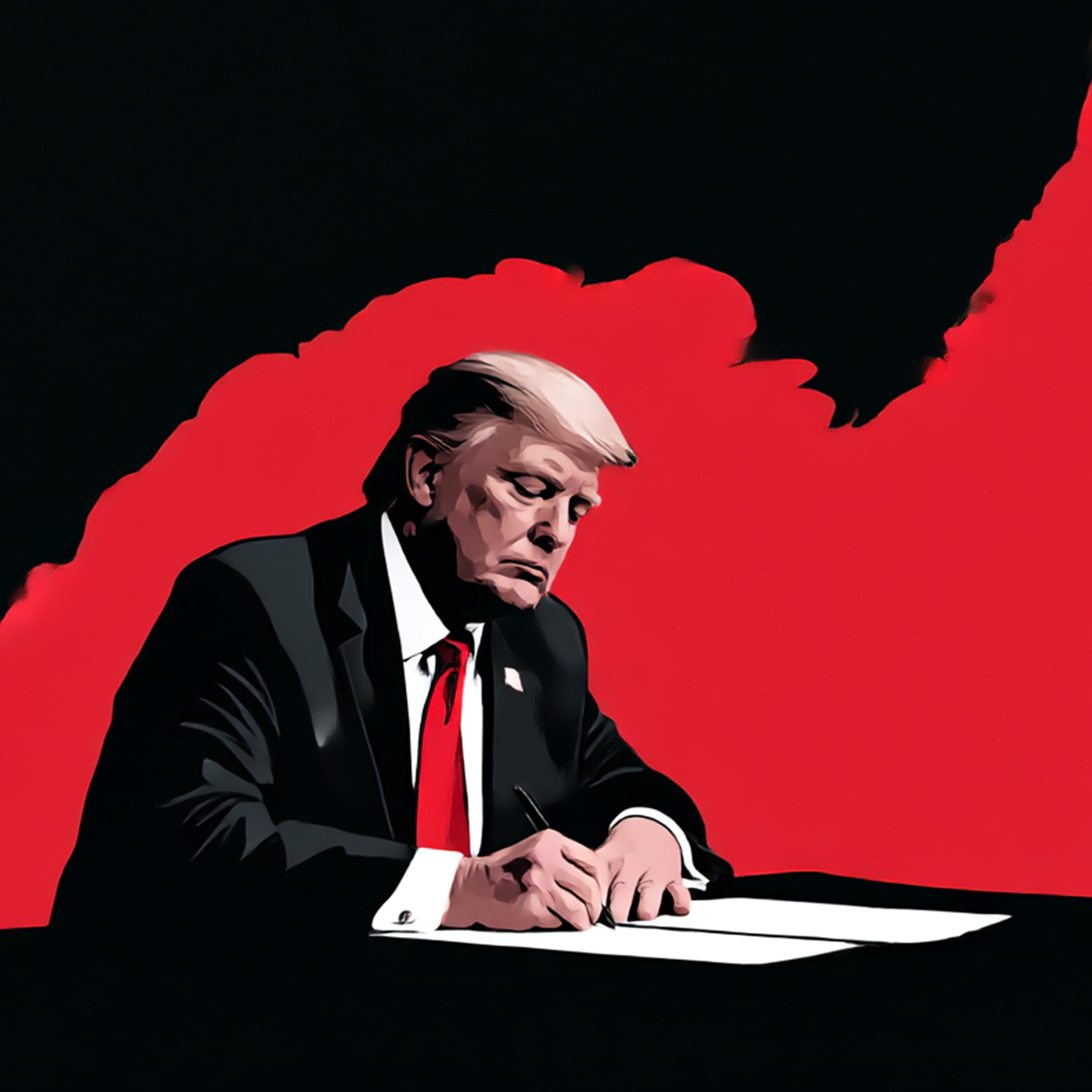
For more than two centuries, the American legal system has operated on a core assumption: lawyers are not punished for the conduct or politics of their clients. In this episode of New Law Order, Jeffrey Toobin examines what happens when that premise is tested by executive power. The interview is co-hosted by Joel Cohen, founder of TalksOnLaw, and John Morley, a Yale Law School professor whose scholarship focuses on the structure and economics of law firms. Together, they explore how executive actions directed at major firms—absent allegations of illegality—operate less as regulation and more as deterrence, why some firms chose litigation while others accommodated, and what these choices reveal about institutional risk, professional independence, and the resilience of the adversarial system under political pressure.How to Earn CLE CreditMCLE certificates are eligible only for TalksOnLaw Premium or Podcast members. To earn credit, listen to the full program, note the verification code announced during the recording, then log in to your TalksOnLaw account to record attendance and download your certificate at www.TalksOnLaw.com/podcast. Approved for 1.25 hours of General Illinois MCLE credit at the time of publication. Please visit TalksOnLaw to check whether older courses remain active for MCLE reporting purposes.
Free speech has long been a constitutional cornerstone in the United States—but in recent years, calls for censorship have surged. Whether in response to hate speech, misinformation, or online harm, efforts to restrict expression are on the rise. In this provocative conversation, former ACLU president and NYU Law Professor Nadine Strossen mounts a powerful defense of the First Amendment. Drawing from her latest book, War on Words: 10 Arguments Against Free Speech—And Why They Fail, Strossen explores the legal doctrines that protect speech, explains why censorship often backfires, and warns of the dangers in allowing government or platforms to decide which ideas are acceptable. A must-listen for anyone concerned about the future of civil liberties.How to Earn CLE CreditMCLE certificates are eligible only for TalksOnLaw Premium or Podcast members. To earn credit, listen to the full program, note the verification code announced during the recording, then log in to your TalksOnLaw account to record attendance and download your certificate at www.TalksOnLaw.com/podcast. Approved for 1.5 hours of General Illinois MCLE credit at the time of publication. Please visit TalksOnLaw to check whether older courses remain active for MCLE reporting purposes.
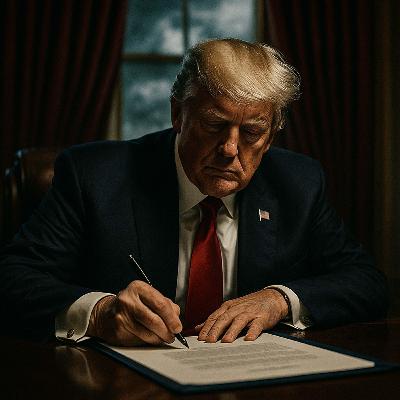
When a string of 2025 executive orders barred select law firms from federal buildings, revoked security clearances, and threatened to cancel their clients’ government contracts, Big Law took notice. Yale Law professor John Morley—author of Why Law Firms Collapse—joins Talks On Law host Joel Cohen to explain:how the orders leverage client pressure to destabilize even thriving partnerships;the “bank-run” dynamic of partner exits and collapsing profits-per-partner;bankruptcy claw-back rules and unfinished-business liability that haunt partners who stay;ethics constraints under Model Rules 5.4 and 5.6 that limit outside capital, speed lawyer mobility, and allow for this unique risk;why transactional giants settled while litigation shops fought—and the reputational trade-offs for both.How to Earn CLE CreditMCLE certificates are eligible only for TalksOnLaw Premium or Podcast members. To earn credit, listen to the full program, note the verification code announced during the recording, then log in to your TalksOnLaw account to record attendance and download your certificate at www.TalksOnLaw.com/podcast. Approved for 1.25 hours of Professional Responsibility Illinois MCLE credit at the time of publication. Please visit TalksOnLaw to check whether older courses remain active for MCLE reporting purposes.

Growing evidence links heavy social‑media use to rising anxiety, bullying, and sextortion among kids, and state lawmakers are racing to respond. In this interview, Harvard Law School’s Leah Plunkett—reporter for the Uniform Law Commission’s child‑influencer act—and University of Virginia family‑law scholar Naomi Cahn examine how new statutes seek to verify age, require parental consent, and redesign feeds to curb addictive features.Plunkett and Cahn compare Florida’s and Utah’s sweeping under‑14 account bans with New York’s pending “SAFE for Kids Act,” explore design mandates such as late‑night notification curfews, and explain why long‑standing COPPA rules leave teens largely unprotected. They unpack First Amendment and privacy challenges already moving through the courts, highlight emerging “digital Coogan” laws that safeguard child‑creator earnings, and note international moves—from Australia’s proposed under‑16 ban to the U.K.’s Age‑Appropriate Design Code.How to Earn CLE CreditMCLE certificates are eligible only for TalksOnLaw Premium or Podcast members. To earn credit, listen to the full program, note the verification code announced during the recording, then log in to your TalksOnLaw account to record attendance and download your certificate at www.TalksOnLaw.com/podcast. Approved for 1.5 hours of General Illinois MCLE credit at the time of publication. Please visit TalksOnLaw to check whether older courses remain active for MCLE reporting purposes.

Digital platforms now enable the near-instantaneous distribution of information, including misinformation and disinformation, to vast audiences. Disinformation refers to false or manipulated information deliberately created to deceive, whereas misinformation is inaccurate or misleading information that is sometimes shared without harmful intent. Professor Barbara McQuade—a former U.S. attorney and current professor of National Security Law at the University of Michigan Law School—explores these challenges and the legal weapons to combat them, noting that disinformation currently poses one of the biggest threats to national security.How to Earn CLE CreditMCLE certificates are eligible only for TalksOnLaw Premium or Podcast members. To earn credit, listen to the full program, note the verification code announced during the recording, then log in to your TalksOnLaw account to record attendance and download your certificate at www.TalksOnLaw.com/podcast. Approved for 1.0 hour of General Illinois MCLE credit at the time of publication. Please visit TalksOnLaw to check whether older courses remain active for MCLE reporting purposes.

As artificial intelligence systems become increasingly expensive and resource dependent to develop, a question arises: Are we witnessing the emergence of AI as a natural monopoly? In this conversation, Berkeley Law Professor Tejas Narechania explores how the market forces driving AI consolidation create both efficiency and significant legal risks.Professor Narechania explains the structural conditions under which a natural monopoly can form—where the high costs of developing foundational AI models and the competitive advantages of massive datasets create significant barriers to entry. He discusses how antitrust principles, network effects, and accountability risks must be considered when regulating AI market power.Throughout the discussion, Professor Narechania draws on historical parallels in telecommunications law and explores potential legal tools, including interoperability requirements, national security concerns, and public infrastructure models to improve outcomes without stifling innovation.How to Earn CLE CreditMCLE certificates are eligible only for TalksOnLaw Premium or Podcast members. To earn credit, listen to the full program, note the verification code announced during the recording, then log in to your TalksOnLaw account to record attendance and download your certificate at www.TalksOnLaw.com/podcast. Approved for 1.0 hour of General Illinois MCLE credit at the time of publication. Please visit TalksOnLaw to check whether older courses remain active for MCLE reporting purposes.
The legal profession faces alarmingly high rates of substance abuse and mental health challenges. In this conversation, Brian Cuban, attorney, author, and addiction recovery advocate, explores the systemic and cultural factors contributing to addiction among lawyers and provides actionable strategies for prevention and recovery.Cuban shares his deeply personal journey of battling addiction and rebuilding his life, offering valuable insights into how stigma, stress, and the “work hard, play hard” culture exacerbate the problem. He discusses the role of Lawyers’ Assistance Programs (LAPs), the importance of creating supportive environments within law firms, and the ethical obligations attorneys must navigate when facing addiction.Throughout the discussion, Cuban examines the legal structures that protect confidentiality and promote recovery, as well as innovative approaches to fostering well-being in the profession and provides tools to help lawyers recognize, address, and prevent substance abuse while maintaining competence and ethical integrity.How to Earn CLE CreditMCLE certificates are eligible only for TalksOnLaw Premium or Podcast members. To earn credit, listen to the full program, note the verification code announced during the recording, then log in to your TalksOnLaw account to record attendance and download your certificate at www.TalksOnLaw.com/podcast. Approved for 1.5 hours of Mental Health & Substance Abuse Illinois MCLE credit at the time of publication. Please visit TalksOnLaw to check whether older courses remain active for MCLE reporting purposes.

AI is changing how lawyers do their work and raising questions about how lawyers can harness artificial intelligence consistent with their professional responsibilities. Georgetown Law Professor Tanina Rostain answers questions about the transformative impact of AI on the legal profession and how the rules of professional conduct apply to the new ways that attorneys use AI to conduct research, draft documents, and interact with clients. How to Earn CLE CreditMCLE certificates are eligible only for TalksOnLaw Premium or Podcast members. To earn credit, listen to the full program, note the verification code announced during the recording, then log in to your TalksOnLaw account to record attendance and download your certificate at www.TalksOnLaw.com/podcast. Approved for 1.0 hour of Professional Responsibility Illinois MCLE credit at the time of publication. Please visit TalksOnLaw to check whether older courses remain active for MCLE reporting purposes.

The sale and production of lab-grown meat have been criminalized in Florida and Alabama, with other states considering similar legislation. Food law expert Professor Michael Roberts from UCLA Law School explains what the new laws do as well as how they fit into the federal regulatory framework and the historical context of food law and politics in the United States.How to Earn CLE CreditMCLE certificates are eligible only for TalksOnLaw Premium or Podcast members. To earn credit, listen to the full program, note the verification code announced during the recording, then log in to your TalksOnLaw account to record attendance and download your certificate at www.TalksOnLaw.com/podcast. Approved for 1.0 hour of General Illinois MCLE credit at the time of publication. Please visit TalksOnLaw to check whether older courses remain active for MCLE reporting purposes.
Prosecutors have full discretion as to both which charges to bring as well as to whether or not to bring charges at all. The power of prosecutors extends far beyond the courtroom, shaping the trajectory of countless lives through their decisions. Legal experts Bruce Green and Rebecca Roiphe delve into this immense authority in an insightful interview, exploring the nuances of prosecutorial discretion and its profound impact on the justice system. Their discussion sheds light on the ethical and constitutional standards that guide prosecutorial conduct, emphasizing the balance between power and responsibility.How to Earn CLE CreditMCLE certificates are eligible only for TalksOnLaw Premium or Podcast members. To earn credit, listen to the full program, note the verification code announced during the recording, then log in to your TalksOnLaw account to record attendance and download your certificate at www.TalksOnLaw.com/podcast. Approved for 1.0 hour of Professional Responsibility Illinois MCLE credit at the time of publication. Please visit TalksOnLaw to check whether older courses remain active for MCLE reporting purposes.
The law of self-defense permits the use of deadly force under a strict set of conditions: the threat must be both imminent and unlawful, and the response, both necessary and proportionate. But what of the murkier scenarios where multiple parties, ensnared in the throes of perceived danger, believe themselves justified in their fears? Consider the tragic case of George Zimmerman and Trayvon Martin—where does the law stand when fear is misplaced, and how swiftly can one lawfully escalate to lethal force? Professor Kimberly Ferzan of the University of Pennsylvania School of Law navigates these shadowy waters and others offering her insights into the delicate balance between legal theory and the stark realities of personal safety.How to Earn CLE CreditMCLE certificates are eligible only for TalksOnLaw Premium or Podcast members. To earn credit, listen to the full program, note the verification code announced during the recording, then log in to your TalksOnLaw account to record attendance and download your certificate at www.TalksOnLaw.com/podcast. Approved for 1.0 hour of General Illinois MCLE credit at the time of publication. Please visit TalksOnLaw to check whether older courses remain active for MCLE reporting purposes.
In the realm of maritime law, ships possess a unique legal characteristic: their total liability in the event of an accident is generally limited to the value of the ship post-incident. This principle, which can seem as impenetrable as the sea itself, is navigated by Professor Martin Davies, a renowned expert in maritime law. Davies explains the legal history and justification, real world tragedies and the impact of this limitation, and the cases and opinions that have shaped the law. How to Earn CLE CreditMCLE certificates are eligible only for TalksOnLaw Premium or Podcast members. To earn credit, listen to the full program, note the verification code announced during the recording, then log in to your TalksOnLaw account to record attendance and download your certificate at www.TalksOnLaw.com/podcast. Approved for 0.5 hours of General Illinois MCLE credit at the time of publication. Please visit TalksOnLaw to check whether older courses remain active for MCLE reporting purposes.
Forensic science, when applied rigorously, has the power to catch and convict criminals, but when mishandled, can lead to tragic miscarriages of justice. In this eye-opening interview with Professor Brandon Garrett (Duke Law School) and Dr. Peter Stout (Houston Forensic Science Center), explore high-profile exoneration cases like those of Josiah Sutton and George Rodriguez and the systemic issues plaguing crime labs across the country.How to Earn CLE CreditMCLE certificates are eligible only for TalksOnLaw Premium or Podcast members. To earn credit, listen to the full program, note the verification code announced during the recording, then log in to your TalksOnLaw account to record attendance and download your certificate at www.TalksOnLaw.com/podcast. Approved for 1.0 hours of General Illinois MCLE credit at the time of publication. Please visit TalksOnLaw to check whether older courses remain active for MCLE reporting purposes.

The legal profession is known for its high-stakes, high-stress lifestyle. The dangers of stress to mind and body are similarly well known. However, as one endocrinologist famously put it, “It is not stress that kills us, it is our reaction to it.” In a time of heightened stress, we explore one potentially powerful strategy that lawyers can use to more effectively combat stress and improve their professionalism–mindfulness. As attorney and mindfulness teacher Jon Krop explains, mindfulness is the practice of being present in the moment and a practical tool to help better manage stress. Krop describes some of the unique characteristics of the legal profession that may make lawyers more prone to stress and makes the case for incorporating mindfulness and meditation to improve job performance and the health of the profession overall. This interview explores both the scientific underpinnings and benefits of mindfulness and concrete tips to incorporate mindfulness into a busy lawyer’s daily life.How to Earn CLE CreditMCLE certificates are eligible only for TalksOnLaw Premium or Podcast members. To earn credit, listen to the full program, note the verification code announced during the recording, then log in to your TalksOnLaw account to record attendance and download your certificate at www.TalksOnLaw.com/podcast. Approved for 1.0 hour of Mental Health/Substance Abuse Illinois MCLE credit at the time of publication. Please visit TalksOnLaw to check whether older courses remain active for MCLE reporting purposes.

 1
1In the volatile conflict between Israel and Gaza, the line between legitimate military action and war crimes is often blurred. Professor Michael Newton, an expert in the laws of war, begins with a brief history of war crimes and how these international laws were codified. He then turns to the violence in Gaza and Israel, using real life examples from bombings to kidnapping to better understand what differentiates a legitimate act of war from a war crime.How to Earn CLE CreditMCLE certificates are eligible only for TalksOnLaw Premium or Podcast members. To earn credit, listen to the full program, note the verification code announced during the recording, then log in to your TalksOnLaw account to record attendance and download your certificate at www.TalksOnLaw.com/podcast. Approved for 1.25 hours of General Illinois MCLE credit at the time of publication. Please visit TalksOnLaw to check whether older courses remain active for MCLE reporting purposes.
When you die without a will, the default rules of inheritance law kick in, allocating assets based on established formulas and hierarchies. In this conversation, Professor John Morley (Yale Law School) explains basic inheritance law and delves into the default rules that come into play when a person dies without a will (“intestate”) and how these rules both vary significantly from state to state and are often at odds with common expectations when it comes to an individual’s legacy. Through his recent survey, Professor Morley has uncovered differences in inheritance expectations across various demographic groups. For instance, women are notably less likely than men to intentionally leave money to their spouses. Additionally, the conversation explores discrepancies by race and sexual orientation as well as some notable surprises pertaining to less traditional family structures.Professor Morley's insights not only underscore the importance of having a will that accurately reflects one's wishes but also suggest that intestacy laws across the nation may be out of step with modern expectations and in need of revision.How to Earn CLE CreditMCLE certificates are eligible only for TalksOnLaw Premium or Podcast members. To earn credit, listen to the full program, note the verification code announced during the recording, then log in to your TalksOnLaw account to record attendance and download your certificate at www.TalksOnLaw.com/podcast. Approved for 0.75 hours of General Illinois MCLE credit at the time of publication. Please visit TalksOnLaw to check whether older courses remain active for MCLE reporting purposes.
Students for Fair Admissions v. Harvard College signals a radical shift in how the Supreme Court views favoring racial diversity and affirmative action in higher education. Chief Justice John Roberts, writing the majority opinion in SFFA v. Harvard, rejects the use of race as a factor in college admissions, asserting that this practice, previously accepted under prior cases such as Bakke and Fisher (see additional resources), is no longer permissible. Professor Theodore Shaw of UNC Law School explains the evolution of affirmative action and racial diversity programs and the impact of this decision on our understanding of Title VI of the Civil Rights Act of 1964 and the Equal Protection Clause of the Fourteenth Amendment.How to Earn CLE CreditMCLE certificates are eligible only for TalksOnLaw Premium or Podcast members. To earn credit, listen to the full program, note the verification code announced during the recording, then log in to your TalksOnLaw account to record attendance and download your certificate at www.TalksOnLaw.com/podcast. Approved for 1.0 hour of General Illinois MCLE credit at the time of publication. Please visit TalksOnLaw to check whether older courses remain active for MCLE reporting purposes.
Law firm failures do not merely fall off into bankruptcy - they are spectacles of grand implosions. American law firms suffer from unique structural risks that can drive these formidable institutions to not just falter, but to rapidly collapse even when their balance sheets and profitability would suggest more durability in another industry. This phenomenon, far from random, stems from the fragile ownership structure unique to the legal industry. In an interview with Yale Law Professor John Morley, we take a deep dive into the inherent risks and dramatic consequences of law firm failures, and why this topic should command our attention. How to Earn CLE CreditMCLE certificates are eligible only for TalksOnLaw Premium or Podcast members. To earn credit, listen to the full program, note the verification code announced during the recording, then log in to your TalksOnLaw account to record attendance and download your certificate at www.TalksOnLaw.com/podcast. Approved for 0.75 hours of General Illinois MCLE credit at the time of publication. Please visit TalksOnLaw to check whether older courses remain active for MCLE reporting purposes.
Police commands are the cornerstone of law enforcement, at once projecting the authority of the state and instantly creating legal obligations for which the failure to comply can result in arrest, detention, or even the use of deadly force. But what are the limits of police commands? When are they lawful and what rights do we have to disobey them when they are unlawful? Professor Rachel Harmon, a leading scholar on police law explains how police commands are the building blocks of police authority and can serve as the foundation upon which a peaceful resolution to a crisis is built. On the other hand, bad commands can create confusion, escalate tensions, and result in unnecessary use of force. Prof Harmon explains the legal limits of police commands and how regulating them can play a critical role in reducing police abuse and unnecessary force.How to Earn CLE CreditMCLE certificates are eligible only for TalksOnLaw Premium or Podcast members. To earn credit, listen to the full program, note the verification code announced during the recording, then log in to your TalksOnLaw account to record attendance and download your certificate at www.TalksOnLaw.com/podcast. Approved for 1.0 hour of General Illinois MCLE credit at the time of publication. Please visit TalksOnLaw to check whether older courses remain active for MCLE reporting purposes.

Comments

Download from Google Play

Download from App Store
 United States