DiscoverWonder Cabinet
Wonder Cabinet
Claim Ownership

Wonder Cabinet

Author: Wonder Cabinet Productions

Subscribed: 5,564Played: 152,095
Share

Description


Wonder Cabinet is an independent podcast from Anne Strainchamps and Steve Paulson, Peabody Award-winning creators of public radio's To The Best Of Our Knowledge. For 35 years, that show brought long-form conversations to 200+ stations nationwide; its interviews are now archived in the Library of Congress.


Episodes feature intimate, long-form conversations with scientists, philosophers, writers, and artists who are re-imagining our relationship with the planet. Some study black holes or quantum entanglement; others map mycelial networks or count ancient tree rings. And some explore dream worlds, myths, and fairy tales to revive ways of knowing that challenge what we think we understand about the nature of reality.


The name references Enlightenment-era cabinets of curiosities—private collections of shells, fossils, astronomical instruments, and saints' relics that existed at a moment when the scientific revolution was still in conversation with older ways of knowing the world. Today, another shift is taking place, as mechanistic models give way to more holistic, relational understandings of life on a sentient planet. Wonder Cabinet lives at that threshold.


About the hosts

Anne Strainchamps and Steve Paulson co-founded To The Best Of Our Knowledge. Steve hosts Luminous, a podcast about the science and philosophy of psychedelics, and is the author of Atoms and Eden.


Learn more at wondercabinetproductions.com.

712 Episodes
Reverse
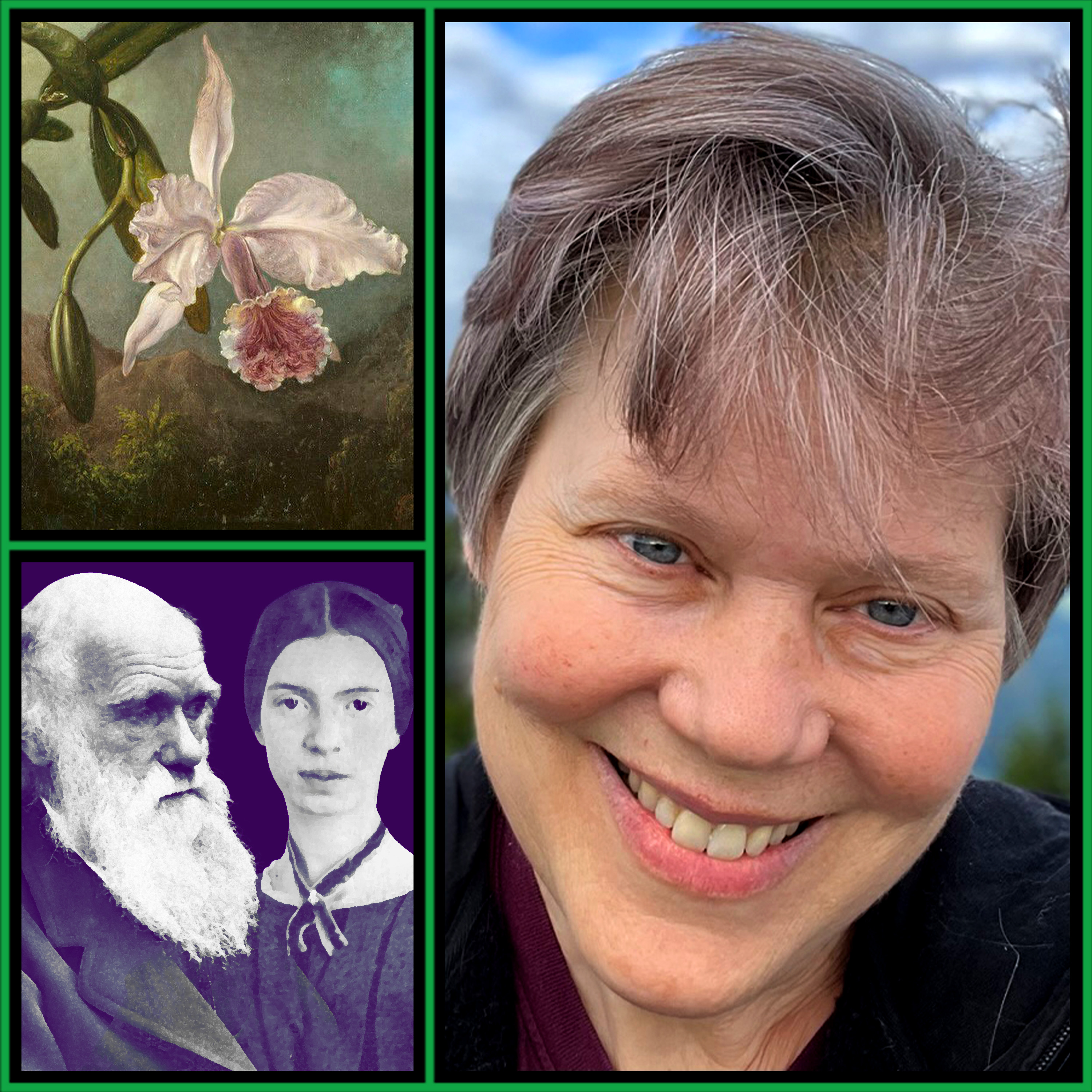
Emily Dickinson and Charles Darwin both saw nature as alive with mystery – and treated wonder as a way of knowing. Literary scholar and science historian Renee Bergland, author of "Natural Magic," is our guide to the forgotten kinship between the reclusive poet and the celebrated naturalist. Dickinson and Darwin never met, but they had at least one close friend in common. Both were both fascinated by fossils. Both wandered the woods and swamps near their homes, studying insects and documenting rare plants. They shared a vision of the interconnectedness of all life. We know that Dickinson, with her background in botany, geology, astronomy and chemistry, was enthralled by Darwin’s evolutionary theory. And it certainly seems possible that Darwin, with his degree in theology and his lifelong love of poetry and literature, might have admired the American poet whose close observations and delicate perceptions echoed his own. Bergland’s dual biography, just out in paper, is vivid, sparkling intellectual history – a window onto a time when scientific thinking still embraced emotion and wonder as modes of perception. Could the belief in “natural magic” that infused Dickinson’s and Darwin’s ideas restore our own faith in a universe alive with meaning? Our conversation about the poet who studied natural history and the naturalist who loved poetry suggests a way forward – by reclaiming their shared ecological wonder. — Now out in paperback: "Natural Magic: Emily Dickinson, Charles Darwin, and the Dawn of Modern Science" Previous books from Renee Bergland: "Maria Mitchell and the Sexing of Science: An Astronomer Among the American Romantics" and "The National Uncanny: Indian Ghosts and American Subjects"  —0:00 — Meeting Renee Bergland9:00 — What Is Natural Magic?20:00 — Beauty, Truth, and Evolution34:00 — Hope and the Garden of Change Wonder Cabinet is hosted by Anne Strainchamps and Steve Paulson. Find out more about the show at https://wondercabinetproductions.com, where you can subscribe to the podcast and our newsletter.
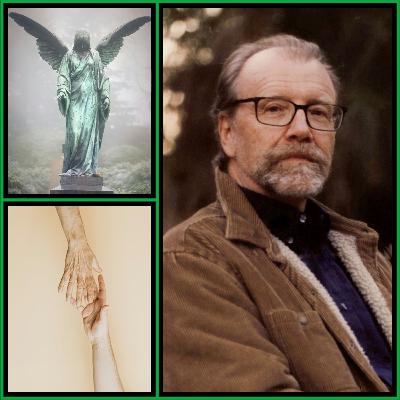
What if dying is not an ending, but a moment of radical clarity? In his new novel "Vigil," George Saunders conjures a strange and often comic world of bickering angels visiting a dying, deeply flawed man—debating and waiting to see whether he can face the truth about himself before it’s too late.In this conversation, Steve Paulson talks with Saunders about the evolution of his ideas about death and the possibility of an afterlife. Dying, he says, may be “the ultimate experience of wonder,” and he believes ghost stories can open powerful imaginative spaces for novelists. Saunders reflects on his own Buddhist practice as he considers these life-and-death questions, and he tells us why he thinks fiction is uniquely suited to grappling with complex moral issues and why Tolstoy and Chekhov are his personal sources of inspiration.Saunders is the author of such celebrated books as “Tenth of December,” “Pastoralia,” and the Booker Prize-winning “Lincoln in the Bardo.”  His nonfiction book about the great Russian writers is “A Swim in a Pond in the Rain.”This interview was recorded at the Central Library in downtown Madison shortly before Saunders spoke at the Wisconsin Book Festival.— To the Best of Our Knowledge — On his short story collection “Tenth of December.  To the Best of Our Knowledge: Reflecting on “Lincoln in the Bardo.” Substack Story Club with George Saunders —00:00:00 Introduction and Reading from Vigil00:07:50 The Plane Crash and Death Obsession00:15:00 The Writing Process and Wonder00:24:30 Moral Accountability in Fiction00:32:20 Chekhov, Succession, and Accuracy00:40:00 Kindness, Criticism, and Final Thoughts Wonder Cabinet is hosted by Anne Strainchamps and Steve Paulson. Find out more about the show at https://wondercabinetproductions.com, where you can subscribe to the podcast and our newsletter.
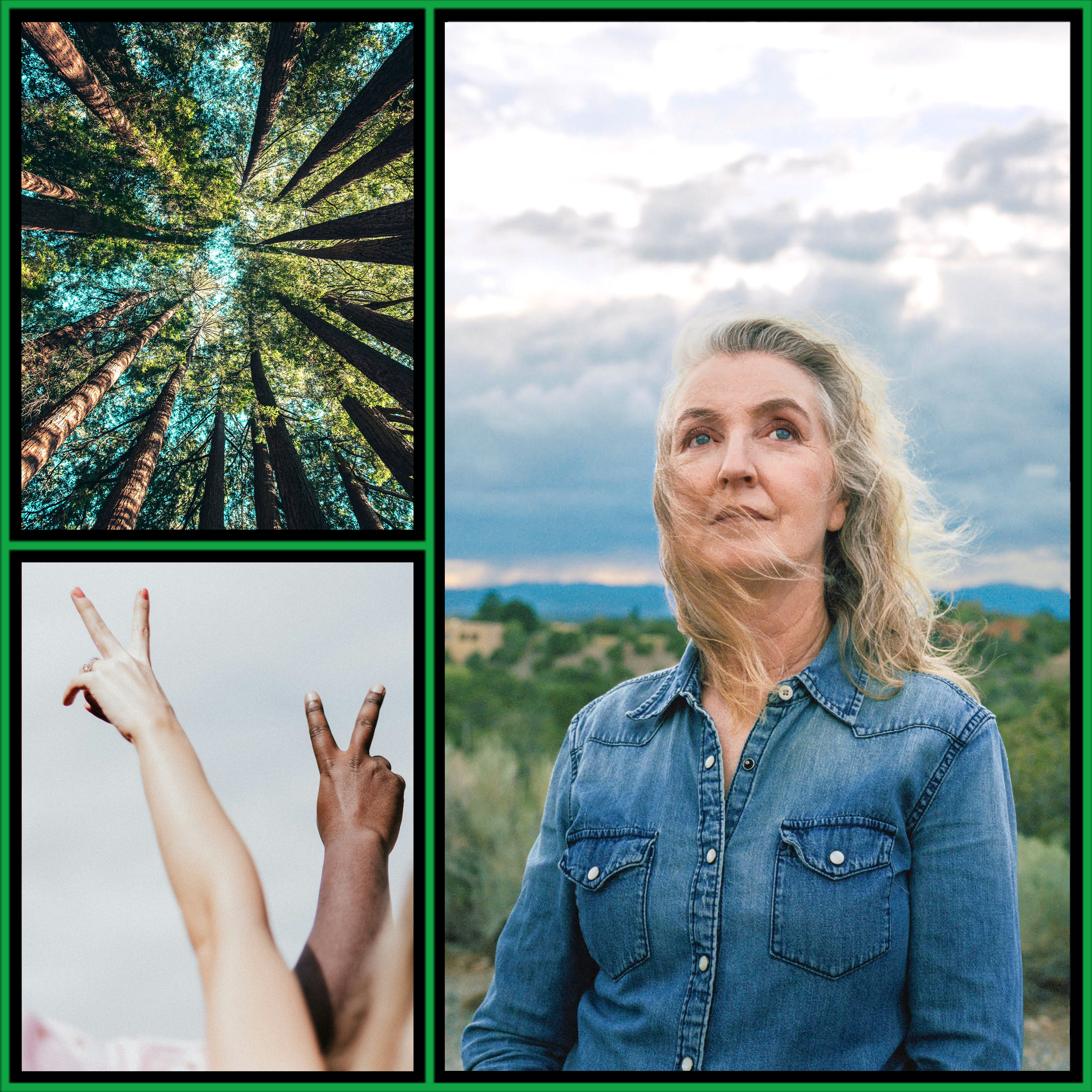
How do you deal with the emotional toll of living in a time of dissolution? Social scientists use the term "polycrisis" to describe the kind of cascading, overlapping failures that can lead to systemic collapse, and it’s hard not to see the symptoms of a dying world order in events unfolding around us.  But maybe what we’re witnessing is actually grounds for hope. In a forthcoming book "The Beginning Comes After the End," writer and activist Rebecca Solnit makes the case that something is dying, all right — because something better is being born. A rising worldview that embraces antiracism, feminism, environmental thinking, Indigenous and non-Western ideas, and a vision of a more interconnected, compassionate world.  Solnit is an engaged writer and intellectual in the tradition of Barbara Ehrenreich, Susan Sontag and George Orwell. Her new book picks up where her earlier bestseller “Hope in the Dark”  left off — with an argument against despair and historical amnesia. In this conversation, we explore the extraordinary scale of progressive social, political, scientific and cultural change over the past century, the roots of Solnit’s stance of “pragmatic, embodied hope,” her thoughts on “moral wonder, “ and her years in San Francisco’s underground punk rock scene.  She also tells us what she’d put in our own wonder cabinet: an AIDS Memorial Quilt square sewn by Rosa Parks.  — To The Best Of Our Knowledge — Tending a wartime garden: what Orwell’s fascination with roses tells us about the human need for beauty  Rebecca Solnit’s newsletter  Pre-order “The Beginning Comes After the End," due out March 3, 2026.  —00:00:00 Introduction 00:04:00 A Land Back Ceremony 00:08:05 Progress in Disguise 00:18:35 Hope and Interconnection 00:29:45 Defiant Hope—Wonder Cabinet is hosted by Anne Strainchamps and Steve Paulson.Find out more about the show at wondercabinetproductions.com, where you can subscribe to the podcast and our newsletter.  Wonder Cabinet is hosted by Anne Strainchamps and Steve Paulson. Find out more about the show at https://wondercabinetproductions.com, where you can subscribe to the podcast and our newsletter.
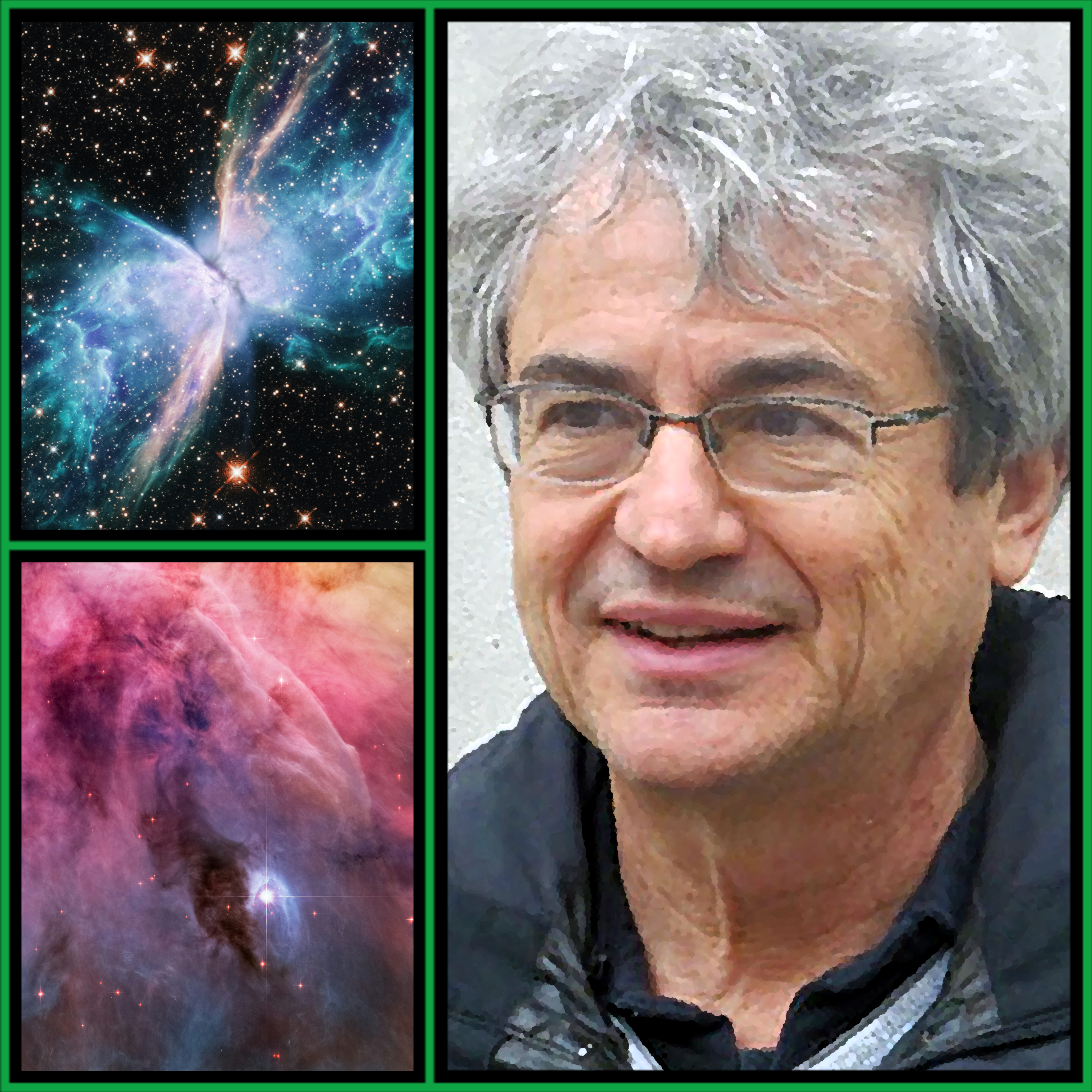
Carlo Rovelli’s quest to understand the nature of reality began not in a physics lab, but in youthful experiments with consciousness, political protest and a restless hunger for meaning—years before he “fell madly in love with physics.” Today, Rovelli is famous for his bestselling books, including "Seven Brief Lessons on Physics" and "Reality Is Not What It Seems," and his pioneering work on some of the biggest mysteries in physics, including black holes and quantum gravity. In a wide-ranging conversation, Steve Paulson talks with Rovelli about his early, profound experiences with LSD; his discovery of the "spectacular" beauty of general relativity and quantum mechanics; his lifelong search for purpose in both the cosmos and his own life; and why scientists need to be politically engaged. Carlo also tells us about the big idea that he’d put in our own wonder cabinet.This interview was recorded at the Island of Knowledge think tank in Tuscany, a project supported by Dartmouth College and the John Templeton Foundation. We also play a short excerpt from Anne Strainchamps’ earlier interview with Rovelli that originally aired on Wisconsin Public Radio’s To The Best Of Our Knowledge. This Wonder Cabinet episode was not funded, endorsed or affiliated with Wisconsin Public Media or the University of Wisconsin - Madison.— TTBOOK Interview — Deep time: Carlo Rovelli's white holes, where time dissolves Carlo Rovelli's Website — Official research and publications —00:00:00 Introduction & The Chirp of Black Holes00:04:10 Early Years in Verona00:10:00 Falling in Love with Physics00:17:30 Search for Truth00:25:05 Politics of Wonder—Wonder Cabinet is hosted by Anne Strainchamps and Steve Paulson.Find out more about the show at wondercabinetproductions.com, where you can subscribe to the podcast and our newsletter.  Wonder Cabinet is hosted by Anne Strainchamps and Steve Paulson. Find out more about the show at https://wondercabinetproductions.com, where you can subscribe to the podcast and our newsletter.
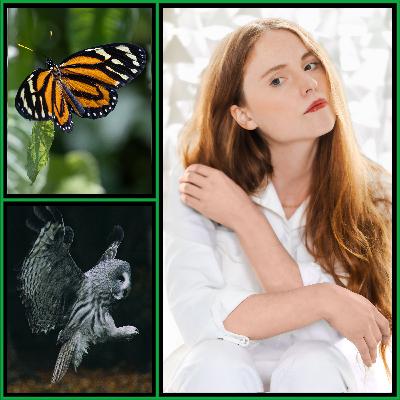
Writer and ecologist Sophie Strand thinks at a scale that can feel dizzying—in the best way. In a single conversation, she can move from the chemical structure of cells to mushroom spores, from ancient weather gods to mycorrhizal fungi, from Bronze Age collapse to the slow intelligence of soil.In this episode of Wonder Cabinet, we talk with Strand about wonder that doesn’t float upward but roots downward—into bodies, ecosystems, decay, and deep time. We begin with her essay “Your Body Is an Ancestor,” published shortly before Halloween and the Day of the Dead, and follow her imagery into our shared prehistoric past. The conversation also explores how Strand’s experience of chronic illness reshaped her understanding of nature, selfhood, and health. Rather than seeing the sick body as broken, she turns to ecological metaphors: spider webs, soil structures, caterpillars dissolving inside cocoons. What might it mean to understand ourselves not as machines that fail, but as landscapes that change?Along the way, we talk about fantasy and “romantasy,” Tolkien, Harry Potter, Dramione fan fiction and communal storytelling rituals. This is a conversation about wonder with dirt under its fingernails: embodied, mythic, ecological, and deeply alive to the cycles of death and regeneration that bind us all.--- Substack: "Your Body is an Ancestor" Sophie Strand’s website  Follow her work on Instagram and Substack Order her memoir ---00:00:00 Meet Sophie Strand00:04:34 Body as Ancestor00:10:08 Roots of Sin00:18:21 Spores and Consciousness00:27:49 Stories We Can't Explain00:35:39 Science as Wonder---Wonder Cabinet is hosted by Anne Strainchamps and Steve Paulson.Find out more about the show at wondercabinetproductions.com, where you can subscribe to the podcast and our newsletter.  Wonder Cabinet is hosted by Anne Strainchamps and Steve Paulson. Find out more about the show at https://wondercabinetproductions.com, where you can subscribe to the podcast and our newsletter.
You know that moment of amazed surprise when you encounter something so unexpected that it feels almost magical? Welcome to “Wonder Cabinet,” the new podcast from the creators of the Peabody Award-winning public radio show “To the Best of Our Knowledge.” Each week, Anne Strainchamps and Steve Paulson host intimate conversations with leading scientists, poets and philosophers about the mystery of the cosmos, the deep intelligence of the Earth, and ideas to re-enchant everyday life. These are expansive interviews about experiences of wonder and transcendence – and ideas that open new doors. We’re living through a period of turbulent change, so there's a question we’re asking: what would happen if we let wonder be our guide -- not as an escape from reality, but as a way to inhabit it more deeply? The first two episodes of “Wonder Cabinet” premiere on January 31, and new editions will be released weekly on Saturdays. Visit https://wondercabinetproductions.com Wonder Cabinet is hosted by Anne Strainchamps and Steve Paulson. Find out more about the show at https://wondercabinetproductions.com, where you can subscribe to the podcast and our newsletter.
Anne and Steve’s new podcast will be about nature, science and wonder – plus, myths, fairy tales, poetry and the unconscious. Anne gives us a quick preview and promises more to come.Wonder Cabinet will drop right here in this feed in January 2026, so keep your subscription active!To follow Wonder Cabinet, sign up here:  https://wondercabinetproductions.com/
Farewell from TTBOOK

Farewell from TTBOOK

2025-09-2753:12

You listened on car trips and overnight flights, in tents and canoes, kitchens and living rooms. You shared our love of ideas, our search for wonder, our curiosity and our belief in the future. Now, after 35 years, it’s time for us to say goodbye. In this hour, Anne talks with TTBOOK’s producers about some of their favorite interviews and why public radio is such a powerful medium.Music in this hour was provided by the Aurora Principle, AurbanniAudio, Kai Engel, and Tom Blain.Original Air Date: September 27, 2025Interviews In This Hour: Anne says goodbye and Steve reflects on Jane Goodall — Shannon Henry Kleiber on the poetry of the human voice — Angelo Bautista on going beyond skin deep — Charles Monroe Kane on intelligent optimismGuests: Anne Strainchamps, Steve Paulson, Shannon Henry Kleiber, Angelo Bautista, Charles Monroe-KaneNever want to miss an episode? Subscribe to the podcast.Want to hear more from us, including extended interviews and favorites from the archive? Subscribe to our newsletter.
Sometimes the world is just too much. Too much awful news, too many things to worry about, too much to do. When you can’t take another headline, can’t handle another email, when you know inside you need something deeper than a vacation — maybe it’s time for a retreat.Original Air Date: January 18, 2025Interviews In This Hour: Pico Iyer’s second home — A plant scientist explores her interior wildernessGuests: Pico Iyer, Monica GaglianoNever want to miss an episode? Subscribe to the podcast.Want to hear more from us, including extended interviews and favorites from the archive? Subscribe to our newsletter.Categories: retreat, silence, darkness, meditation, quiet
Giving Up

Giving Up

2025-09-1352:02

We get the message before we’re out of training pants – when the going gets tough, look on the bright side, make lemonade out of lemons and just do it. We’re going to consider the exact opposite – the wisdom of giving up and letting go. Because sometimes, the strongest and most courageous thing you can do is walk away. Original Air Date: April 27, 2024Interviews In This Hour: The boundary-breaking power of fasting — How do we know when to call it quits? — Escaping the tyranny of certaintyGuests: John Oakes, Adam Phillips, Maggie JacksonNever want to miss an episode? Subscribe to the podcast.Want to hear more from us, including extended interviews and favorites from the archive? Subscribe to our newsletter.
The longest nights of the year are here, but how many of us will see them? The global spread of light pollution is making it harder to experience dark skies and natural darkness. Learning how to reconnect with the planet’s ancient nocturnal rhythms can be profoundly restorative. Nature writers and darkness activists tell us what we’re missing.Deep Time is a series all about the natural ecologies of time from To The Best Of Our Knowledge and the Center for Humans and Nature. We'll explore life beyond the clock, develop habits of "timefulness" and learn how to live with greater awareness of the many types of time in our lives.Original Air Date: December 21, 2024Interviews In This Hour: Listening to the song of the night — Adjusting our eyes to wonders of the nocturnal worldGuests: Sam Lee, Leigh Ann HenionNever want to miss an episode? Subscribe to the podcast.Want to hear more from us, including extended interviews and favorites from the archive? Subscribe to our newsletter.
Can we scale up human flourishing? We know meditation can reduce stress and ease symptoms of depression, but the benefits don’t have to stop there. Some scientists believe just a few minutes of mindfulness practice every day could make entire cities healthier and happier. Original Air Date: August 30, 2025Interviews In This Hour: Can we boost happiness on a city-wide scale? — How music becomes our collective medicine — Healing trauma takes time. Can we speed up psychotherapy?Guests: Richard Davidson, Dalal Abu Amneh, Diana FoshaNever want to miss an episode? Subscribe to the podcast.Want to hear more from us, including extended interviews and favorites from the archive? Subscribe to our newsletter.
The Sum of Our Data

The Sum of Our Data

2025-08-2351:48

Every click on your computer, every swipe on your smartphone, leaves a data trail. Information about who you are, what you do, who you love, the state of your mind and body… so much data about you, expanding day by day in the digital clouds. The question is—do you care? Would owning your data, or having more digital privacy, make life better? And what happens to all that data when you die?Original Air Date: November 22, 2024Interviews In This Hour: A former child test subject seeks the data that shaped her life — In an age of surveillance, do you still care about your privacy? — When you die, what will happen to your data?Guests: Susannah Breslin, Lowry Pressly, Carl ÖhmanNever want to miss an episode? Subscribe to the podcast.Want to hear more from us, including extended interviews and favorites from the archive? Subscribe to our newsletter.
The bond we share with dogs runs deep. The satisfaction of gentle head scratches or a round of playing fetch is simple and pure, but in other ways, the connection we have is truly unknowable. How do dogs make our lives better? How do they think? And how do we give them the lives they deserve?Original Air Date: February 05, 2022Interviews In This Hour: Adventure, goofiness and trail snacks: Stories from the dog musher's journal — Getting inside the mind of a dog — Nothing makes losing a dog easy. But a bridge dog can help. — Joy and peace, high up on Dog MountainGuests: Blair Braverman, Quince Mountain, Donna Haraway, Sarah MillerFurther Reading:Pet Loss Resource Center: Resources for animal loss and griefNever want to miss an episode? Subscribe to the podcast.Want to hear more from us, including extended interviews and favorites from the archive? Subscribe to our newsletter.
What makes food "authentic"? Do we need to feel close to where it's made? Know the complete history of where it comes from? Be able to diagram the chemistry of how it dances along our taste buds? How can we quantify the romance between eaters and the food they love?In this hour, we talk about what it means to truly love what you eat and drink — and we ask why it matters.Original Air Date: June 30, 2018Interviews In This Hour: The Frightening Sameness Beneath Hundreds of Flavors — A Little Grammy, A Little Bubbe: A Writer Embodies Family History Through Food — Anyone Can Cook—With the Right Elements — Does 'Selling Out' Make a Difference You Can Taste? — Two Dishes, Two Tastings: A Dinner Party with Simran, Michael, Samin and JoshGuests: Simran Sethi, Samin Nosrat, Michael Twitty, Josh NoelNever want to miss an episode? Subscribe to the podcast.Want to hear more from us, including extended interviews and favorites from the archive? Subscribe to our newsletter.
Playing with Words

Playing with Words

2025-08-0251:54

Sometime in the last couple of years, America’s collective morning routine shifted. We used to start the day with coffee. Now it’s coffee and Wordle. Or Spelling Bee. Or both, plus the crossword. We’re living in a golden age of word games – which is fun, and one way to get just a tiny bit of relief when the world feels out of control. Original Air Date: November 09, 2024Interviews In This Hour: Getting into the puzzle mindset — Welcome to my crossworldGuests: A. J. Jacobs, Anna ShechtmanNever want to miss an episode? Subscribe to the podcast.Want to hear more from us, including extended interviews and favorites from the archive? Subscribe to our newsletter.
One of the toughest things about trying to understand climate change – arguably the most important story of our time — is wrapping our minds around it. To even imagine something so enormous, so life-changing, we need a story. Some characters, a metaphor, and even some lessons learned. For that, we turn to the novelists and journalists telling the story of climate change – as we – and our children – live it.Original Air Date: August 14, 2021Interviews In This Hour: The Climate Change Stories We Need To Hear — The Climate Crisis Gets Biblical — Lidia Yuknavitch’s Dream World: How Dreams Shaped Her Dazzling Speculative Novel — A Climate Dystopia Of Cold, Concrete, Wind and a WallGuests: Alice Bell, Lydia Millet, Lidia Yuknavitch, John LanchesterNever want to miss an episode? Subscribe to the podcast.Want to hear more from us, including extended interviews and favorites from the archive? Subscribe to our newsletter.
When you’re on the clock, you’re always running out of time – because in our culture, time is money. The relentless countdown is making us and the planet sick. But clock time isn’t the only kind. There are older, deeper rhythms of time that sustain life. What would it be like to live more in tune with nature’s clocks?Deep Time is a series all about the natural ecologies of time from To The Best Of Our Knowledge and the Center for Humans and Nature. We'll explore life beyond the clock, develop habits of "timefulness" and learn how to live with greater awareness of the many types of time in our lives.Original Air Date: June 03, 2023Interviews In This Hour: How time came to rule our lives — and how we might free ourselves — The past and future of keeping timeGuests: Jenny Odell, David RooneyNever want to miss an episode? Subscribe to the podcast.Want to hear more from us, including extended interviews and favorites from the archive? Subscribe to our newsletter.
Life is the sum total of the time between birth and death. But have you ever really wondered, what is life? It’s mysterious - and even science doesn’t quite have an answer. But there’s a new biology of life that’s overturning decades of assumptions. We report from a gathering of biologists, geologists and artists at the Island of Knowledge in Tuscany.Original Air Date: July 12, 2025Interviews In This Hour: Why we need a new theory of life — Beyond the genome: A new science of life — How humans can learn to be animalGuests: Marcelo Gleiser, Bob Hazen, Phil Ball, Melanie ChallengerNever want to miss an episode? Subscribe to the podcast.Want to hear more from us, including extended interviews and favorites from the archive? Subscribe to our newsletter.
Everyday Magic

Everyday Magic

2025-07-0551:55

What would it be like to live in a world where magic is still alive? Not weird, not woo-woo, just ordinary. 400 years ago, consulting a magician in downtown London was as unremarkable as calling a plumber today. Even now, there are places where magic never died – like Iceland, where 54 percent of the population believes in elves, or thinks they might exist. Original Air Date: October 12, 2024Interviews In This Hour: Why do Icelanders believe in elves? — Deborah Harkness uncovers the real history of witches — Practical magic and the 'cunning folk' of Tudor EnglandGuests: Nancy Marie Brown, Deborah Harkness, Tabitha StanmoreNever want to miss an episode? Subscribe to the podcast.Want to hear more from us, including extended interviews and favorites from the archive? Subscribe to our newsletter.
loading
Comments (29)

Jenny Mummert

The guest speaks way too quickly. I get her enthusiasm, but listening to her is annoying. She sounds over stimulated by something .. coffee??

Aug 14th
Reply

Jenny Mummert

This is fascinating and helpful.

Apr 9th
Reply

DA Morales

excellent discussion on serious aspects of mathematics

Jun 16th
Reply

Leo Van Doorn

You lost me at, "This is what the nazis must have felt like", when talking about killing chickens.

Jun 14th
Reply

BC

Cinderella chopped her stepmother's head off? Wild.

May 3rd
Reply (1)

Paul Clancy

Excellent podcast. Good ideas for me. Thank 3

Apr 11th
Reply

BC

Lineas? what were you smoking.

Feb 21st
Reply

BC

I think queer people wouldn't choose to be straight, they would choose to avoid the persecution and bullying and threat of violence that comes with being visibly queer.

Feb 15th
Reply

BC

That's true, Colin Kaepernick still isn't playing for the NFL

Nov 8th
Reply

BC

Smh they didn't even mention Fullmetal Alchemist

Sep 19th
Reply

BC

very informative.

Jul 15th
Reply

Aydin Kocabas

you are the best podcast, i have been listening for years, greetings from Turkey

May 24th
Reply

BC

I wasn't paying much attention in the beginning, is this a rebroadcast?

Apr 15th
Reply (1)

BC

the govermne t would be able to buy things if you paid your fucking taxes mr billionaire

Dec 12th
Reply (1)

BC

This episode is thought-provoking in that it makes you consider different perspectives on what kind of help you decide to give people. I think what I've learned is that it's always better to offer help than just helping when it's unnecessary.

Dec 12th
Reply (1)

Inna S

This podcast deserves more attention and love from everyone. It's a good as radiolab or even better!

May 11th
Reply

Armin Halilovic

I wish the hosts didn't use so much vocal fry. Once you notice it you can't unnotice it, and then it's all you hear. It's a coastal liberal affectation

Apr 19th
Reply (5)

orianna syed

My boyfriend has been dealing with depression for a long time. It definitely hurts to see him in this condition. He has tried many medicines and many psychologists and it just seems the depression won’t go away. He has mentioned ayahuasca before and I all for it. I am all for supporting him and doing what I can To see his happiness again.

Feb 7th
Reply

Jamie Barrios

I am wondering why the producers chose to put such emotionally affecting music as a background to Anand Giridharadas' speech. Do you want to maximize his impact by adding music composed by someone else? shouldn't his ideas be allowed to stand alone without that artificial aid? I see this in documentaries a lot and it feels manipulative because we barely notice it but it is so powerful.

Jan 25th
Reply

Jones

Came across this show in my 'suggestions' feed. It didn't really seem like something I'd normally listen to but the stories are actually pretty interesting. Each episode offers different accounts from people of different backgrounds surrounding whatever theme they are discussing. I think, so far at least, the ideologies expressed and represented are a little one sided. But, it's not presented in a way that it feels that a particular narrative is being forced upon you since the hosts remain mostly neutral and just let the guests tell their stories from their own point of view. It actually reminds me a lot of This American Life. I'd definitely suggest giving it a listen.

Jun 10th
Reply
loading