


 Claim Ownership
Opus Magnanimous. History of the Cosmos in MUSIC
Subscribed: 0Played: 2
Subscribe

Harris Shilakowsky © 2022
Description
Opus Magnimous tells the history of our universe by introducing people who made important discoveries or inventions that enable us to understand the cosmos better. Events and discoveries are each represented with original music composed by Harris Shilakowsky, violinist and composer, and explained and explored.
12 Episodes
Reverse
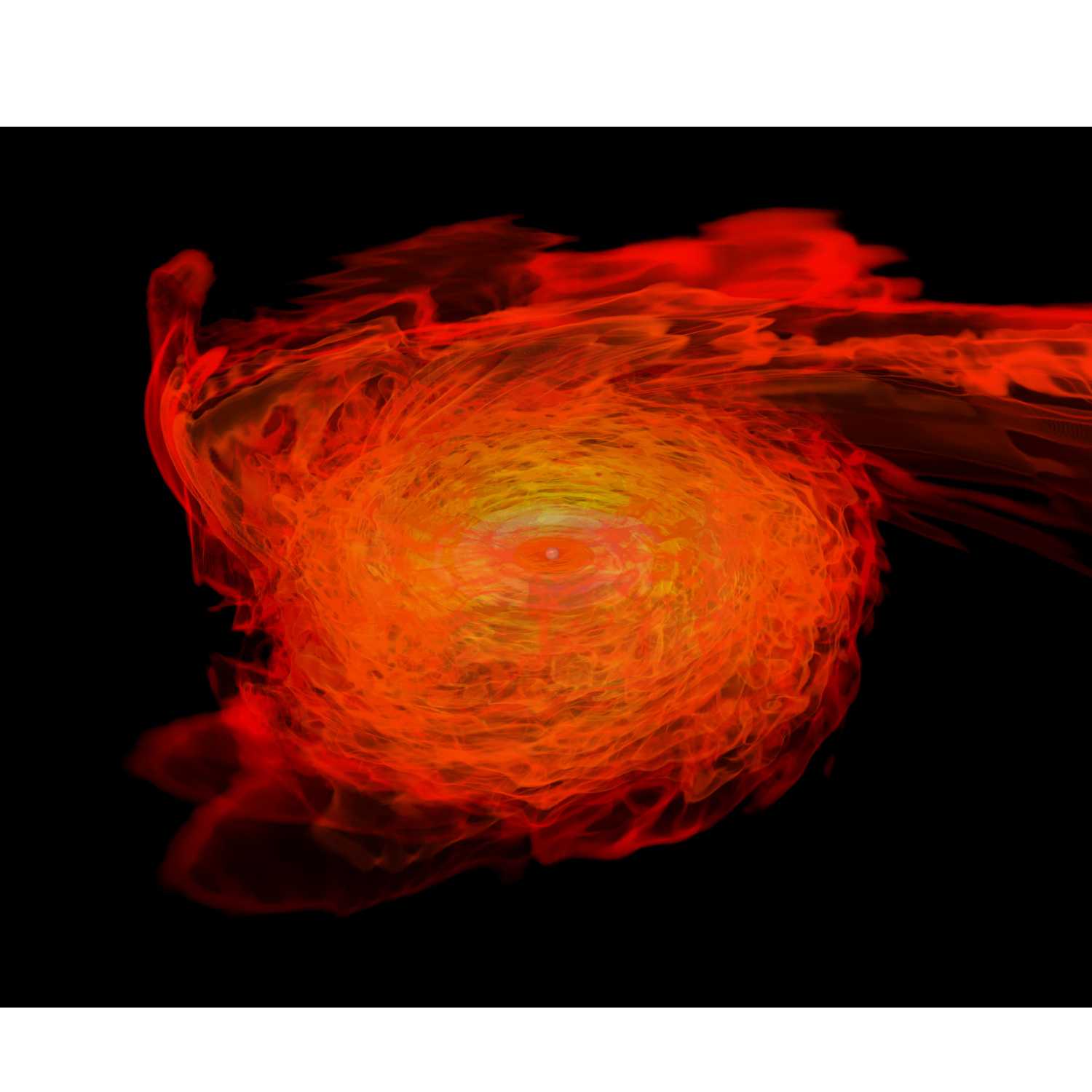
After about 5 months of producing Opus Magnanimous, I realize that I am rushing the composition of my music, and don't have sufficient time to create the best possible podcast! So the new schedule will be every 2 months!
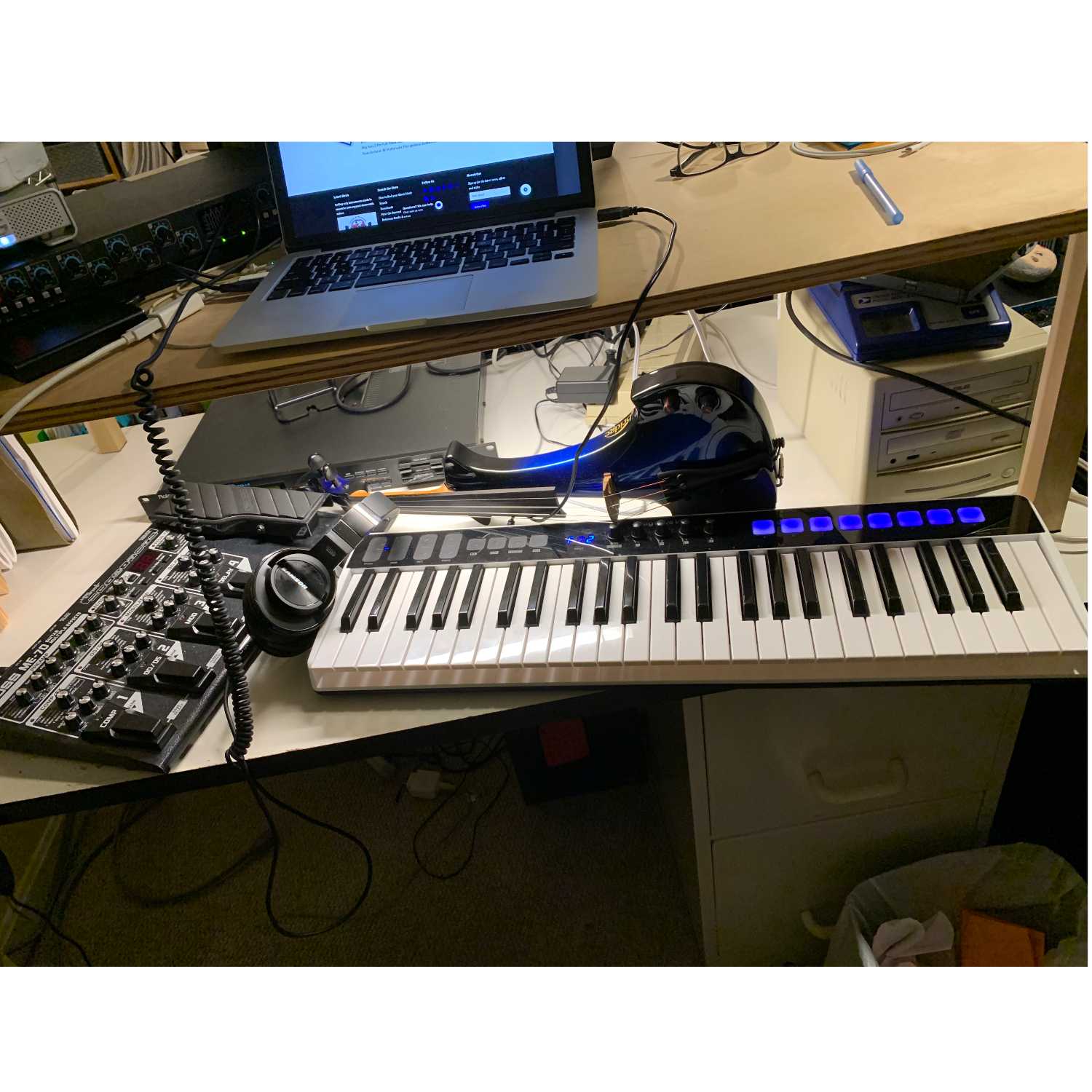
Episode 11 of Opus Magnanimous. History of the Cosmos in Music is a tutorial or descriptive narrative explaining how I use electronic effects with my electric violin, and then how I organize or catalog the patches of effects and sound settings so they can be recalled for future projects or performances quickly and easily. The could be useful for other musicians or producers who use multi-effects pedals.You can view the YouTube video version of this podcast here! https://youtu.be/DUQd9OJXNlk
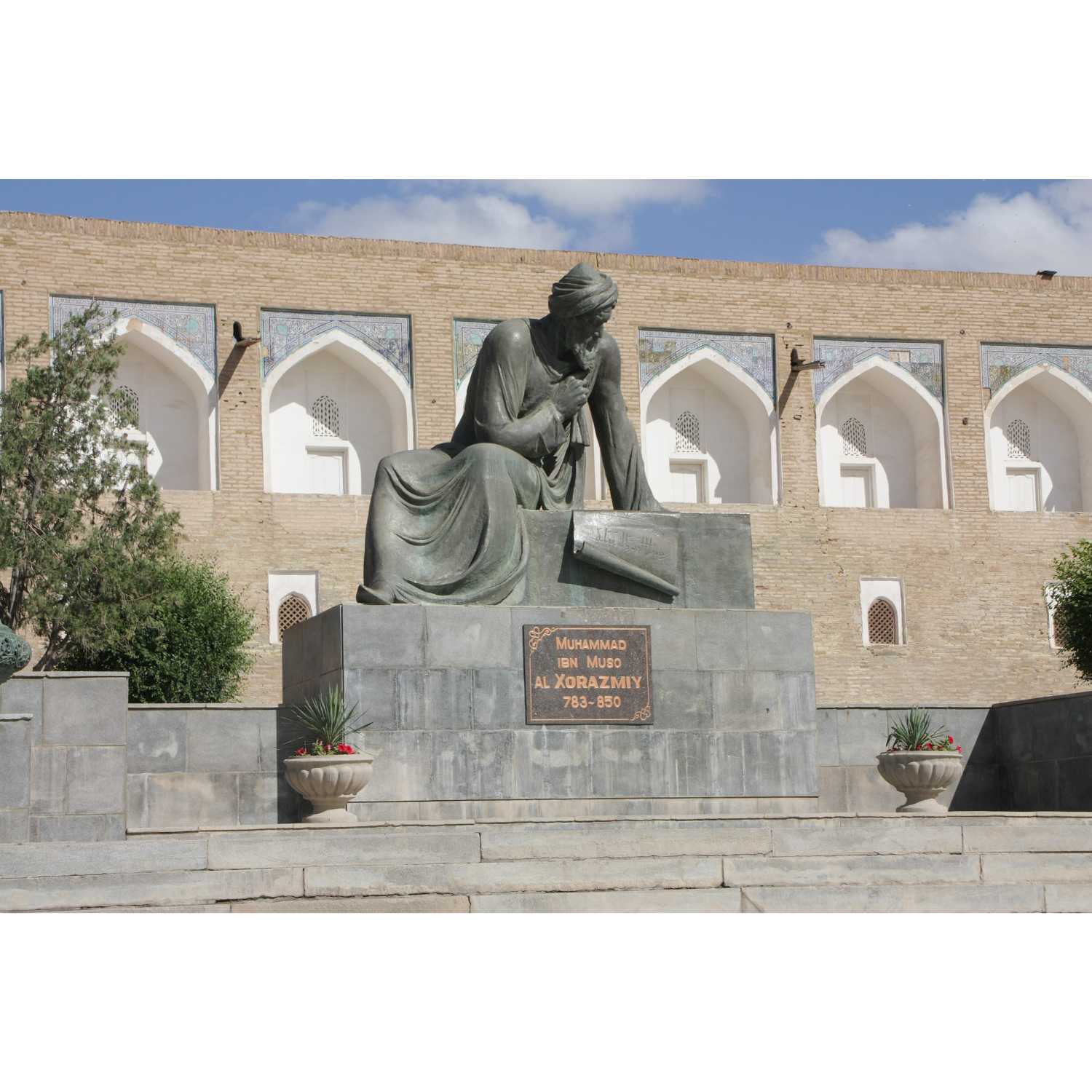
Please support this podcast! https://shilakowskyarts.com/support-the-opus-magnanimous-projectPost Siddhantic Astronomy during the medieval period in the Islamic World, also known as the Zij Era and Hindu Cosmology.sources:https://explorable.com/indian-astronomyhttps://mathshistory.st-andrews.ac.uk/Biographies/Al-Khwarizmi/https://en.wikipedia.org/wiki/Zij_al-Sindhindhttps://en.wikipedia.org/wiki/Hindu_cosmologyhttps://www.hinduscriptures.com/vedic-sciences/hindu-cosmology/27472/#:~:text=Hindu%20Cosmology%20upholds%20the%20idea,the%20manifested%20or%20differentiated%20state.Just published the first draft of the Telescope Timeline. Only people who visit the podcast pages like this one will have this link!Next episode: We'll continue our exploration of Astronomy in medieval period in Islamic World & in our search for the music of the universe, we'll explore the search for Black Hole VibrationsThe image used to represent this podcast episode is the Al-Khwarizmi sculpture in Khiva photographed by Davide Mauro "File:Al-Khwarizmi sculpture in Khiva.jpg" by Davide Mauro is licensed under CC BY-SA 4.0. To view a copy of this license, visit https://creativecommons.org/licenses/by-sa/4.0/?ref=openverse.
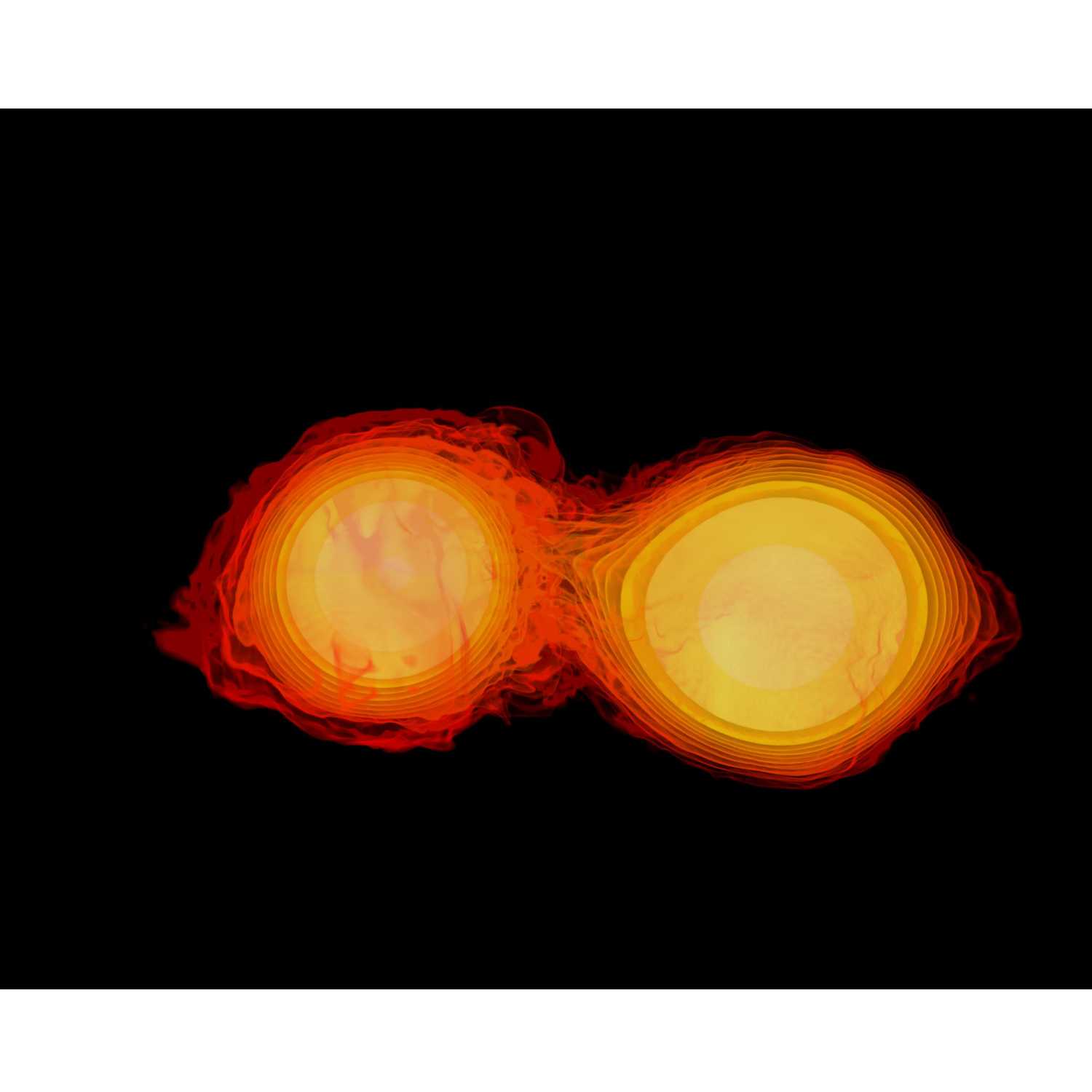
Gravitational Waves will move us and inspire some heavy music as we’ll be looking at the work of LIGO, the Laser-Interferometer Gravitational Wave Observatory.Please support this podcast! https://shilakowskyarts.com/support-the-opus-magnanimous-projectLINKS AND others SOURCEShttps://www.constellation-guide.com/constellation-list/aquarius-constellation/https://www.star-facts.com/sadalsuud/https://www.star-facts.com/star-names/https://www.britannica.com/place/Tigris-Euphrates-river-system/Climate#:~:text=The%20Tigris%20and%20Euphrates%20make,well%20as%20great%20diurnal%20variations.https://www.heavens-above.com/myth.aspx?con=aqrhttps://www.britannica.com/place/Aquarius-astronomyhttps://www.ligo.caltech.edu/page/what-are-gwhttps://en.m.wikipedia.org/wiki/LIGOhttps://physicsworld.com/a/ligo-upgrade-to-allow-almost-daily-detection-of-gravitational-waves/https://en.wikipedia.org/wiki/Neutron_starimage: Neutron Stars Rip Each Other Apart to Form Black Hole thanks to NASA's Goddard Space Flight Center https://svs.gsfc.nasa.gov/vis/a010000/a011500/a011530/index.html
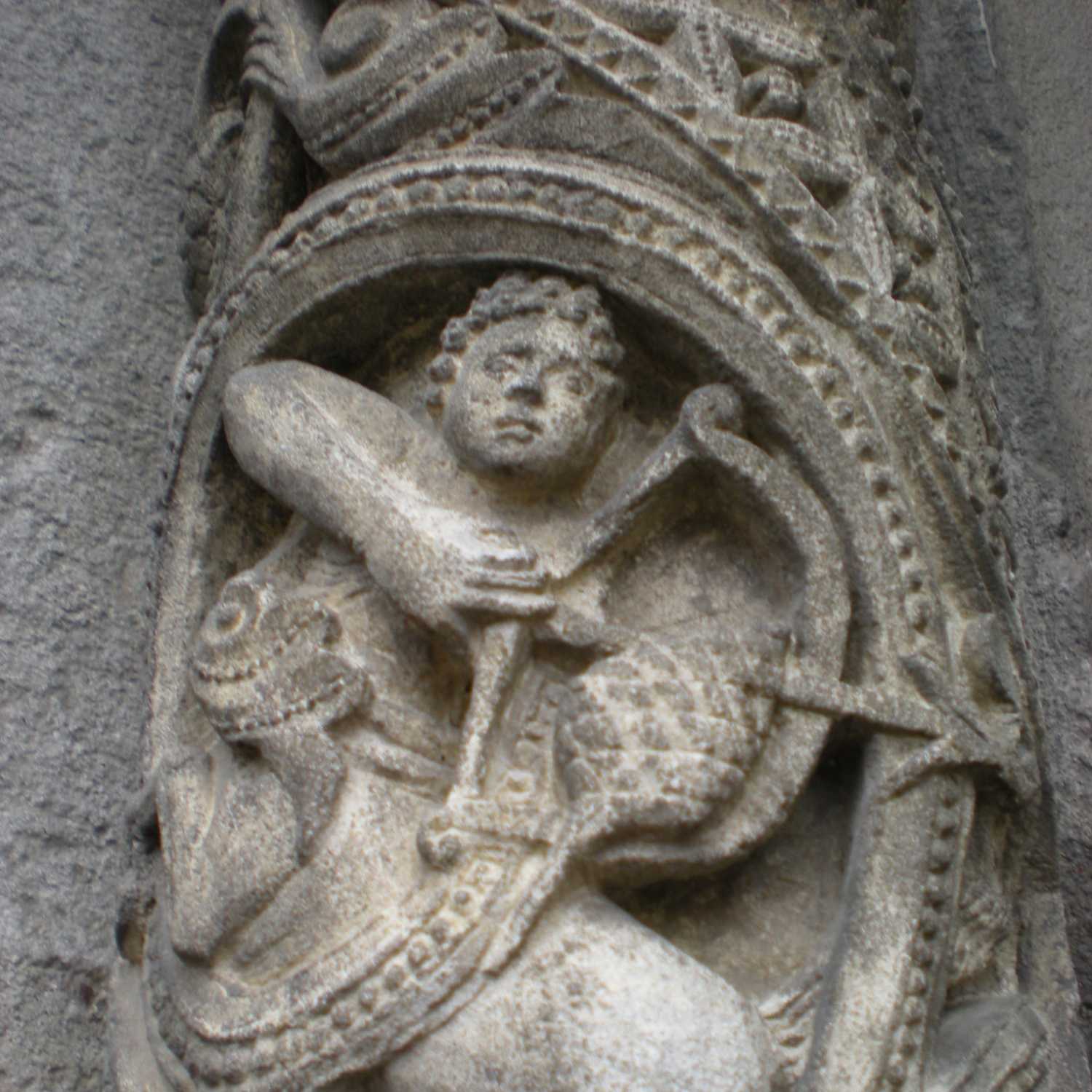
Discussions about Early Indian astronomy from 401 to 1201 CE. Battle of the Space Telescopes and Gaia reveals the past and future of our sun and musical compositions inspired by these.Please support this podcast!https://shilakowskyarts.com/support-the-opus-magnanimous-projectLINKS AND other SOURCEShttps://shilakowskyarts.com/opus-magnanimous-history-of-the-cosmos-in-musichttps://www.allure.com/story/zodiac-sign-personality-traits-dateshttps://explorable.com/indian-astronomyhttps://en.wikipedia.org/wiki/Samavedahttps://www.urbanpro.com/indian-classical-music/history-of-music-in-indiahttps://esahubble.org/news/https://www.youtube.com/watch?v=mU0qHm7h224https://esahubble.org/news/archive/year/2022/https://www.esa.int/Science_Exploration/Space_Science/Gaia/Gaia_reveals_the_past_and_future_of_the_Sunhttps://energyeducation.ca/encyclopedia/Nuclear_fusion_in_the_Sunhttps://energyeducation.ca/encyclopedia/Neutronhttps://energyeducation.ca/encyclopedia/Weak_nuclear_forcehttps://upload.wikimedia.org/wikipedia/commons/0/04/Cont_emspec2.jpghttps://en.wikipedia.org/wiki/Gamma_rayhttps://energyeducation.ca/encyclopedia/Sunlighthttps://energyeducation.ca/encyclopedia/Berylliumhttps://en.wikipedia.org/wiki/Gamma-ray_astronomyhttps://en.wikipedia.org/wiki/Gamma_rayhttps://en.wikipedia.org/wiki/Ionizing_radiationhttps://en.wikipedia.org/wiki/Ionizationphotograph of Portal sculpture of Sagittarius on the facade of Chartres cathedral by Portal sculpture of Sagittarius by genibee is licensed under CC BY-NC 2.0.
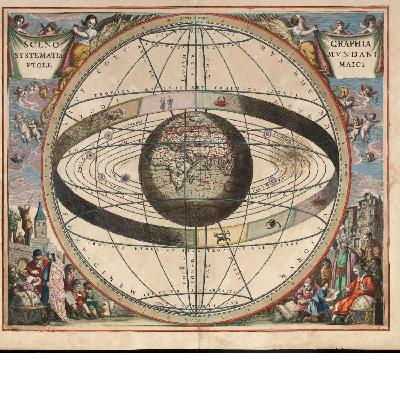
Today's Zodiac Constellation is Capricorn.Early Egyptian astronomer Ptolemy cataloged the stars and used trigonometry. Today's scientists send a million pixel camera far out in space to L2 to catalog almost 2 thousand million stars and celestial objectsPlease support this podcast! https://shilakowskyarts.com/support-the-opus-magnanimous-projectLINKS AND others SOURCEShttps://www.constellation-guide.com/constellations-by-month/september-constellations/https://www.britannica.com/topic/Almagesthttps://www.britannica.com/science/ecliptichttps://astrosociety.org/file_download/inline/aa69c0b7-caaa-444c-bb3f-c377c07b8469https://www.britannica.com/topic/Almagesthttps://www.britannica.com/science/law-of-cosinehttps://www.britannica.com/biography/Ptolemyhttps://www.google.com/search?q=twelve+tone+rows+history&oq=twelve+tone+rows+history&aqs=chrome..69i57j0i546l2j0i30i546.9000j0j4&sourceid=chrome&ie=UTF-8http://microcosmos.uchicago.edu/ptolemy/features.htmlhttps://en.wikipedia.org/wiki/Ecliptichttp://microcosmos.uchicago.edu/ptolemy/astronomy.htmlhttp://microcosmos.uchicago.edu/ptolemy/features.htmlhttps://en.wikipedia.org/wiki/Musica_universalishttps://www.ucolick.org/~bolte/AY4_00/week4/star_properties.htmlhttps://en.wikipedia.org/wiki/Gaiahttps://sci.esa.int/web/gaia/-/47354-fact-sheethttps://sci.esa.int/web/gaia/-/28820-summaryhttps://sci.esa.int/web/gaia/-/58274-the-role-of-dpachttps://www.esa.int/Science_Exploration/Space_Science/Gaia/Gaia_reveals_the_past_and_future_of_the_Sun
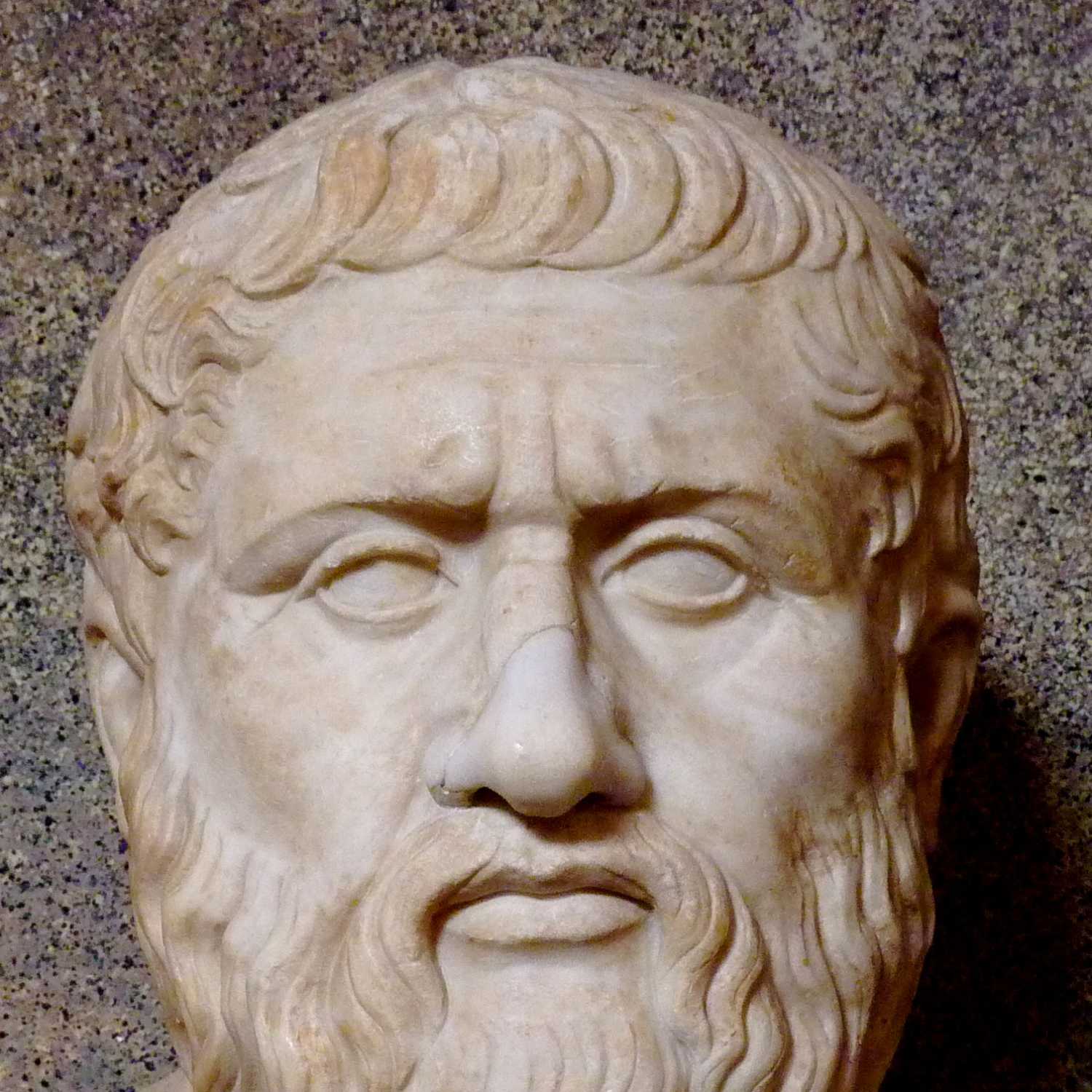
What is Plato's view on the cosmos?Plato's Cosmology and its Ethical DimensionsHow did Plato think the universe was created? (The Earth is a buncha cubes)The Creation of the WorldPlato's UniversePlato's Influence on Twentieth Century ThinkersPlato's Mathematical model of the Universe – Space and TimeHow is quantum theory used today?Aristotle's Influences on people from the Middle Ages to the PresentThe Gaia ProjectFun with the Zodiac
Support the Opus Magnanimous ProjectTo see our sources, visithttps://shilakowskyarts.com/opus-magnanimous-history-of-the-cosmos-in-music/blog/episode-5-the-first-true-cosmologist-the-mother-of-the-hubble
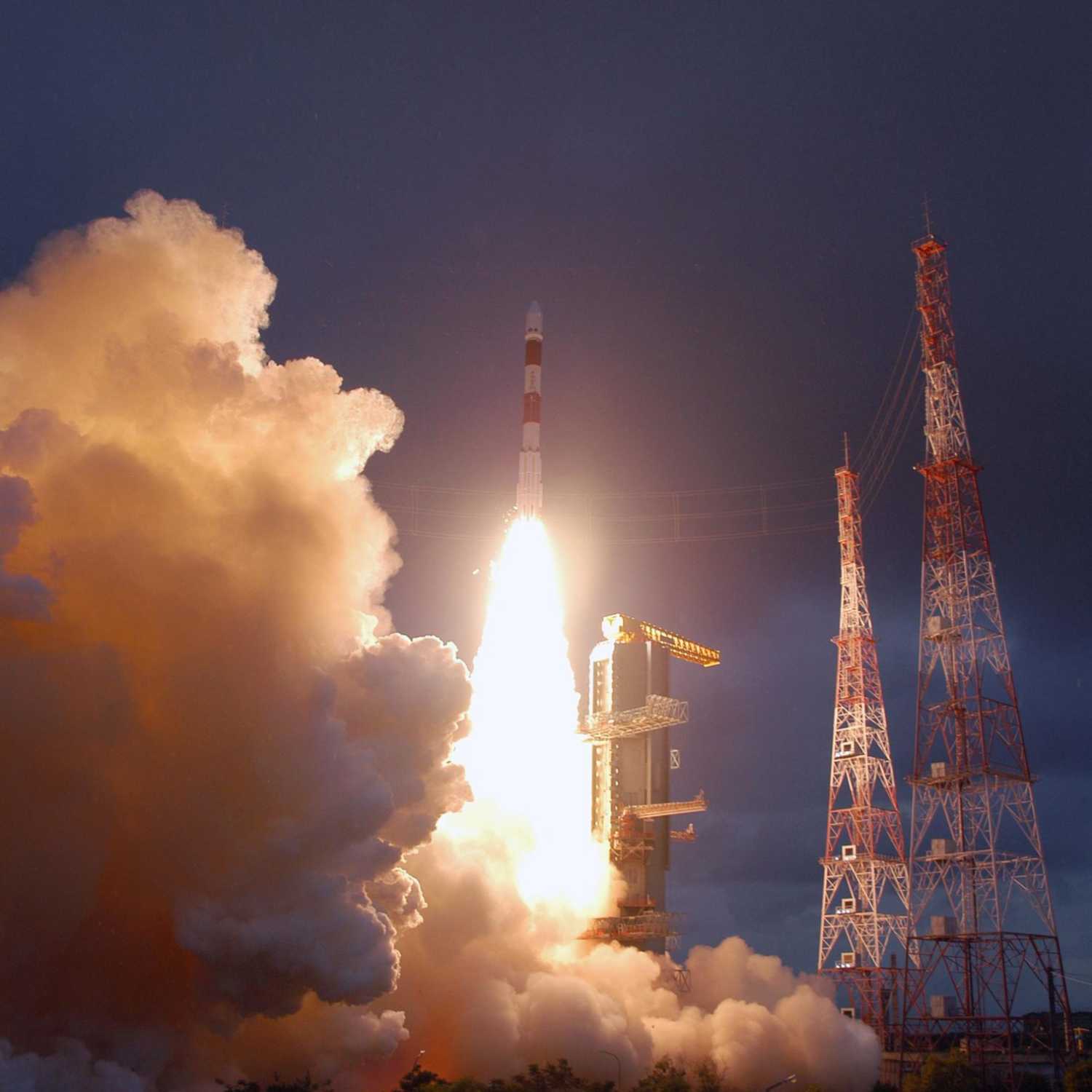
my tribute to Indian Astronomers, Cosmologists, Musicians and Creators of Hindu traditions.Includes a discussion about the measurement of time. Astronomy in rigveda. Music in Vedic texts.A preview of the Telescope Timeline.Support the Opus Magnanimous project by becoming a subscriber! https://shilakowskyarts.com/support-the-opus-magnanimous-project-by-subscribingsources used:Astronomy in rigveda & The Jyotisa Vedang; https://explorable.com/indian-astronomythe Vedic Period: https://en.m.wikipedia.org/wiki/Vedic_periodhttps://archive.org/details/VedangaJyotisha/page/n19/mode/2up?view=theaterhttps://www.wtamu.edu/~cbaird/sq/2013/08/28/when-do-the-planets-in-our-solar-system-all-line-up/and https://www.livescience.com/2022-peak-planetary-alignmentVedanga Jyotisha:https://www.hindu-blog.com/2019/02/lagadha-maharishi-hindu-astronomer.htmlabout Yuga: https://en.wikipedia.org/wiki/Yuga#:~:text=A%20yuga%2C%20in%20Hinduism%2C%20is,(joining%20of%20two%20things).measuring time… https://nrich.maths.org/6070What is Time? https://physics.mit.edu/news/the-challenge-of-measuring-time/music of the vedic texts…https://www.chandraveena.com/blog/history-of-indian-music/Basic concepts of Aadi Tal (Indian drumming rhythms): https://www.youtube.com/watch?v=nbKOT4mVxpwContemporary Indian Space Program: https://www.planetary.org/space-missions/chandrayaan-1a preview of the Telescope Timeline, I’d like to share this Nice history of telescopeshttps://interestingengineering.com/science/a-brief-history-of-the-telescope-from-1608-to-gamma-raysfor next Episode: Nancy Grace Roman Will be Launching on a Falcon Heavy RocketText of the podcast will be available later in the week.The image of the ISRO rocket launch can be found on NASA.gov here https://images.nasa.gov/details-KSC-08pd3405
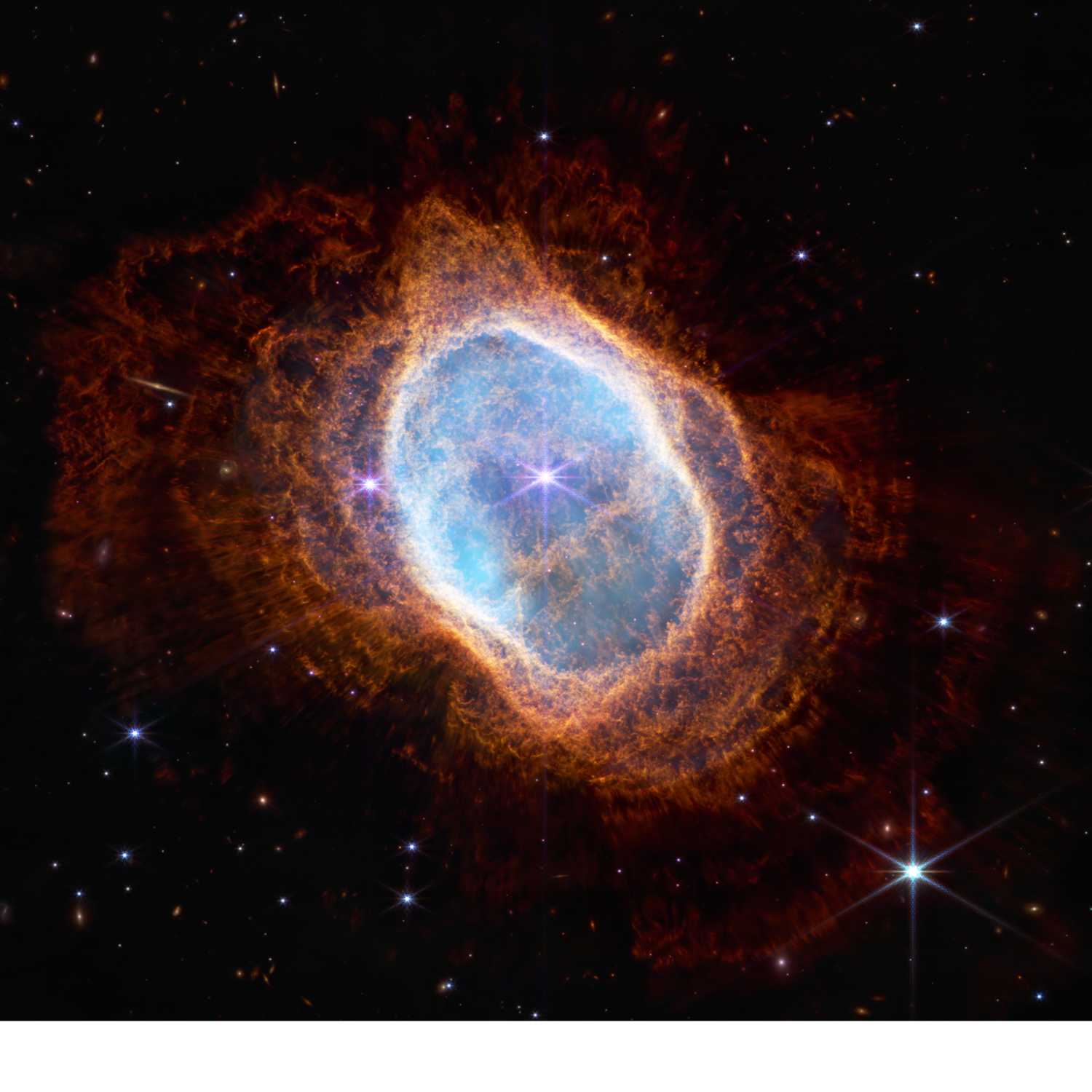
Going back to Ancient Mesopotamian pre-astronomy and the influence of ancient god worship, then jumping to the present successful images received from the NGST, the Next Generation Space Telescope. About the new space telescope, the materials used to create the mirrors, and looking at NASA research continuing that enables us to understand what to be prepared for in our future.Become a MEMBER of the supporters of the Opus Magnanimous project by subscribingRESOURCES:HEILBRUNN TIMELINE OF ART HISTORY https://www.metmuseum.org/toahNinurta https://www.britannica.com/topic/Bau-Mesopotamian-deityEnki - From Wikipedia, the free encyclopedia https://en.wikipedia.org/wiki/EnkiPrehistoric Europe:Archaeoastronomy https://en.wikipedia.org/wiki/Historyofastronomy#Prehistoric_EuropeWhat is Mesolithic? https://en.wikipedia.org/wiki/Mesolithichttps://www.jwst.nasa.gov/content/meetTheTeam/people/mather.htmlHistory: https://esahubble.org/news/heic9901/Riccardo Giacconi https://www.stsci.edu/who-we-are/our-history suggested the followup to the Hubble space telescope…U of Ca. https://www.ucobservatories.org/https://www.livescience.com/james-webb-space-telescopehttps://daily.jstor.org/the-lavender-scare/Letter from President of AAS, Paula Szkody to Bill Nelson, NASA Administratorhttps://www.youtube.com/watch?v=7nT7JGZMbtMhttps://www.jwst.nasa.gov/content/webbLaunch/whereIsWebb.htmlhttps://www.nasa.gov/mission_pages/webb/about/index.htmlFollow Tereza Pultarova on Twitter @TerezaPultarova. Follow us on Twitter @Spacedotcom and on Facebook. https://www.space.com/rocket-launches-damage-ozone-climateWebb's Southern Ring Nebula Image Credit: NASA, ESA, CSA, STScI, NIRCam
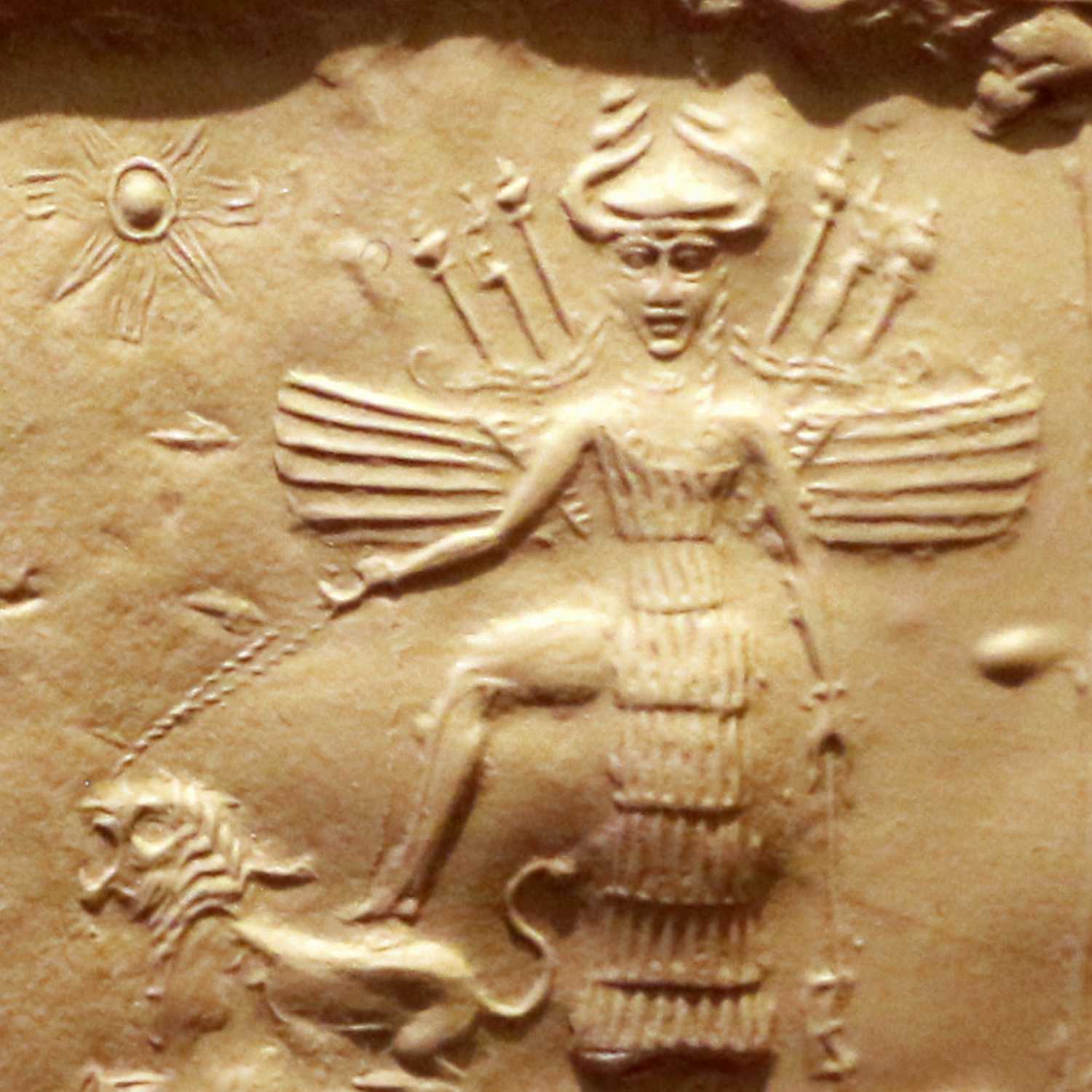
The gods of Ancient Mesopotamia and their associated planets are introduced. We discuss the difference between 'pure science' and 'vernacular science'. We meet Ed Dwight, the first black NASA astronaut and discover his struggles with Chuck Yaeger, then experience a bit of the controversy about Jim Webb, NASA administrator, for whom the Space Telescope was renamed, despite his alleged homophobia and the fact that JWST had the most bloated budget of any project of its type.Articles referenced include: https://www.dw.com/en/james-webb-how-a-space-telescope-tore-american-scientists-apart/a-60216754NPR Radio Diaries https://www.npr.org/2022/07/05/1109678316/edward-dwight-space-race-nasa-astronaut-moonas usual, thanks to all the contributors at Wikipedia.NASA https://mobile.arc.nasa.gov/public/iexplore/missions/pages/95.htmESAhttps://www.esa.int/Enabling_Support/SpaceTransportation/Launchvehicles/Ariane5_ECAhttps://www.sciencealert.com/this-ancient-babylonian-map-of-jupiter-just-changed-history-as-we-know-ithttps://www.livescience.com/james-webb-space-telescopehttps://www.blackpast.org/african-american-history/groups-organizations-african-american-history/kool-and-gang-1964/
Astronomers & Cosmologists & Physicists are all working to figure out how our universe was created and how it all works. Episode 1 introduces us to the earliest recorded thinking about the stars and the universe by ancient peoples of Mesopotamia. We talk a little about the Event Horizon Telescope and the imaging of black holes for the first time in human history. I've also explained how Opus Magnanimous episodes will be structured, and we hear some excerpts from the music inspired by the topics we've covered, including a little about the people who have made and continue to make discoveries & theories about the universe.
Comments

Download from Google Play

Download from App Store
 United States