


African Roots: Shadows of German Colonialism
Subscribed: 53Played: 99
Subscribe

© 2026 DW
Description
DW’s Shadows of German Colonialism podcast explores how Germany’s imperial ambitions in Africa met fierce resistance, and descended into exploitation and violence. The series follows on from the African Roots podcast, which portrays the men and women who shaped Africa's past, present and future. We meets big names, and tell the story of others who have stayed out of the spotlight. But what binds them together, is their African Roots.
39 Episodes
Reverse
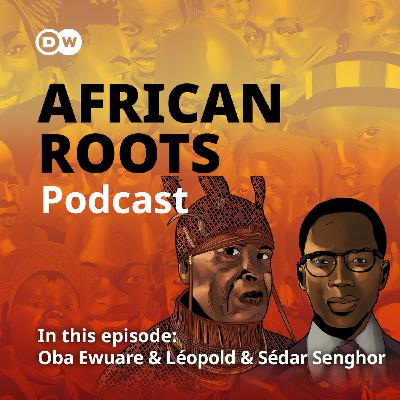
Cai explores how Senegal's first president, poet Leopold Senghor, believed a mix of African and French culture could carry Senegal into independence. Meanwhile, Laila tells Cai how Nigerian Oba Ewuare's taste in cultural investment still has African nations and European museums at loggerheads.
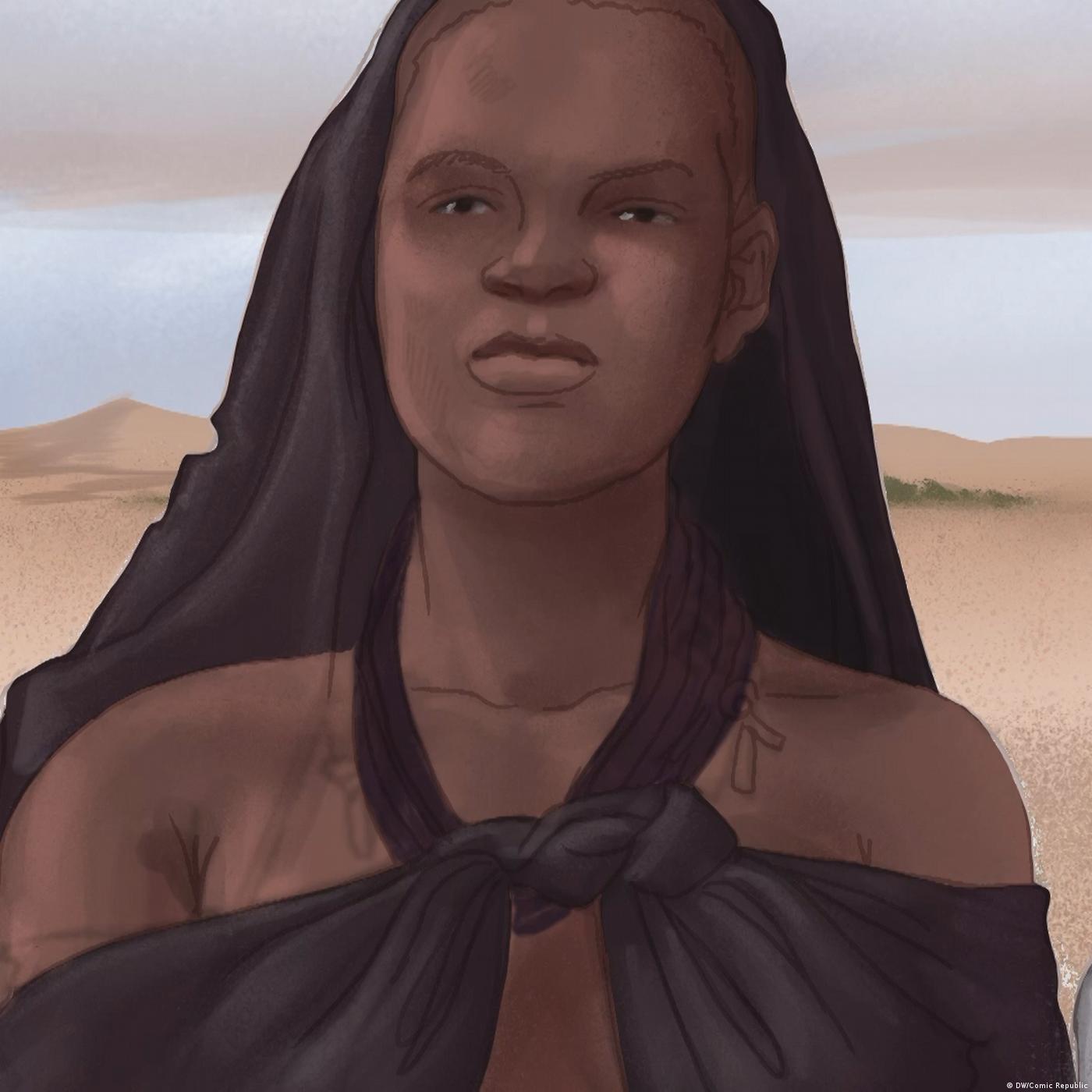
The atrocities of German colonialism remained largely, and purposefully, obscure as Namibians endured successive German and British colonial administration. Under the South African apartheid rule that only ended in 1990, there was little space to confront the crimes. But women kept, and continue to keep, their people's history and culture alive.

In 1893, Dahomey men and women revolted against abuse by German colonial officers in Cameroon in a famous uprising that Germany was unprepared for. We look at how female resistance against colonialism has taken different forms, from the Dahomey Revolt to the battle to return the Ngonnso sculpture to Cameroon.
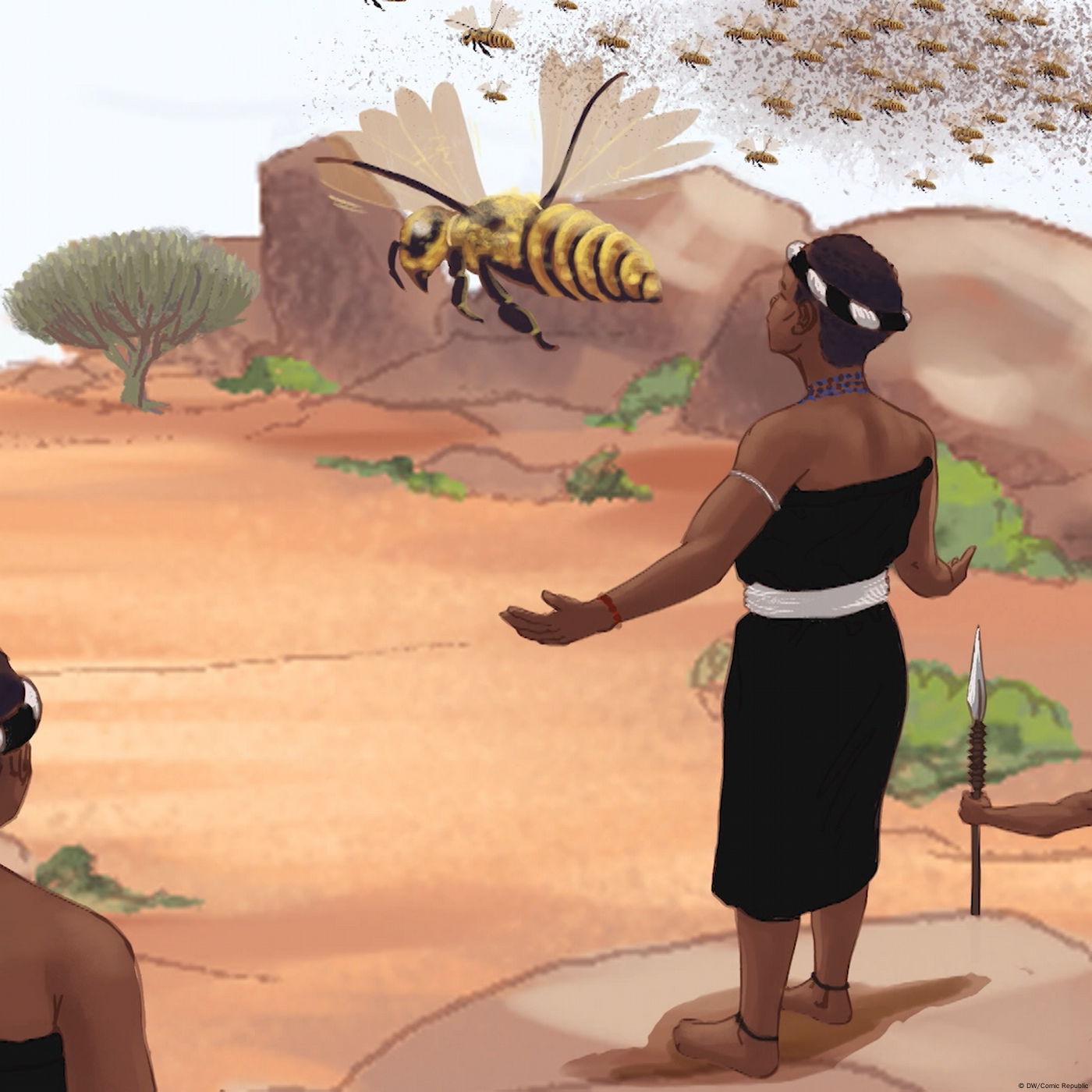
As German colonialists swept into East Africa, they came up against a force none had reckoned with: Li'ti Kidanka. Shrouded in folklore, we tell the story of a Tanzanian heroine who fought German colonialism with a very unusual weapon.
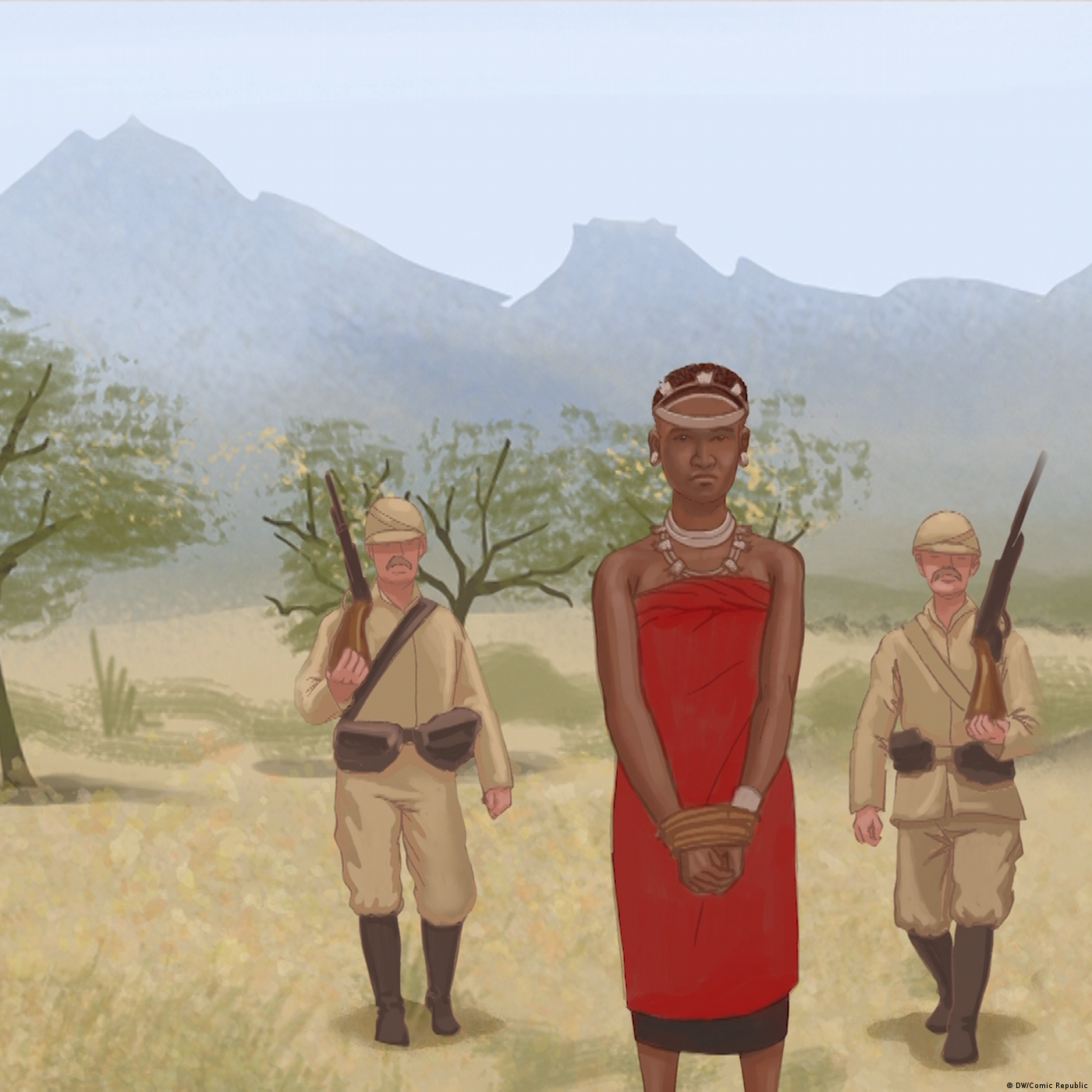
Nduna Mkomanile tried to unite East African communities against German colonialism during the Maji Maji war in the early 20th century. She's now regarded as one of Tanzania's most notable female freedom fighters, but for decades her importance was overlooked. We find out why.
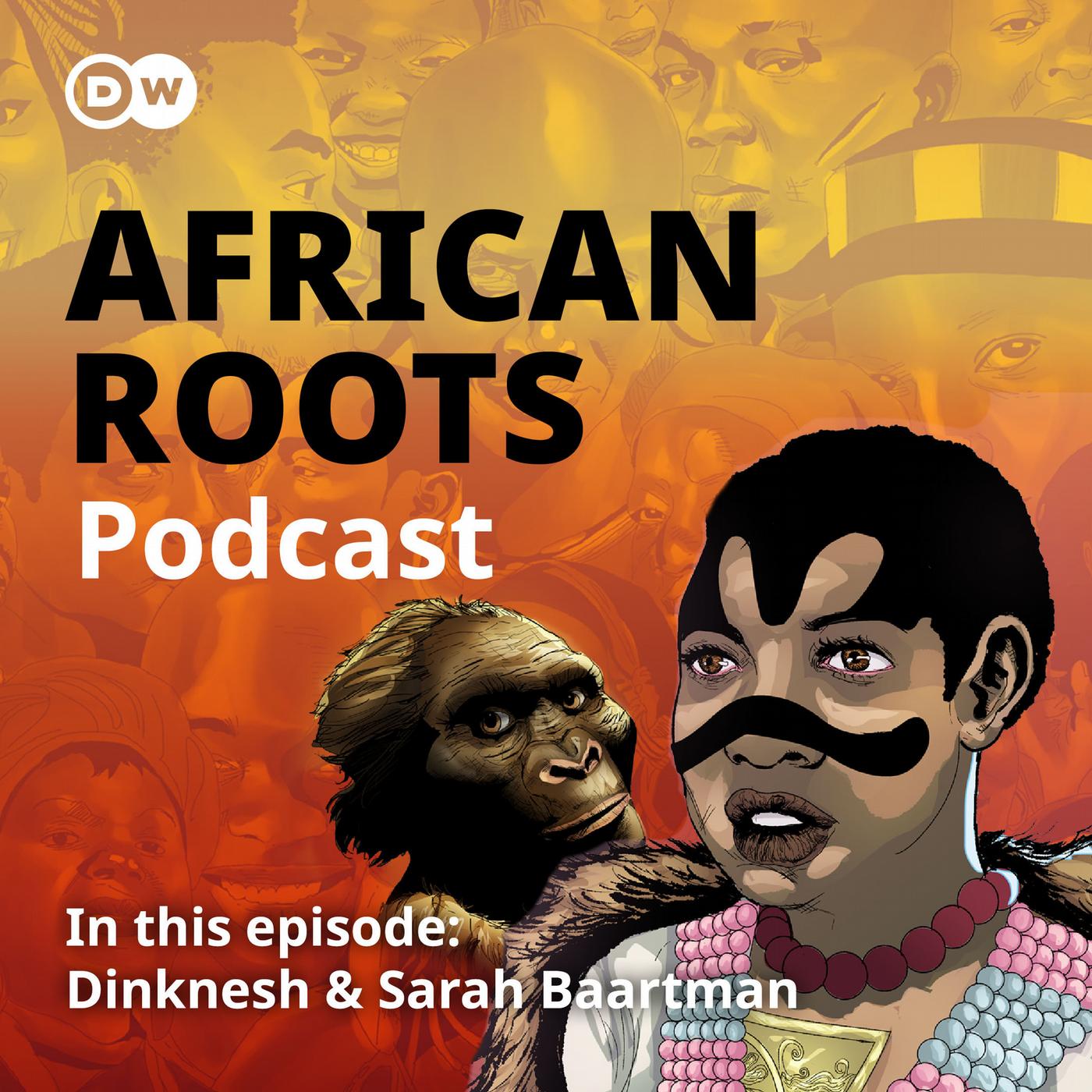
One of the world's oldest humanoid fossils, colloquially known as Dinknesh, or "Lucy," has intrigued paleontologists for decades. But her name is also a point of pride for Ethiopians. Meanwhile Laila narrates how fascination and racist attitudes around Sarah Baartman resulted in a harrowing, cautionary tale of human exploitation.
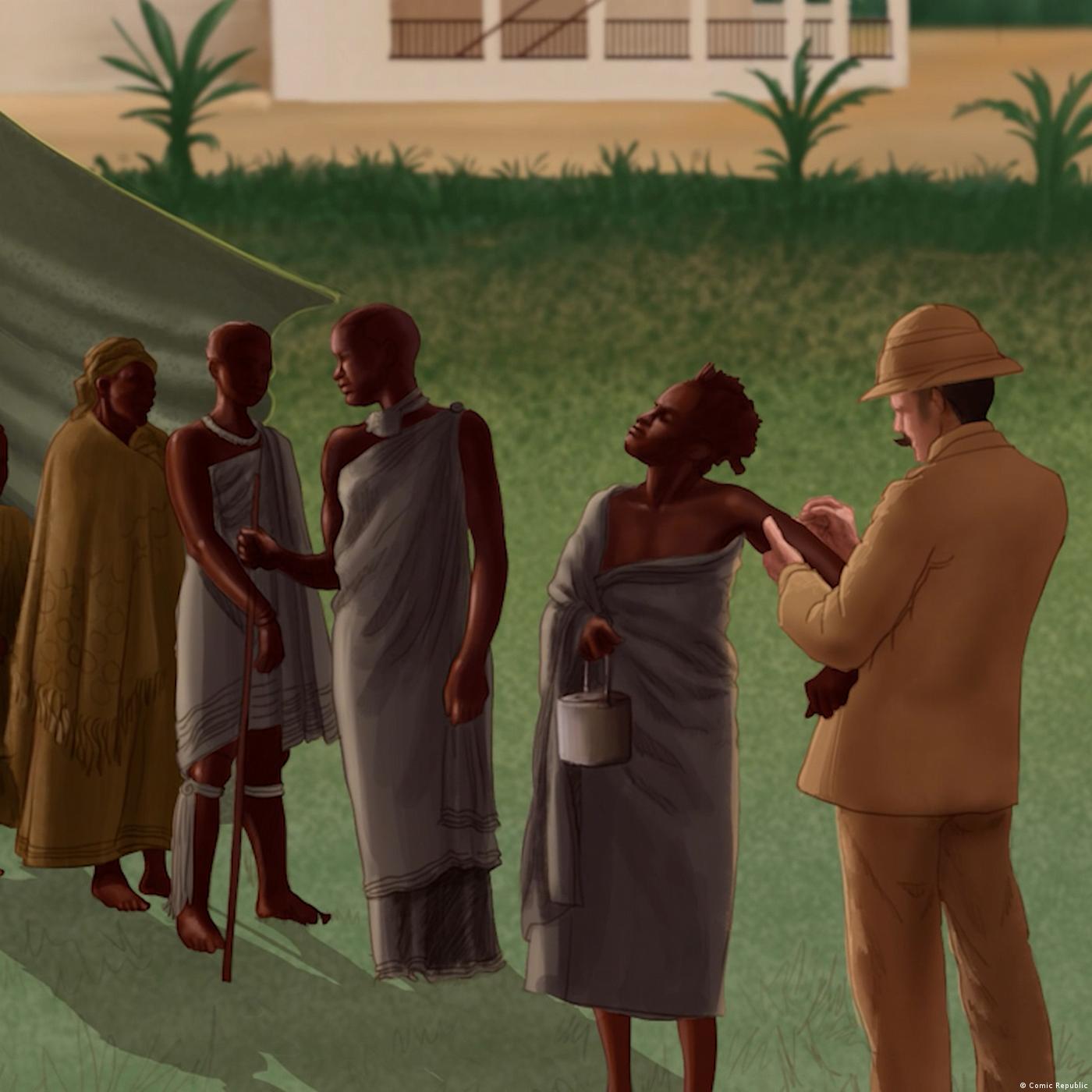
Tropical medicine boomed as European powers claimed territories in Africa. Germany sent the famed Robert Koch and many others to the colonies to find cures to tropical illnesses - but also to test new medicines. This shadowy practice led to Africans being mistreated, and many died in the process, leaving a legacy of physical and psychological trauma that has never been properly cured.
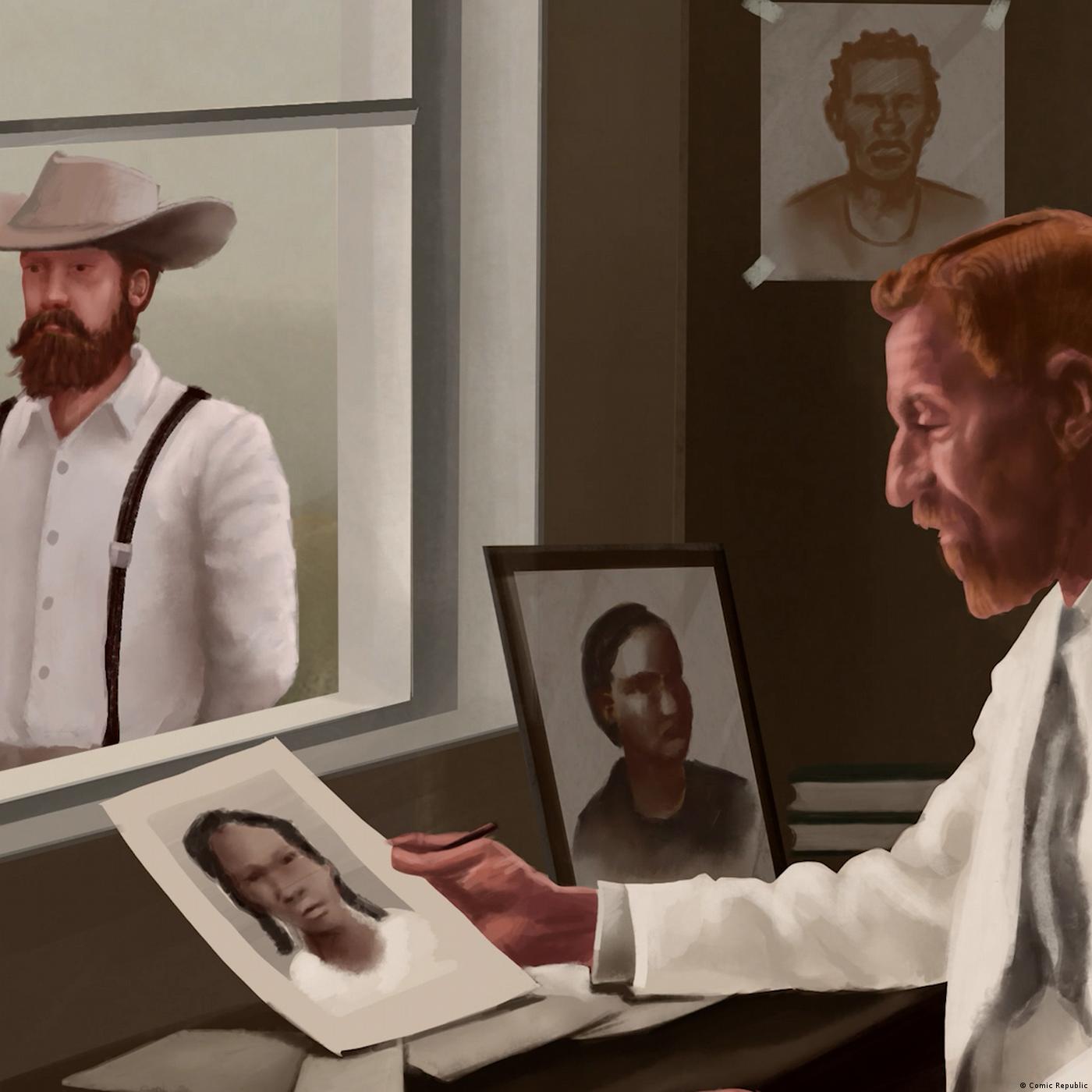
Respected German anthropologists made a career from dividing people by race, a new branch of science that conveniently put Europeans at the top. While eugenics and scientific racism was widely practiced in Western nations in the early 1900s, the ideas developed by Eugen Fischer and others served as the intellectual bedrock for race-based crimes committed by Nazi Germany.
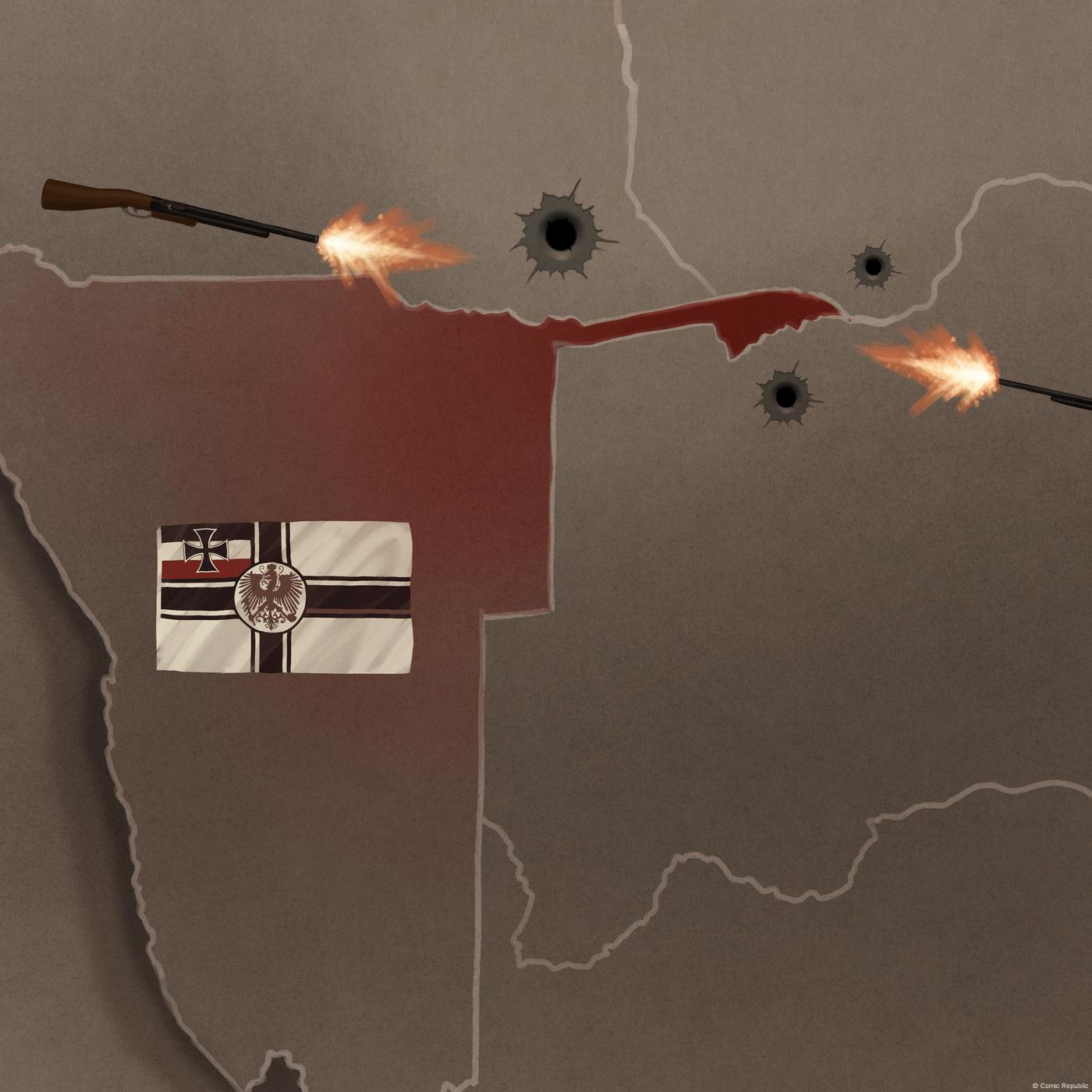
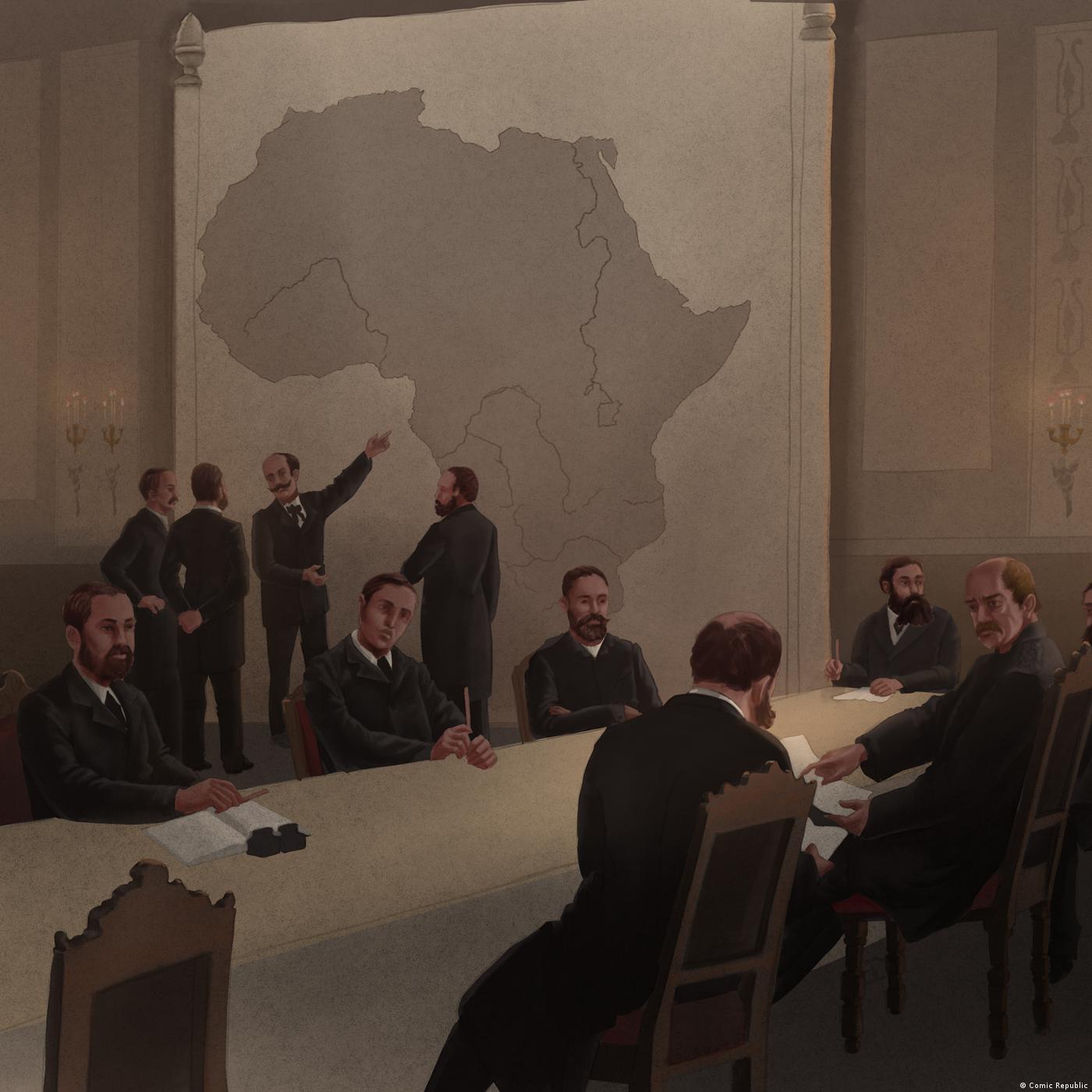
Why does Namibia have a bizarre panhandle? Why do some Ghanaians talk of being from "Western Togoland"? Much of this has to do with African borders drawn up in Europe during late 19th century. Borders that to this day are still very much contested, and have had deadly consequences. We explore how treaties designed to prevent war in Europe have caused conflict in Africa.
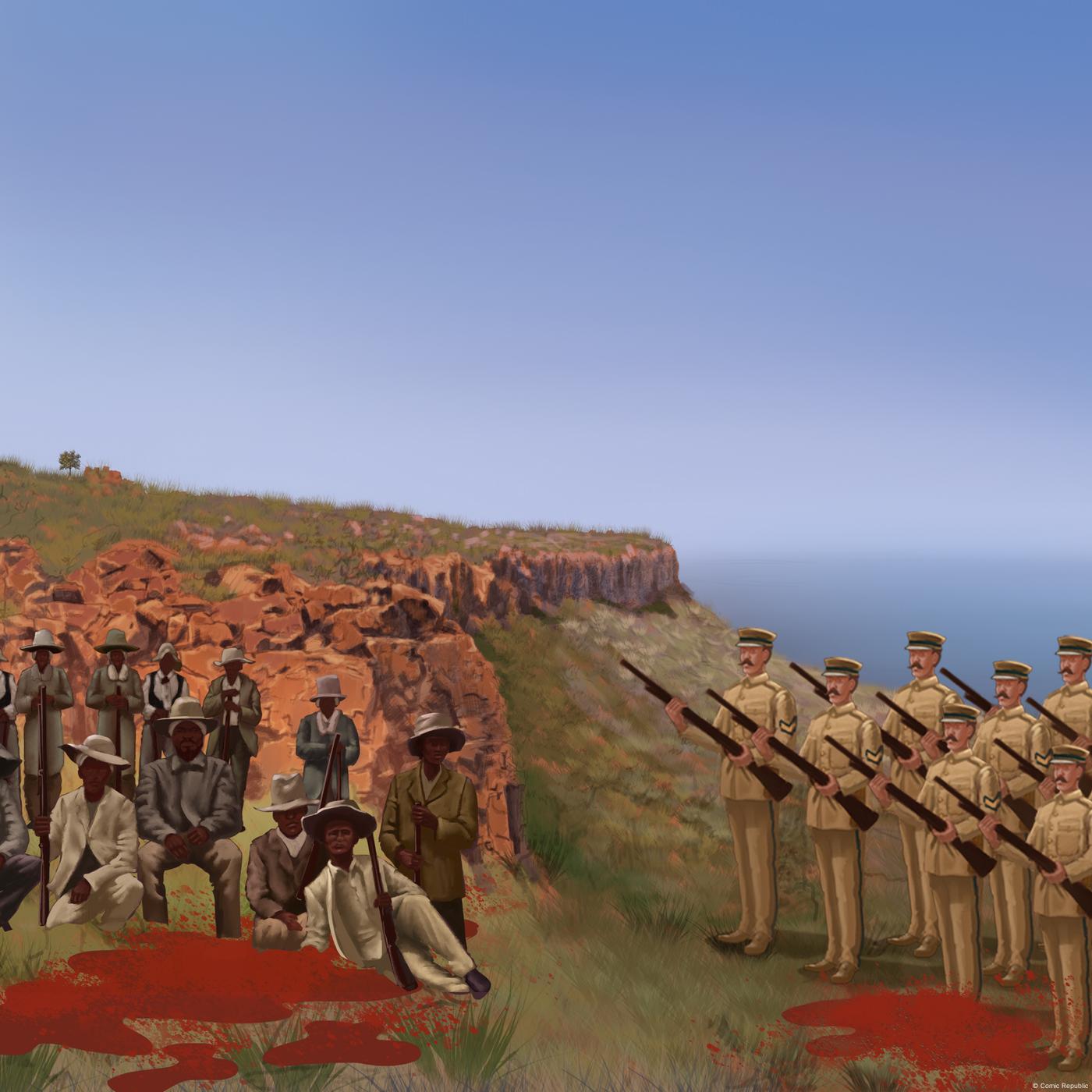
After the decisive Battle of Waterberg between German and Herero fighters, colonial officers in the colony of South West Africa, today's Namibia, directed a violent, uncompromising persecution of Herero and Nama people. Their policies would result in the 20th century's first genocide.
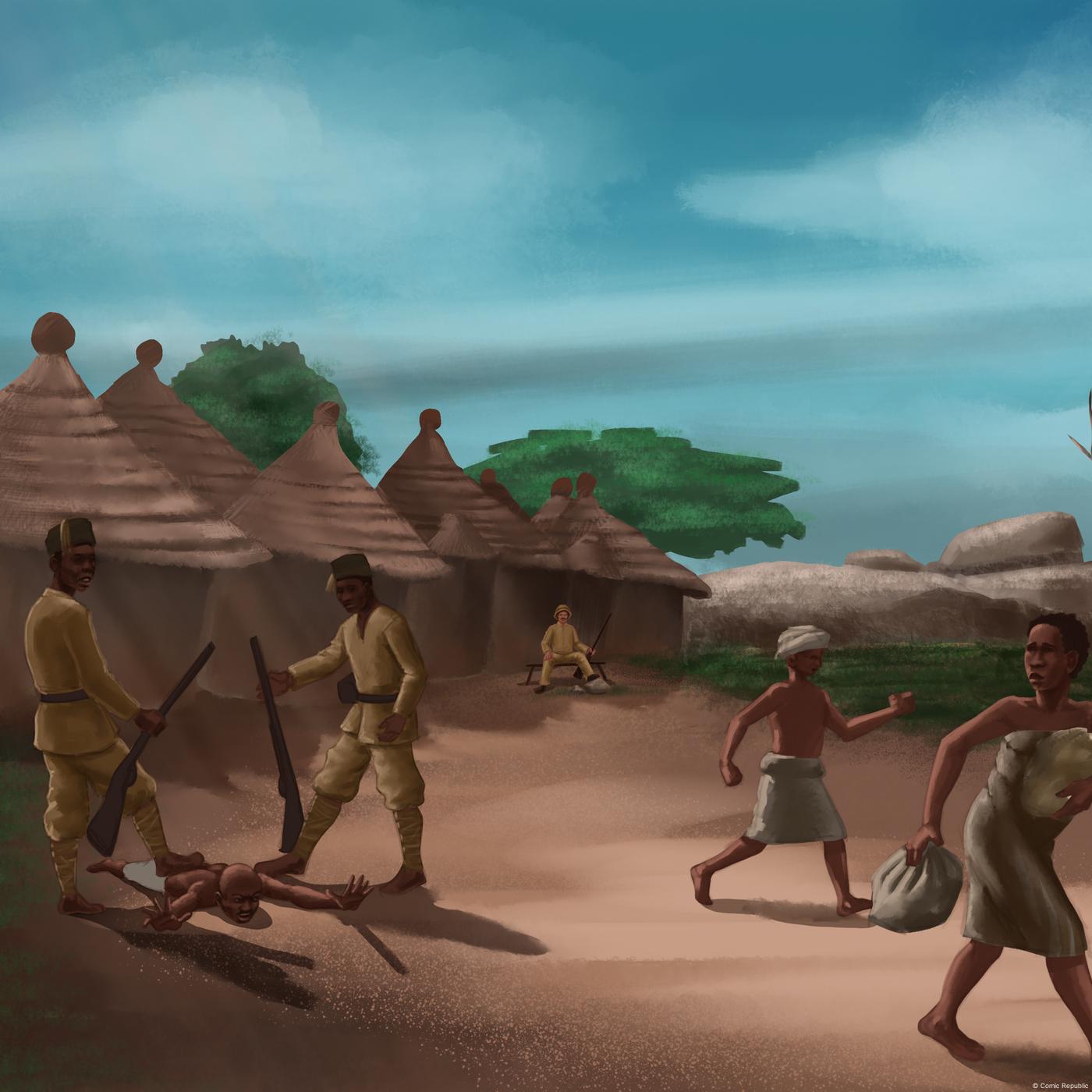
Germany's control over Togoland drastically altered traditional power structures, favoring compliant chiefs and running roughshod over cultural norms. We explore how punitive expeditions and colonial subjugation has shaped Togo to this day.
In East Africa and the Great Lakes region, German colonial conquest spurred courageous resistance from many local East African groups against well-armed and violent colonial forces.
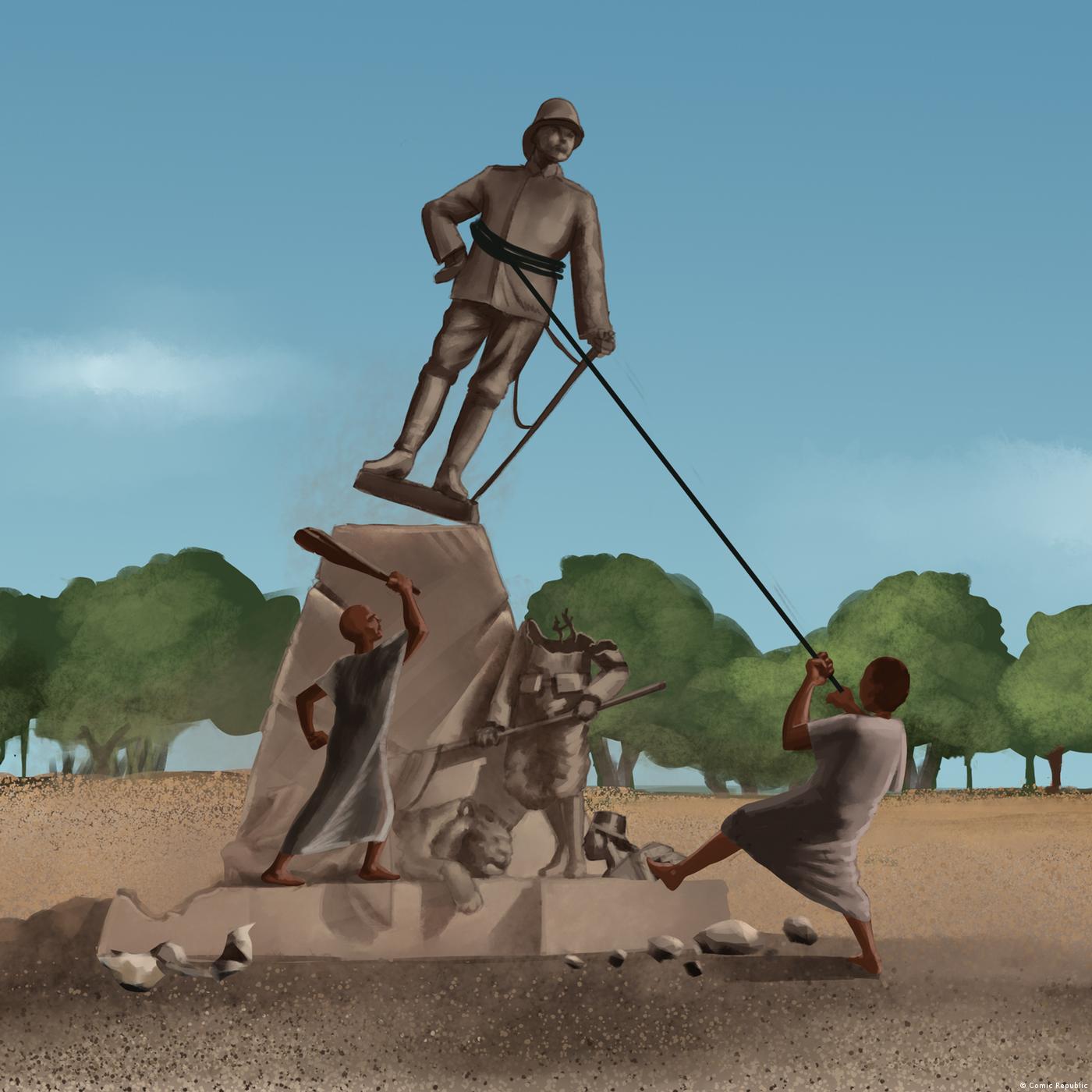
In the context of colonial-era injustice, the renaming of landmarks almost seems like a footnote. But in this podcast we discover how renaming mountains, towns, and even people was another form of oppression. We also meet some characters who have outlived the colonialists' names, and why renaming landmarks is a form of reclaiming heritage.
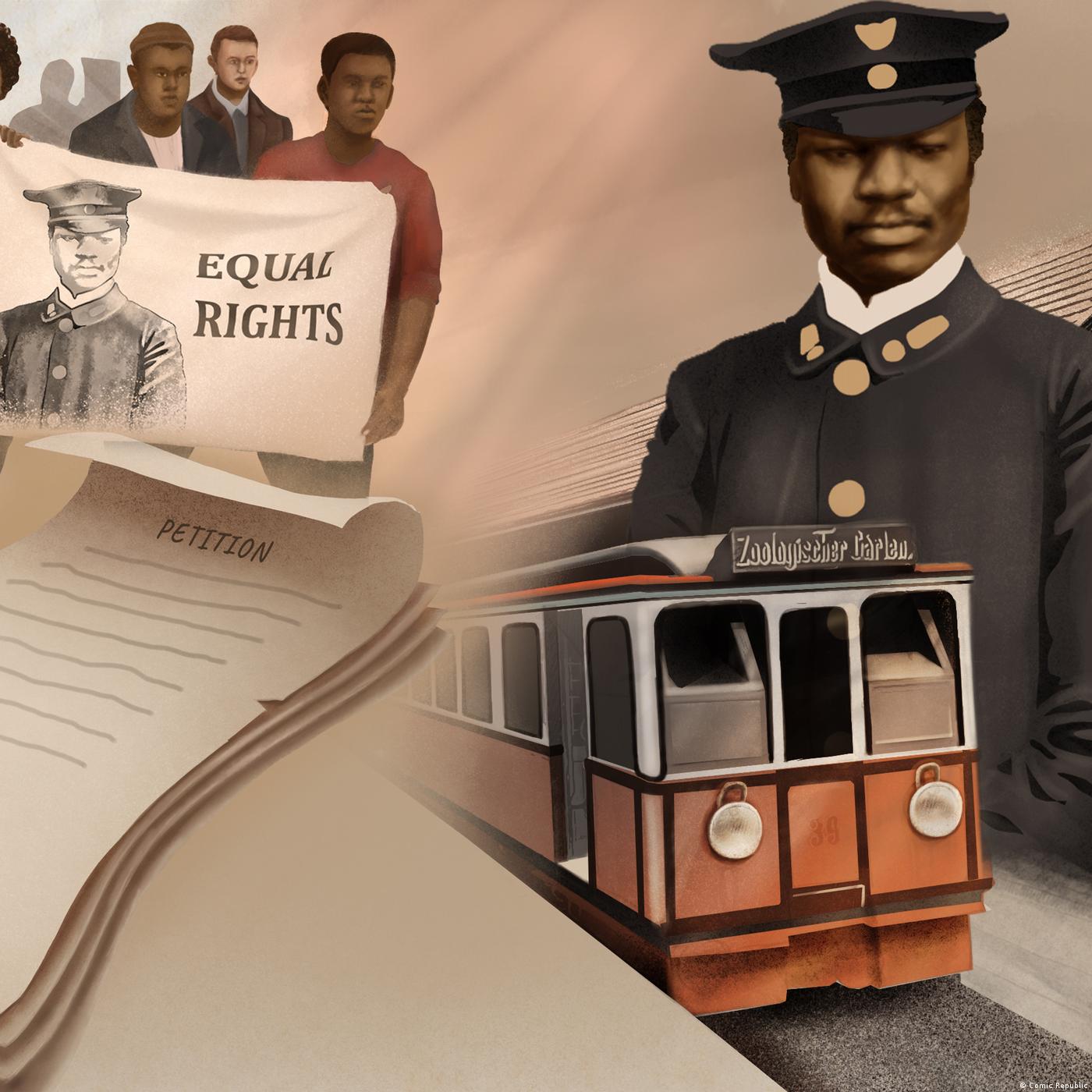
Summer 1896: A Cameroonian man appeared in Treptower Park, Berlin as part of a human exhibition to increase enthusiasm for German colonialism. Little did anyone know this man — Martin Dibobe — would later become a pioneering human rights activist.
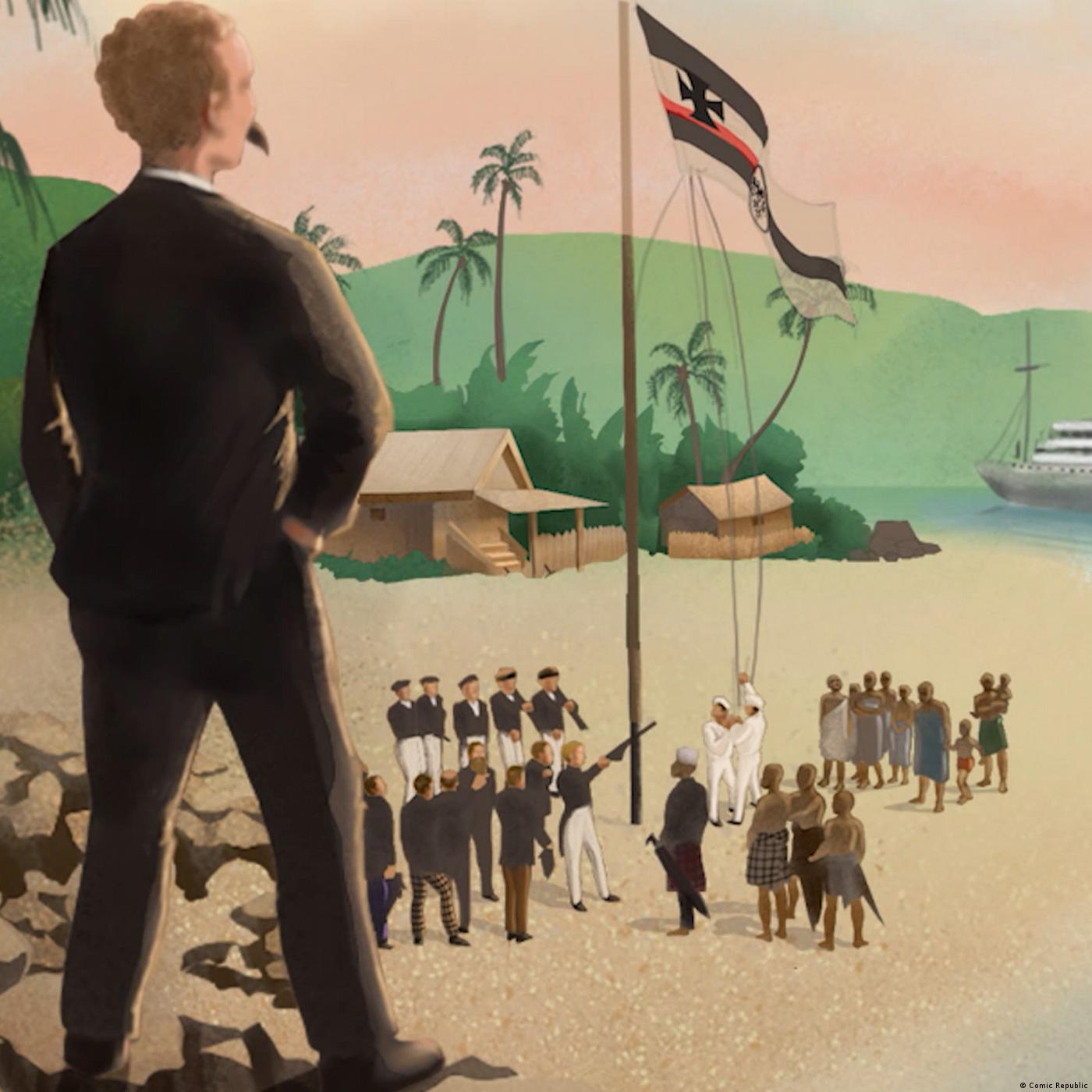
Running a colonial empire required a reliable merchant fleet. Hamburg-based businessman Adolph Woermann and his shipping line soon exerted considerable influence over Germany's colonial policy. We explore how the Woermann Company became an unofficial instrument of German colonization.
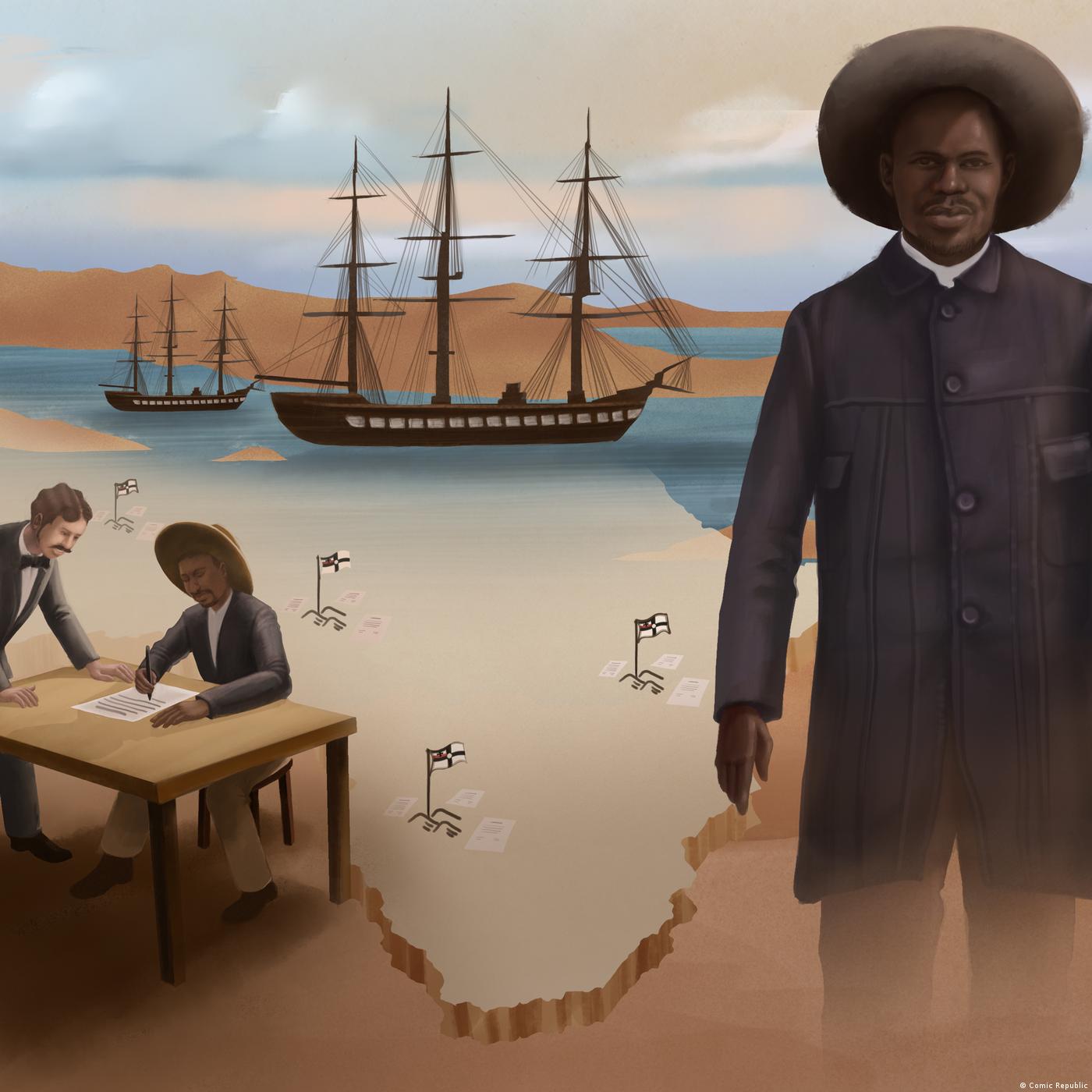
By 1885, Adolf Lüderitz had acquired vast territories in today's Namibia. But his contracts with local people were so dodgy that even German colonial officials doubted them.
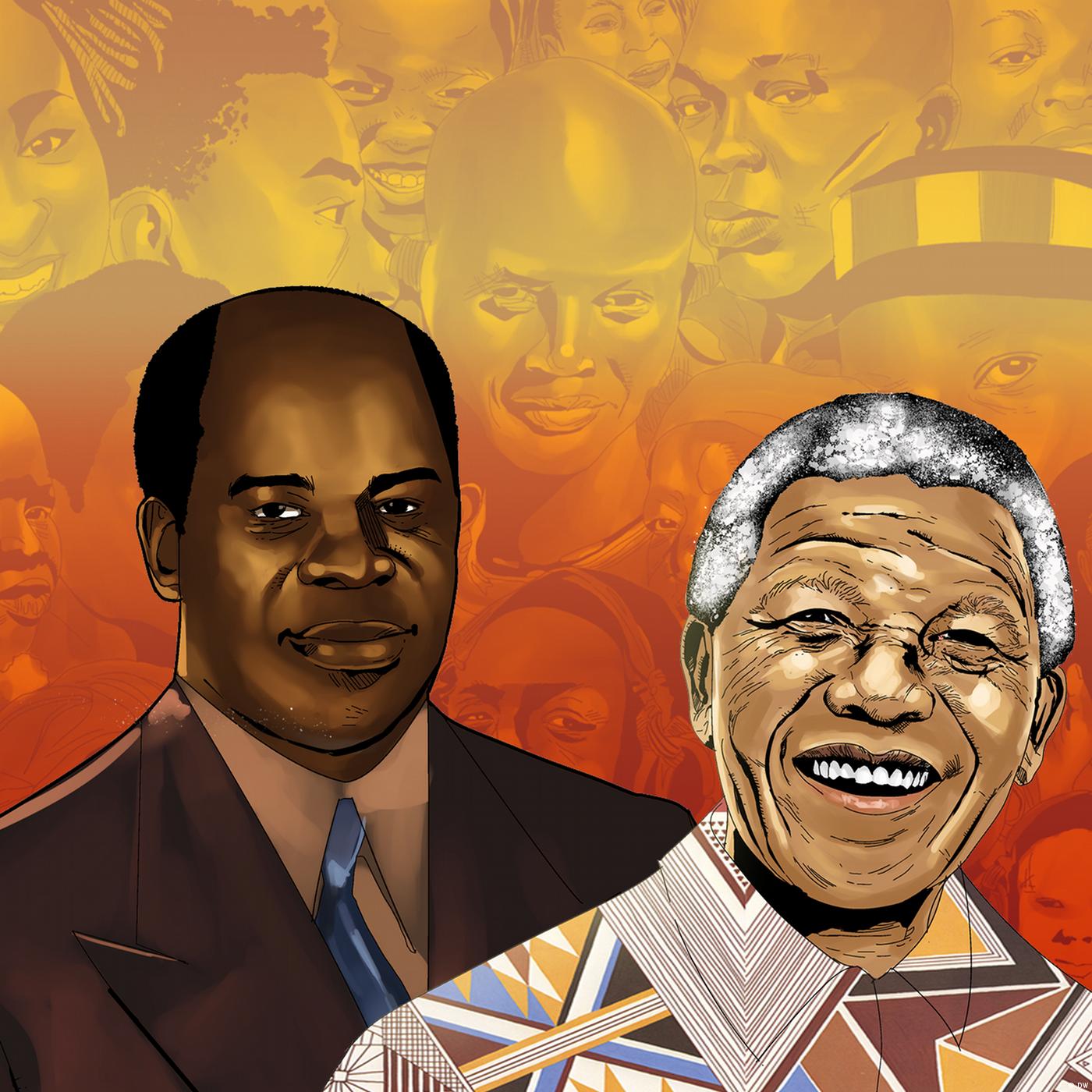
For our last episode of African Roots, we profile two giants: Mozambique's Eduardo Mondlane and South Africa's Nelson Mandela. We look at how the two men shaped their respective nations' trajectories in different eras, and how their fight against oppression inspired thousands of young people to take up the armed struggle.
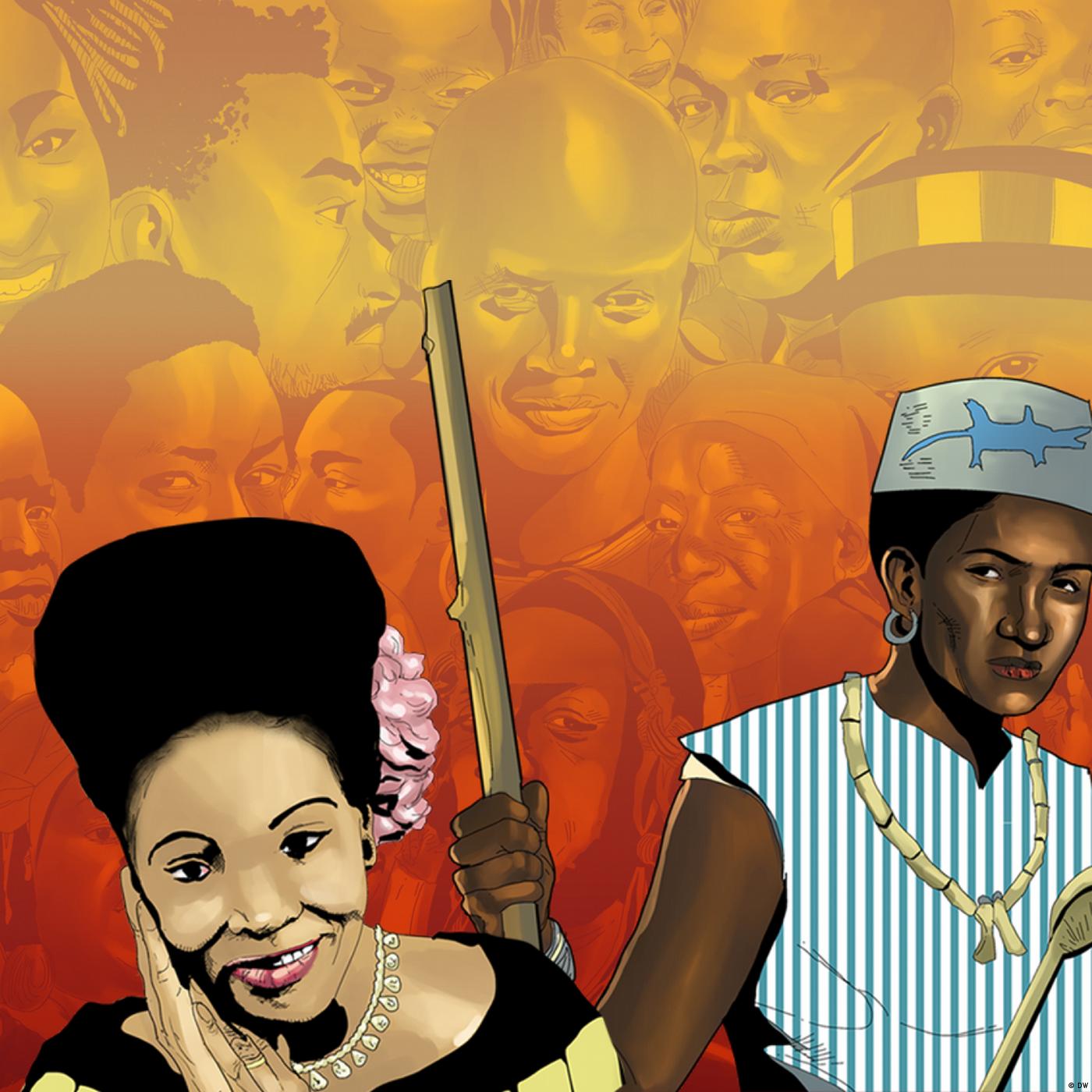
Cai finds out how the legendary warriors, the Dahomey Amazons, have recently gained recognition - to dazzling Hollywood effects. But not all women fought on the battlefield: Laila explores how in neighboring in Nigeria, Margaret Ekpo blazed a trail for female participation in local politics as independence took hold.
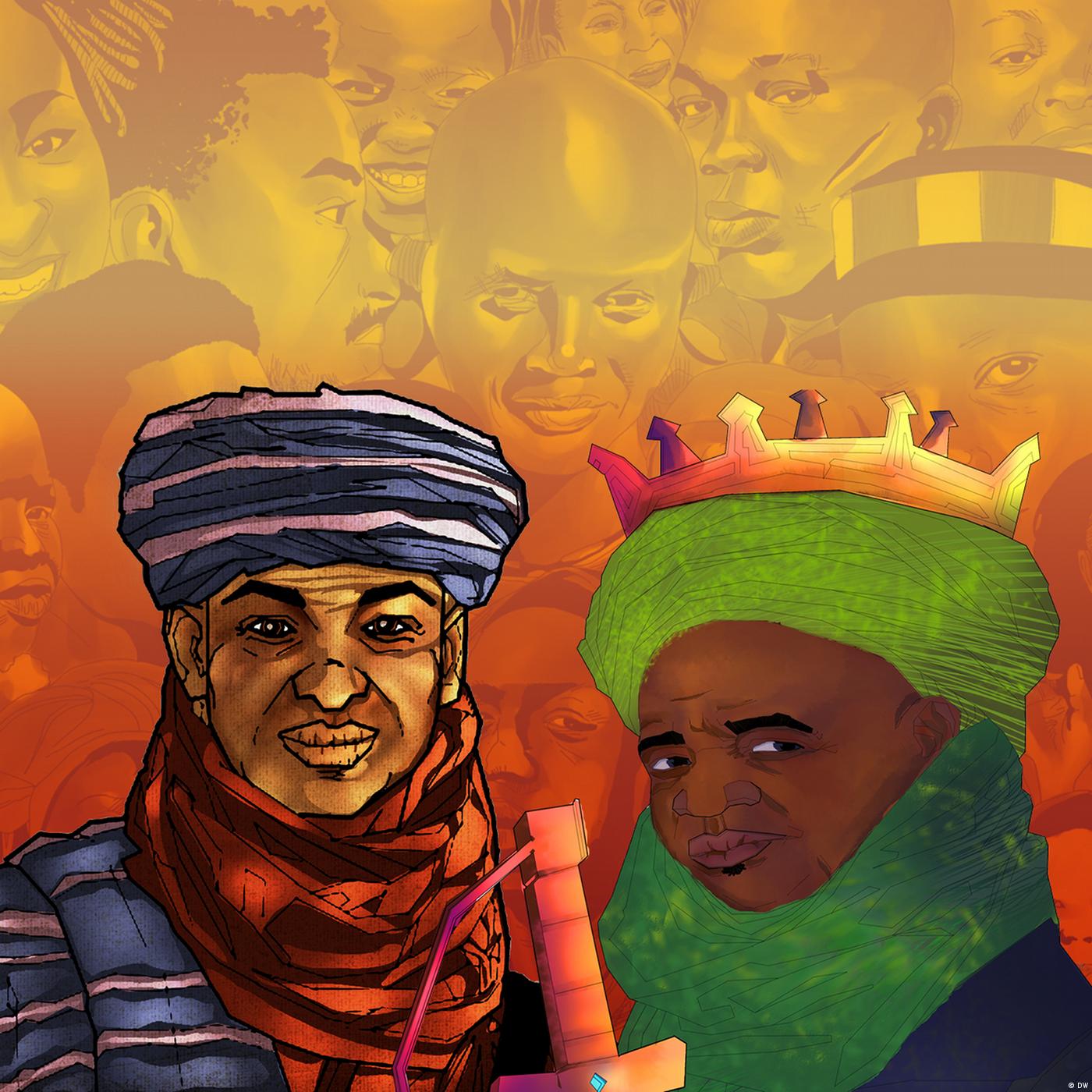
Oral histories are key to shaping nationalities, legends and identities. Cai and Laila explore the role of West African griots in keeping alive the phenomenal stories of Sunjata Keita from Mali and Nigeria's Bayajida.
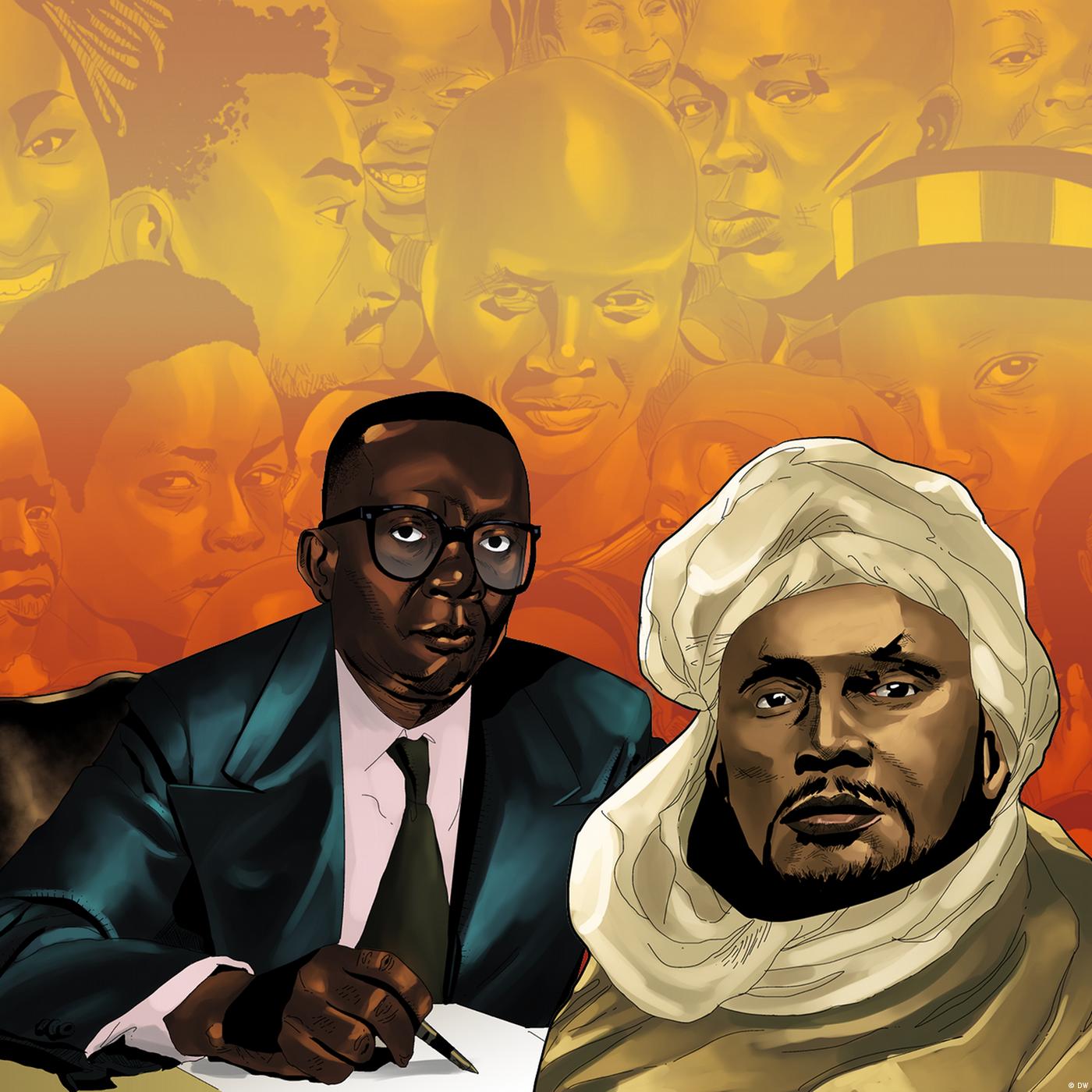
The relentless march of time changes histories and, sometimes, tarnishes reputation. Cai and Laila meet two nation builders, Usman Dan Fodio, and Liberia's William Tubman, whose legacies are perceived very differently today than during their lifetimes.

Comments

Download from Google Play

Download from App Store
 United States