Discover5 Minute Book Summaries - A Business Book Club Series
5 Minute Book Summaries - A Business Book Club Series
Claim Ownership

5 Minute Book Summaries - A Business Book Club Series

Author: Hannah Hally

Subscribed: 0Played: 19
Share

Description

Leadership insights, bold ideas & rapid summaries of business‑building books — in 5 minutes or less.

Welcome to The Business Book Club: your weekly bite-sized podcast for business leaders, entrepreneurs, and growth-minded professionals. Every episode breaks down one influential business or personal development book into actionable insights you can use on Monday morning—without fluff, filler, or hype.

Who is this for? Whether you're leading a startup or climbing the corporate ladder… curious about leadership, strategic thinking, or personal growth… or simply passionate about lifelong learning—this is for you.

What you'll get:

  • Sharp summarised breakdowns of books like Good Strategy, Bad Strategy, Quiet, Switch, Nine Lies About Work, and more
  • Practical takeaways, real‑life examples, and tools to improve team performance, culture, and personal effectiveness
  • Advice you can apply—no theory or academic jargon

Format & schedule:

  • Solo‑host training, lessons, and book analysis—about 4–6 minutes long per episode
  • New episodes every week

Why listen?

  • Unlock frameworks from authors like Rumelt, Cain, Buckingham, Godin, Sinek, Sandberg and the Heath brothers
  • Learn powerful approaches on leadership, EQ, productivity, and workplace change
  • Decide quickly whether the full book is worth your time—then act on what matters most and check out the full title.

Hosted by Hannah Hally, with over 15 years in IT and sales leadership, this is your trusted guide to growth, clarity, and smarter leadership.

If you're looking to build a growth mindset, lead with purpose, and make better business decisions—this podcast is your weekly launchpad.

Subscribe now and get:

  • Weekly insights and frameworks that improve your leadership approach
  • Papers you can lead or action within your team
  • Inspiration to decide if the full book is right for you

Tune in to The Business Book Club on your favorite podcast app—Episodes drop weekly, and the series coverage spans leadership, strategy, confidence, resilience, and more.

Your success journey starts here. 🧠 Subscribe now — Grow smarter, lead stronger. Let’s build a better business mindset together.

Hosted by Hannah Hally, The Business Book Club brings together three empowering podcast series — 5-Minute Book Summaries, Icons of Influence, and Leadership Unpacked — sharing practical lessons, success stories, and leadership insights from the world’s most inspiring thinkers. Explore more episodes and resources at www.thebusinessbookclub.online. Visit thebusinessbookclub.online to explore every episode, join our leadership community, and grow your business mindset.

70 Episodes
Reverse
In this episode, we dive into Never Enough by Andrew Wilkinson — a brutally honest memoir about the highs and lows of entrepreneurial success, the dark side of ambition, and the endless chase for more. Wilkinson, co-founder of Tiny and one of Canada’s most successful entrepreneurs, takes listeners behind the curtain of building wealth and influence, exposing how the pursuit of money and status can leave even the most outwardly “successful” people feeling empty.Never Enough is not just a business memoir; it’s a cautionary tale. Wilkinson reflects on his rise from scrappy beginnings to becoming a multimillionaire investor, all while struggling with dissatisfaction, anxiety, and the constant feeling that no achievement was ever truly enough. This book challenges the cultural obsession with growth, success, and wealth, while asking the deeper question: what really makes a good life?✅ What you’ll learn in this summary:How Andrew Wilkinson built his businesses and investment empireThe hidden costs of relentless ambition and entrepreneurial hustleWhy chasing money and status rarely leads to true fulfillmentInsights into redefining success beyond wealth and workHow to balance ambition with wellbeing, purpose, and happinessWhy this book matters: In a world that glorifies hustle culture and growth at all costs, Never Enough offers a refreshing and vulnerable perspective. It’s a must-read for entrepreneurs, leaders, and professionals who want success without sacrificing their health, relationships, and peace of mind.Who should listen:Entrepreneurs and business leaders chasing growth and ambitionProfessionals struggling with burnout, stress, or “never enough” thinkingInvestors and creatives seeking balance between money and meaningFans of candid entrepreneurial memoirs and real-life lessonsAnyone questioning the trade-offs of success and what it means to live well✅ Key Takeaways:Ambition has a shadow side — chasing more can leave you feeling less.Money isn’t the answer — fulfillment comes from purpose and relationships.Success needs balance — health and happiness matter as much as wealth.Culture glorifies growth — but not all growth is good growth.Redefine “enough” — true success is finding peace with where you are.By the end of this episode, you’ll understand Wilkinson’s hard-won lessons about success, money, and meaning — and how you can avoid falling into the “never enough” trap yourself.Keywords: Never Enough summary, Andrew Wilkinson book, entrepreneur memoir, business book podcast, success and fulfillment, money and ambition, hustle culture critique, entrepreneurial burnout, redefining success, life beyond wealthExplore more episodes and resources at www.thebusinessbookclub.online. Visit thebusinessbookclub.online to explore every episode, join our leadership community, and grow your business mindset.
In this episode, we break down The Trading Game by Gary Stevenson — a raw and revealing memoir of how a working-class kid became one of the world’s top traders at Citibank before realizing the darker truths of global finance. Stevenson’s story pulls back the curtain on the glamour, greed, and pressure of high-stakes trading, while also exposing the economic forces that shape inequality and opportunity.The Trading Game isn’t just about money — it’s about power, ambition, and the personal cost of chasing success in a system designed to keep wealth concentrated at the top. Stevenson candidly shares his rise to becoming Citibank’s most profitable trader, the toll it took on his health and happiness, and why he ultimately walked away to speak out against inequality and the flaws in our economic system.✅ What you’ll learn in this summary:How Gary Stevenson rose from humble beginnings to global trading successThe intense pressures and rewards of life as a professional traderWhy financial markets often reinforce inequality rather than reduce itThe psychological and personal costs of chasing money and statusLessons about success, ambition, and redefining what truly matters in lifeWhy this book matters: The Trading Game is more than a financial memoir — it’s a wake-up call. Stevenson reveals how the pursuit of money at all costs can leave even the most “successful” people unfulfilled, while also showing how systemic forces in finance shape our everyday lives. His journey is a powerful reminder to question the stories we’re told about wealth, ambition, and success.Who should listen:Entrepreneurs and professionals fascinated by finance and tradingAnyone curious about the hidden realities of global marketsListeners questioning the link between money, happiness, and meaningFans of memoirs that mix personal journey with big-picture insightsBusiness leaders reflecting on purpose, success, and ethics✅ Key Takeaways:Success can be hollow — wealth without purpose doesn’t equal happiness.The system favors the few — financial markets often widen inequality.Pressure has a cost — chasing money can impact health and wellbeing.Redefining success matters — fulfillment comes from values, not status.Speaking truth is powerful — challenging the system can create change.By the end of this episode, you’ll have an inside look at the realities of high-stakes trading — and a deeper perspective on what it really means to win at the “game” of money and life.Keywords: The Trading Game summary, Gary Stevenson book, Citibank trader memoir, finance podcast, Wall Street culture, wealth inequality, trading success story, financial system flaws, money and happiness, business book summaryExplore more episodes and resources at www.thebusinessbookclub.online. Visit thebusinessbookclub.online to explore every episode, join our leadership community, and grow your business mindset.tuzkp6bx
In this episode, we explore Think Like a Boss by Maggie Collette — a powerful guide to rewiring your mindset, boosting confidence, and creating a business and life on your own terms. Collette, a successful entrepreneur and coach, shares practical strategies and empowering insights to help readers and listeners overcome self-doubt, silence their inner critic, and step into the role of a true boss.Packed with real-life stories, mindset tools, and actionable steps, Think Like a Boss is about breaking free from limitations and embracing the habits, beliefs, and confidence needed to thrive. It’s not just about business — it’s about creating the freedom, impact, and success that align with your values and dreams.✅ What you’ll learn in this summary:The key mindset shifts needed to think and act like a bossHow to overcome fear, procrastination, and imposter syndromeSimple confidence-building practices that create lasting changeStrategies for setting boundaries and protecting your energyHow to align your business with your values for long-term successWhy this book matters: So many entrepreneurs and professionals struggle with self-doubt and limiting beliefs that hold them back from achieving their true potential. Think Like a Boss provides the mental reprogramming tools to overcome these obstacles, so you can stop playing small and start living with confidence, clarity, and purpose.Who should listen:Entrepreneurs and business owners ready to scale with confidenceProfessionals wanting to build stronger self-belief and resilienceWomen in business seeking empowerment and practical mindset toolsCoaches, leaders, and creatives working toward bigger goalsAnyone stuck in self-doubt, procrastination, or perfectionism✅ Key Takeaways:Mindset is everything — your beliefs shape your outcomes.Confidence is built, not born — practice creates inner strength.Boundaries protect success — saying no creates space for growth.Clarity fuels action — know your values to drive decisions.Success is personal — define it on your own terms, not others’.By the end of this episode, you’ll have the tools and inspiration to start thinking — and acting — like a boss in every area of your life and business.Keywords: Think Like a Boss summary, Maggie Collette book, confidence mindset, female entrepreneur podcast, business success strategies, overcoming imposter syndrome, self-belief and growth, women in business empowerment, mindset tools for success, entrepreneurial freedomHosted by Hannah Hally, The Business Book Club brings together three empowering podcast series — 5-Minute Book Summaries, Icons of Influence, and Leadership Unpacked — sharing practical lessons, success stories, and leadership insights from the world’s most inspiring thinkers. Explore more episodes and resources at www.thebusinessbookclub.online. Visit thebusinessbookclub.online to explore every episode, join our leadership community, and grow your business mindset.
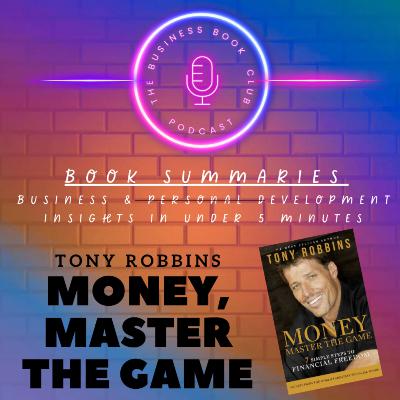
In this episode, we explore Money: Master the Game by Tony Robbins — a comprehensive guide to building lasting financial freedom. Based on extensive research and interviews with some of the world’s top investors, including Ray Dalio, Warren Buffett, and Jack Bogle, Robbins distills decades of financial wisdom into practical strategies anyone can use to take control of their money.Rather than relying on Wall Street hype or quick-fix schemes, Robbins provides a clear roadmap for ordinary people to achieve extraordinary results. From understanding the psychology of wealth to setting up low-cost, diversified investment strategies, Money: Master the Game is about taking consistent, informed action to build financial security and peace of mind.✅ What you’ll learn in this summary:The 7 steps to financial freedom and how to apply themHow to minimize fees, taxes, and risks that eat away at wealthThe psychology of money and how your mindset impacts financial successStrategies from the world’s greatest investors made simple and practicalHow to design an investment portfolio that works for your goals and risk levelWhy this book matters: Financial literacy is the foundation of independence and freedom, yet many people never learn how to master their money. Robbins breaks down complex ideas into simple, actionable advice that empowers anyone — regardless of income level — to start building wealth today.Who should listen:Professionals and entrepreneurs seeking long-term financial securityIndividuals looking to break free from debt and start investingAnyone intimidated by financial jargon who wants simple, clear guidanceListeners eager to learn timeless strategies from legendary investorsPeople committed to creating financial freedom for themselves and their families✅ Key Takeaways:Financial freedom is a process — not a one-time event.Fees and taxes matter — minimizing them can dramatically increase returns.Diversification protects wealth — spread risk to maximize stability.Mindset drives results — your beliefs about money shape your future.Small steps compound — consistent action leads to financial independence.By the end of this episode, you’ll have a clear understanding of Robbins’s 7-step framework and the confidence to start mastering your money — building a financial plan that supports both security and freedom.Keywords: Money Master the Game summary, Tony Robbins book, financial freedom podcast, investment strategies, personal finance tips, 7 steps to financial independence, wealth-building habits, financial literacy, money management, retirement planningExplore more episodes and resources at www.thebusinessbookclub.online. Visit thebusinessbookclub.online to explore every episode, join our leadership community, and grow your business mindset.
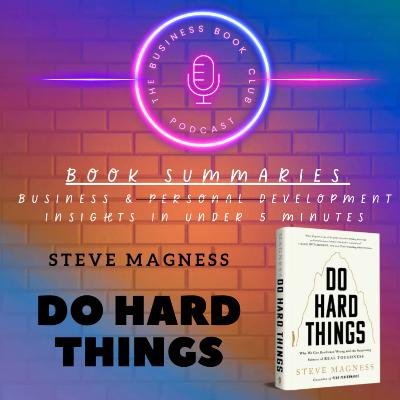
In this episode, we dive into Do Hard Things by Steve Magness — a powerful redefinition of what it means to be truly tough. For years, toughness was seen as brute force, pushing through pain, and showing no weakness. But Magness, a performance coach and scientist, challenges that old model and reveals a modern, science-backed approach to resilience, strength, and leadership.Drawing on psychology, neuroscience, and elite performance coaching, Magness argues that real toughness isn’t about ignoring fear or faking confidence. It’s about embracing discomfort, being adaptable, and having the courage to stay true to your values under pressure. Do Hard Things shows how to train both mind and body to face challenges with clarity, composure, and strength.✅ What you’ll learn in this summary:Why the old definition of toughness is outdated and ineffectiveThe four pillars of real resilience and how to practice themHow self-awareness and vulnerability fuel strength, not weaknessTools for staying calm and composed under high stressPractical steps to build mental and emotional toughness in work and lifeWhy this book matters: In today’s fast-paced, uncertain world, toughness isn’t about acting invincible — it’s about adaptability, authenticity, and resilience. Do Hard Things equips leaders, professionals, and individuals with strategies to face challenges without burning out, breaking down, or losing themselves in the process.Who should listen:Business leaders and managers developing resilient teamsAthletes and performers striving for sustainable high performanceProfessionals facing pressure, stress, or major transitionsAnyone looking to strengthen mental fitness and personal resilienceListeners tired of outdated “grit” narratives and seeking a healthier model of strength✅ Key Takeaways:True toughness is flexible — it adapts to challenges instead of resisting them.Vulnerability fuels strength — acknowledging weakness makes resilience real.Calm is powerful — composure under stress is a competitive advantage.Resilience is trainable — small daily practices build enduring toughness.Authenticity wins — leading with values creates confidence that lasts.By the end of this episode, you’ll understand how to apply Magness’s framework for toughness to your career, leadership, and life — helping you face challenges not with fear or force, but with clarity, courage, and resilience.Keywords: Do Hard Things summary, Steve Magness book, resilience and toughness, modern leadership strategies, performance psychology, how to build resilience, emotional toughness, business and leadership podcast, stress management, authenticity and strengthExplore more episodes and resources at www.thebusinessbookclub.online. Visit thebusinessbookclub.online to explore every episode, join our leadership community, and grow your business mindset.
In this episode, we unpack The Snowball by Alice Schroeder — the definitive biography of Warren Buffett, one of the most successful investors in history. More than just a book about money, The Snowball provides a rare, intimate look at Buffett’s life, his values, and the mindset that helped him build an unparalleled legacy in business and philanthropy.Schroeder captures Buffett’s journey from a numbers-obsessed boy in Omaha to the legendary “Oracle of Omaha,” whose principles of patience, discipline, and value investing reshaped modern finance. Alongside the investing strategies, The Snowball reveals Buffett’s personal challenges, quirks, and choices that shaped both his fortune and his philosophy of life.✅ What you’ll learn in this summary:The principles behind Buffett’s value investing approachWhy patience and long-term thinking are at the core of compounding successInsights into Buffett’s personal life, habits, and unique personalityThe role of integrity, trust, and reputation in building lasting wealthLessons on philanthropy, humility, and defining success beyond moneyWhy this book matters: The Snowball goes beyond technical investing advice — it’s about the character and discipline that sustain success over decades. Buffett’s story is proof that wealth and wisdom grow from consistency, clarity of values, and an unwavering commitment to long-term thinking.Who should listen:Entrepreneurs and business leaders learning from Buffett’s playbookInvestors seeking timeless strategies for wealth creationProfessionals interested in leadership, decision-making, and disciplineFans of biographies who want a deeper look into an iconic figureAnyone striving to balance ambition, integrity, and purpose✅ Key Takeaways:Compounding is powerful — success builds like a snowball over time.Discipline matters — stick to your principles, even under pressure.Reputation is priceless — integrity is the foundation of trust.Wealth is more than money — values, relationships, and giving back define success.Long-term focus wins — patience outperforms speculation.By the end of this episode, you’ll understand the mindset and principles that made Warren Buffett not only one of the richest men in the world but also one of the most respected.Keywords: The Snowball summary, Alice Schroeder book, Warren Buffett biography, value investing principles, compounding wealth, business and leadership lessons, investing podcast, Warren Buffett mindset, long-term success strategies, philanthropy and business ethicsHosted by Hannah Hally, The Business Book Club brings together three empowering podcast series — 5-Minute Book Summaries, Icons of Influence, and Leadership Unpacked — sharing practical lessons, success stories, and leadership insights from the world’s most inspiring thinkers. Explore more episodes and resources at www.thebusinessbookclub.online. Visit thebusinessbookclub.online to explore every episode, join our leadership community, and grow your business mindset.
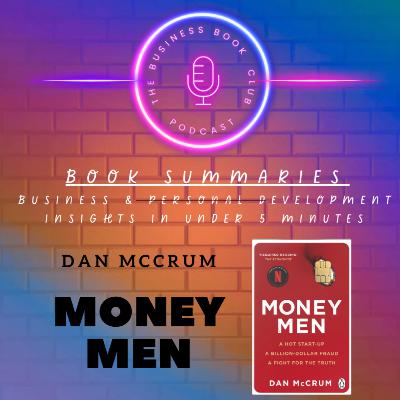
In this episode, we dive into Money Men by Dan McCrum — the gripping true story of the Wirecard scandal, one of the biggest corporate frauds in modern history. McCrum, the investigative journalist who exposed the lies behind Wirecard’s meteoric rise, reveals how a supposed “fintech champion” became a global fraud that fooled regulators, investors, and governments alike.Wirecard was once hailed as the future of European payments, a tech darling valued at billions. But behind the glossy façade was a house of cards built on deception, fake profits, and shadowy accounting. In Money Men, McCrum details his years-long investigation, the resistance he faced, and the extraordinary lengths the company went to in order to silence critics and hide the truth.✅ What you’ll learn in this summary:How Wirecard rose from obscurity to a multi-billion-dollar companyThe red flags and accounting tricks that masked fraud on a massive scaleHow journalists and whistleblowers exposed the scandal despite threatsLessons in due diligence, critical thinking, and financial transparencyWhy regulators and auditors failed to act until it was too lateWhy this book matters: Money Men isn’t just about Wirecard — it’s a cautionary tale for investors, leaders, and professionals everywhere. It highlights the dangers of hype, blind trust, and unchecked ambition in finance and business. The book shows how corruption, when paired with weak oversight, can spiral into global consequences.Who should listen:Business leaders and entrepreneurs wanting to learn from corporate failuresInvestors seeking to sharpen their due diligence and fraud detection skillsProfessionals in finance, auditing, and complianceJournalists and storytellers inspired by investigative reportingAnyone fascinated by real-world corporate thrillers and scandals✅ Key Takeaways:Hype can blind even seasoned investors — always look beyond the narrative.Transparency matters — trust but verify financial claims.Courage is essential — whistleblowers and journalists protect markets.Oversight can fail — regulators and auditors are not infallible.Fraud leaves lessons — for businesses, markets, and individuals alike.By the end of this episode, you’ll have a clearer picture of how Wirecard’s empire was built on lies, why so many were duped, and the lessons we can all take into business, finance, and leadership.Keywords: Money Men summary, Dan McCrum Wirecard, corporate fraud podcast, business book summary, financial scandal lessons, fintech fraud, Wirecard investigation, business ethics, investor caution, corporate governanceExplore more episodes and resources at www.thebusinessbookclub.online. Visit thebusinessbookclub.online to explore every episode, join our leadership community, and grow your business mindset.
In this episode, we dive into Be the Unicorn by William Vanderbloemen — a practical career and leadership book that unpacks what makes the most sought-after professionals truly stand out in today’s competitive world of work. Drawing on decades of executive search experience, Vanderbloemen identifies 12 rare but essential traits that transform ordinary employees into “unicorns” — those remarkable individuals every organization wants to hire, promote, and retain.Instead of chasing fads or trying to be everything at once, Vanderbloemen’s approach is about cultivating qualities that set you apart and add value in ways others can’t. Whether you’re early in your career or already leading a team, this book offers timeless advice for becoming indispensable.✅ What you’ll learn in this summary:The 12 unicorn traits that make you stand out in any workplaceWhy adaptability and emotional intelligence matter more than technical skillsHow to build trust, reliability, and resilience into your professional brandThe role of curiosity, humility, and optimism in long-term successPractical steps for developing habits that make you memorable and promotableWhy this book matters: Today’s workplaces are filled with talented professionals, but only a few rise above the crowd. Be the Unicorn shows that the difference isn’t luck — it’s about intentionally cultivating traits that employers and colleagues value most. By adopting these principles, you can elevate your career, strengthen your leadership, and unlock opportunities you never thought possible.Who should listen:Professionals who want to differentiate themselves in their careersManagers seeking to strengthen their leadership impactAnyone navigating career growth or job transitionsLeaders developing high-performing, standout teamsListeners interested in personal development and workplace success✅ Key Takeaways:Reliability builds trust: Being dependable is a superpower in any career.Adaptability keeps you relevant: Those who embrace change thrive in uncertain times.Curiosity sparks innovation: A questioning mindset helps uncover new opportunities.Humility enhances influence: Confidence paired with humility makes you more likeable and effective.Consistency sets you apart: Showing up with excellence day after day makes you unforgettable.By the end of this episode, you’ll know what it takes to “be the unicorn” — and how to start applying these 12 traits to become the kind of professional every team and leader wants by their side.Keywords: Be the Unicorn summary, William Vanderbloemen book, career success traits, leadership podcast, professional development, workplace adaptability, building trust at work, emotional intelligence, personal growth, career advancement strategiesExplore more episodes and resources at www.thebusinessbookclub.online. Visit thebusinessbookclub.online to explore every episode, join our leadership community, and grow your business mindset.
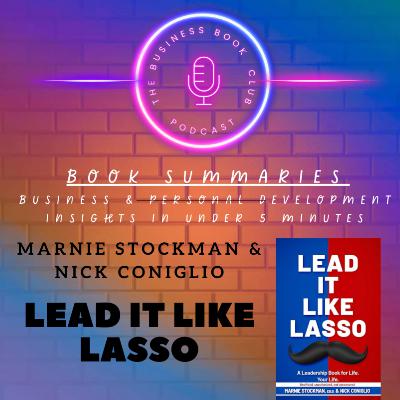
In this episode, we explore Lead It Like Lasso by Marine Stockman — a smart and uplifting leadership guide inspired by the hit TV series Ted Lasso. The book takes lessons from everyone’s favorite mustached football coach and applies them to the real world of leadership, teamwork, and organizational culture.Drawing on the show’s themes of optimism, humility, and resilience, Stockman reveals how leaders can build trust, inspire loyalty, and create environments where people flourish — even in the face of setbacks and uncertainty.✅ What you’ll learn in this summary:How kindness and empathy can become leadership superpowersWhy belief in others often matters more than technical expertiseThe importance of resilience and optimism when leading through changeHow to cultivate trust, vulnerability, and psychological safety on your teamPractical lessons for turning challenges into growth opportunitiesWhy this book matters: In a world where leadership is often framed around authority, toughness, or perfection, Lead It Like Lasso offers a refreshing alternative: leading with heart. By showing how positivity, authenticity, and humility can transform teams, Stockman makes the case that true leaders don’t just win — they help others believe, grow, and succeed together.Who should listen:Leaders who want to build more engaged and motivated teamsManagers looking to strengthen trust and communicationFans of Ted Lasso curious about its deeper leadership lessonsProfessionals seeking practical, human-centered leadership toolsAnyone who believes kindness and optimism belong in the workplace✅ Key Takeaways:Empathy builds trust: Listening deeply and valuing people creates loyalty and commitment.Optimism is contagious: A positive outlook lifts teams through difficult times.Vulnerability is strength: Leaders who admit mistakes model authenticity and resilience.Belief fuels performance: Encouragement and support can unlock potential in others.Culture drives success: Teams thrive when they feel safe, valued, and inspired.By the end of this episode, you’ll walk away with practical leadership lessons rooted in empathy, trust, and positivity — and a new perspective on what it means to truly lead like Lasso.Keywords: Lead It Like Lasso summary, Marnie Stockman book, Ted Lasso leadership lessons, empathy in leadership, resilience and optimism at work, building team trust, positive organisational culture, leadership podcast, human-centered leadership, motivating teams with kindnessHosted by Hannah Hally, The Business Book Club brings together three empowering podcast series — 5-Minute Book Summaries, Icons of Influence, and Leadership Unpacked — sharing practical lessons, success stories, and leadership insights from the world’s most inspiring thinkers. Explore more episodes and resources at www.thebusinessbookclub.online. Visit thebusinessbookclub.online to explore every episode, join our leadership community, and grow your business mindset.
In this episode, we explore The 1% Rule by Tommy Baker — a transformative guide to achieving extraordinary success through the power of small, consistent actions. Instead of chasing overnight success or unsustainable shortcuts, Baker shows how making just 1% progress each day compounds into remarkable results over time. This book is about building momentum, mastering patience, and creating a lifestyle of steady improvement that leads to lasting success.Drawing from psychology, performance science, and real-world case studies, The 1% Rule emphasizes that big goals are reached not by giant leaps, but by deliberate and consistent daily effort. If you’ve ever felt stuck, overwhelmed, or discouraged by the size of your ambitions, this framework gives you the clarity and discipline to break them down into achievable steps.✅ What you’ll learn in this summary:The core principle of the 1% Rule and why it outperforms quick-fix strategiesHow to break big dreams into manageable daily actionsThe importance of consistency, patience, and delayed gratificationMental shifts to overcome procrastination and resistancePractical steps to track progress and stay committed to long-term successWhy this book matters: In a world obsessed with instant gratification, The 1% Rule is a refreshing reminder that true achievement comes from daily, incremental progress. By focusing on just 1% improvement every day, you not only reduce overwhelm but also create habits that stick — setting yourself up for success in business, fitness, relationships, and life.Who should listen:Entrepreneurs and business leaders seeking sustainable growthProfessionals looking to achieve career milestones without burnoutAnyone frustrated with failed resolutions or stalled progressListeners passionate about personal growth and high performanceGoal-setters who want a proven system for long-term success✅ Key Takeaways:Small wins compound: Daily 1% improvements create exponential growth.Consistency beats intensity: Long-term effort matters more than short bursts.Clarity drives action: Clear goals broken into small steps ensure progress.Patience is power: Real success requires time and persistence.The journey is the reward: Growth is about enjoying the process, not just the outcome.By the end of this episode, you’ll understand how to harness the 1% Rule to transform your goals into reality, one step at a time.Keywords: The 1% Rule summary, Tommy Baker book, daily improvement system, personal growth podcast, success habits, consistency in business, productivity strategies, mindset and motivation, incremental growth, achieving big goalsExplore more episodes and resources at www.thebusinessbookclub.online. Visit thebusinessbookclub.online to explore every episode, join our leadership community, and grow your business mindset.
In this episode, we unpack Rebel Ideas: The Power of Diverse Thinking by Matthew Syed — a fascinating exploration of how diversity of thought drives innovation, problem-solving, and long-term success. Syed argues that the greatest breakthroughs don’t come from lone geniuses or homogenous groups, but from teams that bring together different perspectives, experiences, and ways of thinking.Through powerful real-world examples — from intelligence failures before 9/11 to innovations in business, science, and sports — Rebel Ideas shows why cognitive diversity is the hidden superpower of successful organizations.✅ What you’ll learn in this summary:Why diversity of perspective is more important than just diversity of demographicsHow “echo chambers” and groupthink can blind even the smartest teamsThe role of dissent, debate, and challenge in driving better decisionsHow leaders can build cultures that welcome different voices and ideasWhy cognitive diversity is essential in an interconnected, fast-changing worldWhy this book matters: In a world defined by complexity and rapid change, no single viewpoint is enough. Rebel Ideas demonstrates how harnessing the collective intelligence of varied perspectives gives individuals, teams, and organizations the edge they need to solve the toughest challenges — and avoid catastrophic blind spots.Who should listen:Leaders and managers looking to unlock the full potential of their teamsProfessionals seeking to improve collaboration and creativity at workOrganizations aiming to build cultures of inclusion and innovationAnyone interested in psychology, leadership, and problem-solving✅ Key Takeaways:Homogeneity is dangerous — teams of similar thinkers miss blind spots.Cognitive diversity fuels innovation — different perspectives spark better solutions.Conflict can be constructive — respectful challenge leads to stronger ideas.Leadership sets the tone — inclusive leaders invite, value, and act on diverse input.Collaboration beats individual genius — the most resilient solutions are collective.By the end of this episode, you’ll understand why diversity of thought is not just a moral imperative, but a strategic advantage — one that can transform how we solve problems, lead teams, and innovate for the future.Keywords: Rebel Ideas summary, Matthew Syed book, diversity of thought, cognitive diversity in teams, groupthink vs innovation, leadership and inclusion, teamwork and problem-solving, business book podcast, innovation through collaboration, building better decisionsHosted by Hannah Hally, The Business Book Club brings together three empowering podcast series — 5-Minute Book Summaries, Icons of Influence, and Leadership Unpacked — sharing practical lessons, success stories, and leadership insights from the world’s most inspiring thinkers. Explore more episodes and resources at www.thebusinessbookclub.online. Visit thebusinessbookclub.online to explore every episode, join our leadership community, and grow your business mindset.
In this episode, we dive into Supremacy: The Rise of the Hackers by Parmy Olson — an inside look at the shadowy world of hacktivist groups like Anonymous and LulzSec. Drawing on extensive interviews with hackers themselves, Olson reveals how loosely connected individuals wielded outsized influence, sparking global headlines, embarrassing corporations, and challenging governments.This is more than a story about hacking — it’s about the collision of technology, power, and human behavior in the digital age. Olson captures the personalities, motivations, and internal conflicts of the hacker underground, showing both the chaos and the unexpected order within these communities.✅ What you’ll learn in this summary:The origins and rise of Anonymous, LulzSec, and other influential hacker collectivesHow these groups organized (and often clashed) despite being leaderlessThe motivations driving hackers — from ideology to mischief to fameThe impact of major hacks on governments, corporations, and cybersecurityWhat the hacker underground reveals about the future of digital activism and online securityWhy this book matters: Supremacy shines a light on a hidden world that affects us all. From data breaches to government leaks, hacktivism has reshaped politics, business, and culture in the 21st century. Olson’s reporting provides rare access to the individuals behind the masks — humanizing them while also raising urgent questions about ethics, security, and digital freedom.Who should listen:Tech enthusiasts curious about hacking culture and digital activismBusiness leaders and professionals who want to understand cybersecurity risksStudents of politics, sociology, or media exploring power in the internet ageAnyone fascinated by real-world stories of digital disruption and rebellion✅ Key Takeaways:Leaderless movements can still wield power — collective action online can create global shockwaves.Motivations vary widely — hackers aren’t just criminals; they are pranksters, activists, and sometimes whistleblowers.Internal conflicts matter — many hacker groups implode from within due to ego clashes and trust issues.Hacktivism blurs the line between crime and protest — raising big questions about legality and morality.Cybersecurity is everyone’s concern — as digital systems run more of our lives, their vulnerability has global consequences.By the end of this episode, you’ll have a deeper understanding of the hacker underground — not just how they operate, but why they do what they do, and what it means for the future of power, protest, and technology.Keywords: Supremacy summary, Parmy Olson book, Anonymous hackers, LulzSec, hacktivism explained, cybersecurity risks, hacker culture, digital activism, hacker stories, internet power shift, business book podcastExplore more episodes and resources at www.thebusinessbookclub.online. Visit thebusinessbookclub.online to explore every episode, join our leadership community, and grow your business mindset.
In this episode, we explore Shoe Dog: A Memoir by the Creator of Nike by Phil Knight — a candid, behind-the-scenes look at what it really takes to build a global brand from scratch. From selling shoes out of the trunk of a car to facing crushing debt and relentless competition, Knight’s journey with Nike is gritty, emotional, and full of leadership lessons that matter for anyone building anything.✅ What you’ll learn in this summary:The origins of Nike — how Phil Knight started with a simple idea, $50, and a big risk.How resilience and perseverance carried Knight through failures, financial danger, and business setbacksLessons in leadership: hiring people you believe in, even before roles fully exist.The messy reality behind big success — uncertainty, gamble after gamble, chaos and risk, decision-by-gut, and grit over polish.Importance of vision, brand, culture, and pushing through the “impossible” to build something iconic.Why this book matters: So many business books paint success as clean and linear. Shoe Dog flips that on its head. It shows that great companies are built in messy parts, through sacrifice, uncertainty, mistakes, and stubborn belief. For founders, entrepreneurs, business leaders — anyone chasing something big — this memoir is a rare reminder that failure doesn’t disqualify you, it often defines you.Who should listen:Entrepreneurs, startup founders, or side-hustlers who are in the trenches or just getting started.Business leaders and managers seeking real, raw stories of building culture, brand and business under pressure.Anyone interested in leadership, brand building, innovation, or the psychology of risk.Listeners who want inspiration coupled with honest, actionable takeaways.✅ Key Takeaways:Embrace risk & uncertainty: Phil Knight’s path with Nike was never assured. The ability to keep going despite fear helped define success.Hire for potential, not perfection: Great people sometimes show up before there’s a clear role — but they make the role worth having.Find your “why”: Your reason needs to be bigger than profit — it needs to fuel you in hard times. Knight’s love for athletics, competition, personal freedom, and aesthetics shaped Nike’s identity.Persist through the long haul: Wanting fast success is tempting — but most breakthroughs come after years of work, repetition, and failure.Cultivate culture and storytelling: The stories you choose to tell, the people you surround yourself with, the values you decide are non-negotiable — all of these build identity, loyalty, and legacy.If you’re building something — a company, a team, a career — this episode will give you both honest encouragement and strategic lessons straight from one of the most impactful business memoirs of recent years.Keywords: Shoe Dog summary, Phil Knight book review, Nike origin story, startup lessons, entrepreneurship memoir, resilience in business, brand building, risk & perseverance, leadership through chaos, building iconic companiesExplore more episodes and resources at www.thebusinessbookclub.online. Visit thebusinessbookclub.online to explore every episode, join our leadership community, and grow your business mindset.
In this episode, we explore Nine Lies About Work by Marcus Buckingham and Ashley Goodall — a bold and refreshing take on the myths that dominate modern workplaces. This book dismantles some of the most common but destructive beliefs about leadership, management, and teamwork, replacing them with evidence-based truths that actually drive performance, engagement, and success.Buckingham and Goodall argue that much of what we’ve been taught about work — from the need for cascading goals to the effectiveness of feedback — is misleading at best and harmful at worst. By exposing these lies and replacing them with practical truths, they give leaders and employees a new framework for creating workplaces where people can truly thrive.✅ What you’ll learn in this summary:The nine biggest lies about work that most organizations still believeWhy people don’t actually care about company values — they care about their teamsThe myth of the all-powerful leader and why real power comes from trust and relationshipsWhy focusing on strengths, not weaknesses, is the key to high performanceHow to rethink feedback, performance management, and employee engagementWhy this book matters: Nine Lies About Work challenges conventional management wisdom, forcing leaders and teams to confront uncomfortable truths about what really drives performance. It’s not about systems, processes, or slogans — it’s about human beings, how they think, feel, and work together.Who should listen:Leaders and managers who want to inspire rather than controlHR professionals seeking to transform outdated performance systemsTeam members frustrated by workplace myths that don’t reflect realityAnyone looking to build stronger, more human-centered organizations✅ Key Takeaways:People Care About Teams, Not Companies: Culture lives locally, in team experiences.Strengths Trump Weaknesses: Build on what people do best, rather than “fixing” them.Leadership Is About Trust, Not Titles: Influence comes from authenticity and consistency.Feedback Isn’t the Answer: What people need is attention and coaching, not constant critique.Individuality Matters: Great workplaces embrace uniqueness, not uniformity.By the end of this episode, you’ll understand why so many traditional workplace practices fail — and how to replace them with truths that unlock performance, engagement, and happiness at work.Keywords: Nine Lies About Work summary, Marcus Buckingham book, Ashley Goodall leadership, management myths, workplace performance, employee engagement, strengths-based leadership, HR transformation, team culture, business book podcastExplore more episodes and resources at www.thebusinessbookclub.online. Visit thebusinessbookclub.online to explore every episode, join our leadership community, and grow your business mindset.
In this episode, we unpack Richard Rumelt’s groundbreaking book, Good Strategy, Bad Strategy — a practical and eye-opening guide to what separates powerful, effective strategies from weak ones that fail to deliver results. Rumelt, one of the world’s leading experts in strategy and management, reveals that most organizations confuse vague goals and buzzwords for strategy, when in reality, a strong strategy requires clarity, focus, and decisive action.Through real-world examples from business, government, and military history, Rumelt shows why good strategy is rare, how bad strategy spreads, and what leaders can do to design strategies that actually work in competitive environments.✅ What you’ll learn in this summary:The key differences between good strategy and bad strategyWhy most “strategies” are just wishful thinking disguised as plansThe three essential components of good strategy: diagnosis, guiding policy, and coherent actionHow to focus resources on the most critical challenges instead of spreading too thinReal-life lessons from companies like Apple, Nvidia, and Walmart on executing strategy effectivelyWhy this book matters: Good Strategy, Bad Strategy is more than a business book — it’s a wake-up call for leaders, entrepreneurs, and professionals who want to cut through the noise and build real competitive advantage. In a world where many organizations rely on vague slogans, Rumelt teaches how to identify challenges clearly, craft actionable plans, and mobilize people and resources toward meaningful goals.Who should listen:Business leaders and managers seeking to sharpen their strategic thinkingEntrepreneurs building startups who need clarity in executionProfessionals in corporate environments frustrated by “bad strategy” cultureAnyone curious about how top companies achieve competitive advantageMBA students and business thinkers looking for practical strategy frameworks✅ Key Takeaways:Good Strategy Diagnoses the Problem: Before solving, you must understand the real challenge.Guiding Policy Is Essential: Strategy provides a clear direction, not just a list of goals.Action Creates Impact: Without coordinated action, strategy is just words.Avoid Bad Strategy Traps: Don’t confuse ambition, buzzwords, or visions with strategy.Focus Wins: Concentrating resources on the most critical issues delivers breakthroughs.By the end of this episode, you’ll be able to spot the difference between strong, actionable strategies and weak, ineffective ones — and apply Rumelt’s framework to your own business, career, or personal goals.Keywords: Good Strategy Bad Strategy summary, Richard Rumelt book, business strategy framework, how to create winning strategies, difference between good and bad strategy, strategy podcast, management tips, competitive advantage, leadership strategy, business book club podcastExplore more episodes and resources at www.thebusinessbookclub.online. Visit thebusinessbookclub.online to explore every episode, join our leadership community, and grow your business mindset.
In this episode, we explore The Hard Thing About Hard Things by Ben Horowitz — a brutally honest and practical guide to entrepreneurship, leadership, and building companies in the real world. Unlike many business books that focus on success stories, Horowitz dives into the messy reality of running a startup: layoffs, crises, failures, and the difficult decisions leaders must make when things don’t go as planned.Drawing on his experience as co-founder of Andreessen Horowitz and a Silicon Valley CEO, Horowitz shares raw insights that every entrepreneur and leader needs to hear.✅ What you’ll learn in this summary:Why there are no easy answers in business leadershipHow to make tough calls under pressure, from layoffs to pivotsThe importance of resilience and grit in entrepreneurshipLessons on managing through chaos, not just growthWhy the best CEOs embrace reality and lead with courageWhy this book matters: The Hard Thing About Hard Things is essential because it strips away the myths of overnight success and shows what it really takes to build and sustain a company. Horowitz doesn’t offer quick fixes — instead, he offers hard-earned wisdom that prepares leaders for the challenges they will inevitably face.Who should listen:Entrepreneurs navigating the highs and lows of running a startupCEOs and executives managing growth, setbacks, or crisesLeaders who want unfiltered advice on making hard decisionsAnyone curious about the real challenges of building a business from the ground up✅ Key Takeaways:Embrace the Struggle: Leadership is hard, and that’s normal.No Easy Formulas: Every situation is unique — judgment and courage matter more than playbooks.Difficult Decisions Define You: Layoffs, crises, and pivots are part of the journey.Resilience Is Everything: Success often comes down to persistence in the face of adversity.Lead with Transparency and Grit: Honesty builds trust even in the hardest times.By the end of this episode, you’ll see why Horowitz’s book is a must-read for any entrepreneur or leader who wants to understand the true realities of building and leading a company.Keywords: The Hard Thing About Hard Things summary, Ben Horowitz book, entrepreneurship lessons, startup leadership, business resilience, tough decisions in business, Silicon Valley CEOs, Andreessen Horowitz insights, how to lead through crisis, book summary podcastHosted by Hannah Hally, The Business Book Club brings together three empowering podcast series — 5-Minute Book Summaries, Icons of Influence, and Leadership Unpacked — sharing practical lessons, success stories, and leadership insights from the world’s most inspiring thinkers. Explore more episodes and resources at www.thebusinessbookclub.online. Visit thebusinessbookclub.online to explore every episode, join our leadership community, and grow your business mindset.
In this episode, we explore Robert Kiyosaki’s timeless classic, Rich Dad Poor Dad — one of the most influential personal finance books ever written. First published in 1997, this book challenges traditional views about money, wealth, and education, showing readers why working harder isn’t always the path to financial freedom. Instead, Kiyosaki argues that financial literacy, smart investing, and the right money mindset are the keys to lasting wealth.Through the contrasting lessons of his “Poor Dad” (his highly educated but financially struggling father) and his “Rich Dad” (his friend’s entrepreneurial father who built wealth through assets), Kiyosaki reveals how financial independence is accessible to anyone willing to think differently about money.✅ What you’ll learn in this summary:The difference between assets and liabilities — and why most people confuse themWhy financial education matters more than formal schooling for wealth creationHow to make money work for you, instead of working for moneyThe importance of entrepreneurship, investment, and passive incomeKey mindset shifts that separate the rich from the poor and middle classWhy this book matters: Rich Dad Poor Dad has sold over 40 million copies worldwide because it addresses one of the biggest gaps in modern education — financial literacy. By reframing how we think about work, money, and investing, Kiyosaki empowers readers to take control of their financial futures instead of depending on employers, government systems, or luck.Who should listen:Professionals looking to build wealth beyond their paycheckEntrepreneurs and business owners seeking financial independenceAnyone who wants to better understand money and investmentParents teaching their children about financial literacyListeners seeking motivation to take control of their financial future✅ Key Takeaways:Assets vs. Liabilities: True wealth comes from owning income-producing assets.Financial Education Is Power: Schools don’t teach money management — but you must learn it yourself.Mindset Shift: Don’t say “I can’t afford it.” Instead ask, “How can I afford it?”Make Money Work for You: Passive income and investments build freedom, not just salaries.Entrepreneurship Builds Wealth: Thinking like a business owner unlocks long-term growth.By the end of this episode, you’ll walk away with practical insights and mindset shifts that can help you rethink your relationship with money, invest smarter, and start moving toward financial freedom.Keywords: Rich Dad Poor Dad summary, Robert Kiyosaki book, financial literacy, money mindset, assets vs liabilities explained, how to build passive income, financial freedom strategies, business book podcast, wealth building tips, investing basics Explore more episodes and resources at www.thebusinessbookclub.online. Visit thebusinessbookclub.online to explore every episode, join our leadership community, and grow your business mindset.
In this episode, we dive into The Most Powerful Woman in the Room Is You by Lydia Fenet — a powerful guide to mastering confidence, commanding a room, and leading with authenticity. As the lead benefit auctioneer at Christie’s and a global speaker, Lydia Fenet has perfected the art of persuasion and presence, and in this book she shares practical strategies every professional can use to project confidence, influence others, and own their power.Whether you’re pitching in a meeting, leading a team, or speaking on stage, Fenet shows that true power doesn’t come from pretending to be someone else — it comes from owning who you are.✅ What you’ll learn in this summary:How to develop a signature style of confidence and leadershipLydia Fenet’s “Strike Method” for commanding attention instantlyThe importance of authenticity in building trust and influencePractical tips for persuasion, public speaking, and negotiationHow to thrive in male-dominated environments without losing your voiceWhy this book matters: So often, leadership advice is framed around fitting into traditional molds of power. Fenet flips that script, showing women (and men) how to embrace their unique presence and turn it into a source of strength. The Most Powerful Woman in the Room Is You is about more than professional success — it’s about unlocking the confidence to own your story and use it as a tool for influence.Who should listen:Women seeking practical strategies to step into leadership rolesProfessionals who want to improve their presence, persuasion, and confidenceEntrepreneurs pitching ideas or raising capitalAnyone interested in developing charisma and authentic influence✅ Key Takeaways:Confidence Is a Skill: It can be learned, practiced, and perfected.Own Your Power: Don’t wait for permission — step up and take space.Presence Matters: The way you enter a room sets the tone for influence.Authenticity Wins: True charisma comes from being unapologetically yourself.Resilience Is Key: Rejection and setbacks are stepping stones, not barriers.By the end of this episode, you’ll have the tools and mindset shifts you need to walk into any room — whether it’s a boardroom, an interview, or a stage — and own it with power and authenticity.Keywords: The Most Powerful Woman in the Room Is You summary, Lydia Fenet book, confidence for women in business, persuasion skills, public speaking tips, female leadership, negotiation strategies, charisma and influence, business book podcast, empowering women at workHosted by Hannah Hally, The Business Book Club brings together three empowering podcast series — 5-Minute Book Summaries, Icons of Influence, and Leadership Unpacked — sharing practical lessons, success stories, and leadership insights from the world’s most inspiring thinkers. Explore more episodes and resources at www.thebusinessbookclub.online. Visit thebusinessbookclub.online to explore every episode, join our leadership community, and grow your business mindset.
In this episode, we explore Radical Candor by Kim Scott — one of the most important modern leadership books, teaching managers and leaders how to give feedback, build strong relationships, and create high-performing teams without sacrificing empathy or results. Scott introduces the concept of “Radical Candor,” a leadership style that balances caring personally with challenging directly.✅ What you’ll learn in this summary:The two core dimensions of Radical Candor: Care Personally and Challenge DirectlyWhy avoiding tough feedback (ruinous empathy) is just as damaging as being overly harsh (obnoxious aggression)How to build trust and stronger relationships with your teamPractical strategies for delivering feedback that inspires growth and accountabilityHow Radical Candor creates a culture of transparency, collaboration, and innovationWhy this book matters: Many leaders struggle with feedback — either holding back to avoid discomfort or coming across as too blunt. Radical Candor shows that the most effective leaders are both kind and clear, creating environments where people feel supported, challenged, and motivated to excel.Who should listen:Managers who want to give better feedback and strengthen team trustLeaders building high-performance cultures based on openness and respectEntrepreneurs and founders leading growing teamsProfessionals who want to improve workplace communication and leadership skills✅ Key Takeaways:Care Personally: Show your team that you genuinely value and respect them.Challenge Directly: Don’t shy away from tough conversations — clarity is kindness.Avoid Extremes: Neither sugarcoating nor harsh criticism leads to growth.Feedback Is a Gift: Done right, it motivates, builds trust, and drives results.Culture of Candor: Teams thrive when openness and respect guide communication.By the end of this episode, you’ll understand how to practice Radical Candor in your own career — leading with empathy and honesty while pushing your team (and yourself) to new levels of success.Keywords: Radical Candor summary, Kim Scott book review, leadership skills, giving feedback effectively, workplace communication, management podcast, high-performing teams, business leadership, caring personally, challenging directlyHosted by Hannah Hally, The Business Book Club brings together three empowering podcast series — 5-Minute Book Summaries, Icons of Influence, and Leadership Unpacked — sharing practical lessons, success stories, and leadership insights from the world’s most inspiring thinkers. Explore more episodes and resources at www.thebusinessbookclub.online. Visit thebusinessbookclub.online to explore every episode, join our leadership community, and grow your business mindset.
In this episode, we break down The Richest Man in Babylon by George S. Clason — a classic personal finance book that uses ancient Babylonian parables to teach timeless principles of money management, wealth-building, and financial independence. First published in 1926, this enduring guide continues to inspire readers with its simple yet powerful lessons on how to save, invest, and grow wealth wisely.✅ What you’ll learn in this summary:The 7 cures for a lean purse — practical steps to grow your savings and secure financial healthWhy paying yourself first is the foundation of wealth-buildingThe importance of living below your means and avoiding unnecessary debtHow to make your money work for you through wise investingLessons on financial discipline, long-term thinking, and personal responsibilityWhy this book matters: While technology, markets, and economies change, the core principles of wealth remain timeless. The Richest Man in Babylon distills financial wisdom into clear, memorable parables that apply just as much today as they did in ancient times. It’s a must-read for anyone who wants to build lasting financial security.Who should listen:Professionals and entrepreneurs seeking financial independenceYoung adults learning to manage money effectivelyAnyone struggling with debt or poor financial habitsInvestors and savers looking for timeless wealth-building wisdom✅ Key Takeaways:Pay Yourself First: Save at least 10% of your income before anything else.Control Expenses: Don’t confuse wants with needs — live within your means.Make Money Work: Invest wisely to grow your wealth over time.Avoid Debt Traps: Borrow only when it leads to future growth.Seek Wisdom: Learn from those experienced in managing money well.By the end of this episode, you’ll understand why The Richest Man in Babylon remains one of the most enduring and practical guides to personal finance — and how its principles can help you achieve long-term wealth and stability.Keywords: The Richest Man in Babylon summary, George S. Clason book, personal finance lessons, wealth-building tips, how to save money, financial independence podcast, debt management, investing wisely, timeless money principles, book summary podcastHosted by Hannah Hally, The Business Book Club brings together three empowering podcast series — 5-Minute Book Summaries, Icons of Influence, and Leadership Unpacked — sharing practical lessons, success stories, and leadership insights from the world’s most inspiring thinkers. Explore more episodes and resources at www.thebusinessbookclub.online. Visit thebusinessbookclub.online to explore every episode, join our leadership community, and grow your business mindset.
loading
Comments 
loading