


 Claim Ownership
Founder Talk with Alex Sheridan
Subscribed: 5Played: 55
Subscribe

© Alex Sheridan
Description
Welcome to the Founder Talk Podcast. The realest room in entrepreneurship for founders who want to build businesses that grow even when they step away.
The show is hosted by Alex B Sheridan founder of Impaxs Marketing and Podcast Builders.
If you want honest conversation, practical insight, and a community of founders who are actually doing the work to build a business that runs without them, you are in the right place!
The show is hosted by Alex B Sheridan founder of Impaxs Marketing and Podcast Builders.
If you want honest conversation, practical insight, and a community of founders who are actually doing the work to build a business that runs without them, you are in the right place!
139 Episodes
Reverse
Getting a product into Walmart isn’t just a “great product” problem. It’s a buyer problem, a packaging problem, and an inventory cash-flow problem.In this episode of Founder Talk, Alex Sheridan sits down with Joe Barron, founder of Gray Matters Games—a family-owned business that designs and publishes family and adult party games sold in thousands of stores worldwide. Joe shares what it really takes to go from a single idea to national retail shelves, including how his team has scaled into major retailers, what they learned the hard way, and why retail is “pressure right out of the gate.”It’s a grounded conversation about entrepreneurship, scaling a business, and making better founder decisions when the stakes are real.Q&A-Style Takeaways00:00:00 Introduction00:06:08 How should founders set expectations with friends-and-family investors?A: Align on the real payoff timeline upfront (often at a sale), keep communication tight, and avoid structures that force early cash payouts in a capital-hungry business.00:09:23 What does board game manufacturing look like—and what is MOQ?A: Manufacturing is spec-driven down to materials and colour. MOQ (minimum order quantity) often starts around 1,500–3,000 units, so founders must plan demand, cash, and storage early.00:11:01 What gross margin target makes a physical product business viable?A: Joe targets strong gross margins and uses a simple pricing rule of thumb: MSRP should be roughly 5x cost of goods to leave room for retail and distribution economics.00:14:47 How do you describe a product in 10 seconds so it actually sells?A: Lead with the features and benefits people instantly “get,” not the detailed mechanics. If it can’t be explained fast, customers and retailers tune out.00:18:11 How do founders actually get in front of Walmart or Target buyers?A: Find the category buyer through trade shows and relationships, then build a distribution path that helps you show up prepared—because access alone doesn’t win the shelf.00:26:40 Is influencer marketing worth it for consumer products—and what’s the right approach?A: Yes, when it’s relationship-based and volume-based. Launch with a wide creator set, let creators create, then turn proven organic winners into paid ads.00:41:33 What can go wrong with a big retail launch—and how do founders avoid cash trouble?A: Early retail mistakes (packaging, pricing, forecasting) can trigger over-ordering and cash stress. If the first product underperforms, buyers may not want the next one.Watch the full episode to hear the complete conversation and the real-world founder lessons behind getting a product onto major retail shelves. 🔗 CONNECT WITH Joe BarronWebsite: https://www.graymattersgames.com/ LinkedIn: https://www.linkedin.com/in/joe-barron-28a69836/ https://www.linkedin.com/company/graymattersgames/ If you are a B2B company that wants to build your own in-house content team instead of outsourcing your content to a marketing agency, we may be a fit for you! Everything you see in our podcast and content is a result of a scrappy, nimble, internal content team along with an AI-powered content systems and process. Check out pricing and services here: https://impaxs.comTurn your expertise into clients with a podcast that positions you as the go-to brand. We help founder-led B2B companies in Chicagoland launch and grow shows that build trust, deepen relationships, and drive real revenue—without the production headache. Record in our St. Charles studio or set up your own space while we handle strategy, production, editing, and publishing so every episode turns conversations into business. Visit https://podcastbuilders.com/ to start building yours today!Head to our website to stream every episode on your favorite platform, join the Founder Talk community, and submit questions for future guests–all in one place: https://foundertalkpodcast.com/ #foundertalks #EntrepreneurPodcast #StartupLessons
The best sales pitch isn’t in a founder’s deck. It’s what customers repeat when the founder isn’t in the room.In this Founder Talk episode, Alex Sheridan sits down with Jude Nosek, VP of Sales and Marketing at Keson LLC, to break down how products really get sold in the field. They talk about word-of-mouth in the trades, why credibility beats polish, and how founders can scale growth by turning users, reps, and partners into the strongest advocates.Jude shares practical lessons on customer-led content, channel strategy, and how operators stay calm and strategic when external shocks (like tariffs and supply constraints) hit.Key Takeaways:00:00:00 Introduction00:09:58 How has B2B selling changed since COVID, and what stuck?A: Jude Nosek explains why video-first selling became normal, and how it changed speed, reach, and the quality of conversations.00:12:35 Why are buyers more educated and more skeptical than ever?A: Alex Sheridan and Jude Nosek unpack how self-education moved buyers 70–80% through the decision before they ever talk to sales, and what that changes in marketing.00:14:40 What’s the fastest way to find the real sales pitch customers believe?A: Jude Nosek shares a moment when a customer took the product out of his hands, demonstrated it better, and closed the sale through pure credibility.00:16:42 How do founders let customers sell the product without making it feel scripted?A: Jude Nosek explains why authentic user demos and endorsements beat polished promos, and how to build content around real usage.00:37:42 How do you handle a sudden tariff or cost shock without wrecking cash flow?A: Jude Nosek walks through what changed overnight for Keson, how they ran leaner, and how they approached pricing decisions strategically.00:46:35 Where do customers actually buy, and why does channel strategy matter?A: Jude Nosek explains why “where homeowners shop” isn’t where the trades buy, and how specialist supply relationships drive repeat sales.01:03:49 When does a family business start thinking about selling versus staying independent?A: Jude Nosek shares how long-term operators think about ownership, timing, and the consolidation pressure in trades and tools.Watch the full episode to hear the complete conversation, and subscribe for more no-fluff founder interviews.🔗 CONNECT WITH Jude NosekLinkedIn: https://www.linkedin.com/in/jude-nosek-666b3a13/ https://www.linkedin.com/company/kesonllc/ Website: https://www.keson.com/contact-us/ https://www.sola.at/en-ca If you are a B2B company that wants to build your own in-house content team instead of outsourcing your content to a marketing agency, we may be a fit for you! Everything you see in our podcast and content is a result of a scrappy, nimble, internal content team along with an AI-powered content systems and process. Check out pricing and services here: https://impaxs.comHead to our website to stream every episode on your favorite platform, join the Founder Talk community, and submit questions for future guests–all in one place: https://foundertalkpodcast.com/ #foundertalkpodcast #EntrepreneurPodcast #StartupLessons
The “founder dream” breaks a lot of people quietly. And sometimes, the boldest founder move is walking away from that.In this episode of Founder Talk, Alex Sheridan talks with Nate Cheviron, a multi-time founder who built, scaled, shut down, and sold businesses, then chose to return to W-2 employment to get his family and focus back. They get into the real tension founders face: freedom vs responsibility, ambition vs season-of-life, and growth vs simplicity. Founders will take away practical decision-making lessons. You’ll hear how Nate handled the mental load of ownership, why he built companies around referrals instead of chasing shiny marketing tactics, and what “exits” actually look like when the paperwork, costs, and identity shifts show up. Key Takeaways00:00:00 Introduction00:05:45 When should a founder quit a W-2 job and go all-in on a business?A: Nate Cheviron explains he went all-in only after proving the side hustle could support his family full-time. Alex Sheridan pulls out the practical reality: timing matters, and the “jump” looks different when your risk is real.00:12:05 How do founder partnerships actually work when everyone wants control?A: Nate Cheviron says partnerships feel like a marriage—but a “highly conditional” one where performance and alignment matter. Alex Sheridan reinforces the point that freedom as a founder still comes with accountability to partners.00:20:50 How do you grow a business using referrals instead of paid lead generation?A: Nate Cheviron breaks down why his teams avoided third-party lead gen and relied on relationships and referrals to drive volume. Alex Sheridan highlights the operating discipline behind it—consistent conversations, not marketing hacks.00:21:47 How do you build a repeatable referral system (not just “hope” for referrals)?A: Founders should have an operating rhythm for referrals because close rates are materially higher when business comes through a trusted introduction.00:42:05 How do you know it’s time to step away from entrepreneurship and return to W-2 employment?A: Nate Cheviron describes the moment the mental load, identity conflict, and relationship strain outweighed the upside. Alex Sheridan names the hard part founders feel: admitting the “right move” can be stepping back, not pushing harder.00:44:40 How can founders prioritise family without feeling like they failed?A: Nate Cheviron shares a season-of-life framework anchored in “keep the main thing the main thing.” Alex Sheridan and Nate Cheviron emphasise simplification—choosing the game you actually want to play, before you lose what matters most.00:58:25 Why is US manufacturing growing while hiring is slowing down?A: Nate Cheviron says manufacturing in the US is “popping,” then Alex Sheridan cites the Manufacturing PMI (52.6%) and calls out the tension: new orders and production up, employment contracting. Nate Cheviron connects it to automation and how operations change before headcount follows.Watch the full episode to hear the complete conversation. Subscribe for more authentic founder interviews, founder lessons, and a no-fluff entrepreneur podcast.🔗 CONNECT WITH NateLinkedIn: https://www.linkedin.com/in/nate-cheviron/ Website: https://www.adapteksystems.com/ If you are a B2B company that wants to build your own in-house content team instead of outsourcing your content to a marketing agency, we may be a fit for you! Everything you see in our podcast and content is a result of a scrappy, nimble, internal content team along with an AI-powered content systems and process. Check out pricing and services here: https://impaxs.comHead to our website to stream every episode on your favorite platform, join the Founder Talk community, and submit questions for future guests–all in one place: https://foundertalkpodcast.com/ #FounderTalk #EntrepreneurPodcast #FounderLessons
When a company culture goes quietly toxic, founders usually don’t see it in the metrics first. They see it in silence. In this episode, Alex Sheridan sits down with Sarah Mitial of People Architecture Group to break down what “toxic” actually looks like inside growing companies—and what leaders can do before it turns into churn, distrust, and stalled execution. Sarah brings 19+ years across the full HR spectrum (with deep focus on talent acquisition, talent development, and onboarding), plus experience across both profit and non-profit organisations, and her core argument is simple: retention problems aren’t always “bad people.” They’re often predictable outcomes of leadership habits, missing feedback loops, and inconsistent follow-through. This conversation is about the gap between what leaders think their culture is and what employees actually experience. Sarah explains why teams stop giving honest feedback, how to build trust without trying to be “liked,” and how to give tough accountability without attacking the person.Q&A-Style Takeaways with Timestamps00:00:00 Introduction00:04:50 How can a founder tell if the culture is unhealthy—even if performance looks fine?Answer: Look for what employees say when it’s “anonymous”: survey results, stay interviews, exit interviews, and whether people fear retaliation when asking for help. Those signals usually show culture health before dashboards do.00:08:16 Why do employees stop being honest with leadership?Answer: If people gave feedback before and nothing changed (or leadership tried to “figure out who wrote it”), employees learn it’s not safe or worth the effort. The fix is visible action + clear communication on what will (and won’t) change right now.00:10:30 What’s one simple meeting habit that increases real participation?Answer: Leaders have to stop filling the space. Ask the question, then wait through the silence. People need time to process—especially if the leader usually speaks first and sets the “correct” answer.00:14:18 What actually builds trust inside a scaling company?Answer: Be consistent. Do what you say you’ll do, when you say you’ll do it—and communicate early when you can’t. Trust gets destroyed fastest when leaders take credit for team wins or dodge responsibility when things go wrong.00:24:20 Do founders need different leadership approaches for different generations?Answer: Some principles stay the same, but what people value changes by “season of life.” Benefits, flexibility, development, and incentives should match who is actually in your workforce—not what looks good on paper.00:27:00 How do you hold people accountable without creating a toxic environment?Answer: “Attack the work, not the person.”00:40:19 Why do good hires quit in the first 30 days?Answer: Because the handoff from hiring to onboarding breaks. HR can set the candidate up well, but if managers mismanage the first month, the experience collapses and the new hire walks—fast.Watch the full episode and subscribe for more authentic, no-fluff entrepreneur podcast interviews with real founder lessons.🔗 CONNECT WITH Sarah MitialWebsite: https://peopletugroup.com/ LinkedIn: https://www.linkedin.com/in/sarahmitial/ https://www.linkedin.com/company/people-architectural-group/ Instagram: https://www.instagram.com/peoplearchitecturalgroup/ Facebook: https://www.facebook.com/PeopleArchitecturalGroup# If you are a B2B company that wants to build your own in-house content team instead of outsourcing your content to a marketing agency, we may be a fit for you! Everything you see in our podcast and content is a result of a scrappy, nimble, internal content team along with an AI-powered content systems and process. Check out pricing and services here: https://impaxs.comHead to our website to stream every episode on your favorite platform, join the Founder Talk community, and submit questions for future guests–all in one place: https://foundertalkpodcast.com/
When a founder makes a mistake, the real damage rarely comes from the mistake itself. It comes from the internal spiral that follows. In this Founder Talk episode, Alex Sheridan sits down with Barbara Wichman of CKC Consulting, a Neuro-Linguistic Programming (NLP) expert and practitioner, to break down how founders can interrupt that spiral, reset their thinking, and lead with more control under pressure. The conversation stays grounded in real leadership moments: entrepreneurship decisions, building teams, navigating tension, and making calls when the stakes feel personal.Founders will hear how “nervous system signals” show up before the brain can fully explain what’s wrong, why execution is where most strategies collapse, and how language shapes leadership state. Barbara shares practical NLP-based reframes that help founders recover faster after missteps, communicate more cleanly, and stop turning normal errors into identity-level self-judgment.Key Takeaways00:00:00 Introduction00:01:34Q: How do founders know something is “off” in the business before they can explain it?A: It often shows up as nervous system activation first—agitation, apprehension, and a sense that something isn’t right—before the problem is fully clear.00:03:22Q: Why do smart strategies still fail inside companies?A: Execution breaks down because it requires hard conversations, behavioral change, and follow-through—not just a plan on paper.00:06:30Q: What does anxiety look like in high-responsibility leadership roles?A: Leaders feel the signal before they have the story—pressure, unease, and uncertainty that something needs attention, even if they can’t name it yet.00:25:28Q: How do you get a founder out of a reactive “state” during a tough conversation?A: Change the state first—disrupt the default expectations so they can think, hear feedback, and respond without defensiveness.00:28:52Q: What is Neuro-Linguistic Programming (NLP), in plain language?A: NLP looks at how experiences create mental patterns, and how language and state can be used to rewire those patterns for better responses in the present.01:05:00Q: What’s a simple way to stop the “I’m so stupid” spiral after a mistake?A: Replace the attack with a neutral script—like “Oops, I made a mistake”—and say it out loud to break the automatic loop and move into repair mode.01:08:29Q: Are phrases like “I’m not a morning person” actually programming behavior?A: Yes—repeating identity statements reinforces the pattern, making the behavior more likely to stay true over time.Watch the full episode to hear the complete conversation. This one is especially relevant for founders navigating pressure, leadership tension, and high-stakes decisions—and who want founder lessons that actually translate into daily operating. Subscribe for more authentic founder interviews on this startup podcast.🔗 CONNECT WITH Barbara WichmanWebsite: https://www.barbara-wichman.com/ LinkedIn: https://www.linkedin.com/in/barbarawichman/ If you are a B2B company that wants to build your own in-house content team instead of outsourcing your content to a marketing agency, we may be a fit for you! Everything you see in our podcast and content is a result of a scrappy, nimble, internal content team along with an AI-powered content systems and process. Check out pricing and services here: https://impaxs.comHead to our website to stream every episode on your favorite platform, join the Founder Talk community, and submit questions for future guests–all in one place: https://foundertalkpodcast.com/ #foundertalk #EntrepreneurPodcast #StartupLessons
Building a great culture isn’t about perks, slogans, or “values” on a wall. It’s what happens when revenue gets tight, standards get tested, and leaders have to choose between fear and trust. In this Founder Talk episode, Alex Sheridan sits down with Burt Levy of Revenue Mountain—an operator with 30+ years across media and technology, known for building sales teams, leading multi-million-dollar revenue targets, and helping business owners grow revenue through the right technology decisions. Together, they unpack the leadership moves most founders avoid—because they’re uncomfortable, not because they’re unclear.Founders will hear a practical blueprint for building a culture that actually performs: how to hire when experience is missing, how to set a real bar for excellence, and how to avoid leadership habits that quietly destroy retention. Burt also breaks down how strong teams collaborate (and why leaders should speak last), why “flat is the new up” in certain markets, and how revenue growth often starts with the relationships you’ve ignored—not the leads you’re chasing.00:00:00 Introduction00:00:16 How does Burt Levy describe his expertise today?A: He’s a former major-market media operator turned tech problem-solver who helps business owners grow revenue by choosing and using the right technology.00:15:14 If revenue is flat, is the business dying?A: Not always. In some industries, staying flat is a win—because you didn’t lose ground. The real danger is staying flat without evolving when the market is shifting.00:18:34 What’s a better alternative to layoffs when times get tough?A: Burt argues for “everyone suffers a little” approaches like furlough programs—because mass layoffs create fear, kill innovation, and damage culture long after the cuts.00:23:51 What’s the secret to building strong teams?A: “Hire for character, train for skill.” You can teach skills, but you can’t teach passion, dedication, or hard work—those are the foundations of culture.00:27:05 What standard should founders set for their team—and themselves?A: Have a clear bar (like “excellence”), coach people up when possible, but don’t keep someone in a role if they can’t meet the standard—especially in high-initiative positions.00:31:46 How should leaders run discussions to get real input and buy-in?A: Collaborate and let everyone speak—then the leader speaks last. If the leader leads with “the answer,” the room shuts down and you lose better ideas.00:34:20 What’s one underrated way to grow revenue fast?A: Revive dormant relationships. Reach out without asking for anything. Start with genuine connection, and business often follows.00:43:45 What’s the right role of AI in business leadership?A: AI should sharpen the mind, not replace it. Use it as a tool, but don’t outsource judgment, relationships, intuition, or human trust-building.Watch the full episode to hear the complete conversation, and hit subscribe for more authentic, no-fluff founder interviews.🔗 CONNECT WITH Burt LevyWebsite: revenuemountain.com LinkedIn: https://www.linkedin.com/in/burt-levy-38821013/ https://www.linkedin.com/company/revenue-mountain/ Email: bert@revenuemountain.comIf you are a B2B company that wants to build your own in-house content team instead of outsourcing your content to a marketing agency, we may be a fit for you! Everything you see in our podcast and content is a result of a scrappy, nimble, internal content team along with an AI-powered content systems and process. Check out pricing and services here: https://impaxs.comHead to our website to stream every episode on your favorite platform, join the Founder Talk community, and submit questions for future guests–all in one place: https://foundertalkpodcast.com/#foundertalkpodcast #EntrepreneurPodcast #StartupLessons
Market volatility doesn’t just test portfolios. It exposes how founders think under pressure. In this episode of Founder Talk, Alex Sheridan sits down with Matt Rice and Bill Seyfarth of Vistamark Investments, two experienced investment professionals who have built and scaled an advisory firm by staying disciplined when markets — and emotions — swing hard.Together, they tackle a common but dangerous founder mistake: treating investing like a reaction instead of a system. Matt and Bill explain why panic selling, market timing, and overconfidence quietly destroy long-term outcomes — especially for entrepreneurs used to controlling every variable in their business. The conversation offers a calmer, more strategic lens for thinking about wealth, retirement, and capital allocation alongside building and running a company.Rather than quick takes or hype, the episode delves into mindset shifts. Founders will come away with clearer thinking around volatility, a better framework for separating business risk from personal wealth, and practical lessons drawn from real market cycles, not headlines.Q&A-Style Takeaways with Timestamps00:00:00 – Introduction00:03:40Q: What helped Vistamark grow from zero to hundreds of millions in assets so quickly?A: Years of credibility, deep relationships, and trust built long before launching the firm — not overnight tactics.00:08:42Q: Why do many founders delay retirement and investment planning?A: They over-invest in their business and underestimate how hard it is to catch up later without time and compounding.00:11:50Q: Why is “time in the market” more important than timing the market?A: Missing just a few strong market days can dramatically reduce long-term returns, especially during volatile periods.00:15:14Q: Is retirement overrated for founders who love what they do?A: Retirement doesn’t have to mean stopping work — it can mean optionality, flexibility, and control over time.00:22:20Q: What should founders consider before selling their company?A: Whether they’re selling for the right reasons — and whether they have a clear plan for life after the exit.00:33:15Q: Why do investors often make the worst decisions during market crashes?A: Human psychology is wired for fear and greed, which leads to selling low and abandoning disciplined strategies.00:58:48Q: Does more money actually make founders happier?A: The absence of money creates stress, but beyond a certain point, fulfillment comes from purpose, balance, and impact.Watch the full conversation to hear how experienced investors think when markets get emotional — and why discipline matters more than predictions. Subscribe to Founder Talk for more authentic, no-fluff founder interviews.🔗 CONNECT WITH VISTAMARK INVESTMENTSWebsite: https://vistamarkllc.com/ LinkedIn: https://www.linkedin.com/company/vistamark-investments-llc/ https://www.linkedin.com/in/matthew-rice-vistamark/https://www.linkedin.com/in/bill-seyfarth/ If you are a B2B company that wants to build your own in-house content team instead of outsourcing your content to a marketing agency, we may be a fit for you! Everything you see in our podcast and content is a result of a scrappy, nimble, internal content team along with an AI-powered content systems and process. Check out pricing and services here: https://impaxs.comHead to our website to stream every episode on your favorite platform, join the Founder Talk community, and submit questions for future guests–all in one place: https://foundertalkpodcast.com/ #foundertalks #EntrepreneurPodcast #Investments #Retirement #WealthBuilding
Most founders underestimate how much their thinking, food choices, and daily habits quietly shape their performance– and their health.In this episode of Founder Talk, Alex Sheridan sits down with Dr. Chrystal Ciodyk, founder of Chrystal Clinic, to explore the overlooked connection between mindset, physical health, and long-term decision-making. Chrystal built her clinic after completing advanced training in acupuncture and Chinese medicine—then launched the business during COVID, despite widespread skepticism.This episode examines how founders unknowingly operate in a constant state of stress, inflammation, and mental noise—and how that affects clarity, discipline, and judgment, and explores a core founder problem: running businesses from a depleted body and distracted mind. Founders will hear a practical perspective on how small, consistent changes can restore clarity and energy, and how chronic stress, poor nutrition, and unchecked habits create physical inflammation and mental resistance—often mistaken for lack of discipline or motivation. Q&A-Style Takeaways (Chronological)00:00:00 – Introduction00:01:45Q: Why does mental and physical health directly affect founder performance?A: Chronic stress and imbalance reduce long-term focus, resilience, and decision quality, even when short-term results look fine.00:05:12Q: What everyday habits create inflammation that founders often ignore?A: Excess sugar, dairy, alcohol, processed foods, and lack of recovery quietly compound physical and cognitive stress.00:07:33Q: What does inflammation actually do to the body and mind?A: It disrupts digestion, joints, sleep, and energy, often showing up as brain fog, pain, or chronic fatigue.00:13:45Q: Why do founders struggle to break habits they know are unhealthy?A: Internal mental resistance—the “comfort-seeking psyche”—pushes people to stay in familiar patterns even when they want change.00:17:23Q: How do thoughts and language influence physical health outcomes?A: Negative self-talk can reinforce symptoms through the nocebo effect, while intentional framing supports recovery.00:43:40Q: Is hustle culture silently costing founders their health?A: Many founders trade health and family time for growth, only to face burnout or forced slowdowns later.00:46:20Q: What are simple daily tools founders can use to reset stress?A: Breathing techniques, small rituals, and short recovery practices help regulate the nervous system and improve focus.This episode is especially relevant for founders balancing growth, family, and long-term sustainability. Watch the full conversation to hear how mindset, health, and leadership intersect in ways most operators overlook.Subscribe for more no-fluff, founder-to-founder conversations.🔗 CONNECT WITH ChrystalWebsite: https://chrystalclinic.com/team/chrystal-ciodyk LinkedIn: https://www.linkedin.com/in/chrystal-ciodyk-a912696a/ Instagram: https://www.instagram.com/chrystalnicole/ Facebook: https://www.facebook.com/chrystal12383 If you are a B2B company that wants to build your own in-house content team instead of outsourcing your content to a marketing agency, we may be a fit for you! Everything you see in our podcast and content is a result of a scrappy, nimble, internal content team along with an AI-powered content systems and process. Check out pricing and services here: https://impaxs.comHead to our website to stream every episode on your favorite platform, join the Founder Talk community, and submit questions for future guests–all in one place: https://foundertalkpodcast.com/ #FounderTalk #EntrepreneurPodcast #FounderLessons
Founders don’t lose money because they lack intelligence. They lose it because they make emotional decisions under pressure.In this episode of Founder Talk, Alex Sheridan sits down with Dan Tresemer, Managing Partner at OnPath Financial, to break down how founders should actually think when volatility hits. Dan has spent decades stewarding capital for entrepreneurs and business owners, helping guide more than $2 billion through bull markets, crashes, policy shifts, and emotional extremes. This is a founder-to-founder conversation about decision-making, discipline, and long-term perspective—without predictions, hype, or fear-driven narratives.Many founders are strong operators—but struggle when emotions bleed into financial decisions. This episode explores why that happens and how experienced capital stewards counteract it. Dan explains how overconfidence, fear, and short-term thinking quietly erode outcomes, even for highly capable leaders.00:00:00Introduction00:01:21Q: Why does reacting well matter more than predicting markets?A: Because no one can foresee shocks. Durable strategies focus on preparedness and adaptability, not forecasts.00:06:40Q: What role do emotions play in poor founder investment decisions?A: Fear and overconfidence often drive timing mistakes. Most long-term damage comes from emotional reactions, not fundamentals.00:21:12Q: What’s a common wealth mistake founders make as their companies scale?A: Overconcentration. Tying too much net worth to one business increases risk, even when growth looks strong.00:30:00Q: How should founders choose a financial advisor they can trust?A: Relationship quality matters more than performance claims. Trust, responsiveness, and alignment drive long-term outcomes.00:36:20Q: Will AI replace financial advisors?A: No. AI enhances efficiency, but human judgment is critical during uncertainty, life changes, and emotional decision points.00:43:40Q: How should founders think about wealth beyond their business exit?A: Wealth creation is multi-generational. Planning for protection and transfer matters as much as building it.Watch the full episode to hear the complete conversation and the nuance behind each decision. This episode is especially relevant for founders navigating growth, scale, or long-term exit planning.Subscribe to Founder Talk for more authentic, no-fluff founder interviews.🔗 CONNECT WITH Dan and OnPath FinancialWebsite: https://onpathfinancial.com/daniel-tresemer/ LinkedIn: https://www.linkedin.com/in/daniel-tresemer-0613498/ Instagram: https://www.instagram.com/onpathfinancial/ Facebook: https://www.facebook.com/dan.tresemer.9/ https://www.facebook.com/onpathfinancial If you are a B2B company that wants to build your own in-house content team instead of outsourcing your content to a marketing agency, we may be a fit for you! Everything you see in our podcast and content is a result of a scrappy, nimble, internal content team along with an AI-powered content systems and process. Check out pricing and services here: https://impaxs.comHead to our website to stream every episode on your favorite platform, join the Founder Talk community, and submit questions for future guests–all in one place: https://foundertalkpodcast.com/
Most founders know they should be visible, but very few understand what it actually takes to show up with clarity, confidence, and conviction—without performing or posturing.In this episode of Founder Talk, Alex Sheridan sits down with Donna Marie Post, keynote curator, speaker coach, wardrobe consultant, and founder of TEDx Arlington Heights. Donna Marie works with leaders, founders, and executives to help them craft ideas worth sharing—and deliver them in a way that creates real impact, not surface-level inspiration. Together, they unpack what visibility really demands of founders, why fear of being seen often masquerades as fear of public speaking, and how ego quietly derails otherwise strong ideas.Key TakeawaysWhy fear of visibility is often fear of being seen, not fear of speakingHow founders accidentally dilute their message by copying what already existsThe difference between performing confidence and embodying convictionWhy service-driven messaging builds more trust than self-promotionHow imposter syndrome shows up at higher levels of leadershipWhat makes a keynote, video, or message truly memorableWhy play, curiosity, and presence matter more than polishQ&A-Style Takeaways with Timestamps00:00:00 – Introduction00:07:23 – Why would a founder choose to build under an existing brand like TEDx instead of creating their own event?Donna Marie explains how attaching to an established global brand creates instant credibility, trust, and momentum.00:11:39 – What hidden leadership challenges come with running a volunteer-driven organization?The conversation highlights how leading unpaid, mission-driven teams forces founders to develop clarity, emotional intelligence, and purpose-driven leadership.00:17:00 – How does imposter syndrome show up after you’ve already “made it”?Donna Marie shares how imposter syndrome often intensifies at higher levels of visibility.00:18:00 – Why are successful founders still afraid to get on camera or speak publicly?Alex reframes visibility as service, not self-promotion.00:29:06 – Is fear of public speaking really about speaking at all?The episode reframes the fear as discomfort with being seen, judged, and perceived.00:31:26 – What does it actually take to move through fear instead of trying to eliminate it?Donna Marie explains why surrender—not confidence hacks—is what allows founders to stay present.00:49:04 – What’s the biggest mistake founders make when creating content or keynotes?They discuss how copying language, frameworks, and “safe” messaging leads to forgettable ideas and erodes trust.00:54:01 – Why does over-professionalism hurt connection with an audience?The conversation introduces the idea of “death by professionalism”.00:58:12 – How can founders use AI without losing their voice or originality? AI can act as a mirror that helps founders clarify what isn’t aligned—strengthening their authentic perspective.This episode is especially relevant for founders navigating visibility, leadership presence, or the pressure to “show up” as an authority. Watch the full conversation to hear the nuance behind these ideas—and subscribe for more grounded, no-fluff founder interviews on Founder Talk.🔗 CONNECT WITH Donna Marie Post💻 Website: https://www.donnamariepost.com/ 👍 Facebook: https://www.facebook.com/profile.php?id=61573202306971 🤝 LinkedIn: https://www.linkedin.com/in/donna-marie-post/ If you are a B2B company that wants to build your own in-house content team instead of outsourcing your content to a marketing agency, we may be a fit for you! Everything you see in our podcast and content is a result of a scrappy, nimble, internal content team along with an AI-powered content systems and process. Check out pricing and services here: https://impaxs.comHead to our website to stream every episode on your favorite platform, join the Founder Talk community, and submit questions for future guests–all in one place: https://foundertalkpodcast.com/

In this episode, I sit down with Bob Lambert, who draws on decades of real operating experience building iconic consumer brands like Nerds to explain why sustainable growth doesn’t come from clever campaigns or chasing trends. It comes from clarity, curiosity, trust, and a deep understanding of how people think, feel, and make decisions. He breaks down why so many founders struggle to stand out despite having more technology, data, and channels than ever, and how unclear messaging quietly limits revenue and momentum.Our conversation shifts beyond marketing and into leadership and culture. Bob explains how trust erodes inside teams, why leaders lose effectiveness when they stop asking questions, and how creativity suffers when organizations prioritize speed and scale over understanding. As AI and automation accelerate, he makes the case that human connection, judgment, and empathy are becoming more valuable, not less, and that founders who ignore this will fall behind no matter how advanced their tools are.You’ll learn:✅ Why most founders misunderstand what actually makes brands resonate✅ How creativity, curiosity, and observation drive durable growth✅ Why unclear messaging quietly kills differentiation and trust✅ How leadership and brand failures often stem from the same root problems✅ What decades of brand-building still teach founders in an AI-driven worldIf you’re a founder or entrepreneur trying to build something that compounds over time, communicates more clearly, and creates products and brands people actually care about, this episode offers a hard-earned perspective you won’t get from trend-driven advice.Connect with Bob LambertGuest LinkedIn: https://www.linkedin.com/in/robertjlambert/Guest Website: https://www.human2humanllc.com/If you are a B2B company that wants to build your own in-house content team instead of outsourcing your content to a marketing agency, we may be a fit for you! Everything you see in our podcast and content is a result of a scrappy, nimble, internal content team along with an AI-powered content systems and process. Check out pricing and services here: https://impaxs.comHead to our website to stream every episode on your favorite platform, join the Founder Talk community, and submit questions for future guests–all in one place: https://foundertalkpodcast.com/Timecodes00:00 Introduction and Welcoming Bob Lambert00:10 The Story Behind Nerds Candy01:57 Marketing Strategies and Innovations05:26 Creative Process and Brainstorming07:37 Challenges and Successes in Marketing24:04 The Evolution of Marketing29:38 Personal Branding and Modern Marketing39:23 The Power of Storytelling in Branding40:03 The Evolution of Branding Strategies41:49 The Importance of Customer Relationships43:39 Human to Human: A New Approach46:47 The Role of Trust in Business50:25 Effective Communication Skills01:02:25 The Future of AI and Human Interaction01:12:43 Final Thoughts and Contact Information

In this episode of Founder Talk, I sit down with Ryan Walsh, a drone industry veteran operating at the intersection of advanced technology, regulation, and global competition. We dive into what it really takes to build a tech company in heavily regulated industries, how drone innovation fell behind in the U.S., and what the growing conversation around UAPs reveals about advanced aerospace technology and how little the public actually understands about it.Ryan shares firsthand perspective from operating across global markets, including why Asia moved faster in drone adoption, how regulation shapes innovation more than founders expect, and what it really means to build hardware businesses where timelines and risk look very different from software. We also talk about the long, uncomfortable middle of entrepreneurship: sunk costs, delayed momentum, and the discipline required to keep going when results aren’t immediate.We also explore the growing conversation around UAPs and what it reveals about how new technologies are misunderstood long before they’re accepted. Ryan offers a grounded take on why many UAP sightings are likely tied to advanced aerospace and drone technology, and what that disconnect teaches founders about perception, narrative, and trust.You’ll learn:✅ Why regulation and policy often matter more than the technology itself✅ How founders decide when to persist versus walk away✅ What drones, robotics, and AI signal about the future of logistics✅ Why UAP discussions highlight how society misunderstands new tech✅ How patience, discipline, and mission compound over timeIf you’re building anything complex, regulated, or capital-intensive, this episode offers an honest look at the realities most founders never hear about.Connect with Ryan WalshGuest LinkedIn: https://www.linkedin.com/in/ryan--walsh/Guest Website: https://www.valqari.com/If you are a B2B company that wants to build your own in-house content team instead of outsourcing your content to a marketing agency, we may be a fit for you! Everything you see in our podcast and content is a result of a scrappy, nimble, internal content team along with an AI-powered content systems and process. Check out pricing and services here: https://impaxs.comHead to our website to stream every episode on your favorite platform, join the Founder Talk community, and submit questions for future guests–all in one place: https://foundertalkpodcast.com/Timecodes00:00 Introduction and Welcome Back00:28 Experiences in Hong Kong02:59 Drone Technology and Logistics06:20 AI and Robotics Discussion10:26 Military and Drone Warfare14:41 Future of Drones and Robotics21:41 Acquisition of Sky Drop28:18 Ground vs. Air Transportation30:45 UAPs and Unidentified Aerial Phenomena32:20 Discussing Nick's Clip and Military Technology33:17 Government Cover-Ups and Alien Technology34:01 Debating the Existence of Aliens35:44 Implications of Advanced Technology40:15 Starting and Running a Business45:56 Philosophy and Life's Purpose49:52 Challenges and Rewards of Entrepreneurship59:05 Future Plans for Valqari
In this episode of Founder Talk, I sit down with Mark Bealin, SEO Expert and founder of SearchLab, to unpack what it really takes for businesses to get found today, across Google, local search, and the rapidly changing world of AI-powered discovery. This is not a surface-level SEO conversation. Our conversation breaks down how search has evolved, why many founders are unknowingly invisible online, and what actually matters now if you want customers to find you instead of your competitors.Mark shares hard-earned lessons from building companies through multiple search eras, from the early days of Google to today’s AI-driven answer engines. We also dig into why chasing hacks is a losing game, how customer obsession directly impacts rankings and revenue, and why reputation, trust, and fundamentals matter more than ever in a world of zero-click searches and AI summaries.We also go deep on the practical side. Local search, Google Business Profiles, reviews, content strategy, and how founders should think differently about SEO as a long-term business asset, not a marketing trick. Along the way, Mark connects search strategy to leadership, focus, and building a company that can adapt as technology keeps changing.You’ll learn:✅ Why most founders misunderstand how customers actually find businesses today✅ What matters more than rankings in a world of AI answers and zero-click search✅ How reputation and customer obsession directly impact growth and visibility✅ Why chasing SEO “hacks” hurts long-term performance and trust✅ How to future-proof your business as search and AI continue to evolveIf you are a founder or business owner trying to grow demand, win trust, and stay relevant as search shifts under your feet, this conversation will reshape how you think about being discovered.Connect with Mark Bealin Guest LinkedIn: https://www.linkedin.com/in/markbealin/Guest Website: https://searchlabdigital.com/If you are a B2B company that wants to build your own in-house content team instead of outsourcing your content to a marketing agency, we may be a fit for you! Everything you see in our podcast and content is a result of a scrappy, nimble, internal content team along with an AI-powered content systems and process. Check out pricing and services here: https://impaxs.comHead to our website to stream every episode on your favorite platform, join the Founder Talk community, and submit questions for future guests–all in one place: https://foundertalkpodcast.com/Timecodes00:00 Introduction and Welcome00:08 The Evolution of SEO01:39 Local SEO Explained02:27 Paid vs. Organic Search03:52 Importance of Google Business Profiles05:41 The Shift from Traditional to Digital Marketing15:15 The Role of Reviews in SEO22:01 AI and the Future of Search33:32 The Innovator's Dilemma34:30 Google's Evolution and Challenges35:25 Content Strategies for AI and Traditional Search37:32 The Importance of Fresh and Relevant Content38:55 SEO Best Practices and Common Mistakes40:31 The Role of Video in SEO41:19 The Impact of Social Media on Search43:58 Google Business Profile and Zero Click Searches49:12 Balancing Work, Health, and Personal Life57:13 Future Goals and Business Strategies
In this episode of Founder Talk, I sit down with John Morris, founder of 444 Media and host of Golf with JMO, to break down how podcasting can be used as a business development engine, not just a marketing channel.Together, John and I unpacked why cold outreach no longer works like it once did, how real conversations build trust faster than any pitch, and how founders can use podcasting to shorten sales cycles, open doors with decision-makers, and create leverage across their entire business. John explains why podcasts work even without massive downloads, what most founders get wrong when they try content, and how designing intentional experiences turns guests into partners, customers, and advocates.We also dive into John’s personal reinvention, how hitting rock bottom reshaped his leadership style, and why founders can no longer hide behind logos if they want to grow. Today’s audience follows people, not companies.You’ll learn:✅ How podcasting can function as a business development engine✅ Why giving people a platform builds trust faster than pitching them✅ How to use conversations to shorten sales cycles and open doors✅ Why brand experiences matter more than messaging✅ What it takes to reinvent yourself and your business with intentionIf you’re a founder, entrepreneur, or business owner looking to replace cold outreach with warm relationships and turn conversations into revenue, this episode gives you a practical, real-world playbook.Connect with John MorrisGuest LinkedIn: https://www.linkedin.com/in/%E2%98%98%EF%B8%8Fjohn-morris%E2%98%98%EF%B8%8F/Guest Website: https://444.media/If you are a B2B company that wants to build your own in-house content team instead of outsourcing your content to a marketing agency, we may be a fit for you! Everything you see in our podcast and content is a result of a scrappy, nimble, internal content team along with an AI-powered content systems and process. Check out pricing and services here: https://impaxs.comHead to our website to stream every episode on your favorite platform, join the Founder Talk community, and submit questions for future guests–all in one place: https://foundertalkpodcast.com/Timecodes00:00 Introduction to John Morris and 444 Media00:06 The Root Beer Conversation00:26 John's Entrepreneurial Journey02:15 Battling Depression and Anxiety04:30 The Turning Point: A Near-Death Experience06:27 Rebuilding Life and Starting Golf with JMO10:54 Launching 444 Media17:32 The Power of Podcasting39:19 The Importance of Depth in Conversations41:00 The Role of Preparation in Hosting42:17 Effective Interview Techniques46:38 Qualities of a Great Podcast Guest54:36 Starting Your Own Podcast: Key Steps01:01:20 The Value of Podcast Metrics01:04:01 Challenges and Rewards of Entrepreneurship01:07:31 Introducing 'The Multipliers' Podcast01:16:42 Final Thoughts and Farewell
Most great businesses start with a personal problem. For Brittany Hizer and Addie Gundry, a public restroom moment with Addie’s infant son led to Pluie, the first self-sanitizing diaper changing table in the U.S.In this episode of Founder Talk, Brittany and I unpack the real journey behind building and scaling a physical product company, one with long sales cycles, manufacturing hurdles, capital constraints, and enterprise-level customers that move at their own speed.We dig into the unglamorous truth of creating physical products; the tooling costs, supply chain risk, design revisions, and the emotional weight of raising capital when your early investors are your friends and family. Brittany also explains how she and Addie Gundry validated the problem before building, created a complementary partnership as complete strangers, and used relentless outreach to get Pluie installed in stadiums, airports, malls, and national accounts across the country.Then we also talk about the company's major turning point, their Shark Tank exposure, and how it helped them gain unexpected momentum; opening doors to big accounts and accelerating Pluie's credibility with enterprise customers and reshaping their company's long-term growth strategy and allowing them to scale faster than typical traditional hardware startups. You’ll learn:✅ Why the right partner matters more than having the right idea✅ How to validate a problem before spending money on a solution✅ The brutal reality of hardware timelines, cash needs, and operations✅ How persistence, follow-up, and cold outreach fuel early traction✅ Why the right customer segment can change your entire businessIf you’re a founder building a physical product, pitching enterprise clients, or navigating the emotional rollercoaster of entrepreneurship, this episode is a blueprint for what it actually takes to keep going.Connect with Brittany Hizer:Guest LinkedIn:https://www.linkedin.com/in/brittany-hizer-7806a74/Guest Website: https://hellopluie.com/If you are a B2B company that wants to build your own in-house content team instead of outsourcing your content to a marketing agency, we may be a fit for you! Everything you see in our podcast and content is a result of a scrappy, nimble, internal content team along with an AI-powered content systems and process. Check out pricing and services here: https://impaxs.comHead to our website to stream every episode on your favorite platform, join the Founder Talk community, and submit questions for future guests–all in one place: https://foundertalkpodcast.com/Timecodes00:00 Introduction to Brittany Heiser and Pluie00:24 The Problem with Traditional Diaper Changing Tables01:20 The Birth of Pluie: From Concept to Reality03:58 Early Challenges and Entrepreneurial Insights08:46 Funding and Prototyping13:43 Navigating the Pandemic and Market Research25:35 Scaling Up: Manufacturing and Sales Strategies32:10 Lori's Feedback and Reflections34:27 Shark Tank Application Process35:54 Filming the Shark Tank Episode38:42 Post-Shark Tank Reflections40:53 Consumer Products and Expansion44:27 Impact of Shark Tank and Future Plans53:59 Challenges and Entrepreneurial Journey01:00:42 Final Thoughts and Contact Information

On this powerful and emotional episode of Founder Talk, Jennifer Guzman, founder of Bestola Collective, and I dive into what it really looks like to scale a company through human connection. Jennifer helped grow an HR outsourcing firm from 150 to 500 clients with a 95% retention rate, and a huge part of our conversation centers on why that happened; the in-person relationship-building, the trust, the follow-through, and the genuine care most leaders overlook. Few people understand the ROI of authentic connection the way she does.We also unpack what happens when businesses rely too heavily on technology and lose the human element. Together, we talk through how companies drift into transactional cultures, why retention collapses when communication breaks down, and how slowing down, showing up, and treating people like humans, not tickets, creates loyalty that lasts.But the conversation goes far deeper than business. Jennifer opens up about her near-death health crisis, the culture shift after her company was acquired, and the emotional unraveling that pushed her to confront boundaries, people-pleasing, self-worth, and the darker energy that fueled her success for years. We explore her habit of saying yes to everything, tying identity to achievement, and the inner work required to become a healthier founder without burning out or abandoning yourself.It’s raw. It’s honest. And it’s exactly the kind of conversation founders need but rarely get to hear.What You’ll Learn✅ Why authentic human connection is a founder’s most underrated competitive advantage✅ How founders fall into people-pleasing, overworking, and identity through achievement✅ What Jennifer learned from a life-threatening health crisis and emotional reset✅ How to set boundaries, protect your energy, and build teams that communicate✅ Why slowing down often gives founders the clarity to scale the right wayIf you are a founder trying to grow without losing yourself, or if you want to build a company rooted in trust, humanity, and real connection, this episode gives you the clarity, perspective, and tools to do exactly that.Connect with Jennifer GuzmanGuest LinkedIn: https://www.linkedin.com/in/jennifer-guzman-0442641/Guest Website: https://bestolacollective.com/If you are a B2B company that wants to build your own in-house content team instead of outsourcing your content to a marketing agency, we may be a fit for you! Everything you see in our podcast and content is a result of a scrappy, nimble, internal content team along with an AI-powered content systems and process. Check out pricing and services here: https://impaxs.comHead to our website to stream every episode on your favorite platform, join the Founder Talk community, and submit questions for future guests–all in one place: https://foundertalkpodcast.com/Timecodes00:00 Introduction and Guest Welcome00:08 Scaling a Business: Strategies and Successes01:21 The Importance of Authentic Connections02:14 Human vs. Technology in Business02:34 Client Relationship Management12:06 The Downfall of Transactional Culture16:20 Founding Best Consulting18:48 Personal Challenges and New Beginnings30:17 Building Relationships and Trust39:58 Facing the Mirror: Self-Awareness and Personal Priorities41:00 The Value of Self-Worth and Esteem42:19 Balancing Social Media and Personal Time44:04 Childhood Trauma and Professional Life45:46 Harnessing Dark Energy for Success49:28 The Sacrifices of Leadership53:38 The Importance of Family and Personal Life58:54 Rise Chicago: Civic Engagement and Leadership01:11:37 Final Thoughts and Reflections
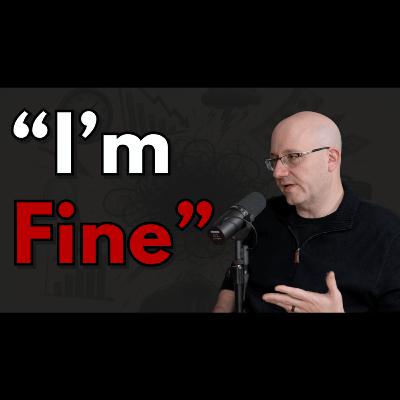
Most founders don’t realize how much their work is reshaping who they are. Until it’s too late.In this episode of Founder Talk, Nick Greco, mental health expert, crisis intervention instructor, and founder of C3 Education & Research, breaks down what chronic stress really does to people who live in it day after day. Nick has trained thousands of officers across the U.S., taught suicide prevention globally, and even worked with other national police forces in different countries. Few people understand high-pressure psychology like he does and the crossover to entrepreneurship is undeniable. Nick explains why people in these high-stakes, high-pressure positions lose their identity, shut down emotionally, and drift from the people they care about. He shares why communication at home often collapses, why “I’m fine” usually isn’t true, and how simple habits like taking 20–30 minutes to decompress can save marriages and families. We also dive into why men struggle to ask for help, why emotional isolation is so dangerous, and how founders can actually retain people instead of losing them to fatigue, resentment, or culture issues. Nick also unpacks the psychology behind overworking, financial stress, identity fusion (“I am my job”), and why so many founders unknowingly mirror the same patterns he sees in first responders.What You'll Learn✅ Why chronic stress leads to burnout, isolation, and identity loss✅ How emotional shutdown damages relationships and how to reverse it✅ Why “burnout” is usually a system problem, not a personal weakness✅ How to decompress and reset after high-pressure days✅ Why founders and first responders fall into the same psychological trapsIf you’re a founder navigating nonstop pressure, this episode gives you the clarity, tools, and mindset to stay grounded, connected, and healthy without losing yourself to the work.Connect with Nicholas GrecoGuest LinkedIn: https://www.linkedin.com/in/nicholas-greco-iv-m-s-bcets-catsm-faaets-ba78168/Guest Website: https://www.c3educationandresearch.com/If you are a B2B company that wants to build your own in-house content team instead of outsourcing your content to a marketing agency, we may be a fit for you! Everything you see in our podcast and content is a result of a scrappy, nimble, internal content team along with an AI-powered content systems and process. Check out pricing and services here: https://impaxs.comHead to our website to stream every episode on your favorite platform, join the Founder Talk community, and submit questions for future guests–all in one place: https://foundertalkpodcast.com/Timecodes00:00 Introduction and Guest Background00:46 Founding C3 Education and Research02:43 Challenges and Rewards of Entrepreneurship04:58 Law Enforcement and Public Perception15:45 Mental Health and Officer Wellness17:00 Balancing Work and Personal Life28:09 Effective Communication in Relationships33:39 Financial Pitfalls of New Recruits35:01 The Importance of Financial Planning35:49 Materialism and Happiness36:50 Balancing Family and Work39:29 The Role of Passion in Business46:19 Stress and Burnout51:54 Mental Health and Suicide Awareness56:38 Global Training Experiences59:36 Training and Curriculum Design01:04:10 Conclusion and Contact Information

In this episode of Founder Talk, Christoff Poppe, founder of Half of Eight and a Vistage Chair who works with CEOs across industries, breaks down why peer groups are becoming a non-negotiable advantage for top leaders today. He’s in the room for the hardest conversations CEOs have: succession issues, hiring freezes, layoffs, stalled growth, shifting economies, AI disruption. And he’s seen how peers uncover blindspots that no book, consultant, or board meeting ever will.Christoff explains why CEOs need people around them who challenge their assumptions, call out their patterns, and push them to lead with clarity even when the future is uncertain. He shares what he’s learned guiding leadership teams, why nearly every strategic issue is actually a people issue, and how the right peer advisory group can prevent costly mistakes before they happen.We dig into the pressures CEOs feel but rarely talk about: decision fatigue, loneliness at the top, managing fear inside organizations, and the struggle to evolve when your company grows faster than you do. Christoff also reveals the three traits that determine whether a CEO thrives or stagnates and how peers accelerate that transformation.You’ll learn:✅ Why CEOs need peers who will challenge, not comfort them✅ How peer groups expose blindspots you can’t see on your own✅ Why isolation slows down decision-making and increases risk✅ What great leadership actually looks like in uncertain markets✅ How to lead through fear, hesitation, and rapid change✅ Why belonging, clarity, and accountability outperform raw strategy✅ How peer advisory groups help CEOs grow personally AND scale their companiesIf you’re a CEO, founder, or executive searching “how do I scale smarter,” “why leadership feels lonely,” or “how to make better decisions in uncertain times,” this episode gives you the perspective you’ve been missing — the peer advantage every leader needs.Connect with Christoff:Guest LinkedIn: https://www.linkedin.com/in/christoffpoppe/Guest Website: https://www.halfofeight.com/If you are a B2B company that wants to build your own in-house content team instead of outsourcing your content to a marketing agency, we may be a fit for you! Everything you see in our podcast and content is a result of a scrappy, nimble, internal content team along with an AI-powered content systems and process. Check out pricing and services here: https://impaxs.comHead to our website to stream every episode on your favorite platform, join the Founder Talk community, and submit questions for future guests–all in one place: https://foundertalkpodcast.com/Timecodes00:00 Introduction and Guest Background00:13 Economic Uncertainty and CEO Confidence03:39 Impact of AI on Employment10:33 AI in Video Editing and Business Adaptation18:25 The Role of Vistage in CEO Development27:02 Personal Reflections on Business Growth33:32 Rethinking Business Success Metrics34:17 Legacy and Personal Fulfillment35:22 Generational Differences in Work Values36:35 Balancing Personal and Professional Goals37:29 Empowering Employees for Business Growth38:38 Navigating Business Succession Planning40:46 Pursuing Passion Over Profession51:15 The Rise of the Gig Economy55:55 Investing Beyond Your Business01:00:25 The Meaning Behind 'Half of Eight'
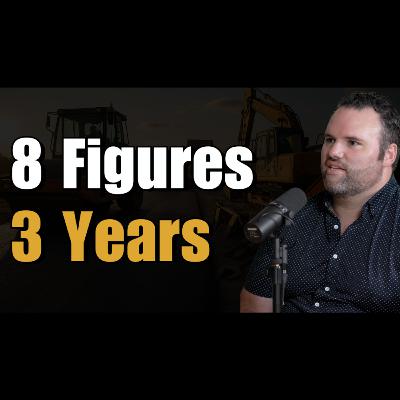
In this episode of Founder Talk, Alex Iannessa, founder of EnRoads Paving, shares the real story behind going from zero to eight figures in under four years. Alex breaks down how he took a side-door industry path, from laborer, to sales, to founder, and how he used relationships, reputation, and relentless consistency to build a national parking lot management company during a time when most businesses were slowing down.We get into the sacrifices no one sees:The 12-hour days.Moving back in with his parents.Losing relationships.Starting with nothing but a laptop, a cell phone, and blind trust from family investors.Alex also dives into the skilled trades crisis and why society pushed kids into college debt, how that narrative is breaking down, and why the next generation is rediscovering the opportunity and wealth inside blue-collar America. He explains how EnRoads found its competitive edge by bridging the gap between the boardroom and the jobsite, and why trust, humility, and showing up authentically beat any sales tactic.We talk through everything founders never say out loud, from outgrowing your personal life, to the hard choices that come with growth, to why the construction and education systems are fundamentally broken and ripe for innovation.You’ll learn: ✅ How Alex grew EnRoads to eight figures in less than four years ✅ Why relationships, reputation, and character are true competitive advantages ✅ The sacrifices founders make (and what Alex would do differently) ✅ Why the skilled trades are booming again and why the narrative is shifting ✅ How AI will reshape construction and where the real opportunities are ✅ Why young founders should focus on resilience, not perfectionIf you’ve been searching “how to scale a business fast,” “what it really takes to build an eight-figure company,” or “is the skilled trades comeback real?” — this episode gives you the unfiltered truth.Connect with Alex Iannessa:Guest LinkedIn: https://www.linkedin.com/in/alexanderdiannessa/Guest Website: https://enroadspaving.com/If you are a B2B company that wants to build your own in-house content team instead of outsourcing your content to a marketing agency, we may be a fit for you! Everything you see in our podcast and content is a result of a scrappy, nimble, internal content team along with an AI-powered content systems and process. Check out pricing and services here: https://impaxs.comHead to our website to stream every episode on your favorite platform, join the Founder Talk community, and submit questions for future guests–all in one place: https://foundertalkpodcast.com/Timecodes00:00 Introduction and Guest Welcome00:06 Founding EnRoads Paving01:09 The Power of Networking02:06 Raising Capital and Building a Team02:52 Transitioning During COVID08:09 Balancing Personal and Professional Life10:33 Client Acquisition and Sales Strategy19:44 The Future of Skilled Trades26:38 Impact of AI on Skilled Trades27:59 Impact of AI on Skilled Trades28:45 AI in Office Operations29:34 AI in Podcast Production30:15 Challenges in the Construction Industry33:29 Private Equity in Skilled Trades35:40 Future Plans and Personal Goals52:25 The Importance of Resilience53:47 Conclusion and Contact Information
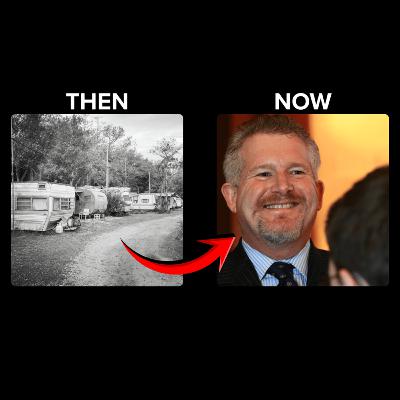
Zach Selch didn’t start with a network, a brand, or a head start. He started in a trailer park, found sales early, and turned it into a billion-dollar career. Here’s what founders can learn from that climb.Today, I sat down with Zach Selch, one of the world’s top international sales leaders and a key driver behind more than $1 billion in revenue growth. But this conversation isn’t about quick tactical wins or a step-by-step guide to landing deals overseas. It’s about the mindset, discipline, and repeatable principles that took Zach from survival mode to elite sales performance at scale.Zach shares how discovering sales early became the lever that changed his life, and how he later turned grit into a structured way of selling built on clarity, trust, and consistency. We dig into what actually drives long-term revenue growth for founders. Not hacky scripts. Not personality. Not luck. Zach explains why sales is a learnable system, why founders stall when they treat it like a talent lottery, and how the best companies scale by building a sales machine their teams can run without them.International markets come up, but through a founder lens. Zach shows why companies fail when they expand without fundamentals, and why protecting pricing, aligning channels, and staying founder-involved early are what make any market work, domestic or global.His lessons come from selling in more than 130 countries, but the core message is universal. If you want a business that grows predictably, you need sales fundamentals that hold up anywhere.You’ll learn: ✅ Why sales is a real vehicle for founder growth and upward mobility ✅ The mindset shift that separates hustlers from scalable operators ✅ Why global expansion only works when fundamentals are strong ✅ How founders become the bottleneck in early revenue ✅ Why pricing discipline and trust protect long-term scale ✅ How to build a repeatable sales system your team can run without you ✅ The long-game principles behind a billion-dollar sales careerIf you want to scale through strong sales fundamentals, not personality or luck, this episode is a masterclass in building the machine behind the wins.Connect with Zach SelchGuest LinkedIn: https://www.linkedin.com/in/international-sales-growth/Guest Website: https://www.globalsalesmentor.com/If you are a B2B company that wants to build your own in-house content team instead of outsourcing your content to a marketing agency, we may be a fit for you! Everything you see in our podcast and content is a result of a scrappy, nimble, internal content team along with an AI-powered content systems and process. Check out pricing and services here: https://impaxs.comWant a behind-the-scenes look at how we run the show and the chance to ask upcoming guests your questions? Join the Founder Talk Club in WhatsApp.(it’s free): https://chat.whatsapp.com/KDEgJWAH5liFCiWVIU8bIa Timecodes00:00 Introduction and Guest Background00:38 Early Life and Sales Beginnings02:27 Sales Skills and Founders06:46 Importance of Sales Experience08:15 Growing Up in Poverty27:19 Lessons from the Military31:00 Parental Influence and Personal Growth34:14 Advice and Overcoming Fear34:51 Overcoming Fear of Failure35:12 Empowering Manufacturing Workers37:03 The Evolution of Sales40:13 Mastering Discovery Calls43:12 The Art of Asking Questions01:00:55 Leveraging AI in Sales01:05:30 The Importance of Prospecting01:08:07 Conclusion and Contact Information

Comments

Download from Google Play

Download from App Store
 United States