


 Claim Ownership
God Forbid
Subscribed: 1,300Played: 40,818
Subscribe

© Copyright 2026, Australian Broadcasting Corporation. All right reserved.
Description
Religion: it’s at the centre of world affairs, but profound questions still remain. Why are you here? What happens when you die? Does God matter? God Forbid seeks the answers.
447 Episodes
Reverse
It’s Eastern Orthodox Easter this weekend, where the faithful will announce to each other Christos Anesti. Christ is Risen.Also risen? The fortunes of Eastern Orthodoxy among men – though this is contested. Over the last 50 years, the numbers of people around the world identifying as religious have dropped. But the numbers of Christians seem to have stabilised, just in the last few years. Why?
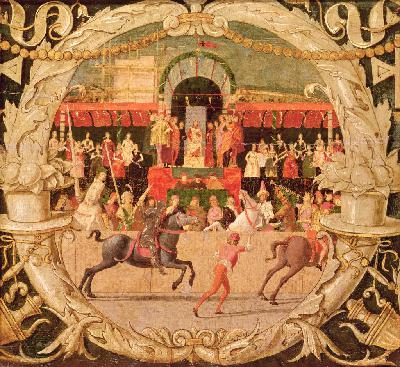
If you go to the movies, or turn on your TV, you’ll find it hard to avoid the medieval fantasy genre. With its castles and fortresses, cloaks and crowns, and even dungeons and dragons.The stories are fantastical but of course, fictional in their portrayal of medieval Europe and the Islamic Golden Age.But how can a better understanding of what actually happened, in a rapidly changing Europe and Middle East, 500 to 1,000 years ago, help us navigate complexities in the world today?GUESTS:Dr Michael Barbezat, Research Fellow in Medieval and Early Modern Studies at the Australian Catholic University.Dr Miles Pattenden, Senior Research Fellow in Medieval Studies, also at ACU.Dr Mahsheed Ansari, Senior Lecturer at the Centre for Islamic Studies and Civilisation, Charles Sturt University. This program was first broadcast in October 2023

Evolving digital technologies have supercharged our anxieties about privacy and surveillance. These concerns may feel new, but they have always existed. Access to privacy is central to human dignity and intimacy - but it is also conditional in a society which values openness and accountability. So what should remain seen and unseen? When does surveillance become intrusive? And can privacy survive the digital age? Guests: Anita Allen, Professor of Law and Philosophy, University of Pennsylvania Hugh Breakey, Professor of Philosophy, Griffith University David Vincent, Professor Emeritus, Open Universities UK, author of Privacy: A Short History
"Don't judge me" is the unofficial commandment of our secular liberal society. We're told so long as you’re not hurting anyone, live however you want. But online, judgement is relentless and cruel. Have we lost the ability to wisely judge, and — eventually — forgive? Or did we never really have it in the first place?
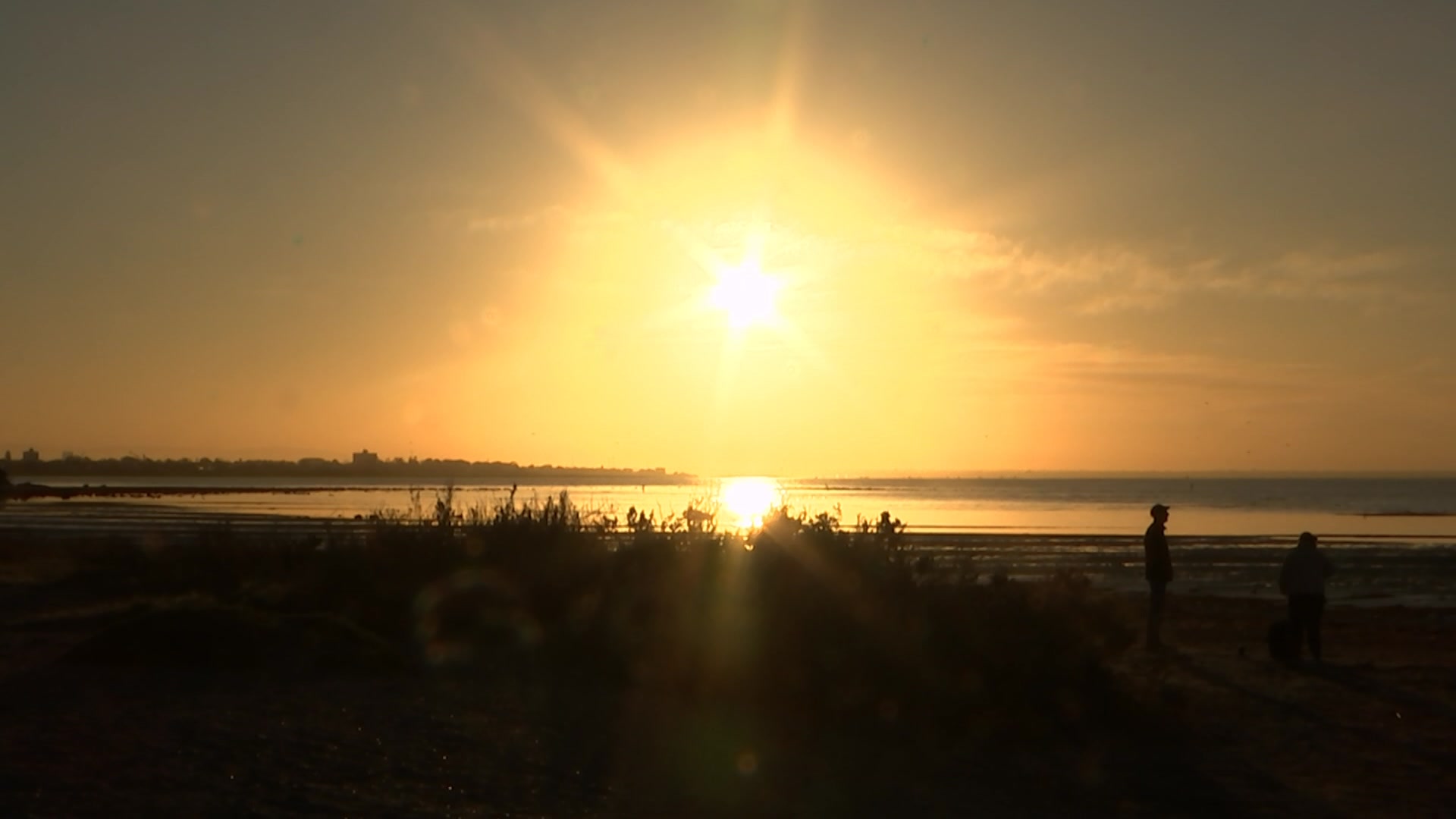
These days, we want Rights, not religion. Choice, not Church. Pleasure, over prayer. In Australia, and the world increasingly, the market is the Messiah, and the self is the saviour. But, if we’re the freest people who’ve ever lived, to choose our partners, careers, genders, and Gods or no God, free to buy anything, stream anything, be anything...why then do we seem to be unravelling? In a world of loneliness, anxiety, extremism, polarisation, the more we chase freedom, the more it seems to slip away. Are we in a freedom trap?GUESTS:Priyan Max Jeganathan is a Senior Research Fellow at the Centre for Public Christianity, author of The Freedom Trap.Alexander Lefebvre is Professor of Politics and Philosophy at the University of Sydney. He's the author of Liberalism as a Way of Life.
What is the state of women in Australia and globally in 2026? Mainstream social media is increasingly clogged with misogyny, there's the horrendous revelations around Jeffrey Epstein, a rise in women killed by their partners and online harassment of women is at a peak. Are we going backwards? Guests:Ginger Gorman is a journalist and author of Troll Hunting: Inside the World of Online Hate and its Human FalloutNayomi Kannangara is CEO of the International Women's Development Agency.
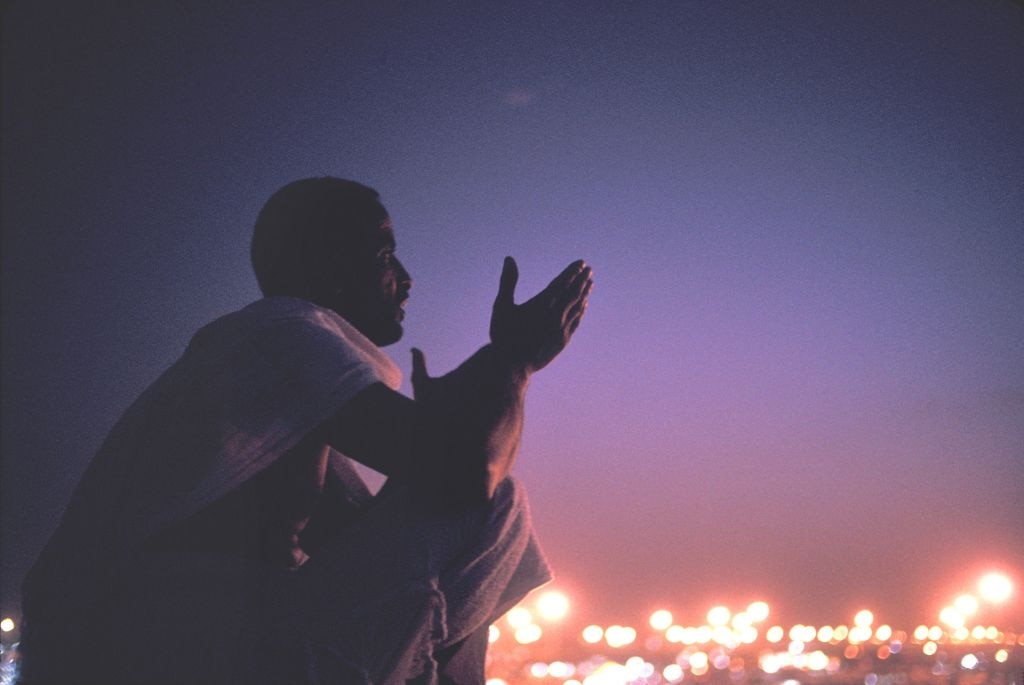
Why would you trade the visible for the invisible? And experts believe in the census later this year – for the first time ever - those ticking “no religion” will surpass Christians. And it’s happening across the global north - even the US – where 95% believed in something 30 years ago – today, nearly 1-in-3 American’s say they’re atheist or agnostic or no religion in particular. So why in this sea of secularism would some swim against the current? People raised without faith, who find themselves drawn to prayer, or ritual, or surrender to the unseen? To the disbeliever it can look madness. Or maybe in a world of clicks and content the hunger for sacred silence makes more sense than we think. GUESTS:Tanya Luhrmann, Professor of Anthropology at Stanford University and author of “How God Becomes Real: Kindling the Presence of Invisible Others” Kelsey Osgood, a journalist, a convert to orthodox Judaism, and the author of “Godstruck - Seven Women's Unexpected Journeys to Religious Conversion”Abdullah Kunde is a medical doctor a convert to Islam, and Founder and President of the Muslim Debate Initiative Australia.
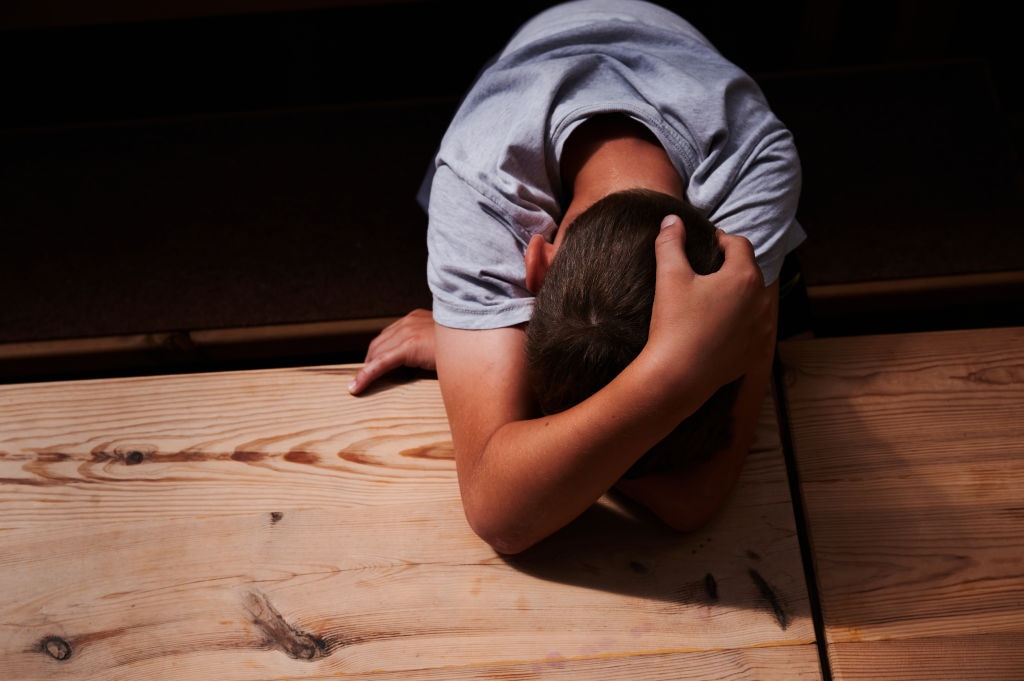
If forgiveness is a gift to yourself, what do you give when the harm is unforgiveable? And it’s hard to believe, but some families endure unspeakable harm and somehow remain intact, while others fracture over what seems like nothing at all. How do we hold space for the reality of suffering, even trauma – but also the possibility of redemption? Our culture justifies righteous anger – the victim rightly must be vindicated, not blamed. But the question remains challenging for all of us, because perfect families don't exist. And any relationship worth having, comes at a cost. GUESTS:Dr Karen Pack is a lecturer at University of Notre Dame Australia, a religious historian, ordained minister, trained pastor and teaches around the world. Her new book is “Queer Omissions: Unmarried Women and Social Justice Activism in the Church” Professor Michael Salter, from UNSW, is the director of the Australasian hub of Childlight, the Global Child Safety Institute and is an internationally recognised expert in child sexual exploitation, complex trauma and gender-based violence.
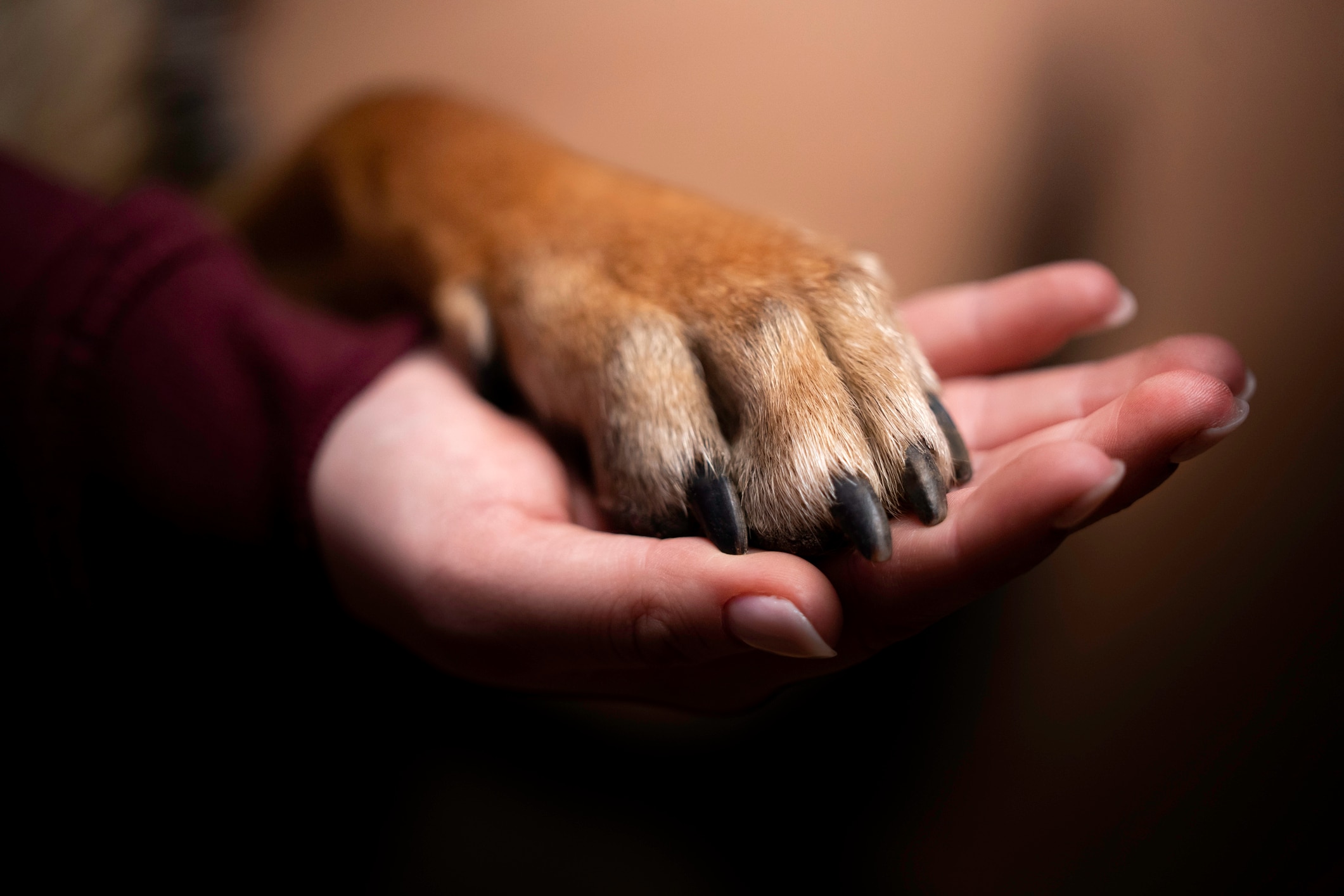
Imagine losing the only person who never judged you, never walked away, always made you feel safe. Our culture, and our religions, can make us believe human loss is different to animals dying. But tell that to someone who believes one of the most important relationships in their life is with their pet. GUESTS:Dr Millie Cordaro, Professor of Psychology at Texas State UniversityDr Daniela Rizzo is a theologian at Alphacrucis University College and author of Animal PneumatologyDavid Michie is an author, known around the world for his series of books about Buddhism and animals
Credit and debt — borrowing and lending — have long been a part of life.Mortgage holders are all too familiar with the challenge of meeting their repayments and juggling the household budget — a challenge made even more difficult by the recent Reserve Bank decision to increase interest rates.But are financial commitments purely economic obligations, or do they come with a significant moral burden? Guests: Dr Lucie O’Brien, Postdoctoral Research Fellow at University of Melbourne’s Centre for Commercial Law Dr Ilsup Ahn, Professor of Philosophy at North Park University Royce Kurmelovs - journalist
Of course, you believe you WOULD save a drowning child. But that doesn’t make you a saint – in fact, depending on how you live the rest of your life, it could well make you a sinner. For 50 years, PETER SINGER has been making uncomfortable observations like that.Peter is perhaps the world’s most influential philosopher - he’s shaped the way we think about animals and bioethics, abortion and euthanasia. And he's the philosophical father of the Effective Altruism movement - a quiet revolution that's transformed doing good from sentiment into science. GUEST:Professor Peter Singer is Emeritus Professor of Bioethics at Princeton and National University of Singapore His Bold Reasoning substack is hereHis book The Life You Can Save is free to download
After the targeting of Jews in the worst terrorist attack in modern Australian history – a Royal Commission into antisemitism has been announced by the PM.And many Australians refused to believe the something like Bondi could happen here. But other Australians –Jews and Gentiles – warned the terror was not an isolated act, but a foreseeable progression – antisemitic thoughts leading to words leading to action. GUESTS:Ronald Sackville KC was the royal commissioner into the abuse of disabled people. A former federal court judge, he is a former member of the advisory board of the New Israel Fund. His substack piece on The Special Envoy’s Plan to Combat Antisemitism is here.Robert Richter KC has appeared before royal commissions, and is one of Australia's most prominent criminal barristers. David Slucki is Director of the Australian Centre for Jewish Civilisation, and Associate Professor of Contemporary Jewish Life and Culture at Monash University. He wrote this piece for ABC Religion and Ethics
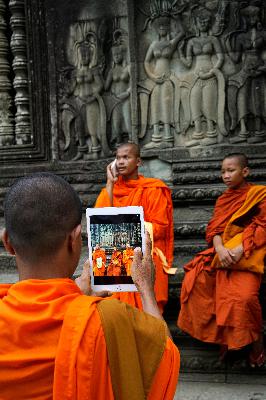
What does living simply mean in 2025? With an increasingly complex world, it is becoming harder and harder to detach from Earthly possessions. But what if we don't need to, in order to live an awakened and spiritual life?The monks of today don't look like the ones you might picture from your childhood. They carry iPhones, have social media, and catch planes across the world. From Hare Krishna to Humanistic Buddhism, modern followers of mindful traditions grapple with maintaining a connection to the world while not falling prey to its modern trappings of selfishness, consumerism, and greed. How do they do it? And what can we learn from them?GUESTS: His Holiness S.B. Keshava Swami, a Hare Krishna monk, author, and teacher of the Vaishnava Hindu traditionTosana Krsna Dasa, also know as Tilak, a Hare Krishna teacher, pastor and disciple, also a student in both law and religion at the University of SydneyVenerable Dr JueWei Shi, a member of the Fo Guang Shan order of Buddhists and Director of the Nan Tien Institute’s Humanistic Buddhism Centre.This episode of God Forbid was recorded on Dharawal and Gadigal land and produced on Gadigal land. It was first broadcast in January 2025
Is a cult a misunderstood religion? Or something much more dangerous?The line between high-control religions, new religious movements, and 'cults' is as grey as ever. But the fascination we have with these groups is only getting stronger. What counts as a 'cult'? Is it your highly controlling tech workplace? Your gym with a forever-binding contract? Or does the casual use of the word 'cult' do a disservice to those stuck in dangerous and emotionally manipulative religious and spiritual organisations?To shed some light on the difference between a new religious movement, a cult, and your regular high-control Pentecostal mega-church are the God Forbid guests who have lived, studied, or spoken to survivors of these groups. GUESTS: Professor Carole Cusack, Professor of Religious Studies at the University of Sydney, specialising in new religious movements (NRMs) contemporary religious trends and Western esotericism.Sarah Steel, host and creator of award-winning podcast, Let's Talk About SectsScott Parker, writer and star of stage production, Hillsong BoyThis episode of God Forbid was made on Gadigal land and first broadcast in May 2025. Technical production by Craig Tilmouth and Tegan Nicholls.More InformationIf you or someone close to you has been affected by an extreme or controlling group, you can make a submission or anonymous report to the Victorian Parliamentary Inquiry here: Inquiry into the recruitment methods and impacts of cults and organised fringe groups. If you need support or help you can call Lifeline 13 11 14
If God says that man is fallible, and man wrote the Bible, then how can we know that the Bible is the true word of God?

For most of history, body size has been about more than just health — it’s been a tool of control. From colonial ideals of “discipline” to modern-day diet culture, our ideas about fatness and thinness are deeply tied to morality, power, and profit. But are we getting it all wrong?Why do we see fatness as a personal failure rather than a natural variation in human bodies? How have our ideas of race and femininity affected our ideas of acceptable fat? Is public health really about health, or does it fuel stigma? And in an era of body positivity, have we actually made progress — or just rebranded the same old shame?GUESTS:Tess Royale Clancy, fat activist and co-founder of Radically Soft, Sydney’s first ever market for plus sized 2nd hand & new clothes. April Helene-Horton aka The Bodzilla, body positivity advocate, model, and a 2025 ambassador for the Butterly Foundation. Dr Kathryn MacKay, researcher in feminist bioethics and a lecturer at the Sydney Health Ethics Centre. Dr Jane Williams, researcher at the School of Public Health at the University of Sydney and the Australian Centre for Health Engagement, Evidence and Values (ACHEEV) at the University of Wollongong. Also co-host of the Undisciplinary podcast.This episode first went to air in April 2025This episode of God Forbid was made on Gadigal and Ngunnawal land.Technical production by Roi Huberman and Dylan Prins.
Looking towards the heavens for meaning doesn’t always mean looking to God. UFOs (and the modern moniker UAPs) have long been the food for thought of sceptics, theologians, and astrobiologists alike. But what does belief in these mysterious phenomena have in common with religion? And what implications does life outside Earth have for the existence of God? GUESTS:Bill Chalker, UFO researcher. Contributing editor, International UFO Reporter. Author of Hair of the Alien and The Oz Files: The Australian UFO Story. Reverend Dr Tim Jenkins, Reader in Anthropology and Religion, Divinity Faculty, University of Cambridge. Author of Images of Elsewhere Dr. Diana Walsh Pasulka, Professor, Religious Studies, University of North Carolina Wilmington, specialising in UFO and UAP religions This program first went to air in February 2025This episode of God Forbid was produced on Gadigal land, and recorded on Gadigal and Dharug land as well as the sovereign land of the Eastern Band of Cherokee Indians.
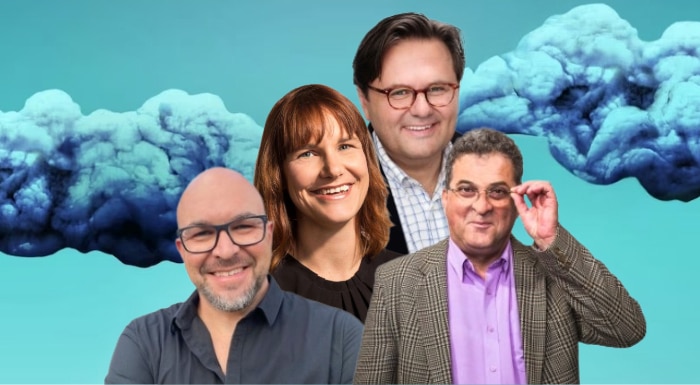
The big news for Christians is that this year we had BOTH a new Pope and – for the Anglican communion – the announcement of a new Archbishop of Canterbury.For Catholics, of course, Leo was the surprise choice at the papal conclave in May. The first pope from the United States. And the first from the Order of Saint Augustine. And Dr Sarah Mullally will be the first woman to be enthroned as the Church of England’s senior bishop at Canterbury Cathedral in March next year.Anglicanism is reaching what could be an emerging global schism in the church. Next March the bishops of the conservative Global Anglican Future Conference or GAFCON have been summoned to meet in Nigeria. This could well be one of the most eventful Anglican assemblies in history.This year saw fundamental change in the power of Artificial Intelligence. For centuries we've defined ourselves by capacities we thought were uniquely human — reasoning, language, creativity, pattern recognition. We are now at the stage where Artificial Intelligence makes decisions and generates ideas that we can't fully explain or understand. It may well be a paradigm shift at least as big as evolution.And...the Zionist Israeli historian Yuval Noah Harari famously said this year – 2025 – may be the biggest turning in Jewish history since the Romans destroyed the Second Temple in Jerusalem in the year 70 CE. Harari says Judaism has survived every catastrophe imaginable – even the Holocaust – but never until now has it faced a spiritual catastrophe.GUESTS:Andrew West from the Religion and Ethics ReportMeredith Lake from Soul Search Senior religious reporter and Editor, Religion and Ethics, Noel DebienScott Stephens from The Minefield
A bohemian journalist who found God in the slums — and built a movement that unsettled both Church and State.Born in Brooklyn in 1897, Dorothy Day lived many lives: radical writer, suffragist, single mother, and eventually Catholic convert. In the midst of the Great Depression, she co-founded the Catholic Worker movement, opening houses of hospitality for the poor and protesting every war America fought. To admirers, she was a saint in street clothes; to critics, a communist in disguise. Can holiness and revolution coexist? Day’s life suggests that faith and rebellion may be closer than we think.GUESTS:Paul Elie — author of The Life You Save May Be Your Own: An American PilgrimageMartha Hennessy — granddaughter of Dorothy Day and lifelong member of Catholic Worker Movement.Robert Ellsberg — former editor of Dorothy Day’s Catholic Worker newspaper. He worked closely with her in the final years of her life and is the editor of her published diaries and selected letters, The Duty Of Delight and All the Way to Heaven. Rev Simon Moyle — ordained Baptist Minister and elder at the Grace Tree Christian community in Coburg Melbourne.This is the sixth and final episode of God Forbid's Religious Rebels, a six-part special series exploring the lives of spiritual revolutionaries who defied empires, reshaped traditions — and sometimes paid with their lives.
A street hustler turned minister whose faith transformed Black politics — and himself.Born Malcolm Little in 1925, Malcolm X rose to fame as a fiery preacher in the Nation of Islam, calling for Black self-determination “by any means necessary.” But after his pilgrimage to Mecca, he embraced Sunni Islam and a universal vision of justice that transcended race. Weeks later, he was assassinated. Was Malcolm X a prophet of liberation or a threat to the powerful? His journey from militant separatism to spiritual reformer still forces America — and the world — to confront the cost of conviction.GUESTS:Tamara Payne — co-writer and principal researcher of Pulitzer prize winning biography “The Dead Are Arising: The Life of Malcolm X” Assistant Professor Jimmy Butts — specialist in Malcolm X Studies at Trinity university in San Antonio Texas This is the fifth episode of God Forbid's Religious Rebels, a six-part special series exploring the lives of spiritual revolutionaries who defied empires, reshaped traditions — and sometimes paid with their lives.


Download from Google Play

Download from App Store
 United States
amazing show, so interesting!
Excellent guests
" I became an atheist at the age of reason"
The motivated reasoning on this podcast is constant and unquestioned. Very superficial examination of what is actually a very interesting topic. An opportunity missed.
It's frightening to hear the leader of our country say he believes in miracles but not the consensus of the worlds scientists. We need rational leadership not the likes of Abbott or Scotty from marketing.
Good podcast, a youth group may be welcoming but to belong you have to abide by the group rules and often this comes at a personal price hence why people leave