


 Claim Ownership
The Religion and Ethics Report - Separate stories podcast
Subscribed: 2,167Played: 47,817
Subscribe

© Copyright 2026, Australian Broadcasting Corporation. All right reserved.
Description
The Religion and Ethics Report, where religion and ethics meet news and current affairs in Australia and around the world.
858 Episodes
Reverse
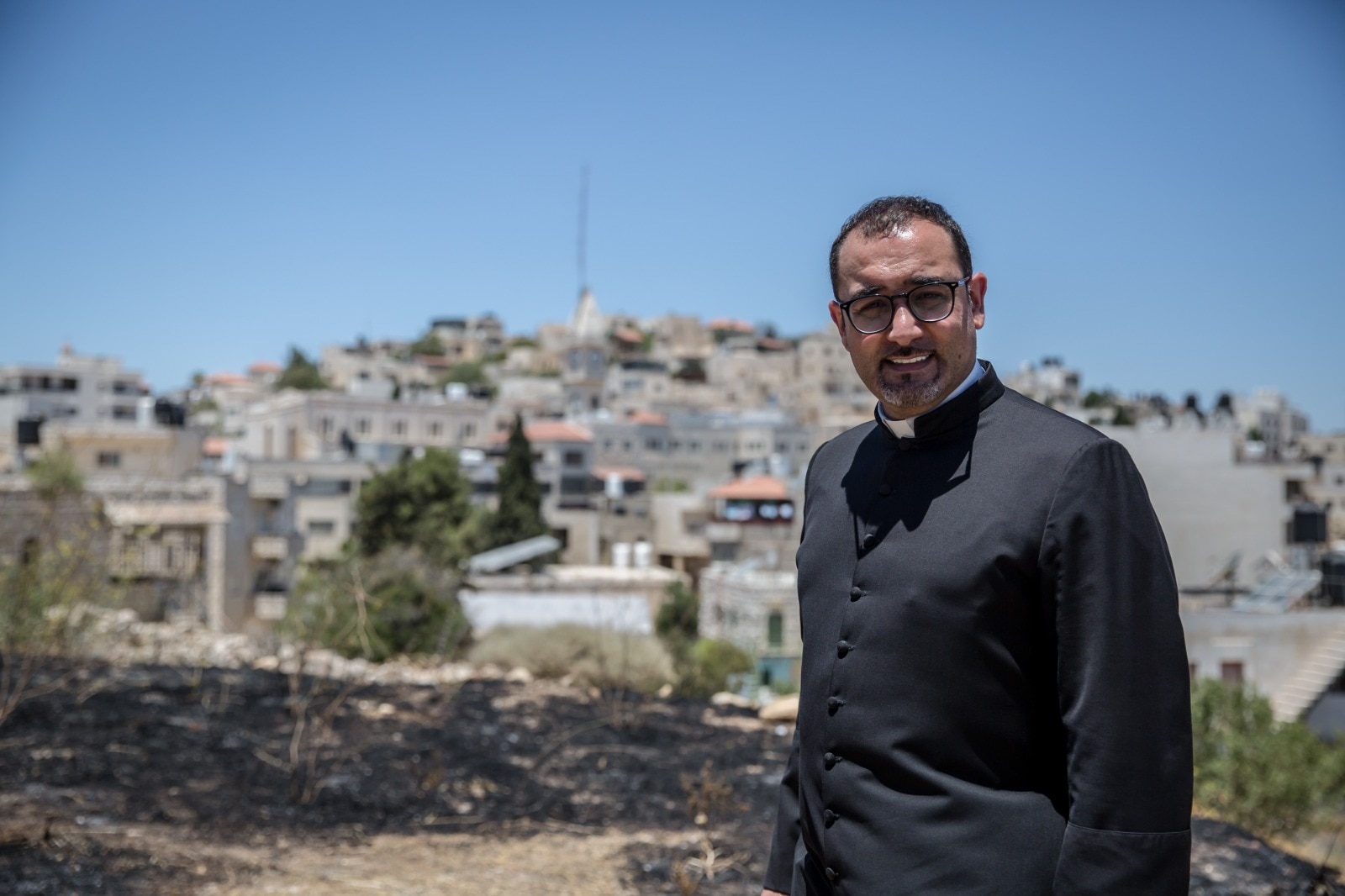
In the occupied West Bank village of Taybeh, radical Jewish settlers continue their campaign to seize the land long owned by one of the last unified Christian communities in Palestine. Now the Christians are turning to Pope Leo, hoping he’ll visiting their village and ramp up pressure on the Israeli government. GUEST: Fr. Bashar Fawadleh Taybeh parish priest Related: Israeli settler and Christian conflict in the West Bank
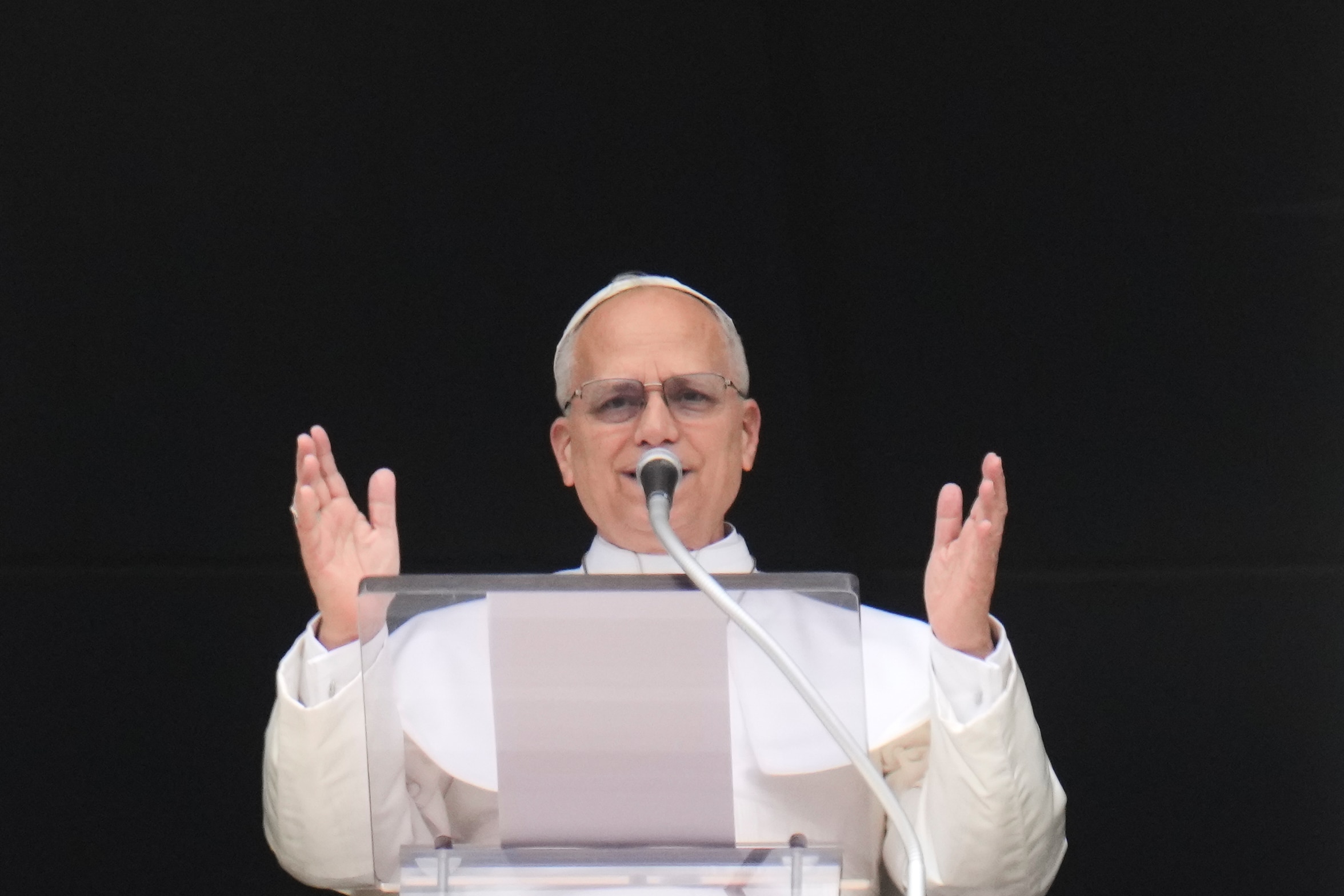
Donald Trump’s onslaught against the Pope is almost overshadowing his first visit to Africa. The US president accused Leo of being soft on crime, untroubled by the prospect of a nuclear Iran, and in league with the radical left. Trump’s angry about the pope’s repeated criticism of the US and Israeli war on Iran. But Leo says he’s not afraid of Trump. Has there ever been such a deep rift between a pontiff and a major world leader and what are the implications? GUEST:Vatican historian and commentator Professor MASSIMO FAGGIOLI is with Trinity College, Dublin.
Soon after he returns from his 10-day trip to Africa, Pope Leo will finish his first encyclical. It’s almost certainly on the opportunities -- and dangers -- of artificial intelligence. The perils of AI, especially on higher education, have prompted Notre Dame University to set up a new Centre for Technology and Human Futures. GUEST:Associate Professor Victoria Lorrimar is director of The Centre for Technology and Human Futures at the University of Notre Dame
Donald Trump’s onslaught against the Pope is almost overshadowing his first visit to Africa. The US president accused Leo of being soft on crime, untroubled by the prospect of a nuclear Iran, and in league with the radical left. Trump’s angry about the pope’s repeated criticism of the US and Israeli war on Iran. But Leo says he’s not afraid of Trump. Has there ever been such a deep rift between a pontiff and a major world leader and what are the implications? Vatican historian and commentator Professor MASSIMO FAGGIOLI is with Trinity College, Dublin. While he was in Algeria, the first stop on his Africa trip, Pope Leo visited the Basilica of St. Augustine. It’s near the ancient ruins of Hippo Regius. He walked in the footsteps of St Augustine of Hippo, who lived around the year 400 AD. Leo’s an Augustinian priest so he was returning to the home of his spiritual father.In the occupied West Bank village of Taybeh, radical Jewish settlers continue their campaign to seize the land long owned by one of the last unified Christian communities in Palestine. Now the Christians are turning to Pope Leo, hoping he’ll visiting their village and ramp up pressure on the Israeli government. The parish priest is Fr. BASHAR FAWADLEH.Soon after he returns from his 10-day trip to Africa, Pope Leo will finish his first encyclical. It’s almost certainly on the opportunities -- and dangers -- of artificial intelligence. The perils of AI, especially on higher education, have prompted Notre Dame University to set up a new Centre for Technology and Human Futures. The director is Associate Professor VICTORIA LORRIMAR. GUESTS:Professor Massimo Faggioli is professor of ecclesiology at the Loyola Institute at Trinity College DublinFather Bashar Fawadleh is parish priest in Taybeh, a Christian village in the middle of the West Bank in Palestine.Associate Professor Victoria Lorrimar is director of The Centre for Technology and Human Futures at the University of Notre Dame
Andrew West discusses Trump's attack on Pope Leo with James Glenday on ABC Breakfast TV.
Buddhist extremists have been emboldened by religious nationalism in America and beyond. They defy the image of Buddhism and undermine its core teachings.
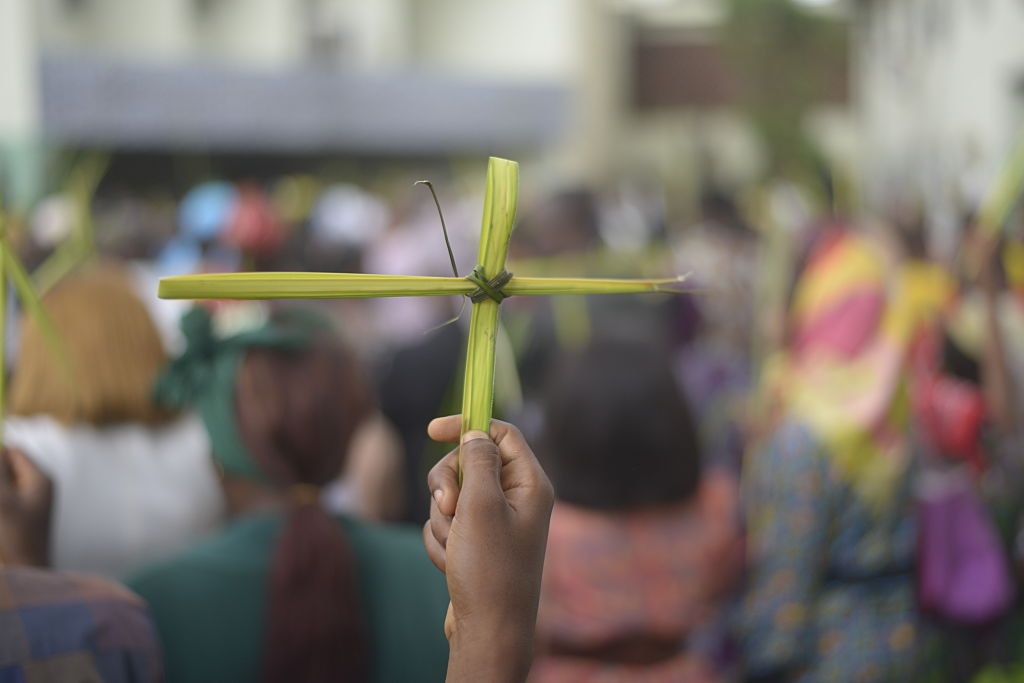
Pope Leo visits Africa next week on a 10-day tour that will take him to Algeria, Cameroon, Angola, and Equatorial Guinea. Buddhist extremists have been emboldened by religious nationalism in America and beyond. They defy the image of Buddhism and undermine its core teachings.
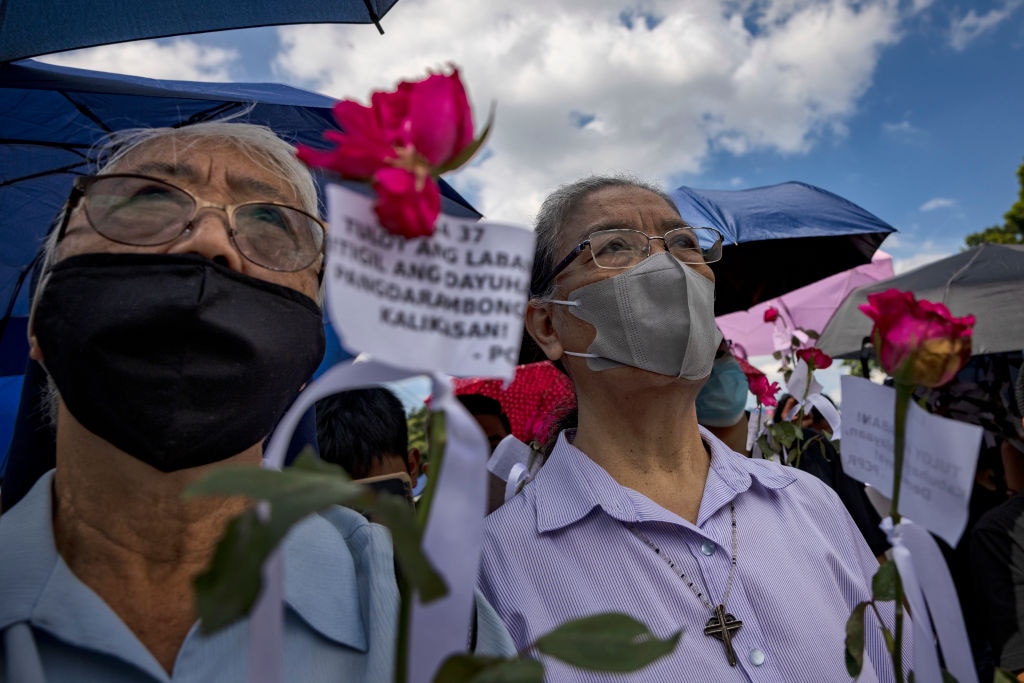
It's 40 years since the Philippine People's Revolution It was a revolution where barely a shot was fired. Nuns armed with rosary beads helped lead millions of Filipinos in peaceful demonstrations that, 40 years ago, brought down the dictator Ferdinand Marcos. Ringing in the ears of the people was the voice of a soft-spoken archbishop who urged them to topple a corrupt and increasingly brutal regime. Just how critical was Cardinal Jaime Sin and the Catholic Church to the People Power revolution? GUEST: Dr Jethro Calacday, Filipino historian currently at Cambridge University
Australia is a country where meat is our national icon — we commune around the barbie and love our meat pies. Yet, we also have some of the oldest vegetarian societies and earliest western animal cruelty laws. In the place of The World Today on Good Friday, James Carleton from Radio National’s God Forbid philosopher Professor Rachel Ankeny, author Edgar Crook and theologian Professor David Clough to examine what we eat from cultural, ethical and historical perspectives.GUESTS:Rachel Ankeny is Chair and Professor of Philosophy at Wageningen University.Edgar Crook is author of "Abstainers! – a vegetarian and vegan history of Australia" and "Vegetarianism in Australia 1788 to 1948: A Cultural and Social History."David Clough is Chair in Theology and Applied Sciences at the University of Aberdeen.
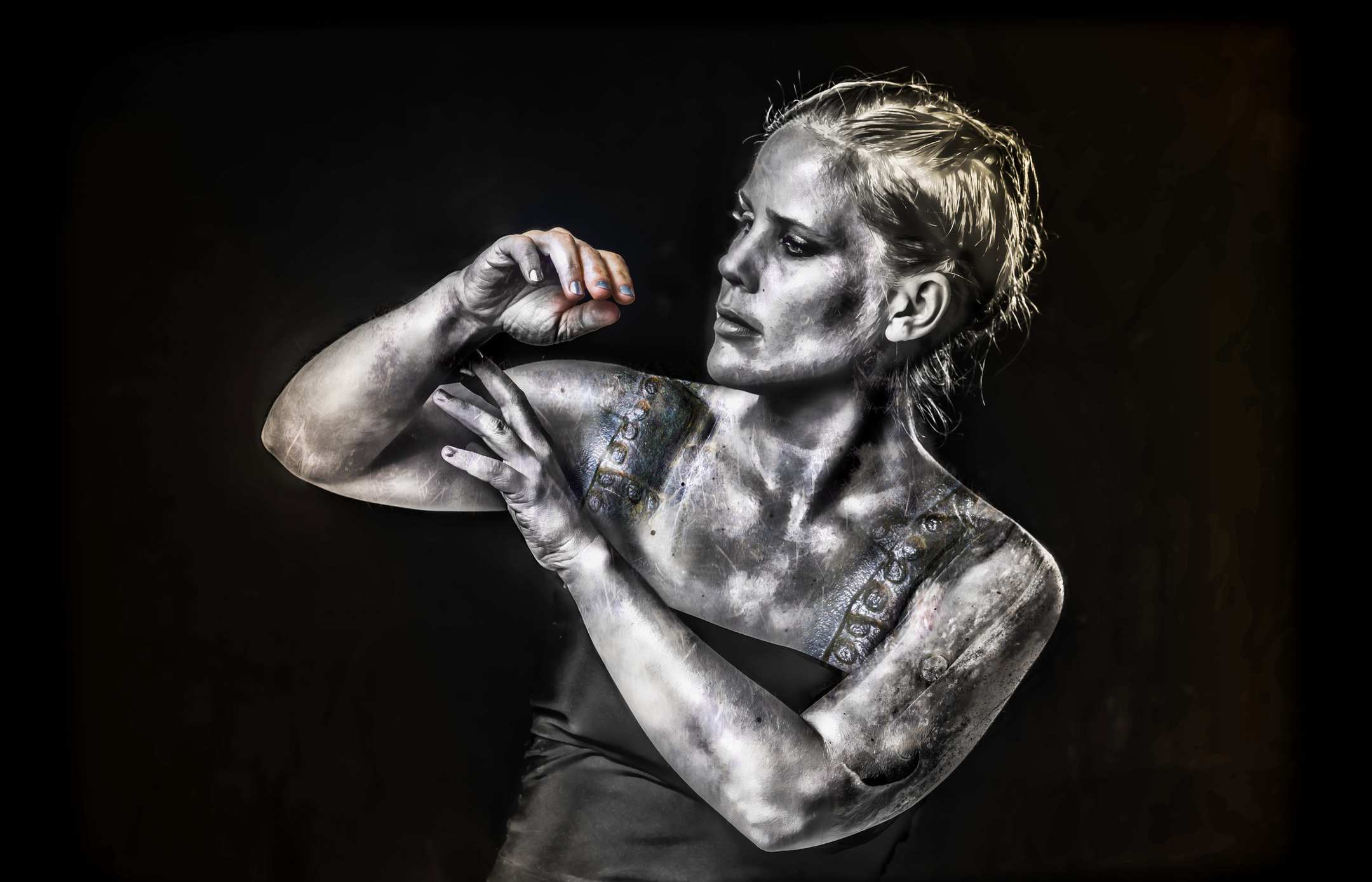
In the near future, artificial intelligence could do the thinking, and a robotic combination of human and machine do the lifting. But it’s a potentially dystopic scenario – the poor, the weak, and those who simply believe in humanity as nature intended could be abandoned. These are just some of major ethical challenges posed by so-called transhumanism. Professor JASON EBERL is a bioethicist at St Louis University in Missouri. On the 8th of April, he’ll deliver the annual lecture to the Plunkett Centre for Ethics in Sydney. Each Easter, we bring you stories from places where war and other disasters can try people’s faith but where, despite great despair, their religious beliefs survive. ASUNTHA CHARLES has worked with the faith-based aid organisation World Vision in Afghanistan under the Taliban and Cox’s Bazaar in Bangladesh, where 1.1 million Rohingya Muslims fled the military regime in Myanmar/Burma. She was in Australia recently with the Micah Women’s Network.Israel’s prime minister Benjamin Netanyahu has backed down after the Vatican and the governments of France, Italy and even the United States protested a decision to block the Latin Patriarch of Jerusalem, Cardinal Pizzaballa, from entering the Church of the Holy Sepulchre in Jerusalem on Palm Sunday. After Israel’s president Isaac Herzog intervened, Netanyahu said the cardinal would have access to all holy sites this Easter.A Sydney bishop is set to take up a top Vatican job. Pope Leo has announced Bishop Anthony Randazzo will become the new Prefect of the Dicastery for Legislative Texts, meaning he’ll be responsible for interpreting and applying church law throughout the Catholic world. He’ll become the most senior Australian cleric in the Vatican since the late George Pell, who held was Prefect for the economy.And finally, the pope had some pointed words for the residents of the world’s wealthiest state. In a day-long visit to Monaco, where one in three people are millionaires, Leo condemned the “idolatry of power and money” and reminded them Jesus was “an advocate” for the poor and outcast.
Each Easter, we bring you stories from places where war and other disasters can try people’s faith but where, despite great despair, their religious beliefs survive.ASUNTHA CHARLES has worked with the faith-based aid organisation World Vision in Afghanistan under the Taliban and Cox’s Bazaar in Bangladesh, where 1.1 million Rohingya Muslims fled the military regime in Myanmar/Burma. She was in Australia recently with the Micah Women’s Network.GUEST: Ms. Asuntha Charles is National Director for World Vision Solomon Islands and World Vision International
In the near future, artificial intelligence could do the thinking, and a robotic combination of human and machine do the lifting. But it’s a potentially dystopic scenario – the poor, the weak, and those who simply believe in humanity as nature intended could be abandoned. These are just some of major ethical challenges posed by so-called transhumanism. GUEST:Professor JASON EBERL is a bioethicist at St Louis University in Missouri. On the 8th of April, he’ll deliver the annual lecture to the Plunkett Centre for Ethics in Sydney.
There may be a complex challenge for the new Archbishop of Canterbury.Some Brits are claiming Christian identity with a more politicised and dubious intention in mind.Madeleine Davies of the Church Times has been investigating the recent fervour behind the ‘Unite the Kingdom’ movement and the response of the Church of England.Plus Donald Trump has always found cheerleaders in the heartland of the US bible belt. But also in Christian Europe. These movements were largely spawned out of a fear that Christian Europe was being lost to mass immigration.But the President's war in Iran and trade policies are unnerving those who once considered themselves allies. Thomas Fazi has been watching this unfold.GUESTS:Madeleine Davies is Senior Writer for the Church TimesThomas Fazi, is a columnist for UnHerd and Compact magazines
In the aftermath of the Bondi massacre of 15 mostly Jewish people celebrating Hannukah, state and federal governments have passed hate speech laws. They're part of an effort to build social cohesion in a country scarred recently by growing antisemitism and other forms of religious hatred. But does banning phrases such as "from the river to the sea" — used usually when supporting a Palestinian state –promote cohesion? Can any law mandate unity? Criminologists Keiran Hardy and Rebecca Wickes from Griffith University argue in a recent paper that laws can help, but governments also need to look at declining trust, economic opportunity and loneliness. GUEST:Kieran Hardy, Associate Professor in Griffith University's School of Criminology and Criminal Justice. He is co-author of We can’t coerce our way to social cohesion. Here’s what else governments should be doing

In the aftermath of the Bondi massacre, state and federal governments have passed hate speech laws to help build social cohesion. But does banning phrases promote cohesion? Can any law mandate unity? Also in this episode, Christian Democrats in the US are making a major pitch to win religious votes. Will they pose a significant threat to Donald Trump at upcoming midterm elections?GUESTS:Kieran Hardy, Associate Professor in Griffith University's School of Criminology and Criminal Justice. He is co-author of: We can’t coerce our way to social cohesion. Here’s what else governments should be doing David Smith, Associate Professor in American Politics and Foreign Policy, United States Studies Centre, University of Sydney
Christian Democrats in the US are making a major pitch to win religious votes. Even with growing secularism, the US still has a big Christian majority and, for 40 years, Democrats have struggled to win their trust. But ahead of congressional elections in November, several white protestant clergy have announced they're running for the Democrats. One state politician and seminarian, James Talarico, is now the party's candidate for a Texas senate seat. GUEST:David Smith, Associate Professor in American Politics and Foreign Policy, United States Studies Centre, University of Sydney.
Donald Trump found enthusiastic cheerleaders not only in the American Midwest but also the historic heartland of Europe. He spawned imitation movements across the continent, powered by a fear that Christian Europe was being lost to mass immigration. But the president’s war on Iran and his aggressive foreign and trade policies are unnerving European parties that were once allies. GUEST:THOMAS FAZI, a columnist for UnHerd and Compact magazines has been watching this breakdown.
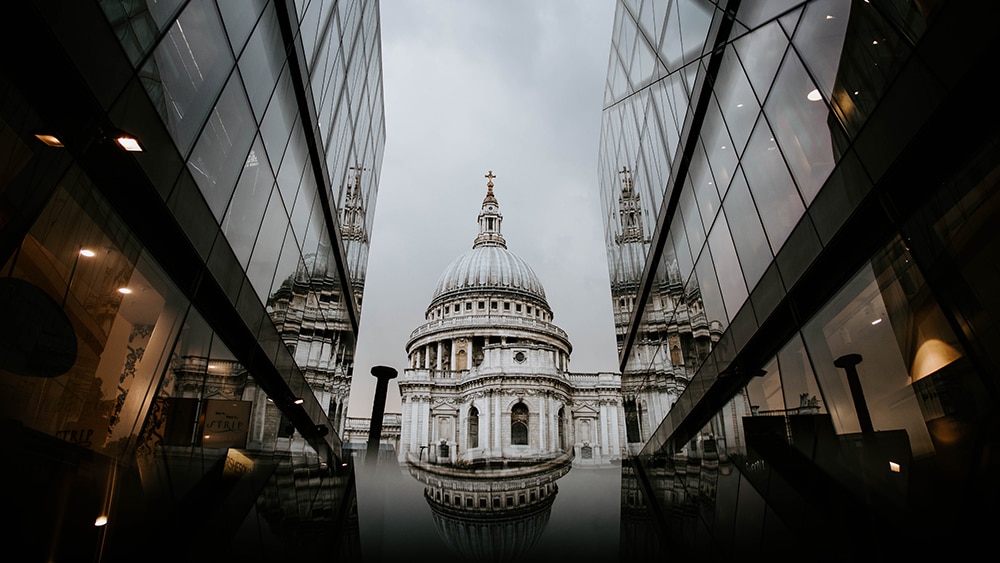
The enthronement of Dame Sarah Mullaly as the first woman Archbishop of Canterbury comes amid a lot of talk about a quiet revival in British Christianity. While there is evidence – anecdotal and data – of this rise in people in the pews, the spiritual leader of the world’s 85 million Anglicans faces a more complex challenge. Some British people are claiming a Christian identity with political, and other dubious, motives.GUEST: MADELEINE DAVIES of The Church Times has done a deep dive into this trend.
This week, as part of the ABC’s look at the persistence of antisemitism in Australia and the world, the Religion and Ethics team partnered with ABC TV and Big Ideas here on Radio National. In a special episode of Big Ideas, we explored the religious roots of anti-Jewish prejudice because certain Christian and Muslim texts have been manipulated to fit political ideologies. A key turning point came in the 1800s, when a racial form of antisemitism began to supplant religious bigotry, with the most lethal consequence by the 1930s and 1940s. Geoff Levey of the University of New South Wales explained this change to me and my colleague Scott Stephens. GUEST:Associate Professor Geoff Levey of the University of New South Wales
The bookshelves of the Dalai Lama are groaning with awards for peace and justice work, including the Nobel Peace Prize. But he recently added a more unusual accolade – a Grammy award for the best spoken-word book recording. It’s another example of how religion and popular culture are deeply enmeshed. Research by the US-based Faith and Media Initiative suggests audiences, including those with no religious belief, love religious themes on the big and small screens. GUEST:Dr Anna Halafoff is Professor of Sociology at Deakin University who specialises in faith and popular culture

Comments

Download from Google Play

Download from App Store
 United States