


 Claim Ownership
Rear Vision — How History Shaped Today
Subscribed: 5,978Played: 116,605
Subscribe

© Copyright 2025, Australian Broadcasting Corporation. All right reserved.
Description
Move beyond the headlines to see how the past defines our world.
440 Episodes
Reverse
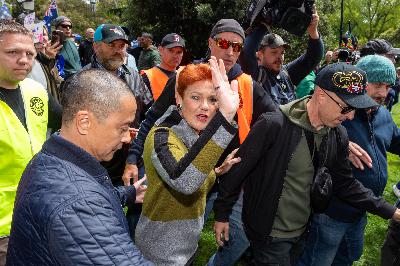
Back in 1996 Pauline Hanson – rocked Australian politics when she was elected to the House of Representative in the seat of Oxley espousing anti-Asian and anti-Aboriginal views. But her time in Canberra didn’t last. Two years later she lost her seat.Over the next two decades Hanson stood for re-election 8 time, failing at each attempt. She looked like a spent force in Australian politics. But that was wrong – today she is back in federal parliament, and her Party’s numbers are surging. How has Pauline Hanson been able to make such an incredible political comeback.
Rear Vision traces the story of the World Trade Organization from its origins as The GATT - and asks whether the WTO can still play a meaningful role in managing the trade realities of the 21st century?
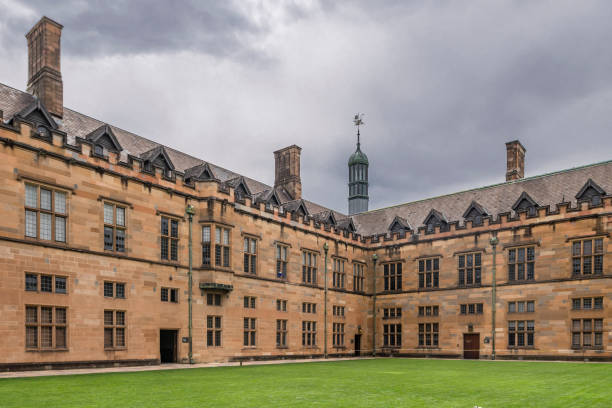
Australian universities are confronting a firestorm, the loss of foreign students, the lay-off of academics, the underpayment of staff and radical changes to domestic university fees.Why is our university sector in so much trouble?Guests Raewyn Connell, professor emerita at the University of SydneyProfessor Glyn Davis, The Australian idea of a universityHannah Forsyth, historian of education and associate Professor at the University of New EnglandJames Waghorne, Senior Research Fellow in the faculty of Education at the University of MelbournePresenter and producer Annabelle Quince
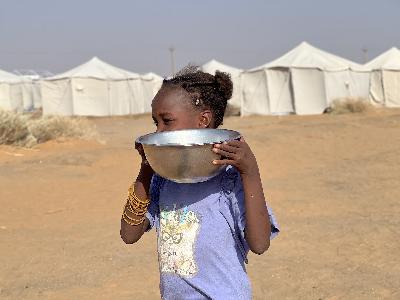
Sudan is engulfed in a civil war. We know little about it, but we should. Sudan sits at the crossroad between Africa and the Middle East, and many of its neighbours, the UAE, Egypt, Russia, and Saudia Arabia – are directly or indirectly involved in this conflict.In this second part of our series on Sudan - Sudan’s deeper history and the regional factors that are shaping the current conflict.
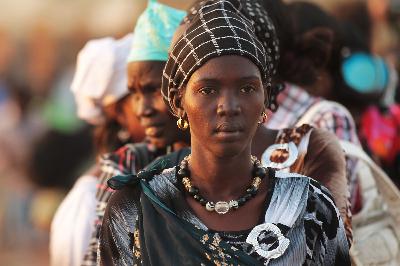
The history of the current conflict in Sudan is complex and long, but it's a history that matters. Sudan sits at the crossroad between Africa and the Middle East, it controls a strategic trading port on the red Sea, Port Sudan, it has large gold reserves and is the point where the Blue and the White Nile meet before flowing into Egypt. All of which make it important in the region.
Rear Vision puts contemporary events in their historical context.
Rear Vision puts contemporary events in their historical context.
 1
1The six countries of the Persian Gulf. From their rapid arrival on the world stage to their influence in Middle East politics today.

Venezuela - the latest country on US President Donald Trump's radar in his fight against drugs.
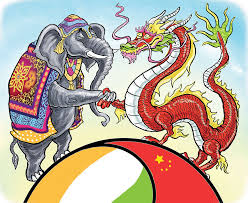
India and China - one of the most complex and consequential relationships in modern geopolitics.
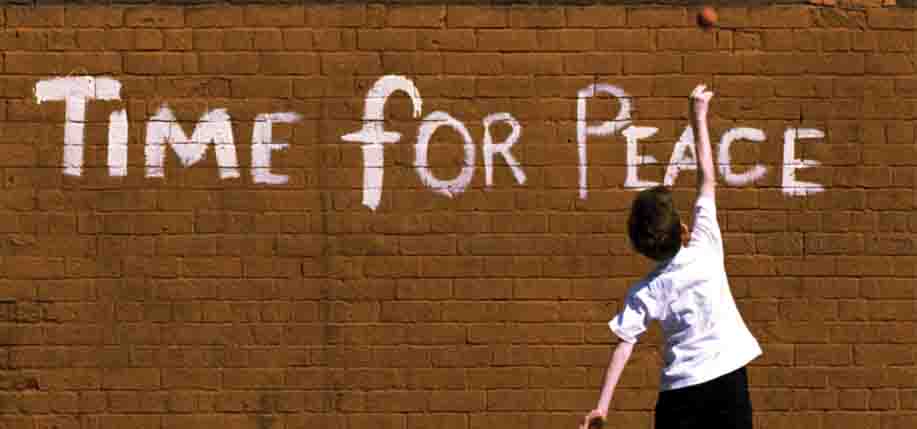
In 1998 The Good Friday Agreement was signed in Britain and Ireland, bringing an end to 30 years of violence, murder and religious conflict.How did this come about? and are there lessons we can learn?

The last two months has seen a shift in international politics as Israeli westerns allies move to recognise a Palestinian state. Could this be a historical tipping point in the conflict between Israel and Palestine, like the moment that led to the end of Apartheid in South Africa in the 1990’s. Rear Vision explores the similarities and difference between the Anti-Apartheid movement and the growing international pressure being placed on Israel.Rear Vision puts contemporary events in their historical context.

Rear Vision puts contemporary events in their historical context.
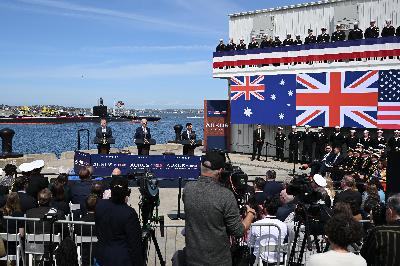
Since the end of WW2, the security alliance between Australia and the United States ANZUS has been the cornerstone of our foreign policy and security. And the AUKUS agreement announced in 2021 by Prime Minister Morrison only deepens that alliance. But just how well has the alliance served Australia and will the AUKUS deal enhance our security or lead us into a war with China we don’t want? And if AUKUS does pan out, do we have a plan B or is our plan B to make sure plan A works?
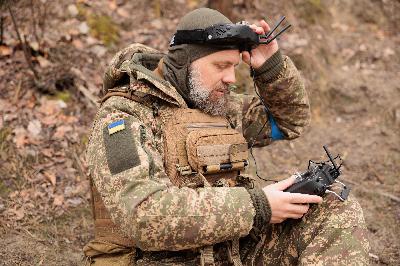
It was after the September 11 terrorist attacks on New York and Washington – that the drone became America’s weapon of choice in war on terror. Unpiloted planes, capable of finding and destroying target on the other side of the world, known as – Reaper or Predator Drones.But it’s over the past 25 years the use of drones - both civilian and military - has really taken off globally. Nowhere more so than in the war between Ukraine and Russia where they have literally reshaped the battlefield. The history of the drone.

Since the end of World War II, America has dominated the Pacific, but China’s expanding economy and growing military might is challenging that dominance
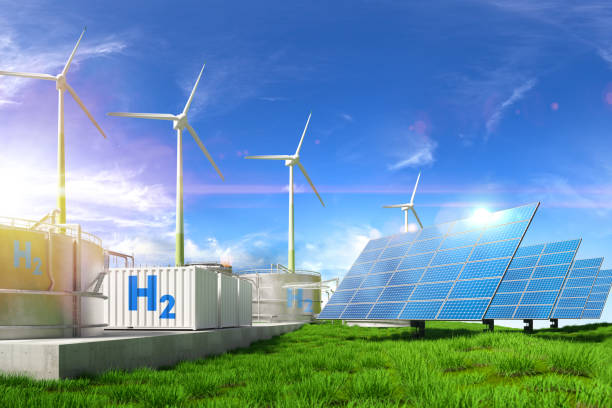
What can Australia do to maintain its mineral wealth in a decarbonising world? Rear Vision drills down into our coal and iron-ore industries. And asks, can Green Iron save us?
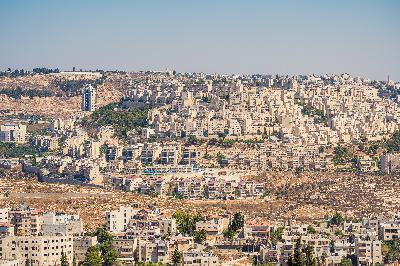
The Israeli settlements in the occupied territories of the West Bank and East Jerusalem are are illegal under international law. They are a key stumbling block to the creation of a viable Palestinian state. Yet for 50 years they have increased in number and size. Today, the story of the Israeli settler movement and its impact on Israeli politics.
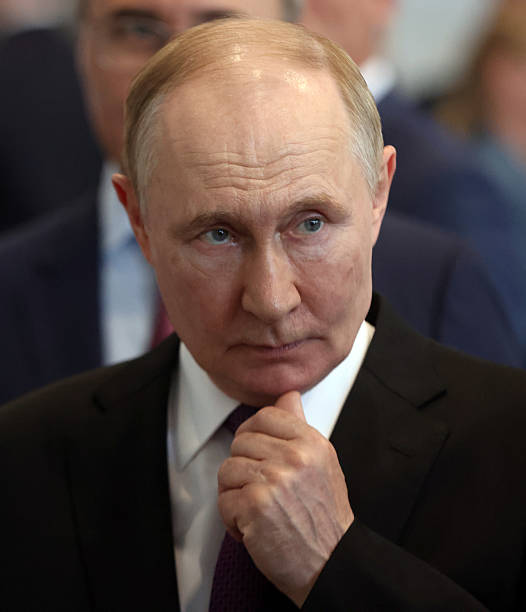
Despite the collapse of the Soviet Union in the 1990's, Vladimir Putin has emerged as a powerful player in world events. How has this happened?
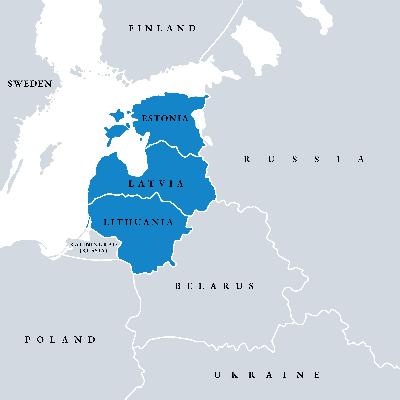
The Baltic States, Estonia, Latvia, and Lithuania – once part of the Soviet Union - are now all members of NATO. But Latvia and Estonia both have large Russian speaking minorities. Analysts worry that Russia could use these minorities as an excuse to impinge on their sovereignty. Could the Baltic States become the new Ukraine and if so, would the rest of NATO invoke article 5 and go to war with Russia?


Download from Google Play

Download from App Store
 United States
vaccines introduces the disease.
excellent podcast 5⭐
The Berlin Wall divided economies of luxury and subsistence. Globalization cheapened subsistence but didn't bridge the gap with luxury. When gaps in luxury leave housing, education, and healthcare as luxury goods, the zeitgeist is wall-building.
another excellent podcast
I found this very interesting. looking forward to the next 2 episodes.