


 Claim Ownership
The Music Show
Subscribed: 955Played: 31,112
Subscribe

© Copyright 2026, Australian Broadcasting Corporation. All right reserved.
Description
All kinds of music and all kinds of musicians in conversation with Andrew Ford.
690 Episodes
Reverse
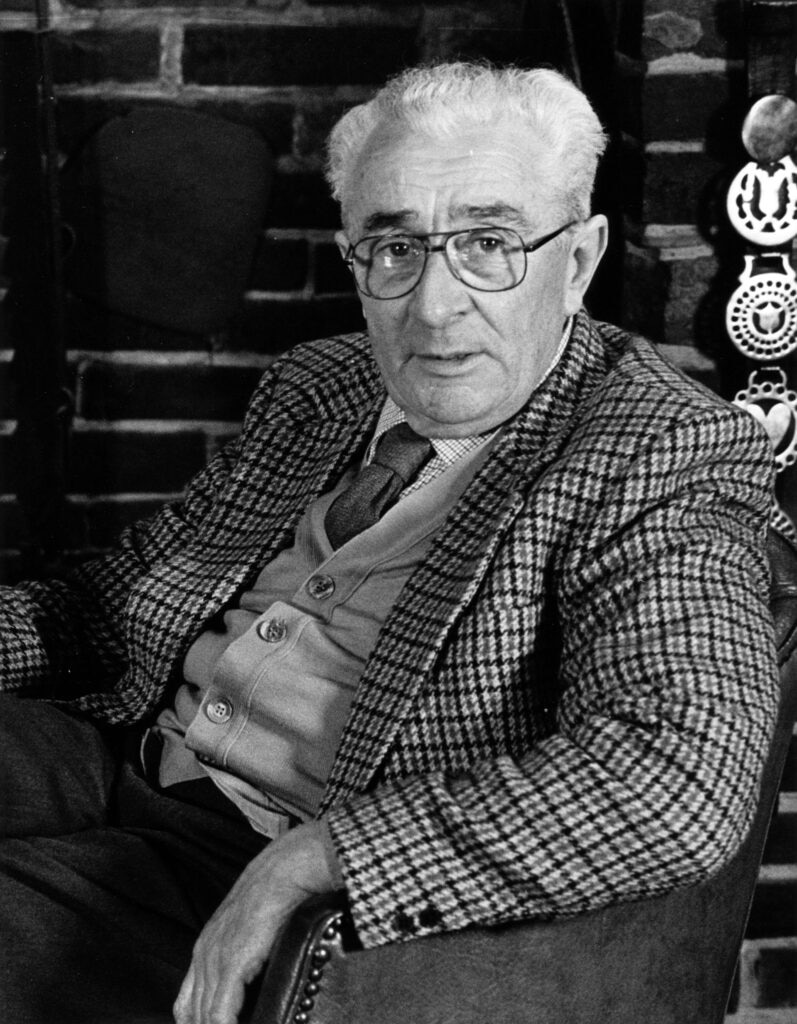
For hundreds of years, the Copper family have sung for their own pleasure, and for the pleasure of the people of Rottingdean, the East Sussex village where the family have been living since at least the 1500s. Singing together in pubs and houses, the BBC first recorded them in 1951, and they've gone on to become stars, particularly in the United States, where they toured extensively. Andy went to East Sussex to sit down with Bob Copper, the paterfamilias of the family, in 2003 when Copper was 88 years old. In 32 years of presenting The Music Show, this might be his favourite ever conversation. Enjoy listening to this wide-ranging and philosophical conversation about an unbroken line of family singers and the music of the English chalk coast.Music heard in the program:Title: The Claudy Banks; Come Write me down, Ye Powers of love Artist: The Copper Family (Bob & Jim)Composer: Trad.Album: Come Write Me Down: The Copper Family of RottingdeanLabel: Topic In the interview, Bob sings parts of The Birds in the Spring, and The Threshing Song, both trads.Title: My Favourite ThingsArtist: John ColtraneComposers: Rodgers, Richard; Hammerstein, OscarAlbum: CMy Favourite ThingsLabel: AtlanticThis program was originally produced by Penny Lomax and Maureen Cooney. Ce Benedict did a tiny bit of work on this version.Technical production by Harvey O’Sullivan
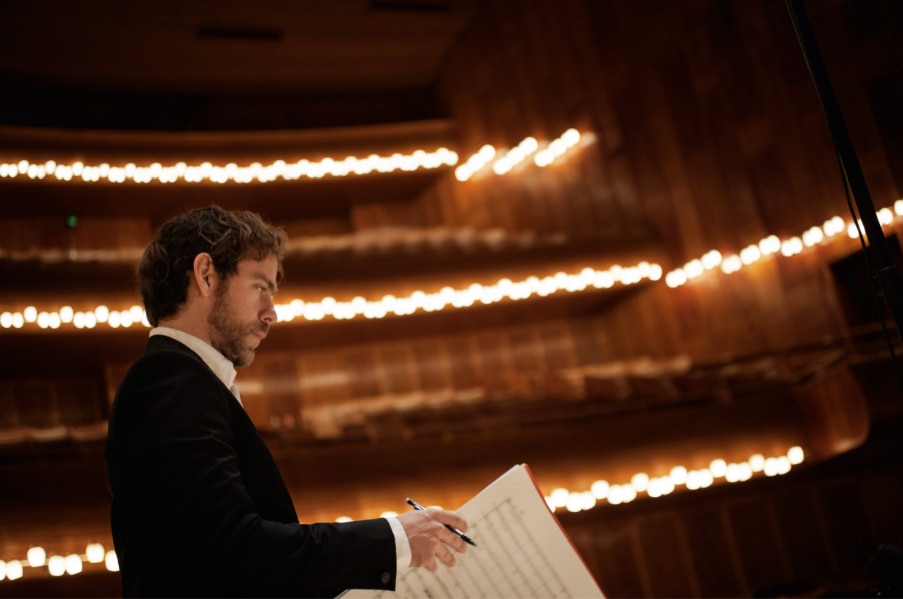
Drawing references to Kerouac, Munch, and Hildegard of Bingen, Bryce Dessner's music builds on a rich tradition of art that extends far beyond music. The classical composer (and guitarist for The National) is presenting the Australian premiere of his cello concerto, Trembling Earth, with the Sydney Symphony Orchestra, and talks to Andy about his influences, NY's music scene, and his new opera.In a new sound installation called The Enormous Radio, Bob Scott and Roslyn Oades are tuning a huge room of old radios in to the sounds of the natural world. Frogs, dingoes, flies, and goats take on a ghostly tone, as field recordings are reshaped into something almost unrecognisable.The Sydney Symphony Orchestra performance of Trembling Earth is on the 19th and 20th of September. And Bryce Dessner: A Portrait in Music is heading to Sydney and Melbourne.The Enormous Radio is on as part of the Melbourne Fringe Festival from Sept 30.Music heard in this program:Title: Pond LifeArtist: Bob Scott & Roslyn OadesComposer: Bob Scott & Roslyn OadesAlbum: Sound installationTitle: St. Carolyn By The SeaArtist: Bryce Dessner, Aaron Dessner, Copenhagen Philharmonic OrchestraComposer: Bryce DessnerAlbum: St. Carolyn By The SeaLabel: Deutsche GrammophonTitle: Song for Ainola Artist: Anastasia KobekinaComposer: Bryce DessnerAlbum: Bryce Dessner - SolosLabel: SonyTitle: Garcia CounterpointArtist: Bryce DessnerComposer: Bryce DessnerAlbum: Day Of The DeadLabel: 4ADTitle: DingoesArtist: Bob Scott & Roslyn OadesComposer: Bob Scott & Roslyn OadesAlbum: Sound installationTitle: Jane SheldonArtist: flowermuscleComposer: Jane Sheldon & Bob ScottAlbum: flowermuscleLabel: Independent releaseThe Music Show is made on Gadigal, Gundungurra, and Wurundjeri Woi Wurrung Country CountryTechnical production by Harvey O'Sullivan
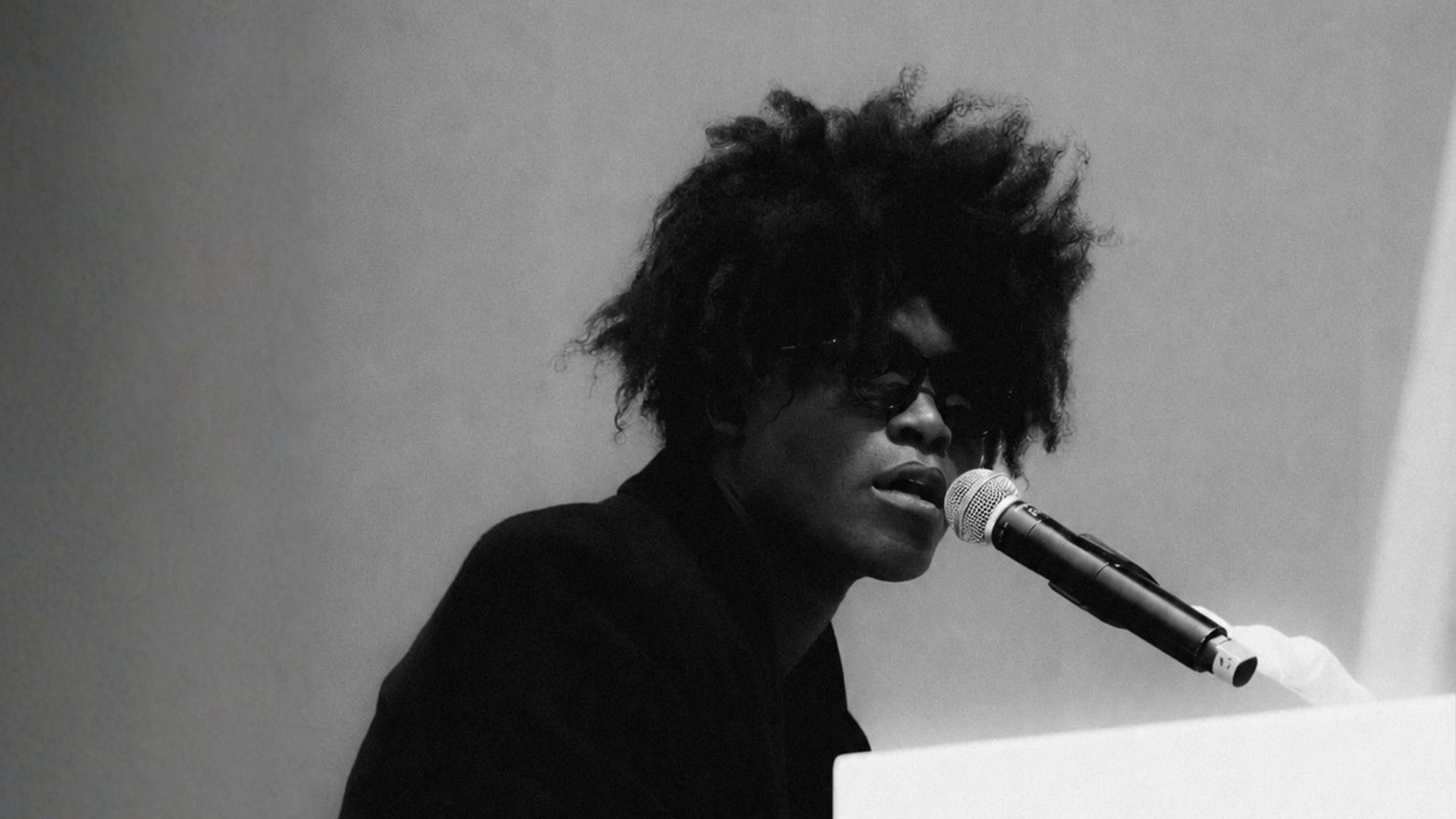
To mark Andy’s departure from the show at the end of this year, we’re bringing you some of his favourite conversations from 32 years on air. This week, we’ll hear the American pianist, composer and teacher Seymour Bernstein in a conversation from 2015. Bernstein died earlier this year, just before his 100th birthday, and in that long life he passed on a huge amount of wisdom about music, from how to play Beethoven to helping Ethan Hawke overcome stage fright. Benjamin Clementine, who is an amazing musician, says he’s not an amazing musician. He’s a British Ghanaian singer, pianist, songwriter, and creative sponge: one of those artists who soaks up so many influences it leads to a totally unique sound which defies categorisation. He’s about to tour Australia and he tells Andy how his songs start as poems, his influences, and his sanguine attitude towards categorisation. Benjamin Clementine tour dates:Adelaide 15 OctoberMelbourne International Jazz Festival 20 OctoberSydney 21 OctoberPerth 24 OctoberMusic heard in the show:Title: NemesisArtist: Benjamin ClementineComposer: Clementine, BenjaminAlbum: At Least For NowLabel: Virgin EMITitle: Gottes zeit is Die Allerbeste Zeit, BMV 106: Prelude [Actus Tragicus]Artist: Seymour BernsteinComposer: Bach, Johann SebastianAlbum: Seymour: An Introduction (Soundtrack)Label: Varese Sarabande Title: Intermezzo in A major, Op.118 No.2: excerptArtist: Seymour BernsteinComposer: Brahms, JohannesAlbum: Seymour: An Introduction (Soundtrack)Label: Varese Sarabande Title: GethukArtist: The Jawa Pitu BandComposer: The Jawa Pitu BandAlbum: KapindhoLabel: IndependentTitle: Pizza MindArtist: Benjamin ClementineComposer: Clementine, BenjaminAlbum: SingleLabel: Preserve ArtistsTitle: CornerstoneArtist: Benjamin ClementineComposer: Clementine, BenjaminAlbum: At Least For NowLabel: Virgin EMITitle: Pizza MindArtist: Benjamin ClementineComposer: Clementine, BenjaminAlbum: SingleLabel: Preserve ArtistsTitle: You’re the VoiceArtist: John FarnhamComposer: Thompson, Chris; Ryder, Maggie; Qunta, Andy; Reid, KeithAlbum: Whispering JackLabel: WheatleyThe Music Show is produced on Gadigal, Gundungurra, and Wurundjeri Woi Wurrung CountryTechnical production by Antonia Gauci
You’re The Voice remains a favourite for generations of Australians and the album it's on, Whispering Jack, has sold more than 1.5 million copies. But John Farnham was 37 by the time he recorded that album and the music industry wasn’t all that interested in a new direction from a 60s pop star - until word of mouth began spreading that this was something special.In some ways it’s that background that makes the result so remarkable. Andrew Ford charts the story behind Farnham's biggest hit and explores why Farnham's voice has earned him such admiration.Featuring interviews with David Hirschfelder, Gaynor Wheatley, Michael Paynter, and Poppy Stockell. The Songs of John Farnham: A Living Legend, The Celebration Concert is on September 20.The Sydney Theatre Company’s musical, Whispering Jack, begins on November 15.Music heard in this program:Title: Raindrops Keep Fallin' On My HeadArtist: John FarnhamComposer: Burt Bacharach & Hal DavidAlbum: Looking Through A TearLabel: ColumbiaTitle: Sadie The Cleaning LadyArtist: John FarnhamComposer: David White, John Madara, Ray GilmoreAlbum: SadieLabel: ColumbiaTitle: Playing To WinArtist: Little River BandComposer: John Farnham, Graham GobleAlbum: Playing To WinLabel: Capitol RecordsTitle: The TempleArtist: John FarnhamComposer: Andrew Lloyd Webber, Tim RiceAlbum: Jesus Christ Superstar - 1992 Australian Cast Label: PolydorTitle: Age of ReasonArtist: John FarnhamComposer: Johanna Pigott, Todd HunterAlbum: Age of ReasonLabel: Wheatley Records Title: That's FreedomArtist: John FarnhamComposer: Jean Anne Chapman, Tom KimmelAlbum: Chain ReactionLabel: Wheatley Records Title: You're The VoiceArtist: John FarnhamComposer: Andy Qunta, Chris Thompson, Keith Reid, Maggie RyderAlbum: Whispering JackLabel: Wheatley Records Title: Blind EyesArtist: Little River BandComposer: John Farnham, David Hirschfelder, Ray ChapmanAlbum: Playing To WinLabel: Capitol RecordsTitle: It's a Long Way to the Top (If You Wanna Rock 'N' Roll)Artist: John FarnhamComposer: Angus Young, Malcolm Young, Bon ScottAlbum: Age of ReasonLabel: Wheatley Records Title: Gethsemane (I Only Want To Say)Artist: John FarnhamComposer: Andrew Lloyd Webber, Tim RiceAlbum: Jesus Christ Superstar - 1992 Australian Cast Label: PolydorTitle: Pressure DownArtist: John FarnhamComposer: Harry BogdanovsAlbum: Whispering JackLabel: Wheatley Records The Music Show is made on Gadigal, Gundungurra, and Wurundjeri Woi Wurrung Country CountryTechnical production by Antonia Gauci
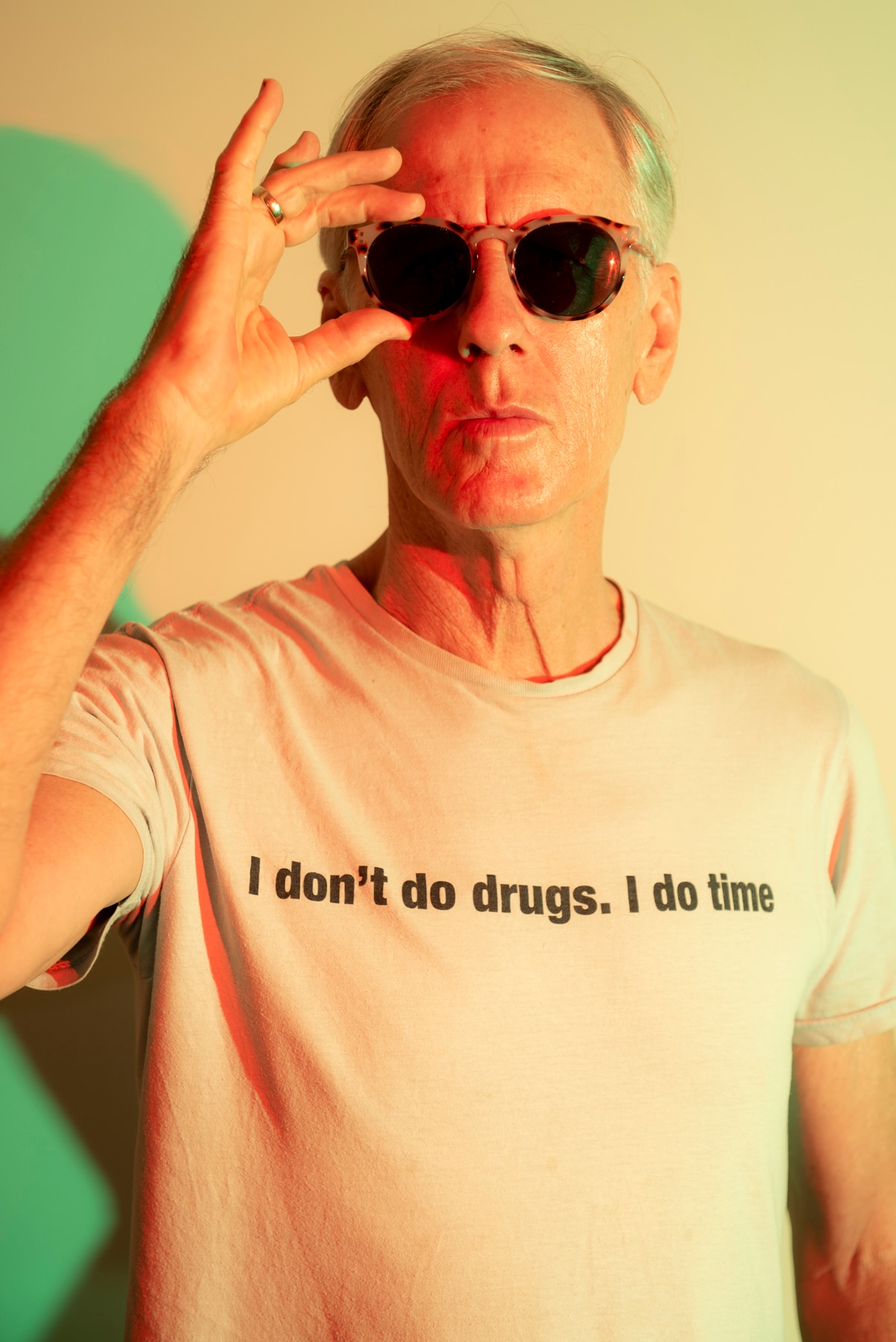
Recorded (largely) as-live in Sweden, with a group of that country's indie luminaries, Robert Forster's latest album Strawberries shows the singer-songwriter in a playful mood and embracing the role of storyteller. Speaking to Andy for the first time in quite some time, Forster explains why he made the trip and why he refused to tour the album until he could bring the band over to play it with him.With up to thirteen singers and ten drummers, all clustered around a giant communal drum, the Red Spirit Singers produce a huge sound. The group, composed of members of the Ute Nation in Utah, have been performing their music for almost 40 years, with multiple generations involved over that time. Founder AJ Kanip talks about that history and about the importance of the songs, old and new.Music heard in this program:Title: Bear DanceArtist: Red Spirit SingersComposer: Red Spirit SingersAlbum: Land of the SunLabel: Independent releaseTitle: StrawberriesArtist: Robert ForsterComposer: Robert ForsterAlbum: StrawberriesLabel: Tapete RecordsTitle: DiamondsArtist: Robert ForsterComposer: Robert ForsterAlbum: StrawberriesLabel: Tapete RecordsTitle: All Of The TimeArtist: Robert ForsterComposer: Robert ForsterAlbum: StrawberriesLabel: Tapete RecordsTitle: Veteran's SongArtist: Red Spirit SingersComposer: Red Spirit SingersAlbum: Land of the SunLabel: Independent releaseTitle: Meet Me At The Ute PetroleumArtist: Red Spirit SingersComposer: Red Spirit SingersAlbum: Land of the SunLabel: Independent releaseTitle: You're The VoiceArtist: John FarnhamComposer: Andy Qunta, Chris Thompson, Keith Reid, Maggie RyderAlbum: Whispering JackLabel: Wheatley RecordsThe Music Show is made on Gadigal, Gundungurra, and Wurundjeri Woi Wurrung Country CountryTechnical production by Tegan Nicholls

Comments

Download from Google Play

Download from App Store
 United States