


 Claim Ownership
The Founder's Foyer with Aishwarya Ashok
Subscribed: 1Played: 3
Subscribe

© The Founder's Foyer
Description
The Founder's Foyer with Aishwarya Ashok is full of hallway conversations—the space where early-stage founders, builders, and creators look for all the foundational concepts and support to grow their ideas into products.
Follow this show for all things Product, Ideas, Growth.
Follow this show for all things Product, Ideas, Growth.
63 Episodes
Reverse
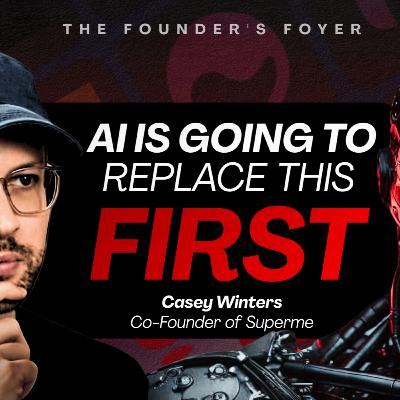
AI is moving fast, faster than most of us expected.I went into this conversation thinking we’d talk about AI tools, models, and speed. But what it really became was a conversation about why so many of us still don’t build, even when AI feels easier than ever.In this episode, I spoke with Casey Winters, co-founder and CEO of Superme, someone who has spent years helping startups grow and guiding builders through the messy, uncertain parts of execution.What stood out to me wasn’t the tools. It was how differently he thinks about building.We spoke deeply about things I know many of us struggle with:Why most AI ideas never turn into real productsThe biggest mistake people make when building with AIWhy overthinking kills momentum in the AI eraHow MVPs look different when execution becomes cheapWhy curiosity matters more than clarityHow to use AI as a thinking partner, not a shortcutWhat I appreciated most about this conversation is how honest it felt. Just a grounded perspective on what it means to build when things are uncertain, and why starting imperfectly matters more than waiting for clarity.If you’ve been sitting on ideas, feeling overwhelmed by how fast AI is moving, or unsure where to begin, this episode might help you reframe things. It definitely did for me.To follow Casey Winters,LinkedIn: https://www.linkedin.com/in/caseywinters/Website: https://www.caseyaccidental.com/-----------------------------------------------------------------------------------------------------------About the host : I’m Aishwarya, a product builder obsessed with turning raw ideas into real, working tools, especially with AI in the mix. Over the last 9+ years in SaaS, I’ve shipped zero-to-one products, scaled product marketing & GTM motions, and built across MarTech automation, real-time collaboration tools, and live event tech.Today, I work hands-on as an AI-first builder & forward-deployed PM/Engineer, working closely with AI models, agents, and orchestration systems to shape next-gen AI products.You can follow me here,LinkedIn: https: //www.linkedin.com/in/aishwarya-ashok/Twitter: https: //x.com/aishashok14My product memos: https://aishashok.com/-----------------------------------------------------------------------------------------------------------Timestamps:00:00 - Trailer01:08 - Intro02:19 - How growth has evolved in AI-first companies05:31 - Hype vs. compounding work in AI growth08:04 - Speed, velocity, and rapid AI release cycles10:58 - Why shipping AI features ≠ distribution14:00 - Differentiation: apps vs. core AI model companies27:40 - Pricing, monetization, and retention in AI33:13 - LLM search, brand discovery, and growth budgets41:07 - Community-led growth and discoverability45:06 - SaaS vs. consumer distribution in an AI world49:40 - Wrapper companies and fast replication55:24 - Copying vs. owning execution and taste57:09 - Superme: structuring human knowledge with AI01:02:17 - Outro
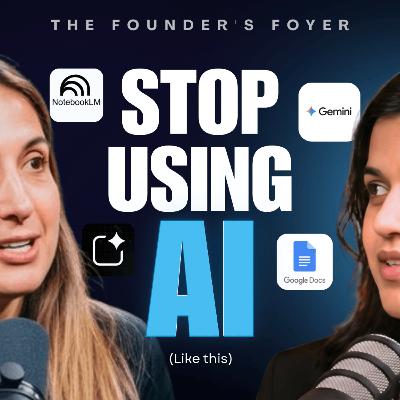
This episode stayed with me long after we hit stop.I went into this conversation thinking we’d talk about AI tools, models, and speed. But what it really became was a conversation about why so many of us still don’t build, even when AI makes things feel easier than ever.In this episode, I spoke with Jaclyn Konzelmann, a Product Manager at Google Labs, someone who spends her days working on AI experiments where nothing is fully clear, roadmaps keep shifting, and the only real way forward is to build and learn in public.What stood out to me wasn’t the tools.It was how differently she thinks about building.We spoke deeply about things I know many of us struggle with:Why most AI ideas never turn into real productsThe biggest mistake people make when building with AIWhy overthinking kills momentum in the AI eraHow MVPs look different when execution becomes cheapWhy curiosity matters more than clarityHow to use AI as a thinking partner, not a shortcutShe also shared how she actually uses AI in real life, across work, side projects, writing, and even parenting, not in a polished or perfect way, but in a very human one. We discussed real workflows using tools like Gemini, NotebookLM, Mixboard, and Opal, always coming back to the same question: are we actually building, or just consuming?What I appreciated most about this conversation is how honest it felt. No hype. No pressure to “catch up.” Just a grounded perspective on what it means to build when things are uncertain, and why starting imperfectly matters more than waiting for clarity.If you’ve been sitting on ideas, feeling overwhelmed by how fast AI is moving, or unsure where to begin, this episode might help you reframe things.It definitely did for me.To follow Jaclyn Konzelmann, do check here : Jaclyn KonzelmannProduct Manager, Google LabsLinkedIn: https://www.linkedin.com/in/jaclynkonzelmann/X (Twitter): https://x.com/jacaluluBlog: https://blog.jaclynkonzelmann.com/-----------------------------------------------------------------------------------------------------------About the host : I’m Aishwarya, a product builder obsessed with turning raw ideas into real, working tools, especially with AI in the mix. Over the last 9+ years in SaaS, I’ve shipped zero-to-one products, scaled product marketing & GTM motions, and built across MarTech automation, real-time collaboration tools, and live event tech.Today, I work hands-on as an AI-first builder & forward-deployed PM/Engineer, working closely with AI models, agents, and orchestration systems to shape next-gen AI products.You can follow me here,LinkedIn: https: //www.linkedin.com/in/aishwarya-ashok/Twitter: https: //x.com/aishashok14My product memos: https://aishashok.com/-----------------------------------------------------------------------------------------------------------Timestamps: 00:00:00 – Trailer / Hook00:01:00 – Intro00:03:05 – AI newness in today’s world00:05:00 – How she adopted and adapted to AI models00:06:25 – Execution is cheap, creativity is the bottleneck00:07:35 – Why people hesitate to start with AI00:09:15 – How to break the fear and just begin00:11:46 – Curiosity over clarity00:15:09 – Side projects as a way to learn AI00:17:48 – Starting with ideas, not tools00:25:33 – Two important keys for building with AI00:29:30 – Building in public & learning from users00:32:40 – Mixboard: how real AI products evolve00:36:00 – From MVP to features: learning from usage00:39:20 – Using AI as a thinking partner00:42:30 – Creativity, parenting & everyday AI use00:45:50 – Opal, workflows & no-code AI building00:49:10 – AI inside teams: roles are blurring00:52:20 – The future of building with AI00:55:10 – Staying curious without losing original thinking00:58:30 – Final reflections: why starting matters01:01:20 – Outro
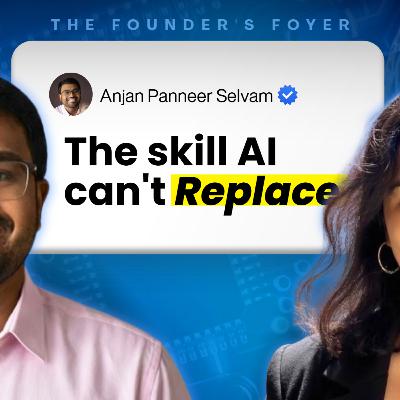
Everyone is racing to “add AI” to their workflow. Very few are rethinking how work itself should feel in an AI-first world.In this episode of Founders’ Foyer, I sit down with Anjan Panneer Selvam, Chief Product & Technology Officer at Acolyte Health, to unpack what AI is actually changing inside modern product organisations.This isn’t a surface-level conversation about tools. We go deeper, into how product roles are being rewritten, not replaced, and how AI kills tasks, not careers.Anjan shares how his team uses AI to run product end-to-end: recording meetings, turning insights into decisions, and aligning teams through fast prototyping instead of long PRDs. He breaks down real workflows and leadership practices that help teams move faster ,without losing judgment.You’ll hear honest insights on:Why Product Manager, design, and engineering roles aren’t dying , they’re evolvingTreating AI as a teammate, not just a toolHow judgment becomes the most valuable skill in the AI eraBuilding with prototypes first, PRDs laterCommunal learning, micro-learning, and reducing AI fear inside teamsNew frictions AI creates: choice overload, false progress and decision fatigueIf you’re a product manager, founder, designer, engineer, or builder wondering how to stay relevant , this conversation will change how you think about work, leadership, and AI.This isn’t about being faster. It’s about being clearer. 00:00 – Trailer01:12 – Setting the context and purpose of the discussion02:48 – Is AI really replacing jobs? Understanding the fear07:25 – Fear of AI in Teams and introducing it to the team13:28 – Common doubts when people start using AI17:05 – How leaders should approach AI adoption19:35 – Understanding the content/production cycle28:20 – Why dynamic documents matter.33:04 – What Makes an Idea Strong36:45 – Comparing ideas across different domains39:23 – How AI helps reduce content and work pressure43:55 – Blending creativity and technology48:18 – Content Creation with AI54:38 – New ideas emerging through AI 01:03:50 – Key takeaways and closing thoughts

00:00 – Trailer01:10 – Intro04:15 – Initial days of Raiza07:00 – Figuring out content10:30 – Why are people using the same prompt ?(Personalization issues)12:31 – Different aspects of AI16:55 – Voice AI & Huxe20:00 – Human interaction with AI24:36 – AI’s transformation in the podcast industry28:55 – Experience of building a product33:00 – Setting goals after creating a product35:52 – How to plan and build a product from scratch38:55 – How to rebuild, revise, and improve a product smoothly41:33 – The future and possibilities of AI as technology advances44:16 – The day after the product launch: What emotions did you go through?48:30 – How to view and interpret experiences.50:00 – OutroIn this episode, we dive deep into the world of AI, content creation, and product-building, uncovering the real stories behind innovation, From the early days of Raiza Martin, Co-Founder of Huxe, journey to figuring out content strategies, this conversation explores how creators adapt in an era where AI outputs look repetitive, templated, and predictable, and what it truly takes to stand out.We also break down the different aspects of AI, including voice AI, humanlike AI behaviour, and how our daily interactions with AI are reshaping creativity. You’ll hear insightful takes on how AI is transforming podcasts, changing workflows, and pushing creators to think differently.Moving beyond tech, we talk about the emotional and practical side of building something from scratchSetting goals after creating a productHandling rebuilds and revisionsNavigating the day after a launchSeeing experiences through a new, meaningful lensWhether you're a creator, a startup founder, or someone curious about the future of AI, this episode gives you clarity, confidence, and a fresh perspective on what’s possible in a rapidly advancing world.To follow Raiza Martin, do check here : LinkedIn : https://www.linkedin.com/in/whatsaraiza/https://www.linkedin.com/in/whatsaraiza/Product Link : http://huxe.com--------------------------------------------------------------------------------------------About the host : I’m Aishwarya, a product builder, obsessed with turning raw ideas into real, working tools, especially with AI in the mix. Over the last 9+ years in SaaS, I’ve shipped zero-to-one products, scaled product marketing & GTM motions, and built across Marketing Technology automation, real-time collaboration tools, and live event tech.Today, I work hands-on as an AI-first builder & forward-deployed PM/Engineer, working closely with AI models, agents, and orchestration systems to shape next-gen AI products.You can follow me here,LinkedIn: https://www.linkedin.com/in/aishwarya-ashok/Twitter: https://x.com/aishashok14My product memos: https://aishashok.com/
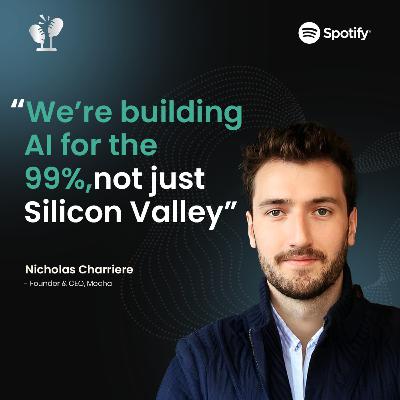
In this episode of The Founder’s Foyer with Aishwarya Ashok, join Nicholas Charriere, Founder & CEO of Mocha, and discover how Mocha is democratising product creation enabling anyone, regardless of coding experience, to build functional apps.Nicholas shares Mocha’s mission to empower the 99%, the transformative role of AI in app development, their unique vertically integrated approach, and the future of product building.You’ll also learn about Mocha’s viral launch, innovative marketing strategies, and insights into the evolving economics of AI tools.Timestamps: 00:00 – Intro 00:55 – Welcome to Founder’s Foyer 01:10 – Why Mocha Was Started and How It’s Useful for People 07:33 – How to Build a Product for an Audience Who Doesn’t Know How to Explain Things 12:05 – A Customer Who Built a Business with Mocha 18:50 – Why “Easy” Features Like Payments Are Harder Than They Look 27:56 – AI Unlocks New Ways to Help Small Businesses 31:20 – AI Pricing Is Broken, And It’s On Purpose
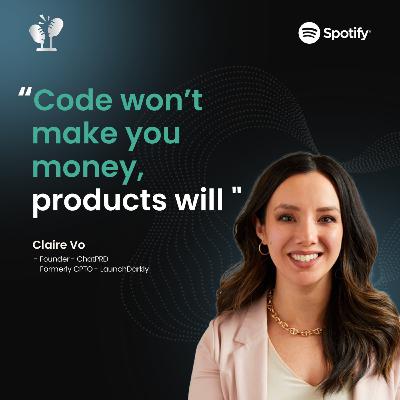
In this episode of The Founder's Foyers Podcast, Claire joins us to talk about building with AI, vibe coding, and the future of product creation.We cover everything from AI tools that speed up coding to why product fundamentals never change. Claire shares how solo founders, startups, and even large organisations can use AI to move faster and why ignoring AI could make you unemployable in just a couple of years.Highlights include:1. What vibe coding really means for non-technical builders2. Why AI-powered tools are changing how products are made3. How leaders can push teams to adopt AI without fear4. Claire’s take on employability in the next 24 months5. Building in public, product intuition, and speed over perfection6. Why “fast beats right” — and how AI makes fast easierThis episode is full of practical insights, founder lessons, and future-facing advice for anyone building in tech today.00:00 - Intro01:08 – Welcome to The Founder's Foyer04:10 – What actually is vibe coding09:26 – Adaptation of AI with Product Managers & working people11:08 – The difference between leading teams and building solo13:38 – Why Claire pushed AI early in workplaces17:53 – Exploring AI tools like Cursor and Devin33:08 – Building in public and shaping AI products46:28 – The future of small AI-powered teams48:28 – Final thoughts and key takeaways
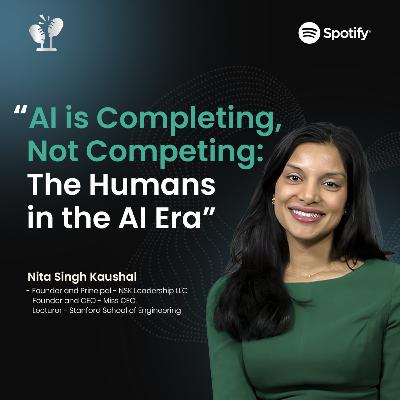
Nita Singh Kaushal, in conversation with host Aishwarya Ashok, explores how leaders and professionals can thrive in the age of AI. She emphasizes that adaptability and curiosity now matter more than fixed expertise, and that leadership is no longer about simply knowing—it’s about navigating uncertainty with clarity and vision. While AI can accelerate output and even draft brilliant plans, it is ultimately humans who build belief, create meaning, and inspire action. Nita highlights why the real edge lies in sensemaking, communication, and trust, and how storytelling and collaboration keep us grounded in a world flooded with instant output. At its core, this conversation is a reminder that the best leaders embrace curiosity over certainty and see AI not as competition, but as a powerful companion to human judgment and values.Timestamp00:00 – Intro 01:12 - Welcome to The Founder's Foyer Podcast 04:18 – From Knowing to Navigating: How Do We Adapt in the Age of AI? 16:43 – Why AI Can’t Replace Humans and How It Supports Leadership 29:35 – Who Are We Really Building Products For? 30:04 – Designing AI Products with Human Emotions in Mind 33:52 – Beyond Workflows: How AI Can Help People See Themselves Differently in Their Roles 41:54 – Challenges of Bringing AGI into Practice & Power Dynamics of AI 50:10 – AI as a Companion, Not a Crutch 55:00 – Final Takeaways
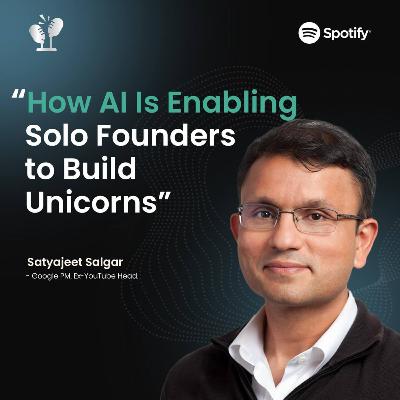
In this episode of The Founder's Foyer, Aishwarya speaks with Satyajeet Salgar, product leader at Google and former head of YouTube Shopping and Google Search. They explore how AI is reshaping the future of product development, startups, and solo entrepreneurship. Whether you're a startup founder, product builder, or just curious about the AI-first future — this episode is packed with deep insights and practical examples.00:00 - Intro 01:07 - Welcome to Founder’s Foyer: AI Changing the Game 02:28 - Can One Person Build a Unicorn Company? 04:15 - Small Teams, Big Impact: Efficiency in the AI Era 09:15 - Collapsing Roles: AI & Cross-functional Productivity 14:47 - Rethinking Product Workflows with AI 18:00 - Are PMs Now Designers, Analysts, and Builders? 20:30 - AI Adoption Curve for people23:05 - Adapting Mindset to AI 28:45 - Goal of Chat Interface 33:51 - NotebookLM, Audio Summaries & Personalised UIs 37:37 - How Consumers Will Drive AI Interface Evolution 43:07 - Brainstorming with LLMs: AI as Your Thinking Partner 49:15 - Final Takeaways & Satyajeet’s Workflow with AI Follow Satyajeet Salgar - https://www.linkedin.com/in/salgar/Follow The Founder’s FoyerWebsite: https://www.thefoundersfoyer.com/episodes/Instagram: @https://www.instagram.com/thefoundersfoyer/Newsletter: aishwarya.substack.com
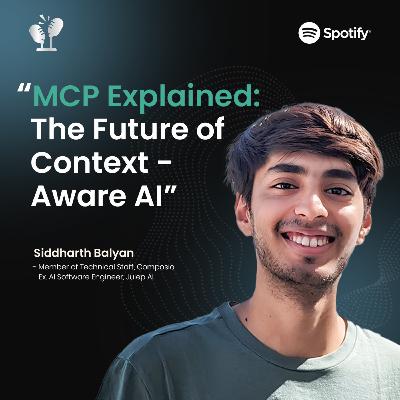
In this episode, we chat with Sid from Composio to understand what MCP (Model Context Protocol) really means and how it's changing the way AI tools connect with different apps. Sid explains how MCP helps simplify complex processes and makes it easier for developers and AI agents to access the tools they need. We also talk about how this technology works behind the scenes, how it compares to APIs, and how big companies like Microsoft and Anthropic are getting involved. Sid shares real examples from Composio, showing how context-aware tools are being built and why they matter. Whether you're a developer, someone working with AI, or just curious about where this technology is headed, this conversation offers clear explanations and useful insights into a rapidly growing space.0:00 – Intro & Sid’s Background1:30 – What Is MCP (Model Context Protocol)?3:50 – Is MCP a tool5:40 – What MCP Includes (Resources, Tools, Prompts)8:55 – Journey of MCP15:33 – Example of MCP In action25:00 – Developer Experience & Setup47:00 – The Future of MCP
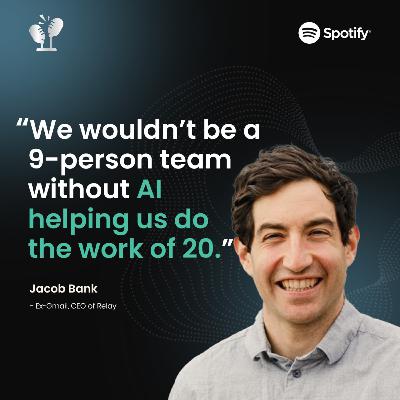
Jacob Bank, CEO of Relay and former product lead at Gmail, joins Aishwarya Ashok to explore how AI agents are truly reshaping the way we work. He explains why structured AI workflows solve most real-world needs today and highlights the concept of “spiky intelligence,” where AI excels at some tasks but still needs human direction. Jacob emphasizes that the most important skill in this new era isn’t coding, but the ability to clearly define goals and structure problems for AI. He shares practical ways to use AI not just to replace tasks, but to automate complex, cross-platform outcomes—unlocking new levels of productivity and enabling small teams to achieve big results. 00:00 - Intro 1:17 - Welcome 2:34 - Jacob's Journey: From Google to AI Agents 3:25 - Beyond Tools: Focusing on Workflows & Outcomes11:34 - AI Workflows vs AI Agents: What's the Difference?19:43 - The Human Role: Critical Thinking & Future Skills27:30 - Understanding "Spiky Intelligence" in AI31:30 - How to Start Building Your Own AI Agents43:21 - Demo of Relay53:11 - Summary and Outcome of the agent
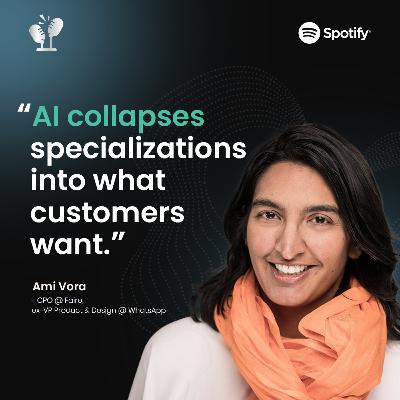
Ami Vora, CPO at Faire and former VP of Product & Design at WhatsApp, shares a unique perspective on how fear can be a driving force in decision-making and career growth. Raised in a family where fear played a significant role in shaping decisions, she turned fear into a tool for clarity.Rather than ignoring fear, she acknowledges it, writing down her fears and actively mitigating them when making big decisions, such as accepting a new job. By making the fear explicit, she unravels its power, turning it into actionable insights that help guide her.Vora's experience reflects the ever-changing landscape of tech, where continuous learning is the only way to remain relevant. She draws on a lesson from a high school teacher, emphasizing the importance of staying on the frontier of knowledge to adapt to the unpredictable nature of the industry. Vora integrates this mindset by constantly challenging herself with low-stakes learning experiences outside of work, like ice skating, to reinforce the mindset of growth and adaptation. She reminds us that, especially in product and AI, there’s a need to embrace curiosity and let go of the pressure to always be right. In a world where everything is evolving rapidly, embracing failure and being comfortable with not knowing is essential for continual progress.Chapters0:00 Technology Won't Save You—Learning Will2:09 Meet Ami Vora: From WhatsApp to Wild Versatility4:04 How Jokes Helped Me Lead Through Hard Times6:18 Turning Liberal Thinking Into a Career Superpower9:00 What Actually Drives Us? Energy Over Everything13:00 The Hardest Job I Stayed In—and What It Taught Me17:00 Fear, Feedback, and Showing Up Anyway20:00 Context Switching for Humans (Not Just AI)22:08 The Tools I Trust: Reframing, Fear-Setting, and Closing Loops36:02 AI, Agency, and Always Being Behind43:27 Being Right vs Being Curious—The Career Mindset Shift47:13 Execution > Strategy: Why Doing Beats Planning51:25 My Career Is a Small Plates Dinner—and That’s a Superpower
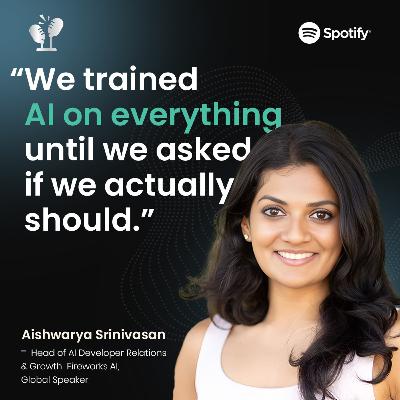
Responsible AI is no longer just a theory—it's a necessity. In this episode of The Founder's Foyer, we sit down with Aishwarya Srinivasan to explore how organisations are tackling ethical AI in real-world environments.This discussion covers deep and practical insights into data privacy, copyright, enterprise integrations, and the future of agent-based systems. If you're building with AI or implementing LLMs in your org, this episode is a must-watch.Learn how AI adoption, compliance, and governance must go hand-in-hand to shape innovation responsibly.Timestamps:00:00 – Introduction: Why Responsible AI Matters 02:42 – Data-Centric AI vs. Theory: Applying Ethics in Practice 07:35 – Copyright & Model Training Dilemmas 11:40 – Post-Training, Filters & What Data Should Be Used 16:10 – Role-Based Access & AI in Enterprise Workflows 22:25 – Productivity Tools & Data Privacy Risks 29:20 – Agent vs Automation: What’s the Difference? 35:10 – Human-in-the-Loop: Where It Matters Most 41:00 – Real AI Use Cases: Sales, GTM, and Non-Tech Teams 48:00 – The Need for Cross-Functional AI Literacy 52:45 – The Challenge of Data Silos and Integration 58:10 – Final Thoughts: Building Trustworthy AI Systems
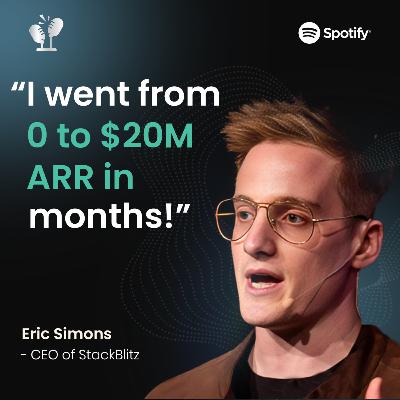
How AI-driven development tools like Bolt are revolutionising the way entrepreneurs build and launch apps. This discussion highlights groundbreaking real-world examples, from reducing costs by 99% to accelerating product development from months to weeks. Learn how non-developers are creating full-stack apps and CRMs with ease, leveraging AI to bring ideas to life faster than ever before. Speed is key, and Bold is leading the way in this new era of rapid innovation.00:00 – Introduction02:45 – The Viral Hooks App Case Study06:10 – From $5,000 to $50: Cost & Time Revolution with Bolt08:50 – AI-Powered CRM Case Study (Built in 3 Weeks)15:40 – Speed is the Biggest Competitive Advantage19:10 – Bolt vs Big Tech23:00 – Real-Time Feedback & Prototyping with AI26:00 – Bolt’s Open Source Edge & Model Integration30:50 – End Users Don’t Care About Models—Only Results33:20 – Bolt’s Rise to Market Leader in Web-Based Code Gen36:15 – Bolt for Everyone: From Personal Sites to Full SaaS39:00 – The Journey: Building Bolt & Going Viral42:00 – What Makes Great Founders?44:50 – The Vision: Building Apps as Easily as Designing in Canva
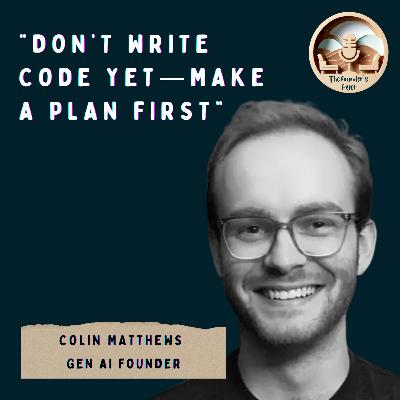
In this episode, Colin dives into the world of AI-powered coding tools and sharesactionable strategies for building projects efficiently. Whether you’re a developer ora non-technical founder, learn how to choose the right tools (like Replit, Bolt,Lovable, and V0), structure your workflow, and avoid common pitfalls.*Why planning beats jumping straight into code* When to use mock data vs. backend integrations* Tool comparisons: Replit (full-stack), Bolt (prototyping), Lovable (non-technical),and V0 (styling)* The importance of validating ideas before scalingTimestamp:00:00 – Introduction05:34 – Choosing the Right AI Coding Tool09:47 – Why Planning Before Coding Matters20:07 – Strengths & Weaknesses of AI Coding Tools30:51 – AI for Non-Technical Founders36:50 – Frontend vs. Backend: What to Build First47:29 – The Reality of Building SaaS & AI Products50:17 – The Smartest Way to Validate Your Idea56:30 – The Future of AI Coding & Development01:00:00 – Conclusion & Key Takeaways
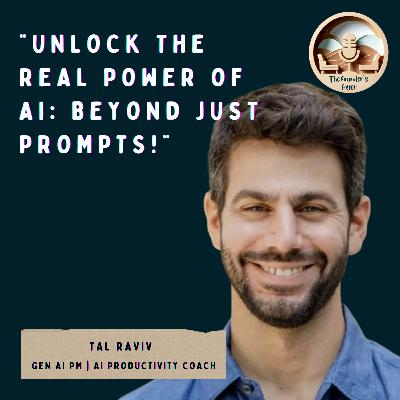
00:00 - Intro: The Role of AI as a Thought Partner02:54 - Moving Beyond AI for Drafting: A Productivity Shift06:08 - Using AI for Conversations and Decision-Making09:48 - Project Knowledge: Uploading Context for Better AI Responses13:41 - The Truth About Prompt Engineering16:03 - Iterative AI Interactions: Refining Responses21:01 - AI as a Thought Partner: A Self-Driving Car Analogy29:46 - AI for Web Apps: Where Are We Now?37:27 - AI as a Nutritionist: A Surprising Use Case44:57 - Consuming News with AI: The Second Mouse Gets the CheeseTal Raviv has been a hands-on product manager & technical founder for 15+ years at hyper growth companies, always among the first PMs. He’s a Gen AI PM, and has been on the early teams of Patreon, Riverside, Wix, AppsFlyer, DuckDuckGo. He teaches one of the most popular PM courses in Maven focused on building your own AI copilot, which we’re going to dive into today. We dive deep into how AI can be used as a thought partner, not just a tool for drafting documents. Whether you're a product manager, content creator, or AI enthusiast, this video will help you rethink how you interact with AI to maximize productivity, creativity, and decision-making.🔹 Learn why AI is more than just automation🔹 Discover the power of iterative AI interactions🔹 Understand how project knowledge enhances AI responses🔹 Explore unexpected AI use cases, from nutrition to filmmaking🔹 Find out why prompt engineering is overrated
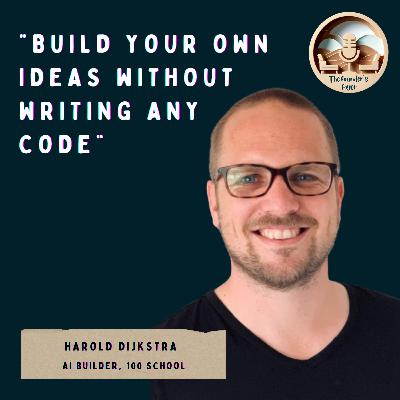
00:00 Intro to Harold01:30 Harold's Journey into No Code04:11 From No Code to AI06:34 Overcoming Analysis Paralysis in AI Building10:43 Starting Small with AI16:14 Building with AI Insights25:57 Learning from AI Errors27:28 The Importance of Practice in AI Learning29:08 Building and Collaborating with AI30:14 Personalizing AI Workflows32:28 Challenges and Future of AI Tools41:09 Advice for AI Tool FoundersIf you're looking to get started with AI building, here's a special discount for you:https://maven.com/no-code-ai/no-code-ai-bootcamp?promoCode=FOUNDERSFOYERhttps://maven.com/no-code-ai/coding-with-ai?promoCode=FOUNDERS-FOYERProduct building has been democratized with AI—from PMs, developers and designers to exec leaders, everyone’s been eyeing on how to ride the AI wave and ensure they’re up to date with what it takes to grow in this new economy. The latest in that journey is how AI coding agents have been remarkable in helping people go from ideas to working prototypes in hours and days.Harold Dijkstra is currently building the 100 School—making tech and AI skills accessible for anyone with ideas. With helping more than 41k+ builders across the globe, their online approach has been super helpful for creators and builders to ship prompts to products.
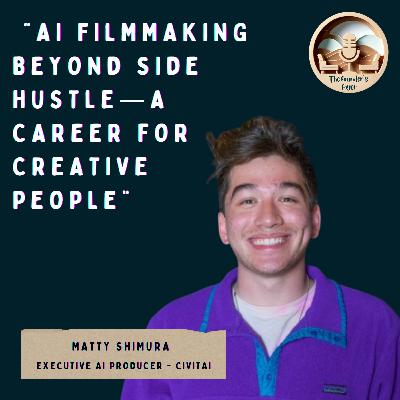
00:00 Intro about Matty Shimura
02:54 Matt's Journey: Traditional Filmmaking to AI
04:25 The Power of GenAI Tools Today
07:18 Challenges and Opportunities in AI Filmmaking
12:09 The Future of AI in Media
20:44 Community and Collaboration: The Magic Sauce in AI
20:51 Monetizing AI Filmmaking—Brands & Corporations
27:59 The Role of Contests and Competitions
35:55 The Debate on AI and Creativity
41:03 Future Jobs in AI Filmmaking
While there’s news about new AI companies everyday, beyond that, we’re actually seeing people explore the value behind AI—what to do and where to put AI to good use. One such direction is art and films. With generative image and video models getting better, it’s now possible to convert any idea into script and a fully-functional creative media.
Matty Shimura is an Executive Producer specializing in AI-driven film and television at Civitai. His work has been featured by organizations such as Meta, Tribeca Film Festival, Cannes Film Festival, AT&T Shape Create-a-thon, and C-SPAN. He leads initiatives to make AI tools more accessible and equitable for creators worldwide—helping artists reduce bias, amplify diverse voices, and unlock new dimensions of storytelling.
how AI tools are democratizing creativity, offering new opportunities for both traditional filmmakers and aspiring creators. They discuss the impact of AI on job roles, the nuances of storytelling with AI, and the importance of community in navigating this rapidly evolving landscape.
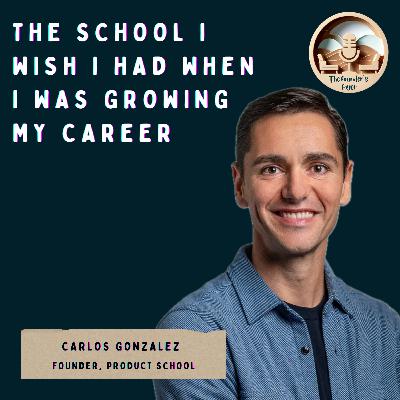
00:00 Meet Carlos
01:19 Carlos' Journey into Product Management
02:26 The Inception of Product School
03:52 Challenges and Successes in EdTech
06:47 Evolution of Product School
12:15 Global Reach & Online Education
17:35 Building Product School as a Product
20:26 Importance of Showing Up & Investing in Yourself
22:32 Balancing Community and Business
26:13 Trends in Product Management and AI
29:41 The Impact of AI on Product Management
33:16 The Rise of No-Code Tools & AI Integration
38:37 Final Thoughts and Future of Product Management
Being a product builder is like continuously thinking about one’s craft and discovering ways to make it better each time. Product mindset is more of a lifetime learning, and the best way it can be done is finding a set of peers and folks you look up to, and doing it together as a community.
Carlos Gonzalez de Villaumbrosia is an entrepreneur with over 15 years of experience building products. He founded the Product School in 2014, which is the global leader in product training with a community of over two million members. All of their instructors are seasoned product people working at top Silicon Valley companies including Google, Meta, Netflix, Airbnb, Uber, and Amazon. Prior to Product School, he founded Floqq, the largest online education marketplace in Spanish and Portuguese at the time.
We chat about Carlos's journey from his early days in Spain to founding Product School in Silicon Valley, the evolution of the product management community, and the impact of AI and new trends in the product space. Carlos shares his insights on building a community-led company, the importance of continuous learning, and how Product School is reshaping education in the tech industry.
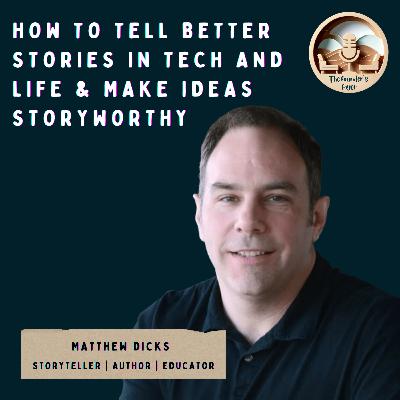
00:00 Introduction to Matthew Dicks
01:19 Matt's Journey into Storytelling
04:46 Teaching Storytelling: From Kids to Corporates
06:55 Essence of a Good Story
15:47 Homework for Life: Capturing Everyday Moments
24:26 The Pickle Story: A Lesson in Specificity
25:02 Hone Personal Storytelling
26:12 Connecting Through Shared Narratives
28:16 Crafting Engaging Beginnings
38:08 Role of Humor in Storytelling
43:35 AI and the Future of Storytelling
-----------
All of us love listening to stories from friends, teammates, and sometimes even strangers we meet. What makes us a good listener also pushes us to share our own experiences and thoughts. But when it comes to storytelling, there’s a ton of questions that cloud us up—what to share, what would keep us relevant with our audience, why would someone be interested in what we say? Great stories are crafted, unforgettable, and are uniquely associated with the person who shares—so let’s dive deeper to understand how all of us can become storytellers.
Matthew Dicks is a best-selling author, columnist, blogger, podcaster, and teacher. Matt has taught clients like the FBI, Amazon, Google, Microsoft, Salesforce, MIT, Harvard, & Lego how to tell their best stories. He’s a creator, producer, and co-host of Speak Up Storytelling podcast and he’s also authored the most-famous book, Storyworthy, which has received so much appreciation among the folks in tech.
In this episode, Matt discusses the universal strategies applicable to both personal and business storytelling, importance of capturing 'five second moments,' the power of relatability, and how to become more memorable through storytelling. Whether you’re pitching a product or engaging an audience, there are so many techniques we chatted about to craft stories that resonate.
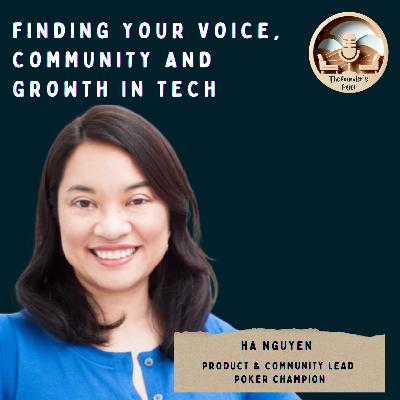
00:00 Welcome to the Founders Foyer
01:45 Embracing Joy, Connections, and Discovery
05:35 The Power of Building Genuine Networks
10:00 Creating a Personal Board of Directors
16:10 Building a Networking Flywheel
29:56 The Roller Coaster of Startup Life (Moving from Big Tech)
31:48 The Power of Storytelling in Business
36:13 Lessons from Poker: Risk and Confidence
42:39 Embracing Fractional Roles
53:24 Building Authentic Communities
In the fast-paced world of tech and products, finding joy and building meaningful connections can be as crucial as coding the next big feature. Whether you’re a first-time founder, an avid creator, or an indiehacker, knowing what excites you about building products, learning from doing, and discovering how to navigate the right networks are key.
Ha Nguyen is a product lead, venture capitalist, one of the co-founders of Women in Product community, who also embraces fractional work and growing possibilities for the last two decades in tech. She’s currently the founder & Managing Partner of NextStep, supporting early stage founders on their journey to become master operators, company builders, and people leaders. She’s a tournament poker player who made the final table of a World Poker Tour (WPT) tournament.
In this episode, Aishwarya and Ha chat about building meaningful connections, embracing joy, and discovering new experiences in the fast-paced tech world. Ha shares her journey—taking a sabbatical for mental health, building a personal board of directors, the value of fractional roles, and the influence of storytelling in leadership.

Comments

Download from Google Play

Download from App Store
 United States