


 Claim Ownership
Taking Control Of Your Diabetes® - The Podcast!
Subscribed: 114Played: 1,613
Subscribe

© Taking Control Of Your Diabetes®
Description
Welcome to Taking Control Of Your Diabetes® - The Podcast, an edutaining show all about highs and lows of living with diabetes. Hosted by Dr. Steve Edelman and Dr. Jeremy Pettus, both endocrinologists who have been living with diabetes themselves since they were 15, we’re discussing the important topics that people living with diabetes need to know—and no topic is off-limits.
From the latest advancements in diabetes medications and devices, to interviews with some of the best minds in diabetes, to personal stories about the ups and downs of dealing with this condition 24/7, we’re tackling what it means to live with diabetes in modern times. And we promise to make you laugh along the way, because sometimes we just need to laugh at the craziness that comes with living with diabetes.
Tune in for a new episode on the last Monday of every month! Like what you hear and want to help us grow? Please rate and review this podcast so we can reach more people living with diabetes!
VISIT: tcoyd.org | FOLLOW: tcoyd.org/contact | EMAIL: [email protected]
APPLE PODCAST RATING: 4.9/🌟🌟🌟🌟🌟
From the latest advancements in diabetes medications and devices, to interviews with some of the best minds in diabetes, to personal stories about the ups and downs of dealing with this condition 24/7, we’re tackling what it means to live with diabetes in modern times. And we promise to make you laugh along the way, because sometimes we just need to laugh at the craziness that comes with living with diabetes.
Tune in for a new episode on the last Monday of every month! Like what you hear and want to help us grow? Please rate and review this podcast so we can reach more people living with diabetes!
VISIT: tcoyd.org | FOLLOW: tcoyd.org/contact | EMAIL: [email protected]
APPLE PODCAST RATING: 4.9/🌟🌟🌟🌟🌟
108 Episodes
Reverse
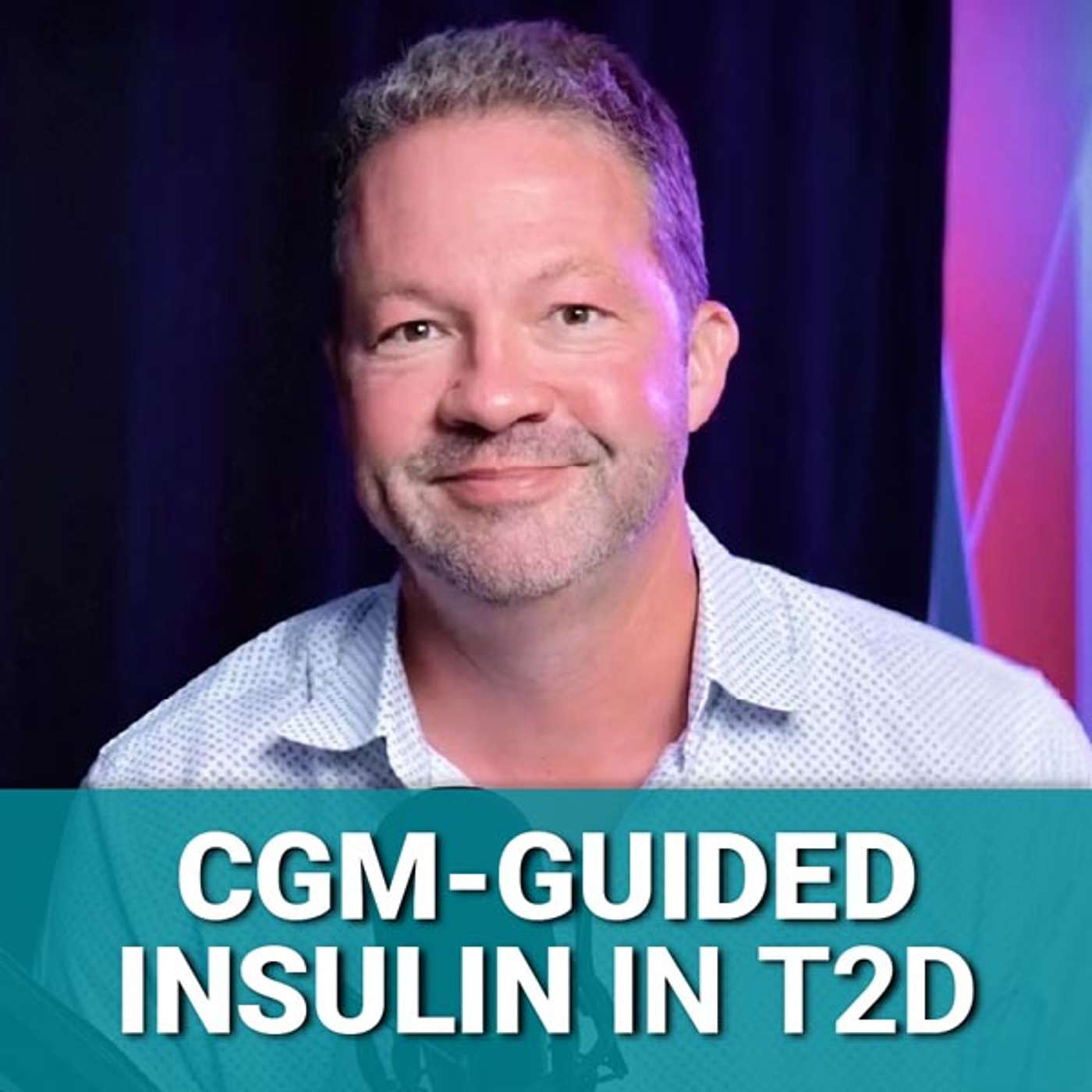
Managing type 2 diabetes can change over time, but having the right information for your patients can make those changes feel a lot more manageable. CGM can help your patients see what’s happening with their blood sugar and guide what comes next.In this episode of the TCOYD Podcast, Dr. Steve Edelman and Dr. Jeremy Pettus discuss how continuous glucose monitoring is changing the way type 2 diabetes is managed for your patients, especially as treatment needs evolve over time. They explain why type 2 diabetes can progress from lifestyle changes and oral medications to GLP-1 therapies and insulin, and why needing insulin isn’t a personal failure. They also explore how seeing glucose data in real time can help your patients better understand how meals, exercise, medications, and insulin affect their glucose throughout the day. The conversation gets practical with how CGM can help guide your patients’ transition to basal insulin, make insulin adjustments easier and safer, and identify when mealtime insulin may be needed. Dr. Edelman and Dr. Pettus explain what overnight glucose patterns can tell you about your patients’ basal insulin dose, how to recognize post-meal spikes, and why starting mealtime insulin doesn’t necessarily mean adding injections at every meal for your patients. They also discuss newer basal insulins, avoiding too much basal insulin, and how automated insulin delivery systems may fit into the future of type 2 diabetes management. Ultimately, CGM gives your patients living with type 2 diabetes more than glucose numbers. It provides feedback that can help them recognize patterns, see how their treatment is working, and work with their healthcare team to make more informed adjustments as their diabetes management needs change.Key Topics:Why type 2 diabetes treatment needs can change over timeHow insulin resistance and declining insulin production affect glucose managementWhy needing insulin is not a personal failureHow CGM use is expanding in type 2 diabetesUsing CGM with lifestyle changes, oral medications, GLP-1 therapies, and insulinWhat time in range, GMI, and glucose variability can tell youHow CGM can help determine when basal insulin may be neededUsing overnight glucose patterns to adjust basal insulinWhy insulin titration matters more than the initial starting doseHow CGM can make insulin adjustments easier and saferWhen mealtime insulin may be neededWhy mealtime insulin doesn’t always have to be taken with every mealHow to recognize and avoid too much basal insulinThe benefits of newer long-acting basal insulinsWhen patients with type 2 diabetes may want to consider an insulin pump or automated insulin delivery systemHow real-time glucose feedback can help people take a more active role in their diabetes management✨ Subscribe for practical diabetes management tips, technology updates, and treatment breakthroughs that help people with diabetes live healthier, more flexible lives.More diabetes resources:Website: tcoyd.orgBlog: tcoyd.org/blogPodcast: tcoydthepodcast.transistor.fmInstagram: / tcoydFacebook: / tcoydStay connected! Sign up for our monthly newsletter here!Support TCOYD's educational programs: tcoyd.org/donate
★ Support this podcast ★
 1
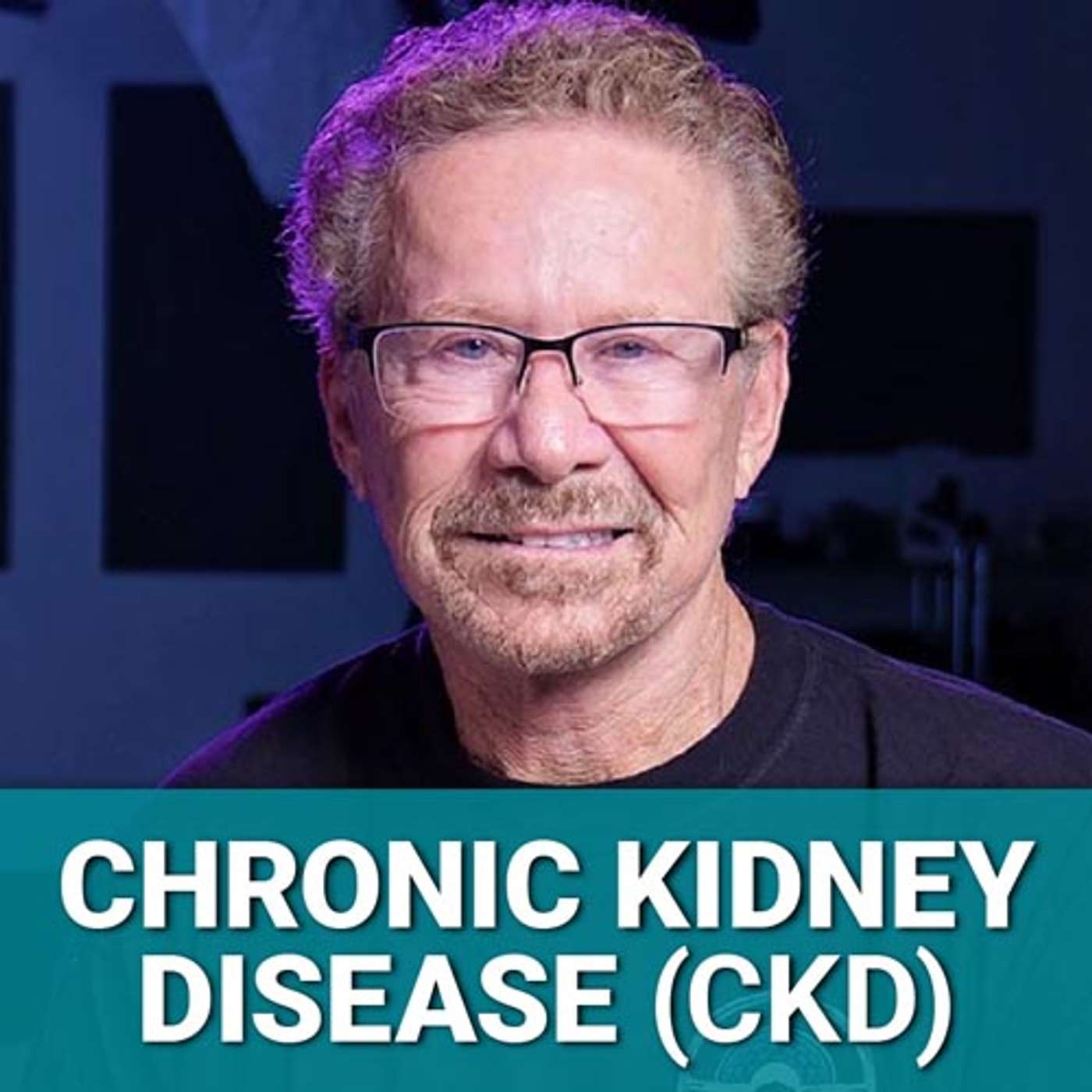
1Chronic kidney disease (CKD) is one of the most common complications of diabetes, but here’s the tricky part: you can have it for years without feeling any symptoms. The good news? Kidney disease can often be detected early, and with the right screening, treatments, and lifestyle changes, its progression can be dramatically slowed. In this episode, Dr. Steve Edelman and Dr. Jeremy Pettus are joined by nephrologist Dr. Bethany Karl to break down what everyone with diabetes should know about kidney health. Dr. E also steps into the patient seat to share his own experience living with chronic kidney disease, from discovering it without symptoms to navigating kidney tests and newer treatments. Together, they explain the two simple tests that can uncover kidney problems, why blood pressure and cardiovascular health matter, and how today’s growing toolbox of medications is giving people with diabetic kidney disease more reasons for hope.Key Topics:Why chronic kidney disease is often a “silent” complication of diabetesHow diabetes can affect the kidneys over timeDr. Edelman’s personal experience with diabetic kidney diseaseThe two important kidney tests: eGFR and UACRWhy urine protein can be an important early warning signHow often people with diabetes should have their kidneys screenedThe connection between glucose, blood pressure, cholesterol, heart health, and kidney healthLifestyle considerations for protecting kidney functionMedications that can help slow the progression of diabetic kidney diseaseNewer kidney-protective therapies and why there is more reason for optimism today✨ Subscribe for practical diabetes management tips, technology updates, and treatment breakthroughs that help people with diabetes live healthier, more flexible lives.More diabetes resources:Website: tcoyd.orgBlog: tcoyd.org/blogPodcast: tcoydthepodcast.transistor.fmInstagram: / tcoydFacebook: / tcoydStay connected! Sign up for our monthly newsletter here!Support TCOYD's educational programs: tcoyd.org/donate
★ Support this podcast ★

Hot flashes, blood sugar swings, brain fog... is it menopause, diabetes, or both?In this episode of the TCOYD Podcast, Dr. Steve Edelman is joined by renowned menopause expert Dr. Cindy Stuenkel, endocrinologist and Professor Emerita at UC San Diego, for an insightful conversation about how menopause affects women living with diabetes. Together, they explain why menopause is much more than a normal stage of aging. It's a major metabolic transition that can influence blood sugar management, insulin resistance, heart health, sleep, mood, and overall quality of life. The conversation explores what actually happens during perimenopause, menopause, and postmenopause, why hormonal fluctuations can make glucose management more challenging, and how continuous glucose monitoring can help distinguish hot flashes from hypoglycemia. Dr. Edelman and Dr. Stuenkel also discuss the latest evidence on hormone replacement therapy, newer non-hormonal treatment options, the importance of protecting heart health, and practical strategies to help women navigate this stage of life with greater confidence. Whether you're living with type 1 or type 2 diabetes, approaching menopause, currently experiencing it, or supporting someone who is, this episode provides practical guidance and evidence-based information to help you feel more prepared. Key Topics:What is perimenopause, menopause, and postmenopause?How hormonal changes affect blood sugar and insulin resistanceWhy menopause can increase glucose variability in women with diabetesThe difference between hot flashes and hypoglycemiaHow continuous glucose monitoring can help during menopauseMetabolic changes that occur during the menopause transitionWhy cardiovascular risk increases after menopauseThe connection between menopause, weight gain, and abdominal fatGLP-1 medications and menopauseThe latest recommendations on hormone replacement therapyNew non-hormonal treatments for hot flashesSleep, mood, brain fog, and quality of life during menopauseHeart health strategies for women living with diabetesHow partners can better support someone going through menopauseTrusted menopause resources and when to seek medical care✨ Subscribe for practical diabetes management tips, technology updates, and treatment breakthroughs that help people with diabetes live healthier, more flexible lives.More diabetes resources:Website: tcoyd.orgBlog: tcoyd.org/blogPodcast: tcoydthepodcast.transistor.fmInstagram: / tcoydFacebook: / tcoydStay connected! Sign up for our monthly newsletter here!Support TCOYD's educational programs: tcoyd.org/donate
★ Support this podcast ★
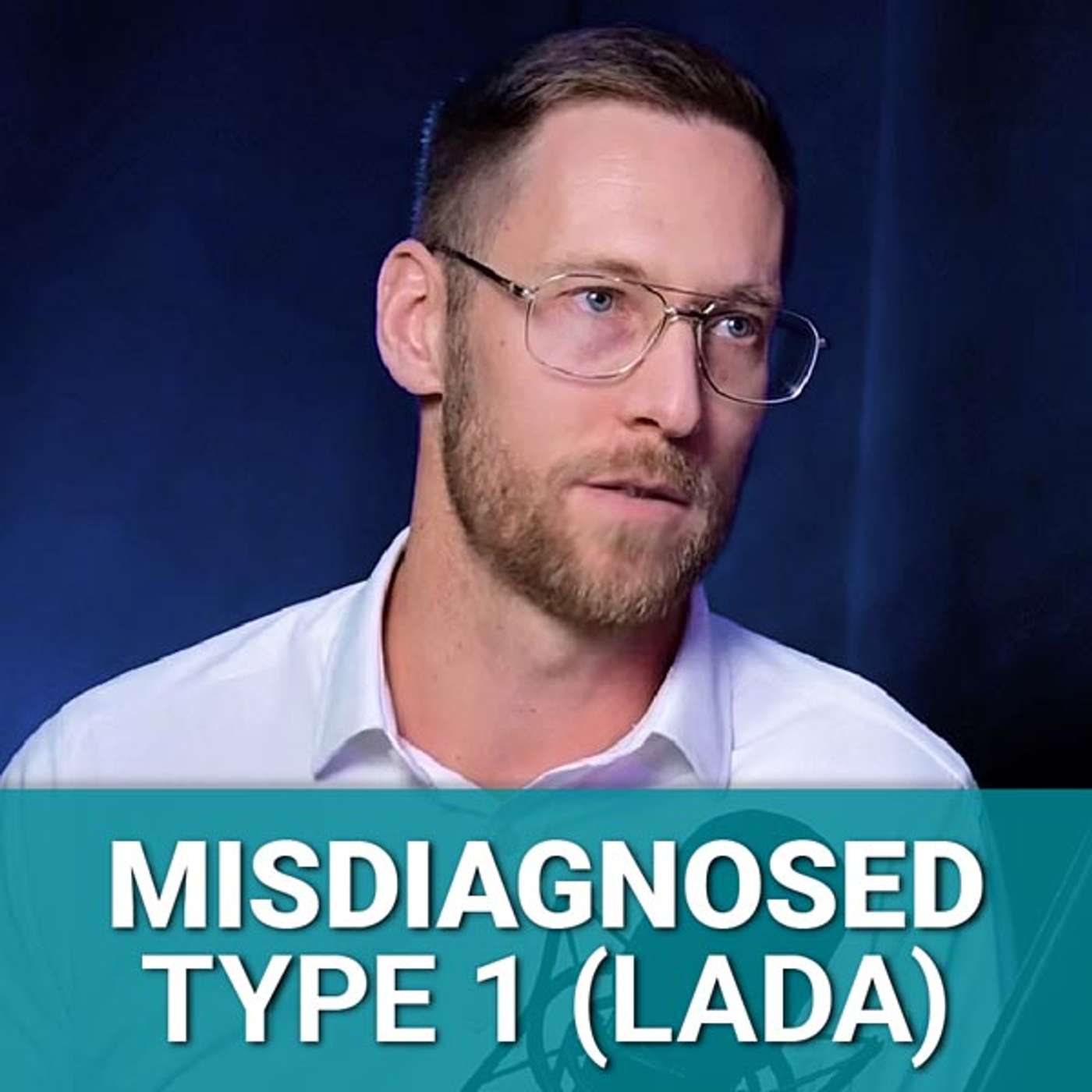
Have you or someone you know been diagnosed with type 2 diabetes, only to discover later it was actually type 1? You're not alone.In this episode of the TCOYD Podcast, Dr. Steve Edelman is joined by Dr. Schaefer Boeder, endocrinologist, Medical Director of Paradigm Research, Associate Professor at UCSD, for an eye-opening discussion about LADA (Latent Autoimmune Diabetes in Adults)—one of the most commonly misdiagnosed conditions in diabetes. Together, they explain why so many adults are initially misdiagnosed with type 2 diabetes despite the warning signs that should raise suspicion for LADA, and why getting the correct diagnosis can dramatically change treatment and long-term outcomes.The conversation explores how LADA differs from both classic type 1 and type 2 diabetes, why the autoimmune process develops more slowly, and when antibody testing should be considered. Dr. Edelman and Dr. Boeder also discuss the importance of preserving beta cell function, the role of continuous glucose monitoring, advances in disease-modifying therapies, and why there has never been a more exciting time for research in adults who developed type 1 diabetes later in life. Whether you've been diagnosed with LADA, care for someone who has, or simply want to better understand adult-onset autoimmune diabetes, this episode provides practical guidance and hope for more accurate diagnoses in the future.Key Topics:What is LADA (Latent Autoimmune Diabetes in Adults)?Why LADA is so often mistaken for type 2 diabetesCommon signs that may point to a misdiagnosisHow LADA differs from classic type 1 and type 2 diabetesWhy many adults don't fit the "typical" diabetes profileAutoantibody testing and when it should be consideredThe role of GAD antibodies and C-peptide testingWhy preserving beta cell function mattersPreventing diabetic ketoacidosis (DKA) through earlier diagnosisHow continuous glucose monitoring can ease the transition to insulinCurrent treatment approaches for adults with LADAThe latest research on disease-modifying therapies and preserving insulin productionScreening resources, clinical trials, and where the future of LADA research is headed✨ Subscribe for practical diabetes management tips, technology updates, and treatment breakthroughs that help people with diabetes live healthier, more flexible lives.More diabetes resources:Website: tcoyd.orgBlog: tcoyd.org/blogPodcast: tcoydthepodcast.transistor.fmInstagram: / tcoydFacebook: / tcoydStay connected! Sign up for our monthly newsletter here!Support TCOYD's educational programs: tcoyd.org/donate
★ Support this podcast ★

In this episode, Dr. Steve Edelman and Dr. Jeremy Pettus are joined by Dr. Shara Bialo, Senior Medical Director of Type 1 Diabetes Immunology at Sanofi, pediatric endocrinologist, and person living with type 1 diabetes, for an in-depth discussion about what happens before type 1 diabetes is diagnosed. Together, they explore the autoimmune process that begins months or even years before symptoms appear, why early detection matters, and how screening is changing the future of type 1 diabetes care. Dr. Bialo shares her personal diagnosis story, discusses common misconceptions about what causes type 1 diabetes, and explains the three stages of the disease. The conversation also covers who should be screened, how diabetes autoantibody testing works, the benefits of preserving beta cell function, and why identifying people before they develop symptoms can lead to better long-term outcomes and fewer cases of diabetic ketoacidosis (DKA). Whether you have type 1 diabetes, have a family member at risk, or simply want to better understand the latest advances in prevention and early detection, this episode provides valuable insights into one of the fastest-moving areas of diabetes research.Key Topics:Dr. Shara Bialo's personal journey living with type 1 diabetesWhy type 1 diabetes is an autoimmune disease, not simply a blood sugar problemThe role of genetics, viral infections, and the immune systemUnderstanding the three stages of type 1 diabetesWhy most people diagnosed with type 1 diabetes have no family historyAdult-onset type 1 diabetes and why it is often mistaken for type 2 diabetesWhat diabetes autoantibodies are and how screening worksWho should consider screening for type 1 diabetesAvailable screening options, including blood tests and home screening kitsThe emotional challenges families face when considering screeningThe importance of preventing diabetic ketoacidosis through early detectionWhy preserving beta cell function can improve long-term outcomesItaly's national screening program and the future of population-wide screeningResources available through screenfortype1.comThis content was produced with support from Sanofi and screenfortype1.com.✨ Subscribe for practical diabetes management tips, technology updates, and treatment breakthroughs that help people with diabetes live healthier, more flexible lives.More diabetes resources:Website: tcoyd.orgBlog: tcoyd.org/blogPodcast: tcoydthepodcast.transistor.fmInstagram: / tcoydFacebook: / tcoydStay connected! Sign up for our monthly newsletter here!Support TCOYD's educational programs: tcoyd.org/donate
★ Support this podcast ★

Comments

Download from Google Play

Download from App Store
 United States