


 Claim Ownership
Alongside
Subscribed: 7Played: 50
Subscribe

© Copyright 2026 NorthStandard
Description
NorthStandard‘s podcast features thought-provoking discussions on news and topics in the maritime industry. We talk with experts from the club and special guests in the field from around the world
36 Episodes
Reverse
In this episode, we discuss the impact of the delayed IMO deal to cut global shipping emissions and the resulting focus on the EU's FuelEU Maritime regulation. We hear about the political tension and uncertainty surrounding the IMO negotiations, the interim strategies for the maritime industry and the benefits and challenges of the FuelEU regulation. We also look at the pooling process for emissions reduction, and the importance of fuel quality and certification. 00:00 Introduction: The Urgency of Reducing GSG Emissions 00:09 The Delayed Deal: Impact on Global Shipping Emissions 01:02 Inside the Negotiations: Political Tensions and Outcomes 02:41 Fuel EU Maritime: A New Hope for Decarbonisation 05:40 Pooling Process: Challenges and Opportunities 10:50 Fuel Quality Concerns: Risks and Implications 13:44 Looking Forward: Future Challenges and Regional Regulations 16:07 Conclusion: The Path Ahead for Maritime Decarbonisation
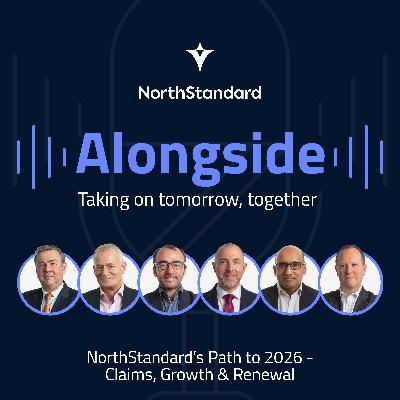
In this episode of 'Taking on tomorrow, together,' some of NorthStandard's Leadership Group reflect on the key challenges and achievements of 2025. Despite a calmer year for claims, the club highlights the need for caution still amid global conflicts, rising costs, and political uncertainties.Discussions include the Pre Renewal Report, and the strategic initiatives that have fostered diversification and growth. Managing Directors Paul Jennings and Jeremy Grose, Chief Financial Officer Nick Jelley, Chief Claims Officer Sam Kendall-Marsden, Chief Underwriting Officer Thya Kathiravel, and Chief of Specialty Sectors Nick Wolfe provide insights into financial stability, claims performance, and broader forces influencing the shipping industry.Emphasis is placed on maintaining service excellence, supporting members, and adapting to market conditions, ensuring NorthStandard remains resilient and well positioned for the future.00:00 Introduction and Overview of the Year01:25 Key Messages and Financial Performance03:03 Strategic Developments and Diversification04:22 Claims Performance and Market Conditions08:36 Future Focus and Challenges Ahead10:46 Conclusion
In areas off the coast of Victoria in Southern Australia, ocean conditions are changing. Warmer currents, unpredictable storms, and shifting water chemistry present a new reality for the communities who depend on the sea. In this episode of NorthStandard's 'Alongside' podcast, hosted by Danielle Jalowiecka, we dive into how these changes are impacting one of the ocean's most iconic creatures—the Southern Rock Lobster. With insights from Matt Wassnig, CEO of Seafood Industry Victoria, Mia Bredenburg from Sunderland Marine, and Dr. Sam Twiname from the University of Tasmania, the episode delves into how the lobster industry is adapting to these challenges. The discussion highlights the importance of sustainable fishing practices, robust scientific research, and strong collaboration among industry stakeholders to ensure the resilience and innovation of the sector. Through their experiences, we learn valuable lessons that extend beyond just the local industry to the broader marine industry worldwideHighlights00:50 The Southern Rock Lobster: An Iconic Species03:01 Economic and Social Impact of Rock Lobster Fishing04:46 Challenges and Adaptations in the Fishing Industry07:35 Scientific Research and Climate Change Effects10:39 Collaboration Between Industry and Science16:25 Future Opportunities and Industry Resilience18:27 Conclusion and Key Takeaways
In this episode of Alongside Kait Borsay delves into the critical issue of crew welfare. With guests Captain Yves Vandenborn, NorthStandard’s Head of Loss Prevention and Captain Kuba Szymanski, Secretary General of InterManager, the discussion focuses on the physical, mental, and social well-being of seafarers.The episode explores best practices, the impact of global events, the importance of social cohesion, evolving challenges, and future improvements in crew welfare, including the role of technology and communication advancements.01:09 Understanding Crew Welfare02:18 Best Practices for Crew Welfare04:33 Challenges in High-Risk Areas05:44 Key Issues Affecting Seafarers08:37 Modern Day Challenges13:51 Future of Crew Welfare
In this episode of Alongside, the podcast from NorthStandard for the shipping industry, host Kait Borsay explores the Jones Act, a fundamental U.S. law regulating maritime commerce. With guests Emma Jones, Senior Associate at Blank Rome LLP, and Gina Venezia, President and Head of Commercial Americas for NorthStandard, the discussion delves into the cabotage laws enforced by the Act and its personal injury provisions unique to the U.S. maritime context. They examine the Act's historical roots, modern impacts on the shipping industry, including offshore activities, enforcement mechanisms by U.S. Customs and Border Protection, and the stringent penalties for violations. The episode provides valuable insights into how the Jones Act affects merchandise transportation, injury remedies for seamen, and the evolving challenges within maritime law.00:13 Understanding the Jones Act00:42 Key Issues and Implications02:19 Detailed Discussion on Cabotage02:59 Offshore Activities and the Jones Act05:47 Waivers and Exceptions07:21 Enforcement and Penalties09:19 Challenges for Shipping Companies13:22 Offshore Activities and Foreign Vessels17:28 Jones Act and Injury Remedies21:50 General Maritime Law and Additional RemediesThis episode of Alongside is an edited version of a longer conversation featuring Emma Jones and Gina Venezia. Therefore some answers are less detailed than they were originally.
In this episode of Alongside we discuss aquaculture, one of the fastest growing food-producing sectors in the world. Aquaculture involves the farming of fish, shrimps, seaweed and molluscs and has been practiced for thousands of years. But as it becomes a more vital part of the world’s farming sector, there are many challenges as well as opportunities. We hear from Gareth Butterfield, Commercial Director at ReelData Incorporated and Allan Lyons, Risk Management Surveyor with Sunderland Marine (which is part of NorthStandard) about those challenges, particularly the impact of climate change, pressures from legislation and the development of new technologies.00:00 Introduction to Aquaculture00:53 Growth and Evolution of Aquaculture02:43 Challenges and Criticisms in Aquaculture04:56 Focus on Salmon Farming08:15 Land-Based Aquaculture16:24 Technological Innovations in Aquaculture19:31 Future of Aquaculture and Insurance Challenges22:54 Conclusion and Closing Remarks
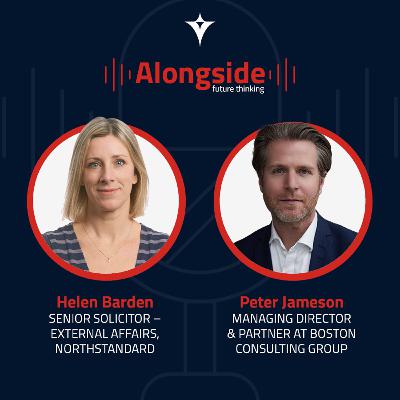
In the final episode of the debarbonisation Future Thinking mini-series, Helen Barden is joined by Peter Jameson, Managing Director at Boston Consulting Group. They discuss holistic sustainability in the maritime industry, including economic sustainability, ESG factors, and the influence of global geopolitical factors on maritime decarbonisation. Peter offers insights on how companies can begin their sustainability journey, emphasizing collaboration, smart diversification, and strong leadership.Highlights:00:00 Introduction to Future Thinking Mini Series00:45 Meet Peter Jameson: Maritime Decarbonization Expert01:56 Defining Sustainability in the Maritime Industry04:37 Current State of Sustainability in Shipping07:15 Geopolitical Influences on Maritime Decarbonization12:47 Navigating Trade Disruptions and Future Fuels16:41 Top Tips for Companies to Enhance Sustainability19:54 Conclusion and Final Thoughts
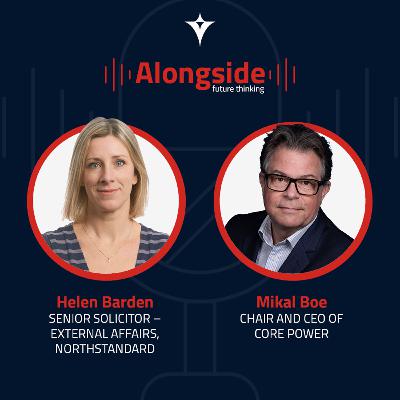
In this penultimate episode of the Future Thinking mini-series by North Standard, host Helen Barden is joined by Mikal Boe, Chair and CEO of CorePower, to discuss the role of scalable new nuclear power technology in maritime decarbonization. They delve into the potential of nuclear power to significantly reduce greenhouse gas emissions in the shipping industry, the challenges of integrating this technology, and the necessary changes in regulatory frameworks and public perception. The conversation covers the competitive costs of nuclear-powered ships, the importance of commercial insurability, and the future operational models of nuclear-powered maritime vessels.Highlights:00:00 Introduction to Future Thinking Series00:21 Guest Introduction: Mikal Boe of CorePower00:49 The Role of Nuclear in Maritime Decarbonisation01:54 Challenges and Technological Developments05:44 Commercial Viability and Cost Analysis11:21 Public Perception and Regulatory Landscape21:20 Future of Nuclear-Powered Ships25:39 Conclusion and Next Episode Preview
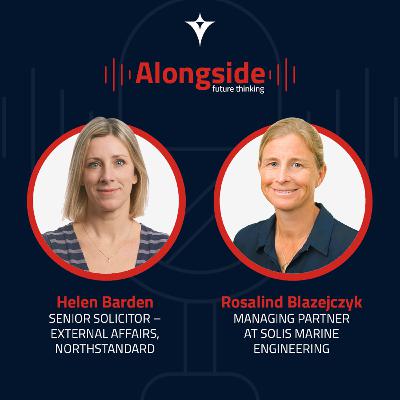
In this episode of Future Thinking, Helen Barden talks to Ros Blazejczyk, Managing Partner at Solis Marine, about ship decarbonization efforts in the maritime industry. Ros details Solis Marine's projects involving ammonia as a marine fuel, including retrofitting and new build options, and discusses the various challenges and safety considerations associated with implementing new fuel technologies on existing vessels. They also touch on the broader implications for ship design, safety regulations, and the economics of retrofitting versus new builds.Highlights:00:00 Introduction to Future Thinking Miniseries00:25 Guest Introduction: Ros Blazejczyk from Solis Marine00:39 Solis Marine: Background and Services01:46 Ammonia as a Future Fuel for Shipping03:31 Challenges of Retrofitting vs. New Builds07:01 Energy Density and Fuel Storage Issues09:38 Hybrid Systems and Future-Proofing Designs11:39 Safety Considerations in Ship Design15:42 Regulatory Challenges and Cost Implications20:06 Retrofitting Ships for Decarbonization22:27 Conclusion and Next Episode Preview
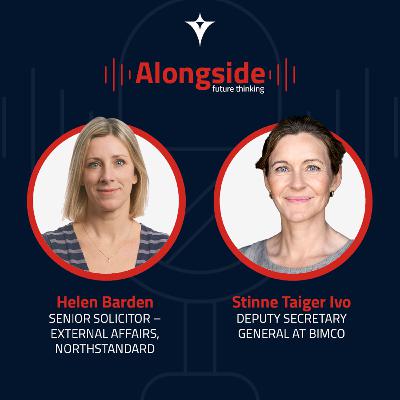
In this episode of the Future Thinking decarbonisation mini-series from NorthStandard, Helen Barden is joined by Stinne Taiger Ivo, Deputy Secretary General at BIMCO. They delve into the complexities of maritime decarbonisation and discuss how BIMCO aids the industry with regulations, contracts and clauses. They also explore the challenges of implementing the Carbon Intensity Indicator regulations and the progress made in fostering better data sharing and operational efficiency between ship owners and charterers. They also look at the broader regulatory landscape impacting maritime decarbonisation.Highlights:00:00 Introduction to Future Thinking Miniseries00:18 Guest Introduction: Steena Taiger Ivo from BIMCO01:08 BIMCO's Role in Maritime Decarbonisation03:30 Challenges with CII Regulations08:08 Data Collection and Energy Efficiency Clauses12:11 Fuel EU Maritime Regulation21:26 Future Clauses and Industry Needs24:46 Conclusion and Upcoming Episodes
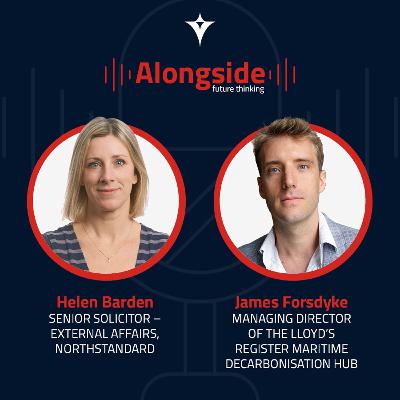
In this episode of Future Thinking from NorthStandard, Helen Barden is joined by James Forsdyke, Managing Director of the Lloyds Register Maritime Decarbonisation Hub. They discuss the establishment and objectives of the hub, its focus on advancing safety and risk management for future maritime fuels, and the importance of engaging industry partners in the transition towards decarbonisation. They also explore the critical role of human safety in implementing new fuel systems and the need for industry-wide standards to ensure the safety of maritime workers.Highlights:00:00 Introduction to Future Thinking00:28 Meet James Forsdyke: Background and Role00:42 The Maritime Decarbonisation Hub: Structure and Goals02:50 Impact of IMO's Greenhouse Gas Strategy05:01 Addressing Risk and Safety in Future Fuels07:12 Human-Centric Safety in Maritime12:40 Learning from Other Industries15:31 Collaborative Efforts for Safety Standards17:26 Conclusion and Next Episode Preview
In this second episode in the 'Taking on tomorrow together' series, NorthStandard Managing Directors Jeremy Grose and Paul Jennings look at the financial results for the first year of the merger. They also discuss the accident in Baltimore Harbour involving the Dali, and the impact on shipping of such a high profile incident. Plus they look ahead to the next year and beyond for NorthStandard, and some of the work being carried out in External Affairs and digitisation.Highlights:00:00 Introduction and Episode Overview00:43 Discussing the Baltimore Bridge Incident02:59 Financial Results and Achievements04:31 Specialty and Blue Water Business Performance05:10 Global Context and Future Objectives06:12 Building NorthStandard's Culture11:09 Sustainability and Customer Experience13:40 Conclusion and Final ThoughtsPlease note: this episode was recorded on May 16th 2024.
In this episode we speak to a company at the heart of a major operation to transfer more than a million barrels of oil from a decaying floating storage and offloading unit (FSO) off the coast of Yemen.The operation to remove the oil from the FSO Safer was sanctioned by the United Nations and took place to prevent a major environmental disaster. It meant months of planning, as well as negotiations with the local Houthi leaders, to ensure the transfer could take place safely.A team from SMIT Salvage, part of Boskalis, led the operation. We hear from Operations Manager Paul Van ‘t Hof and Robert Meijer, who is Manager of Projects, who were both in Yemen as the transfer took place. We are also joined by Joseph Divis, Underwriting Director, Offshore & Renewables at NorthStandard, to look at how NorthStandard helped ensure this operation could take place.Highlights:01:52 North Standard's Role and Relationship with Smit Salvage03:03 Challenges and Complexities of the FSO Safer Project04:45 Security Concerns in a War Zone06:01 Multi-Agency Coordination and Approval09:27 Personal Reflections and Safety Measures13:30 Technical Aspects of the Oil Transfer Operation15:00 Execution and Completion of the Operation18:42 Lessons Learned and Final Thoughts
‘Taking on tomorrow, together’ is a special mini-series within NorthStandard’s ‘Alongside’ podcast. In this episode, NorthStandard Managing Directors Jeremy Grose and Paul Jennings talk about the recent merger, review some of the achievements from NorthStandard’s first year (including recent renewal results) and look ahead to the next year and beyond. Highlights:00:40 Reflecting on NorthStandard's First Year03:14 Key Milestones and Achievements04:18 Renewal Results and Financial Outlook05:14 Industry Reactions and Challenges09:44 Adapting to Global Events12:20 Geographical Expansion and New Initiatives14:55 Corporate Social Responsibility and Sustainability17:09 Looking Ahead: Future Goals and VisionPlease note: this episode was recorded just a few days before the P&I renewal date of 20 February 2024.
In this episode of the Alongside: Future Thinking mini-series from NorthStandard, Mike Salthouse is joined by Brendan Moore, CEO of SynMax. SynMax is a Houston-based satellite analytics and intelligence company which uses its latest technology to track vessels that turn off the Automatic Identification System (AIS). Mike and Brendan discuss the challenges facing authorities in tracking and countering efforts by vessels to avoid detection. Highlights:00:33 Challenges in Sanctions Enforcement02:26 Evolving Tactics in Maritime Sanctions03:47 State-Level Spoofing and Advanced Evasion Techniques06:15 Government vs. Commercial Capabilities09:00 Future Technological Developments09:44 Red Flags in Sanctions Breaking11:19 Collaboration Between Governments and Industry
In this episode of Future Thinking, Mike Salthouse is joined by Olga Dimitrescu, Head of Engagement, Oil Price Cap, at the UK Office of Financial Sanctions Implementation, HM Treasury. They discuss the objectives of the Oil Price Cap, its achievements so far and implications for the shipping industry. They also talk about changes to the attestation process planned to take effect on February 19th 2024.Highlights:01:12 Understanding the Oil Price Cap02:17 Impact and Success of the Oil Price Cap04:08 Future Changes and Compliance05:06 New Attestation Process Explained10:18 Addressing the Parallel Fleet14:29 Compliance Advisory and Final Thoughts
In this episode of the Alongside: Future Thinking mini-series from NorthStandard, Mike Salthouse is joined by David Peyman, who serves as counsel to the world's largest maritime, financial, energy, and pharmaceutical sector actors. David served in the White House under Donald Trump as the State Department's sanctions chief between 2018 and 2020, and was responsible for managing 25 sanctions programs including Iran, Russia, China and Venezuela. Mike and David discuss what a second Trump term might look like for the shipping industry.Highlights:00:15 Meet David Payman: Sanctions Expert00:48 Sanctions Under the Trump Administration02:33 Impact of Sanctions on Iran05:00 Perceptions of the Shipping Industry07:17 Changes Under the Current Administration08:22 What to Expect from a Second Trump Administration11:49 Guidance for the Shipping Industry
In this episode of the Alongside: Future Thinking mini-series from NorthStandard, we look at the crisis in the Red Sea and what the impact will be on shipping in the medium and long term. Mike Salthouse is joined by John Thompson, a former British Army officer who led Security Planning for the Olympic Delivery Authority in the run up to the London Olympics. He is also the co-founder of Ambrey, the largest provider of maritime security services globally. Highlights:01:21 Global Shipping Security Concerns in 202404:20 Aerial Threats and Maritime Security07:53 Ship Owners' Preparedness and Response14:20 The Resurgence of Somali Piracy17:55 Emerging Global Maritime Threats
In this episode we speak to a company at the heart of a major operation to transfer more than a million barrels of oil from a decaying floating storage and offloading unit (FSO) off the coast of Yemen.The operation to remove the oil from the FSO Safer was sanctioned by the United Nations and took place to prevent a major environmental disaster. It meant months of planning, as well as negotiations with the local Houthi leaders, to ensure the transfer could take place safely.A team from SMIT Salvage, part of Boskalis, led the operation. We hear from Operations Manager Paul Van ‘t Hof and Robert Meijer, who is Manager of Projects, who were both in Yemen as the transfer took place. We are also joined by Joseph Divis, Underwriting Director, Offshore & Renewables at NorthStandard, to look at how NorthStandard helped ensure this operation could take place.Highlights:01:52 North Standard's Role and Relationship with Smit Salvage03:03 Challenges and Complexities of the FSO Safer Project04:45 Security Concerns in a War Zone06:01 Multi-Agency Coordination and Approval09:27 Personal Reflections and Safety Measures13:30 Technical Aspects of the Oil Transfer Operation15:00 Execution and Completion of the Operation18:42 Lessons Learned and Final Thoughts

In this episode we look at how the industry calculates risk with regards unexpected disruptions, both in port and at sea.The Strike and Delay Class at NorthStandard insures shipowners and charterers against lost income or profit caused by delays arising from 30 different risks.These include typical P&I and H&M risks, but more relevant for today, the class specialises in force majeure risks - in other words those that are outside the control of companies.That means things such as disease, extreme weather, war, terrorism, labour unrest, strikes, civil disturbance, protest, revolution and supply chain disruption.We talk to Columb Strack, who works with a team looking at some of these risks.He is Head of Global Cargo Risk at S&P Global Market Intelligence, which provides forward-looking actionable intelligence and risk quantification on political and security risks affecting marine and other sectors.Also on the show is Nick Rowe, Head of the Strike & Delay Class of NorthStandard to explain how the company supports its members with regards these areas of risk.Highlights:00:31 Understanding Risk and Insurance Solutions01:16 Expert Insights: Predicting Geopolitical Risks02:42 Impact of the Pandemic and Ukraine War08:04 Focus on Ukraine: Maritime Implications12:54 Middle East and Gulf Region: Geopolitical Risks16:59 Europe: Strike Actions and Economic Challenges19:31 Conclusion and Final Thoughts

Comments

Download from Google Play

Download from App Store
 United States