


Hardiness with Dr Paul Taylor
Subscribed: 599Played: 48,019
Subscribe

© 2026 Paul Taylor
Description
Host Dr Paul Taylor, a Psychophysiologist, Neuroscientist, Exercise Scientist, and Nutritionist interviews experts from around the world on cutting edge research and practices related to improving hardiness in your mind, body and brain to become your best self.
657 Episodes
Reverse
Why do we do things we know we’ll regret? Why is it so hard to pause in the moment… and choose differently? From snapping at someone you care about, to habits you keep falling back into, these split-second decisions can quietly shape the direction of your life. In this episode, Carly unpacks what’s really happening in those moments when the impulse feels stronger than you… and a technique to stop getting pulled under by it.See omnystudio.com/listener for privacy information.
This was a really cool and practical conversation with Dr Pam King, who is a Professor of Applied Development Science and Director of the Thrive Centre. Most of us are chasing happiness, meaning, and purpose, yet many feel lost in a sea of conflicting advice—what if the key is rooted in ancient wisdom wrapped in modern science? In this episode, Dr. Pam King and I explore the profound connection between spirituality, resilience, and thriving through life's hardships. Discover the Thrive Centre’s innovative framework that guides us toward a flourishing life, no matter our beliefs or background. You'll learn practical, research-backed steps to cultivate joy, build resilience, and find a sense of belonging in a fractured world. Key Takeaways The connection between spirituality and psychology The Thrive Centre’s approach to thriving in complex contexts Distinction between religion and spirituality The concept of functional spirituality and its components The role of virtues, habits, and community in well-being Impact of adversity and hardship on personal growth The importance of love, trust, and relationships Practical steps to find purpose and joy in life 00:00 Pam King's Journey: From Faith to Psychology 02:50 The Thrive Centre: Bridging Research and Real Life 05:56 Spirituality vs. Religion: Understanding the Distinction 08:58 Functional Spirituality: A New Approach to Meaning 11:55 The THRIVE Model: Keys to Flourishing 14:56 The Role of Community in Spirituality 17:58 The Crisis of Meaning in Modern Society 20:56 Navigating Purpose in a Secular World 23:52 Finding Joy: Practical Steps to Meaning 27:04 The Importance of Values and Relationships 29:51 Resilience Through Hardship: The Power of Meaning 32:05 Finding Meaning Through Hardship 33:09 The Five Rs of Resilience 39:09 The Role of Relationships in Resilience 42:43 Finding Purpose in Tragedy 46:48 The Power of Gratitude 54:31 The Importance of Love and Connection Resources Podcast: With and For hosted by Dr. Pam King With & For bridges psychology and spiritual wisdom to help you thrive. Hosted by developmental psychologist and ordained minister Dr. Pam King. https://play.megaphone.fm/98lslc0crcc7cpmf21jd3g https://play.megaphone.fm/smnfur3csbexbzu4d8ovza Some other resources from Pam Spiritual Health PDF Secular Age Paper on our website news page Love Centered Religion & Spirituality blog What does Thriving mean? https://www.instagram.com/drpamking/ https://www.linkedin.com/in/pamela-ebstyne-king-1a495ab/ https://thethrivecenter.org/ Support the Podcast If you found this conversation valuable, consider subscribing and leaving a review on your preferred podcast platform. Your feedback helps us continue to bring you insightful discussions on important health topics.See omnystudio.com/listener for privacy information.
See omnystudio.com/listener for privacy information.
Most of us build confidence on outcomes, which means it rises when things go well and drops when they don’t. In this episode, Carly explores a Stoic practice known as the reserve clause, the idea of committing fully to your actions while accepting that the result is not entirely in your control. Drawing on Stoic philosophy, she explains how shifting your focus from outcomes to effort, intention, and how you show up creates a more stable form of confidence. You’ll also hear how practising arete, or excellence of character, allows you to respond well in both success and failure. A simple mindset shift before and after challenges can help you build confidence you can actually rely on, regardless of what happens.See omnystudio.com/listener for privacy information.
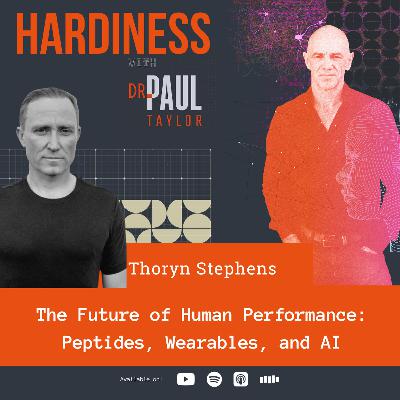
In this episode, I chat with Thoryn Stephens, a data visionary and keynote speaker, about the intersection of human behaviour, biology, and artificial intelligence. Thoryn shares his journey from studying biotechnology and molecular biology to optimising human performance through data science. The discussion delves into the importance of wearable technology in measuring and enhancing personal health metrics, such as heart rate variability and sleep quality. Thoryn emphasises the significance of recovery and Behavioral design in achieving peak performance, whether in athletics or corporate settings. The conversation also explores the potential of AI in advancing healthspan and mindspan, highlighting both the promising and challenging aspects of integrating technology with human biology. Takeaways Wearable biometrics and HRV measurement accuracy The role of peptides in health and longevity Behavioral design for health and performance AI and brain-computer interfaces in medicine Strategies for preventing dementia and neurodegeneration 03:06 The Intersection of Data Science and Human Performance 05:57 Wearable Technology and Health Metrics 09:03 Balancing Performance and Recovery 11:55 Micro and Macro Recovery Strategies 15:04 Understanding Lifespan, Healthspan, and Mindspan 18:04 AI's Role in Health and Recovery 20:57 Personal Recovery Experiences and Insights 23:55 The Impact of Genetics and Lifestyle on Health 24:58 Understanding Dementia and Its Prevention 26:28 Personalised Health Protocols and AI Integration 28:55 The Evolving Landscape of Peptides 30:08 Navigating the Legal Status of Peptides 31:54 The Role of Continuous Monitoring in Health 34:01 Resistance Training and Its Importance 38:02 Behavioral Design for Health Improvement 41:55 The Future of Health Monitoring and AI Resources Connect with Thoryn Stephens: LinkedIn - https://www.linkedin.com/in/thoryn/ Instagram - https://www.instagram.com/ragearea brain.one - https://brain.one/ peptides.one - https://peptides.one/ Galen Buckwalter's Neural Implants - https://caltech.edu/research/neural-interfaces Support the Podcast If you found this conversation valuable, consider subscribing and leaving a review on your preferred podcast platform. Your feedback helps us continue to bring you insightful discussions on important health topics.See omnystudio.com/listener for privacy information.
Here are the links to the research papers mentioned in the podcast: https://pubmed.ncbi.nlm.nih.gov/35187864/ https://pubmed.ncbi.nlm.nih.gov/28698222/ https://pubmed.ncbi.nlm.nih.gov/26817506/ See omnystudio.com/listener for privacy information.
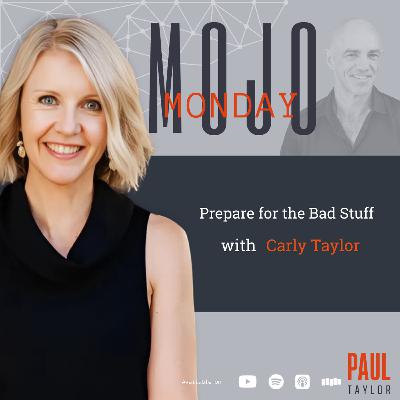
We’ve all had moments where we reacted in ways we later regret. In this episode, Carly explores a simple Stoic idea: you don’t rise to the moment, you fall to the level of your training. Drawing on Seneca’s quote, “If you would not have a man flinch when the crisis comes, train him before it comes,” this episode is about preparing for life’s challenges so you can respond with intention, not reactivity.See omnystudio.com/listener for privacy information.
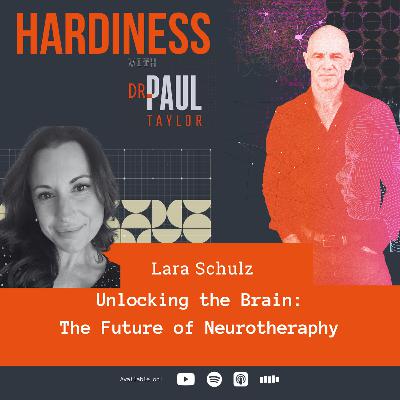
Most of us are missing the true signs of brain health—and it's a costly mistake. In this episode I have a fascinating discussion with neurotherapy pioneer Lara Schulz expose the hidden truth: how advanced brain assessments like EEG and ERP are revolutionising diagnosis and treatment, revealing biological signatures that conventional psychiatry ignores. If you've ever wondered why mental health conditions are expanding without clear biological markers, this episode offers a compelling, science-backed perspective—plus a glimpse into the future of mental health care rooted in true brain science. You’ll discover how neurotherapy uses precise tools like QEEG, ERP, and AI database comparisons to differentiate between trauma, dementia, and psychiatric diagnoses that often are wrongfully assumed. Lara shares real-world stories of uncovering trauma profiles in elderly patients mistaken for neurodegenerative diseases—and how targeted neurostimulation can rewire the brain without drugs. Learn about the cutting-edge protocols involving transcranial stimulation, vagus nerve therapy, and light modulation that are transforming recovery in depression, PTSD, ADHD, and autism. Takeaways Insights from Brain Signatures Disrupt Diagnosis The Deep Dive Into Psychophysiology is Essential Trauma’s Lasting Biological Imprint Requires Psychophysiological Intervention Brain-Heart Communication Is a Two-Way Street Moving from Sledgehammer to Gentle Brain Reset Approaches The Future Requires Brain Assessment in Every System The Paradigm Shift from Diagnosis to Functional Brain Optimisation 00:00 Understanding Neurotherapy: A New Approach to Mental Health 02:57 The Role of Psychophysiology in Diagnosis 05:57 The Impact of Trauma on Mental Health 09:06 The Importance of Childhood Experiences 12:08 Assessment Tools in Neurotherapy 18:59 Intervention Techniques in Neurotherapy 28:29 Understanding Brain Responses to Treatment 29:08 ADHD: A Growing Concern 30:40 The Impact of Lifestyle on Mental Health 33:42 Building Foundations for Mental Health 35:00 Identifying Biological Signatures in Autism 37:01 Transformative Success Stories in Treatment 40:23 The Role of Educators in Diagnosing ADHD 42:30 The Future of Brain Assessment in Schools 48:37 The Importance of Understanding Patient History 50:34 Integrating Different Therapeutic Approaches 55:24 Expanding Access to Neurostimulation Therapy Resources Connect with Lara Schulz: https://www.ncau.com.au/ https://www.instagram.com/neurotherapy_clinics_australia/ https://www.facebook.com/people/Neurotherapy-Clinics-Australia/61560817288119/ https://www.ncau.com.au/blog/ https://www.linkedin.com/in/lara-s-32420bb/ https://www.neurofieldneurotherapy.com/ - Dr Nicholas Dorgis & Dr Tiff Thompson https://fherehab.com/ ANSA Conference, Gold Coast 12-13 September 2026: https://appliedneuroscience.org.au/event-6569067 School of Neurotherapy Bootcamp 14-18 September 2026: https://www.schoolofneurotherapy.com/australia-bootcamp-training-september-2026 Support the Podcast If you found this conversation valuable, consider subscribing and leaving a review on your preferred podcast platform. Your feedback helps us continue to bring you insightful discussions on important health topics.See omnystudio.com/listener for privacy information.
See omnystudio.com/listener for privacy information.

In this episode, Carly shares the story of the Chinese farmer, made popular by Alan Watts, to explore how quickly we label life’s events as “good” or “bad.” When something happens, we often jump to conclusions and attach meaning straight away, reacting as if we already know how it will turn out. But the reality is, we rarely have the full picture. This episode is a reminder to create a pause between what happens and the story we tell ourselves about it. Instead of reacting instantly, try holding your interpretation more lightly. A simple shift in perspective that can change how you move through your week.See omnystudio.com/listener for privacy information.
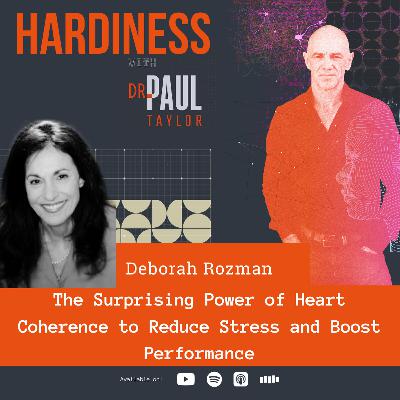
In this episode, I chat with Deborah Rozman and we discuss the fascinating topic of heart rate variability (HRV) and heart coherence. Deborah shares her journey from a young age, driven by a desire to serve and understand human attitudes, leading her to become a behavioural psychologist. She explains how her work with HeartMath Institute focuses on the connection between the heart and brain, emphasising the importance of HRV as a reflection of emotional states and overall health. We delve into the science behind HRV, explaining how it reflects the interaction between the sympathetic and parasympathetic nervous systems. We discuss the concept of heart coherence, where the heart's rhythm becomes synchronized, promoting optimal performance, emotional balance, and resilience. Deborah highlights the role of positive emotions like gratitude and love in achieving coherence, which can be measured using biofeedback devices. Key Takeaways The role of heart rate variability (HRV) in health and emotional flexibility How heart coherence influences stress, decision-making, and resilience The two-way communication between the heart and the brain Techniques to improve heart coherence without equipment The future of wearable technology and biofeedback for emotional regulation How positive emotions like gratitude and love recalibrate autonomic nervous system balance 00:30 - Deborah's background in child psychology and heart science origin story02:22 - The development of biofeedback tools and understanding emotional states through HRV04:56 - Deep dive into what heart rate variability is and its importance for health06:26 - The influence of the autonomic nervous system on HRV and health07:48 - Patterns of HRV and what they reveal about emotional and physical resilience09:23 - The impact of emotions on HRV and the 1995 cardiology study findings10:56 - Heart's intrinsic nervous system and its role in emotion regulation12:34 - The significance of positive emotions in heart coherence and health13:14 - Using biofeedback devices to manage stress and induce coherence15:03 - The bidirectional interaction between brain and heart during coherence states16:41 - The heart's "little brain" and its independent functioning17:52 - How stress and trauma cause autonomic dysregulation and ways to restore balance22:09 - The concept of flow, coherence, and optimal performance states24:28 - Brainwave patterns associated with heart coherence, especially alpha waves27:31 - How coherence enhances intuitive, creative, and decision-making abilities30:32 - Practical techniques for improving coherence without devices, focusing on positive emotions and breathing33:01 - Resilience versus stress management, building energy capacity for life's challenges34:22 - Simple coherence exercises anyone can do, even without biofeedback tools38:01 - The promising future of research, wearable tech, and global heart coherence initiatives Resources & Links: HeartMath Institute HeartMath Techniques HeartMath App Peer-reviewed research on HRV and emotional health How to Practice Heart Coherence (Free Techniques) Connect with Deborah Rozman: LinkedIn Twitter Support the Podcast If you found this conversation valuable, consider subscribing and leaving a review on your preferred podcast platform. Your feedback helps us continue to bring you insightful discussions on important health topics. See omnystudio.com/listener for privacy information.
See omnystudio.com/listener for privacy information.
A repeat episode from a couple of years ago.See omnystudio.com/listener for privacy information.
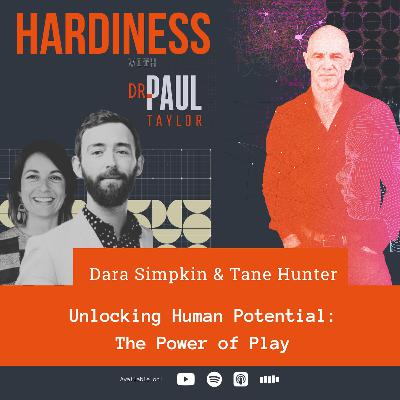
In this conversation, I speak with Dara Simkin, and Tane Hunter to explore the complexities of burnout, the impact of modern work conditions, and the importance of play and curiosity in fostering mental health. They discuss the concept of achievement syndrome, the role of information diet in shaping our perspectives, and practical strategies for improvement. The discussion emphasises the need for intelligent optimism and the significance of creating supportive environments for personal and professional growth. Key Takeaways: Burnout is a systemic issue that requires a granular approach. Achievement syndrome leads to a slow slide towards burnout. Modern work conditions contribute significantly to stress and burnout. An information diet is crucial for mental well-being. Hope and intelligent optimism are essential for resilience. Play and curiosity can enhance creativity and innovation. Philosophy can help in understanding and reframing our thoughts. Challenging assumptions is vital for personal growth. Creating supportive environments can improve mental health. Micro practices can lead to significant changes in work culture. 04:16 The Importance of Play in Professional Life 10:22 Understanding Burnout and Achievement Syndrome 15:20 VUCA World: Navigating Uncertainty and Stress 21:43 The Impact of Conditions on Capacity and Capability 24:39 Strategies for Managing Information Diet and Negativity 30:26 Seeking Solutions in a Negative World 32:45 The Power of Attention and Control 39:20 The Neurobiology of Hard Work 44:32 Building Resilience Through Play and Curiosity 52:42 The Role of Hope and Optimism 01:00:14 Challenging Assumptions and Applied Philosophy Resources Full Stack Human: https://www.culturehero.co/full-stack-human-book Connect with Dara: https://www.instagram.com/culturehero.co/?hl=en https://www.linkedin.com/in/dara-simkin-culture-hero/ https://open.spotify.com/playlist/ https://www.youtube.com/channel/UCB-Dw-uVuEYCL1xn69-i_2w/videos Connect with Tane: https://www.instagram.com/futurecrunch/ https://www.facebook.com/futurecrunch/ https://www.linkedin.com/company/future-crunch/?originalSubdomain=au https://www.youtube.com/@futurecrunch Support the Podcast If you found this conversation valuable, consider subscribing and leaving a review on your preferred podcast platform. Your feedback helps us continue to bring you insightful discussions on important health topics.See omnystudio.com/listener for privacy information.
This week I discuss a fascinating research paper that changes how we think about salt and blood pressure.See omnystudio.com/listener for privacy information.
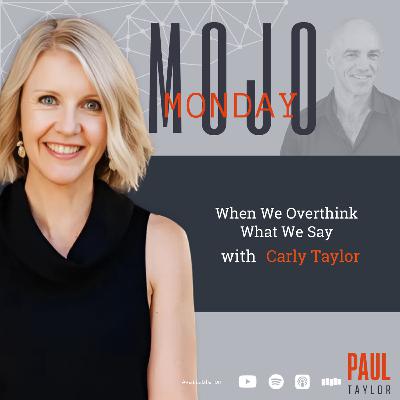
This week on Mojo Monday, Carly explores something many of us experience: replaying conversations in our minds and wondering if we said the right thing. Why do social interactions sometimes leave us doubting ourselves? Carly reflects on the quiet pressure we often place on ourselves to be interesting, articulate, or insightful in conversations, and how that pressure can fuel our inner critic. Drawing on ideas from Japanese psychology, particularly Morita therapy, she shares a simple shift that can help conversations feel more natural: moving our attention away from how we’re performing and toward genuine curiosity and presence with the person in front of us.See omnystudio.com/listener for privacy information.
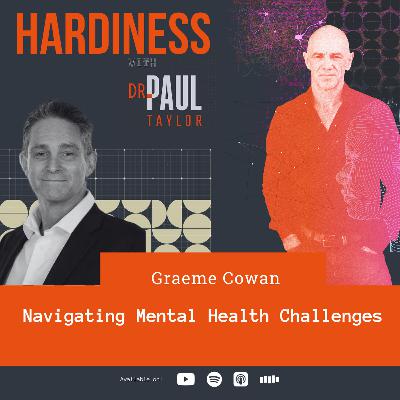
In this conversation, Graeme Cowan shares his personal journey through mental health challenges and discusses the importance of mental well-being in the workplace. He highlights the impact of stress and burnout, the role of leadership in fostering psychological safety, and practical strategies for self-care and mindset shifts. Graeme emphasises the interconnectedness of mental and physical health and provides actionable insights for individuals and leaders to create a supportive work environment. Takeaways Graeme Cowan experienced severe depression after a business downturn. The impact of mental health extends to loved ones, not just the individual. Workplace programs can leverage large numbers of participants for mental health awareness. Storytelling is a powerful tool in mental health advocacy. Many managers experience severe stress, affecting team engagement. Psychological safety is crucial for team performance and innovation. Self-compassion can enhance resilience and risk-taking. A growth mindset encourages continuous learning and improvement. Intentional actions significantly influence our mood and well-being. Building supportive relationships is essential for mental health. 00:00 The Journey to Mental Health Awareness 11:00 Understanding Workplace Stress and Burnout 17:00 Leadership and Psychological Safety in the Workplace 22:35 The Origins of Team Effectiveness 27:32 Mindset and Self-Compassion 33:14 The Great Leaders Care Mindset 43:40 Practical Steps for Individuals and Teams Resources Graeme Cowan’s latest book; Great Leaders Care Weblink: https://graemecowan.com.au/ LinkedIn: https://www.linkedin.com/in/graemecowan1/ Instagram: https://www.instagram.com/graemecowan/ Support the Podcast If you found this conversation valuable, consider subscribing and leaving a review on your preferred podcast platform. Your feedback helps us continue to bring you insightful discussions on important health topics. See omnystudio.com/listener for privacy information.
See omnystudio.com/listener for privacy information.
Do you ever shrink yourself because someone else seems further ahead, more confident, fitter, happier, or more successful? In this episode of Mojo Monday, Carly explores the psychology behind comparison and the idea of an inferiority complex through the lens of Hardiness. Rather than trying to stop comparing, she explains why it’s a normal human response and how the real power lies in how we interpret it. When comparison is seen as a threat, we withdraw. When it’s viewed as a challenge, we move into action. This episode is a practical reminder to shift your focus to what’s in your control and take one small step forward, even when discomfort is present.See omnystudio.com/listener for privacy information.
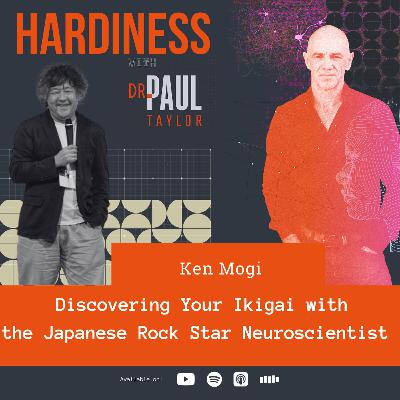
This is a repeat episode with the rock star, neuroscientist Ken Mogi as I felt it was so good, I’m playing it again! We discuss the concept of Ikigai, which translates to 'a reason to live.' Ken explains how Ikigai encompasses more than just work, emphasising the importance of starting small, releasing oneself to achieve flow, and finding joy in little things. Ken outlines the five pillars of Ikigai, which include harmony and sustainability, and the significance of being present in the moment. He encourages listeners to reconnect with their inner child to discover their Ikigai and live a fulfilling life. Timestamps: 04:00 Understanding Ikigai: More Than Just Work 07:56 The Five Pillars of Ikigai: Starting Small 14:52 Releasing Yourself: The Flow State Connection 28:05 Harmony and Sustainability in Life 34:59 The Joy of Little Things 40:48 Being in the Here and Now 53:00 Final Thoughts on Finding Your Ikigai Resources Connected with Ken Mogi Books Think Like a Stoic The Little Book of Ikigai https://www.instagram.com/qualiaken/?hl=en https://x.com/kenmogi?lang=en Support the Podcast If you found this conversation valuable, consider subscribing and leaving a review on your preferred podcast platform. Your feedback helps us continue to bring you insightful discussions on important health topics. See omnystudio.com/listener for privacy information.


Download from Google Play

Download from App Store
 United States
Brilliant episode. Thank you!