


 Claim Ownership
Wandering DMs
Subscribed: 24Played: 1,740
Subscribe

© 2025 Wandering DMs
Description
Dan "Delta" Collins and Paul Siegel host weekly discussions on topics relating to old school D&D, tabletop RPGs, DM advice, and D&D history.
406 Episodes
Reverse

Dan and Paul discuss the role of pets and animal companions in tabletop RPGs. What makes them fun additions to a character and a campaign? How should Dungeon Masters handle their abilities, vulnerabilities, and contributions to the adventure? When do familiars and animal companions become an interesting part of the game, and when do they become a mechanical headache or a narrative distraction?
We'll talk about scouting, combat, roleplaying, player attachment, the challenges of keeping animals alive in dangerous adventures, and the sometimes-unexpected complications of letting the party bring a menagerie along on every expedition.

Paul & Dan have a post-Halloween retrospective on using disguises and surprising reveals in games of D&D. How much do classic mechanics support that? Do you need to seed opportunities in advance for your adventures? And what about when a character's entire story has been setup for a heel-turn?
Dan and Paul celebrate Halloween with a look at two of fantasy gaming’s most enduring monsters: skeletons and zombies! What makes skeletons and zombies distinct as monsters? How have they evolved across editions of Dungeons & Dragons? What roles do they play in dungeon design, horror, and fantasy adventure? And how can a DM make even the most familiar undead frightening - or fun - again?
Join us for a Halloween discussion of the undead classics: the rattling bones and walking corpses that just won’t stay buried.
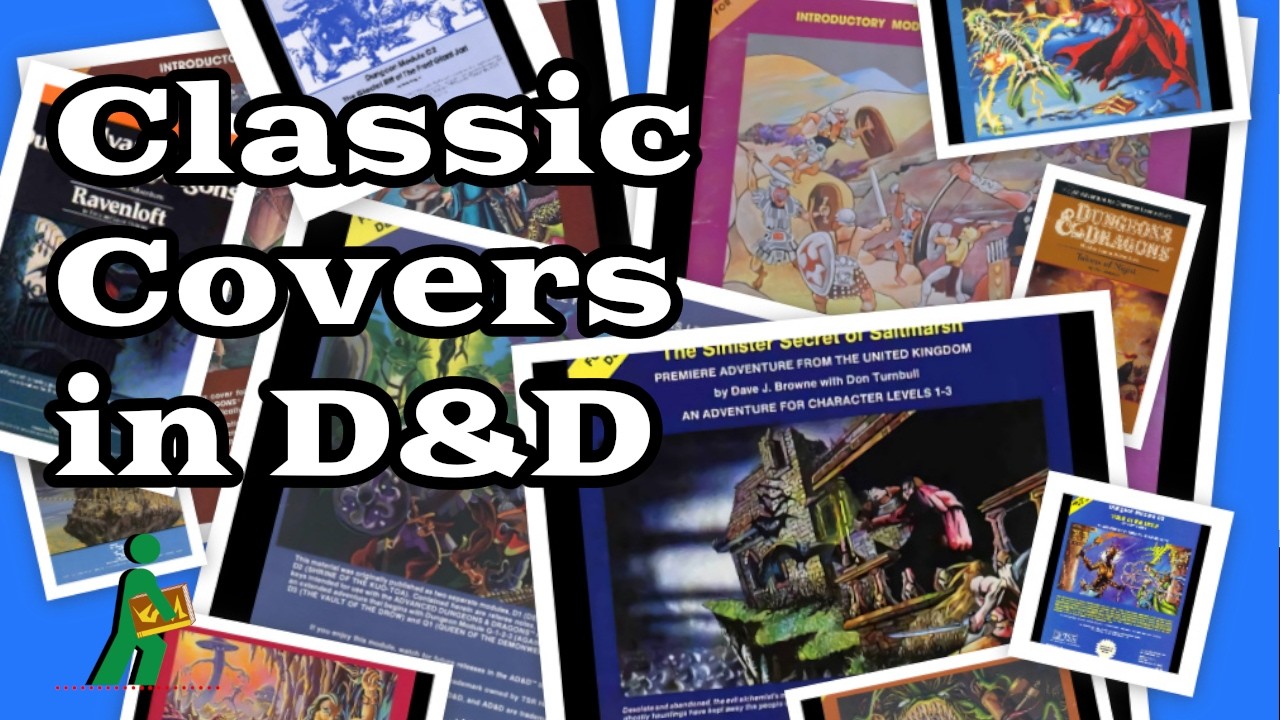
Dan & Paul look back to our favorite covers in classic D&D modules. What makes for a great cover? How well do they balance the tension between showing the most exciting content versus giving away too much of the surprise? Do covers matter in the online streaming environment today?

Paul and Dan chat about Fatigue rules in D&D and other RPG's. It was a key part of the Chainmail progenitor to D&D, and also an important mechanic in modern 5E rules. But it was absent or overlooked in classic rulesets like AD&D and B/X. Doesn't movement and encumbrance make sense without it? Is it too exhausting to track? Or is there some better way?

Comments

Download from Google Play

Download from App Store
 United States