


 Claim Ownership
The Prospect Podcast
Subscribed: 869Played: 32,971
Subscribe

© Prospect Magazine
Description
Join our deputy editor Ellen Halliday and senior editor Alona Ferber as they interview some of the brightest minds to discuss the ideas that matter most in politics, society and culture.
The Prospect Podcast is produced by Prospect Magazine.
Subscribe to Prospect and enjoy our rigorously fact-checked, truly independent analysis and perspectives. Get one free issue of Prospect when you sign up today: https://subscription.prospectmagazine.co.uk/OCT1MFBG/prospect-magazine/OCT1MFG
Hosted on Acast. See acast.com/privacy for more information.
467 Episodes
Reverse
Is capitalism inevitable? This week, Prospect contributing editor Tom Clark is joined by Sven Beckert, Harvard professor and author of Capitalism: A Global History.Sven discusses the evolution of capitalism, from its development by Arab, African and Chinese traders, to its place in the modern western nation states of today. He argues that the economic system that rules our lives is a man-made one, which can be shaped and reshaped depending on political and economic will.The pair also discuss the prospects for working people in an era in which AI threatens to make many redundant, and whether rising authoritarianism in wealthy democracies like the US is linked to its economic system.And they explore the achievements and injustices of modern capitalism—its complicated history of growth and poverty reduction, alongside coercion and violence.To read Tom’s review of ‘Capitalism: A Global History’, click here Hosted on Acast. See acast.com/privacy for more information.
The Gorton and Denton byelection was a sensation for the Greens—and it hurt Labour’s pride. With the May elections approaching, the UK’s governing party looks set for a beating. But what about Reform?Peter Kellner, former director of polling company YouGov, joins Ellen and Alona on the podcast to discuss how Labour and its competition are faring. After coming second in Gorton and Denton, Reform may have actually peaked, Peter argues.Plus, Kellner has met every Labour leader since Harold Wilson, and shares both his favourite anecdotes and the lessons he thinks the party’s next leader needs to know.For more political coverage from Prospect visit our website. Hosted on Acast. See acast.com/privacy for more information.
This month, Gen Z-er Alice Garnett commands her peers to get down to the pub, while Rural life writer Kiran Sidhu recounts the mystery disappearance of a statue from her neighbouring village. Actor and writer Sheila Hancock celebrates television adverts, while Vitali Vitaliev cherishes the small things in life. Hosted on Acast. See acast.com/privacy for more information.
Donald Trump said the Iran war was “very complete”—but is it? Renad Mansour, a senior research fellow in the Middle East and North Africa Programme at the Chatham House thinktank, joins Ellen and Alona to make sense of the latest from Iran.As US-Israeli strikes continue, Mansour explains that Washington might not have control over the conflict’s end and Iran is prepared for the long haul. He also explains how the Iranian regime has survived multiple “decapitation” attempts, and what the choice of new Supreme Leader indicates about the future.To read more coverage of the conflict, visit prospectmagazine.co.uk Hosted on Acast. See acast.com/privacy for more information.
This week, Ellen is joined by journalist David Aaronovitch, who warns about the extreme wealth and unaccountable power of America’s new elite.From John D Rockefeller to Jeff Bezos, David explores the parallels between the “robber barons” of the late 19th century and today’s tech titans. He argues that the US is experiencing a second Gilded Age, in which the elite enjoy lavish lifestyles—as well as unchecked power and influence.David also discusses Jeff Bezos’s wedding, the Amazon-produced Melania film, and Donald Trump’s relationship with tech CEOs.In a post-Epstein era, are there means to check this power? And what happens if we can’t?To read David Aaronovitch’s cover essay of the latest magazine, click here. Hosted on Acast. See acast.com/privacy for more information.
This week, Alona is joined by contributing editor Tom Clark and political columnist Ben Ansell to discuss what’s at stake in the upcoming Manchester byelection. With the polls showing a three-way-race between the Greens, Labour and Reform, the area has become a microcosm for wider political trends, with the position of the establishment parties more uncertain than ever.Tom shares the mood in the constituency and what voters are saying on the ground. Ben, Alona and Tom also discuss the possible outcomes, and why many voters have lost faith in the traditional parties.They also analyse the tactical decision to not have Zack Polanski run in the seat, and why losing here could speed up Starmer’s departure. What happens if the Labour stronghold tips?To read Tom’s piece ‘In Gorton and Denton, Labour the Greens blame each other’, click here. Hosted on Acast. See acast.com/privacy for more information.
Ahead of the fourth anniversary of Russia’s full-scale invasion of Ukraine, Ellen and Alona are joined by researcher Maksimas Milta. Maksimas is the Ukraine Country Director at The Reckoning Project, which trains journalists to document war crimes and human rights violations.He talks about the mood in Ukraine as the civilian casualty rate surges—as well as the difficult process of seeking justice: from collecting testimonies from Russian prisoners of war, to working with the media.And as the third round of Ukraine-Russia peace talks take place in Geneva, brokered by the United States, what are Ukrainians hoping for? What does Europe need to do? And will anything change?To read more “What makes a traitor?”, Jen Stout’s piece on The Reckoning Project in Ukraine, click here. Hosted on Acast. See acast.com/privacy for more information.
This week, Ellen and Alona are joined again by Prospect editor and former Labour speechwriter Philip Collins to unpack the government’s ongoing crisis.With Peter Mandelson currently under investigation by the Metropolitan Police, Starmer’s premiership came close to collapse. He appears to have clung on for now—but how long can he survive as prime minister? And why, in his moment of peril, did no other contenders for PM come to the fore?Philip discusses what surprised him about Wes Streeting’s WhatsApp messages to Mandelson, and whether the departure of Morgan McSweeney from 10 Downing Street will have any impact on the government’s direction. He also analyses the implications of Scottish Labour leader Anas Sarwar’s call for Starmer to resign. Will it harm his chances in the upcoming Holyrood elections?Plus, beyond Mandelson, they explore whether political culture is now too close to money—and if politicians, in general, are too vulnerable to the wealthy. Hosted on Acast. See acast.com/privacy for more information.
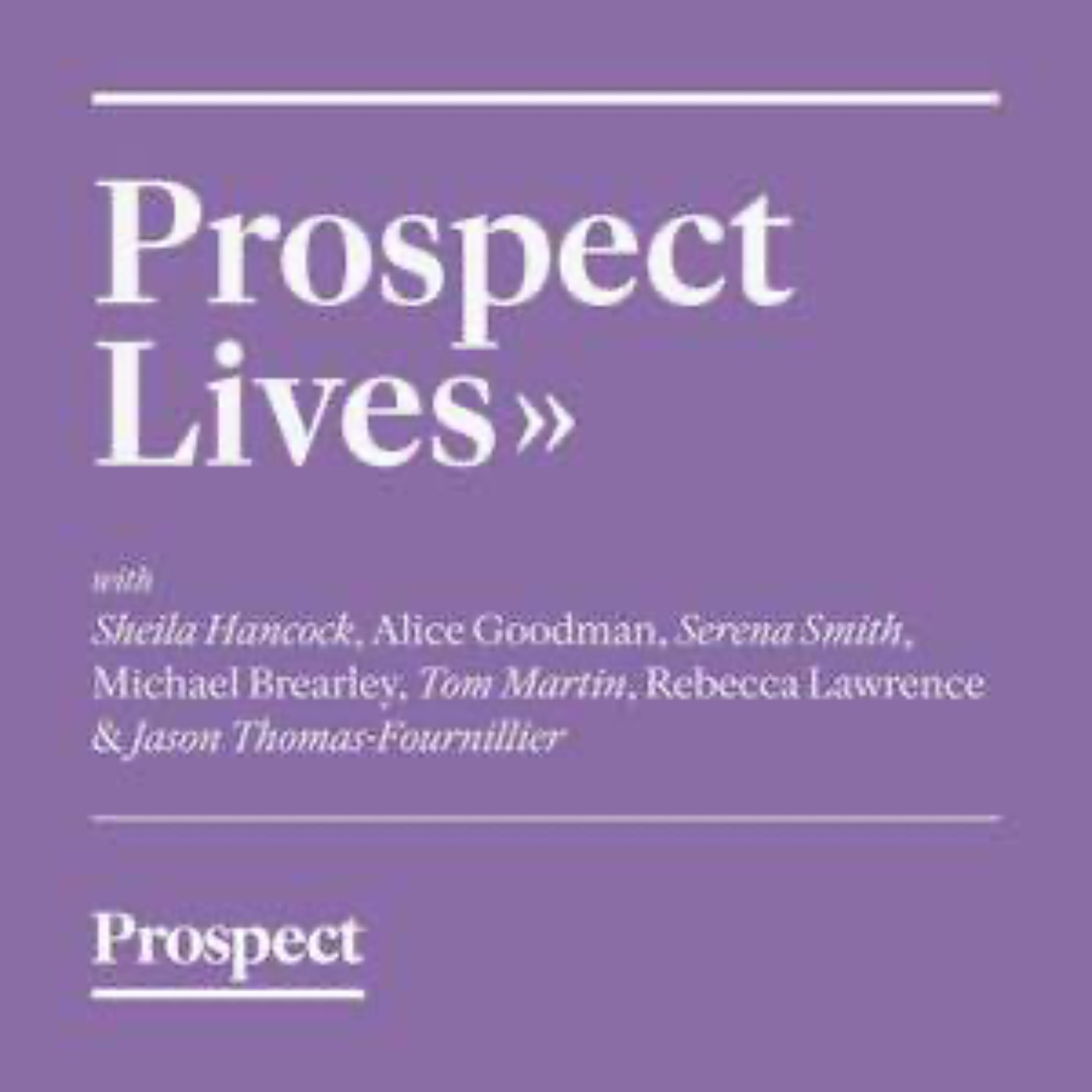
This month, Anglican priest Alice Goodman observes that Jesus would not be considered manly enough by today's far-right, while actor and writer Sheila Hancock ditches The Traitors in favour of a programme about Irish dancing. Sarah Collins, who lives with OCD, faces a collapse in her emotional geography after a year of travel, while Kiran Sidhu swaps The News at Ten for Postman Pat. Hosted on Acast. See acast.com/privacy for more information.
More of the Epstein files have been released—but why now, and what do they really tell us? This week, Ellen and Alona are joined by investigative journalist Peter Geoghegan, editor of the Democracy for Sale newsletter, to unpack what the documents reveal about power, money and impunity.Peter discusses the ways powerful figures protect themselves, and the latest political fallout in Britain—from renewed scrutiny of Andrew Mountbatten-Windsor to Peter Mandelson’s relationship with Jeffrey Epstein.He discusses what shocked him despite his experience investigating corruption, how this story goes to the heart of the British constitution, and why the truth seems stranger than fiction.Peter also explains what this flood of documents means for journalism and truth, as unvetted claims spread rapidly online. And the three discuss the stakes for democracy—and what needs to change. Could this moment finally lead to justice for survivors of abuse? And what else is happening that we don’t know about?This episode contains discussions of exploitation and abuse. Hosted on Acast. See acast.com/privacy for more information.
Britain needs new infrastructure and housing—and devolution could be a help or a hindrance.Will giving a greater say to local communities through devolution increase the legitimacy of infrastructure and housing plans and accelerate their delivery? Or does it add complexity and aid the ‘blockers’ not the builders? This podcast explores the issues, explains how to address the risks and charts an optimistic way forward.Picking up themes from a roundtable on this topic held by Prospect and sponsored by Mott MacDonald at the 2025 Labour party conference, Susan Hinchcliffe, leader of Bradford Council, along with industry experts from United Utilities, SSE and Mott MacDonald, draw on their vast experience to discuss how to harness local knowledge to make sure devolution supports the creation of the 21st century infrastructure and housing that the UK needs. Hosted on Acast. See acast.com/privacy for more information.
Politics in Britain was once dominated by two big parties with predictable voter bases. But times have changed—and for the first time, new parties are on the rise.This week, Ellen and Imaan are joined by Prospect’s new editor Philip Collins, to discuss the breakdown of British politics as we know it. Philip argues that we have entered a new political era—one where the traditional giants of British politics, Labour and the Conservatives, have become hollowed-out “zombies”, ill-equipped to face the challenges of the 21st century.He traces the origins of the party system, the decline of the old tribal loyalties and the rise of Nigel Farage and Reform. How different will politics look in this new world?Plus, inspired by a new section in the magazine, Philip discusses his own cultural “Hinterland”—from his first ever gig to the most overrated artist—and discusses his vision for the new magazine.To read Philip’s cover essay ‘For Labour and the Conservatives, the party is over’, head to prospectmagazine.co.uk or pick up a copy of our new issue, on shelves today. Hosted on Acast. See acast.com/privacy for more information.
A crackdown by the Iranian government has quietened protests that swept across the country in recent weeks, but tensions remain high. This week, Ellen and Alona are joined by Aniseh Bassiri Tabrizi, a Middle East analyst at Control Risks, who dials in from Abu Dhabi to explain how these protests differ from previous rounds of unrest in the country—from the scale of grievances to new geopolitical conditions. Aniseh also discusses Trump’s threat of military intervention from the United States.Plus, if the regime falls, what would Iran’s future look like? Ellen and Alona explore four possible outcomes and talk about the apparent trend of impunity on an international scale.To read more from our website, head to prospectmagazine.co.uk Hosted on Acast. See acast.com/privacy for more information.
This week, Ellen and Alona are joined by Isabel Hilton—former Latin America editor, expert in Arctic security and Prospect contributing editor—to discuss how American foreign policy has evolved under the Trump administration, particularly after the US abduction of Venezuelan president Nicolás Maduro.How different was this from the US’s history of coups and previous military interventions in South America, from Guatemala to Panama? Isabel discusses the region’s history and future, as well as the geopolitical ramifications of US threats to annex Greenland.Why is Greenland so important to the administration? And, with the UK in a vulnerable economic and strategic position, how should it respond to the actions of its closest ally?To read Isabel’s writing for Prospect, click here. Hosted on Acast. See acast.com/privacy for more information.
What hope is there for the future? Global greenhouse gas emissions continue to rise and right-wing populists rage against net zero. But, according to the UK’s climate minister and a leading American environmentalist, though, the economics of electrification will make the future brighter than it first appears. Ed Miliband, secretary of state for energy security and net zero, and Bill McKibben, an environmentalist and author, joined Wolfgang Blau, Prospect editorial board member and cofounder of the Oxford Climate Journalism Network, to discuss political strategies, positive tipping points and the fight that’s still to come.To read an edited transcript of this conversation, which featured on the cover of Prospect’s winter double issue, click here. Hosted on Acast. See acast.com/privacy for more information.
Anglican priest Alice Goodman explains how clerics manage their Christmas “turnaround time’, while Gen Z-er Alice Garnett takes us behind the scenes on a comedy panel show. Vitali Vitaliev is reminded of his first life in Soviet Russia by a museum of banned books in Tallinn, while Sarah Collins cautions against the use of AI therapy. Hosted on Acast. See acast.com/privacy for more information.
In the final podcast of the year, Ellen and Alona look back at their favourite episodes from 2025. During a dark year, Prospect has been collecting glimmers of hope. They asked some of the most interesting thinkers today—from politics, to environment to tech—for their perspectives on hope and optimism. What keeps them fighting for a more just world?Philosopher Slavoj Zizek and broadcaster Mehdi Hasan talk about the merits of pessimism. Human rights lawyer Philippe Sands discusses justice in the age of international impunity, while authoritarianism expert Ruth Ben-Ghiat considers the situation in the US.Poet and writer Robert Macfarlane reflects on preserving nature in a time of destruction. Cory Doctorow and Laura Bates weigh in on transformations in technology and artificial intelligence. Yassmin Abdel-Magied discusses the humanitarianism crisis in Sudan, while Nicola Kelly explores the untold immigration story.Plus, veteran journalist and outgoing Prospect editor Alan Rusbridger joins the podcast to reflect on his journey, his mistakes, and how he feels about the future—including the contentious thing that unexpectedly makes him feel hopeful.You can revisit all our episodes from the past year here. Hosted on Acast. See acast.com/privacy for more information.
Swooning audiences, demon-hunting popstars, and Sydney Sweeney’s jeans—it’s been quite a year for arts and culture. In this week’s special episode, three of Prospect’s critics join books and culture editor Pete Hoskin to chat over eggnog and mince pies.Kate Maltby, Lucy Scholes and Laura Barton encounter the Prospect wheel of fortune and share their recommendations, as well as the cultural moments that defined the rest of the year.Which theatre performance saw audience members fainting in droves? Which cosy reads should you try this Christmas? And is Sydney Sweeney the Republican Taylor Swift? Listen to find out. Hosted on Acast. See acast.com/privacy for more information.
Seven MPs were suspended for rebelling on the two-child benefit limit last year. Now that the government has announced it will lift the policy, what will change? And why was this such a major focus for anti-poverty campaigners?Ellen and Alona are joined by two experts on the subject: journalist and campaigner Terri White and Ruth Patrick, professor in social and public policy at the University of Glasgow. They bust the myths and misconceptions around the policy, and analyse the negative response from the British media on its lifting. How much will it really cost the country?Terri and Ruth explore the policy’s real-life effects on families across the UK and how public discourse has been polluted with misogyny and Islamophobia. They also discuss the ways that communities can come together to implement local solutions—and examine the limit’s most controversial clause.Plus, Ellen and Alona weigh up a Christmassy banger or dud.To read Ruth’s writing on the two-child limit, click here.And to read Terri's piece from the archive ‘Where is your outrage over the two child limit?’, click here. Hosted on Acast. See acast.com/privacy for more information.
This month, Anglican priest Alice Goodman explains why she has mixed feelings about pilgrimages, while Gen Z-er Alice Garnett despairs at the development of AI friends. Sarah Collins contracts a case of burnout, while Kiran Sidhu enters into correspondence with a stranger. Hosted on Acast. See acast.com/privacy for more information.


Download from Google Play

Download from App Store
 United States
Long discussion on fiscal policy and neither mentioned sectorial balance!
the London degree class and it's obsession with refusing England's right to an identity through obtuse pedantry is utterly despicable.