


 Claim Ownership
On the Media
Subscribed: 48,038Played: 1,864,585
Subscribe


© WNYC
Description
On the Media is a weekly show that uses the media as a lens to understand our world. On the Media listeners say the show is an essential companion, helping them survive the firehose of media coming at them 24/7. Hosted by Brooke Gladstone and Micah Loewinger, the show does not do ‘hot takes’, instead offering listeners context, historical parallels, media analysis and often a much appreciated deep exhale. On the Media hosts have an eye on the nuances and details regularly missed by other outlets which helps listeners understand where they should be paying attention (and what they can afford to ignore). Our media diets have untruths woven in, and inconvenient truths left out. These are the bits explored every week at On the Media.
1858 Episodes
Reverse

 1
1The US and Israel have continued a large-scale bombing campaign in Iran, killing over 1,300 civilians. On this week’s On the Media, the far-reaching implications of the Department of Defense’s scrapping of an initiative to protect civilians. Plus, how different corners of the MAGA-verse are metabolizing the Epstein files.
[01:00] Host Brooke Gladstone interviews Wes J. Bryant, a former senior policy advisor at the Pentagon and retired Air Force Master Sergeant, about the civilian protection initiative he was working on for the Department of Defense and the deadly consequences of Secretary Hegseth’s decisions to close it down.
[31:28] Host Micah Loewinger sits down with David Gilbert, a reporter at WIRED covering disinformation and online extremism, to explore how different segments of the right are reacting to the Epstein files, from far-right commentators like Nick Fuentes to Fox News to Qanon conspiracists.
Further reading / watching:
“The U.S. Built a Blueprint to Avoid Civilian War Casualties. Trump Officials Scrapped It,” by Hannah Allam
“MAGA Is Raging Over the Epstein Files. But They’re Not Mad at Donald Trump,” by David Gilbert
On the Media is supported by listeners like you. Support OTM by donating today (https://pledge.wnyc.org/support/otm). Follow our show on Instagram, Twitter and Facebook @onthemedia, and share your thoughts with us by emailing onthemedia@wnyc.org.
Recently a surprising ruling came down from U.S. District Court Judge Royce C. Lamberth. The Reagan-appointed judge found that Kari Lake - (formerly best known as the loser of two state-wide races in Arizona), had acted unlawfully in running the United States Agency for Global Media, the body that oversees Voice of America and the handful of other government-assisted media outlets.
Kari Lake, wrote the judge "satisfies the requirements of neither the statute nor the Constitution," potentially making all of her actions this past year null and void. Lake, who once described herself to a gaggle of reporters as "your worst fricking nightmare" told NPR that she would appeal the ruling.
Last spring February when Lake started slashing and burning the 80-year old service, Micah spoke to Nicole Hemmer, a historian at Vanderbilt University to learn about the history the VOA.
On the Media is supported by listeners like you. Support OTM by donating today (https://pledge.wnyc.org/support/otm). Follow our show on Instagram, Twitter and Facebook @onthemedia, and share your thoughts with us by emailing onthemedia@wnyc.org.
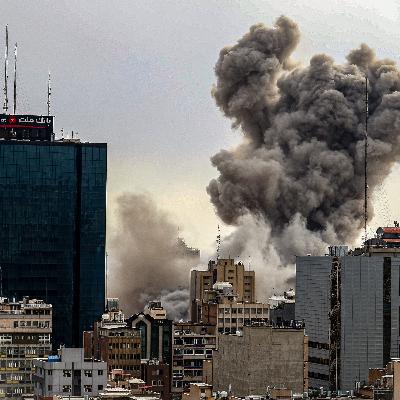
The US military used AI tools for real-time targeting in its strikes on Iran. On this week’s On the Media, what recent conflicts can tell us about AI-powered weapons and the dangerous future of warfare. Plus, lessons on democratic resilience from around the world.
[01:00] Host Brooke Gladstone interviews Siva Vaidhyanathan about how the U.S. military is using artificial intelligence in its strikes on Iran, and what can be gleaned from recent conflicts about the state of AI-powered warfare. Plus, what does accountability for war mean when AI is involved? Brooke also hears from Alan Rozenshtein, Senior Editor at Lawfare, about the Trump administration’s pressure campaign on AI company Anthropic.
[33:45] Brooke sits down with Zack Beauchamp, senior correspondent at Vox, to talk about why he got fed up reporting on “democratic backsliding,” and decided to instead investigate “democratic resilience”— and what lessons exist for Americans around the world.
Further reading / watching:
“Who’s Deciding Where the Bombs Drop in Iran? Maybe Not Even Humans.” by Siva Vaidyanathan
“Congress—Not the Pentagon or Anthropic—Should Set Military AI Rules,” by Alan Z. Rozenshtein
“What the Defense Production Act Can and Can’t Do to Anthropic,” by Alan Z. Rozenshtein
The Reactionary Spirit: How America's Most Insidious Political Tradition Swept the World, by Zack Beauchamp
On the Media is supported by listeners like you. Support OTM by donating today (https://pledge.wnyc.org/support/otm). Follow our show on Instagram, Twitter and Facebook @onthemedia, and share your thoughts with us by emailing onthemedia@wnyc.org.
“To Catch a Predator” aired on television as a segment of NBC’s Dateline in the early 2000's. Men would be lured into talking online to a decoy posing as a child then would show up at a so-called 'sting house' fitted with hidden cameras where the truth of their situation would be revealed.
The show eventually became one of the biggest and most influential true crime shows ever, drawing seven million viewers per episode by its final season in 2007. The main draw? Watching the humiliation of the would-be child predators play out in front of your eyes.
David Osit, is a filmmaker whose recent documentary “Predators,” probes the ugly legacy of the show -- how it blurred the lines between justice and entertainment and what it says about us that we watched it.
On the Media is supported by listeners like you. Support OTM by donating today (https://pledge.wnyc.org/support/otm). Follow our show on Instagram, Twitter and Facebook @onthemedia, and share your thoughts with us by emailing onthemedia@wnyc.org.
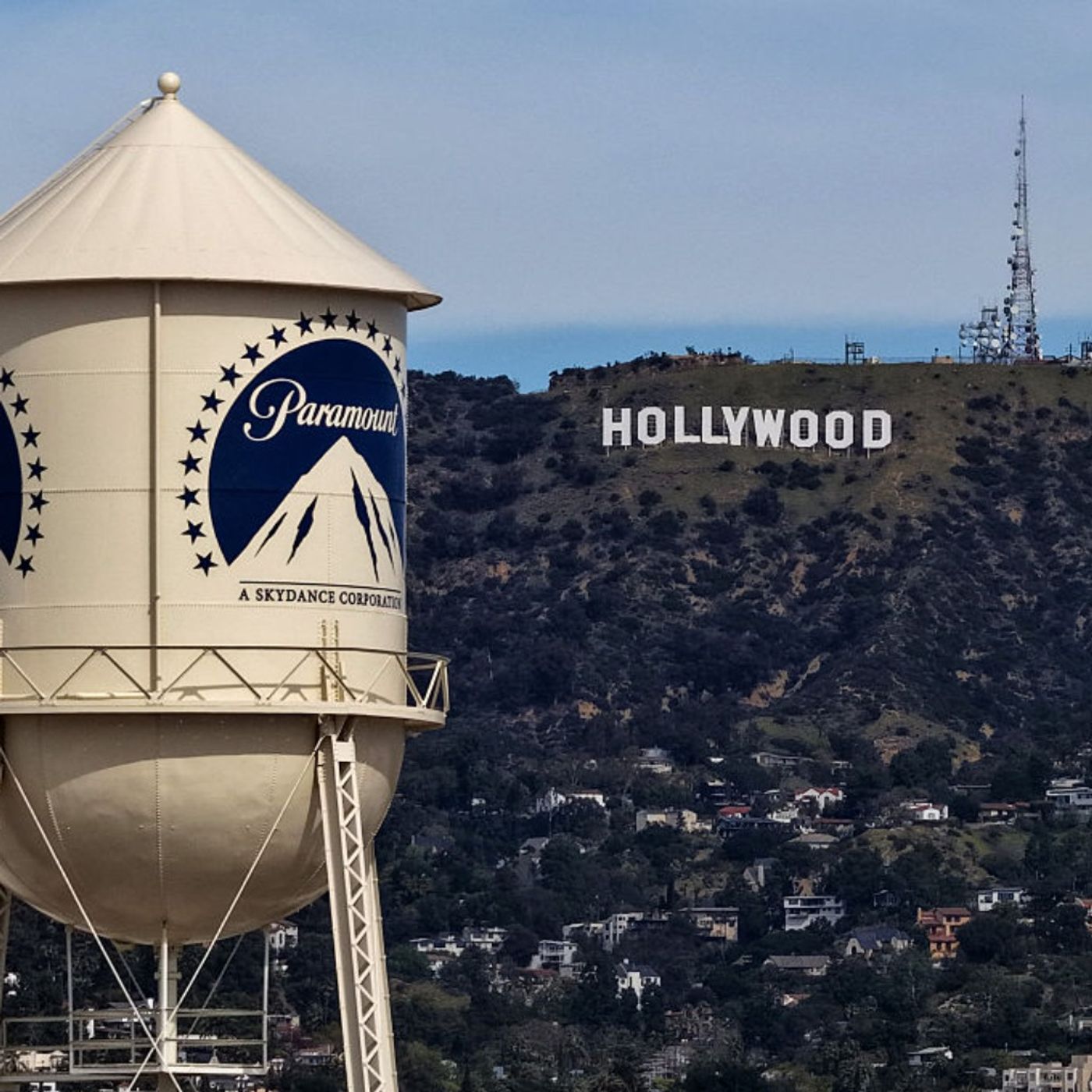
Netflix is backing out of a bid to acquire Warner Brothers Discovery, clearing the way for Paramount to take over. On this week’s On the Media, what happens to journalism and democracy when a tiny group of billionaires are calling the shots. Plus, four years since Russia’s war on Ukraine began, a look at the legacy of the first American reporter who was killed there.
[01:00] Host Micah Loewinger speaks with Victor Pickard, professor of media policy and political economy at the University of Pennsylvania, to discuss why what’s happening at CBS, The Washington Post, and Paramount is simply the latest stage of a phenomena called "media capture," and what we can do to free ourselves from its binds.
[17:58] Micah first sits down with Miriam Berger, a Pulitzer-finalist who spent two years reporting from Israel on the war in Gaza for The Washington Post, to talk about what we’ve lost with the termination of the paper’s Middle East bureau, and then Jodie Ginsberg, CEO of the Committee to Protect Journalists, on why her organization labeled 2025 the most deadly year for the press since it began collecting data–largely due to Israeli forces in Gaza.
[35:49] Micah talks to filmmaker Craig Renaud about his Oscar-nominated documentary, “Armed Only With a Camera,” which is part tribute to his brother, Brent Renaud, the first American journalist to be killed by Russian soldiers while covering the war in Ukraine, and part salute to war journalists who are still reporting and risking their lives.
Further reading / watching:
“The American Media Polycrisis: Cascading Layers of Capture,” by Victor Pickard
“Lack of tents, food and warm clothes leaves Gazans exposed ahead of winter,” by Miriam Berger
“Record 129 press members killed in 2025; Israel responsible for 2/3 of deaths,” by CPJ Staff
Armed Only with a Camera: The Life and Death of Brent Renaud, directed by Craig Renaud and Brent Renaud
On the Media is supported by listeners like you. Support OTM by donating today (https://pledge.wnyc.org/support/otm). Follow our show on Instagram, Twitter and Facebook @onthemedia, and share your thoughts with us by emailing onthemedia@wnyc.org.
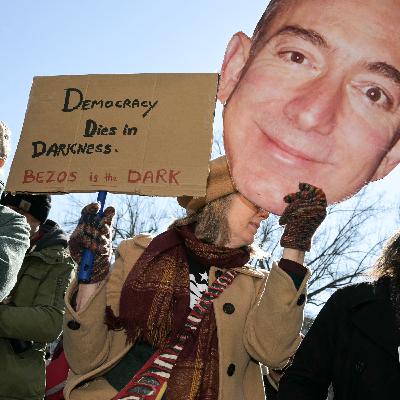
As media empires, from The Washington Post to CBS News, continue to be dealt significant blows, uncertainties abound about the remaining strength of a once robust American press landscape—but media scholars have long questioned how strong our system was to begin with. For this week's podcast extra, Micah sits down with Victor Pickard, professor of media policy and political economy at the University of Pennsylvania, to discuss why what we're seeing now is simply the latest stage of a phenomena called, "media capture," and what we can do to free ourselves from the downward slide.
On the Media is supported by listeners like you. Support OTM by donating today (https://pledge.wnyc.org/support/otm). Follow our show on Instagram, Twitter and Facebook @onthemedia, and share your thoughts with us by emailing onthemedia@wnyc.org.
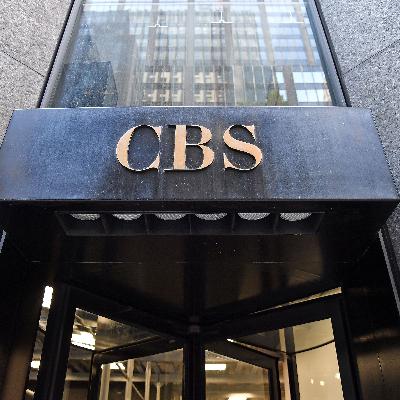
Late night host Stephen Colbert has accused CBS of spiking an interview for fear of backlash from the Federal Communications Commission. On this week’s On the Media, hear about the MAGA movement trying to shift television to the right. Plus, the legal theory that the FCC is using to put pressure on the networks.
[01:00] Host Brooke Gladstone speaks with Jim Rutenberg, writer-at-large for The New York Times, about how Trump’s FCC is reviving a nearly century-old rule to crack down on late-night talk shows. Rutenberg explains why MAGA’s embrace of the FCC’s regulatory powers to go after “liberal bias” in the media signals a shift within the Republican party.
[25:44] Brooke sits down with Daniel Suhr, the president of a legal advocacy group called the Center for American Rights and the architect behind the legal theory that the FCC is using to put pressure on TV networks. They discuss his goal to make network TV look more like the AM radio band.
Further reading / watching:
“How a Century-Old Rule Is Scrambling Late-Night TV,” by Jim Rutenberg
“The MAGA Plan to Take Over TV Is Just Beginning,” by Jim Rutenberg
“The FCC’s Public Notice on ‘Bona Fide News,’” by Daniel Suhr
“The end of an agency,” by Daniel Suhr
“Straight Talk on FCC 'Jawboning'” by Daniel Suhr
The Divided Dial: Episode 3 - The Liberal Bias Boogeyman
On the Media is supported by listeners like you. Support OTM by donating today (https://pledge.wnyc.org/support/otm). Follow our show on Instagram, Twitter and Facebook @onthemedia, and share your thoughts with us by emailing onthemedia@wnyc.org.

In 1946, Orson Welles, the actor and director behind Citizen Kane, was at the pinnacle of his career. At the time, he had a national radio show called Orson Welles Commentaries on ABC. After a year on the radio, discussing politics and Hollywood, Welles heard of a shocking crime. It was the end of World War Two. A Black soldier, heading home, was brutally beaten by a white police officer in South Carolina. No one knew the identity of the officer. No one even knew the town where it happened.Welles pledged to solve the mystery… on the air...In this midweek podcast we're bringing you episode one of a new series from our friends at Radio Diaries called Orson Welles and the Blind Soldier. It’s the story of a crime in a small, southern town…that became a spark for the budding civil rights movement. For the rest of the series, go to the radio diaries website.
On the Media is supported by listeners like you. Support OTM by donating today (https://pledge.wnyc.org/support/otm). Follow our show on Instagram, Twitter and Facebook @onthemedia, and share your thoughts with us by emailing onthemedia@wnyc.org.
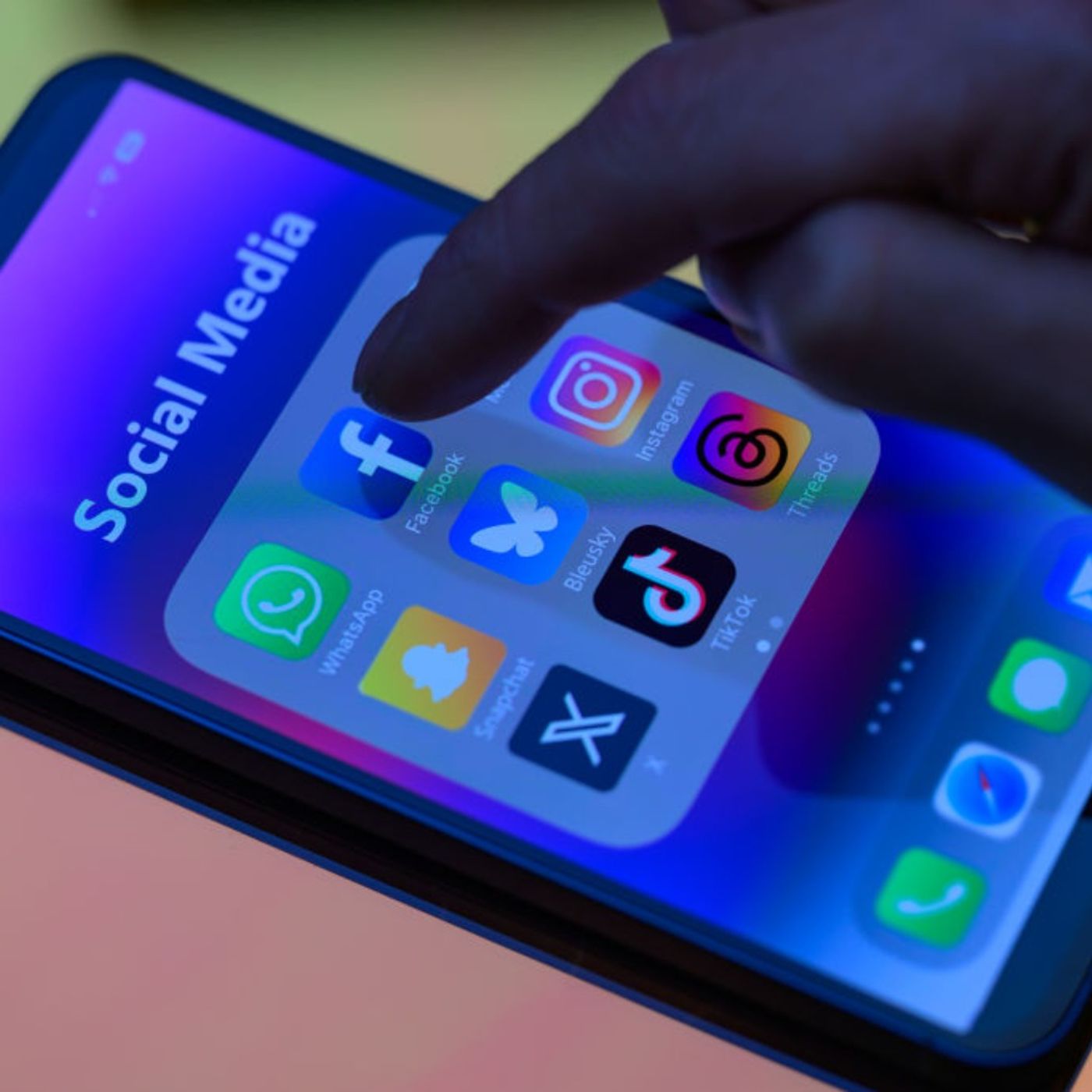
In a landmark trial in California, Meta and Google are being accused of addicting children to social media. On this week’s On the Media, hear how the dramatic proceedings are playing out, and how measures to protect kids online can backfire. Plus, why are betting companies showing up in newsrooms?[01:00] Host Brooke Gladstone speaks with Madlin Mekelburg, a legal reporter at Bloomberg, about the landmark lawsuit against Google and Meta that went to trial this week. The social media giants are being accused of deliberately designing their platforms in a way that is addictive and harmful to children’s brains, and the verdict of this case will influence the outcomes of thousands of similar cases across the country. Plus, neuroscience researcher Ian Anderson explains why the ‘addiction’ framework misses the complexity of what social media does to our brains. [20:00] Brooke interviews Julia Angwin, investigative journalist and founder of Proof News, a nonprofit journalism studio. They discuss the tools that users can employ to protect themselves against doomscrolling, and how social media bans across the world can sometimes do more harm than good. [34:41] Host Micah Loewinger speaks with Judd Legum, the author of the accountability newsletter Popular Information, about the explosive rise of prediction markets, and the implications of their growing partnerships with newsrooms. Further reading / watching:“Social Networks Face Big Tobacco Moment Over Addiction Cases,” by Madlin Mekelburg“Overestimates of social media addiction are common but costly,” by Ian Anderson and Wendy Wood“I Killed Color on My Phone. The Result Shocked Me,” by Julia Angwin“Social Media Use and Well-Being Across Adolescent Development,” by Ben Singh, Mason Zhou, Rachel Curtis, et al“Evidence for link between digital technology use and teenage mental health problems is weak, our large study suggests,” by Qiqi Cheng and Neil Humphrey“The casino-fication of news,” by Judd Legum
On the Media is supported by listeners like you. Support OTM by donating today (https://pledge.wnyc.org/support/otm). Follow our show on Instagram, Twitter and Facebook @onthemedia, and share your thoughts with us by emailing onthemedia@wnyc.org.

At the end of December, familiar scenes of protest in Tehran were being documented and shared across the world. But on January 8th, the images stopped coming after the Iranian regime cut off the internet in an attempt by the authorities to prevent protestors from organizing and posting videos online for the outside world to see. Under the cover of darkness the regime is reported to have killed up to 30,000 people.Brooke spoke to Mahsa Alimardani, the Associate Director of the Technology Threats & Opportunities program at WITNESS, where she works on distinguishing visual truths in the AI age. She says that the internet has started flickering back on after a nearly three-week-long national blackout–the longest the country has ever seen–but that a thick fog of disinformation still covers Iran.
On the Media is supported by listeners like you. Support OTM by donating today (https://pledge.wnyc.org/support/otm). Follow our show on Instagram, Twitter and Facebook @onthemedia, and share your thoughts with us by emailing onthemedia@wnyc.org.
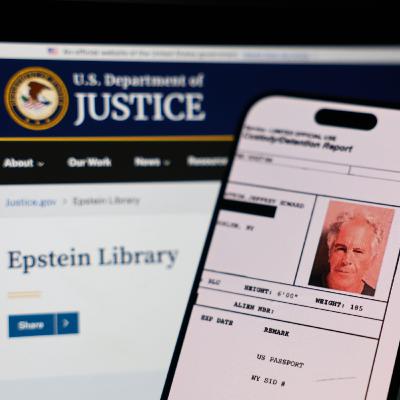
In the latest batch of Epstein files, hundreds of pages are redacted, shielding the names of prosecutors and possible co-conspirators. On this week’s On the Media, what the files say about how the criminal justice system failed Epstein’s victims. Plus, the toppling of a statue raises questions about who represents Puerto Rican culture. [01:00] Host Brooke Gladstone speaks with Julie K. Brown, investigative journalist for The Miami Herald, whose reporting back in 2018 led to sex trafficker Jeffrey Epstein’s arrest. Brown is pouring through the Epstein files and finding new information about how prosecutors failed to bring Epstein to justice for so many years. She is documenting what she finds in her substack newsletter, The Epstein Files by Julie K. Brown. [19:24] We’re celebrating the launch of Season 3 of La Brega from Alana Casanova-Burgess and Futuro Media by featuring episode one: about the toppling of the statue of a Spanish colonizer in San Juan a few years ago, what that reveals about Puerto Rico’s champions, and who deserves that pedestal. Further reading / watching:“What I found today in The Epstein Files,” by Julie K. Brown“Did the FBI investigate Trump and Epstein?” by Julie K. BrownSeason 3 of La Brega
On the Media is supported by listeners like you. Support OTM by donating today (https://pledge.wnyc.org/support/otm). Follow our show on Instagram, Twitter and Facebook @onthemedia, and share your thoughts with us by emailing onthemedia@wnyc.org.
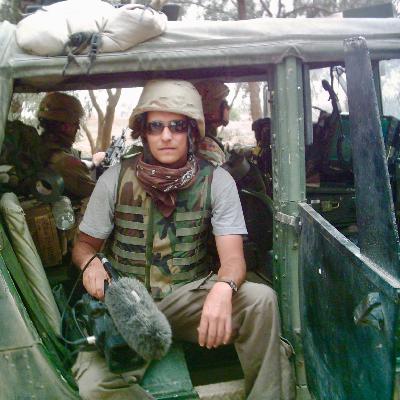
In 2022 Brent Renaud became the first American journalist to be killed by Russian soldiers while covering the war in Ukraine. Brent’s collaborator for many years was his brother Craig. When word got back to Craig that Brent had been shot, he did what he and his brother had always done. He kept filming. Craig and his producer Juan Arredondo used that footage along with material from their archive to make the Oscar nominated short documentary “Armed Only With a Camera.”The film is part tribute to his brother, part salute to war journalists who are still out there, risking their lives. Micah spoke to Craig about how the brothers got started in the journalism business.
On the Media is supported by listeners like you. Support OTM by donating today (https://pledge.wnyc.org/support/otm). Follow our show on Instagram, Twitter and Facebook @onthemedia, and share your thoughts with us by emailing onthemedia@wnyc.org.
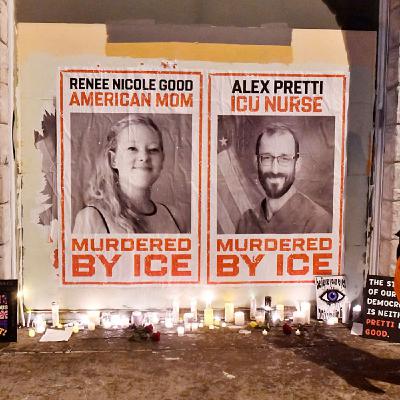
The Trump administration called Alex Pretti, who was shot and killed by federal officers, a “domestic terrorist.” And then bystander footage flooded the internet. On this week’s On the Media, how the real-time verification of video evidence is transforming public discourse. Plus, what the anti-ICE protests in Minneapolis have in common with the Boston Massacre.[01:00] Host Brooke Gladstone speaks with Brandy Zadrozny, senior enterprise reporter at MS Now, about the informal network of far-right content creators traveling to anti-ICE protests in Minneapolis, and why the right-wing narrative is losing power in the face of an outpouring of bystander footage. [17:45] Host Micah Loewinger talks with Radley Balko, author of The Rise of the Warrior Cop: The Militarization of America's Police Forces, about similarities between the conditions that led to the Boston Massacre in 1770 and what we’re seeing today in Minneapolis and other cities targeted by ICE operations today.[31:43] Brooke sits down with Eliot Higgins, the founder of Bellingcat, to discuss his framework for the essential functions of democracy— verification, deliberation, and accountability—which have broken down into hollow performances or simulations in the United States today. Further reading / watching:“In Minneapolis, far-right influencers frame ICE resistance as terrorism,” by Brandy Zadrozny“Two cities under siege,” by Radley Balko“Verification, Deliberation, Accountability: A new framework for tackling epistemic collapse and renewing democracy,” by Eliot Higgins and Natalie Martin
On the Media is supported by listeners like you. Support OTM by donating today (https://pledge.wnyc.org/support/otm). Follow our show on Instagram, Twitter and Facebook @onthemedia, and share your thoughts with us by emailing onthemedia@wnyc.org.
Stars and Stripes, the venerated, independent award-winning newspaper that has served the armed services for roughly a century, may be getting an uninvited makeover, courtesy of Pete Hegseth’s Defense Department.
In a statement posted on X earlier this month, Pentagon spokesperson Sean Parnell said that Stars and Stripes would no longer be carrying wire reports from the Associated Press, and that it would steer away from all that is woke or might sap morale. Parnell said the defense department would be bringing the newspaper “into the 21st century.”
Brooke spoke to Erik Slavin, Editor-in-Chief of Stars and Stripes.
On the Media is supported by listeners like you. Support OTM by donating today (https://pledge.wnyc.org/support/otm). Follow our show on Instagram, Twitter and Facebook @onthemedia, and share your thoughts with us by emailing onthemedia@wnyc.org.
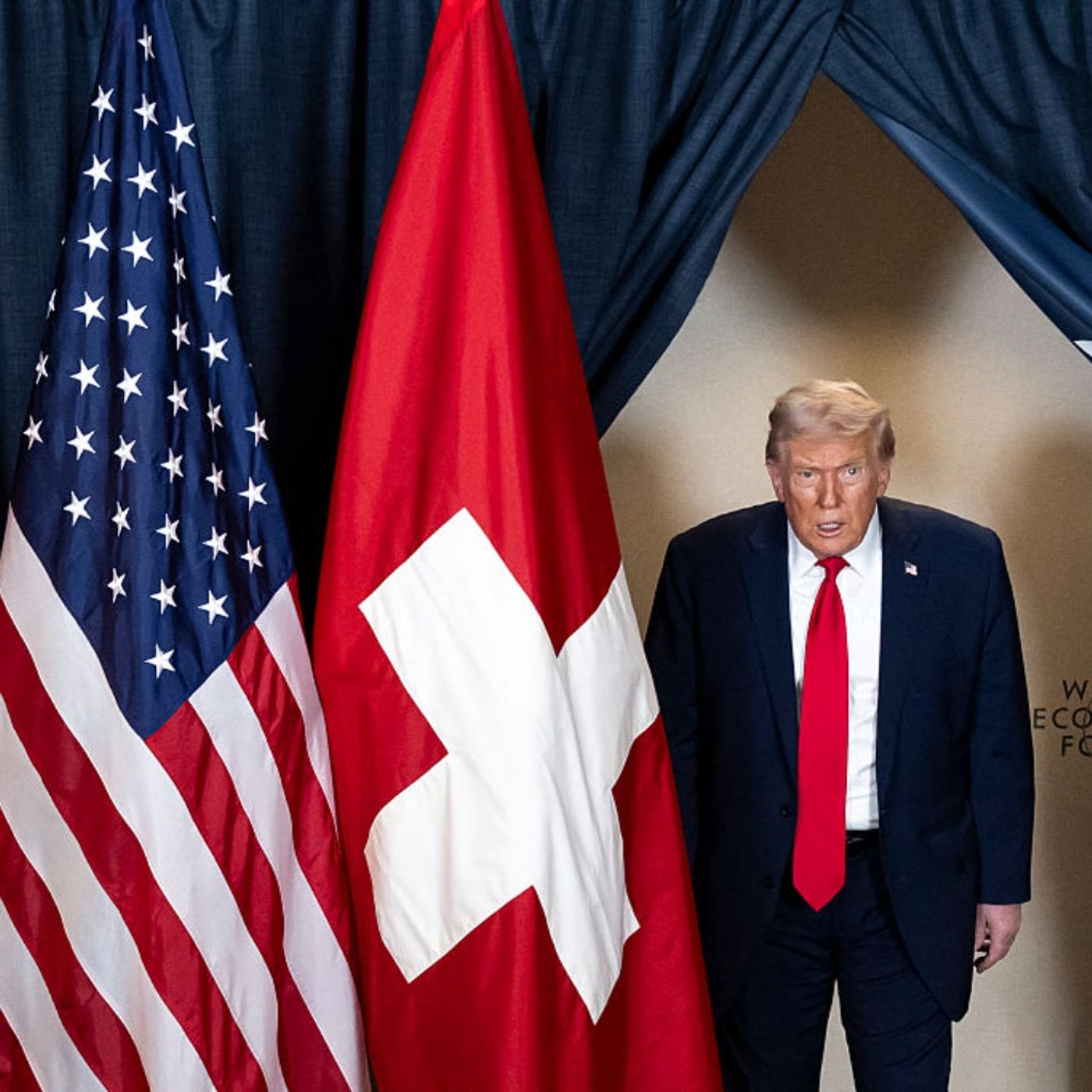
Children as young as five have been detained by immigration agents in Minnesota. On this week’s On the Media, how I.C.E. uses technology to surveil the public and recruit more members. Plus, following Trump’s threats against Greenland, ties between the United States and its closest allies are fraying.[01:00] Host Brooke Gladstone speaks with Garrett M. Graff, journalist, historian, and author of the newsletter Doomsday Scenario, about Trump’s damage to the United States’ standing as a world power following his campaign for Greenland and his dismantling of core pillars of American policy. [19:14] Host Micah Loewinger talks with Joseph Cox, investigative reporter and co-founder at 404 Media, about his detailed reporting into ICE’s quietly widening arsenal of surveillance tools. [37:01] Micah sits down with Drew Harwell, technology reporter for The Washington Post, to discuss ICE’s elaborate “wartime recruitment” strategy, and what it means for immigration policy in the United States. Further reading / watching:“We Are Witnessing the Self-Immolation of a Superpower,” by Garrett M. Graff“‘ELITE’: The Palantir App ICE Uses to Find Neighborhoods to Raid,” by Joseph Cox“ICE’s Facial Recognition App Misidentified a Woman. Twice,” by Joseph Cox“Inside ICE’s Tool to Monitor Phones in Entire Neighborhoods,” by Joseph Cox“New Legislation Would Rein In ICE’s Facial Recognition App,” by Joseph Cox“ICE plans $100 million ‘wartime recruitment’ push targeting gun shows, military fans for hires,” by Drew Harwell and Joyce Sohyun Lee
On the Media is supported by listeners like you. Support OTM by donating today (https://pledge.wnyc.org/support/otm). Follow our show on Instagram, Twitter and Facebook @onthemedia, and share your thoughts with us by emailing onthemedia@wnyc.org.
EXTENDED VERSION! Brooke spoke to Mark Blyth, professor of International Economics and Public Affairs at Brown University, to talk about what the headlines are missing in the Department of Justice’s investigation into Federal Reserve chair Jerome Powell, and why we need to know the trending politics of central banks around the globe.
On the Media is supported by listeners like you. Support OTM by donating today (https://pledge.wnyc.org/support/otm). Follow our show on Instagram, Twitter and Facebook @onthemedia, and share your thoughts with us by emailing onthemedia@wnyc.org.
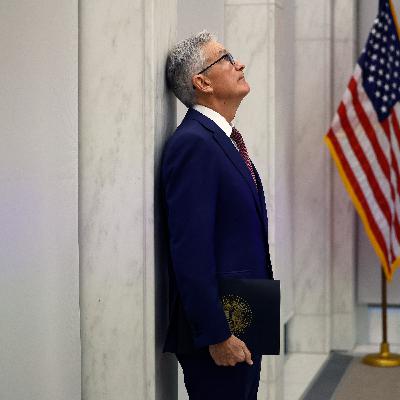
The Justice Department has launched a criminal investigation against the Federal Reserve and its chairman. On this week’s On the Media, hear how the Trump administration’s pressure campaign plays into a larger trend chipping away at central banks. Plus, how a teacher in Russia stood up to Putin’s propaganda.[01:00] Host Brooke Gladstone sits down with Mark Blyth, professor of International Economics and Public Affairs at Brown University, to talk about what the headlines are missing in the Department of Justice’s investigation into Federal Reserve chair Jerome Powell, and why we need to know the trending politics of central banks around the globe. [16:50] Brooke Gladstone talks with Pasha Talankin, star and co-creator of the new documentary Mr. Nobody Against Putin. Pasha is a high school teacher who made an incredibly vivid and detailed account of Putin’s efforts to indoctrinate schoolchildren in Russia. [36:51] Brooke continues her conversation about Mr. Nobody Against Putin with David Borenstein, the film’s co-director. Further reading / watching:Mr Nobody is screening on Jan 21 at the Independent Film Center in New York before expanding to select theaters in the U.S. and Canada.
On the Media is supported by listeners like you. Support OTM by donating today (https://pledge.wnyc.org/support/otm). Follow our show on Instagram, Twitter and Facebook @onthemedia, and share your thoughts with us by emailing onthemedia@wnyc.org.
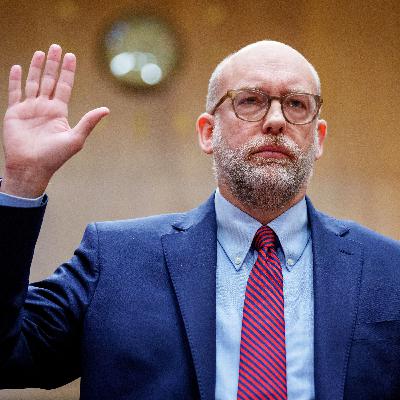
This week, we revisit a conversation with Andy Kroll, a reporter covering justice and the rule of law at ProPublica, about the profile he wrote of Russell Vought, the director of a little-known, but powerful office inside the White House. Donald Trump calls him "Darth Vader," and Vought is behind thousands of federal layoffs. Hear why Kroll calls him Trump's "shadow president," and about Vought's goal to put federal workers "in trauma."
On the Media is supported by listeners like you. Support OTM by donating today (https://pledge.wnyc.org/support/otm). Follow our show on Instagram, Twitter and Facebook @onthemedia, and share your thoughts with us by emailing onthemedia@wnyc.org.
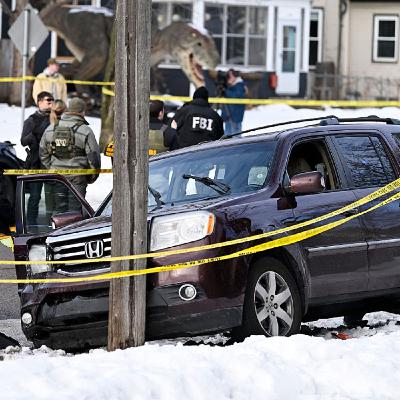
After a U.S. citizen was shot and killed by an immigration agent, the Department of Homeland Security is sending even more forces to Minneapolis. On this week’s On the Media, how the Trump administration is spinning the narrative around the shooting. Plus, an exiled Venezuelan journalist explains the state of the press in his home country.[01:00] Host Micah Loewinger speaks with Jeffrey Meitrodt, a senior investigative reporter for the Minnesota Star Tribune, to examine the veracity of conservative content creator Nick Shirley’s viral video claiming to uncover evidence of widespread fraud at Somali-run daycares in Minnesota. [21:32] Micah talks with Rafael Osio Cabrices, editor-in-chief at Caracas Chronicles, about Venezuela’s evolving media landscape. Plus, what foreign news outlets are missing in their coverage of the US raid and capture of Nicolás Maduro. [36:15] Host Brooke Gladstone sits down with Abe Newman, a political scientist and Georgetown professor, to discuss “neo-royalism.” Newman coined the term, with his co-author Stacie Goddard, to explain the logic of the Trump administration’s foreign policy, from Greenland to Venezuela. Further reading / watching:“We went to the day cares Nick Shirley did. Here’s what we found,” by Deena Winter and Jeffrey Medtroit“How Foreign Media and Analysts are Misreporting Venezuela,” by Rafael Osio Cabrices“Further Back to the Future: Neo-Royalism, the Trump Administration, and the Emerging International System,” by Stacie E. Goddard and Abraham Newman
On the Media is supported by listeners like you. Support OTM by donating today (https://pledge.wnyc.org/support/otm). Follow our show on Instagram, Twitter and Facebook @onthemedia, and share your thoughts with us by emailing onthemedia@wnyc.org.

Host Brooke Gladstone talks with Emily Nussbaum, television critic for The New Yorker, about the forgotten story of Gertrude Berg, the woman behind the television sitcom, and the anti-communism campaign that clouded her legacy.
On the Media is supported by listeners like you. Support OTM by donating today (https://pledge.wnyc.org/support/otm). Follow our show on Instagram, Twitter and Facebook @onthemedia, and share your thoughts with us by emailing onthemedia@wnyc.org.


Download from Google Play

Download from App Store
 United States
"Steve the president? or Steve, the president? her machine gun verbosity is too fast .
We are calling for an emergency podcast about the current situation in Iran. Our people are being killed and brutally suppressed by the regime while internet and phone services have been cut off.
Really great episode. From 47:00 on I was almost brought to tears by the story that Brian Stephenson tells.
Ratings for Kimmel's show had dropped by 45% recently. in addition ABC was just successfully sued by Trump for $15 million and didn't want to have to go through THAT again since Kimmel openly lied about the assassin being MAGA adjacent.
Thank you for talking about this. The Iranian people never wanted this war. It wasn't ours and yet, it claimed so many innocent lives. And now the racist, fascistic government is using the war to expel all Afghan immigrants from the country. A human crisis is takingplace at the borders and no one is talking about it.
Gulf nations?! You do mean the Persian Gulf, right?
very good listen
missed the economic incentives to move from COBOL to C.
often times I wanted Biden to kick Steve Doochy out of the white house press briefings ... I was wrong oops lol
Every time some right-winger tries to tell me, as a pundit like this, through social media, or even just a friend telling me over the phone, that I'm not being told about something because I get my news from NPR, they only ever bring up things I already know about. Almost as if they're repeating lies they've been told by the conservative media machine.
Bring Back Bob Garfield!
It's strange that Gessen has made a career smugly issuing baseless opinions. Their whole source of credibility is "I lived in Russia as a kid." They don't provide any evidence of anything. If all you have are historical observations, then be a historian, but don't act like you're a political scientist, sociologist, economist, psychologist, etc.
@5:01: Many people now seem to speak with several annoying affectations, such as this strange pattern that sounds as if she thinks each clause or statement is the 700th item on a list. To me, that affectation sounds as if the person is pretending to have more substance than they do by trying to make their short list sound longer.
The reporting on money in politics was, yet again, lazy and simplistic. It cast Democrats as hypocritical rather than principled within practical constraints. Democrats continue to propose legislation that increases transparency and reduces the influence of money in politics, while Republicans--including overtly Republican justices--oppose those efforts. In the meantime, Democrats and their supporters compete within the flawed framework Republicans want. Of all podcasts, OTM should know better.
Terrible voice acting. Too harried. Like watching "Clerks".
This is all Trump, Vance, and the GOP have in lieu of any actual policies that will help the average Republican as their real constituency is the 0.1%, big business, big oil, not working people who they collectively despise. It's time to turn the page on the endless gloom and doom the GOP harps on, vote them out.
@34:51: What a remarkably ignorant assertion. Truman didn't run in 1952 largely out of regard for the 22nd Amendment, which had just been ratified. Truman ascended to the presidency very early in FDR's 4th term. It's similar to why LBJ didn't run in 1968. It's just asinine to say that an assassination attempt lowered his poll numbers so much that it scared him away from running for re-election. Correlation is not causation.
@38:28: Ugh, Micah. Please give a moment's thought to the words you use. Consumers aren't "forced" to pay the costs of tariffs, and they certainly aren't obligated to pay a proportional increase in prices (given that the cost of imported goods is typically a small portion of the retail price). It's ironic when a podcast dedicated to critiquing journalism does poor journalism.
@37:56: Donnie is miraculously stupid. He actually thinks tariffs are payments from other countries to the U.S. government. Such an imbecile.
Micah's intro just plagiarized straight from Molly's intro. That lazy and a bit ironic, given how often OTM laments copied content.