


 Claim Ownership
Science Friday
Subscribed: 155,211Played: 4,345,156
Subscribe


© Science Friday
Description
Covering the outer reaches of space to the tiniest microbes in our bodies, Science Friday is the source for entertaining and educational stories about science, technology, and other cool stuff.
1264 Episodes
Reverse
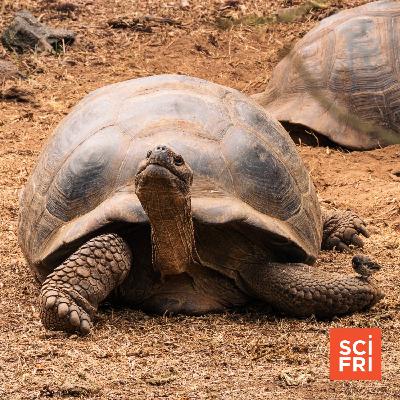
In February, conservationists released 158 young tortoises onto Floreana Island in the Galapagos. The Floreana tortoise subspecies had long been thought extinct, but the discovery of close relatives on another island made a captive breeding effort possible.
SciFri turtle correspondent Charles Bergquist talks with conservationist Penny Becker about the science behind the reintroduction, and what it was like to return the species to an island that had not seen them since the 1850s. Plus, the latest on sea turtle nesting season, and an ancient sea turtle stampede.
Guest:
Dr. Penny Becker is CEO of the nonprofit Island Conservation.
Transcripts for each episode are available within 1-3 days at sciencefriday.com.
Subscribe to this podcast. Plus, to stay updated on all things science, sign up for Science Friday's newsletters.

The military use of AI is capturing headlines this month. After a dustup with the Pentagon, the AI company Anthropic is out, and OpenAI is in. Meanwhile, in the US war with Iran, AI is being deployed in ways we’ve never seen.
To make sense of it all, Host Flora Lichtman talks with journalist Karen Hao, who covers AI and is the author of the book Empire of AI: Dreams and Nightmares in Sam Altman's OpenAI.
Guest:
Karen Hao is a tech journalist and author of the book Empire of AI: Dreams and Nightmares in Sam Altman's OpenAI.
Transcripts for each episode are available within 1-3 days at sciencefriday.com.
Subscribe to this podcast. Plus, to stay updated on all things science, sign up for Science Friday's newsletters.
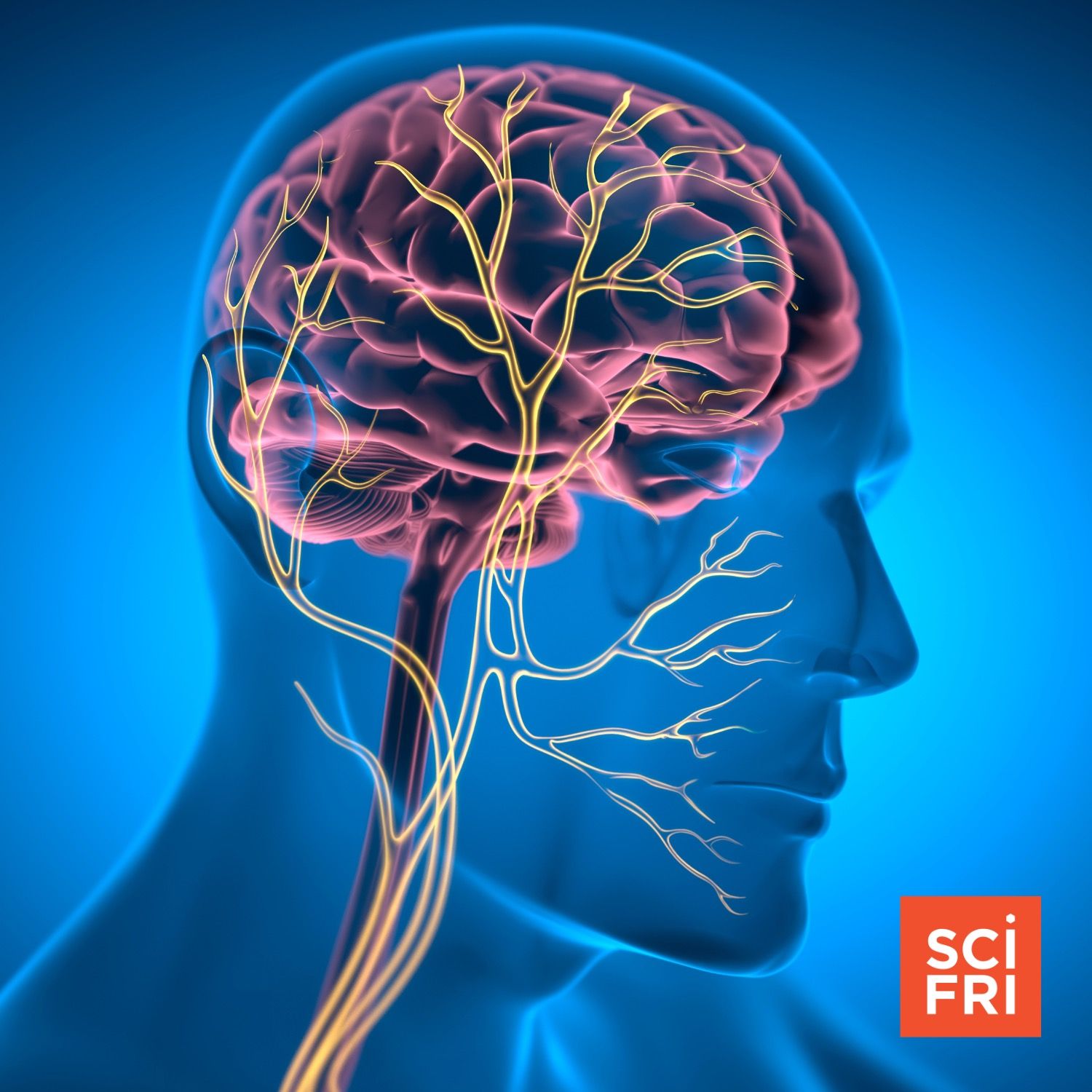
On social media, the vagus nerve often gets billed as the gateway to nervous system nirvana: It’s your ticket to better rest, relaxation, and health if you “stimulate” it correctly. Where did this idea come from, and what does the research say?
Host Flora Lichtman talks with neurosurgeon Kevin Tracey, a pioneer of a field called bioelectronic medicine, which uses techniques to stimulate the nervous system with electricity. Back in the 1990s, he was the first to discover that the vagus nerve regulates the immune system and inflammation.
Guest:
Dr. Kevin Tracey is a neurosurgeon, and president and CEO of the Feinstein Institutes for Medical Research at Northwell Health. He is the author of The Great Nerve.
Transcripts for each episode are available within 1-3 days at sciencefriday.com.
Subscribe to this podcast. Plus, to stay updated on all things science, sign up for Science Friday's newsletters.
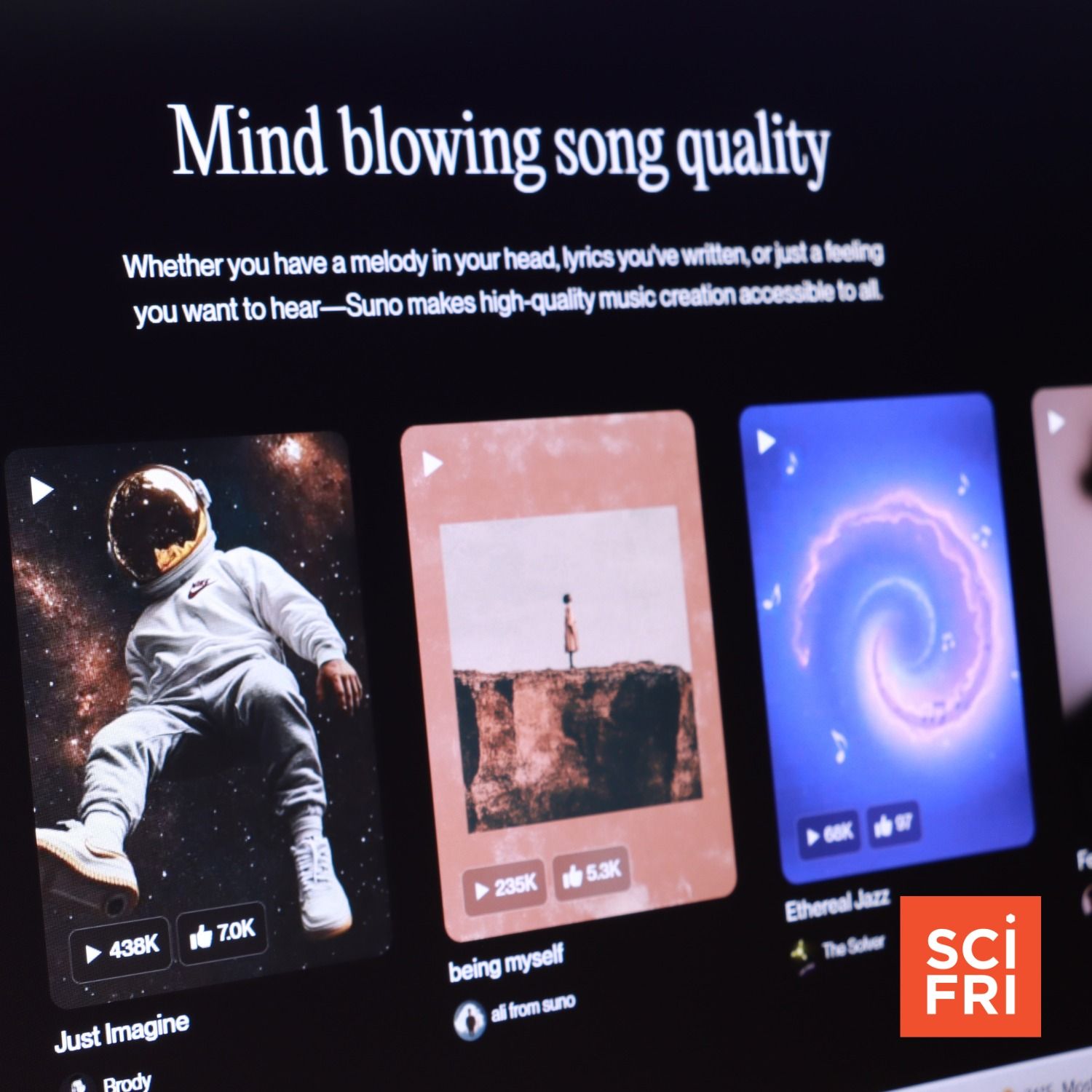
In recent months, AI music has moved from novelty act into the realm of listenable music. For the first time, AI-generated songs from AI-generated artists are on the Billboard top 100 charts, and more musicians are coming out saying they use AI in their songwriting process.
Is this just another tech upgrade to the music-making process or does it signal something bigger in the industry? To investigate, SciFri producer and musician Dee Peterschmidt talks to journalist Kristin Robinson, who covers AI in the music industry, and Laurie Spiegel, an electronic and algorithmic music pioneer.
Guests:
Kristin Robinson is a senior writer for Billboard, based in Los Angeles, CA.
Laurie Spiegel is a composer and programmer based in New York, NY
Transcripts for each episode are available within 1-3 days at sciencefriday.com.
Subscribe to this podcast. Plus, to stay updated on all things science, sign up for Science Friday's newsletters.

March Madness is almost upon us, which means basketball arenas across the country will be filled with the thunderous roar of fans and the surprisingly loud squeaks of basketball shoes. At his first NBA game, physicist Adel Djellouli was surprised by the constant noise from the court and wondered, why do basketball shoes squeak? Turns out, the physics of a squeak involves lightning bolts and earthquakes.
Host Flora Lichtman talks with Djellouli about his research and the joy of investigating seemingly simple questions.
Guest: Dr. Adel Djellouli is an experimental physicist at Harvard University.
Transcripts for each episode are available within 1-3 days at sciencefriday.com.
Subscribe to this podcast. Plus, to stay updated on all things science, sign up for Science Friday's newsletters.
 1
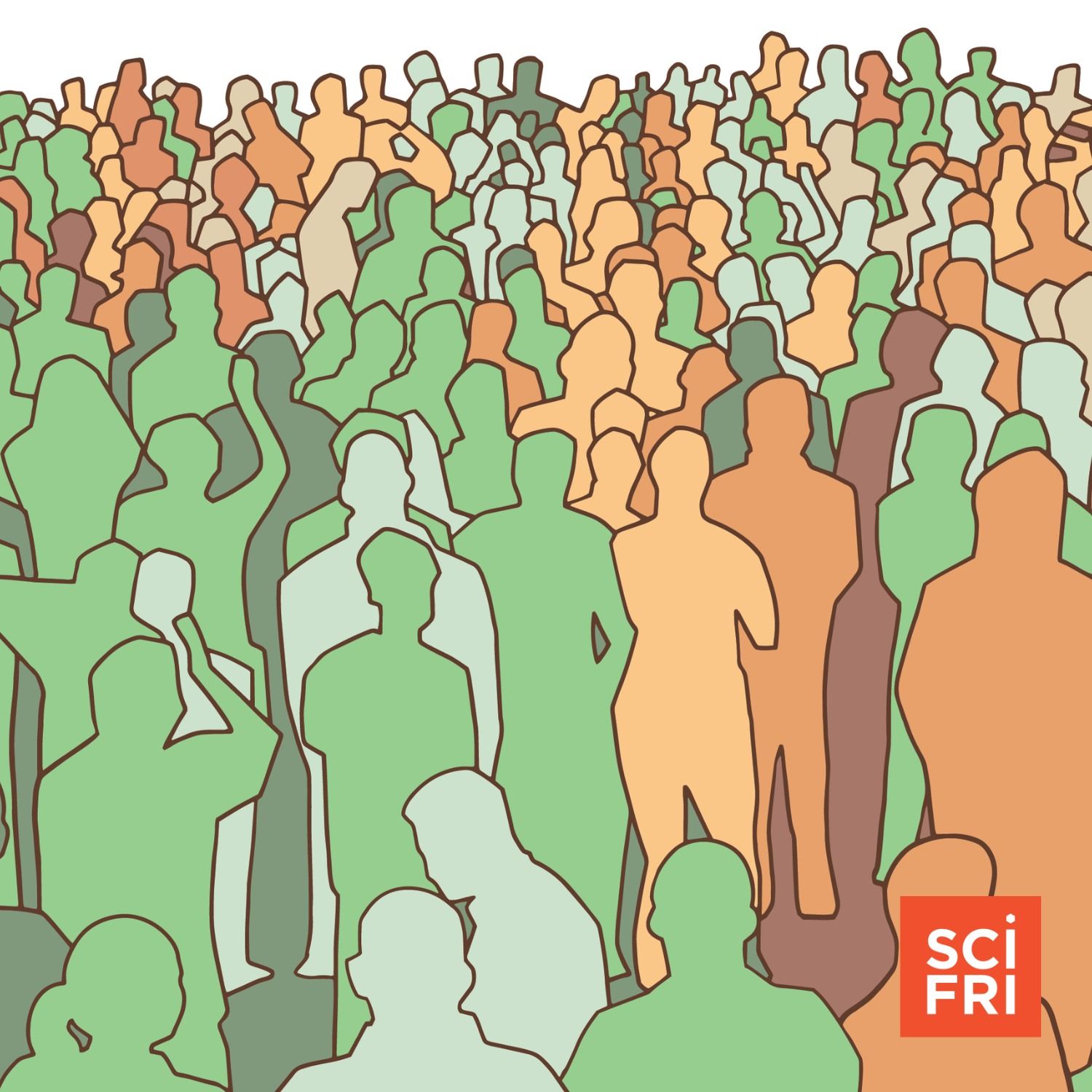
1Skepticism around public health policy, experts and institutions has left some researchers asking basic questions about their role and relationship with the public. Can public health be done better?
Epidemiologist Erica Walker has a perspective on just that. She started off studying noise pollution, found her science wasn’t serving people as she hoped, and pivoted her approach in an effort to be more useful. Flora sits down with Walker to hear the story.
Guest: Dr. Erica Walker is an assistant professor of epidemiology and director of the Community Noise Lab at Brown University in Providence, Rhode Island.
Transcripts for each episode are available within 1-3 days at sciencefriday.com.
Subscribe to this podcast. Plus, to stay updated on all things science, sign up for Science Friday's newsletters.
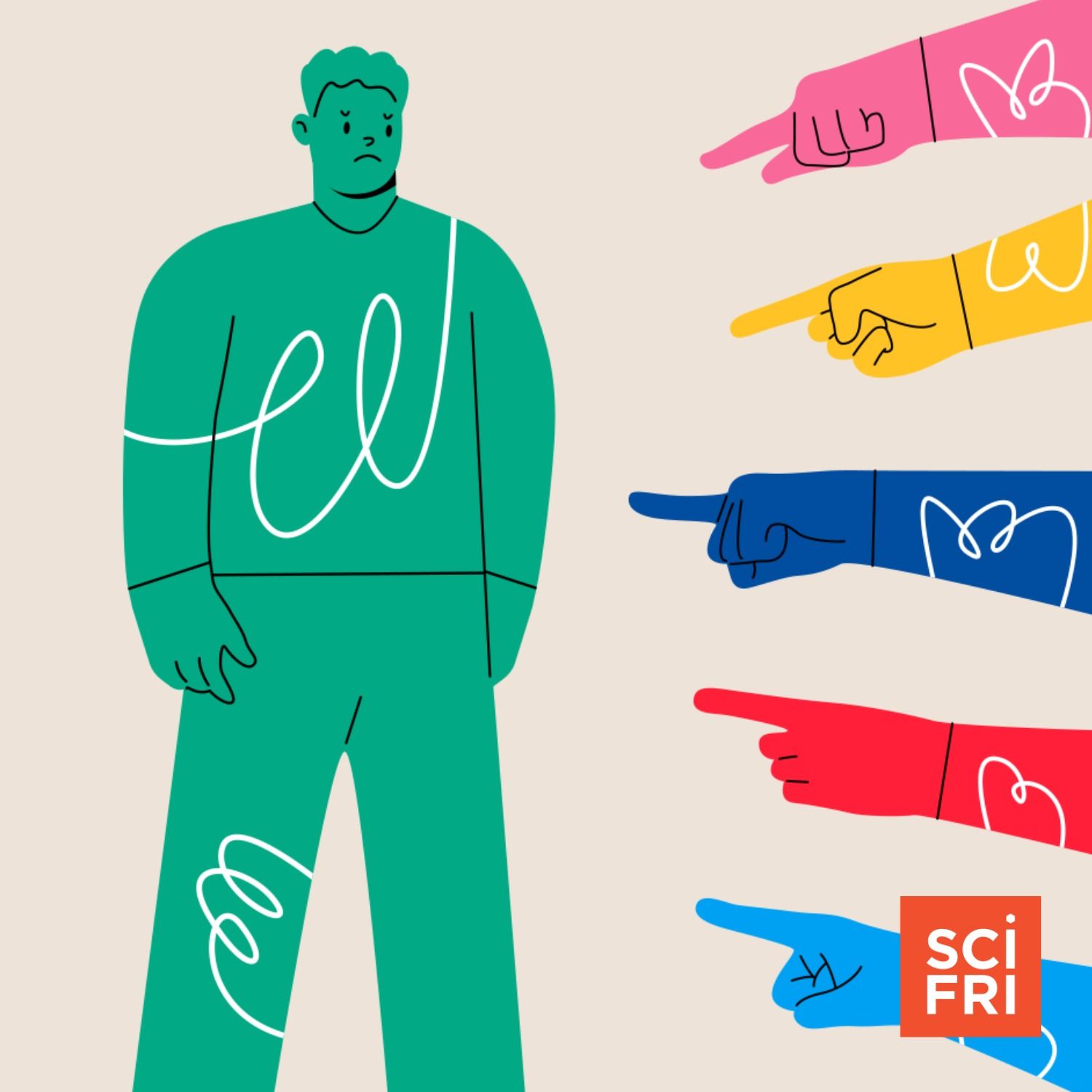
Ever heard an alcohol ad that tells you to “please drink responsibly”? Or a gambling ad that warns, "when the fun stops, stop”? Or been urged to reduce your carbon footprint?
The message is basically the same: These products and activities have risks. But mitigating them, well, that’s on you. How did we get this idea that it's our personal responsibility to make a dent in big problems like climate change—and not the job of the government to impose regulations? That’s the focus of the new book It’s on You.
Host Flora Lichtman talks with behavioral scientist and It’s on You coauthor Nick Chater, about how he and his colleagues played a role in shaping a narrative of individual responsibility, and how to change it.
Guest:
Dr. Nick Chater is a professor of behavioural science at Warwick University and coauthor of It's on You: How Corporations and Behavioral Scientists Have Convinced Us That We’re to Blame for Society's Deepest Problems.
Transcripts for each episode are available within 1-3 days at sciencefriday.com.
Subscribe to this podcast. Plus, to stay updated on all things science, sign up for Science Friday's newsletters.
"Is this the real life? Is this just fantasy? Caught in a landslide, no escape from reality. Open your eyes, look up to the skies and see."
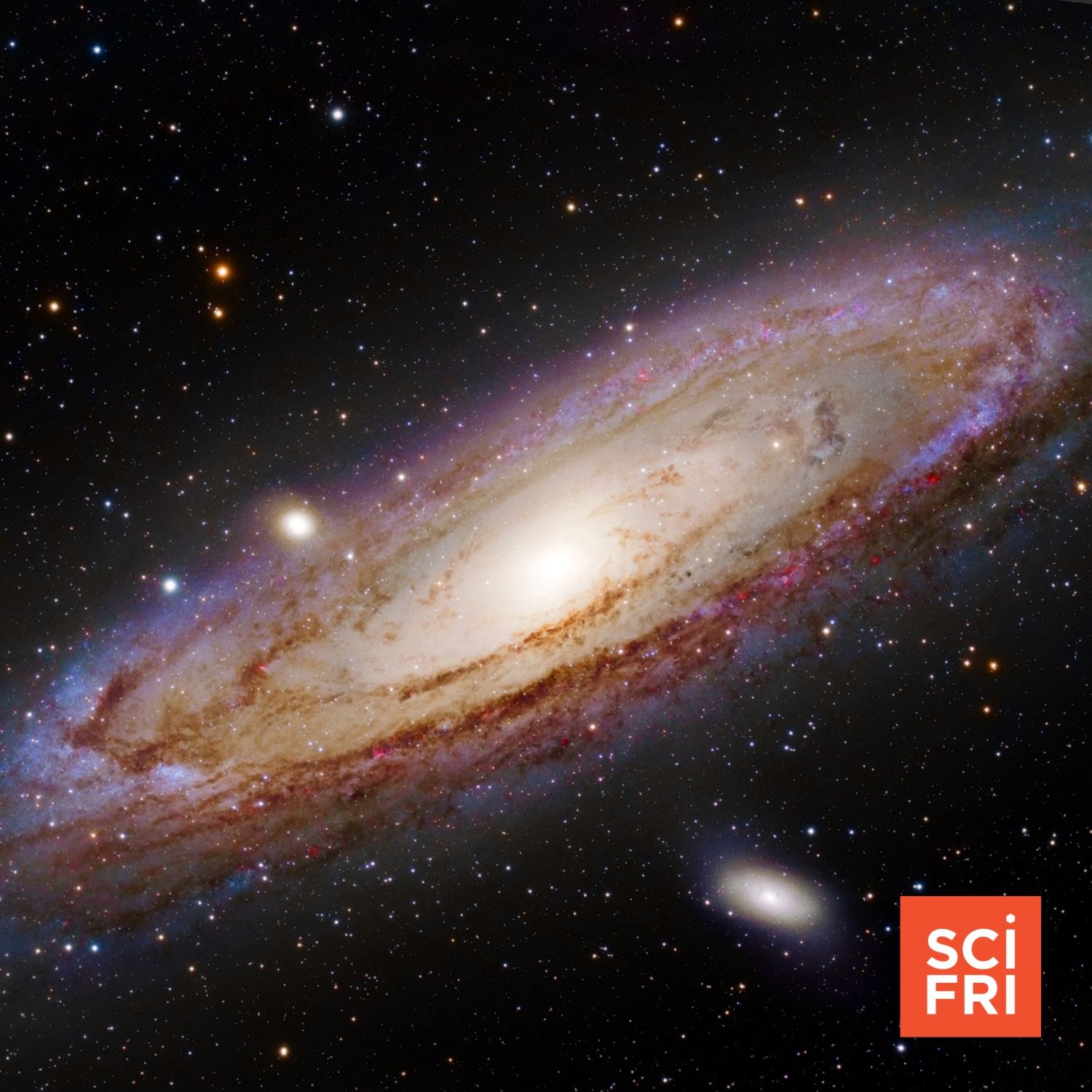
There’s something about space that captures the imagination of scientists and artists alike. Just ask astrophysicist Derek Ward-Thompson and astronomer Brian May (yes, THAT Brian May, guitarist of Queen). In their new book Islands in Infinity: Galaxies 3-D, they turn flat images of the galaxies to three dimensional spacescapes that leap off the page.
Host Flora Lichtman talks with Ward-Thompson and May about the enchanting nature of space and the collision of art and astronomy. And yes, they get into the music.
Guests:
Dr. Brian May is an astronomer and the guitarist of Queen.
Dr. Derek Ward-Thompson is an astrophysicist at the University of Lancashire in England.
Transcripts for each episode are available within 1-3 days at sciencefriday.com.
Subscribe to this podcast. Plus, to stay updated on all things science, sign up for Science Friday's newsletters.
Earlier this year, Congress pushed back on the Trump administration’s attempts to slash funding for many science research programs, and restored that money to the budget. But despite the funds existing in the budget, they have not yet been released to some researchers.
Science journalist Alexandra Witze joins Host Ira Flatow to walk through the details of the government funding process, and her recent report in Nature about the funding slowdown.
Guest: Alexandra Witze is a correspondent for the journal Nature. She's based in Boulder, Colorado.
Transcripts for each episode are available within 1-3 days at sciencefriday.com.
Subscribe to this podcast. Plus, to stay updated on all things science, sign up for Science Friday's newsletters.
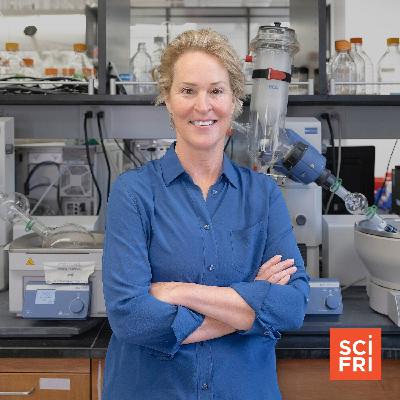
In nature, enzymes are the catalysts that make much of biology work. They jumpstart chemical reactions that either wouldn’t happen, or would happen super slowly. They break down food, build other molecules, extract energy, and more. What if we could harness evolution to engineer designer enzymes that do other specific jobs that benefit us?
Putting that idea into practice changed the game for chemistry, and earned Frances Arnold the Nobel Prize prize in 2018. She called it “directed evolution.” Today, thousands of labs use her methods to coax enzymes into doing things no one ever thought of. She joins Host Flora Lichtman to talk about where she sees this approach going in the future, and the personal evolution that brought her into science.
Guest: Dr. Frances Arnold is the Linus Pauling Professor of Chemical Engineering, Bioengineering and Biochemistry at the California Institute of Technology in Pasadena, California.Transcripts for each episode are available within 1-3 days at sciencefriday.com.
Subscribe to this podcast. Plus, to stay updated on all things science, sign up for Science Friday's newsletters.
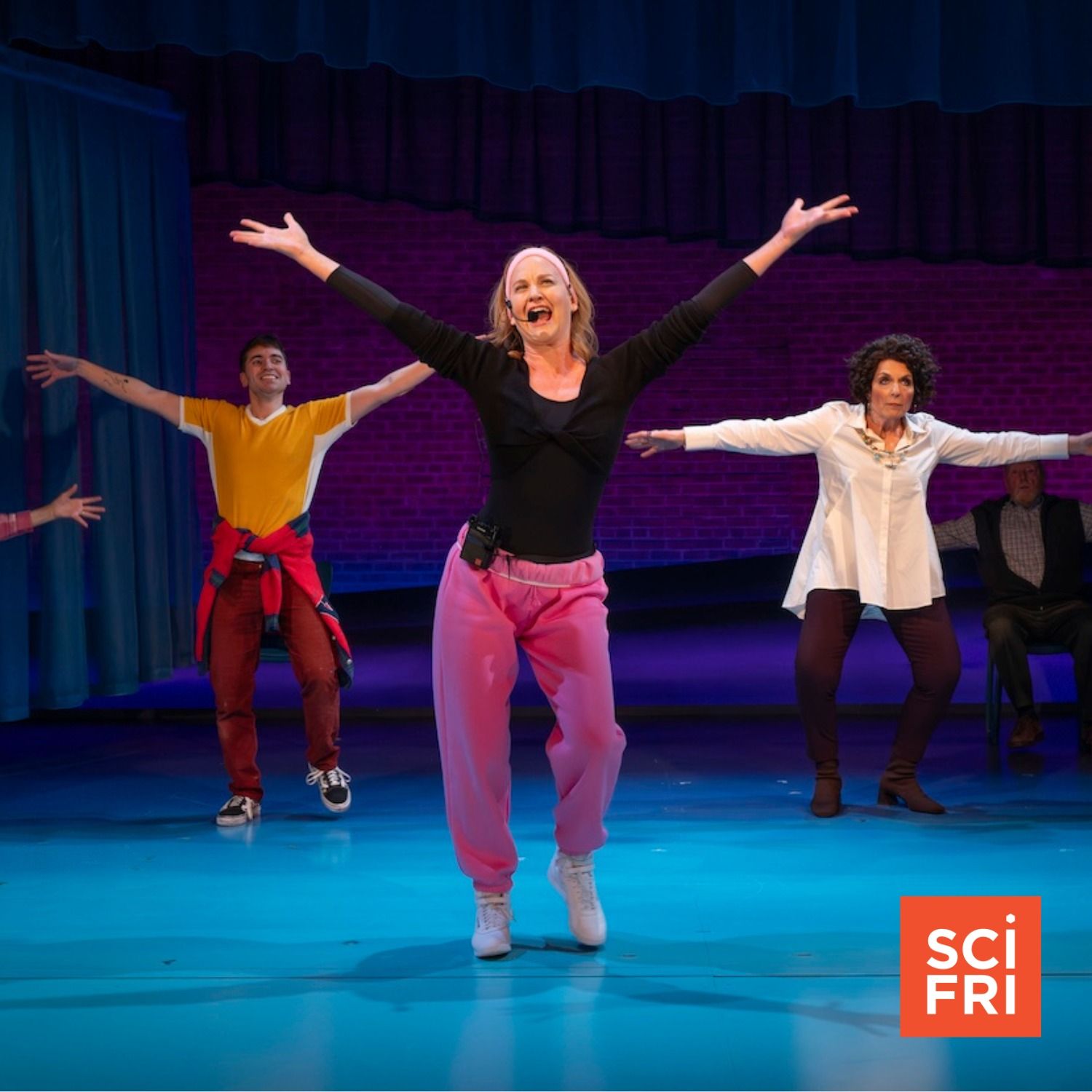
The new semi-autobiographical play “The Reservoir” spins a comedic narrative around cognitive reserve, the idea that doing brain-stimulating activities can prevent or delay the onset of dementia symptoms. It’s currently running at the Atlantic Theater Company and co-produced by The Ensemble Studio Theater in New York.*
Host Ira Flatow talks with playwright Jake Brasch about his inspiration for the play and how to mesh science into the theater.
Then, neurologist Marilyn Albert discusses some of the latest science of mental stimulation and dementia. After following a diverse group of older adults for 20 years, her research found that a modest amount of specialized cognitive training reduced dementia risk by 25%. You can try a very similar brain training exercise at home.
*“The Reservoir” received funding from the Sloan Foundation, which also helps support Science Friday.
Guests:
Jake Brasch is a writer, performer, composer, clown, and writer of the new play “The Reservoir.”
Dr. Marilyn Albert is a professor of neurology and director of the Alzheimer's Disease Research Center at Johns Hopkins Medicine.Transcripts for each episode are available within 1-3 days at sciencefriday.com.
Subscribe to this podcast. Plus, to stay updated on all things science, sign up for Science Friday's newsletters.
American chestnut trees once towered over the landscape, dominating forests in parts of the eastern United States. But in the late 1800s, a fungal blight virtually wiped them out across the country. Chestnut restoration scientist Jared Westbrook tells Host Ira Flatow how new genetic work could speed up efforts to breed fungal resistance into hybrid chestnuts and create a heartier chestnut population.
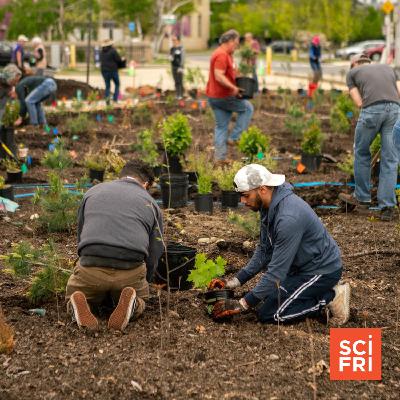
Then, author Hanna Lewis introduces Ira to the concept of miniforests, self-sustaining native forest ecosystems on a tiny footprint, like an empty lot or a schoolyard. The planting method, developed by botanist Akira Miyawaki, can help “rewild” small parcels of land by jump-starting forest development.
Read our full story, The Miniforest Movement Gains Ground In The U.S.
Guests:
Dr. Jared Westbrook is Director of Science for the American Chestnut Foundation in Asheville, North Carolina.
Hanna Lewis is the author of the book Mini-Forest Revolution: Using the Miyawaki Method to Rapidly Rewild the World. She works for non-profit Renewing the Countryside in Minneapolis, Minnesota.
Transcripts for each episode are available within 1-3 days at sciencefriday.com.
Subscribe to this podcast. Plus, to stay updated on all things science, sign up for Science Friday's newsletters.
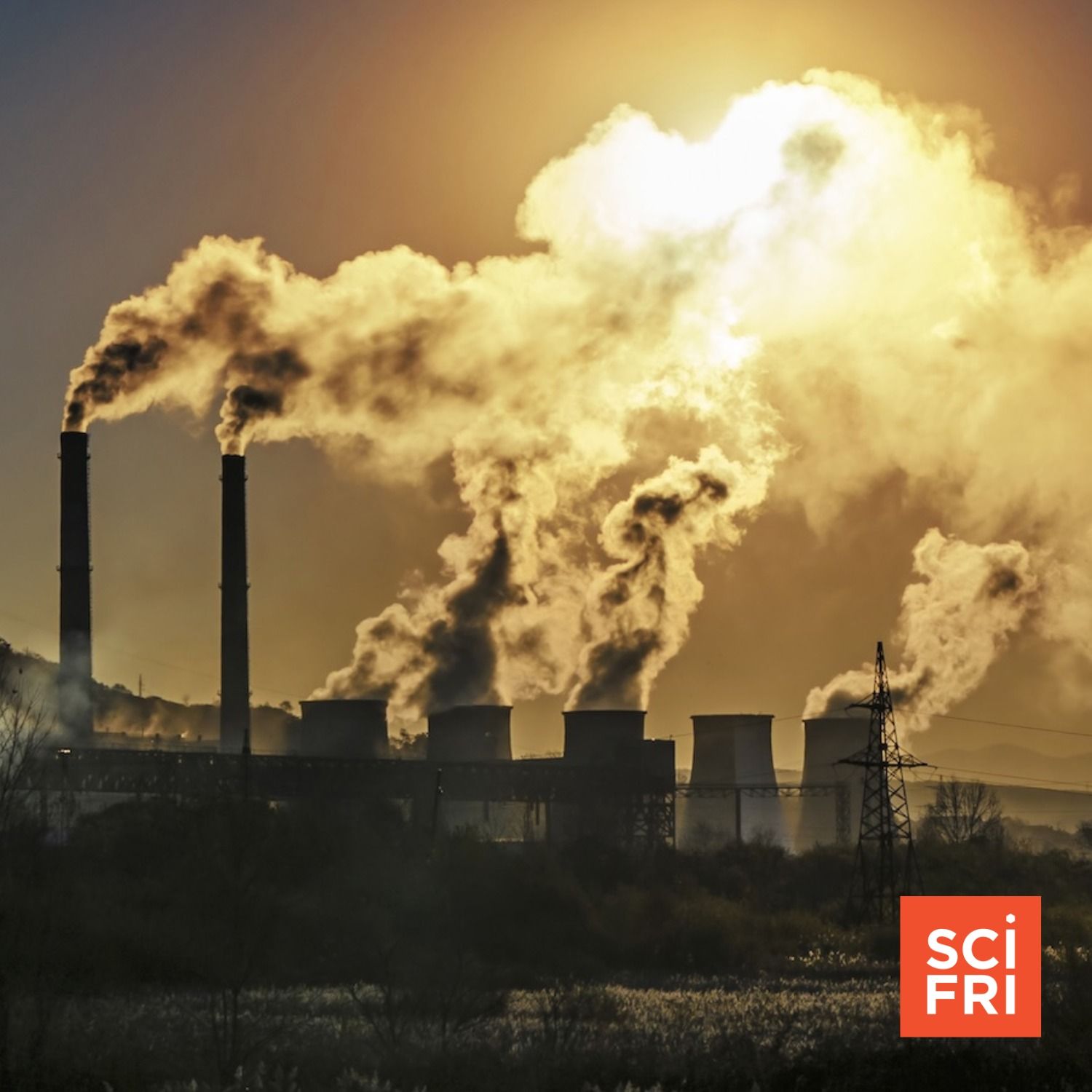
On February 12, the Environmental Protection Agency dealt a major blow to the government’s power to fight climate change by rescinding a key piece of research called the endangerment finding. The finding, issued in 2009, basically says: Greenhouse gas emissions endanger public health and welfare—and because they’re harmful, they must be regulated. It's the legal basis for the federal government’s regulation of greenhouse gases under the Clean Air Act. So what does it mean that this finding has been thrown out?
Host Flora Lichtman digs into this question with Andy Miller, an original author on the endangerment finding who spent more than 30 years working for the EPA.
Guest:
Dr. Andy Miller worked on air pollution and climate change at the EPA for more than 30 years. He was an original author on Endangerment Finding.
Transcripts for each episode are available within 1-3 days at sciencefriday.com.
Subscribe to this podcast. Plus, to stay updated on all things science, sign up for Science Friday's newsletters.
An estimated 500,000 people are diagnosed with Alzheimer’s disease in the United States each year, but the causes and mechanisms of the condition remain a neurological mystery. A recent study looked at the role of variants in a gene called APOE in Alzheimer’s, and found that while it’s not a simple determinant of developing the disease, that one gene seems to play a significant role in promoting disease risk. Researchers hope work like this could point to new areas to study and even potential treatments.
Epidemiologist Dylan Williams joins Host Ira Flatow to explain the findings and discuss the challenges in tracing a complex disease to its roots.
Guest: Dr. Dylan Williams is a principal research fellow in molecular and genetic epidemiology at University College London.
Transcripts for each episode are available within 1-3 days at sciencefriday.com.
Subscribe to this podcast. Plus, to stay updated on all things science, sign up for Science Friday's newsletters.
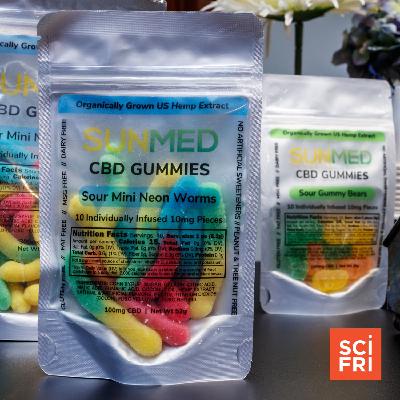
Does the availability of “hemp-derived” THC products have you dazed and confused? A legal loophole in the 2018 Farm Bill lets these items be sold over the counter. But state actions, and a federal law that could come in November, aims to snuff these products out.
Host Flora Lichtman talks to cannabis expert Cinnamon Bidwell about the confusing legal landscape, and the real differences between products. Plus, investigative reporter Joe Hong talks to Flora to break down his findings of what’s lurking in NYC’s dirty snowbanks.
Guest:
Dr. Cinnamon Bidwell is a clinical psychologist focused on cannabis at the University of Colorado. She co-directs the CU Change lab.Transcripts for each episode are available within 1-3 days at sciencefriday.com.
Subscribe to this podcast. Plus, to stay updated on all things science, sign up for Science Friday's newsletters.
Despite major advances in our understanding of the biology of mental health disorders, there’s no blood test or brain scan that will confirm if you have depression, anxiety, PTSD, or any other psychiatric illness.
And yet, the American Psychiatric Association recently announced that it will be including biomarkers for mental conditions in the next edition of the Diagnostic and Statistical Manual of Mental Disorders (DSM), which guides diagnosis and treatment of mental illness. So how close are we to pinpointing the biological markers of mental illness, and what does that mean for diagnosis? It’s complicated.
Host Flora Lichtman untangles some of this science with psychiatry researcher John Krystal.
Guest: Dr. John Krystal is a professor of psychiatry, neuroscience, and psychology at the Yale School of Medicine.
Transcripts for each episode are available within 1-3 days at sciencefriday.com.
Subscribe to this podcast. Plus, to stay updated on all things science, sign up for Science Friday's newsletters.
There’s a long-held idea that autism is more prevalent in boys than girls—the CDC says it’s three times as common. But a growing body of research suggests the reality is more complicated. In a new study, researchers tracked autism diagnoses in millions of Swedish people born from 1985 to 2022. They found that the prevalence of autism is actually pretty even across the sexes, but people with “female” stamped on their birth certificate are often diagnosed later in life.
Host Flora Lichtman speaks with epidemiologist Caroline Fyfe about what this study teaches us about the prevalence of autism. Then, psychology researcher Rachel Moseley, an autistic woman herself, shares how late and missed diagnoses can affect autistic people.
Guests:
Dr. Caroline Fyfe is an epidemiologist at the University of Edinburgh who studied sex differences in autism diagnoses.
Dr. Rachel Moseley is a researcher in psychology at Bournemouth University in the UK, studying the experiences of autistic adults.Transcripts for each episode are available within 1-3 days at sciencefriday.com.
Subscribe to this podcast. Plus, to stay updated on all things science, sign up for Science Friday's newsletters.
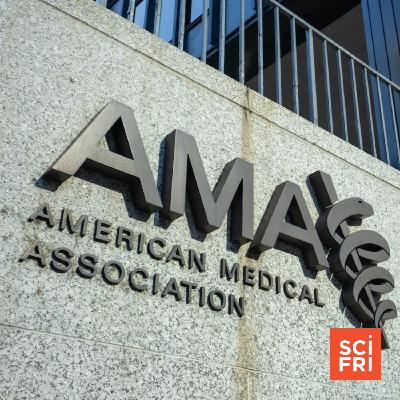
The gap between vaccine science and vaccine policy has been widening under Health Secretary Robert F. Kennedy Jr. Now, the American Medical Association and the Vaccine Integrity Project, based at the University of Minnesota, have announced that they are partnering to create their own vaccine review process, effectively creating a parallel system to the CDC’s. Host Ira Flatow talks with Michael Osterholm, executive director of the Vaccine Integrity Project, about the role of this new review panel.Guest: Dr. Michael Osterholm is the director of the Center for Infectious Disease Research and Policy and executive director of the Vaccine Integrity Project at the University of Minnesota.Transcripts for each episode are available within 1-3 days at sciencefriday.com.
Subscribe to this podcast. Plus, to stay updated on all things science, sign up for Science Friday's newsletters.
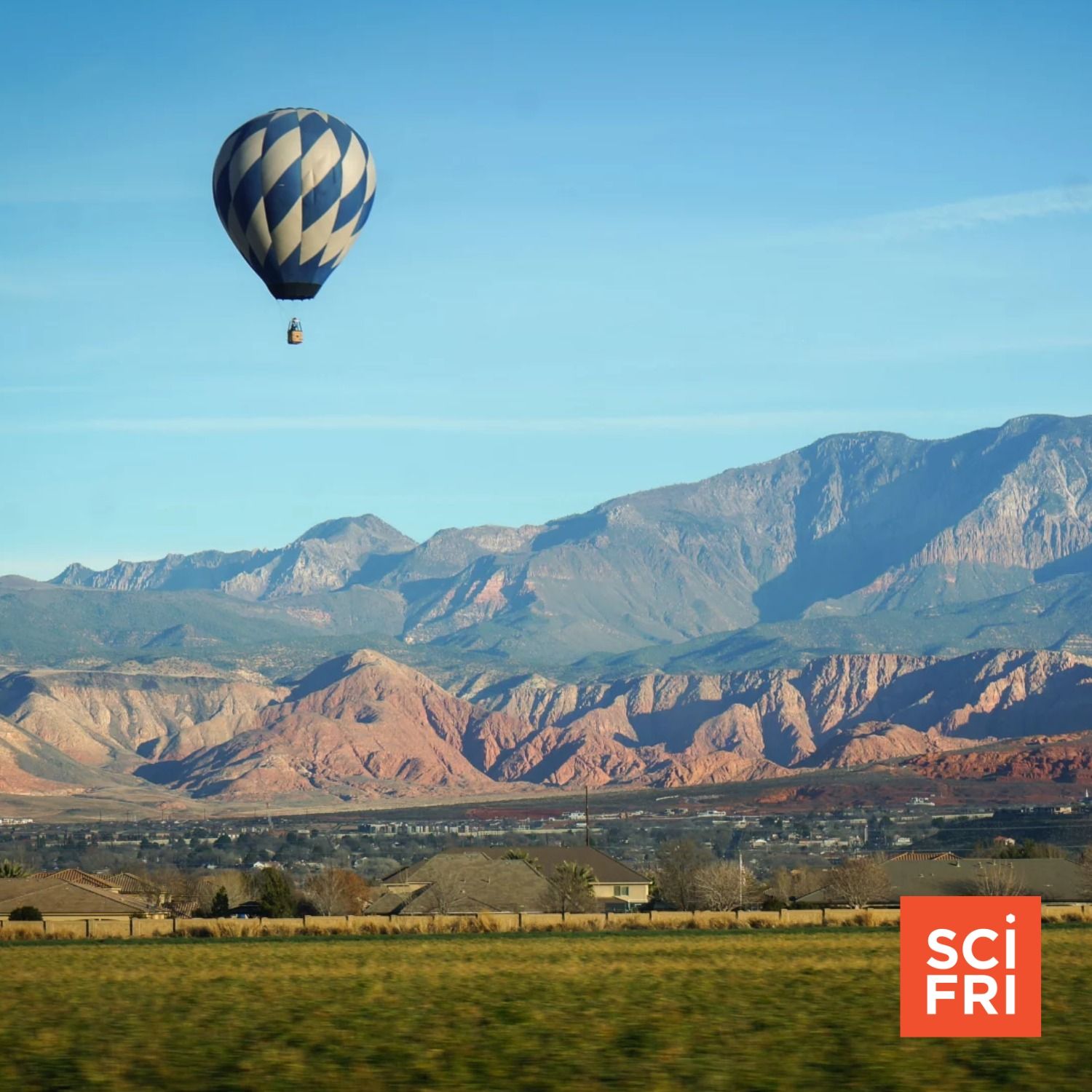
While parts of the eastern and southern US have had unusually high snowfall this year, Colorado and Utah are in a snow drought. The abysmal winter sports season is just the tip of the melting iceberg: Snowpack is key to providing water throughout the year for the drought-stricken region. Joining Host Flora Lichtman to talk about this unusual winter are reporter David Condos and climate scientist Brad Udall.Guests:David Condos is the Southern Utah Reporter at KUER based in St. George.Brad Udall is a senior water and climate research scientist at Colorado State University’s Colorado Water Center.Transcripts for each episode are available within 1-3 days at sciencefriday.com.
Subscribe to this podcast. Plus, to stay updated on all things science, sign up for Science Friday's newsletters.
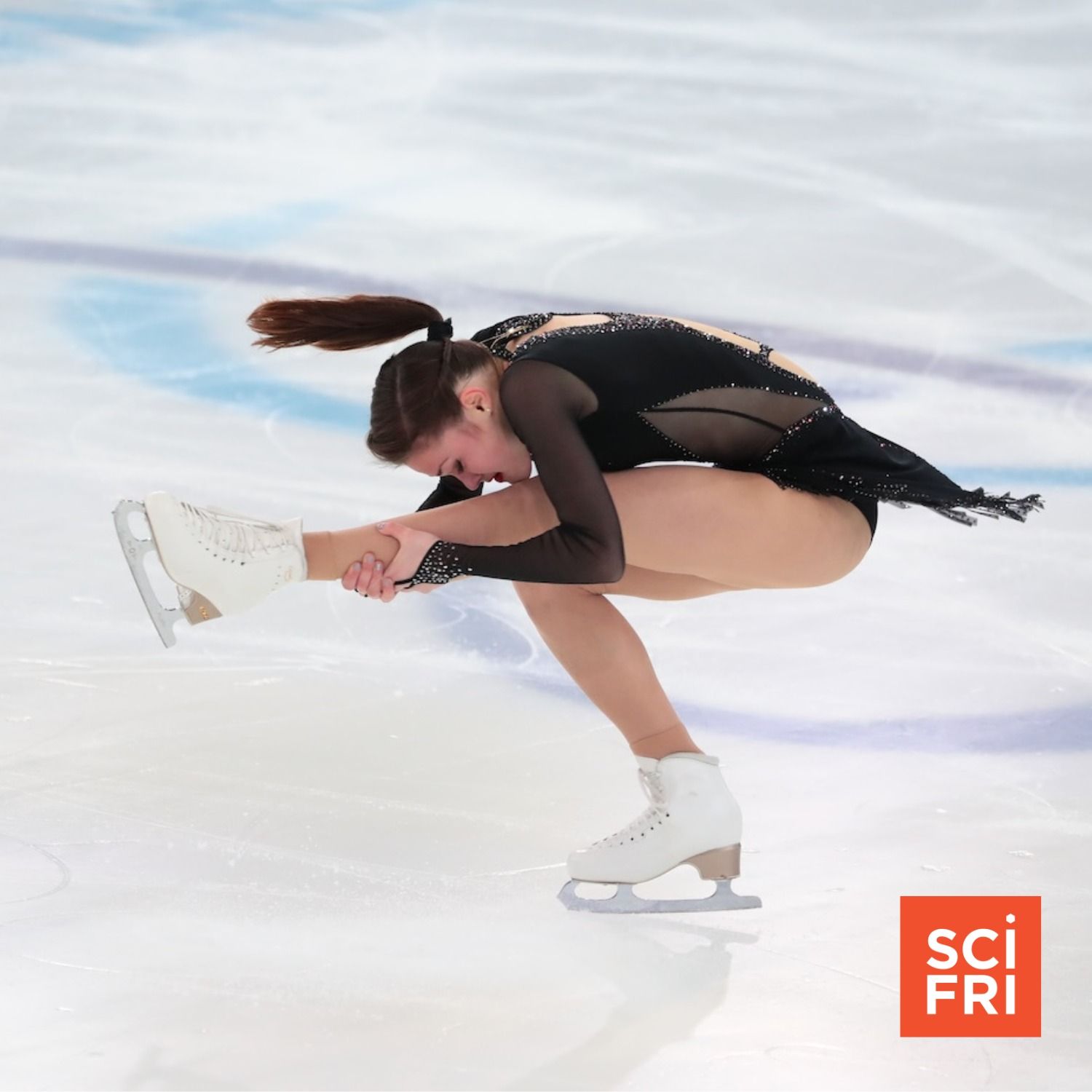
Figure skating is a fan favorite at the Winter Olympics—for every event, the stands are packed to watch competitors glide, jump, and spin. But what does it take to pull off these seemingly effortless moves? Figure skating researcher Deborah King joins Host Ira Flatow to unfold the science of the sport, from the impressive jumps of US skater Ilia Malinin, to the g-forces endured by the ankles of a speeding skater.Guest: Dr. Deborah King is a professor of exercise science and athletic training at Ithaca College in Ithaca, New York.Transcripts for each episode are available within 1-3 days at sciencefriday.com.
Subscribe to this podcast. Plus, to stay updated on all things science, sign up for Science Friday's newsletters.


Download from Google Play

Download from App Store
 United States
so good interview... big thanks for job
uh... some of us grew up in the 80's. what do you mean we don't think about it. do you not know how much we heard about the ozone?? c'mon.... 🙄🙄 we might not be scientific but we know and think about it. indoors and outdoors
what a beautiful poem 💐
🔥🔥🥳🥳 That's amazing
volume zwQarsa
how can I have the transcription?
two people showing closed minds trying to negate another's observations in real life. sheesh, how many times did they say myth. not cool; hard pass listening to them further
why does Flatow drag these discussions down to a simplistic reduction that yields the same trite predetermined formula he wants for publication? why not find out the basis for new information and what makes it more reliable than previous means of measurement? does this recent finding just increase the range of possible values for the Hubble constant? or does it effectively supersede previous calculations?
I've often wondered if they could crispr a tree to grow faster and larger for lumber purposes. what's the genetic difference between giant bamboo and pine trees.
1:41 . . . Pi merits our irrational attention . . . Now that's "Woke Friday" for ya . . .
6:10 . . . The language of colonialism & imperialism has tainted this field of science ? . . . I used to regularly listen to SF back a decade or two ago before it became so woke. Then Ira started making global warming a part of every episode. It got so tiring. Science used to be interesting & educational. Now for the most part shows like SF are just preachy political. And they never self reflect on the decline.
Who is throwing shade on plants prehistoric or not ?
Not a single thing about how differently the movie would have been made today was discussed in this episode 😂
bro why you talk like that!
I think we shouldn't act like we're outside of nature. Humans are natural, albeit in very different ways sometimes. If we mess up and ecosystem we should be invested in repairing it as best were able. We protect endangered species all the time; it's odd that we'd treat these trees any differently.
The name is Türkiye, not Turkey. They changed their name almost 3 years ago.
between this guy's microphone and his accent I didn't get half of what he said especially at the critical moments.
This is said here by this politician is almost fake news!
Biochar can be used in the making of green concrete, too
this podcast encouraged me to learn other languages