


 Claim Ownership
My Music
Subscribed: 4Played: 23
Subscribe

© Graham Coath
Description
Welcome to My Music, a compelling music interview podcast in which host Graham Coath invites listeners to the lives of musicians, songwriters, and artists who shape the sounds we love. With a genuine passion for music and years of experience in the industry, Graham connects with each guest in a way that draws out the heart of their story, creating episodes that are as rich, unpredictable, and entertaining as the music itself. My Music goes beyond the beats.
557 Episodes
Reverse
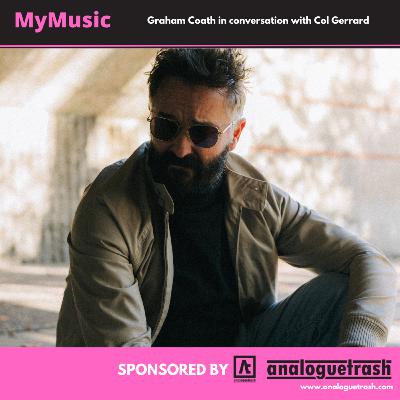
In this episode of My Music, Graham Coath sits down with London-born singer-songwriter Col Gerrard for a conversation that moves well beyond the usual music interview.Col’s approach to music is grounded in something increasingly rare—classic songwriting, emotional honesty, and a deep respect for real musicianship. Influenced by soul, classic pop and timeless artists, his work reflects a life shaped by movement, experience, and reflection. The discussion weaves through the making of his self-titled debut album—an introspective twelve-track record that explores the complexity of relationships, miscommunication, longing, and the quiet weight that love can leave behind. As Col shares, these songs were written in hindsight—an attempt to make sense of moments that didn’t fully land at the time.Recorded across iconic London studios including Abbey Road Studios, Metropolis Studios and Kore, the album was produced by Grammy-nominated Chris Potter (known for work with The Rolling Stones, U2 and The Verve). Together, they’ve created a piano-led, emotionally charged sound—blending soulful vocals, organic instrumentation, driving guitars and a subtle sense of nostalgia that feels both cinematic and accessible.Alongside the album, Graham and Col explore:Why true musicianship still matters in a world of AI and samplingThe irreplaceable energy of live performance and imperfectionThe tension between technology and human expressionHow songwriting often reveals meaning long after the moment has passedThere’s also a strong thread throughout the episode about creative identity—why artists shouldn’t feel boxed in, and how the best music often comes from allowing space for instinct, experimentation and even the unexpected.Having recently toured with Boyzlife and building momentum following radio support and a sold-out Camden headline show, Col Gerrard is carving out a space that feels both grounded and quietly confident.At its core, this episode is about rediscovering the human side of music—where feeling, craft and lived experience still lead the way.

There’s something quite fitting about a band forming just as the world was coming back to life.In this episode of My Music, Graham Coath sits down with Rodrey and James from The Rogues — a band shaped by lockdown reflection, long-standing friendships, and that familiar pull back to music when everything else stops.Starting life in the aftermath of COVID, The Rogues found their sound not through strategy, but through instinct. Years of playing, stopping, starting again… and then finally coming together at the right time.What comes through in this conversation is honesty.About the reality of being a band now.About balancing creativity with the pressure to be “strategic.”About chasing that 20-second hook without losing the soul of the song.Their sound sits somewhere between indie roots and pop sensibility — melodic, simple in the best way, and full of those little earworms that stay with you longer than you expect.But beyond the music, this is a conversation about building something properly:A loyal audience.A real community.Not just followers… people who actually care.From newsletters and Instagram groups to upcoming tours across the UK and Ireland, The Rogues are doing the work — quietly building momentum, one connection at a time.There’s also talk of:– The strange shift from albums to singles and strategy– Why simplicity in songwriting is often the hardest thing to achieve– Misspelling their own band name more times than seems possible– And the ambition to step onto bigger stages… without losing what makes them workWith a new EP landing on 24th April and more music already waiting in the wings, this feels like a band on the edge of something.Not forced.Not manufactured.Just… ready.If you’re interested in how modern bands are navigating music, audience, and identity — this one’s worth your time.
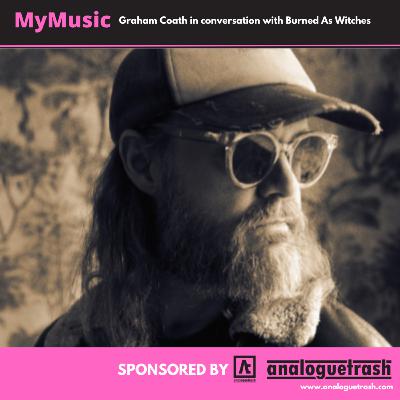
My Music Podcast – Graham Coath with Rick McMurray (Ash / Burned As Witches)In this episode of My Music, Graham Coath sits down with Rick McMurray to explore the raw, personal journey behind his solo project Burned As Witches.Best known as the driving force behind Ash, Rick steps out from behind the drum kit and into a completely different creative space—writing, performing, and producing every note of a record that leans heavily into darker tones, big riffs, and uncompromising honesty.What begins as a conversation about the album quickly opens into something deeper. Graham and Rick reflect on:The meaning behind Burned As Witches—less about history, more about judgment, metaphor, and modern-day “crucifixion”The influence of classic rock and metal—from Led Zeppelin to Black Sabbath—and why that sound still mattersRecording instinctively and resisting overproduction in an age of AI and digital perfectionThe emotional thread running through the album, shaped in part by loss, memory, and creative independenceThere’s also a candid look at what it feels like to front a band for the first time—juggling vocals, guitar, and presence—and the strange, almost out-of-body experience of stepping into that role after decades as a drummer Beyond the music, the conversation moves into something Graham often returns to—communication. Together, they explore truth, perspective, and why real human conversations still matter in a world increasingly shaped by algorithms, noise, and one-way thinking This is a conversation about music, yes—but also about identity, creativity, and staying connected to something real.Burned As Witches is available digitally, with a limited vinyl run handled personally by Rick himself—keeping the DIY spirit firmly intact.
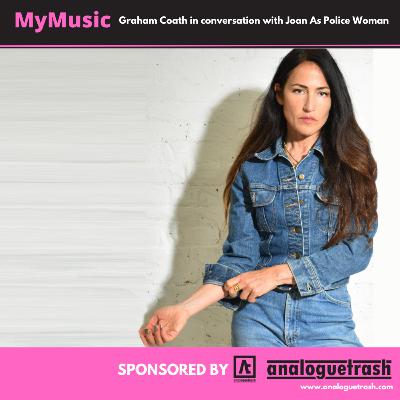
My Music Podcast – Graham Coath with Joan As Police WomanIn this episode of My Music, Graham Coath sits down with Joan Wasser — a quietly influential force in modern music whose work has always lived somewhere between intimacy and experimentation.Twenty years on from her debut Real Life, Joan returns with Real Life Evolution — not a nostalgic revisit, but a living document of how songs grow, shift and deepen over time. As she explains in the conversation, this new record captures “how the music has changed over the last 20 years… a continuation of the same dialogue.” What unfolds is less an interview and more a shared exploration of music as a form of communication.Graham and Joan talk about:Music is an ongoing conversation with yourself and the worldThe tension between autonomy and community in modern lifeWhy live performance still feels like one of the last true shared human experiencesThe discomfort (and necessity) of looking back at your own workHow stepping away from noise and platforms can protect creativityThere’s a noticeable thread throughout — that everything Joan creates, whether solo work or collaborations with artists like Iggy Pop or Damon Albarn, is part of one continuous expression rather than separate projects.The conversation also touches on the making of Real Life Evolution, including the stripped-back, intimate recordings of Flushed Chest and The Ride, where Joan’s vocals — often recorded at home — bring listeners closer than ever to the source of the songs.At its core, this episode reflects something Joan puts simply:Music is connection.Not performance.Not content.Connection.
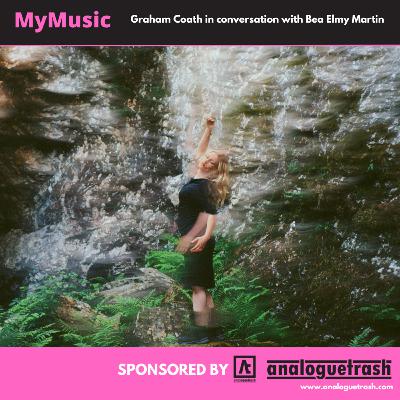
My Music Podcast – Graham Coath with Bea Elmy MartinIn this episode of My Music, Graham Coath sits down with one of the UK alternative scene’s most quietly compelling voices, Bea Elmy Martin.London-born and carving her own lane, Bea’s music doesn’t shout for attention. It draws you in. Ethereal vocals, brooding electronics and a kind of emotional precision that feels less like performance and more like presence. As Graham puts it early on, it’s the kind of music you find yourself returning to when you need to feel grounded… or just a little more at peace What unfolds is less an interview and more a conversation about feeling.They talk about:– Growing up on soul greats like Stevie Wonder and Aretha Franklin, and how that shaped Bea’s ear for emotion– Writing as a form of journaling… turning overwhelming moments into something tangible– Festival memories, community, and why music still feels almost spiritual when it’s shared live– The reality of finding your voice as an artist… including the very honest truth that the first songs are usually terrible– The balance between creating for yourself and not getting pulled off course by outside noiseThere’s a warmth to this conversation that mirrors Bea’s music. Moments of humour, stories about early gigs and Glastonbury, and reflections on what it actually takes to keep creating when everything around you is pushing for speed, visibility and instant results.Bea also opens up about her recent work, which includes Anouk — a deeply personal track that captures friendship, distance, and emotional growth in a way that feels both intimate and expansive.This is an episode about patience. About trusting your own process. And about the kind of artistry that doesn’t rush… but stays with you.A thoughtful, human conversation with an artist who is building something real, one song at a time.
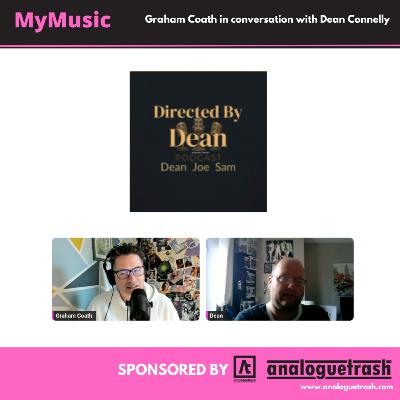
MyMusic Podcast – Graham Coath in conversation with Dean Connelly (Directed By Dean)What happens when you turn the tables on a podcast host?In this episode of MyMusic, Graham Coath sits down with Dean Connelly, the voice behind the Directed By Dean podcast, to explore the stories behind the storyteller.Dean is used to asking the questions. This time, he’s answering them.From his early love of film (sparked by watching Alien far too young) to building a podcast that has quietly become one of the highest-rated in its category, this conversation moves through creativity, curiosity, and what it really means to stay consistent in a noisy world.Along the way, they explore:Why Dean started podcasting—and why he almost didn’tThe evolution from scripted interviews to natural, unscripted conversationThe role of film history in shaping modern storytellingSoundtracks, composers, and the emotional weight of music in filmThe balance between professionalism and personality when interviewing guestsWhy the best conversations often happen when the plan disappearsThere’s also a deeper thread running through this episode…A shared understanding that great conversations—whether about music, film, or anything else—aren’t about ticking boxes. They’re about creating space.Space for stories.Space for craft.Space for people to be heard properly.If you’re interested in film, podcasting, or simply how good conversations are built, this one is worth your time.
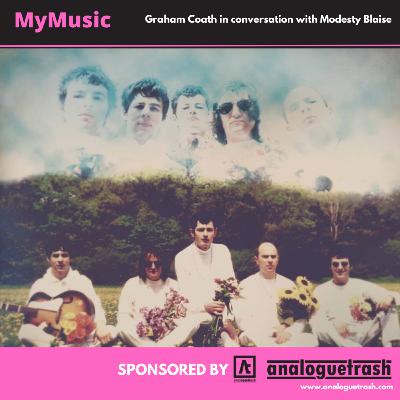
What happens when an album refuses to stay in the past?In this episode of MyMusic, Graham Coath sits down with Jonny Collins of Modesty Blaise to explore the 25-year anniversary reissue of Melancholia — a record that never quite had its moment in the UK… until now.This isn’t just a re-release. It’s a restoration.Jonny shares the story behind bringing Melancholia back properly — returning to the original analogue tapes, remastering with modern clarity, and finally presenting the album as it was always intended. What emerges is something unusual: a record that feels both of its time and strangely current.The conversation moves through:The idea of albums as complete journeys, not just collections of songsWhy some records get lost… and why they deserve another lifeThe tension between perfection and humanity in music productionThe role of imperfection — broken strings, analogue limitations, and “happy accidents”Whether AI can ever replicate the meaning behind music, not just the soundThere’s also a deeper thread running through it all — legacy.This is about unfinished business. About giving a body of work the space it never had. And about what it means when music reconnects with people decades later, in a completely different landscape.If you care about albums, storytelling in music, or the difference between something made… and something meant — this one’s worth your time.Melancholia (25th Anniversary Reissue) is released April 24th on streaming platforms, with additional releases to follow.

This episode of MyMusic introduces an artist whose journey into music feels both familiar… and refreshingly grounded.Skylar Herter joins Graham to talk about growing up surrounded by performance, creativity, and music — with a childhood shaped inside her mother’s theatre and dance school, and a natural pull towards singing from an early age. What unfolds is a conversation that moves beyond the usual “becoming a pop star” narrative.Skylar shares how her relationship with music has evolved — from early inspirations like Somewhere Over the Rainbow to writing her own songs, often drawn from personal experiences and everyday emotions. But what stands out is her perspective.Rather than chasing a single outcome, she talks openly about building a portfolio life — where music sits alongside teaching, photography, design, and creativity in its widest sense.In this episode, you’ll hear:How growing up in a creative environment shaped her approach to musicThe shift from “big pop star dreams” to a more balanced creative lifeWhy songwriting is more about understanding yourself than impressing othersThe difference between writing on guitar vs piano — and how it changes the feel of a songThe reality of creating in a world driven by social media (and how she navigates it)The story behind her latest release, inspired by changing friendshipsThere’s also a thread running through the conversation around creativity without pressure.Not everything needs to become a career.Not everything needs to scale.Sometimes it’s about building something that fits your life — not the other way around.A thoughtful, honest conversation with an artist who is still early in her journey, but already clear on what matters.🎵 Listen now and discover Skylar Herter
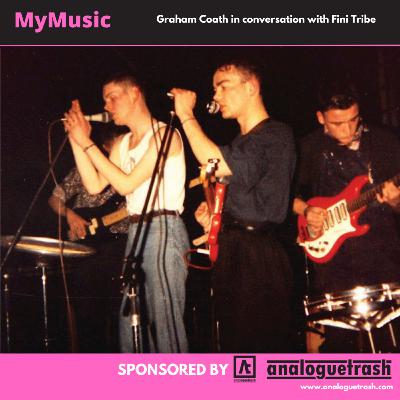
MyMusic with Graham Coath | The Fini Tribe Anthology (with Dave Familler and Chris Connelly)This episode takes a different turn.Graham is joined by Dave Familler and Chris Connelly, two musicians whose story doesn’t follow the usual script. This isn’t about chasing charts, building audiences, or “making it.” It’s about what happens when music comes first… and everything else is secondary.At the centre of the conversation is the release of the Fini Tribe anthology—a body of work that captures a time when music was created without templates, expectations, or much in the way of resources.What unfolds is a reflection on a very different kind of creative environment.A time where bands rehearsed relentlessly, built instruments from whatever they could find, and treated music less like a product and more like an occupation. Where ideas were explored for hours, not optimised for algorithms. Where community existed in shared rehearsal spaces, not online platforms.There’s humour throughout—stories of ponies in gardens, chaotic recording setups, and pushing boundaries (sometimes too far). But underneath it is something more considered.A question about what has changed.When did music become more structured, more commercial, more defined by outcomes?And what might have been lost along the way?This conversation explores:The difference between creating music and building a music “career”Why limitations often lead to more originalityThe role of community in shaping sound and identityHow spontaneity and experimentation created something lastingWhether modern music culture leaves enough space for discoveryIt’s not nostalgic for the sake of it.It’s reflective.And for anyone making music—or creating anything—it offers a reminder that sometimes the most important work happens when no one is watching, no one is measuring, and no one is telling you how it should be done.
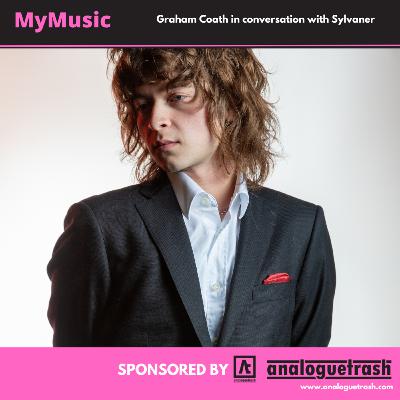
This week on MyMusic, Graham Coath is joined by Las Vegas–born artist and producer Sylvaner for a conversation that moves as freely as his music.What starts with a chat about German white wine quickly opens into something deeper — how music becomes a first language, a way of understanding the world, and a way of connecting with people long before words fully land.Raised around record stores and vinyl, Sylvaner grew up surrounded by sound. From Miles Davis playing before he was even born, to early hip hop shaping how he listened, his relationship with music has always been immersive rather than passive.That comes through in this conversation.They explore:The difference between hearing music and actually listeningWhy mistakes and “human feel” still matter in a world leaning towards perfectionThe tension between control and letting go in the creative processAnd how modern audiences engage with music in fragments rather than full experiencesAt the centre of it all is “Plastic Love” — a track that began as something atmospheric and introspective, before evolving into a darker, dance-driven piece built for movement as much as reflection.But underneath the groove sits something more uncomfortable.A conversation about desire without commitment.Connection without depth.And the quiet emptiness that can sit behind both.Sylvaner talks openly about where that idea came from, how it shaped the sound, and why he wants people to feel his music first… and only fully understand it later.This is not a conversation about chasing perfection.It’s about process.Instinct.And building something that lives both on the dancefloor and long after the night ends. Listen now and discover “Plastic Love” — the track that might hit you at 2 am… and make more sense the morning after.
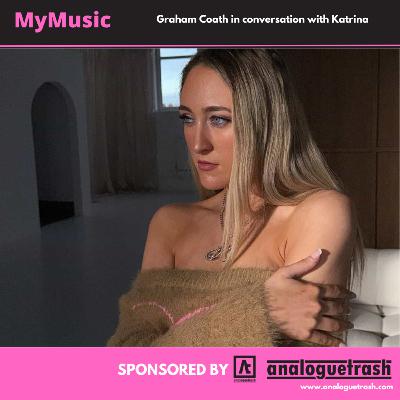
Graham Coath chats with Katrina-Marie Howson, known simply as Katrina, about a life shaped by big pop dreams, creative ambition, and a determination to make music on her own terms.In this episode, Katrina shares how she grew up in a music-loving household, why Girls Aloud made such an impact on her, and how performing has been part of her life since she was six years old. She talks openly about studying performing arts, never really having a Plan B, and why music has always felt like the thing she was meant to do.The conversation moves through early influences, family support, auditioning for The X Factor as part of a girl group, and the reality of trying to build a music career in a world now driven by TikTok, numbers, visibility and constant content creation. Katrina also reflects on the double workload of being an independent artist, where writing songs is only one part of the job.There is plenty of personality here, too, from touring fantasies involving pets with their own security to thoughts on social media, online shopping, manifestation, and the dream of one day collaborating with Nicki Minaj.Katrina also talks about her single Pick Me Girl, her upcoming album, and the themes running through the new music, including self-belief, taboo subjects, honesty, emotion and writing songs that listeners can truly see themselves in.It is a fun, warm and honest conversation about pop, purpose, ambition and what it takes to keep going when the dream still feels bigger than the moment.
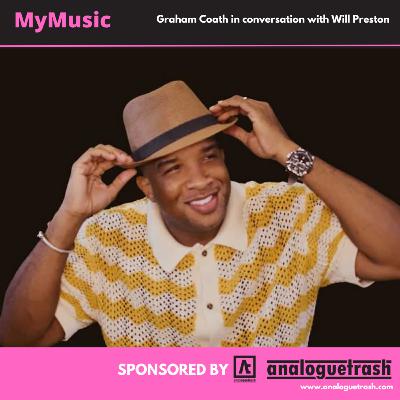
In this episode of My Music, Graham Coath is joined by Will Preston, who connects from Atlanta, Georgia, for a rich and thoughtful conversation about soul, songwriting, faith, voice, and why music still deserves more than a few seconds of attention.Will reflects on a career that began with his debut release in 2005 and has continued to grow through constant change in the music industry. From the days of Tower Records, cassette tapes, and CD collections to streaming, singles culture, and short attention spans, this is a conversation about what has been gained, what has been lost, and why the full-album experience still matters.Graham and Will talk about how music discovery used to feel in record shops. They discuss why voice and tone matter so much in great music. They explore the influence of church, gospel, and faith on singers and songwriters. They also reflect on the value of staying true to yourself rather than chasing trends. The conversation touches on why independent artists need to understand both the business and the art. It also looks at the changing way audiences consume music and the dream projects still to come, from orchestral collaborations to R&B and country crossovers.There is plenty of warmth and humour too. From talk of Luther Vandross's stage outfits and giant shoulder pads to the confusion caused by a name that keeps bringing up Billy Preston in search results, the episode is full of personality.Above all, this episode is a reminder to slow down and really listen.Will also shares details of his upcoming project Erratic Heartbeats, his new single Don’t Like Falling in Love, and picks Never Knew Love as the song for listeners to start with.This is a soulful, honest, and wide-ranging conversation with an artist who believes in craft, patience, passion, and making music that lasts.Listen now, then go beyond the single and take the full journey.
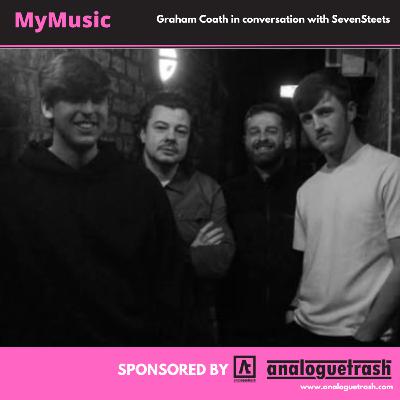
This episode of My Music brings the energy of Liverpool’s live scene straight into the room as host Graham Coath sits down with rising band SevenStreets — Owen, Sean, Ant and Niall — for a conversation that moves as quickly as their sound.From the first moment, it’s clear this is a band built on chemistry. What starts with a light-hearted debate about guitar picks (hard vs soft… make of that what you will) quickly opens into a deeper discussion about how the band formed, the challenge of finding the right musicians, and what happens when everything just clicks.SevenStreets describe their sound as throwback but different — a nod to the past with something firmly rooted in the present. Across the conversation, you’ll hear influences ranging from Squeeze and Paul Weller to Motown, Pink Floyd and beyond, all shaping a band that’s trying to balance storytelling, melody and raw energy.Graham and the band also get into the realities of modern music:Why original music is harder than ever to get heardThe shift from albums to streaming — and whether anything has been lostThe quiet return of vinyl, merch and fans actually supporting artists againThe decline of grassroots venues… and why that mattersThere’s humour throughout — from misheard lyrics to ABBA mishaps — but underneath it is a serious point about music, community, and what’s missing in a world where everything has become more individual and disposable.You also get a glimpse into how SevenStreets write their music — with a strong focus on storytelling and meaning — and where they want to go next, from local gigs to much bigger stages.It’s honest, it’s relaxed, and it captures exactly what My Music does best: real conversations with artists figuring it out as they go.If you’re interested in new music, band dynamics, or just how musicians actually think… this one’s worth your time.Keep on. Don’t stop.

On this episode of My Music, host Graham Coath sits down with rising Welsh pop artist MACY for a lively conversation full of energy, ambition, and plenty of laughter.MACY shares the surreal moment she discovered her music would be played on BBC Radio 1 — an email that led to tears, celebrations with her parents, and a moment she says she’ll never forget. The conversation explores how her journey began long before that milestone. From performing “Price Tag” by Jessie J at a school talent show at just 10 years old, to performing at The O2 Arena at 11 through a national singing competition, MACY talks about the early moments that convinced her music was the path she wanted to follow. Along the way, Graham and MACY discuss:Growing up in a small Welsh town and chasing big musical dreamsThe importance of supportive parents when pursuing a creative careerThe realities of building a music career as an independent artistThe challenges of booking gigs and building momentum without a large teamWhy a TV or film sync — perhaps even on Love Island — would be a dream moment for her music.They also dive into musical influences, pop culture, and some entertaining “what if” scenarios — including the possibility of MACY performing “Price Tag” with Jessie J one day, and why a Christmas duet with Harry Styles might be the perfect future collaboration.The episode wraps up with MACY talking about her latest single, “Please Keep Talking,” and the new EP she’s currently working on.If you enjoy discovering emerging artists and hearing the stories behind the music, this conversation captures the excitement, humour, and determination of a young artist carving her own path in the pop world.
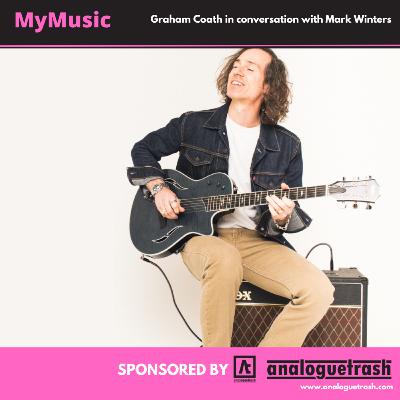
On this episode of My Music, host Graham Coath sits down with Houston-based singer-songwriter Mark Winters for a conversation that blends science, songwriting, and the pure joy of making music.Mark’s path into music is anything but conventional. Before stepping onto stages and writing songs, he worked as an aerospace engineer — a background that still quietly shapes his music today. From tracks inspired by physics concepts like “Fake Gravity” to a philosophy of spreading positive energy through his performances, Mark’s approach to songwriting mixes curiosity, creativity, and optimism. During the conversation, Graham and Mark explore:How a single anniversary song for his wife sparked a musical journey that began later in lifeThe surprising crossover between science and creativity in songwritingMusical influences ranging from John Mayer and Vance Joy to Tom PettyThe magic moment when musicians stop thinking about the mechanics and start playing purely from feelingWhy the shared energy between performer and audience — that unspoken “nod” — is one of the most powerful experiences in live music.Mark also reveals details about new material he’s working on, including an unreleased song called “Shine With Me,” designed to capture the uplifting connection between artist and audience during a live performance. This episode is a thoughtful look at how music can emerge from unexpected places — and how creativity often sits right alongside science, curiosity, and the human desire to connect.If you enjoy conversations about songwriting, creative process, and the stories behind the music, this is one not to miss.
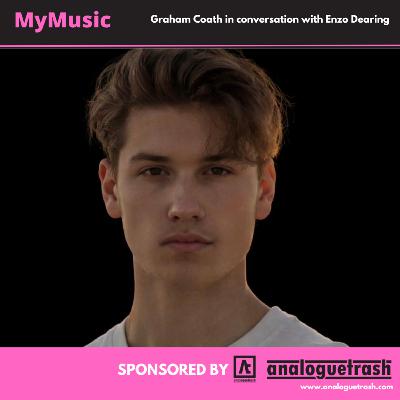
In this episode of My Music, host Graham Coath sits down with rising actor Enzo Dearing to discuss the relationship between music, film, and performance.Although Enzo is best known for his work on screen rather than as a musician, music plays a central role in his experience of storytelling. From his admiration for film composer Hans Zimmer to the influence of the Pirates of the Caribbean soundtrack on his early love of cinema, Enzo explains how powerful scores shape emotion, tension, and character on screen. The discussion moves through several themes, including:How film soundtracks help actors connect with the emotional rhythm of a sceneThe role of music in Bollywood productions and why those films feel so distinctiveEnzo’s disciplined approach to acting, including detailed script preparation and performance notesHis experience playing a darker character in the vertical series Alpha Stepbrothers Bite MeWhy breaking into acting often depends as much on business skills and persistence as talentEnzo also reflects on the moment he realised acting was the path he wanted to pursue, inspired by a childhood fascination with pirates and the cinematic world of Pirates of the Caribbean. The conversation even touches on dream roles, from portraying Jack Sparrow’s son to potentially playing a young Elvis.Along the way, Graham and Enzo explore the realities of building a career in film, the importance of audience reaction for performers, and how music quietly underpins some of cinema’s most powerful moments.If you enjoy conversations about film, performance, and the creative forces behind storytelling, this episode offers a thoughtful look at how music and acting intersect.Follow Enzo’s journey on Instagram and keep an eye on his growing film career, with his latest project already surpassing 2.6 million views.
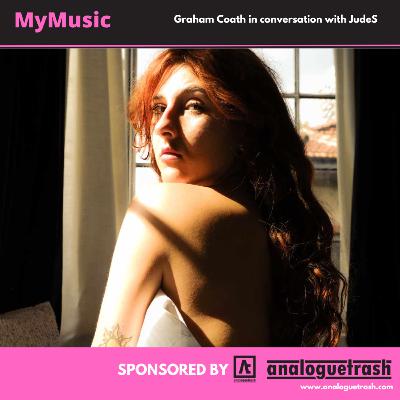
In this episode of MyMusic, host Graham Coath is joined by London-based artist JudeS, whose music blends cultures, languages and personal storytelling.Originally from Naples, JudeS talks about moving to London and how the city shaped her as both a person and an artist. What began as an attempt to distance herself from her roots eventually became a powerful part of her sound, with JudeS now combining English and Neapolitan to create music filled with emotion and authenticity. During the conversation Graham and JudeS explore:• The story behind her artist name and how JudeS came to be• How living between Naples and London influences her songwriting• The role of culture, language and identity in music• Her creative process using tools like GarageBand, Logic and Ableton• Writing songs that turn personal experiences into artJudeS also talks about her track "Game Over, Ovèr", a song inspired by a breakup that ultimately became a story about personal growth and becoming a stronger version of yourself. Along the way, the conversation moves from songwriting and Neapolitan culture to tambourines, festival memories and the unexpected influence of Neapolitan ice cream.It’s a warm, humorous and thoughtful conversation about music, identity and finding your voice as an artist.Listen now and discover the story and sound of JudeS on MyMusic.
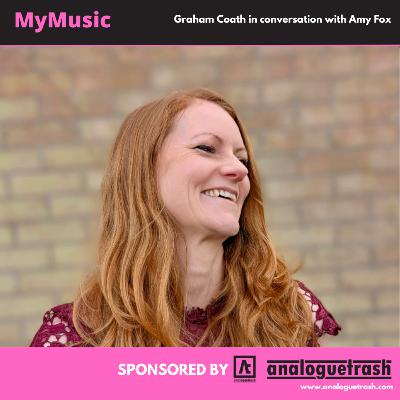
Podcast DescriptionOn this episode of MyMusic, host Graham Coath sits down with singer-songwriter Amy Fox for a thoughtful and personal conversation about music, vulnerability and the long road to finding confidence as an artist.Based near Southampton, Amy talks about the supportive grassroots music scenes in places like Southampton, Andover and Salisbury, and how open mic nights and local venues have played an important role in helping musicians develop their craft.The conversation then moves into the heart of Amy’s songwriting. Her upcoming EP of four deeply personal songs explores themes of healing, leaving a toxic relationship and learning how to rebuild self-worth and self-love. Writing these songs became an important part of her own healing process, turning difficult experiences into something creative and meaningful.Amy also reflects on the challenges many musicians face: stage fright, self-doubt and the long journey towards believing in your own voice. From writing songs in private as a teenager to finally performing at open mic nights after becoming a parent, her path into music has been one of gradual courage and growth.Graham and Amy discuss why imperfect voices often connect more deeply with audiences, the psychology of singing, and the communal power of live music.The episode also looks ahead to Amy’s next steps as an artist, including the release of her EP and a live EP launch show at The Dusty Barrel in Hythe, where she hopes to continue building her confidence and sharing her music with a wider audience.This is an honest conversation about music as a tool for expression, healing and connection — and a reminder that sometimes the most powerful songs come from the most difficult places.If you enjoy discovering emerging artists and the real stories behind their music, this is an episode you won’t want to miss.
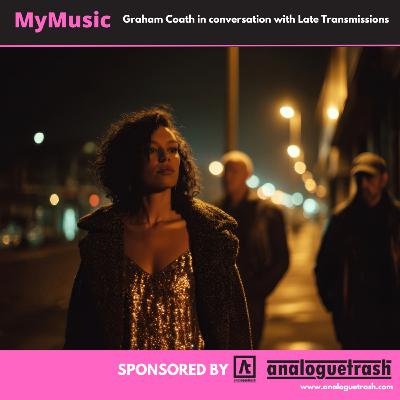
On this episode of MyMusic, host Graham Coath sits down with Dave Balfe and Dave Hughes, part of the creative partnership behind Late Transmissions.The conversation traces their long musical journeys from their early days in bands and the wider music industry to their reunion decades later to create something entirely new together. Drawing inspiration from the grand orchestral pop of the 1960s, the cinematic power of classic film soundtracks, and the storytelling tradition of timeless songs, Late Transmissions set out to build music that feels both dramatic and emotionally rich. Dave Balfe explains how their shared love of artists like Scott Walker and the sweeping arrangements associated with composers such as John Barry helped shape the project, while Dave Hughes discusses the production side—blending orchestral textures, modern studio tools, and his experience in film composition to create a wide sonic palette. They also talk about discovering vocalist Eve, whose powerful voice brought the songs to life and influenced the music's direction, giving the project its distinctive emotional centre. Along the way, the conversation moves through stories from the music business, reflections on how the industry has changed, the realities of making orchestral-scale music today, and the possibilities of where these songs could travel next—from film and television syncs to perhaps even a stage musical.It’s a thoughtful, often humorous discussion about songwriting, collaboration, and the enduring power of songs that aim to tell a story and leave a lasting impression.
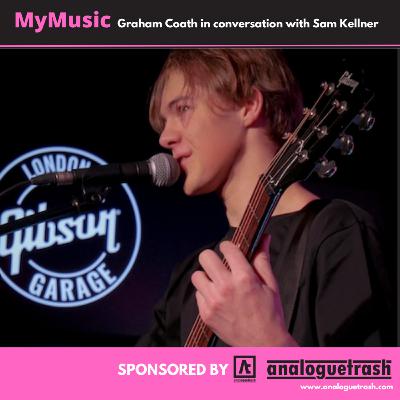
In this episode of MyMusic, Graham Coath sits down with Sam Kellner, best known for his recurring appearances in major productions including Percy Jackson and the Olympians, Everybody Still Hates Chris, Young Royals, The Woman in the Wall, and Bunk'd, to talk about his love for and his career so far in music.Born and raised near Hamburg, Germany, Sam taught himself guitar at eleven, began producing at fifteen, and has since released more than twenty self-produced singles on Spotify. Several of those tracks have gone on to become theme songs for feature films, reflecting an artist who understands both storytelling and sonic atmosphere.As described in his IMDb mini biography by Craig Rogalski, Sam’s creative journey spans acting, music and modelling, including walking at New York Fashion Week in February 2024 and appearing in a promotional campaign for Yves Saint Laurent.But this conversation goes deeper than credits.Graham and Sam explore:Growing up inspired by Michael Jackson, and why he would still choose him as his ultimate studio collaboratorEarly pop influences like Justin Bieber and how that shaped his songwriting instinctsWhy he values personal honesty over technical perfectionThe reality of being a young artist navigating TikTok, streaming culture and creative pressureHow messages from listeners studying, revising, or finding comfort in his songs keep him motivatedThere is humour too, including a confession about being spectacularly bad at archery and reflections on identity, insecurity, experimentation, and the desire to write something even more personal in the next phase of his career.From indie-leaning folk ambitions to Latin and early 2000s R&B influences, Sam is still exploring, still refining, and still open.This is a conversation about momentum, maturity, and what it means to stay curious while the spotlight grows.Listen in. Add a track to your playlist. And discover where Sam Kellner’s music might take him next.

Comments

Download from Google Play

Download from App Store
 United States