


 Claim Ownership
Founder Thesis
Subscribed: 33Played: 1,517
Subscribe

© Copyright 2022 ThePodium.in
Description
Dickens said, it was the best of the times, it was the worst of the times. The words have never been truer. Best because there’s never been a better time to be an entrepreneur. Worst because the clutter is mind-numbing. Founder Thesis breaks through the noise to bring you stories of success & failure, grit & struggle, bouquets & brickbats from some of the most brilliant entrepreneurs in India.
430 Episodes
Reverse
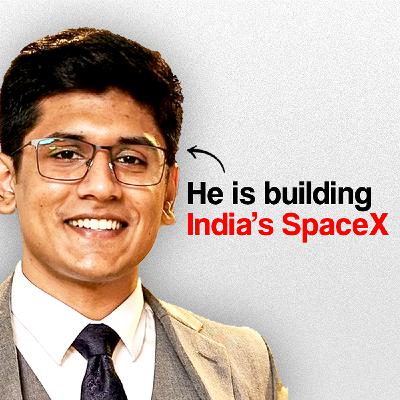
In this episode, Manu Nair, Co-Founder and CEO of EtherealX, breaks down the engineering breakthroughs, fundraising battles, and geopolitical forces reshaping the future of space tech in India and beyond.
Over 85% of the world's commercial satellite launches depend on a single rocket from a single country. That's not a monopoly - it's a dependency, and Manu Nair believes it is one of the most dangerous structural flaws in global space infrastructure today. Manu is the Co-Founder and CEO of EtherealX, the Bengaluru-based deep tech startup building the Razor Crest Mk-1 - India's first fully reusable medium-lift launch vehicle that recovers both its booster and upper stage.
In a conversation with host Akshay Datt, Manu traces the journey from bootstrapping on personal savings and a loan from his father, to closing a $20.5 million Series A co-led by TDK Ventures and Accel, to signing binding launch agreements with Japanese, Taiwanese, and European space agencies. He reveals the proprietary rocket engine cycle EtherealX developed, the first new feed cycle in six decades of rocketry, which harnesses re-entry plasma heat as a thermodynamic resource rather than fighting it with heavy ceramic shields.
He also shares why the economics of partial reusability are a dead end, why super-heavy rockets make no commercial sense for everyday satellite deployment, and why EtherealX's long-term roadmap extends from orbital launch vehicles all the way to small modular nuclear reactors.
A candid, technically rich, and deeply inspiring episode at the intersection of space tech, deep tech investing, India's policy renaissance, and civilisational ambition.
Key Highlights
👉Why 85% of global payloads riding one rocket is a civilisational risk, and how EtherealX is building the alternative the world needs
👉The FFSCC breakthrough - how EtherealX invented a new rocket engine cycle that turns re-entry heat into fuel, enabling full upper-stage recovery for the first time in the medium-lift class
👉How Manu and his co-founders bootstrapped for a year, raised a $360K milestone round, and eventually closed $26.3 million across four rounds to build India's highest pressure-rated private rocket engine test facility
👉Why the economics of large rockets like Starship don't work for routine commercial LEO deployment, and why the medium-lift segment will remain the engine of the global space economy for the next decade
👉India's regulatory renaissance - the FDI reforms, the Rs 1,000 crore IN-SPACe VC fund, and how ISRO's shift from gatekeeper to enabler created the conditions for EtherealX to exist
👉Why EtherealX's long-term roadmap includes fusion-based small modular reactors to power AI data centres on Earth, and why putting data centres in orbit is a dangerous mistake
#ManuJNair #EtherealX #EtherealExplorationGuild #FounderThesis #AkshayDatt #ReusableRocket #IndiaSpaceTech #SpaceTechStartupIndia #RazorCrestMk1 #DeepTechIndia #SpaceXAlternative #IndiaSpaceStartup #MediumLiftRocket #FFSCC #IndiaSpacePolicy #INSPACe #MultipolanSpaceAccess #SpaceFundingIndia #DeepTechFunding2025 #ReusableLaunchVehicle #FounderStoryIndia #IndiaStartupFunding #SmallModularReactors #SpaceTechPodcast #StartupPodcastIndia #ISROPrivateSector #IndiaDeepTech2025
Disclaimer: The views expressed are those of the speaker, not necessarily the channel

In this episode, we uncover how Priyadarshi Mohapatra turned CureBay into one of India's most ambitious rural healthtech ventures, raising $37M and proving that Bharat will pay for quality care.
Priyadarshi Mohapatra has spent 25 years building businesses that others said couldn't be built. From co-creating the Tanishq brand's iconic purity positioning to scaling Microsoft's consumer division and leading Google Cloud's India enterprise push, he has always found opportunity where others saw obstacles.
Then COVID hit, and a broken Skype teleconsultation attempt for his wife ignited an idea that would become CureBay, a hybrid phygital platform delivering last-mile primary healthcare to rural India through a network of 200 AI-powered eClinics across Odisha, Chhattisgarh and Jharkhand.
In a candid, wide-ranging conversation with host Akshay Datt, Priyadarshi unpacks the structural failures of India's rural healthcare system, the unit economics of the Kavach membership program, the Swasthya Mitra distribution model and why he believes 100 CureBays are needed to truly solve this problem. This episode is essential listening for anyone tracking India's $45 billion rural health market, the future of AI in healthcare, and the next wave of impact-driven startups reshaping Bharat.
What you'll learn in this episode:
👉Why India's rural healthcare crisis is not a funding problem but a trust and access problem, and how CureBay's hybrid eClinic model solves both at once
👉How the Kavach membership program, priced at just Rs 499 per year, is built like an insurance product and is already seeing 60% renewal rates
👉The real reason doctors refuse to serve rural India, and why no policy mandate has been able to fix the structural economics behind it
👉How CureBay is training AI models on real patient data from 200 clinics to build diagnostics tools that outperform anything trained on synthetic data
👉Why Priyadarshi believes partnering with government, not competing with it, is the only way to build healthcare at scale in India
👉The "nodal point" strategy that replaced his early mistake of going too deep into single villages, and how speed of execution became his sharpest competitive weapon
If this episode gave you a new lens on India's rural health opportunity, subscribe to Founder Thesis so you never miss a conversation like this one. And follow host Akshay Datt on LinkedIn and X for daily insights on India's most ambitious founders and the startups they are building.
Chapters:
00:00 - Why Rural India's Healthcare System Is Broken
08:20 - The Doctor Shortage Nobody Can Fix
14:00 - How CureBay's eClinic Model Actually Works
24:30 - Kavach, The Rs 499 Plan Rewriting Rural Health Insurance
37:45 - Funding CureBay, The $37M Journey
43:00 - From Tanishq to Google to Village Clinics
54:00 - AI and Data, CureBay's Secret Long Game
1:03:00 - Why India Needs 100 CureBays
#PriyadarshiMohapatra #CureBay #RuralHealthcareIndia #HealthtechIndia #IndiaStartups #FounderThesis #AkshayDatt #PhygitalHealthcare #RuralBharat #AyushmanBharat #AIinHealthcare #ImpactInvesting #IndiaHealthtech #StartupFunding #SeriesBFunding #SwasthyaMitra #KavachMembership #TeleconsultationIndia #LastMileHealthcare #BharatStartups #HealthtechDisruption #RuralIndiaHealthcare #IndiaHealthcareMarket #StartupIndia #ImpactStartupsIndia
Disclaimer: The views expressed are those of the speaker, not necessarily the channel
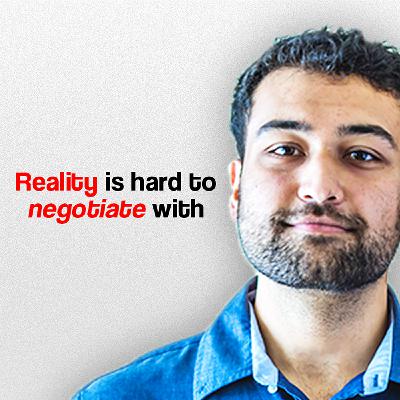
Pranav Pai, Founding Partner and CIO of 3one4 Capital, has spent a decade betting on Indian founders at the earliest possible stage, often when they are just two people on a laptop.
From backing Licious when 50 investors said no, to spotting Darwinbox before enterprise HR software was considered a credible category in India, Pranav has built a track record that speaks for itself, including a 6x Fund I return, a single-digit loss ratio in a market where 30 to 45 percent of VC capital typically goes to zero, and five unicorns across a $570M portfolio.
In a candid, wide-ranging conversation with host Akshay Datt, Pranav shares why he deliberately caps fund size, how he fires people for persistent poor judgment, and why AI can now write your investment thesis but can never replace genuine market instinct. He also delivers one of the sharpest takes on India's foundational AI debate, the myth of the vegetarian Indian consumer, and what it actually takes to build a performance culture inside a VC firm.
What you will learn in this episode:
👉How Pranav Pai and 3one4 Capital built India's highest-performing early-stage VC fund without an investment banking or IIT pedigree, by betting on operators over financiers
👉Why 3one4 turned down capital to stay sub-$250M, and the precise mathematical logic that makes fund size a performance variable, not a vanity metric
👉The real story behind the Licious and Darwinbox investments, two of India's most celebrated startup bets, both rejected by 50-plus investors before 3one4 said yes
👉How Pranav evaluates founders using three non-negotiable criteria, including one he rarely admits publicly, and why pain and anger are features, not red flags
👉Why AI can write a 90 percent accurate investment thesis today, what that means for the future of VC as a profession, and where the actual edge now lives
👉Pranav's unfiltered view on India's AI sovereignty debate, the $10 trillion GDP trajectory, and the third path India must take between the US and China models
If you found this conversation valuable, subscribe to the Founder Thesis Podcast so you never miss an episode. Follow host Akshay Datt on LinkedIn and X for sharp takes on Indian startups, venture capital, and the founders building India's next decade.
Chapters
00:00 - Pranav Pai's Journey Into Indian VC
05:10 - Why 3one4 Capital Stays Sub $250M
13:00 - The Math Behind Fund Size and Returns
20:30 - How 3one4 Backed Licious Against All Odds
31:00 - Prepared Minds: Luck vs Decision Quality
37:00 - Darwinbox, Decision Logs and Firing for Bad Judgment
47:00 - How to Judge Founders at the Seed Stage
01:03:00 - Two Unicorns in Fund One: The Inside Story
01:09:00 - What VCs Actually Need to Be Great At
01:17:00 - Pain, Anger and the Fuel Behind Great Founders
01:25:00 - Market Truth, AI and the New VC Edge
01:39:00 - 3one4's Four Big Investment Themes for the Next Decade
#PranavPai #3one4Capital #FounderThesisPodcast #IndianVentureCapital #VCIndia #IndiaStartups #EarlyStageVC #StartupFunding #Licious #Darwinbox #UnicornIndia #IndiaVC2025 #VentureCapitalIndia #StartupIndia #IndianFounders #FundingIndia #AIStartupsIndia #IndiaStartupEcosystem #VCFundStrategy #AkshayDatt #HomegrownVC #IndiaGDPGrowth #DecisionQuality #FounderEvaluation #SeedFundingIndia
Disclaimer: The views expressed are those of the speaker, not necessarily the channel
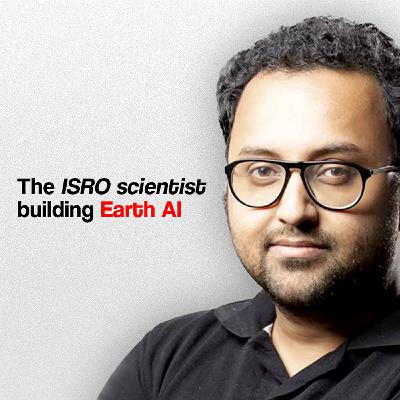
This episode with Prateep Basu, Co-founder and CEO of SatSure, is the deep-tech founder story India's startup ecosystem has been waiting for.
Prateep Basu left a career building propulsion systems for India's GSLV MK-III rocket at ISRO to ask a deceptively simple question - why do urban Indians get 10 loan offers a day on WhatsApp while farmers wait a month for a single approval? The answer became SatSure, a Bengaluru-based Earth intelligence company that uses satellite imagery, AI, and government land records to deliver alternate credit scores for farmers, monitor crop health across bank portfolios, and help airports, insurers, and FMCG companies make smarter decisions from space. Bootstrapped for four and a half years before raising $25 million across multiple rounds, SatSure now monitors 1.95 lakh villages and has analysed over 2.1 million farmer plots.
In this candid, wide-ranging conversation with host Akshay Datt, Prateep breaks down the physics of 40-pixel crop detection, explains why algorithms are never the moat, and reveals the strategic logic behind SatSure's audacious zero-bid for India's first private national satellite constellation. He also shares why AI is an accelerant, not a threat, for deep-tech companies that have built genuine domain depth.
What you will learn in this episode:
👉How SatSure built an alternate credit score for farmers using satellite crop imagery, land boundary data, and historical yield analysis, collapsing a 30-day loan process to under 30 minutes and creating a product that banks like ICICI and IDFC are paying for at scale
👉Why Prateep believes the algorithm is never the moat, and how SatSure's real competitive advantage is the nuanced translation of banking business processes into product and model design, something no open-source GitHub repository can replicate
👉The full story of SatSure's 4.5-year bootstrap, from a letter written by a young MP in Srikakulam to winning a Gates Foundation-backed challenge and securing a five-crore purchase order from the Andhra Pradesh government, all before raising a single rupee of institutional capital
👉How India's Digital Public Infrastructure, including AgriStack, the Unified Lending Interface, and digital land records, is assembling the exact pipeline that makes SatSure's products commercially unstoppable at national scale
👉The strategic logic behind Allied Orbits, the consortium of Pixxel, SatSure, Dhruva Space, and PierSight that won India's first private satellite constellation contract, and why the consortium chose to refuse government funding in exchange for full global commercialisation rights
#DeepTechStartup #StartupIndia #EarthIntelligence #RemoteSensing #SatelliteImagery
Disclaimer: The views expressed are those of the speaker, not necessarily the channel
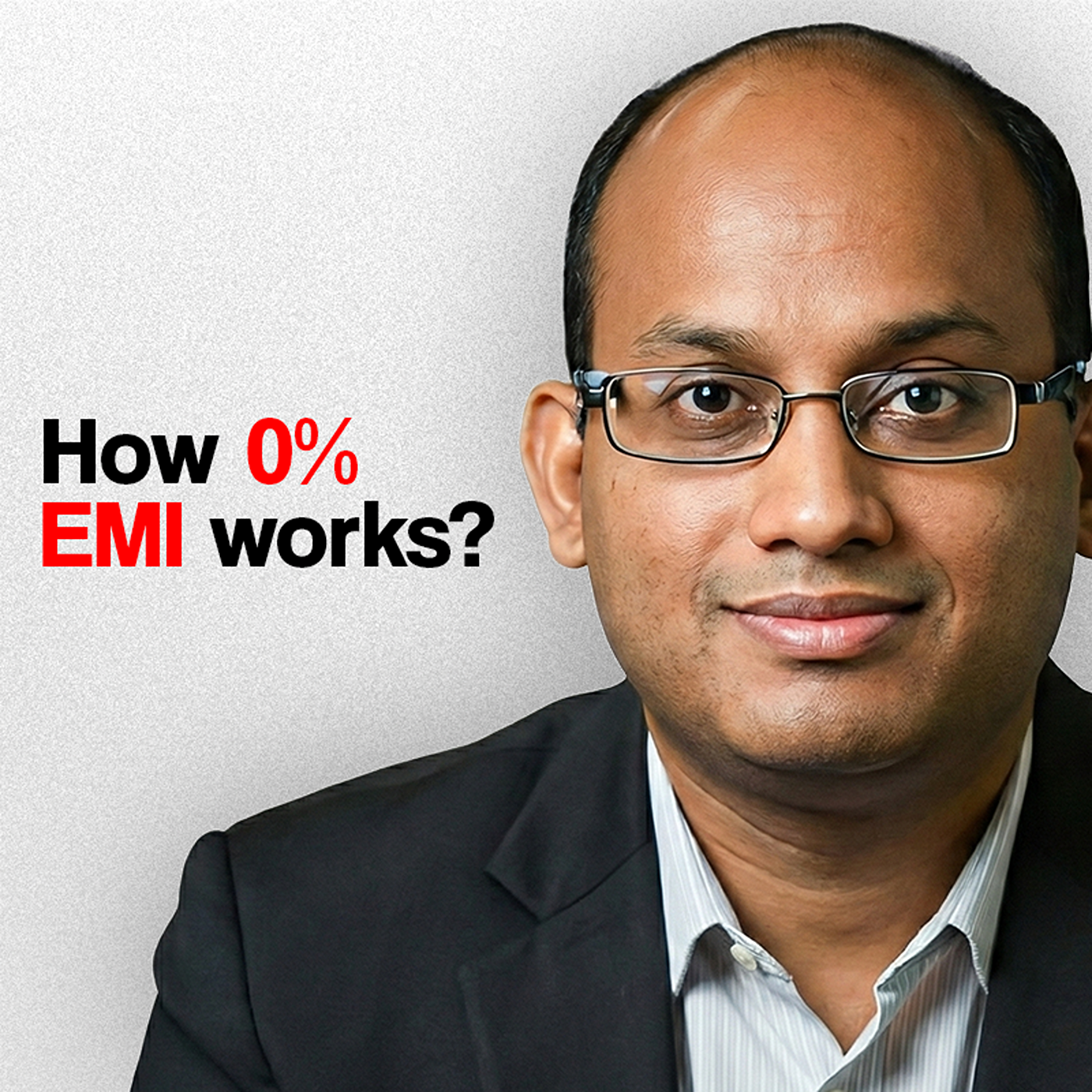
Nalin Agrawal, Co-founder of SnapMint, is a three-time entrepreneur and IIT Bombay alumnus who has quietly built one of India's most efficient consumer financing platforms, scaling from a tiny ₹5 crore revenue to ₹350 crores while serving 7 million monthly users across 23,000 pin codes.
In this candid, wide-ranging conversation with host Akshay Datt, Nalin reveals the contrarian principles behind SnapMint's success: why they have never charged a single rupee in late fees, how their data science moat achieves industry-beating credit loss rates, and why they believe India will leapfrog credit cards entirely and go straight to EMI on UPI.
What you will learn in this episode:
👉How SnapMint built a 2.5% credit loss rate versus the industry average of 6-8%, using machine learning models powered by 3,000 data factors and a sophisticated real-time fraud detection engine that catches organised fraud patterns in under 10 minutes
👉The four-quadrant framework, Market-Product fit, Product-Channel fit, Channel-Model fit, and Model-Market fit, that Nalin uses to evaluate every business idea and what investors are really looking for at Series A versus Series B
👉Why SnapMint calls itself a transaction-led business and not a lending business, and how this distinction creates fundamentally different and more predictable unit economics compared to traditional balance sheet lenders
👉The story of how a failed advertising campaign in 2016 revealed a 300 million consumer opportunity hiding in plain sight, and how that insight became the founding thesis for SnapMint
👉How India's digital public infrastructure stack, UPI, Aadhaar, Account Aggregator, and the Unified Lending Interface, is enabling fintech companies to serve tier 2 and tier 3 consumers at a cost that was previously impossible
If you find this episode valuable, subscribe to the Founder Thesis Podcast (Listed as one of the Top 45 Indian Entrepreneur Podcasts by FeedSpot) for weekly deep-dives with India's most compelling founders and operators. Follow Akshay Datt on LinkedIn and X for curated insights, episode drops, and startup ecosystem commentary delivered straight to your feed.
#NalinAgrawal #SnapMint #BNPLIndia #IndiaFintech #EMIonUPI #ConsumerFintech #FounderThesis #AkshayDatt #FintechIndia2025 #SeriesBFunding #DigitalLendingIndia
Disclaimer: The views expressed are those of the speaker, not necessarily the channel
In this episode, Sreeraman "SMG" Mohan Girija shares how Fynd became the retail technology backbone powering 2,300+ brands, 20,000 stores, and 20 million consumers across India. From nearly dying as a touchscreen kiosk company in 2015 to being acquired by Reliance Industries in 2019, SMG reveals the pivotal lessons about building at the transaction layer, optimizing for customers over engineering bandwidth, and why conversational commerce powered by LLMs will kill traditional e-commerce homepages. He also opens up about the brutal first year of cultural integration post-acquisition, scaling a 100-person design organization, and why Fynd is now exporting India-hardened retail infrastructure to global markets like GCC, UK, and Canada.
He shared this candid journey with host Akshay Datt, exploring everything from hiring for empathy over skills to why beautiful products often fail without proper business fundamentals. If you're building in retail tech, SaaS, or preparing for AI-native commerce, this conversation is essential viewing.
Key Highlights:
👉How Sreeraman Mohan Girija pivoted Fynd from hardware failure to becoming India's largest unified commerce platform powering Reliance Retail
👉Inside the ₹295 crore Reliance acquisition: selling 87.6% equity while retaining operational independence and achieving 60x revenue growth post-deal
👉Why conversational commerce and LLMs will fundamentally reshape shopping UX, killing traditional e-commerce homepages by 2030
👉The design philosophy behind scaling from 1 to 100 designers: hiring for empathy, optimizing only for end customers, and preventing "engineer's MVP" syndrome
👉Fynd's complete retail tech stack: from AI-powered catalog generation and AR try-ons to omnichannel POS systems and marketplace integrations across Amazon, Flipkart, and emerging ONDC networks
👉Strategic lessons on B2B SaaS pricing innovation, the cold start problem in marketplaces, and why sitting on the transaction layer is non-negotiable for retail technology companies
Don't forget to subscribe to the Founder Thesis Podcast for more deep-dive conversations with India's most ambitious builders. Follow Akshay Datt on LinkedIn and X for behind-the-scenes insights and updates on upcoming episodes.
#RetailSaaS #IndiaEcommerce #QuickCommerce #ONDCIndia #StartupAcquisition #MADeals #FashionTech #IndiaUnifiedCommerce #RetailInfrastructure #POSSystems #WarehouseManagement #StartupPivot #FounderThesisPodcast #AkshayDatt #IndiaStartupEcosystem #B2BSaaS #EnterpriseRetail #AICommerce #LLMShopping #FutureOfRetail #RetailAutomation #DesignLeadership #ProductManagement #ScalingStartups
Disclaimer: The views expressed are those of the speaker, not necessarily the channel
Sreevathsa Prabhakar is the serial entrepreneur behind Servify, the B2B insurtech platform that powers extended warranty programs for Apple, Samsung, HP, and 70+ global brands.
In this candid conversation with host Akshay Datt, he reveals how Servify achieves 90% AI automation in claims processing, generates 70% revenue internationally, and maintains 18% EBITDA margins in the competitive device protection market. From being locked in a Dharavi home as a BPL service engineer to receiving a welcome sign at Apple Park, Sree's 25-year journey offers rare insights into operational excellence, platform leverage, and building lasting enterprise partnerships.
Key Highlights
👉How Sreevathsa Prabhakar built Servify into a profitable insurtech platform managing ₹2000 crores with just 15 operations people through 90% AI automation
👉Servify's asset-light business model breakdown: retailer margins, OEM royalties, insurance partnerships, and the path to 18% EBITDA at scale
👉Why 70% of Servify's revenue comes from international markets and the geographic arbitrage strategy for Indian B2B startups going global
👉The 16-year Apple partnership strategy, from running India's first AppleCare center to powering device protection across multiple countries
👉Real insurtech innovation: how Servify disrupted insurance by capping loss ratios, eliminating fraud through technology, and making claims self-service
#InsurtechIndia [https://www.youtube.com/hashtag/insurtechindia] #ExtendedWarranty [https://www.youtube.com/hashtag/extendedwarranty] #DeviceProtection [https://www.youtube.com/hashtag/deviceprotection] #AppleCare [https://www.youtube.com/hashtag/applecare] #SamsungCare [https://www.youtube.com/hashtag/samsungcare] #StartupIPO [https://www.youtube.com/hashtag/startupipo] #BootstrapExit [https://www.youtube.com/hashtag/bootstrapexit] #AIAutomation [https://www.youtube.com/hashtag/aiautomation] #FintechPlatform [https://www.youtube.com/hashtag/fintechplatform] #B2BInsurtech [https://www.youtube.com/hashtag/b2binsurtech] #AfterSalesService [https://www.youtube.com/hashtag/aftersalesservice] #ApplePartnership [https://www.youtube.com/hashtag/applepartnership] #GlobalExpansion [https://www.youtube.com/hashtag/globalexpansion] #ProfitableStartup [https://www.youtube.com/hashtag/profitablestartup] #FundingWinter [https://www.youtube.com/hashtag/fundingwinter] #OperationalExcellence [https://www.youtube.com/hashtag/operationalexcellence] #PlatformBusiness [https://www.youtube.com/hashtag/platformbusiness] #IndianStartups [https://www.youtube.com/hashtag/indianstartups]
Disclaimer: The views expressed are those of the speaker, not necessarily the channel
Dr. Ritu Verma, Co-Founder and Managing Partner of Ankur Capital, breaks down her decade-long journey from experimental physics at the University of Pennsylvania to building one of India's most respected deep tech VC funds.
With portfolio companies like Captain Fresh heading toward a billion-dollar IPO, Offgrid Energy Labs pioneering zinc battery technology, and String Bio revolutionizing precision fermentation, Ritu shares the contrarian strategies that generated 30% IRR returns. From raising Fund I with a random Colorado angel investor to securing commitments from British International Investment and the US DFC for Fund III, this conversation covers the scrappy realities of VC fundraising in India, the multiplication formula most founders miss during term sheet negotiations, and why mediocrity in early hires destroys startups.
Ritu also unpacks India's transformation from IP-averse to filing 100,000 patents annually with 50% domestic share, the codification thesis powering B2B marketplace unicorns, and how Indian defense is becoming the guinea pig customer for deep tech. She shared these hard-won insights in this candid conversation with host Akshay Datt, offering a masterclass in patient capital, portfolio construction, and ecosystem building through initiatives like ThinkAg and the Deep Science Forum.
What You'll Learn:
👉The multiplication formula for VC returns that most founders negotiate wrong during fundraising (Returns = Valuation × Ownership %)
👉Why Ankur Capital's ₹50 crore Fund I failed structurally and what emerging fund managers must avoid
👉How codification strategy turned fragmented fish and fruit supply chains into billion-dollar B2B marketplaces
👉The mediocrity trap: Why hiring safe corporate executives in early stages kills startups faster than product failures
👉India's deep tech moment: From getting kicked out of IITs for asking about IP in 2008 to 50% domestic patent share in 2025
👉Captain Fresh's 5-year seed-to-IPO journey and what it signals for real economy tech companies versus consumer apps
If you found value in this deep dive into deep science VC and early-stage investing in India, subscribe to The Founder Thesis Podcast for more unfiltered conversations with founders and investors shaping India's startup ecosystem. Follow host Akshay Datt on LinkedIn and X for episode highlights, startup insights, and exclusive content.
#RituVerma #AnkurCapital #DeepTechVC #DeepScienceIndia #CaptainFreshIPO #IndiaStartups #VCFundraising #EarlyStageInvesting #AgritechIndia #BatteryTechnology #ZincBatteries #OffgridEnergyLabs #StringBio #B2BMarketplaces #SupplyChainTech #IndiaPatents #IPRevolution #StartupFundingIndia #VentureCapitalIndia #TheFounderThesis #AkshayDatt #SyntheticBiology #PrecisionFermentation #DefenseTechIndia #SemiconductorIndia #ThinkAg #DeepScienceForum #IndiaUnicorns #StartupIPO #PortfolioConstruction #VCReturns #FounderAdvice #HiringStrategy #TechnoCommercialRisk #PatientCapital #ImpactInvesting #CleanTechIndia #EnergyStorageIndia #RDIFund #BritishInternationalInvestment #AngelInvesting #FundManagement #StartupEcosystem #IndiaInnovation #globalexpansion
Disclaimer: The views expressed are those of the speaker, not necessarily the channel
In this episode, Ashok Hariharan, Founder and CEO of IDfy, shares the raw, unfiltered story of building India's largest background verification and digital identity platform from scratch. From nearly dying with just two months of runway in 2013 when 12 employees chose deferred salaries over leaving, to surviving a 90% revenue collapse during COVID by betting everything on Video KYC technology built three years early, Ashok reveals how patience and strategic readiness beat blitzscaling.
He discusses IDfy's evolution from a ₹3.5 lakh background verification startup to a comprehensive RegTech platform processing 65 million verifications monthly across onboarding, fraud detection, and DPDP Act compliance.
Ashok shares contrarian insights on incremental compounding over spike growth, building a 15% ESOP pool (largest in Indian tech), and why IDfy doesn't have "founders" but a leadership team designed for 40-year longevity. He unpacks India's hidden ₹10,000 crore fake employment industry, the technical architecture behind handling 100,000 requests per second, and why contributing to India's privacy law in 2018 positioned IDfy to dominate the DPDP compliance wave.
This candid conversation with host Akshay Dutt covers everything from rewiring the entire platform in Elixir during Diwali, to expanding internationally with 15% revenue now coming from Philippines and Indonesia, to the cultural philosophy of "Saraswati over Lakshmi" that shaped IDfy's approach to wealth distribution and organizational design. Whether you're a founder navigating the funding winter, building in RegTech or fintech, scaling background verification or KYC solutions, or simply fascinated by resilient startup journeys, this episode delivers actionable frameworks on manufacturing luck, surviving near-death moments, and building sustainable profitable growth in India's digital identity ecosystem.
#AshokHariharan #IDfy #IdentityVerificationIndia #BackgroundVerificationIndia #KYCSolutionsIndia #VideoKYCIndia #RegTechIndia #DigitalIdentityIndia #FraudDetectionIndia #DPDPActCompliance #IndianStartupJourney #StartupFundingIndia #FounderThesisPodcast #AkshayDutt #IncrementalCompounding #ManufacturingLuck #GigEconomyIndia #FintechIndia #AadhaarVerification #UPIFraudPrevention #IndiaStack #PrivacyComplianceIndia #CrimeCheckIndia #SyntheticIdentityFraud #StartupResilience #ProfitableStartupIndia #B2BSaaSIndia #EnterpriseTechIndia #SEAExpansion #PhilippinesStartup #IndonesiaFintech
Disclaimer: The views expressed are those of the speaker, not necessarily the channel
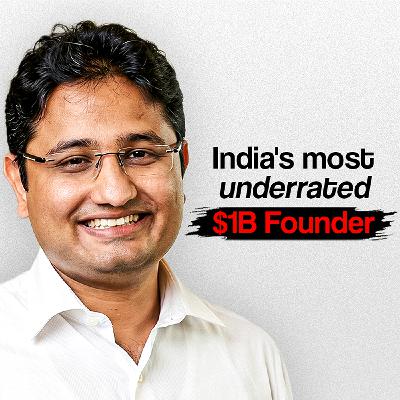
In this episode, Utham Gowda, Founder and Group CEO of Captain Fresh, reveals one of the most dramatic startup transformations in Indian agritech. After raising $90 million and hitting $100 million in revenue, Utham did the unthinkable - he admitted to investors that Captain Fresh wasn't worth its $500 million valuation and shut down the entire domestic business. What followed was a masterclass in radical honesty, strategic M&A, and global expansion.
He shares the journey in this candid conversation with host Akshay Datt, unpacking how Captain Fresh went from domestic marketplace to global seafood conglomerate, achieving profitability with 3,421 crore revenue in FY25 while competitors like eFishery collapsed in fraud scandals. From wiring $49 million on a flight to acquiring 10 companies with zero debt, from living on 50,000 rupees monthly to building a $2 million revenue-per-employee machine, this is the playbook for building anti-fragile B2B platforms in the age of supply chain nationalism and capital scarcity.
What You'll Learn:
👉How Utham Gowda built Captain Fresh into a $600M+ seafood platform and survived India's funding winter with radical business model honesty
👉The equity swap M&A strategy that acquired $120M+ in companies with zero debt and zero management changes, tripling EBITDA in acquired businesses
👉Why Captain Fresh exited India's $100M domestic market and how the global pivot to US and Europe unlocked 145% revenue growth and profitability
👉How Trump's tariffs accidentally validated Captain Fresh's origin-agnostic supply chain, enabling a 45-day flip from 66% Asia to 66% LatAm sourcing
👉The "Lion vs Cow" founder philosophy behind achieving $2 million revenue per employee and targeting 27-28% ROCE by FY27
👉Inside the collapse of eFishery's $1.4B valuation fraud and why boring tech beats fake tech in B2B physical goods businesses
#UthamGowda #CaptainFresh #FounderThesis #AkshayDatt #SeafoodStartupIndia #B2BSeafoodMarketplace #AgritechIPOIndia #IndianUnicorn2026 #StartupPivotStrategy #EquitySwapAcquisitions #MandAStrategyStartups #ProfitableStartupsIndia #GlobalSeafoodSupplyChain #StartupFundingWinter #IndianFoundersGoingGlobal #B2BStartupsIndia #SeafoodExportIndia #AntiDumpingTariffsIndia #SupplyChainResilience #AssetLightBusinessModel #StartupMandAPlaybook #IndianAgritecth2025 #CaptainFreshIPO #SeafoodIndustryIndia #FoodSupplyChainDigitization #IndianStartupSuccess #FromBankerToFounder #ZeroDebtAcquisitions #OriginAgnosticSupplyChain #FrugalFounderPhilosophy Disclaimer: The views expressed are those of the speaker, not necessarily the channel
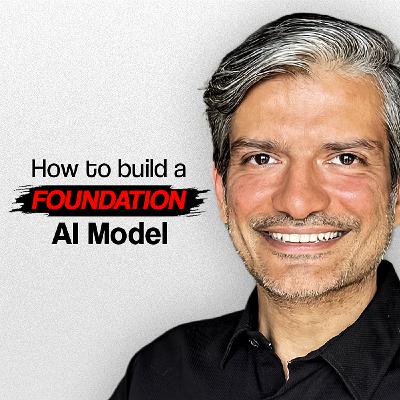
In this episode, Dr. Arjun Jain - Founder of Fast Code AI - reveals why the AI industry's trillion-dollar bet on bigger models is failing, and what's replacing it. Dr. Arjun Jain isn't your typical AI founder. After training under Turing Award winner Yann LeCun at NYU, working on Apple's secretive autonomous vehicle project, and leading Mercedes-Benz's robotaxi AI, he returned to India to bootstrap Fast Code AI with zero venture capital. In just two years, his company grew 8x by doing what the AI giants won't: charging for outcomes instead of software seats, deploying Small Language Models that outperform GPT-4 for specific tasks, and building agents that actually work in production.
He shared this contrarian journey in this candid conversation with host Akshay Datt. From explaining why "we have but one internet and we've used it all" (quoting OpenAI's Ilya Sutskever) to revealing how procurement agents train by negotiating with themselves millions of times, this episode dismantles the AI hype and shows what enterprise automation actually looks like. Whether you're a founder evaluating AI vendors, an engineer choosing between foundation model labs and application companies, or an investor trying to separate signal from noise, this is the reality check the industry needs.
What You'll Learn:
👉Why scaling laws have stagnated and what test-time compute and reinforcement learning mean for enterprise AI's future
👉How Fast Code AI captures "Salary TAM" (30-70% of revenue) through outcome-based pricing instead of traditional SaaS seat licenses
👉The real reason AI engineers command $10-100 million salaries, and why this won't last as foundation models commoditize
👉Why Project Athena (Mercedes-Bosch's multi-billion euro robotaxi venture) failed, and what end-to-end learning beats modular approaches
👉How Small Language Models fine-tuned on company data outperform massive generic models at 1/10th the inference cost
👉The "self-play" reinforcement learning methodology that makes Fast Code's agents reliable in production, not just impressive in demos
#DrArjunJain #FastCodeAI #AgenticAI #AIScalingLaws #EnterpriseAI #SmallLanguageModels #OutcomeBasedPricing #ReinforcementLearning #AIAgents #YannLeCun #BootstrappedStartup #IndiaAIStartups #AIServices #TestTimeCompute #FoundationModels #LLMLimitations #AIForEnterprise #ProcurementAutomation #AIEngineers #AutonomousDriving #ProjectAthena #SalaryTAM #AIInference #AIDeployment #BangaloreAI #AIConsulting #MachineLearningExplained #DeepLearning #TransformersAI #FounderThesisPodcast
Disclaimer: The views expressed are those of the speaker, not necessarily the channel
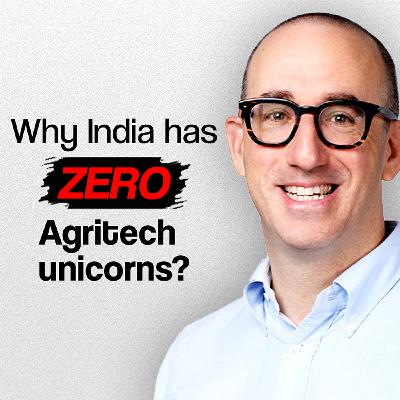
Mark Kahn is the Managing Partner of Omnivore, India's pioneering agriculture and rural economy venture capital fund with over $325 million in assets under management. Since 2011, Omnivore has backed 50+ startups including DeHaat (India's near-unicorn agritech platform), Pixxel (space tech), Ecozen (climate hardware), and dozens of companies transforming India's 600 million rural population.
In this conversation with host Akshay Datt, Kahn unpacks his contrarian thesis on smallholder farming, explains why "B2B SaaS is fucked by AI," dissects the horseshoe politics blocking GM crops in India, and reveals why Trump's 50% tariffs and Modi's dairy farmers are on a collision course. From his operational years at Godrej Agrovet to building India's leading agritech VC, Mark offers a masterclass in sectoral investing, the realities of raising from DFIs, and why India's bioeconomy could hit $300 billion by 2030 - if entrepreneurs stop becoming software engineers and start doing actual biology.
What You'll Learn:
👉Why Mark Kahn believes India will never have a unicorn agritech company by traditional metrics, and why he's okay with that
👉How Omnivore's portfolio companies like DeHaat, Arya.ag, and Captain Fresh are approaching profitability and IPOs while others like WayCool imploded
👉The "Kirana shop analogy" - why Indian smallholder farmers are more productive than you think and will beat US industrial agriculture
👉Why both the Indian left and right agree on blocking GM crops (horseshoe theory), and how Indians have been eating GM food derivatives for 20 years without knowing it
👉Mark Kahn's provocative take on US-India trade negotiations: why dairy imports should be blocked but feed ingredients should be welcomed
👉The shocking reality that India's biotech sector has produced zero new billionaires in 20+ years, and what the $300 billion bioeconomy opportunity requires
CHAPTERS:
00:00 - Mark Kahn's Journey to Omnivore VC
01:18 - Why Agritech Over B2B SaaS
02:52 - India's Agritech Unicorn Problem Explained
06:37 - Bharat Economy Beyond Agriculture
09:49 - India's Agricultural Future Vision
13:27 - GM Crops Controversy and Yield Gaps
18:26 - The GM Foods Paradox
23:21 - Omnivore's Investment Thesis and Portfolio
30:35 - Fund Size and LP Strategy
31:45 - Origin Story of Omnivore
40:06 - Early Days at Omnivore
50:12 - Agriculture Protection and Trade Policy
52:25 - US-India Agricultural Trade War
57:52 - Why India's Farm Policy is Soviet
1:01:08 - The Farm Reforms That Failed
1:06:13 - AgriStack Digital Infrastructure
1:09:04 - Smallholder Farmers vs Industrial Agriculture
1:13:01 - Zero Percent Probability of Reform
1:14:13 - India Through an Immigrant's Eyes
1:20:31 - Advice for Founders Raising VC
1:26:56 - The Bioeconomy Opportunity
#MarkKahn #OmnivoreVC #AgritechIndia #VentureCapitalIndia #IndianAgriculture #AgritechUnicorn #DeHaat #RuralIndia #BharatEconomy #GMCrops #AgriculturePolicy #USIndiaTrade #TrumpTariffs #BiotechIndia #SpaceTech #Pixxel #Climatetech #ImpactInvesting #AgricultureVC #StartupFunding #IndiaVC #FarmersIndia #SmallholderFarming #AgricultureReform #FoodSecurity #SustainableAgriculture #AgriFintech #RuralFintech #DigitalAgriculture #AgriStack
Disclaimer: The views expressed are those of the speaker, not necessarily the channel
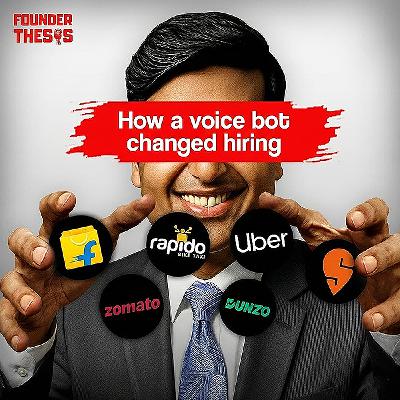
Madhav Krishna's journey from Silicon Valley to solving India's 450-million blue-collar workforce challenge is a masterclass in finding product-market fit. Starting with a voice-based English teacher called Lakshmi in 2016, Madhav pivoted three times before discovering the real painkiller: recruitment, not training. Today, Vahan.ai powers hiring for Zomato, Swiggy, Blinkit, and Uber using a unique agency-powered model combined with GPT-4o voice AI that costs just ₹2 per minute compared to ₹3-4 for human recruiters.
He shared the complete journey in this candid conversation with host Akshay Datt, revealing why his WhatsApp bot with 500K users meant nothing until he embraced local recruitment agencies instead of trying to disintermediate them. From Y Combinator to backing by Khosla Ventures and Temasek, Madhav explains why SaaS fails in India, how outcome-based pricing became their moat, and why India's trust deficit requires human intermediaries even in the age of AI. With 150 employees generating 40,000 monthly placements and a clear path to profitability at just 3X scale, this is essential viewing for anyone building in India's gig economy, exploring vertical AI applications, or trying to understand what actually works in Indian enterprise markets.
Key Highlights:
👉How Madhav Krishna built Vahan.ai from ed-tech pivot to India's largest blue-collar hiring platform with 40,000 monthly placements
👉Why 500K monthly active users meant nothing and how the agency model became the breakthrough to true product-market fit
👉The contrarian insight: why engagement doesn't equal revenue in India and how outcome-based pricing beat SaaS subscriptions
👉Building Voice AI for India: how GPT-4o, proprietary call data, and Hinglish capabilities created a ₹2/minute recruiter cheaper than humans
👉Lessons from scaling through India's funding winter: the path to EBITDA profitability with just 150 employees and capital-efficient growth
👉Why blue-collar workers don't look for jobs online and how Vahan.ai digitized 2,000 local agencies instead of disrupting them
👉The future of gig economy hiring: AI agents, regulatory changes, expansion to manufacturing, and the vision to reach 1 billion people globally
#MadhavKrishna #VahanAI #BlueCollarHiring #GigEconomyIndia #VoiceAI #AIRecruitment #IndiaStartups #YCombinator #ProductMarketFit #QuickCommerce #ZomatoSwiggy #DeliveryJobs #GPT4o #VerticalAI #OutcomeBasedPricing #SaaSIndia #KhoslaVentures #StartupPivot #IndiaLabourMarket #WorkforceSolutions #HRTech #RecruitmentPlatform #IndianGigWorkers #AIForIndia #StartupFunding #FounderJourney #TechInIndia #BlueCollarJobs #HiringPlatform #FutureOfWork
What does it take to build India's fastest-growing kitchen appliance brand from scratch - without burning millions in funding?
In this episode, Ravi Saxena, Founder of Wonderchef, reveals how he turned a ₹1 crore bootstrap into a ₹500 crore household name set for an IPO. From pioneering India's meal voucher ecosystem at Sodexo to creating the iconic VIP Strolley at age 23, Ravi's entrepreneurial journey spans three decades of market-making in post-liberalization India. After co-founding Wonderchef with celebrity chef Sanjeev Kapoor in 2009, he disrupted the cookware and appliances industry with breakthrough innovations like the NutriBlend blender and colored non-stick pans that became a cultural phenomenon.
He shared the journey in this candid conversation with host Akshay Datt. Unlike venture-backed D2C brands burning cash for growth, Wonderchef achieved profitability by obsessing over consumer pain points, building an 85,000-strong women entrepreneur network, and mastering omnichannel distribution across modern trade, general trade, e-commerce, and direct sales.
With 6.5 million Instagram followers and products in every third Indian kitchen, Ravi breaks down the precise strategies behind building brand love without brand budgets. From lobbying for meal voucher legislation in his twenties to cracking the kitchen automation market today, this is a masterclass in patient capital, innovation timing, and building category-defining businesses in India's consumer economy.
Key Highlights:
👉How Ravi invented the VIP Strolley name that became a generic trademark for wheeled luggage
👉The counterintuitive strategy that made Sodexo meal vouchers successful in India without tax benefits
👉Why Wonderchef's NutriBlend became the single largest-selling mixer SKU in India, accounting for 25% of sales
👉Building an 85,000-strong women entrepreneur network that operates on negative working capital
👉The "HTC framework" (Health, Taste, Convenience) that guides every product innovation
👉How Wonderchef reached ₹500 crore revenue burning less than $6 million, while competitors burn multiples more
👉Why the Indian MSME manufacturing model must evolve beyond the "Malik culture" to compete globally
#IndianStartups #ConsumerBrands #D2CIndia #KitchenAppliances #SanjeevKapoor #StartupIndia #EntrepreneurshipIndia #MakeInIndia #SodexoIndia #VIPLuggage #NutriBlend #StartupFunding #CapitalEfficiency #OmnichannelRetail #DirectSelling #WomenEntrepreneurs #IndianManufacturing #StartupIPO #FounderStories #IndiaConsumerMarket #BrandBuilding
Disclaimer: The views expressed are those of the speaker, not necessarily the channel
How did Shubham Garg bootstrap CodeVyasa to $XXM ARR without a single dollar of VC funding?
In this episode, we uncover the contrarian playbook behind India's fastest-growing AI-powered IT services firm and why enterprises are ditching SaaS for custom software. Shubham Garg is the Founder and CEO of CodeVyasa, a 600-person bootstrapped IT services company serving unicorns like Mamaearth, UpGrad, and Yatra, plus Fortune 500 clients including HDFC Bank and major oil and gas PSUs. What makes his story remarkable is the journey itself - from failing at a supply chain SaaS startup in 2019 to pivoting into high-value outcome-based engineering services that reached $XXM in annual recurring revenue, all without external funding.
In this candid conversation with host Akshay Datt, Shubham reveals how CodeVyasa helped UpGrad slash their AWS cloud bill by 40% (saving $2M annually), replaced SAP's enterprise software for a government PSU in just two quarters, and is now capitalizing on the AI revolution by selling GenAI implementation services. He shares hard-earned lessons of scaling a services business with no VC money, and his controversial thesis that the era of SaaS dominance is ending as enterprises shift to building custom AI-powered tools in-house.
This episode is essential viewing for bootstrapped founders, service business operators, enterprise sales professionals, and anyone navigating India's IT services boom in the AI era.
What You'll Learn:
👉How Shubham Garg scaled CodeVyasa from zero to $XXM ARR and 600 employees without VC funding using pure customer revenue and cash flow discipline
👉Why outcome-based pricing beats traditional time and material models, and how CodeVyasa competes with giants like Infosys and PwC for Fortune 500 contracts
👉The build versus buy revolution - why enterprises are replacing SaaS platforms like SAP and Salesforce with custom AI-powered software built in-house
👉CodeVyasa's AI enablement strategy including data pipelines, LLM operations, and identity stitching that now represents 20-25% of revenue
#ITServicesIndia #BootstrappedStartup #AIServices #ProductEngineering #OutcomeBasedPricing #DevOpsConsulting #GenAIImplementation #BuildVsBuySoftware #SaaSvsCustimSoftware #IndianUnicorns #DataEngineering #LLMOperations #IdentityStitching #ChinaPlusOneStrategy #FortuneIndiaIT #EnterpriseSales #B2BTechSales #ScalingWithoutVC #CashFlowMasterclass #TechStartupIndia #QAAutomation #CloudOptimization #ReplacingSAP #BootstrappedGrowth
When China banned gallium exports, it didn't hurt AGNIT Semiconductors, it made them essential. Hareesh Chandrasekar reveals how geopolitical supply chain wars created a $13 million opportunity and why India's first GaN chip company is competing with billion-dollar rivals on just $5 million.
In this episode, Hareesh Chandrasekar, Co-Founder and CEO of AGNIT Semiconductors, shares the unconventional journey of commercializing 18 years of IISc research into India's first indigenous GaN chip company. From leveraging ₹300 crores in government-funded R&D infrastructure to competing with billion-dollar global players on a $4.87 million budget, Hareesh breaks down the capital-efficient playbook for deep tech startups.
He reveals how China's gallium export restrictions created sovereign demand for AGNIT's chips, why defense contracts came before consumer markets, and the brutal reality of scaling from lab prototypes to 100,000 chips in 12 months. With three chips currently in field trials for defense applications and expansion planned into electric two-wheelers, AGNIT is at the forefront of India's semiconductor manufacturing revolution.
He shared this candid journey with host Akshay Datt, exploring the intersection of geopolitics, deep tech commercialization, and the India Semiconductor Mission 2.0. This conversation is essential for founders tackling hardware, investors evaluating deep tech, and anyone interested in India's strategic technology ambitions.
In this episode, you'll discover:
👉How Hareesh Chandrasekar spent 18 years building GaN expertise at IISc before raising a single VC dollar, using institutional R&D as non-dilutive capital to de-risk AGNIT Semiconductors
👉Why semiconductor startups take 2-4 years and $2 million just to reach VC-fundable stage, and how the deep tech timeline differs radically from software
👉The military-to-commercial strategy: starting with defense jammers, radars, and drone communication chips before pivoting to high-volume electric vehicle markets
👉How China's control of 87-90% of global gallium reserves and export restrictions created guaranteed sovereign demand for indigenous semiconductor supply chains
👉AGNIT's fab-lite model: controlling IP and critical manufacturing steps while outsourcing volume production, competing with $300M+ funded rivals on $5M
👉The make-or-break challenge: scaling from hundreds to 100,000 chips in 12 months to validate foundry partnerships and achieve commercial viability
👉India's semiconductor ecosystem reality: zero domestic wafer production, complete import dependence, and why $500M GaN foundries are more achievable than $20B silicon fabs
👉Why pitch decks work for investors but defense customers demand working prototypes, data sheets, and field trial results before taking startups seriously
#Indiasemiconductor [https://www.youtube.com/hashtag/indiasemiconductor] #GalliumNitride [https://www.youtube.com/hashtag/galliumnitride] #GaNchips [https://www.youtube.com/hashtag/ganchips] #semiconductorstartupIndia [https://www.youtube.com/hashtag/semiconductorstartupindia] #IndiaSemiconductorMission [https://www.youtube.com/hashtag/indiasemiconductormission] #ISM2 [https://www.youtube.com/hashtag/ism2].0 #defensetech [https://www.youtube.com/hashtag/defensetech] #compoundsemiconductors [https://www.youtube.com/hashtag/compoundsemiconductors] #semiconductormanufacturing [https://www.youtube.com/hashtag/semiconductormanufacturing] #chinaexportban [https://www.youtube.com/hashtag/chinaexportban]
Disclaimer: The views expressed are those of the speaker, not necessarily the channel
In this episode, we unpack the $4M-$10M funding gap that's stranded hundreds of Indian startups, why Anand raised $45M during COVID when everyone else froze, and the brutal truth about unicorn valuations in India's tech ecosystem. Anand Prasanna is the Managing Partner of Iron Pillar, a $400M+ venture growth fund that's cracked the code on taking Indian companies from $10M to $100M in revenue and shepherding them to IPO. With exits like Bluestone's NSE listing and Vyome's historic Nasdaq debut, Iron Pillar proves that the "India for the World" thesis isn't just talk, it's delivering real returns. From his days at McKinsey and Sequoia to running Morgan Creek's Asia office in Shanghai, Anand brings a rare global lens to Indian venture capital. He shared his contrarian playbook, investment discipline, and why he's passing on the AI hype cycle in this candid, no-holds-barred conversation with host Akshay Datt.
Whether you're a founder navigating Series B, an LP evaluating fund managers, or an operator curious about what metrics actually matter at scale, this episode breaks down growth-stage VC like never before. You'll learn the 444 process for picking winners, why CAC payback matters more than growth rate, the dual exit strategy for Indian startups, and Anand's brutally honest takes on Zepto, Cred, Physics Wallah, and why 30% of India's unicorns are overvalued.
#VentureCapital [https://www.youtube.com/hashtag/venturecapital] #GrowthStageVC [https://www.youtube.com/hashtag/growthstagevc] #IndiaStartups [https://www.youtube.com/hashtag/indiastartups] #SeriesBFunding [https://www.youtube.com/hashtag/seriesbfunding] #StartupFunding [https://www.youtube.com/hashtag/startupfunding] #IndianUnicorns [https://www.youtube.com/hashtag/indianunicorns] #VCInvesting [https://www.youtube.com/hashtag/vcinvesting] #StartupIPO [https://www.youtube.com/hashtag/startupipo] #BluestoneIPO [https://www.youtube.com/hashtag/bluestoneipo] #FounderThesisPod [https://www.youtube.com/hashtag/founderthesispod] #StartupMetrics [https://www.youtube.com/hashtag/startupmetrics] #CACPayback [https://www.youtube.com/hashtag/cacpayback] #UnitEconomics [https://www.youtube.com/hashtag/uniteconomics] #InvestmentStrategy [https://www.youtube.com/hashtag/investmentstrategy] #PrivateEquity [https://www.youtube.com/hashtag/privateequity] #IndiaVC [https://www.youtube.com/hashtag/indiavc] #StartupEcosystem [https://www.youtube.com/hashtag/startupecosystem] #FundingGap [https://www.youtube.com/hashtag/fundinggap] #ScalingStartups [https://www.youtube.com/hashtag/scalingstartups] #IndiaForTheWorld [https://www.youtube.com/hashtag/indiafortheworld] #GlobalExpansion [https://www.youtube.com/hashtag/globalexpansion] #VCReturns [https://www.youtube.com/hashtag/vcreturns] #LPCapital [https://www.youtube.com/hashtag/lpcapital] #StartupValuation [https://www.youtube.com/hashtag/startupvaluation]
Disclaimer: The views expressed are those of the speaker, not necessarily the channel

How do brands grow using the power of sound?
In this episode, Rajeev Raja reveals how BrandMusiq created the sonic identities for Mastercard, 7Up, and dozens of global brands.
Rajeev Raja is the founder of BrandMusiq, Asia's first sonic branding agency that's redefining how brands connect emotionally with consumers through strategic sound design. In this conversation with host Akshay Datt, Rajeev shares his unconventional journey from being National Creative Director at DDB Mudra and a professional jazz flautist to pioneering an entirely new category in India's advertising landscape.
Rajeev breaks down the science and art of sonic branding, from understanding Indian classical Navarasas to leveraging AI for scalable sound production, while revealing the capital-efficient playbook that helped him build a bootstrapped agency serving Fortune 500 clients.
In this episode, you'll learn:
👉How Rajeev Raja built BrandMusiq into Asia's leading sonic branding agency without venture capital funding
👉The difference between jingles and strategic sonic identity systems, and why brands need MOGOs in the audio-first economy
👉Inside BrandMusiq's proprietary MUSE framework that turns brand personality into emotionally resonant sound
👉Why sonic branding delivers 8.5x more effectiveness than visual-only advertising and drives measurable brand trust
👉How AI is transforming music creation for brands while human creativity remains irreplaceable for emotional connection
👉Real-world pricing and business models, from several hundred thousand dollar global deals to startup-friendly licensing options
#AudioMarketing #BrandIdentity #SonicIdentitySystem #AdvertisingIndustry #CreativeEntrepreneurship #AudioFirstBranding #MumbaiStartups #SoundBrandingAgency #FounderStory #PodcastSonicIdentity #AIMusic #MusicBranding #indianadvertising
Disclaimer: The views expressed are those of the speaker, not necessarily the channel

How does a Bollywood director think about making blockbusters?
From script to screen to box office success, discover the hidden economics of India's most glamorous industry.
Ever wondered how a Bollywood film actually gets made and who makes money from it? In this revealing episode, acclaimed director Shashank Khaitan pulls back the curtain on the complex business machinery of Hindi cinema. From his journey as a small-town dreamer in Nashik who played tennis at the junior international level to becoming the creative force behind romantic comedies like Humpty Sharma Ki Dulhania and Badrinath Ki Dulhania, Shashank breaks down the entire filmmaking value chain. He shares candid insights on how producers, directors, actors, and studios split revenues, the evolving role of OTT platforms in film financing, and why building a rom-com requires balancing romance with comedy down to precise percentages.
Beyond Bollywood, Shashank reveals his ambitious second act as co-founder of Global Sports Pickleball, where he's applying his storytelling expertise to build India's next major sporting ecosystem. He shared this fascinating journey in a candid conversation with host Akshay Datt, exploring how capital flows through India's entertainment industry, the rise of franchise leagues, and why karma matters more than luck in building sustainable success.
Key Highlights:
👉How Shashank transitioned from junior international tennis to becoming a successful Bollywood director with multiple hit films
👉The complete economics of Bollywood filmmaking, from script acquisition and actor fees to OTT deals worth 25-130 crores and theatrical revenue splits
👉Why producers are the dealmakers and chief marketing officers who manage everything from casting to distribution strategy
👉The secret to rom-com success: balancing romance and comedy while creating characters audiences genuinely care about
👉How Shashank is building Global Sports Pickleball into a 1000-crore business by 2027, leveraging his storytelling skills to create India's next sporting phenomenon
👉Why self-awareness and process-driven thinking trump outcome obsession for long-term entrepreneurial success
Chapters:
00:00 - Shashank Khaitan's Journey from Tennis to Bollywood
08:07 - How Bollywood Films Actually Get Made
21:56 - Breaking Down Bollywood's Revenue Models
42:20 - Producer's Role in Film Business
01:01:03 - Marketing Strategy for Bollywood Releases
01:23:36 - Building Global Sports Pickleball Empire
01:40:56 - Future of Sports Infrastructure in India
#BollywoodBusiness #FilmIndustryIndia #BollywoodDirector #MovieProduction #OTTPlatforms #NetflixIndia #DharmaProductions #YashRajFilms #FilmFinancing #BollywoodEconomics #IndianCinema #RomComMovies #HumptySharmaKiDulhania #BadrinathKiDulhania #PickleballIndia #GlobalSportsPickleball #SportsStartups #SportsInfrastructure #IndianSportsIndustry #StartupPodcast #EntrepreneurJourney #BollywoodInsights #FilmDistribution #MovieMarketing #CelebrityEntrepreneurs #SportsLeagues #IPLModel
Disclaimer: The views expressed are those of the speaker, not necessarily the channel
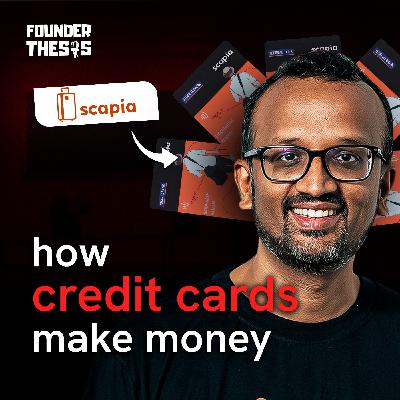
Ever wondered how credit card companies actually make money and why your rewards never seem to add up?
Anil Goteti, Founder of Scapia, reveals the hidden business of cards: from interchange fees and breakage profits to why banks spend ₹3,500 acquiring each customer and still wait three years to break even.
The business of cards in India is a multi-billion dollar industry built on economics most consumers never see. Anil Goteti spent eight years at Flipkart mastering consumer behavior before diving into this opaque world with Scapia, a travel-focused credit card that's raised $72 million to challenge how the card business operates.
In this masterclass conversation with host Akshay Datt, Anil deconstructs the entire value chain: how merchant discount rates get split between issuing banks, acquiring banks, and payment networks like Visa and Mastercard, why co-branded card partnerships exist, and how rewards programs are designed so 50% of points expire unused, a profit center called breakage. He exposes why traditional banks charge forex markups of 3-5% on international spending, how customer acquisition costs in the card business have ballooned to ₹3,000-3,500 per customer, and why it takes six to nine years of card usage before banks see real profit.
Anil also shares Scapia's contrarian approach: zero fees, zero forex markup, instant transaction visibility, and making reward redemption so easy it threatens the breakage model competitors rely on. Beyond card economics, this episode explores how Scapia survived when RBI banned their banking partner from issuing new cards, why the business of cards in India is still massively underpenetrated compared to Western markets, and how the convergence of fintech and travel creates dual revenue streams that make their aggressive customer economics sustainable at scale.
What You'll Learn:
👉The complete business model of credit cards: how interchange fees, MDR splits, rewards programs, and interest income create the revenue stack
👉Why banks spend ₹3,000-3,500 acquiring each card customer and still need three years to reach breakeven on that investment
👉How Scapia built a $72M card business with zero fees by monetizing through travel commerce and challenging the breakage profit model
👉The hidden economics of co-branded cards: how fintech companies and banks share risk, revenue, and customer acquisition costs
👉Why India's card business is poised for explosive growth with only 6-7 cards per 100 people versus 300+ in developed markets
👉Real-time product innovation that's reshaping the card business: instant forex conversion, transparent rewards ledgers, and seamless bill payments
#CreditCardBusiness #CreditCardEconomics #InterchangeFees #MDRExplained #CardBusinessModel #CreditCardIndustry #CobrandedCards #RewardsPrograms #BreakageProfits #ForexMarkup #CustomerAcquisitionCost #CardUnitEconomics #PaymentNetworks #IndiaFintech #CreditCardStartups #FintechBusinessModel #TravelFintech #CardIssuingBusiness #BankingPartnership #CreditCardRevenue #StartupIndia #FintechIndia #CardPayments #digitalpayments Disclaimer: The views expressed are those of the speaker, not necessarily the channel

Comments

Download from Google Play

Download from App Store
 United States