


 Claim Ownership
The Lost World of Cape Breton Island
Subscribed: 5Played: 76
Subscribe

© J.M., J.R. Bourgeois
Description
The Lost World of Cape Breton Island Podcast is a Canadian history project that uncovers the forgotten stories of 18th-and 19th-century Cape Breton, Nova Scotia. Explore Cape Breton’s history with the help of those who witnessed it firsthand. Listen to the mad ramblings of a Scottish exile as he describes what life was like in the Fortress of Louisbourg, follow the rising career of a French sailor destined to explore the world, and feel the despair as an aristocratic trailblazer struggles to eke out a living on Cape Breton's unforgiving shores.
17 Episodes
Reverse
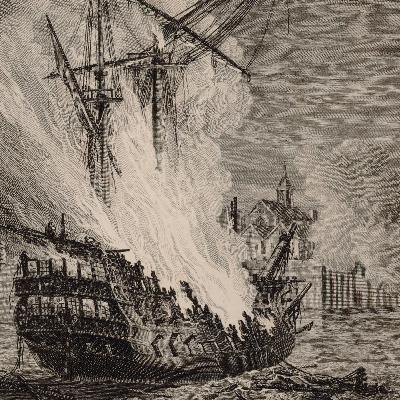
Follow Antoine de La Boularderie and his family as they navigate the most violent and uncertain years in Cape Breton’s history. As the shadow of the 1758 siege looms over the Fortress of Louisbourg, the Boularderies find themselves caught between a crumbling empire and an inevitable invasion. Experience a story of upheaval, survival, and the displacement that redefined Cape Breton forever.CHAPTERS: 00:00 - Antoine in Boston 04:30 - Atlantic Canada During the War of Austrian Succession06:05 - The Boularderies Return to Cape Breton13:30 - Antoine’s Attempted Assassination 16:50 - Mounting Tensions in Atlantic Canada20:47 - The Second Siege of Louisbourg Begins29:10 - Aftermath 31:57 - John Laboularderie de Treville33:41 - Conclusion and Little Bras d’Or TodayMUSICAL CREDITS:-- Robert Deveaux & Les Zorvenants - "Cela me réjouit" (Lost World theme)-- Violin by Dayna Bee - "The Ballad of Chevy Chase"-- Franz Joseph Haydn (1732 - 1809) - "Symphony No.49 in F minor - III. Menuetto e trio"-- Les Habitants - "Tourdion"-- Johann Sebastian Bach (1685 - 1750) - "BWV 0023 Du wahrer Gott und Davids Sohn - 04 - Christi, du Lamm Gottes"-- Jorge Méndez - "Song: Cold; Album: Silhouettes"-- Louis Couperin - "Pièces de clavecin du manuscrit Bauyn - Prélude non mesuré (For Violoncello piccolo solo)"-- Johann Sebastian Bach (1685 - 1750) - "BWV 0018 Gleichwie der Regen und Schnee vom Himmel fällt - 01 - Sinfonia"-- Cédric Dind-Lavoie - "Le prince Eugène" Full song available here https://youtu.be/rUW0w7E3aXQ?si=NwUtyqCJsYjH21XQ-- Giuseppe Domenico Scarlatti - "Sonata in D minor, K9"SOURCES:1. Les Derniers Jours de l'Acadie 1748-1758, Gaston du Boscq de Beaumont 2. Louisbourg From its Foundation to its Fall, J.S. MacLennan 3. Antoine Le Poupet de La Boularderie, Dale Miquelon (Canadian Biographical Dictionary) - https://www.biographi.ca/en/bio/le_poupet_de_la_boularderie_antoine_4E.html4. The Fall of Louisbourg 1758, by Hugh Boscawen DISCLAIMER: The pictures, paintings and music used on the project "The Boularderies of Little Bras d'Or" are a mix of paid stock, by attribution, royalty-free, public domain, and other copyright-free sources. No copyright infringement is intended. All rights belong to their respective owners. If you are or represent the copyright owner of materials used in this video and have an issue with the use of said material, please send an email to lostworldofcapebretonisland@gmail.com and we will respond immediately.
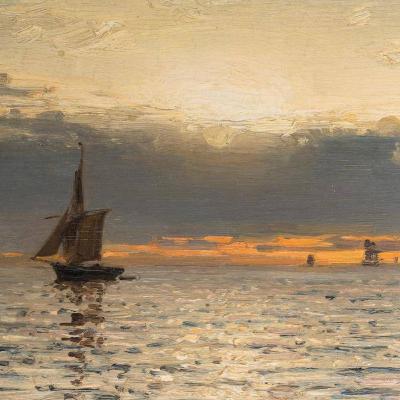
In 1744 the French and English beat the drums of war, and Antoine de La Boularderie finds himself in the middle of a conflict that rages across Cape Breton Island and Acadia. In the second part of this episode, we will listen to Antoine’s eyewitness account of the days leading up to the first siege of Louisbourg. We will also visit Little Bras d’Or, a once thriving French settlement in the heart of Cape Breton and the home of the Boularderie Family. CHAPTERS: 00:00 - Intro/The Raid on Canso 02:40 - Little Bras d'Or 08:35 - The 1745 Siege of Louisbourg 11:40 - The Attack at Gabarus BayMUSICAL CREDITS:-- Robert Deveaux & Les Zorvenants - "Cela me réjouit" (Lost World theme)-- Les Habitants - "Branles: Pinagay et Sabots"-- Franz Joseph Haydn (1732 - 1809) - "String Quartet In D, Op. 645, H 363, Lark - I. Allegro Moderato"-- Johann Sebastian Bach (1685 - 1750) - "Fugue in G minor, The Little Fugue, for string orchestra by Daniel Leavitt"-- Sparks of Light Music - "Reminiscence"
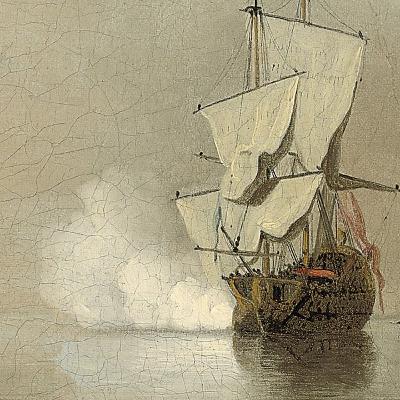
Although Antoine Le Poupet de La Boularderie and his father Louis-Simon have been designated Canadian Historic Persons – individuals who made significant contributions to the history of Canada – their story has only ever been partially told. Part of their story can be found on Cape Breton Island, another part in France, and still another part in the American State of South Carolina. We will reassemble the family’s entire story for the first time.MUSICAL CREDITS:— Robert Deveaux & Les Zorvenants – “Cela me réjouit” (Lost World theme)— Pietro Alessandro Gaspare Scarlatti (1660 – 1725) – “Concerto Grosso no. 2 in C minor”— Lazzarini Salami (1590 – 1653) – “Pavane pour le mariage du roy Louis XIII”— Johann Sebastian Bach (1685 – 1750) – “Orchestral Suite No. 2 in B Minor, BWV 1067: II. Rondeau”— Middlesex County Volunteers Fifes & Drums – “Village Dance”, from the album Military Music from the Age of Reason— Jean-Baptiste Lully (1632 – 1687) – “Le Bourgeois gentilhomme – 6. Gavotte”

The audio book The Acadians was produced in collaboration with the Canadian Historical Association.CHAPTERS00:00 - Introduction 01:18 - Who Are the Acadians? 03:56 - The Acadians Until the Deportation (1604 - 1755-63) 30:55 - The Slow Reconstruction of Acadian Communities (1763 - 1900)54:33 - The Long Twentieth Century 1:38:10 - The Acadians Facing the FutureThis book is booklet #33 of the CHA’s Immigration and Ethnicity in Canada booklet series. Founded in 1922, the Canadian Historical Association / La Société historique du Canada is a bilingual not-for-profit and charitable association devoted to fostering the scholarly study and communication of history in Canada. The Association seeks to encourage the integration of historical knowledge and perspectives in both the scholarly and public spheres, to ensure the accessibility of historical resources, and to defend the rights and freedoms of professional and emerging historians in the pursuit of historical inquiry.Canadian Historical Association website: https://cha-shc.ca/ Text version of The Acadians available at the link below:https://cha-shc.ca/wp-content/uploads...Copyright by the Canadian Historical AssociationOttawa, 2015 Published by the Canadian Historical Association with the support of the Department of Canadian Heritage, Government of CanadaAll rights reserved. No part of this publication may be reproduced, (text or audio version), in any form or by any electronic or mechanical means including information storage and retrieval systems, without permission in writing from the Canadian Historical Association.Ottawa, 2015The Acadians, Caroline Isabelle-CaronCaroline Isabelle-Caron is an associate professor in the Department of History at Queen's University with a specialty in 19th and 20th century Acadian and Québec cultural history.MUSICAL CREDITS: -- Initial opening sequence - School children from the Chéticamp region in Nova Scotia. Circa 1950s. Possibly recorded by Helen Creighton. -- Opening sequence for "The Acadians until the Deportation (1604 to 1755‐63)" Un beau vendredi sung by Joseph Athanase Larade, recorded by Ansleme Chiasson.-- Opening sequence for "The Slow Reconstruction of Acadian Communities (1763‐1900)" Au chant de l'alouette performed by Les Habitants.-- Opening sequence for "The Long Twentieth Century" Branle: Pinaguay performed by Les Habitants.-- Opening sequence for "The Acadians Facing the Future" Tourdion performed by Les Habitants.-- Last sequence for "Census Acadie 1671" Voilà la Récompense performed by Les Habitants.MAPS:-- Carte de l'Acadie et pays voisins Artist: Bellin, Jacques Nicolas (1703 - 1772)Public DomainSource: Library of Congress, Geography and Map Division-- Port Royal Artist: attributed to Jean de Labat (1638 - 1714)Public Domain Source: Archives Canada-France (number FR CAOM 3DFC60B)-- Map of the northeastern part of Canada Artist: Herman Moll (1654 - 1732) Public Domain Source: https://www.raremaps.comSUGGESTED READINGS:https://drive.google.com/file/d/1vzek...DISCLAIMER: The pictures, paintings and videos used on the project "The Acadians" were chosen by the creators of The Lost World of Cape Breton Island and are a mix of royalty-free, public domain, by attribution and other copyright-free sources. No copyright infringement is intended. All rights belong to their respective owners. If you are or represent the copyright owner of materials used in this video and have an issue with the use of said material, please send an email to lostworldofcapebretonisland@gmail.com and we will respond immediately.
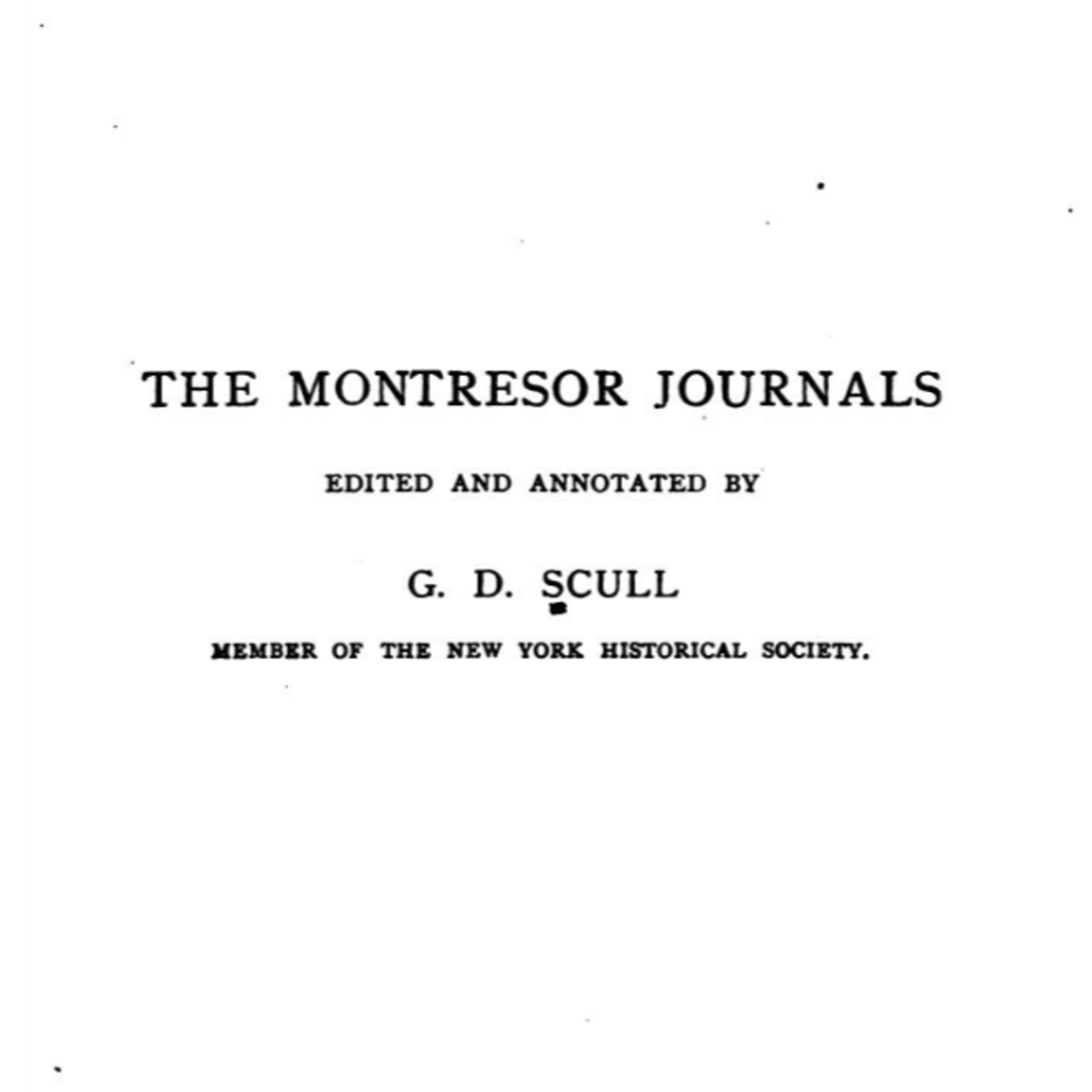
You can read the Montresor Journals in their entirety here - https://archive.org/details/montresorjourna00montgoog/page/n16/mode/2up
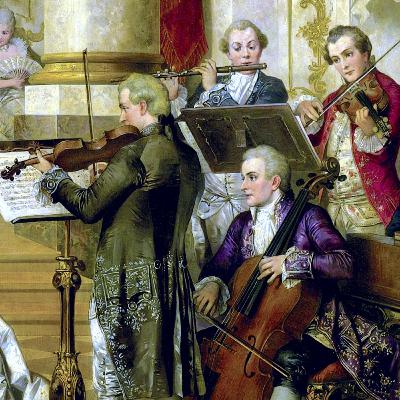
As “Keeper of the King’s Instruments” for Louis XV, Christophe Chiquelier Jr’s work was endless but no doubt fulfilling. He was a master musical instrument maker, supplier of harpsichords to the Royal Family, and an instrument collector. But for a brief time during his youth, he was a soldier in Louisbourg, the capital of the French colony of Île Royale, known today as Cape Breton Island. SHOWNOTESMUSICAL CREDITS: -- Concerts royaux, Quatrième concert – Sarabanda – Armonie Symphony Orchestra, Stefano Seghedoni -- Pièces de clavecin VI. L’Aimable. Rondeau -- JS Bach Italian Concerto, BWV. 971 – 2. Andante [harp] -- Carolan’s Welcome from The Celtic Lute by Ronn McFarlane -- Reel la Rocque – Les Habitants -- Andreas Böhlen – baroque recorders, Aline Zylberajch, harpsichord French Baroque Music -- Jean-Baptiste Lully (1632-1687) – Orchestral Suite from ‘Alceste’SOURCES:1. “Les derniers musiciens du roi de l’Ancien Régime. Versailles-Paris 1761-1792” – Youri Carbonnier2. “After Midnight We Danced Until Daylight”: Music, Song and Dance in Cape Breton, 1713-1758 – Kenneth Donovan3. “La Complainte de Louisbourg : chansons de sieges et circulation des cultures militaires entre Europe et Acadie à l’époque coloniale” – Éva Guillore
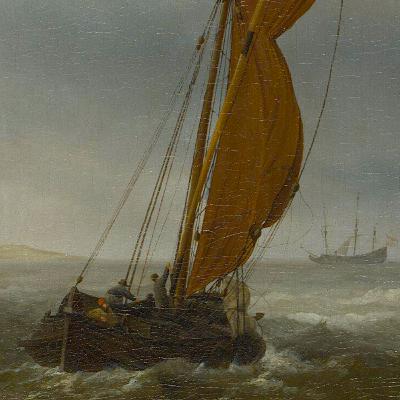
The finale of our three part series on the life and times of James Johnstone. Follow the Chevalier de Johnstone’s escapades in Cape Breton from 1756 through to 1758 and see how this Scotsman’s memoirs tell the long forgotten stories of Cape Breton’s past. SHOWNOTES – MUSICAL CREDITS: -- Concerto Grosso for Strings “Palladio”: Allegro -- Pièces de clavecin VI. L’Aimable. Rondeau -- Les Habitants – Quand J’étais Sur Mon Père -- Sinfonia in G Minor, T. Si 7 -- Symphony No.8 in D Minor, Op. 2 -- Enigma Variations, Op. 36 SOURCES: 1. Memoirs of the Rebellion of 1745 and 1746 – https://archive.org/details/memoirsof...2. The Campaign of Louisbourg 1750 – ’58 – https://www.canadiana.ca/view/oocihm....3. Du Boscq de Beaumont, G. (1899). Les derniers jours de l’Acadie, 1748-1758, p. 65. Paris : E. Lechevalier4. T. A. Crowley, “JOHNSTONE, JAMES, Chevalier de Johnstone,” in Dictionary of Canadian Biography, vol. 4, University of Toronto/Université Laval, 20035. Johnston, A. J. B. (Andrew John Bayly) Endgame 1758 : the promise, the glory, and the despair of Louisbourg’s last decade, 2007
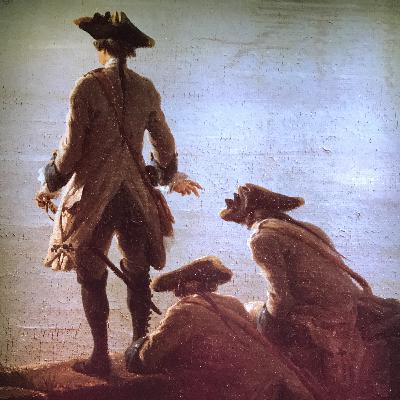
CORRECTION - At 8:42, the names should read (left to right) Alex Storm, David MacEachern and Harvey MacLeod. Thanks to Eilieen Burke for pointing this out to us!Travel back in time to the year 1753 and see Cape Breton Island through the eyes of Scottish exile the Chevalier de Johnstone. We will also bridge two very different eras in Cape Breton's past - the French colonial period of the early 18th century, and the era of Scottish migration that took place in the 19th century.SHOW NOTES - MUSICAL CREDITS: -- chtidrummer - "La diane et le rigodon (le reveil au bivouac napoleon)" • La diane et le rigodon(le reveil au b... -- Antonio Vivaldi - The Four Seasons-Summer -- Michael Schaeffer - French Baroque Lute Music-- Barde - Whelan’s Jig, the Swallow’s Tail, Coleman’s Cross -- Hopkinson Smith - J.H. Kapsberger Libro Primo d’Intavolatura di Lauto (First Book of Lute Tablature) Roma, 1611SOURCES:1. Memoirs of the Rebellion of 1745 and 1746 - https://archive.org/details/memoirsof...2. The Campaign of Louisbourg 1750 - ’58 - https://www.canadiana.ca/view/oocihm....3. Du Boscq de Beaumont, G. (1899). Les derniers jours de l’Acadie, 1748-1758, p. 65. Paris : E. Lechevalier4. T. A. Crowley, “JOHNSTONE, JAMES, Chevalier de Johnstone,” in Dictionary of Canadian Biography, vol. 4, University of Toronto/Université Laval, 2003–, accessed March 3, 2024, http://www.biographi.ca/en/bio/johnst....
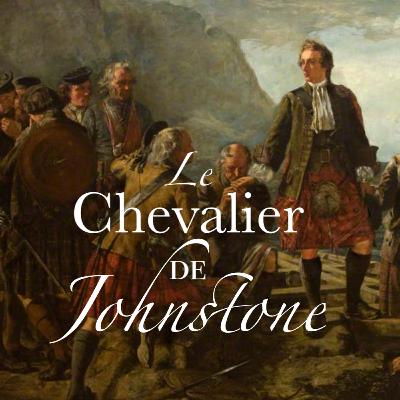
The Chevalier de Johnstone is one of the most colourful personalities to have come through Cape Breton in the 18th century. A Scottish exile who was involved in the 1746 Jacobite Rebellion, Johnstone was likely one of the only - if not the only - Scotsmen in Cape Breton during the time of Louisbourg. He is often in the right place, but simply not at the right time. SPECIAL THANKS to the Barra MacNeils for kindly allowing us to use their rendition of the song “Niel Gow’s Lament for the Death of his Second Wife” for this episode.SHOW NOTES: MUSICAL CREDITS - -- The Barra MacNeils - “Niel Gow’s Lament for the Death of his Second Wife.” -- J.S. Bach - Sonata No.5 in F MinorSOURCES:1. Memoirs of the Rebellion in 1745 and 1746 - https://archive.org/details/memoirsof...2. The Campaign of Louisbourg 1750 - ’58 - https://www.canadiana.ca/view/oocihm....3. T. A. Crowley, “JOHNSTONE, JAMES, Chevalier de Johnstone,” in Dictionary of Canadian Biography, vol. 4, University of Toronto/Université Laval, 2003–, accessed January 10, 2024, http://www.biographi.ca/en/bio/johnst....
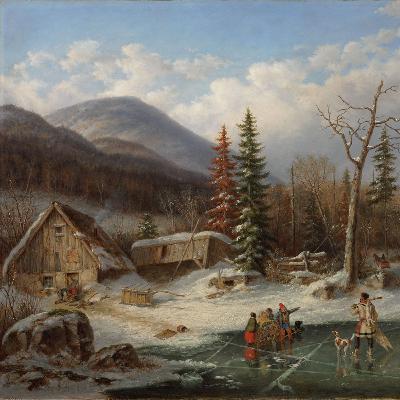
Near the shores of the Mira River halfway through the 18th century sat two small villages now lost to time - Village des Allemands and Village Rouillé. Though existing for only six short years, the stories these villages tell reflect the greater challenges that typified the Canadian maritime region during the 1750s. SHOW NOTES: MUSICAL CREDITS --- Duo Baroque La Tour - Flute Sonatas, Op 3, No.2 III Minuetto, Variation-- Barde - Jack McCann & The Battle of Aughrim • Jack McCann & the Battle of Aughrim SOURCES:1. The Montresor Journals - https://archive.org/details/montresor...2. “The Everywhere Footprints of Captain John Montresor,” Miriam Touba - https://www.nyhistory.org/blogs/the-e...3. “A Journal of the Siege of Louisbourg and Cape Breton, in 1745,” James Gibson, p.26, 274. “The Cultural Landscape of 18th Century Louisbourg - Miré Region - Rouillé and German Villages,” Margaret Fortier5. Boishebert’s Journal - https://diffusion.banq.qc.ca/pdfjs-1....6. Phyllis E. Leblanc, “DESCHAMPS DE BOISHÉBERT ET DE RAFFETOT, CHARLES,” in Dictionary of Canadian Biography, vol. 4, University of Toronto/Université Laval, 2003–, accessed September 3, 2023, http://www.biographi.ca/en/bio/descha....7. Dictionnaire généalogique de la noblesse de la Nouvelle France - https://numerique.banq.qc.ca/patrimoi...8. F. J. Thorpe, “CATALOGNE (Catalougne), GÉDÉON (DE),” in Dictionary of Canadian Biography, vol. 2, University of Toronto/Université Laval, 2003–, accessed September 3, 2023, http://www.biographi.ca/en/bio/catalo....9. Dictionnaire généalogique de la noblesse de la Nouvelle France - https://numerique.banq.qc.ca/patrimoi...10. Dale Miquelon, “LE POUPET DE LA BOULARDERIE, ANTOINE,” in Dictionary of Canadian Biography, vol. 4, University of Toronto/Université Laval, 2003–, accessed September 3, 2023, http://www.biographi.ca/en/bio/le_pou....
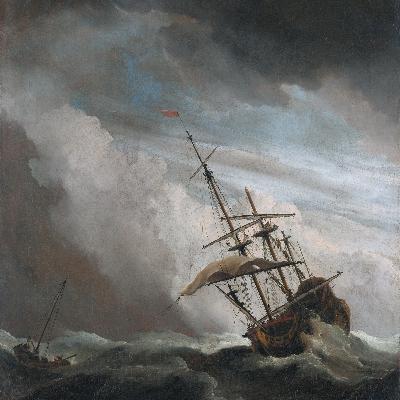
For centuries, Cape Breton Island has seen waves of settlers come ashore from many different parts of the world. The ebb and flow of peoples spurred on by the effects of war, by enterprise or by the simple desire to put food on their table has shaped the cultural fabric of the island for hundreds of years. Bretons, Normans and Basque arrived during the 18th century when the island was under the jurisdiction of New France, and then in the early 19th century the Gaelic speaking inhabitants of places like Barra and Uist put down permanent roots seeking refuge and a new beginning. As the tides of immigration and settlement came and went, communities likewise did the same. In this episode, we'll discuss one of these communities at length - St. Esprit.SHOW NOTES: MUSICAL CREDITS: -- Les Musiciens de Saint-Julien & Francois Lazarevitch - Sir Arthur Shaen/Colonel Irwin/Clonmell Lassies/The Scolding Wife - • Sir Arthur Shaen - Colonel Irwin - Cl... SOURCES: 1. Sieur de La Roque. “Recensement de l’Île Royal et de l’Île Saint-Jean”, p. 21 -30 – https://heritage.canadiana.ca/view/oo...2. Sieur de La Roque. “Recensement de l’Île Royal et de l’Île Saint-Jean”, p. 21 -30– https://heritage.canadiana.ca/view/oo...3. MacLellan, J.S. (1918). Louisbourg From its Foundation to its Fall, p. 2074. MacLellan, J.S. (1918). Louisbourg From its Foundation to its Fall, p. 2085. MacLellan, J.S. (1918). Louisbourg From its Foundation to its Fall, p. 2096. MacLellan, J.S. (1918). Louisbourg From its Foundation to its Fall, p. 2097. MacLellan, J.S. (1918). Louisbourg From its Foundation to its Fall, p. 2108. Holland, Samuel (1935). Holland’s Description of Cape Breton Island and Other Documents, p.81.
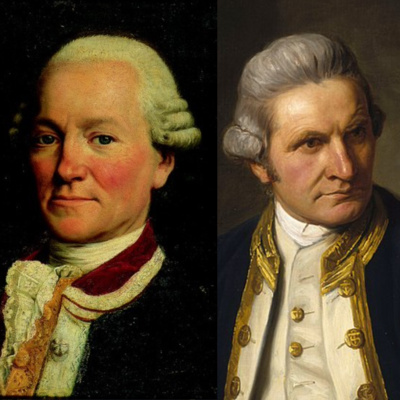
In the age of Pacific exploration, two men spearheaded expeditions to parts of globe previously uncharted by Europeans - Jean François de La Pérouse and James Cook. Although La Pérouse and Cook would never meet, both men would converge on Cape Breton Island in the year 1758, near the beginning of their careers. This episode takes us from the port of Rochefort, France to the idyllic settlement known today as Englishtown, and then on to the shores of Gabarus Bay.SHOW NOTES: MUSICAL CREDITS: -- Les Habitants - Voilà la récompense SOURCES:1. “Where Fate Beckons: The Life of Jean-François de La Pérouse”, John Dunmore2. Johnstone, J. Johnstone., Winchester, C. (187071). Memoirs of the Chevalier de Johnstone vol. II p. 199, Aberdeen: D. Wyllie & son3. Colonial Society of Massachusetts, Volume III, The Journals of Ashley Bowen4. “Captain Cook’s War and Peace: The Royal Navy Years,” John Robson 5. “The Capture of Louisbourg, 1758,” Hugh Boscawen6. "Acadian Settlement on Ile-Royale, 1713-1734" by Bernard Pothier, B.A, of College Sainte-Anne7. “Plan du Fort Dauphin en Isle Royale, 1757” – Antoine-François Sorrel – Bibliotheque nationale de France Gallica8. “History of Victoria County, Cape Breton, Nova Scotia,” Patterson, George Geddie9. T. A. Crowley and Bernard Pothier, “DU PONT DUCHAMBON, LOUIS,” in Dictionary of Canadian Biography, vol. 4, University of Toronto/Université Laval, 2003–, accessed January 15, 2022, http://www.biographi.ca/en/bio/du_pon....10. F. J. Thorpe, “HOLLAND, SAMUEL JOHANNES,” in Dictionary of Canadian Biography, vol. 5, University of Toronto/Université Laval, 2003–, accessed January 16, 2022, http://www.biographi.ca/en/bio/hollan....
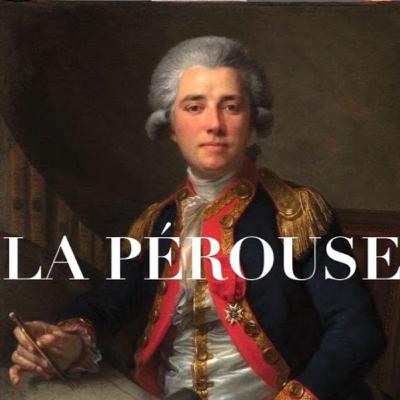
Before he became the world’s most famous missing explorer, Jean-François de La Pérouse was a young sailor navigating the treacherous waters of 18th-century Cape Breton. In this episode, we uncover the "untold origin story" of the French legend during the 1757 campaign at the Fortress of Louisbourg. From surviving the high-stakes naval blockades of the Seven Years’ War to the brutal hurricane that nearly rewrote North American history, discover how the shores of Cape Breton forged the man who would eventually vanish without a trace.SHOW NOTES: MUSICAL CREDITS: -- Les Habitants - Le 31 du Mois d'AoûtSOURCES: 1. J.S. McLennan. Louisbourg from it’s Foundation to its Fall, 1713 -1758. MacMillan, 1918. p.203 2. “Where Fate Beckons: The Life of Jean-François de La Pérouse”, John Dunmore 3. "Journal historique de ma Campagne à l'Île Royale sur le vaisseau 'Le Duc de Bourgogne'" - Louis-Auguste de Rossel, Bibliothèque et Archives Nationale de Quebec 4. Johnstone, J. Johnstone., Winchester, C. (187071). Memoirs of the Chevalier de Johnstone vol. II p. 199, Aberdeen: D. Wyllie & son5. The Forgotten Service: The French Navy of the Old Regime, 1650-1789Richard Byington, p.3
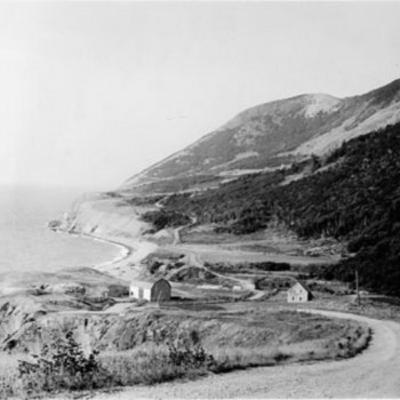
Note - Since the publishing of this podcast, historian Éva Guillorel from the University of Rennes in France has done significant research into the origins of “La Complainte de Louisbourg.” She has uncovered evidence that this Acadian folksong is based on an older French song written about one of the sieges of Philippsburg. Her findings were published in the Spring 2022 edition of the journal Acadiensis and updates some of the information found in this episode.Two strong links exist between the Acadian village of Chéticamp and the French fortress of Louisbourg - Jeanne Dugas and the family of Joseph Gaudet. The third installment of our episode on the Acadian folk song “Louisbourg’s Lament” examines the life and times of these two people and the experiences of their immediate families.The song "Louisbourg's Lament" can be listened to in its entirety by clicking on the link below; https://www.youtube.com/watch?v=7ZNYQCPn0Zk&list=PLrnsKyeY4QZeow8r6KwaaLOkvuGEb0Tkm&index=4SHOW NOTES: MUSICAL CREDITS:-- La complainte de Louisbourg recorded in 1944 by Helen Creighton - sung by Tom Doucet -- Luce Antoinette Bourgeois - "Le Prince Eugene" Singer accompanying the Cape Rouge photos - (clip from the National Film Board video), "Les Acadiens de la Dispersion". -- Les Habitants - J'entends le moulin SOURCES: 1. Lane-Jonah, A. M. (2016). Everywoman’s Biography: The Stories of Marie Marguerite Rose and Jeanne Dugas at Louisbourg. Acadiensis, 45(1). Retrieved from https://journals.lib.unb.ca/index.php/Acadiensis/article/view/245842. Louisbourg Parish Records – G1, Vol. 406, Registry 4, f. 31v – http://www.krausehouse.ca/krause/ParishRecordsHtml/Default.htm3. Bernard Pothier, “DUGAS, JOSEPH (1714-79),” in Dictionary of Canadian Biography, vol. 4, University of Toronto/Université Laval, 2003–, accessed February 3, 2021, http://www.biographi.ca/en/bio/dugas_joseph_1714_79_4E.html.4. Letter from Louis du Pont Duchambon to Minister of the Marine Maurepas, September 2 17455. 1752 Census of Île Royale and Île St-Jean, Sieur de la Roque – “Port Toulouse”6. Commissioner of Public Records Nova Scotia Archives RG 1 vol. 445 no. 47 – https://archives.novascotia.ca/census/RG1v445/returns/?ID=3638Archives des Colonies : Recensement de l'Île Royal et de l'Île Saint-Jean, Série G1 - 4582 - https://heritage.canadiana.ca/view/oocihm.lac_reel_c4582
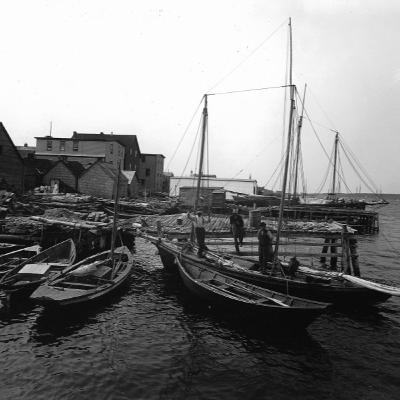
Note - Since the publishing of this podcast, historian Éva Guillorel from the University of Rennes in France has done significant research into the origins of “La Complainte de Louisbourg.” She has uncovered evidence that this Acadian folksong is based on an older French song written about one of the sieges of Philippsburg. Her findings were published in the Spring 2022 edition of the journal Acadiensis and updates some of the information found in this episode.The second part of episode 2 analyzes the lyrics of “Louisbourg’s Lament” in order to see how it holds up against the historical record of the fall of Louisbourg in 1745. Special thanks to Robert Deveaux, folklorist and song keeper from Chéticamp, for supplying much of the information regarding “La complainte de Louisbourg”SHOW NOTES: MUSICAL CREDITS:-- “Malvina” - recorded by Robert DeveauxSOURCES: 1 .Conrad Laforte, La catalogue de la chanson folklorique française, vol 6. Presses Université Laval, 1983 p. 409-423 2. Ægidius Fauteux, Les Du Ponts de l’Acadie. Bulletin des Recherches Historiques, August and September 1940 3. George M. Wrong, M.A., Lettre d’un Habitant de Louisbourg, Warwick Bro’s & Rutter, 1897
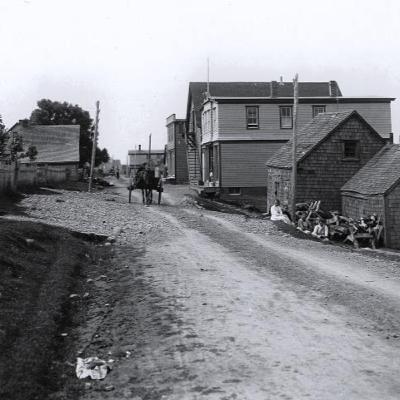
Note - Since the publishing of this podcast, historian Éva Guillorel from the University of Rennes in France has done significant research into the origins of “La Complainte de Louisbourg.” She has uncovered evidence that this Acadian folksong is based on an older French song written about one of the sieges of Philippsburg. Her findings were published in the Spring 2022 edition of the journal Acadiensis and updates some of the information found in this episode.In the first part of our second episode, we examine the traditional Acadian song “La Complainte de Louisbourg”, or “Louisbourg’s Lament”, a song believed to have originated with an eye-witness to the 1745 Siege of Louisbourg.
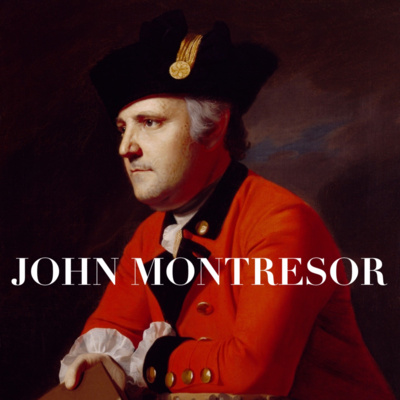
In our first episode, we introduce the Lost World of Cape Breton project. We also follow John Montresor, an engineer in the British army, overland from Louisbourg to the shores of the Bras d’Or Lakes as he embarks on an “inland scout” in the months following the fall of Cape Breton Island to the British.Read the Montresor Journals - https://archive.org/details/montresorjourna00montgoog/page/n4/mode/2upSHOW NOTES: MUSICAL CREDITS: -- Les Habitants - En Roulant La Bouteille SOURCES: 1. "The Montresor Journals," John Montresor, p. 188 - 192 2. Sauriol, M (2004). Voyage en hyver et sur les glaces de Chédiäque à Québec. Cap-aux-Diamants, (78), 43-43 3. The Cultural Landscape of 18th Century Louisbourg – Margaret Fortier. 1983 4. "Carte des environs de Louisbourg avec la rivière, partie du grand lac et le chemin de Myré" - Pierre-Jérôme Boucher, Bibliothèque Nationale de France
Comments


Download from Google Play

Download from App Store
 United States