


 Claim Ownership
Cultivation Elevated - Indoor Farming, Cannabis Growers & Cultivators - Pipp Horticulture
Subscribed: 15Played: 140
Subscribe

© Copyright 2025 Pipp Horticulture
Description
If you are a grower or owner looking to optimize your existing or new cultivation facility or anyone looking to cultivate more in less space, then this is the show for you. Each week, join Host Michael Williamson as he travels across the country, to explore the world of vertical farming and the future of cannabis and food production through his conversations with leading industry operators, growers and executives who are demonstrating success and resilience as growers and cultivators. Each episode provides stories and key insights that will inspire and show you first-hand, how each of these companies have overcome challenges, and found their own path to success. Brought to you by Pipp Horticulture.
This podcast uses the following third-party services for analysis:
Podtrac - https://analytics.podtrac.com/privacy-policy-gdrp
This podcast uses the following third-party services for analysis:
Podtrac - https://analytics.podtrac.com/privacy-policy-gdrp
50 Episodes
Reverse
📺 Subscribe & Watch on YoutubeIn this episode of Cultivation Elevated, Michael Williamson is joined by cannabis attorney Devon Baxter to cut through the noise around cannabis rescheduling and explain what the shift to Schedule 3 actually means for operators. They break down why rescheduling is not legalization, how 280E tax relief really plays out in practice, why banking access remains limited, and where compliance, lab testing, and enforcement risks are often underestimated. The conversation also explores the impacts on MSOs versus craft operators, the evolving relationship between hemp and cannabis, potential pharmaceutical involvement, and what disciplined operators should prioritize over the next 12–24 months as federal scrutiny increases.⏱ Episode BreakdownIntro: What Rescheduling Really Means0:00 – 4:20Michael Williamson sets the stage on cannabis rescheduling and why the headlines are misleading.Rescheduling reshapes the regulatory chessboard — but it doesn’t legalize cannabis, fix banking, or eliminate federal-state tension.Rescheduling vs Legalization: Clearing the Confusion4:20 – 7:15Devin Baxter explains the legal reality behind Schedule 1 → Schedule 3.Why the executive order changes process, not law — and what immediately stays the same for operators.The Science & Legal Strategy Behind Rescheduling7:15 – 10:35How FDA-compliant research and pharmaceutical-grade manufacturing forced regulators’ hands.Why the government could no longer defend Schedule 1 under scientific scrutiny.280E, Taxes, and the Reality of Margin Relief10:35 – 14:55Why 280E relief is real — but not instant or clean.What operators need to revisit in financial structures, expense tracking, and investor expectations.Banking: Why Rescheduling Doesn’t Open the Floodgates14:55 – 18:50Why federally chartered banks still won’t rush into cannabis.Where state banks and credit unions may cautiously expand — and what that means for access to capital.Compliance, SOPs & “DEA-Ready” Operations18:50 – 22:50Why rescheduling likely increases scrutiny rather than reduces it.How GMPs, SOP discipline, labeling, and consistency become competitive advantages.MSOs vs Craft Operators: Different Risks, Same Rules22:50 – 27:10How rescheduling impacts MSOs, single-state operators, and craft cultivators differently.Why consolidation may accelerate — but won’t erase the craft segment.Lab Testing, Health Risk & Enforcement Blind Spots27:10 – 33:50Why lab integrity, sampling practices, and product consistency are underestimated risks.The danger of “lab shopping” as more vulnerable patients enter the market.Hemp, CBD & the Path Toward Convergence33:50 – 40:15What rescheduling and recent legislation could mean for intoxicating hemp products.Why MSOs and national brands are re-entering hemp — and where the regulatory gaps may close.Pharma, Patents & Schedule 3 Implications40:15 – 44:30Why pharmaceutical companies move slowly — and selectively.Where pharma may participate (capsules, sprays, research) — and where they likely won’t.Interstate Commerce & Federal Preemption44:30 – 49:00Why rescheduling doesn’t authorize interstate...
📺 Subscribe & Watch on YouTubeThe episode goal: Introduce Danielle to Pipp’s audience, showcase her background in greenhouse system engineering and product development, and bridge her experience from greenhouse CEA to indoor CEA.Listen to learn:How greenhouse and indoor CEA truly differWhy some high-tech vertical farms failed — and what today’s winners get rightHow to design systems around the crop, not the technologyKey engineering considerations for multi-tier indoor farmsWhat product development looks like across strawberries, lettuce, cannabis, seedlings & moreWhy modularity and crop-specific design are the future of indoor agricultureEpisode Breakdown:Intro & Danielle’s Background0:00–4:20Meet Danielle Will — Pipp Horticulture’s new Product Manager — and hear how tissue culture, greenhouse engineering, and biotech shaped her multidisciplinary CEA approach.Greenhouse vs. Indoor CEA4:20–10:19Danielle breaks down the real engineering differences:• Transparent glazing vs. sealed rooms• Air changes vs. recirculation• Load density from stacked tiers• Why controlling “everything” is both empowering and challengingSystem Design Mistakes & Operator Challenges10:19–17:23Why expensive tech can’t compensate for poor design choices, lack of grower involvement, under-sized systems, or misunderstanding seasonal loads.The Importance of Skilled Operators17:23–21:21Why mediocre systems + great people beat the opposite every time — and why true CEA success requires both biological and mechanical literacy.Product Development for Multiple Crops21:21–25:39How Pipp is expanding beyond cannabis into strawberries, leafy greens, seedlings & more — and why irrigation style, tray spacing, airflow, and lighting must all be crop-specific.Designing for Today vs. the Future25:39–27:38Why Danielle designs 5 years ahead — but not for a fully robotic future (yet). Practicality, accessibility, and modularity matter more than hype.Why Past Vertical Farms Failed27:38–33:29The truth behind the first wave of CEA collapses:• VC models optimized for tech, not agriculture• Growing low-margin crops with massive capex• Market misalignment and unrealistic yield projections• Dependence on high-tech automation too soonFuture Crops & Underexplored Opportunities33:29–38:54A look at high-value crops that should be thriving indoors: wasabi, blueberries, seedlings, berries, specialty crops, and more.Modularity, Crop Fit & Scalable Design38:54–43:40Why the future of Pipp’s product line focuses on:• Meeting crops where they are• Modularity across irrigation types (ebb & flood, NFT, DWC, aeroponics)• Increasing plant density & uniformity• Validated systems that scale responsiblyRapid-Fire Questions43:40–48:08Danielle’s favorites:• Crop to grow• First concert• Most underrated grow room tech• Go-to resource for CEA learning• Favorite veggie snack• And what she orders at Mad DogsABOUT CULTIVATION ELEVATED:If you are a grower or owner looking to optimize your existing or new cultivation facility or anyone looking to cultivate more in less space, then this is the show for you. Each week, join Host Michael Williamson as he travels across the country, to explore the world of vertical farming and the future of cannabis and food production through his conversations with leading industry operators, growers and executives who are demonstrating success and
📺 Subscribe & Watch on Youtube🌱 Cultivation Elevated – The Final Push: Dialing in the Last Weeks of FlowerHosts: Michael Williamson & Anders PetersonPresented by: Pipp HorticultureFocus: The science and strategy behind the final 2–3 weeks of flower — managing senescence and finishing techniques to maximize chemical quality, aroma, terpene retention, coloration, and smooth burn.💡 Listen to learn:What senescence actually is — and why guiding it matters more than forcing itHow to taper environmental cues (light, temp, RH, VPD, CO₂) without shocking the cropWhy extreme “flushing” or 48-hour dark periods are outdatedHow color expression works and when anthocyanins are worth chasingThe right way to manage root zone EC during the finishHow airflow, canopy thinning, and uniformity protect quality and drying consistencyWhy trichomes should drive your harvest timingData to track each harvest to refine finishing cycles over time⏱ Episode BreakdownIntro: Understanding Senescence0:00–4:20• Senescence = the plant’s genetically programmed aging and biochemical refinement phase• Peaks in cannabinoid + terpene development• Outdoors, shortening days and cooler nights drive senescence• Senescence isn’t the plant dying — it’s perfecting what it has builtWhy Finishing Matters & Common Late-Stage Mistakes4:20–7:15• Growers often stack stressors late (pruning + EC shift + temp change at once)• Many facilities harvest too early due to tight scheduling• Early cutting reduces terpene, potency, and maturity• Final weeks are about refinement, not heavy interventionDefining a Finished Flower: Trichomes, Pistils & Visual Cues7:15–11:55• Trichome progression: clear → milky → amber• Ideal target: mostly milky, some amber• Excess new white pistils signal incomplete maturity• Fan leaf fade = carbohydrates relocating to resin glands• Avoid sending any late “reveg” signalsEnvironmental Tapering: Light, CO₂, Temperature, Humidity, VPD11:55–17:06• Reduce DLI by 10–25% to avoid photo-oxidative stress• Taper CO₂ from 1200–1400 ppm down to ~650 ppm pre-harvest• Lower temps 3–5°F in final week• Maintain 50–55% RH; avoid deep swings• Allow modest VPD rise without overdrying• Cooler late-stage temps help retain volatile terpenesColor, Anthocyanins & Phenotypic Plasticity17:06–20:28• Color = genetics + environment• Anthocyanins are temp-sensitive and highly plastic• Some cultivars purple even in warm rooms; others resist• Extreme cold to force color can reduce yield and slow photosynthesisThe 48-Hour Dark Period Myth20:28–21:54• No evidence darkness increases THC• Benefits come from reduced temperature, not lack of light• Better: taper light + temp rather than shutting lights off entirelyDrying-on-the-Vine Strategy21:54–23:54• Reduce or pause irrigation 12–48 hours before harvest• Helps start internal drying if dry rooms are undersized• Avoid wilting; maintain some light for transpirationRoot-Zone & Nutrient Strategy: The Flushing Debate23:54–29:32• Full RO flushes cause osmotic shock and reduce yield• Modern method: gradual EC
📺 Subscribe & Watch on YoutubeEpisode focus: Mastering the veg → flower transition—called the most influential ~10-day window of the cycle. Bad transitions cap yield early; you can’t “add days” later.Core idea: Avoid compounding stress. Moving plants is already stressful—don’t stack harsh environmental shifts, heavy pruning/topping, high VPD, and high EC all at once.Environment fundamentalsLighting / DLI matching: Match day-one flower DLI to veg by increasing intensity (PPFD) for the shorter 12-hour photoperiod.Typical targets: ~35–40 mol·m⁻²·day⁻¹ early, ramp to ~45–50 later.VPD matching: Keep VPD close to veg on flip; veg ~0.8–1.0 kPa, then ease into ~1.2–1.4 kPa early flower rather than jumping to dry rooms (1.5–2.0 kPa is too stressful at flip).Use VPD strategically to moderate stretch (slightly lower VPD can curb internodal elongation).CO₂: Less finicky but watch costs. Start around ~800 ppm (veg level), 800–1000 ppm in week 1–2, then up to ~1200–1400 ppm depending on style.Humidity & red stemsMany flower rooms lack humidification; day-one rooms run too dry, forcing excessive transpiration and causing stress cues like red stems.Plants are humidifiers, but early in flower they’re too small to humidify the room—installing steam/dedicated humidifiers prevents early drought stress.EC balance with VPD: High EC + high VPD (e.g., 1.5–2.0 kPa) risks toxicity/lockout. If humidity is good, 3.0 EC is fine; if day-one is dry, start with lower EC until humidity improves.“Balance over silos” principleClimate (light/VPD/CO₂), root-zone, and irrigation are intrinsically linked. Don’t change one without adjusting the others (“law of minimums” thinking).Canopy managementTopping vs. no topping: Depends on planting density and cultivar. Topping can delay flower set 3–5 days—costly in a fast crop. Many short/medium cultivars in dense programs perform better untopped.Crop registration: Build a simple program to learn genetics (short/medium/tall, heavy/light feeders, topping response).Run experiments with new cultivars (e.g., vary drip stakes and leave some untopped) to see true morphology and water response.Defoliation/skirting: Do light skirting in the last 5–7 veg days for airflow and access (easier emitter placement). Avoid heavy defol or topping right before flip—it causes hormonal “whiplash.”Trellis best practices: Usually two layers suffice (third is for extremes). Lay both layers in one visit and “hover” the second high, then slide down as plants grow.Aim for ~1 top per square; redistribute shoots early before
📺 Subscribe & Watch on YouTubeThis episode explores the future of cannabis cultivation, focusing on emerging tech, sustainability, and automation with Anders and Michael:Digital twins allow growers to simulate environmental changes in a virtual model of their grow room, predicting outcomes like microclimates, transpiration rates, and yield impacts before making real-world adjustments.These systems integrate real-time sensor data with AI and Computational Fluid Dynamics (CFD) modeling to enable more precise, predictive crop management.CFD modeling for airflow, temperature, and CO₂ behavior in grow rooms is currently expensive but expected to become more accessible, potentially standard in future facility planning.Energy monitoring is predicted to evolve from whole-facility tracking to equipment-specific monitoring, helping optimize individual systems and reduce consumption.Closed-loop water recirculation systems are highlighted as a major sustainability trend, treating and reusing city water, condensate, and nutrient runoff through a central filtration system to minimize waste.Nutrient recovery systems exist today that can remove fertilizer from water via flash evaporation, though separating specific nutrients is seen as a longer-term innovation.Humanoid robotics may begin replacing low-skill labor tasks like defoliation, offering reliability and consistency in areas where human turnover is high. There’s caution about potential malfunctions.Lighting has rapidly shifted from HPS to highly efficient LEDs, with some fixtures now achieving over 3.0 micromoles per joule efficiency. Adjustable spectrum LEDs offer targeted benefits but slightly lower efficiency.AI-controlled lighting systems are expected to dynamically adjust light intensity, spectrum, and photoperiod based on real-time plant data instead of preset schedules.CO₂ delivery systems are seen as mostly mature, but innovation in sourcing like direct air capture or repurposing fermentation CO₂ is likely to emerge.HVAC infrastructure will likely remain structurally stable, but control systems and refrigerants are expected to evolve, particularly with environmental regulations pushing R410A out of the market.Hosts anticipate building materials like phase change materials could become more common in grow room construction.The episode wraps with the hosts expressing appreciation for their niche but engaged audience, encouraging feedback and questions, and highlighting their openness to discussing real-world cultivation challenges on future episodes.ABOUT CULTIVATION ELEVATED:If you are a grower or owner looking to optimize your existing or new cultivation facility or anyone looking to cultivate more in less space, then this is the show for you. Each week, join Host Michael Williamson as he travels across the country, to explore the world of vertical farming and the future of cannabis and food production through his conversations with leading industry operators, growers and executives who are demonstrating success and resilience as growers and cultivators. Each episode provides stories and key insights that will inspire and show you first-hand, how each of these companies have overcome challenges, and found their own path to success. Brought to you by Pipp Horticulture.SUBSCRIBE & FOLLOW:Spotify:
📺 Subscribe & Watch on YouTubeIn this episode, the team from Endless Biotech, represented by Gary Holland and Teddy Pillay, joins the Pipp Horticulture podcast to share a transparent look into their cultivation journey. They discuss the evolution of their internal systems, the importance of flexibility and data in refining operations, and how team culture plays a critical role in maintaining both productivity and morale. Gary and Teddy highlight their collaborative mindset - openly sharing knowledge with other growers and emphasize their appreciation for the support and technology provided by Pipp and their vertical racking systems. The conversation underscores a shared mission between Endless and Pipp to raise the bar for the industry through education, innovation, and community, closing with mutual gratitude and a commitment to ongoing partnership.Endless Biotech, represented by Gary and Teddy, shares insights into their operations, innovations, and lessons learned as a cultivator using vertical farming systems.Gary highlights the company’s approach to evolving SOPs, adapting to automation, and continuously refining processes through trial and error and internal feedback.Teddy emphasizes the importance of culture, clear communication, and team cohesion in maintaining high performance and avoiding burnout.Both reps underscore the value of data-driven decision making and being proactive rather than reactive in their grow operations.The group discusses how Endless Biotech collaborates with other growers and vendors (like Pipp), and how a shared commitment to transparency and learning helps lift the entire industry.Gary and Teddy express deep appreciation for their relationship with Pipp Horticulture, citing the impact of Pipp’s vertical racking systems on their grow capabilities.Pipp’s hosts express gratitude in return, noting that the podcast’s purpose is education and community building, not sales.The episode closes with mutual respect and a forward-looking commitment to collaboration and ongoing support.🌱 Collaboration & Innovation-FocusedInside Endless Biotech: Building a Transparent, Data-Driven Grow OperationElevating Cultivation: Endless Biotech’s Journey with Pipp HorticultureFrom Racks to Results: How Endless Biotech Optimizes with PippOpen Source Growing: Gary & Teddy of Endless Biotech Share Their PlaybookPartnering for Progress: Endless Biotech & Pipp’s Shared Mission to Educate🎙️ Personality-Driven or ConversationalGary & Teddy from Endless Biotech: Growing Smarter, Not Just BiggerBeyond the Grow Room: Endless Biotech Talks Culture, Data & InnovationNo Secrets, Just Systems: Endless Biotech's Radical Transparency in Cultivation🔧 Technical + InspirationalScaling Sustainably: Endless Biotech on Systems, Culture, and Vertical FarmingThe Endless Biotech Method: Flexibility, Feedback, and Vertical IntegrationABOUT CULTIVATION ELEVATED:If you are a grower or owner looking to optimize your existing or new cultivation facility or anyone looking to cultivate more in less space, then this is the show for you. Each week, join Host Michael Williamson as he travels across the country, to explore the world of vertical farming and the future of cannabis and food production through his conversations with leading...
📺 Subscribe & Watch on YouTubeFeatured Guest: Dr. Allison JusticeRenowned for her research-driven approach to cannabis cultivation and post-harvest science.Leads the conversation on smokability, drying/curing, and the importance of data-backed airflow control.Brings years of experience and a scientific lens to solving cultivation challenges in a maturing cannabis industry.Pipp Horticulture x Fog City Farms CollaborationDiscussion centers around Fog City’s vertical racking system with Fluence LEDs and Pipp airflow tech.Focus on multi-tier flower room environments and the complexities of airflow across different canopy levels.Dr. Justice provides context on the importance of maintaining environmental consistency across all tiers.Custom Airflow & Environmental ControlUse of automated blackout curtains, duct socks, and return air systems to tailor airflow.Goal: Improve control over humidity, temperature, and VPD (Vapor Pressure Deficit), especially during dry/cure.Allison emphasizes the challenge of ensuring airflow reaches lower tiers effectively without over-drying top tiers.The Science of SmokabilityDr. Justice shares her passion for exploring what makes a cannabis product "smoke well."Going beyond terpenes and cultivar, and into deeper physiological variables.Inspired by tobacco research—looking into chlorophyll content, sugar levels, etc.Acknowledges that in-depth testing is costly and time-intensive, but vital for product quality.Dry & Cure – The Most Critical PhaseDr. Justice discusses how this phase often gets overlooked but has the biggest impact on final product.Fog City’s data collection over multiple years has helped them understand how drying conditions affect smokeability.Calls for the industry to standardize best practices in this area.Ongoing Research Trial SeriesThis episode marks the beginning of an airflow-focused trial series.Allison will return regularly (every 3 months) to share updates and insights.Collaborative spirit emphasized between science, engineering, and cultivation.Final ThoughtsDr. Justice highlights the importance of digging deeper into the data and science behind good cannabis.Michael and Anders express excitement about pioneering this research and sharing knowledge with the broader community.Strong call to continue the conversation and grow the industry’s collective understanding.ABOUT CULTIVATION ELEVATED:If you are a grower or owner looking to optimize your existing or new cultivation facility or anyone looking to cultivate more in less space, then this is the show for you. Each week, join Host Michael Williamson as he travels across the country, to explore the world of vertical farming and the future of cannabis and food production through his conversations with leading industry operators, growers and executives who are demonstrating success and resilience as growers and cultivators....
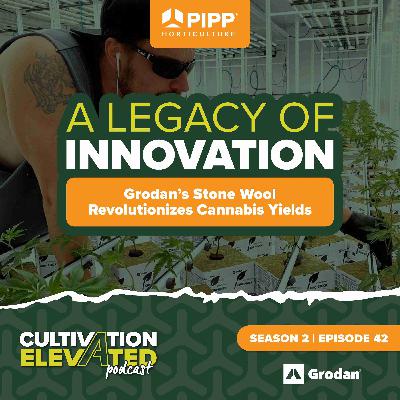
📺 Subscribe & Watch on YouTubeHosts Michael Williamson and Anders Peterson speak with Jon Jirikovec, Crop Specialist at Grodan, about substrate management, irrigation strategy, and cannabis cultivation.Grodan manufactures stone wool (Rockwool) for hydroponic and soilless cultivation, offering high control and steerability for growers.Jon shares his journey from retail cannabis work in 2013 to his current role supporting growers across North America.Grodan emphasizes listening to customer feedback and conducting research with institutes like WUR and CRIC to refine techniques.The team discusses crop steering and irrigation phases (P1, P2, P3) and how they’ve evolved in cannabis compared to vegetables.Rockwool offers better control and water efficiency than coco, though it requires more precision; it’s easier to rewet and adjust EC.Substrate sizing is critical; under-sizing can lead to overly vegetative growth and poor-quality flower (e.g., more C buds).Transitioning from HPS to LEDs often requires adjustments in substrate volume to avoid over-drying and improve irrigation control.Case studies show that even novice growers can succeed with Rockwool when supported with tools, data, and proper guidance.Slab systems offer more forgiveness and better resaturation uniformity than blocks, making them ideal for newer cultivators or limited environments.Labor efficiency and facility design (e.g., racking height and accessibility) play a key role in productivity and plant health.Rockwool systems reduce labor and mess compared to cocoa/soil systems, making post-harvest cleanup easier and faster.There's a trend toward more sustainable, low-EC, low-runoff irrigation strategies to conserve water and nutrients.Growers in water-restricted regions (e.g., U.S. Virgin Islands) may benefit from Rockwool due to its water efficiency.The importance of environmental control (e.g., VPD, leaf surface temps) in syncing with substrate performance was emphasized.Discussion of water circularity systems (e.g., True Zero Corp) that reclaim runoff and reduce operational costs.Greenhouse vs. indoor production: each has advantages; multi-tier greenhouse cultivation is less common but may suit tight spaces.Harvest and cleanup timing impacts microbial loads and crop quality; separate these steps to reduce contamination risks.Transitioning to bulking phase should be based on crop observations (e.g., end of stretch), not arbitrary timelines.Removing fan leaves too early can lead to foxtailing due to hormonal stress; timing and gradual EC changes are key.Crop steering is a spectrum, not a binary approach—subtle adjustments help maintain plant health and yield.Under-canopy lighting improves consistency in A/B grade flower but is not always necessary with good canopy and lighting strategy.Common Rockwool mistakes include letting blocks dry too much before irrigation and using undersized substrates.Substrate strategy should align with veg time, plant count limits, and business goals.Discussion teases future episodes on “synganic” growing—blending salt-based fertigation with organic additives for better terpene expression.Grodan is exploring microbial steering and root-zone microbiome strategies for added performance.ABOUT CULTIVATION ELEVATED:If you are a grower or owner looking to optimize your existing or new cultivation facility or anyone looking to cultivate more in less space, then this is the show for you. Each week, join Host Michael Williamson as he travels across the country, to explore the world of vertical farming and the future of cannabis and food production through his conversations with leading industry operators, growers and...
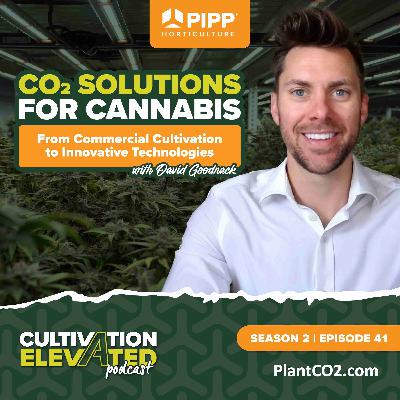
📺 Subscribe & Watch on YouTubeIn this episode of Cultivation Elevated, hosts Michael Williamson and Anders Peterson are joined by David Goodnack from Plant CO2 to discuss the crucial role of CO2 in cannabis cultivation, particularly in commercial vertical farming. They explore the technicalities of CO2 systems, focusing on the transition from small-scale home grow setups to large-scale commercial applications that use liquid CO2 stored in cryogenic tanks. David shares his insights on the challenges growers face in sourcing and designing effective CO2 systems and how his company, Plant CO2, was created to fill a gap in the industry. The conversation also touches on the emerging potential of direct air capture technologies, creative CO2 solutions like co-locating with breweries, and the importance of educating growers early on in the design process. Personal anecdotes from David, including his passion for surfing and skydiving, add a lighthearted touch to the discussion. • Introduction:This episode is hosted by Michael Williamson and Anders Peterson, discussing CO2 design in vertical farming and its importance for cannabis and food production.Guest: David Goodnack from Plant CO2.CO2 in Commercial Cultivation:CO2 is essential for plant growth, especially in commercial cannabis cultivation.Discusses the importance of CO2 systems in sealed environments like indoor grow rooms.Commercial systems use liquid CO2, stored in cryogenic tanks, compared to smaller, less efficient systems used in home grows.CO2 Distribution:Importance of designing CO2 distribution systems to ensure proper levels in all grow rooms.CO2 distribution must be precise to avoid creating microclimates within rooms.Liebig’s Law of the Minimum:CO2 is a limiting factor for growth, but its impact is only significant when other factors (e.g., light, nutrients) are optimized.CO2 Equipment and Tank Rentals:Discussion on CO2 tank sizes and costs (e.g., a 6-ton cryogenic tank can cost around $90,000).CO2 companies make money through tank rentals and the price of CO2, which depends on delivery and distribution costs.Options to rent or purchase tanks, but rental is often more economical.Challenges with CO2 Systems:Challenges faced by commercial growers in finding the right CO2 systems, leading to the creation of Plant CO2 by David.The importance of the right equipment to avoid issues with CO2 loss and inefficient systems.Direct Air Capture vs. Liquid CO2:Introduction to direct air capture machines, which pull CO2 from the air and are currently less viable due to high energy consumption and costs.Liquid CO2 remains the more reliable and cost-effective option for commercial growers at this time.Innovative CO2 Solutions:Examples of creative CO2 solutions, like co-locating cannabis grows with breweries to capture CO2 from fermentation.Discussion of using combined heat and power (CHP) systems to capture CO2 in greenhouses, especially in places like the Netherlands.Education and Market Gaps:Education gaps in the cannabis industry regarding CO2 needs, with growers often neglecting CO2 systems until late in the design process.David’s frustration with the industry led to the creation of Plant CO2 to provide better solutions and education for cannabis growers.Personal Insight:David shares his personal interests, including his love for surfing and skydiving, and...
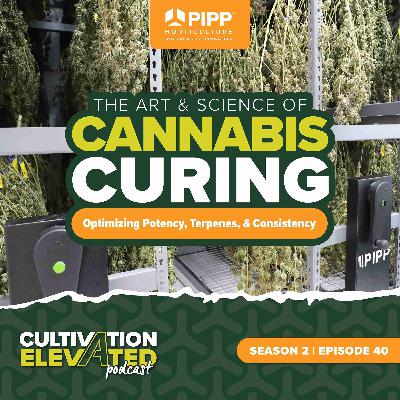
📺 Subscribe & Watch on YouTubeThis episode of Cultivation Elevated dives deep into the curing process of cannabis, exploring its critical role in achieving high-quality flower. Hosts Michael Williamson and Anders Peterson discuss the science behind curing, including moisture content, enzymatic activity, and ethylene gas production. They also examine best practices, common mistakes, and innovative techniques used in both small-scale and commercial settings to optimize terpene retention, potency, and overall product consistency.IntroductionHosted by Michael Williamson and Anders Peterson from Pipp Horticulture.Episode focuses on curing cannabis, part of a three-part series on harvesting, drying, and curing.Discussion blends traditional methods, scientific advancements, and industry best practices.Understanding Curing & Its ImportanceDrying vs. Curing: Drying is a rapid moisture reduction, while curing homogenizes moisture content.Curing enhances the terpene profile, reducing the “grassy” chlorophyll aroma over time.Enzymatic activity and degradation of compounds like chlorophyll play a key role in quality.Environmental factors like temperature, humidity, and light exposure impact the curing process.Different Curing ApproachesSome commercial growers treat the entire drying room as a curing space.Traditional methods include curing in bags, jars, totes, or turkey bags.Burping (controlled opening of storage containers) is used to release excess moisture.New technology is emerging, such as auto-burp systems and sensor-based monitoring.Science & Variables in the Curing ProcessEthylene gas plays a role in the ripening process (similar to bananas and tomatoes).Vapor Pressure Deficit (VPD) impacts moisture release during curing.Cannabinoid changes: Overexposure to oxygen converts THC to CBN, making cannabis more sedative.Environmental consistency is critical – differences in humidity, temperature, and air circulation affect the final product.Challenges & Best Practices in CuringDifferent strains (cultivars) require different curing approaches.Sorting buds by size and density helps create consistent drying and curing conditions.Packaging matters – nitrogen purging was used in the past, but it sometimes reduced flavor quality.Commercial growers need to maintain uniform environments in trim rooms to avoid unintended drying during processing.Modified Atmospheric Packaging (MAP), commonly used in the food industry, could play a role in long-term cannabis storage.Industry Insights & Future ResearchMany growers still rely on experience ("feel") rather than scientific testing.More research is needed on ethylene gas’s role in curing and optimal curing environments.Tobacco and food drying industries offer some insights, but cannabis curing is...
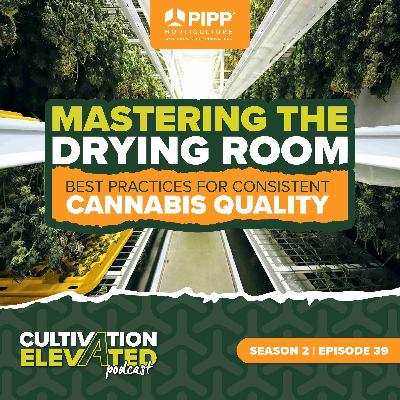
📺 Subscribe & Watch on YouTubeIn this episode, the hosts dive deep into the intricacies of cannabis drying, sharing expert insights on best practices, airflow management, and the common pitfalls to avoid. They discuss the importance of controlling temperature, humidity, and airflow to ensure consistent, high-quality drying. Key topics include the pros and cons of different drying setups like racks vs. carts, how to avoid microclimates, and the importance of maintaining a controlled environment. The episode highlights the often-overlooked impact of drying on the final product and offers practical tips for improving the process, from designing the drying room to understanding moisture management.Drying Room Basics:The drying process is key to producing high-quality cannabis, and airflow is a critical factor.A drying room setup typically involves multiple people, with one or two focused on managing the drying process.Adjusting airflow is essential, especially during the "poofy" phase when the crop is wet and holding a lot of moisture.Over-drying can happen if fans are not positioned properly. Airflow should not be directed directly at the crop but rather across the room to avoid excessive drying.Fan and Airflow Management:There’s debate about whether it’s better to push or pull air through a drying room.The ideal airflow design often involves drawing air through the room, avoiding direct fan placement on the crop itself.The design of a high-end drying room (e.g., Conviron Chambers) uses perforated walls to evenly pull air through the crop, enhancing consistency.Carts vs. Racks:Racks, when compared to carts, offer better airflow as there is more space between tiers to circulate air effectively.The height of racks (12–18 inches between tiers) provides space for better airflow, especially around the thicker colas that retain more moisture.Carts, on the other hand, do not allow for as much airflow between plants, which can lead to uneven drying.Drying Room Design:Proper drying room design should ensure minimal disruption to the drying process, such as ensuring fans are well-positioned and avoiding microclimates created by improper airflow.Lights should be kept off and doors kept shut to maintain consistent conditions inside the drying room.Sealing the room properly (including door sweeps and thresholds) helps maintain a stable environment.Quality Control in Drying:A consistent, controlled drying environment is crucial for preserving the terpenes and quality of cannabis.Over-drying or improper drying can degrade the product and affect its final quality.Taking the time to measure and map out temperature and relative humidity (RH) across different areas of the room can help optimize the drying process.Curing and Final Product:Drying and curing are interconnected, with the drying phase playing a major role in the final product’s quality.The podcast hosts emphasize that drying should not be overlooked, as it has a big impact on the product's outcome.They mention potential future research through the Cannabis Research Coalition to help improve drying techniques and share more data on the subject.Closing Thoughts:The podcast encourages listeners to experiment and find what works best for their setup but also emphasizes the importance of following key drying principles for the best results.The hosts highlight that, while drying is a complex process with some subjective...
📺 Subscribe & Watch on YouTubeThe episode discusses efficient harvesting techniques and the importance of maintaining cleanliness and compliance in the cannabis cultivation process. Michael and Anders share tips on improving speed and quality during harvest, such as the use of RFID scanning technology for tracking and compliance. One of the key points is the importance of cleaning up the cultivation room before starting to harvest to avoid contaminating the buds with particulates from the substrate. They also talk about using air quality meters to monitor particulate matter in the air during post-harvest processing.Michael and Anders emphasize the role of the cultivation team in harvesting, noting that they are typically more connected to the crop and handle it with more care than post-harvest teams. The podcast also discusses the importance of keeping a steady workflow and ensuring no team members are left waiting for tools or supplies. The team shares their experiences with improving harvest efficiency over time and the benefits of avoiding harvests on Mondays and Fridays, recommending mid-week harvests for better staffing and monitoring of the drying process. Additionally, the conversation touches on labor productivity throughout the week and the benefits of keeping harvests within a single day to avoid complications during the drying process.Harvesting Efficiency:Emphasizes teamwork during harvest, including "tag team" efforts for smoother and quicker processes.Outlaw Technology’s RFID scanning tool is highlighted for improving speed, accuracy, and compliance by linking with a scale.RFID scanning enhances inventory management and helps streamline post-harvest accuracy, reducing errors from manual data entry.Cleanliness and Compliance:Stress on the importance of keeping the cultivation room free of particulates before harvesting to avoid contaminating the buds.Moving substrate or equipment during harvest can stir up particles that get on the flowers, affecting quality and compliance.Use of air quality meters to measure particulate matter in the air and validate room sanitation after harvest.Harvesting Team Composition:Cultivation team is ideal for harvesting because they are most connected to the crop and take more care, reducing damage to the plants.Post-harvest crews tend to be less connected to the plants and may work less gently, potentially affecting quality.Compliance person tracks wet weights and labels harvested plants in the drying room.Workflow and Steady Flow:Importance of a "water spider" role to move carts or racks between cultivation and drying rooms to prevent bottlenecks.Ensure no one is waiting on others for tools or equipment to keep the workflow steady.Example from a facility where initial harvest took an entire shift but improved to just a few hours after a few months.Optimal Harvesting Days:Avoid harvesting on Mondays and Fridays to ensure adequate staffing and monitoring.Harvesting on Tuesdays or Wednesdays is ideal to ensure quality monitoring during the critical 24-48 hours after harvest.Harvesting should ideally be completed in one day to maintain proper drying conditions.Labor Productivity:Mondays tend to have slower productivity due to the start of the week.Tuesdays and Wednesdays are optimal for productivity (good to great).Thursdays and Fridays tend to have reduced productivity, with Friday being especially prone to staff calling out.This podcast uses the...
📺 Subscribe & Watch on YouTubeThis episode dives into the evolution of product development at Pipp Horticulture, featuring guest Del Rockwell. The discussion highlights Del’s journey at Pipp, the engineering challenges and innovations in vertical farming solutions, and the launch of the new modular carriage system. The hosts explore Del’s contributions to the horticulture division, including how customer feedback, engineering excellence, and cross-industry insights shape product design.Key Points Discussed: 1. Del Rockwell’s Background: ◦ Transitioned from traditional engineering to horticulture-focused product development at Pipp. ◦ Enthusiasm for joining Pipp during its pivot to the cannabis industry, describing it as a “dream opportunity.” ◦ Emphasis on user-centered design and integrating customer feedback into product innovation. 2. Product Development Process: ◦ Explained the iterative nature of product design, starting from identifying customer challenges. ◦ The role of modularity in the new carriage system, allowing easier shipping, installation, and flexibility for customers. ◦ Rigorous testing, including cycling over 3,000 times with more than 5,000 pounds to ensure reliability. 3. Features of the Modular Carriage System: ◦ A shift from aluminum carriages to a modular skate-based system, resulting in: ▪ Lower shipping costs. ▪ Improved ergonomics for growers. ▪ Better airflow and easier cleaning, contributing to pest and pathogen management. ◦ Enhanced design aesthetics and elimination of potential failure points. 4. Collaboration with Grow Glide: ◦ Leveraging insights from the Grow Glide acquisition to merge the best features of both systems. ◦ Examples include relocating the drive box for better usability and refining structural components for enhanced functionality. 5. Industry Insights: ◦ Challenges of balancing cost and functionality for both cannabis and leafy green markets. ◦ Importance of longevity in vendor relationships, with Pipp’s 50-year history providing stability in a volatile industry. 6. Del’s Philosophy on Engineering and Product Management: ◦ Focus on solving root causes rather than surface-level problems. ◦ The importance of humility, curiosity, and collaboration in product design. ◦ Emphasis on understanding customer perspectives to deliver practical and innovative solutions. 7. Future of Vertical Farming: ◦ Anticipation of more specialized products tailored to diverse crop types. ◦ Continued efforts to balance costs and ROI for growers, especially in non-cannabis markets. ◦ Excitement around emerging technologies like robo-forming and advanced manufacturing techniques. 8. Team and Company Culture: ◦ Pipp’s customer-centric approach and small-team feel despite its corporate capabilities. ◦ A collaborative and iterative product development culture that integrates feedback from both engineers and growers. 9. Del’s Legacy Projects: ◦ Pride in developing the Elevate Deck, which significantly improved labor efficiency for multi-tier systems. ◦ Validation from industry imitation, seen as flattery for Pipp’s successful designs.Closing Notes:The episode wraps up with a nod to Pipp’s leadership and Del’s role in fostering innovation. Listeners are encouraged to connect with Del at trade shows like MJ BizCon to discuss engineering, racking systems, and vertical farming trends. The hosts promise more updates on Pipp’s product developments in future episodes.This episode underscores Pipp Horticulture’s commitment to advancing vertical farming technologies and their collaborative approach to solving grower...
📺 Subscribe & Watch on YouTubePodcast Episode Summary: Cultivation ElevatedHosts: Michael Williamson and Anders PetersonGuest: Dr. Allison Justice, Cannabis Research Coalition and Hemp MineEpisode Focus:The episode centers on a collaborative research initiative led by Pipp Horticulture and the Cannabis Research Coalition to investigate airflow in cannabis vertical farming. The conversation dives into the complexities of designing research facilities, the importance of airflow optimization, and the potential impact on yield, quality, and efficiency in commercial cannabis cultivation.Key Topics Discussed:1. Research Facility BuildoutProject Overview:A year-and-a-half-long project to create a state-of-the-art cannabis research facility.Pipp Horticulture partnered with Dr. Allison Justice and several leading equipment manufacturers.Focus on studying the impact of airflow on cannabis growth, including transpiration, photosynthesis, and pathogen resistance.Facility Design:Three identical grow rooms (12x8 feet each, 9-foot ceilings) with a single dry room.Research trials will include control and test parameter groups to analyze airflow effects.2. Airflow and Environmental ControlsChallenges with Airflow in Vertical Farming:Limited existing research on airflow parameters specific to cannabis cultivation.Optimization needed for high-light environments and precise irrigation strategies.Technological Solutions:Use of omnidirectional hotwire anemometers for accurate airflow monitoring.Integration with Growlink for 24/7 data collection and trend analysis.Ducted dehumidifiers and mini-split air conditioners to maintain uniform climate control.Research Goals:Determining optimal airflow velocities for different growth stages.Understanding how airflow affects yield, potency, terpene profiles, and crop health.3. Industry ApplicationsImpact on Cultivators:Providing data-driven insights for growers to improve consistency, reduce labor, and optimize climate control.Addressing long-standing "bro science" in cannabis cultivation with hard data.Broader Benefits:Results will guide engineers, HVAC designers, and equipment manufacturers.Potential to inform future Pipp Horticulture product development.Aims to reduce operational costs and improve overall grower success.4. Collaboration and Long-Term VisionKey Partnerships:Collaboration with leading vendors like Growlink, Vertical Air Solutions, and Athena.Dr. Justice’s team actively involved in facility buildout and ongoing research.Research Scope:Multiyear trials producing quarterly results, made publicly available to benefit the industry.Exploration of additional variables like light intensity, nutrient strategies, and climate controls.Public Outreach:Plans to share findings through podcasts, reports, and events like MJBizCon 2024.Key Takeaways:Importance of Airflow Optimization:Cannabis plants require significantly more airflow than other crops due to higher light intensities and faster transpiration...
📺 Subscribe & Watch on YouTubeIntroduction & Guest Overview:Michael Williamson and Anders Peterson host Cultivation Elevated, discussing innovations in vertical farming and cannabis production. They welcome Cale Winters, owner of Rhythm Cultivation Solutions and Services (Rhythm CSS), which specializes in horticultural automation and controls.Background of Rhythm CSS:Winters explains his journey from industrial engineering to founding Rhythm CSS, driven by the goal of developing automation solutions for complex cultivation environments like cannabis.Rhythm CSS offers fully integrated control systems for managing lighting, irrigation, fertigation, and environmental parameters in grow facilities.Early Challenges in Cannabis Cultivation:Cultivation previously relied heavily on manual processes, which were labor-intensive and inconsistent.Winters highlights the lack of accessible, cannabis-specific automation and control systems, which led to inefficiencies in commercial grows.Fertigation and Environmental Control:Rhythm CSS designs customized fertigation systems with options for batch and direct injection setups to suit different grow operations.Cale Winters emphasizes the importance of day storage for managing water supply and irrigation needs, particularly in high-frequency watering programs used in crop steering.User-Friendly Interface and Training:Rhythm CSS's platform is tailored for cultivators, making it intuitive and easy to learn compared to traditional industrial control systems.The system allows for cross-training and quick on-boarding, reducing dependency on specialized staff and mitigating risks if key employees leave.Data Collection and Automation:The importance of data in cultivation is stressed, especially for maintaining consistency and identifying trends.Rhythm CSS’s platform enables comprehensive data collection across all systems, providing insights for operators and facilitating better decision-making.Challenges with Space Allocation and Design Flexibility:Many grow facilities under-allocate space for fertigation and water storage, leading to design challenges.Rhythm CSS assists clients with custom equipment layouts to maximize space efficiency without compromising functionality.Redundancy and Risk Mitigation:Winters recommends having backup water and treatment systems, ideally storing at least two days' worth of water.Redundant systems are essential for mitigating the impact of equipment failures or supply interruptions.Future of AI and Machine Learning in Cultivation:Rhythm CSS is exploring AI applications to enhance predictive analytics and automate responses to environmental conditions.However, Winters emphasizes the importance of reliable sensor data and warns against rushing AI solutions into critical processes.Sensor Technology:Rhythm CSS has integrated advanced sensors to improve the accuracy of environmental monitoring.Proper sensor placement and maintenance are critical to ensuring accurate data and avoiding potential errors with automated adjustments.Conclusion & Contact Information:For those interested in Rhythm CSS solutions, Winters provides contact details and encourages potential clients to reach out for personalized consultations.This episode provides an in-depth look at Rhythm CSS's role in advancing cannabis cultivation technology, emphasizing automation,...
📺 Subscribe & Watch on YouTubeIntroduction: Hosts Michael Williamson and Anders Peterson introduce this episode of "Cultivation Elevated" - the episode's focus on airflow mapping and quantification in vertical farming and cannabis production.Project Example: Michael shares his experience working on a startup project and the importance of commissioning the building and team for airflow optimization, especially in multi-tiered systems.Airflow and Plant Growth: Anders emphasizes how airflow is a crucial factor in plant growth, acting as a balancing factor for energy, VPD (vapor pressure deficit), and other parameters.Mapping Airflow:Michael discusses his approach to airflow mapping using drawings, measurements at consistent elevations, and data quantification for better airflow management.Anders highlights the benefits of using both direct and indirect methods (airflow sensors and leaf surface temperature readings) to create airflow maps.Tools and Techniques:Discussion on tools like hot-wire anemometers for accurate airflow measurement and why infrared thermometers with adjustable emissivity are needed for proper leaf surface temperature measurements.Tips for measuring air velocity, spacing, plant height, and using color-coded maps in Excel for easy visual analysis.Airflow and Yield:Poor airflow leads to issues like hotspots, uneven plant growth, and reduced yields.Too much airflow can also cause issues like nutrient toxicities or wrinkly leaves.Optimal Airflow Ranges:Optimal airflow for veg and flowering stages discussed, generally ranging from 200 to 300 feet per minute.Emphasis on the need to find consistency in airflow distribution across the growing space.Leaf Surface Temperature:The importance of taking leaf surface temperature measurements during the middle of the photo period.These readings help monitor plant health and ensure VPD is within acceptable ranges.Room Design and Commissioning:Suggestions on room design planning, including considering airflow distribution and using technologies like CFD (computational fluid dynamics) modeling for precise planning.A discussion about retrofitting or designing rooms to maximize airflow and minimize future issues.New Technology:Michael discusses Pipp’s VA S 2.0 airflow system, which provides more control over airflow and energy efficiency, allowing growers to dial in airflow to meet specific needs.Practical Advice:The episode closes with advice on regularly checking airflow, understanding the value of airflow mapping, and recognizing how airflow can impact yield and overall crop quality.This episode dives deep into how proper airflow management in indoor and vertical farming environments can significantly enhance crop health, growth, and consistency.ABOUT CULTIVATION ELEVATED:If you are a grower or owner looking to optimize your existing or new cultivation facility or anyone looking to cultivate more in less space, then this is the show for you. Each week, join Host Michael Williamson as he travels across the country, to explore the world of vertical farming and the future of cannabis and food production through his conversations with leading industry operators, growers and executives who are demonstrating success and resilience as growers and cultivators. Each episode provides stories and key insights that will inspire and show you first-hand, how each of these companies have overcome challenges, and found their...
📺 Subscribe & Watch on YouTubePodcast Title & Hosts: Cultivation Elevated, hosted by Michael Williamson and Anders Peterson.Episode Topic: Discussion on retrofitting cannabis cultivation facilities, energy rebates, and emerging markets for cannabis.Guest Speakers: Mitch Galton (Director of Business Development) and Brett Cherniack (VP of Sales) from Urban Gro, a company providing integrated design and engineering solutions for controlled environment agriculture (CEA) facilities.Key Discussion Points:Urban Grow’s Services:Specializes in retrofitting existing facilities and energy-efficient solutions for cannabis cultivation and other CEA industries.Offers architectural design, cultivation system integration, and equipment commissioning.Retrofitting Cannabis Facilities:Challenges include assessing existing infrastructure (power, water, and space layout), especially in transitioning non-cannabis buildings.Planning is critical, focusing on utilities, space allocation, and goals before starting a project.Importance of ensuring proper infrastructure (HVAC, lighting) before retrofitting.Types of Retrofits:Existing cannabis facilities needing upgrades versus non-cannabis facilities being converted.Challenges with distressed assets, where companies failed, requiring complete overhauls.Converting single-level facilities to multi-tiered systems to increase canopy space but requiring significant HVAC and lighting upgrades.Building Selection for Retrofits:Important to consider zoning, local regulations, utility availability, and city support when selecting a building for a retrofit.Delays in power availability can derail timelines and budgets, sometimes taking up to 24 months to get proper utility infrastructure.Energy Rebates:Significant rebates available for upgrading lighting and HVAC systems, covering up to 100% of the costs in some cases.Utilities have become more knowledgeable about cannabis cultivation and offer tailored energy efficiency programs.Planning ahead for energy rebates can save a company substantial amounts, and waiting for rebate approvals (about 4 weeks) is strongly recommended before making purchases.New Cannabis Markets:Examples from new states like Alabama and Kentucky show the challenges of being the first to market, such as not having patients or customers yet.Importance of scaling cultivation in phases to match market demand and avoid overbuilding.Challenges in HVAC Rebates:HVAC rebates are more complex to calculate compared to lighting due to constant system usage in cannabis cultivation.Some states are developing more prescriptive rebate programs for dehumidifiers, a major part of HVAC systems in cultivation facilities.Closing Thoughts:Both Mitch and Brett emphasize the importance of detailed planning, especially when dealing with capital-intensive retrofits.Urban Gro’s team has extensive experience in cannabis, helping cultivators make smart decisions regarding retrofits, new facilities, and energy rebates.ABOUT CULTIVATION ELEVATED:If you are a grower or owner looking to optimize your existing or new cultivation facility or anyone looking to cultivate more in less space, then this is the show for you. Each week, join Host Michael Williamson as he travels across the country, to explore the world of vertical farming and the future of cannabis and food...
📺 Subscribe & Watch on YouTubeMike Zartarian’s Background:Mike shares his journey from working as a design engineer to focusing on controlled environment agriculture, including his work in both indoor vegetable production and cannabis cultivation.He co-founded Zartarian Engineering with Mike Siegel and has been instrumental in designing holistic cultivation facilities.Challenges in Indoor Cultivation:Mike discusses the unique challenges of designing and commissioning indoor cultivation facilities, emphasizing the importance of a holistic approach that considers the entire plant life support system.He highlights the differences between growing cannabis and other crops like lettuce, noting that cannabis is particularly energy-dense and sensitive to environmental variables.Commissioning and Tuning Cultivation Facilities:The conversation delves into the critical process of commissioning a new facility, which involves ensuring that all systems operate as designed before plants are introduced. Mike stresses that skipping this step can lead to costly mistakes and crop loss.He shares his approach to commissioning, which includes pre-operational testing, sensor placement, and gradually ramping up plant introduction to ensure optimal system performance.Sensor Technology and Innovation:Mike introduces the new canopy sensor array developed by Zartarian Engineering, which includes an IR sensor to measure leaf surface temperature—a critical factor in accurately calculating VPD (vapor pressure deficit) for cannabis crops.The discussion covers the importance of accurate sensor placement and density, as well as the impact of leaf surface temperature on crop steering and environmental control.Best Practices for Cultivation:The episode concludes with practical advice for cultivation facility operators, including the need to balance optimization versus maximization in facility design, managing systems and teams effectively, and the importance of commissioning to ensure long-term success.Conclusion:Mike shares his deep expertise in CEA and indoor cultivation, offering listeners actionable insights into designing, commissioning, and optimizing indoor grow facilities. The hosts emphasize the value of Mike’s approach and suggest a potential follow-up episode to explore additional topics in more depth.ABOUT CULTIVATION ELEVATED:If you are a grower or owner looking to optimize your existing or new cultivation facility or anyone looking to cultivate more in less space, then this is the show for you. Each week, join Host Michael Williamson as he travels across the country, to explore the world of vertical farming and the future of cannabis and food production through his conversations with leading industry operators, growers and executives who are demonstrating success and resilience as growers and cultivators. Each episode provides stories and key insights that will inspire and show you first-hand, how each of these companies have overcome challenges, and found their own path to success. Brought to you by Pipp Horticulture.SUBSCRIBE & FOLLOW:Spotify: https://open.spotify.com/show/1bwsOgN...Apple: a...
📺 Subscribe and watch on our Youtube channelIntroductionHosts: Michael Williamson and Anders Peterson.Guest: Ian Miller, CEO of Catalyst BC. Ian's background includes raising significant private equity, working in various sectors including high-end yachts, and being on the founding team of Loop Pay.Discussion TopicsFinancial Modeling ChallengesUnique challenges in creating financial models for the cannabis industry, such as commoditization and margin compression.Importance of accurate KPIs and the variability of operator performance.Impact of regulatory environments and compliance on financial models.Investor PerspectivesKey factors investors look for in financial models: detail, sobriety of assumptions, and realistic schedules.Importance of having skin in the game and available resources.Construction and Operational ChallengesUnique construction challenges in cannabis facilities.Importance of power availability and realistic project scopes.Common mistakes: inadequate power planning and underestimating the complexity of projects.Revenue Projections and ProfitabilityCritical variables affecting revenue projections and profitability.Speed to market, talent, capitalization, and achieving KPIs are essential.Detailed planning and high-quality execution are crucial for maximizing profits.Emerging Trends and DevelopmentsShift from equity to debt financing.Trends in multi-layer horticulture and automation.Importance of energy cost analysis and life cycle costs.Customer Retention and Market KnowledgeImportance of knowing your customer demographic.Strategies for building customer loyalty and retention.Examples from retail operations highlighting the significance of customer service.Personal Story and MotivationIan shares a personal story about his father's experience with medical cannabis.Emphasizes the impact of cannabis on health and the motivation behind Ian's involvement in the industry.ABOUT CULTIVATION ELEVATED:If you are a grower or owner looking to optimize your existing or new cultivation facility or anyone looking to cultivate more in less space, then this is the show for you. Each week, join Host Michael Williamson as he travels across the country, to explore the world of vertical farming and the future of cannabis and food production through his conversations with leading industry operators, growers and executives who are demonstrating success and resilience as growers and cultivators. Each episode provides stories and key insights that will inspire and show you first-hand, how each of these companies have overcome challenges, and found their own path to success. Brought to you by Pipp Horticulture.SUBSCRIBE & FOLLOW:Spotify: https://open.spotify.com/show/1bwsOgN...Apple: a...
📺 Subscribe and watch on our Youtube channelThis Cultivation Elevated episode primarily focuses on advanced cultivation strategies for cannabis indoors, covering topics ranging from substrate selection to irrigation strategies and environmental control.Substrate Selection and CharacteristicsAnders and Michael discuss various substrates used in cannabis cultivation, including rockwool and coco. Rockwool is favored for its consistency across batches and inert nature, making it suitable for precise nutrient control and advanced cultivation techniques under high light levels. On the other hand, coco is praised for its blend of steerability and risk mitigation, though it poses challenges due to variability between batches and potential issues with nutrient content.Factors Influencing Substrate ChoiceConsistency and Manageability: Rockwool is highlighted for its consistent performance and suitability for advanced irrigation strategies where precise steering of plant growth is crucial.Steerability and Risk: coco offers flexibility but requires careful management due to variability in batch quality and nutrient content.Plant Density and Irrigation StrategiesThe conversation delves into optimal plant densities and their impact on cultivation outcomes. They emphasize the importance of tailoring planting densities to specific cultivars and optimizing them based on factors like light penetration, airflow, and irrigation needs.Environmental Control and HVAC SizingA significant portion of the discussion revolves around HVAC system design and sizing. They stress the importance of basing HVAC requirements on canopy square footage rather than plant count due to the variability in plant counts during cultivation cycles. This approach provides flexibility and ensures that environmental conditions are adequately maintained regardless of changes in plant density.Practical Tips for GrowersIrrigation Strategies: They recommend basing irrigation strategies on substrate volume per plant and per square foot to ensure adequate moisture levels and prevent aggressive dry backs overnight.Microbial Management: Practical advice includes managing microbial risks during harvest, particularly with open-top coco substrates, to avoid contamination and maintain crop quality.Advanced Cultivation TechniquesThe speakers share insights into advanced techniques such as sub-canopy air circulation and under-canopy lighting to optimize plant growth and yield. They highlight the benefits of using specific substrates and configurations that support these techniques effectively.Facility Design ConsiderationsThe conversation concludes with considerations for facility design, emphasizing the importance of substrate choice, plant density, and environmental control systems in maximizing cultivation efficiency and yield.ConclusionOverall, this episode of Cultivation Elevated provides a comprehensive overview of advanced cultivation practices for cannabis, emphasizing the critical role of substrate choice, irrigation strategies, and environmental control in achieving optimal crop outcomes. Michael and Anders’ insights cater to both new growers and experienced cultivators looking to enhance their understanding and practices in indoor cannabis cultivation.ABOUT CULTIVATION ELEVATED:If you are a grower or owner looking to optimize your existing or new cultivation facility or anyone looking to cultivate more in less space, then...

Comments

Download from Google Play

Download from App Store
 United States