


 Claim Ownership
Medicubes
Subscribed: 10Played: 215
Subscribe

© Copyright 2026 Medicubes
Description
The Medicubes team bring you a monthly panel conversation of exciting and challenging topics in primary health care, answering listener questions and invited guests to the discussions.
53 Episodes
Reverse
First episode back for 2026!In this episode of Medicubes, hosts Kim and Riwka speak with Alison Miller, Practice Manager of McKid Medical, about strategies to optimise the nursing workforce and expand nurse-led services in primary care. Discussing practical innovations and lessons learned from implementing nurse-driven care models across multiple clinic sites.Key Points:Nurse Specialisation: Nurses are assigned to areas aligned with their interests and expertise, such as menopause, weight management, and physical health, enhancing job satisfaction and patient care.Care Planning Technology: Adoption of AI tools (Lyrebird) has streamlined care planning and improved workflow, allowing nurses to take a more active role in assessments and care coordination.Room Structure: Clinic rooms are organised by specific health checks and item numbers, making use of visual cues and branding to clarify service offerings and support targeted patient engagement.Patient Engagement: Focused messaging (“This is how we can help you”) and personalised outreach have led to improved uptake of health assessments and nurse consultations.Continuous Improvement: Weekly feedback and screening programmes have enabled early diagnoses and improved team collaboration.Encouraging practice managers to tailor nurse-led services to their community’s needs and leverage resources such as the “Transforming Clinical Series” webinars developed with Healthy North Coast.Registration and resources:https://www.primarycareinnovation.com.au/transforming-clinical-careMedicubes is a proud member of the Talking HealthTech Podcast Network - the premier audio destination for cutting-edge insights and thought leadership in healthcare delivery, innovation, digital health, healthcare ICT, and commercialisation. Learn more at www.talkinghealthtech.com/podcast/network
In this episode of Medicubes, hosts Chris and Kim are joined by Sarah Bartholomeusz, founder and principal of You Legal, to discuss current privacy reforms and their impact on primary care practices in Australia.Providing a clear overview of the recent changes to the Privacy Act, including the introduction of the Privacy Legislation Other Amendment Act (Polar), and why it is important for practices to update their policies and systems. Key Topics:New Privacy Reforms: Sarah explains the overhaul of the Privacy Act and the need for practices to modernise their privacy policies to address issues arising from cloud storage, artificial intelligence, and digital health records.Accountability and Compliance: Placing greater emphasis on the responsibility of practices to safeguard patient information, including stricter requirements on their data protection policies.Data Breaches and Consequences: Recent high-profile data breaches highlight that organisations, rather than individuals, are now held accountable. Practices risk significant reputational damage and fines of up to $50 million for serious contraventions.Practical Steps for Practice Managers: Which includes reviewing and updating privacy policies, ensuring team training and awareness, and auditing systems and security measures.Training and Leadership: Sarah emphasises the importance of ongoing staff education and a shared organisational approach to privacy compliance. Examples illustrate how human error in handling patient information can have serious consequences.Insurance Considerations: Discussing the importance of cyber insurance and regularly reviewing policy requirements, such as two-factor authentication, to ensure coverage.Civil Penalties: Under the new legislation, individuals can now take civil action against practices for privacy breaches, expanding the potential liability for business owners.Links & Resources: You Legal webinar on Privacy: https://www.youtube.com/watch?v=W55xlxEzwSEYou Legal most recent Privacy article: https://youlegal.com.au/you-legal-blogs/privacy-law-changes-medical-practices-australiaOffice of the Australian Information Commissioner (OAIC): https://www.oaic.gov.au/Hacking Health podcast: https://www.youtube.com/watch?v=Vq9d4AWPjD8https://podcasts.apple.com/au/podcast/episode-4-providing-actionable-insights-and-staying/id1713458574?i=1000632513496Medicubes is a proud member of the Talking HealthTech Podcast Network - the premier audio destination for cutting-edge insights and thought leadership in healthcare delivery, innovation, digital health, healthcare ICT, and commercialisation. Learn more at www.talkinghealthtech.com/podcast/network.
In this episode of Medicubes, hosts Chris and Riwka speak with Dan Stinton, CEO and Managing Director of HealthEngine, about recent developments in Australia’s largest healthcare provider marketplace and the evolving landscape of digital health technology for medical practices.Key Points:Health Engine’s Expansion: Now servicing general practice, dental, allied specialists, and pharmacy, with more than 10,000 practices and 40,000 practitioners listed on the platform.Patient Engagement Technology: Investment in non-clinical SAS tools to support efficient front-office operations, including online bookings, automated recalls, payments, and custom forms.AI Receptionist (‘Helen’): Automates 50-65% of inbound calls in practices, currently supports booking management, with future plans for recalls and reminders via voice.Practice Adoption Challenges: Practices tend to adopt 10% of available functionality, highlighting the need for continued education and support for technology use.Data Security & Compliance: Health Engine upholds strong governance standards, with comprehensive legal and privacy audits for every product release.Australian Healthcare Index Insights: 74% of patients report cost-of-living pressures are impacting their healthcare decisions, with bulk billing access cited as a major concern.Preparing for New Booking Channels: Practices should be mindful of the growing influence of large language models and personal assistants in patient engagement.Links & Resources: HealthEngine: https://healthengine.com.au/Medicubes is a proud member of the Talking HealthTech Podcast Network - the premier audio destination for cutting-edge insights and thought leadership in healthcare delivery, innovation, digital health, healthcare ICT, and commercialisation. Learn more at www.talkinghealthtech.com/podcast/network.
In this episode of Medicubes, hosts Chris and Riwka are joined by Louise Riley, Bianca McCulloch, Jacob Grooby, and Alexis Mohay from the Department of Health and Aged Care to discuss the latest changes to bulk billing and the launch of the Bulk Billing Practice Incentive Program (BBPIP).The panel addresses common questions from registered practices, clarifying the practical and administrative impacts of the new incentive arrangements. Recorded live from a FAQ webinar session focused on supporting practice managers, owners, and clinical teams in understanding the changes necessary for successful implementation.Key Points:Two Key Bulk Billing Changes: Explaining the distinction between the expanded bulk billing incentives (with increased eligibility for patients) and the new Bulk Billing Practice Incentive Program (BBPIP), which provides an additional 12.5% incentive payment for eligible practices.Eligibility and Registration: Practices can choose to participate in the BBPIP or continue with current billing arrangements. Registration for BBPIP is available via the MyMedicare portal from 1 November, with flexibility to join or withdraw later.Bulk Billing Item Requirements: Participating practices must bulk bill all General Practitioner Non-Referred Attendance (GP NRA) services for eligible patients. Procedures and other service types are exempt. Non-BBPIP practices can still claim standard bulk billing incentives as the eligibility criteria have been expanded.Triple Incentive Clarification: Not all incentive payments are tripled. Only those items previously eligible for the triple incentive will remain so; other items retain their current rate.Practice Management Systems: Software vendors will update items automatically, practices are advised to check for updates and retain concession card information for differential billing on non-bulk billed services.Administrative Arrangements and Errors: Minor administrative errors in billing will not result in the loss of the entire quarterly incentive payment. Corrections and adjustments can be made, and a small margin for error is allowed.Payments and Indexation: The 12.5% incentive is calculated on eligible GP NRA items and paid quarterly. The amount increases in line with MBS indexation, but the percentage itself remains static.Advertising and Signage: Participating practices must clearly advertise their bulk billing status, including updated signage (available to order via the Department’s website) and register details with Healthdirect.Non-Medicare Services and Private Billing: Practices may still privately bill for procedures or non-NRA services and set appropriate fees for non-MBS services (e.g. iron infusions).Compliance: The importance of using reliable, up-to-date resources and departmental FAQs to support team understanding and avoid misinformation.Links & Resources:Cubiko FAQ webinar session: https://www.cubiko.com.au/resources/bb-incentive-faq/Cubiko’s Bulk Billing Incentive Resource Hub and Webinar Recordings: https://www.cubiko.com.au/blog/resource-group/bulk-billing-incentives/RACGP Resource Hub https://www.racgp.org.au/advocacy/advocacy-resources/november-changes-to-medicareDOHA Resource Hub: http://www.health.gov.au/BBPIPThe Services Australia Health Professional Education website: https://hpe.servicesaustralia.gov.au/Government Resource: GP NRA Items: https://www.health.gov.au/resources/publications/bulk-billing-practice-incentive-program-eligible-services?language=enRACGP Bulk Billing Incentive Fact Sheet: https://www.racgp.org.au/FSDEDEV/media/documents/Advocacy/Medicare/Appendix-A-Fact-sheet-Bulk-billing-incentives-since-1-Nov-2023.pdfMedicubes is a proud member of the Talking HealthTech Podcast Network - the premier audio destination for cutting-edge insights and thought leadership in healthcare delivery, innovation, digital health, healthcare ICT, and commercialisation. Learn more at www.talkinghealthtech.com/podcast/network.

In this episode of Medicubes, hosts Chris, Riwka, and Kim continue their conversation with Jo Winwood, focusing on social prescribing, aged care, and early intervention in primary care.Providing a clear explanation of social prescribing, its origins in the UK, and how it relates to the broader concept of holistic, person-centred care. Key Points:Social Prescribing Defined: Social prescribing involves structured conversations with patients to identify what matters to them, what may be missing from their lives, and addressing social determinants of health as part of a broader care plan.Integration into Practice: The growing formalisation of social prescribing in Australian general practice, including references in care planning and including holistic, lifestyle-based factors in templates and patient reviews.Person-Centred Approach: Highlighting patient-driven goal setting, with examples showing that patients’ concerns often lie outside of clinical conditions and may relate more to isolation, loneliness, or lack of purpose.Practical Examples: Real-world examples of social prescriptions such as community gardening, cooking classes, and activities like Parkrun, which foster social connection and improve wellbeing.Self-care for Health Professionals: Encouraging practice staff to reflect on their own social connections and wellbeing, and the value of walking the talk to better understand and promote social prescribing benefits.Actionable Advice: Jo suggests individuals and practitioners undertake a personal stocktake to identify what matters most and what may be missing in their own lives, and to use this as a starting point.Medicubes is a proud member of the Talking HealthTech Podcast Network - the premier audio destination for cutting-edge insights and thought leadership in healthcare delivery, innovation, digital health, healthcare ICT, and commercialisation. Learn more at www.talkinghealthtech.com/podcast/network.Mentioned in this episode:Get Healthengine today!Healthengine is a proud sponsor of the Medicubes podcast. Our easy-to-integrate, and even easier to use, technology helps boost your digital presence, grow your patient base, maximise your practice efficiency and build deeper relationships with your patients. Learn more Healthengine
In this episode of Medicubes, hosts Riwka, Kim, and Chris are joined by Jo Winwood, Associate Director of Healthy Living and Ageing at Healthy North Coast. Discussing aged care in Australia, recent reforms driven by the Royal Commission, and the practical implications for general practice teams and their elderly patients.Key Points:Jo’s Background: Jo’s transition from the corporate sector into aged care and her belief in the importance of dignity, visibility, and purpose for older Australians.Gaps in Aged Care: The traditional approach often left older people feeling like passive recipients of care, rather than active participants. Jo highlights the need for meaningful social connection to reduce feelings of invisibility and loneliness.Role of Primary Care: Emphasis for GPs, nurses, and practice managers to initiate aged care discussions earlier, integrate aged care pathways into care planning, and use regular assessments as opportunities to identify and support older patients at risk.Aged Care Changes: Outlining how the Royal Commission (started in 2018) led to 148 recommendations focused on consumer visibility, choice, and control and moving away from a provider-centric model to a rights-based system that emphasises dignity and independence.Major System Changes:Access: Improved access points, and new referral pathways for primary care providers.Assessment: Shift to a single, unified assessment system for all consumers.Support at Home: Replacement of four-tiered home care packages with an eight-level Support at Home program, allowing greater flexibility and more rapid escalation of support as needs change.Special Pathways: Introduction of additional short-term support and end-of-life care packages, with roles for GPs and nurse practitioners in assessing and referring patients.Links & Resources:My Aged Care: https://www.myagedcare.gov.au/New Aged Care Act: https://www.agedcarequality.gov.au/about-us/legislation-and-policies/new-aged-care-actMedicubes is a proud member of the Talking HealthTech Podcast Network - the premier audio destination for cutting-edge insights and thought leadership in healthcare delivery, innovation, digital health, healthcare ICT, and commercialisation. Learn more at www.talkinghealthtech.com/podcast/network.Mentioned in this episode:Get Healthengine today!Healthengine is a proud sponsor of the Medicubes podcast. Our easy-to-integrate, and even easier to use, technology helps boost your digital presence, grow your patient base, maximise your practice efficiency and build deeper relationships with your patients. Learn more Healthengine
In this episode of Medicubes, hosts Riwka and Kim are joined by guest Anne Fidler to discuss Australia’s new national lung cancer screening programme and its implications for general practice.Discussing the programme’s eligibility criteria, key statistics regarding lung cancer incidence and mortality, and the stigma faced by people with a current or past history of smoking. Anne shares her personal experiences as a lung cancer patient and advocate, along with the need for supportive, non-judgemental conversations in primary care settings.Key Points:Programme Overview: Australia is set to launch a national lung cancer screening programme in July 2025. This is the first national cancer screening initiative introduced in nearly 20 years.Eligibility Criteria: The programme targets individuals aged 50 to 70 with a history of tobacco use (current or past), who are asymptomatic. A key measure is a “30 pack year” smoking history, but for practical purposes, clinicians can simply ask if the patient has been smoking for around 30 years. Those who quit in the last ten years remain eligible.Stigma in Healthcare: Stigma remains a major barrier to early detection. Many patients feel judged due to their smoking history, discouraging them from participating in screening or disclosing relevant behaviour.Language and Approach: The importance of using sensitive, open-ended questions about tobacco use and normalising screening conversations as a routine aspect of care, rather than targeting individuals.Community Engagement: On advocacy activities, including the Shine a Light Walk and community awareness events such as World Lung Cancer Day (1 August) and fundraising initiatives organised by the Lung Foundation.For practice managers and general practice teams, they are encouraged to review internal language and processes to ensure patients feel supported and able to take part in life-saving screening without fear of stigma.Links & Resources:https://lungfoundation.com.au/protect-your-lungs/national-lung-cancer-screening-program/https://www.health.gov.au/sites/default/files/2025-04/national-lung-cancer-screening-program-conversation-guide-discussing-participation.pdf https://www.health.gov.au/resources/publications/nlcsp-reducing-stigma?language=enhttps://www.health.gov.au/sites/default/files/2025-06/national-lung-cancer-screening-program-low-dose-ct-request-form.pdfhttps://www.health.gov.au/sites/default/files/2025-04/national-lung-cancer-screening-program-reducing-stigma-in-the-nlcsp.pdfMedicubes is a proud member of the Talking HealthTech Podcast Network - the premier audio destination for cutting-edge insights and thought leadership in healthcare delivery, innovation, digital health, healthcare ICT, and commercialisation. Learn more at www.talkinghealthtech.com/podcast/network.Mentioned in this episode:Get Healthengine today!Healthengine is a proud sponsor of the Medicubes podcast. Our easy-to-integrate, and even easier to use, technology helps boost your digital presence, grow your patient base, maximise your practice efficiency and build deeper relationships with your patients. Learn more Healthengine
In this episode of Medicubes, hosts Kim and Riwka are joined by Dr Chris Bollen (Adelaide GP and Director of Bollen Health) and Jane Bollen (Primary Health Care Nurse Consultant) to discuss healthy ageing, focusing on primary care strategies for supporting muscle health, preventing frailty, and promoting independence from age 40 onwards.Exploring the importance of addressing muscle health proactively, the role of GPs and nurses in screening for pre-frailty, and practical approaches for embedding evidence-based practices in health assessments.Key Points:Frailty is not an inevitable part of ageing: Highlighting that frailty can be prevented and reversed with early intervention, and it should not be assumed as a normal consequence of ageing.Importance of muscle health: Loss of muscle mass (sarcopenia) is a key factor in the development of frailty, and maintaining muscle strength is essential for prolonging independence and reducing complications.Simple interventions: Encouraging patients to perform simple strength exercises, such as regular sit-to-stands, and increasing dietary protein intake is said to be actionable self-management strategies.Patient-centred goals: Linking assessment and interventions to personal patient goals can improve engagement and drive meaningful behaviour change.Nutrition advice: Providing practical pointers for supporting protein intake and dispels myths about dietary restrictions in ageing, emphasising food-based approaches before supplementation.Reviewing current practice: Urges practices to focus on evidence-based assessments in health checks and care plans, instead of non-essential tests. Muscle health checks can be a valuable measure in nurse-led clinics and health assessments.Providing primary care managers, nurses, and GPs with practical considerations for implementing muscle health initiatives and reframing healthy ageing as a core component of preventive care.Link & Resources:Frailty BrochureRACGP Red Book- FrailtyRACGP Silver BookAsia Pacific Clinical Practice Guidelines for Frailty 2017Nutrition AssessmentMNADietitian ConnectionMalnutrition Resources for PatientsAre you getting enough protein?10 ways to get more protein.Protein CounterMedicubes is a proud member of the Talking HealthTech Podcast Network - the premier audio destination for cutting-edge insights and thought leadership in healthcare delivery, innovation, digital health, healthcare ICT, and commercialisation. Learn more at www.talkinghealthtech.com/podcast/networkMentioned in this episode:Get Healthengine today!Healthengine is a proud sponsor of the Medicubes podcast. Our easy-to-integrate, and even easier to use, technology helps boost your digital presence, grow your patient base, maximise your practice efficiency and build deeper relationships with your patients. Learn more Healthengine
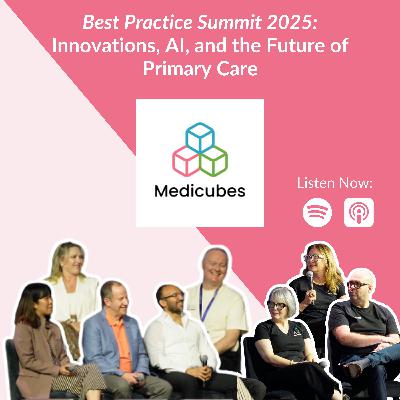
In this episode of Medicubes, Chris, Riwka, Kim are joined live at the Best Practice Summit 2025 by Craig Hodges (CEO, Best Practice), Janice Tan (GM of Clinical at Bupa), Steven Kaye (GP and RACGP committee member), Jaspreet Saini (GP and Chief Medical Officer, HotDoc), and Kylie Payne (CEO, Interconnect Healthcare). The panel explores the primary care landscape, with a focus on technology-enabled practice management, digital health, and the practical implications for practice managers working in Australian general practice.Key Points:Celebrating Progress: Recognising recent “bright spots” in primary care, including rapid digital transformation during COVID-19, especially the adoption of eScripts, and the increasing role of AI technology.Integrating AI: Discussing practical examples of AI benefiting general practice, all while maintaining a patient-centred approach.Challenges and Risks: Addressing barriers to digital adoption in primary care. The lack of comprehensive regulation and standards around AI in Australia is also noted as a current concern for clinical safety and governance.Access and Continuity: They highlight rising wait times for appointments and shifting patterns of patient access. The tension between continuity and convenience is a central theme, with technology proposed as a bridge to close this gap.Role of Education: Emphasising the need for ongoing education of all practice staff, across clinical and administrative roles, as essential to prevent practices and patients being left behind in the rapid digital transformation of primary care.Collaborative Projects: Initiatives like the SPARK project are presented as examples of industry collaboration, aiming to align data collection across the healthcare sector to facilitate more integrated and patient-centred care.Looking Forward: Discussing what’s possible in the next five years, advocating for digital solutions that maintain a balance between technological advancement, sustainability, and optimal patient outcomes.Medicubes is a proud member of the Talking HealthTech Podcast Network - the premier audio destination for cutting-edge insights and thought leadership in healthcare delivery, innovation, digital health, healthcare ICT, and commercialisation. Learn more at www.talkinghealthtech.com/podcast/networkMentioned in this episode:Get Healthengine today!Healthengine is a proud sponsor of the Medicubes podcast. Our easy-to-integrate, and even easier to use, technology helps boost your digital presence, grow your patient base, maximise your practice efficiency and build deeper relationships with your patients. Learn more Healthengine
In this episode of Medicubes, hosts Kim, Chris, and Riwka are joined by Melissa Freeman, Managing Director and Lead Nurse at Port Macquarie's Wound Care Clinic, to discuss the new National Wound Consumables Scheme. Addressing eligibility, access, training requirements, and the anticipated patient and health system benefits associated with this programme.Melissa outlines the historical context behind the scheme, highlighting the significant prevalence of chronic wounds in Australia and the considerable financial burden placed on patients and the health system. She explains the intent to fill a gap for patients who do not otherwise qualify for wound consumables under aged care, NDIS, or DVA funding.Key Points:Background: The Chronic Wound Consumables Scheme addresses the needs of the estimated 500,000 Australians living with chronic wounds, mitigating financial barriers to good wound care.Eligibility: At present, the scheme is available to people with diabetes with a wound present for over 30 days, aged 65+ (or 50+ for First Nations), not receiving wound care funding via NDIS, aged care, or DVA.Access & Training: Registered nurses in general practice must complete a free training module via Monash University, typically taking 1–2 hours. The course counts towards CPD hours.Ordering: Consumable orders are placed via the PRODA system, with practice-based protocols suggested for managing supplies allocated to individual patients.Impact: The scheme aims to prevent complications, hospitalisations, and downstream costs. Good wound care and prevention are expected to reduce system burden.Privacy: Only essential patient identifiers (e.g., name, Medicare number) are required for registration; no additional clinical information is supplied to the system.Future Expansion: There is hope for eligibility to expand to include people with other chronic diseases or those ages under 65 in the future.Medicubes is a proud member of the Talking HealthTech Podcast Network - the premier audio destination for cutting-edge insights and thought leadership in healthcare delivery, innovation, digital health, healthcare ICT, and commercialisation. Learn more at www.talkinghealthtech.com/podcast/networkMentioned in this episode:Get Healthengine today!Healthengine is a proud sponsor of the Medicubes podcast. Our easy-to-integrate, and even easier to use, technology helps boost your digital presence, grow your patient base, maximise your practice efficiency and build deeper relationships with your patients. Learn more Healthengine
In this episode of Medicubes, hosts Riwka and Kim are joined by Samuel Johnson, Australian actor and founder of the charity “Love Your Sister”, to discuss the evolving landscape of precision medicine in cancer care and the importance of equitable access for all patients.Samuel shares his personal motivation for advocating precision medicine, detailing his late sister’s experiences with cancer and her early efforts to secure access to breakthrough treatments. Talking about the science and practice of precision medicine – formerly termed personalised treatment and targeted therapy – focusing on genomics-led approaches that match cancer treatment to an individual's tumour profile. Key Talking Points:Personal Motivation: Samuel Johnson’s advocacy for precision medicine is shaped by his sister’s multiple cancer diagnoses, and her legacy in driving public and political attention towards cancer research and innovation.Evolution of Precision Medicine: Precision medicine uses genomic testing to match patients with the most effective and targeted treatments, reducing reliance on trial-and-error approaches.Impact for Patients: This approach reduces the delay from diagnosis to effective treatment, improves patient outcomes, and can lower overall health system costs by avoiding ineffective therapies.Professional and Public Advocacy: Samuel emphasises the value of healthcare professionals raising awareness among patients and communities, the importance of patients advocating for themselves in clinical decision-making, and the need for ongoing education about advances in cancer care.Future Outlook: Considers the possibility of making precision medicine standard of care within the next 15–20 years.Community Support: How we can support “Love Your Sister” through awareness, community engagement, and advocacy, with a focus on education rather than direct financial appeals.Links & Resources:Love Your Sister: https://www.loveyoursister.orgAustralian Story episode on Samuel Johnson: https://iview.abc.net.au/show/australian-story/series/2025/video/NC2502Q014S00 Recent precision medicine funding announcement: https://www.omico.com.au/news/5132/ Medicubes is a proud member of the Talking HealthTech Podcast Network - the premier audio destination for cutting-edge insights and thought leadership in healthcare delivery, innovation, digital health, healthcare ICT, and commercialisation. Learn more at www.talkinghealthtech.com/podcast/networkMentioned in this episode:Get Healthengine today!Healthengine is a proud sponsor of the Medicubes podcast. Our easy-to-integrate, and even easier to use, technology helps boost your digital presence, grow your patient base, maximise your practice efficiency and build deeper relationships with your patients. Learn more Healthengine

In this episode of Medicubes, hosts Chris, Riwka, and Kim discuss the recent changes to chronic condition management plans in general practice, with a particular focus on implications for Allied Health professionals.Outlining the transition from the previous GP Management Plan (GPMP) and Team Care Arrangement (TCA) system to the new, single GP Chronic Condition Management Plan (GPCCMP). These changes, effective from 1 July, are designed to simplify processes for general practice and allied health providers alike. They also address the practical consequences of these changes, referrals, compliance requirements, billing, and ongoing communication between GPs and Allied Health.Key Talking Points:Referral Process Simplified: The traditional TCA referral forms have been phased out. Referrals to allied health professionals are now via standard referral letters stating the allied discipline, rather than naming individual providers or specifying the exact number of visits.Number of Visits: There is no longer a requirement for referrals to specify or limit the number of allied health sessions; patients have the flexibility to determine which providers and services they access, within their annual limit of five Medicare-funded allied health visits.Patient Responsibility: Patients hold greater responsibility for tracking their five eligible allied health services per calendar year, regardless of discipline, similar to private health insurance claiming processes. Transition Arrangements: Existing TCA referrals remain valid until 2027, and no immediate replacement is needed for allied health service delivery if patients already have valid arrangements in place prior to 1 July.Reporting Requirements: Allied health providers must report outcomes back to the GP at the end of the referred service(s), utilising electronic communication where possible to ensure records are accurate and up to date.Impact on Billing Practices: With increased patient autonomy over service usage, allied health providers may need to review their billing practices, particularly regarding bulk billing versus private billing, as providers will not be reimbursed by Medicare if the patient’s annual allocation has already been used.Administrative Advice: Allied health providers and their teams should familiarise themselves with the new referral format, update their internal systems for tracking Medicare service usage, and ensure all staff communicate these changes effectively to patients.For further details, including electronic referral compatibility and group item number specifics, please refer to the video episode on the GPCCMP Knowledge Hub here: https://www.cubiko.com.au/gpccmp/Medicubes is a proud member of the Talking HealthTech Podcast Network - the premier audio destination for cutting-edge insights and thought leadership in healthcare delivery, innovation, digital health, healthcare ICT, and commercialisation. Learn more at www.talkinghealthtech.com/podcast/network.Mentioned in this episode:Get Healthengine today!Healthengine is a proud sponsor of the Medicubes podcast. Our easy-to-integrate, and even easier to use, technology helps boost your digital presence, grow your patient base, maximise your practice efficiency and build deeper relationships with your patients. Learn more Healthengine
In this episode of Medicubes, hosts Riwka, Kim, and Chris outline the upcoming changes to chronic disease management and care planning in general practice, focusing on the shift from the traditional CDM (Chronic Disease Management) items to the new GPCCMP (General Practice Chronic Condition Management Plan) items effective 1st July.They target primary care Practice Managers and team members preparing for these changes, summarising implications for workflows, patient eligibility, and Medicare billing.Key Points:Transition to New Item Numbers:From 1st July 2025, existing MBS CDM items (721, 723, 732) will be replaced by new GPCCMP items—965 (preparation of a new plan) and 967 (reviews). The new system removes the old team care arrangement structure.The same Medicare rebate amount applies to both the care plan and reviews: $156.55 for VR GPs and $125.30 for non-VR GPs.Bulk Billing Incentive Changes:A single bulk billing incentive applies to eligible patients, with expanded eligibility from 1 November. Practices should be mindful of the distinction between single and triple incentives depending on the item billed.Team Assisting with Care Planning:Nurses, Aboriginal and Torres Strait Islander health practitioners, and Aboriginal health workers can assist in the development of care plans.Ongoing involvement of nurses is encouraged, with structured check-ins possible between three-monthly reviews.Patient Eligibility and MyMedicare Registration:Eligibility for GPCCMP remains the same as for CDM—patients with a chronic or terminal medical condition (six months or longer).A key change is restriction via MyMedicare registration: once a patient is registered to a practice, they can only access care plans from that practice.Transition Considerations:Existing CDM plans remain valid for allied health referrals for 12 months post transition.Practices should be aware of co-claiming restrictions (consultation items cannot be claimed at the same time as care planning items).If you’re after some tips or inspiration on managing change, we had some brilliant chats with Dr Maria Bolton (Episode 33) and Dr Jaspreet Saini (Episode 34) on the Medicubes podcast. Both episodes are well worth a listen!Links & Resources:https://www.cubiko.com.au/gpccmp/The episode reinforces the importance of quality improvement, teamwork, and taking a flexible, patient-centred approach to the new system.Medicubes is a proud member of the Talking HealthTech Podcast Network - the premier audio destination for cutting-edge insights and thought leadership in healthcare delivery, innovation, digital health, healthcare ICT, and commercialisation. Learn more at www.talkinghealthtech.com/podcast/networkMentioned in this episode:Get Healthengine today!Healthengine is a proud sponsor of the Medicubes podcast. Our easy-to-integrate, and even easier to use, technology helps boost your digital presence, grow your patient base, maximise your practice efficiency and build deeper relationships with your patients. Learn more Healthengine
 1
1In this episode of Medicubes, hosts Chris and Riwka bring listeners the latest developments from the Digital Health Festival 2025. Speaking with a range of industry representatives. Sharing current trends and practical considerations for practice managers navigating the evolving digital health environment.They note the vast increase in vendors offering AI solutions. Practice managers are advised to stay informed, assess the fit for their own organisations, and engage with the wider community and industry forums to shape and benefit from digital health innovations.Key Points:AI Emergence and Cautious Adoption: Lachie Phelps (My Practice Services) highlights the increasing prominence of artificial intelligence (AI) in healthcare. HealthEngine and Market Innovation: Darius Wey (Healthengine) outlines the rapid expansion of AI-focused companies in the sector and predicts continued innovation over the next 12 months. Innovations in Patient Education: Tina Campbell (Healthily) discusses the progress in digital patient education, along with the use of conversational voice AI to bridge communication gaps for patients with varying digital literacy. Reducing Administrative Burden: Kai Van Lieshout (Lyrebird Health) identifies automation of paperwork and inbound call management as immediate opportunities for digital solutions to free up staff time, allowing clinical teams to focus more on patient care.Data Standards and Health Information Sharing: Ryan Mavin (Australian Digital Health Agency) addresses the importance of interoperability and standards in health information exchange. Centre the Patient and Avoid Tech-for-Tech’s Sake: Dr Sean Stevens (RACGP) and others stress that digital transformation should keep the patient at the centre. Technology should serve patient outcomes rather than be implemented simply for novelty.Practice Management and Workflow Simplification: Dan Wijeratne (Modern Innovations) outlines the benefits of digitising care plans, integrating AI for process improvements, and using automation for efficient report writing and communication within practices.Links & Resources:https://myps.net.au/https://healthengine.com.au/https://healthily.com.au/goshare/https://healthily.com.au/gosharevoice-2/https://www.lyrebirdhealth.com/auhttps://www.digitalhealth.gov.au/https://www.mygpmptool.com.au/For more information and previous episodes, visit www.medicubes.com.auMedicubes is a proud member of the Talking HealthTech Podcast Network - the premier audio destination for cutting-edge insights and thought leadership in healthcare delivery, innovation, digital health, healthcare ICT, and commercialisation. Learn more at www.talkinghealthtech.com/podcast/networkMentioned in this episode:Get Healthengine today!Healthengine is a proud sponsor of the Medicubes podcast. Our easy-to-integrate, and even easier to use, technology helps boost your digital presence, grow your patient base, maximise your practice efficiency and build deeper relationships with your patients. Learn more Healthengine
In this episode of Medicubes, hosts Chris, Riwka, and Kim are joined by Danielle Bancroft, Chief Product Officer at Best Practice and practising pharmacist, to discuss the future of cloud technology in general practice software.They explore what “cloud” means in a primary care context, how it differs from existing on-site servers, and the practical benefits and challenges for practices considering a transition. Focusing on the gradual, manageable introduction of new cloud-enabled features to support clinics in their day-to-day operation.Key Points:Defining “the Cloud”: Cloud technology means your practice software is securely accessed online rather than tied to a physical server at the clinic, allowing for greater flexibility and less maintenance burden on practice staff.Benefits for Practice Workflow: Cloud features are being designed to simplify task management, reduce administrative time, and proactively deliver patient information to clinicians—improving efficiency and supporting better patient care.Cloud vs AI: Distinguishes between cloud services (where your software is hosted and accessed) and artificial intelligence (using data to provide insights or automate tasks), highlighting how they complement but don’t replace each other.Transition Considerations: Practices are encouraged to assess their unique needs when thinking about moving to cloud services, focusing on practical improvements. Cybersecurity: Importance of strengthening data security, with cloud solutions offering built-in protections and supporting better compliance in light of recent high-profile data breaches.Incremental Change: Best Practice’s approach to cloud involves stepwise introduction of new modules and features, such as mobile access and digital payments, to minimise disruption and help practices adapt at their own pace.Links & Resources:https://www.linkedin.com/in/daniellebancroft/https://bpsoftware.net/BP Support line and to register your interest to become a Beta testing site AU 1300 40 1111 | NZ 0800 40 1111 +61 7 3223 7700 (callers outside Australia and New Zealand)Medicubes is a proud member of the Talking HealthTech Podcast Network - the premier audio destination for cutting-edge insights and thought leadership in healthcare delivery, innovation, digital health, healthcare ICT, and commercialisation. Learn more at www.talkinghealthtech.com/podcast/network.Mentioned in this episode:Get Healthengine today!Healthengine is a proud sponsor of the Medicubes podcast. Our easy-to-integrate, and even easier to use, technology helps boost your digital presence, grow your patient base, maximise your practice efficiency and build deeper relationships with your patients. Learn more Healthengine
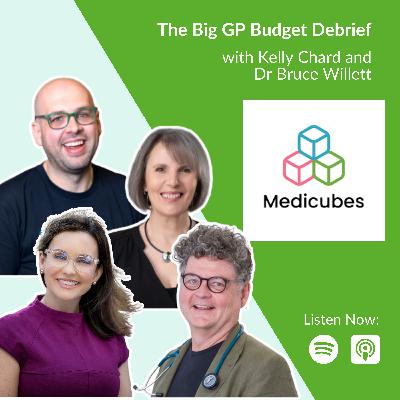
In this episode of Medicubes, join hosts Chris and Riwka for a comprehensive debrief on the Big GP Budget. They are joined by Kelly Chard, a chartered accountant specialising in medical practices, and Bruce Willett, a general practitioner and former RACGP vice president.They delve into the implications of the recent budget announcement for general practices. They discuss major changes, including bulk billing incentives, adjustments to GP workforce training, women's health initiatives, urgent care clinics, and key non-health budget impacts on practices.Key Points:Bulk Billing Incentives: Expanded eligibility and the introduction of a new Bulk Billing Practice Incentive Program, which offers a loading for practices committed to universal bulk billing. They highlight the need to carefully consider this initiative, given the potential financial impact and long-term implications on practice models.GP Workforce: Government investment in expanding GP training placements and introducing salary incentives to attract more practitioners. Health Equality: Enhancements in women's health services, including new Medicare rebates for menopause health assessments and increased support for contraceptive methods. These were aimed to address existing health service gaps.Access and Alternatives: Expansion of urgent care clinics and lack of clarity around the announced changes to CDM (Chronic Disease Management) to CCM (Comprehensive Care Management), with the panel urging practices to stay informed and prepare for potential reforms.Non-Health Budget Impacts: Discussion on general tax changes, implications for small businesses, and challenges practices might face, including ATO compliance activities and the cessation of instant asset write-off measures.Links & Resources:Upcoming Changes to Bulk Billing Incentives in General Practice Fact Sheet and Resources: https://www.health.gov.au/our-work/upcoming-changes-to-bulk-billing-incentives-in-general-practiceFree 2025 Medicare Incentive Tool: https://www.cubiko.com.au/resources/proposed-2025-bulk-billing-changes/Medicubes is a proud member of the Talking HealthTech Podcast Network - the premier audio destination for cutting-edge insights and thought leadership in healthcare delivery, innovation, digital health, healthcare ICT, and commercialisation. Learn more at www.talkinghealthtech.com/podcast/network.Mentioned in this episode:Get Healthengine today!Healthengine is a proud sponsor of the Medicubes podcast. Our easy-to-integrate, and even easier to use, technology helps boost your digital presence, grow your patient base, maximise your practice efficiency and build deeper relationships with your patients. Learn more Healthengine
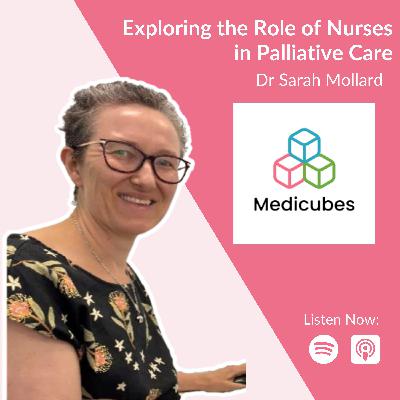
In this episode of Medicubes, hosts Riwka and Kim are joined by Dr Sarah Mollard, a GP from Five Star Medical Centre and clinical lead at Healthy North Coast. They delve into the topic of palliative care involvement in primary care, particularly the role of nurses.Sharing her insights on shifting perspectives around palliative care, emphasising its importance in enhancing patients’ quality of life earlier in their journey rather than just in their final days.Key Points:Palliative Care Perspective: Palliative care should not be limited to end-of-life scenarios but be part of early patient management to improve quality of life.Role of Nurses: Nurses play a critical role in palliative care through chronic disease management, psychosocial support, and care planning activities.Advanced Care Planning: Addressing hesitancies, Dr Mollard discusses the importance of initiating advanced care planning conversations early to align with patient wishes.Proactive Planning: Early identification of patients benefiting from palliative care supports proactive care, better planning, and fulfilling patient and family wishes.Holistic Approach: A holistic understanding of palliative care involves examining broader patient needs beyond disease management, involving psychosocial care, and planning for supportive resources.Links & Resources:https://www.advancecareplanning.org.auhttps://www.eldac.com.au/Our-Toolkits/Primary-CareEveryone is encouraged to think creatively and engage in team discussions to optimise patient palliative care pathways and use available resources for training and effective care delivery.Medicubes is a proud member of the Talking HealthTech Podcast Network - the premier audio destination for cutting-edge insights and thought leadership in healthcare delivery, innovation, digital health, healthcare ICT, and commercialisation. Learn more at www.talkinghealthtech.com/podcast/network.Mentioned in this episode:Get Healthengine today!Healthengine is a proud sponsor of the Medicubes podcast. Our easy-to-integrate, and even easier to use, technology helps boost your digital presence, grow your patient base, maximise your practice efficiency and build deeper relationships with your patients. Learn more Healthengine

In this episode of Medicubes, hosts Kim, Riwka, and Chris are joined by Dr Cheryl Wilson. Originally from Canada, Dr Wilson has built a remarkable career in sports therapy and medicine, being the first woman in Canada to work as a sports therapist with a professional ice hockey team.Dr Wilson later moved to Australia where she studied at Flinders University and pursued rural general practice and lifestyle medicine. She has extensive expertise in athletic therapy, sports medicine, rural practice, and lifestyle medicine.Key Points:Career Path: Dr Wilson’s journey from sports therapy in Canada to rural general practice in Australia.Solo GP Benefits: The flexibility of managing her own schedule, attending conferences, and taking necessary time off.Healthcare Worker Support: Emphasising on systemic changes to better support healthcare providers and prevent burnout.Lifestyle Medicine: Advocacy for lifestyle medicine as "core medicine," highlighting diet, physical activity, and mental well-being.Shared Medical Appointments: The practicalities and patient community benefits of hosting shared medical sessions.Financial Challenges: Discussing Medicare’s billing system impacts and the necessity for systemic changes for thorough patient care.Patient Interaction: She advises against "hexing" patients with negative expectations or diagnoses, emphasising a positive approach to care.Resource and Links:Dr Cheryl Wilson’s website: www.doctorwilson.com.auASLM website: www.lifestylemedicine.org.auMake sure you're subscribed to the podcast so you don't miss an episode, and leave a review on Apple Podcasts or Spotify if you found value in it. Visit www.medicubes.com.au for previous episodes and more information.Medicubes is a proud member of the Talking HealthTech Podcast Network - the premier audio destination for cutting-edge insights and thought leadership in healthcare delivery, innovation, digital health, healthcare ICT, and commercialisation. Learn more at www.talkinghealthtech.com/podcast/networkMentioned in this episode:Get Healthengine today!Healthengine is a proud sponsor of the Medicubes podcast. Our easy-to-integrate, and even easier to use, technology helps boost your digital presence, grow your patient base, maximise your practice efficiency and build deeper relationships with your patients. Learn more Healthengine
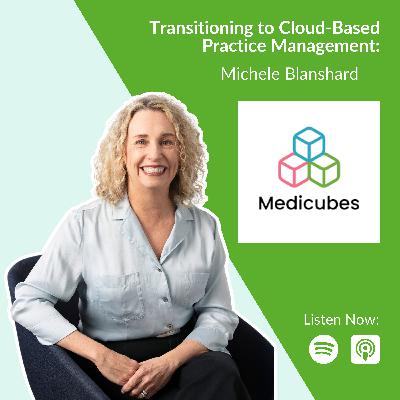
In this episode of Medicubes, hosts Chris, Riwka, and Kim are joined by Michele Blanshard from Magentus Practice Management.Discussing the evolution of practice management software, they focused on Magentus' Genie and Gen2 platforms. Michele shares her insights on the shift from desktop-based systems to cloud-based solutions, highlighting the benefits and challenges associated with this transition.Key Points:Michele's Career Journey: Michele shares her career journey from nursing in intensive care to her current role in practice management software.Genie and Gen2: An overview of the Genie and Gen2 practice management solutions, focusing on their history and development.Cloud Transition: Benefits of moving to cloud-based systems, including accessibility, reduced IT infrastructure costs, improved security, and user-friendly interfaces.Practice Efficiency: The importance of practice efficiency and how cloud-based solutions can alleviate the administrative burden on healthcare staff and improve patient care.Gen2 Marketplace: Introduction to the Gen2 Marketplace, a curated platform offering integrated solutions for patient forms, online bookings, telehealth, and more.E-Requests and E-Bookings: Innovations in digital referrals and theatre bookings, aimed at improving workflow and patient outcomes through interoperability and real-time data sharing.Make sure you're subscribed to the podcast so you don't miss an episode, and leave a review on Apple Podcasts or Spotify if you found value in it. Visit www.medicubes.com.au for previous episodes and more information.Medicubes is a proud member of the Talking HealthTech Podcast Network - the premier audio destination for cutting-edge insights and thought leadership in healthcare delivery, innovation, digital health, healthcare ICT, and commercialisation. Learn more at www.talkinghealthtech.com/podcast/networkMentioned in this episode:Get Healthengine today!Healthengine is a proud sponsor of the Medicubes podcast. Our easy-to-integrate, and even easier to use, technology helps boost your digital presence, grow your patient base, maximise your practice efficiency and build deeper relationships with your patients. Learn more Healthengine
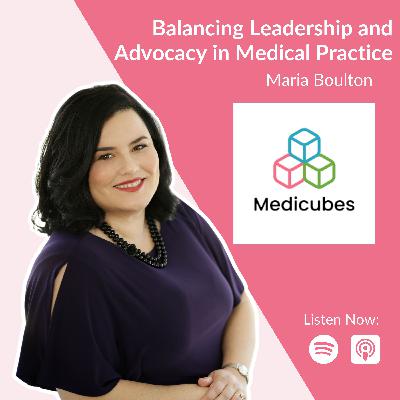
In this episode of Medicubes, hosts Chris, Riwka, and Kim are joined by Dr Maria Boulton, a GP, business owner, and advocate for the medical sector. Dr Boulton shares insights from her extensive experience in managing medical practices and her role in the advocacy for general practice.Discussing the importance of happiness and shared values in her co-owned practice, Family Doctors Plus. Dr Boulton elaborates on the distinctions between her role, which includes marketing and crisis management, and her colleague Fiona's focus on clinical protocols and procedures.She also touched on the requirements needed to expand her practice from two to three locations, the imperative need for continuous learning and adaptability, and the significance of external support from accountants and advisory board members.Key Points:Networking: Active networking with other practice owners across Australia allows for collaborative learning and the sharing of best practices. Management Balance: Effective division of roles between Dr Boulton and her colleague, Fiona, ensures comprehensive management. Governance: Building governance structures that allow flexibility and cater to the specific needs of each practice location is emphasised over a one-size-fits-all approach. Advocacy: Dr Boulton's advocacy efforts focus on critical issues such as Medicare rebates, GP workforce conditions, and healthcare funding. Community Involvement: Dr Boulton's commitment extends beyond her practice to community support. Inspirational Journey: Dr Boulton shares her inspiration behind becoming a practice owner. This ambition led to the founding and expansion of Family Doctors Plus, driven by a desire to create an ideal work environment.Make sure you're subscribed to the podcast so you don't miss an episode, and leave a review on Apple Podcasts or Spotify if you found value in it. Visit www.medicubes.com.au for previous episodes and more information.Medicubes is a proud member of the Talking HealthTech Podcast Network - the premier audio destination for cutting-edge insights and thought leadership in healthcare delivery, innovation, digital health, healthcare ICT, and commercialisation. Learn more at www.talkinghealthtech.com/podcast/networkMentioned in this episode:Get Healthengine today!Healthengine is a proud sponsor of the Medicubes podcast. Our easy-to-integrate, and even easier to use, technology helps boost your digital presence, grow your patient base, maximise your practice efficiency and build deeper relationships with your patients. Learn more Healthengine

Comments

Download from Google Play

Download from App Store
 United States