DiscoverHow To Save Our Planet
How To Save Our Planet
Claim Ownership

How To Save Our Planet

Author: Lottie Dalziel

Subscribed: 36Played: 452
Share

Description

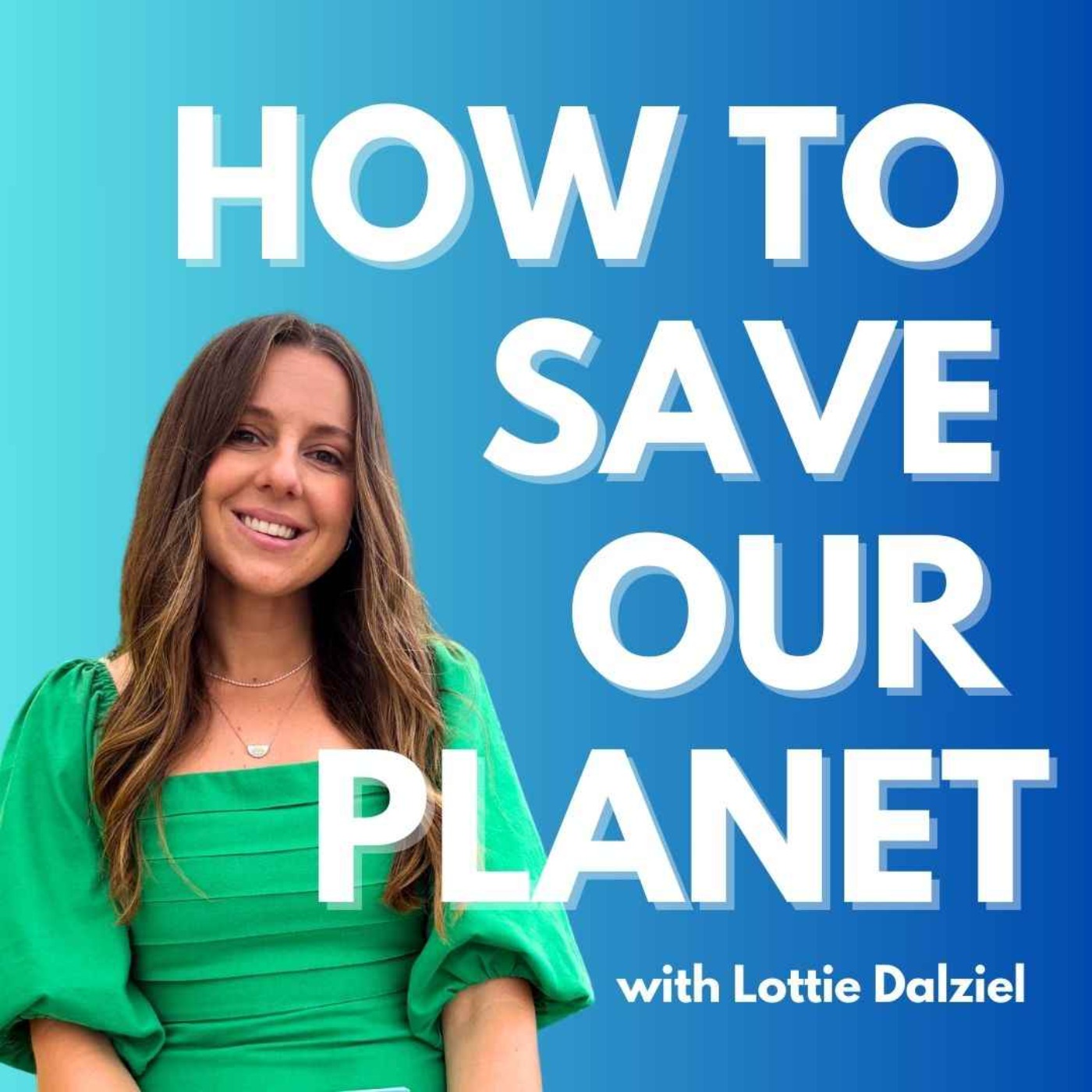
I’m Lottie Dalziel, a sustainability expert with a passion for the planet. But it hasn’t always been that way, four years ago I made a New Years' resolution that actually stuck, I pledged to do better for the planet. I’ve dedicated my life to making living sustainably EASY, so easy that there’s no reason not to save the planet.


In this podcast series, you’ll hear me talk to experts and everyday individuals who are also navigating their way through trying to do their bit. From recycling to composting to upcycling and next-gen innovation I’ll fill your ears with the best and greatest sustainable babble.


So if you’re new to sustainability or you just want to learn more, listen up because together we’re going to save the planet.


Hosted on Acast. See acast.com/privacy for more information.

71 Episodes
Reverse
Kal Glanznig grew up surfing the beaches of Cronulla, and like most of us, he assumed Australia had dodged the worst of the global plastic crisis. Then he joined a clean-up in East Arnhem Land and everything changed.In a two-week clean-up in October 2022, Dhimurru Rangers in partnership with Sea Shepherd collected 10.4 tonnes of rubbish from just 4.5 kilometres of shoreline. That was 30% more waste than was collected over the same distance in 2018. For Kal, it was a shattering moment and the beginning of an 18-month journey across Australia that became The Plastic Country.In this episode, Lottie sits down with Kal to talk about what he found: plastic infiltrating remote First Nations beaches, turtles at Taronga Zoo on their deathbed with stomachs full of plastic, and a plastic pollution problem that Australia is almost uniquely positioned to ignore because we'd rather not look. They talk about the science, the politics, the personal stakes, and crucially the stories of hope and ordinary Australians already fighting back.This is a conversation about what it means to grow up in a plastic country. And what it means to do something about it anyway.Follow Kal's Journey on Instagram @kalglanznig, find out how to Take Action here and watch the full documentary here.If you’re looking for more ways to save money while living sustainably, my book “365+ Ways to Save the Planet and Your Money at the Same Time” is available now — http://bit.ly/48Fs4CEIf you enjoyed this conversation, please hit subscribe so you don’t miss the next episode, and leave a quick rating or review — it really helps more people find the show.Thanks for tuning in, and I’ll catch you next time! Hosted on Acast. See acast.com/privacy for more information.
Looking for sustainable New Year’s resolutions that are realistic, affordable, and easy to maintain? In this episode of How to Save Our Planet, we break down practical eco-friendly habits you can start this year without overwhelm or perfection.We explore simple sustainability swaps, low-waste living tips, and money-saving habits that help reduce your environmental impact while fitting into real life. From cutting food waste and improving recycling, to choosing better everyday products and building habits that actually last, this episode is all about progress—not pressure.Whether you’re new to sustainable living or looking to reset your goals for the year ahead, this episode will help you create New Year’s resolutions that support the planet, your lifestyle, and your budget.Perfect for anyone searching for:sustainable New Year’s resolutions,setting eco-friendly goals and starting green habitslow-waste living, sustainability tips for beginners, climate-positive habits, and how to live more sustainably in the new year.If you’re looking for more ways to save money while living sustainably, my book “365+ Ways to Save the Planet and Your Money at the Same Time” is available now — http://bit.ly/48Fs4CEIf you enjoyed this conversation, please hit subscribe so you don’t miss the next episode, and leave a quick rating or review — it really helps more people find the show.Thanks for tuning in, and I’ll catch you next time! Hosted on Acast. See acast.com/privacy for more information.
In this episode we sit down with Brad Scott, founder of Transmutation, the South Australian social enterprise turning plastic waste into high-quality, locally made products. Brad shares how a small workshop in Robe became a circular economy success story, transforming discarded plastics into items Australians use every day.We explore how plastic recycling actually works, why regional manufacturing matters, and what needs to change to reduce waste across Australia. Brad also unpacks the environmental and economic challenges of plastic pollution, the role communities play in building a circular system, and the future of sustainable product design.If you’re curious about recycling, circular economies, plastic waste solutions, or how a business can turn rubbish into real impact, this episode is the perfect place to start.Discover Transmutations story here.Find out more about AMRA here.If you’re looking for more ways to save money while living sustainably, my book “365+ Ways to Save the Planet and Your Money at the Same Time” is available now — http://bit.ly/48Fs4CEIf you enjoyed this conversation, please hit subscribe so you don’t miss the next episode, and leave a quick rating or review — it really helps more people find the show.Thanks for tuning in, and I’ll catch you next time! Hosted on Acast. See acast.com/privacy for more information.
In this episode of How To Save Our Planet, Lottie Dalziel speaks with Eliza Hobba, Head of Sustainability for FareShare and SecondBite, about the growing connection between food waste and food insecurity in Australia.They unpack how millions of tonnes of perfectly good food are wasted each year while more Australians struggle to access nutritious meals and how food rescue organisations are bridging that gap.Together, they explore:The scale of food insecurity across AustraliaHow FareShare and SecondBite rescue surplus food and feed communities in needThe economic and environmental impact of food wastePractical ways individuals and businesses can make a differenceThis episode is a powerful reminder that reducing food waste isn’t just good for the planet — it’s essential for people too.Listen now to learn how you can help create a fairer, more sustainable food system.If you’re looking for more ways to save money while living sustainably, my book “365+ Ways to Save the Planet and Your Money at the Same Time” is available now — http://bit.ly/48Fs4CEIf you enjoyed this conversation, please hit subscribe so you don’t miss the next episode, and leave a quick rating or review — it really helps more people find the show.Thanks for tuning in, and I’ll catch you next time! Hosted on Acast. See acast.com/privacy for more information.
What if your food scraps and garden clippings could help grow new life instead of going to landfill?In this episode of How To Save Our Planet, Lottie Dalziel sits down with Alex Bastos, Coordinator Waste and Circular Economy at Randwick City Council, to unpack one of Australia’s most successful waste initiatives — FOGO, or Food Organics and Garden Organics recycling.Together they explore:What FOGO is and how it worksWhy it’s a game changer for reducing landfill and emissionsHow Randwick Council achieved such high participation ratesCommon myths about FOGO (and the truth behind them)Simple ways you can get involved — even if your council hasn’t rolled it out yetIf you’ve ever wondered what happens to your food waste after it leaves the bin — or how your local council can make a real impact on climate change — this episode is a must-listen.Listen to How To Save Our Planet wherever you get your podcasts, and discover how local action is driving national change through FOGO.If you’re looking for more ways to save money while living sustainably, my book “365+ Ways to Save the Planet and Your Money at the Same Time” is available now — http://bit.ly/48Fs4CEIf you enjoyed this conversation, please hit subscribe so you don’t miss the next episode, and leave a quick rating or review — it really helps more people find the show.Thanks for tuning in, and I’ll catch you next time! Hosted on Acast. See acast.com/privacy for more information.

loading
Comments