


 Claim Ownership
A Light to the Nations - Scripture Analysis Podcast
Subscribed: 3Played: 115
Subscribe
© 2026 The Ephesus School
Description
A Light to the Nations is a bi-weekly podcast examining all parts of the biblical story from a functional perspective. Instead of asking what words means, we consider instead their function, i. e., how they are used in other parts of the Bible. In each episode will discuss the functionality of words and how that allows us hear the teaching.
82 Episodes
Reverse
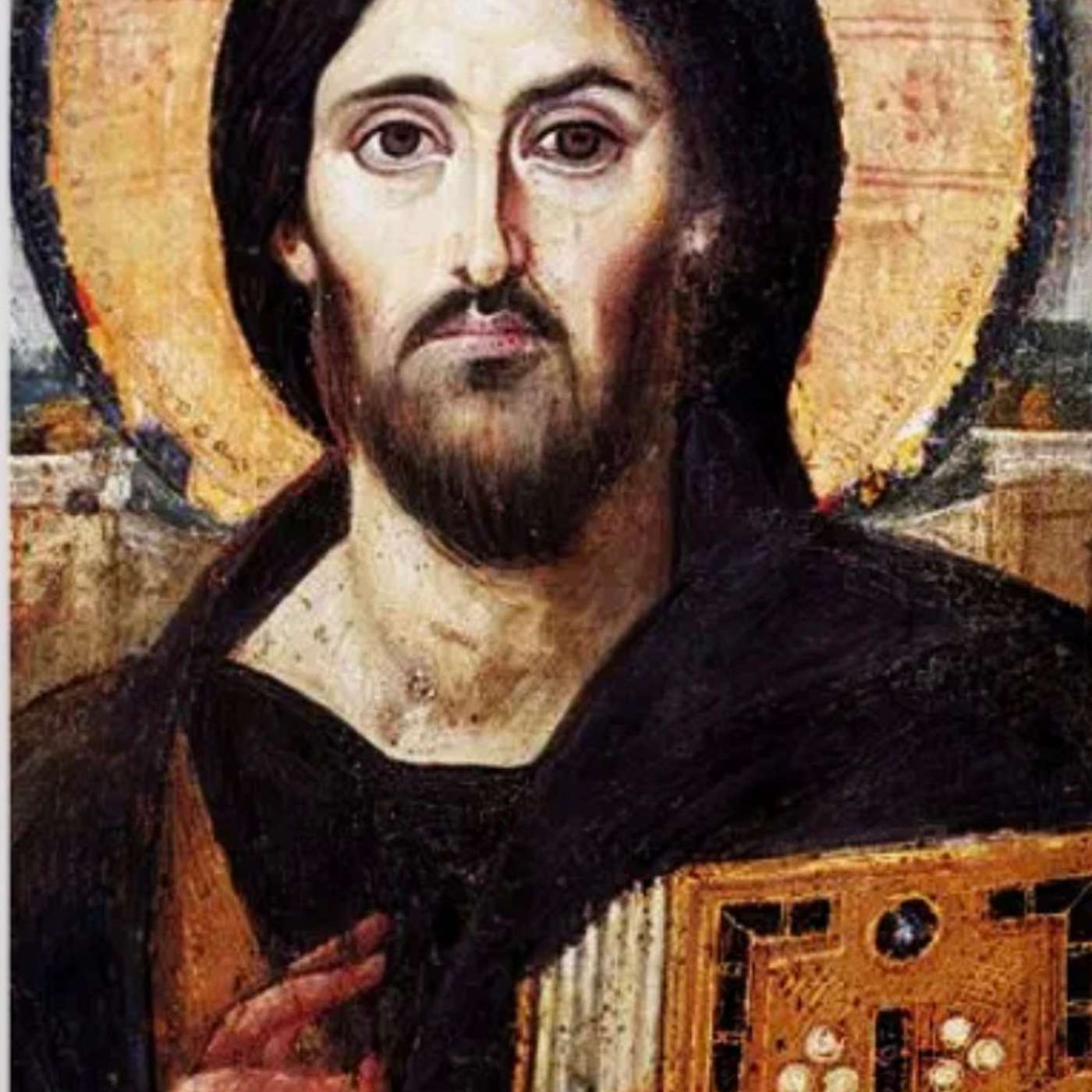
Don’t Try This At Home.If you were to ask someone if Jesus ever got angry, they would probably say yes and refer to the story where he overturns the tables of the money changers. But that’s not accurate. All four of the gospels include a passage about Jesus overturning tables but in none of them does it say anything about his being angry. The noun ὀργῆς (orgēs),anger, appears in Mark 3:5, and it’s a unique example of this word being applied to Jesus. When we are accustomed to understanding anger as sin, then this is a problem. In the gospels Jesus is presented like Isaiah’s suffering servant, one who does the will of his God and father without arguing, complaining or trying to figure it out. Moreover, in the gospels, as in Isaiah, it is the will of the Lord that his servant is bruised, is smitten. For no reason. In other words, he didn’t do anything to incur being struck. He is faultless, blameless - without sin. How then do we reconcile that with this passage from the Gospel of Mark? Join me in a discussion of Mark 3:1-6.Notes:Matthew 5:21-22ὀργῆς (orgēs) - angerAbba Poemen of Egypt.“Voodoo Who” and “Run Amok” performed by the Flesh.
Photo by Peter Dyllong: https://www.pexels.com/photo/intricate-stained-glass-angel-with-open-book-35869933/“Koran” performed by Delirium.

Episode 80 - Abba/Father.Your Status Has Changed But Your Behavior Cannot. Although the Lord’s Prayer does not appear in the Gospel of Mark, key elements of it are found in the passage where Jesus is praying In Gethsemane. One of these is the expression “Abba/Father,” a combination of Aramaic and Greek. Paul uses it in Galatians chapter 4 in his teaching on Christ as the son and heir of God. Using the example of adoption in the Roman regal system, he shows that those who receive the Spirit of the son also call God “Abba/Father;” they are sons of God, and thus, heirs of God through Christ. However, just as the heir who is a child is no better than a slave, so the inheritors of sonship through Christ. Their status may have changed from slaves to sons and thus heirs, but their behavior must still be that of a slave, in other words, they can’t do whatever they want; but must be bound to the will of their Kyrios, their Master, till he returns.A discussion of Galatians 4:1-7.Notes:πειρασμός (peirasmos) - temptation, testing Matthew 6:9-15Mark 14:36Luke 11:1-4Romans 8:15-17Photo by Juan Pablo Serrano : https://www.pexels.com/photo/father-and-child-s-hands-together-1250452/Original music performed by Raphael Shaheen.

It is what you think it is. But it is not only that.In the New Testament, the Greek word πορνεία (porneia) is commonly translated as “sexual immorality.” This term appears frequently in I Corinthians, and it becomes a central point in Paul’s teaching to his Gentile churches. Unfortunately, due to the influence of Puritanism and because of the different ways this word is rendered in English - fornication, licentiousness, lewdness - our understanding of porneia is usually restricted to matters of sexual behavior. We then conclude that the Corinthians in the first century must have been sexually depraved; or that Paul was so concerned with moral behavior that he considered it a key element in his presentation of the gospel. We should remember however that in his letters, Paul rarely if ever imports words or ideas that are outside of the Biblical story. His primary and most important reference in everything is Scripture. We should understand his use of porneia Scripturally, that is to say, according to the way it is used in the Prophetic literature. And in the prophets, specifically in Hosea and Ezekiel, “porneia” or “harlotry” is the classic Scriptural metaphor for turning away from God; thus it is the prototype of any and all kinds of sin, including but not limited to sexual ones.In Scripture, God’s will is expressed in his commandments, the first of which is to love him by keeping his laws and statutes, and to demonstrate that love by caring for any and all needy brethren. That is why, in the letters of Paul, when he addresses any problem or issue, his ultimate reference is the way we treat others. It is never simply the issue itself - marriage vs celibacy, fasting vs eating, praying with head coverings vs with no covering; but it is always a matter of behaving in a way that is pleasing to the Kyrios to whom we are enslaved, that is Jesus Christ. Join me in a discussion of 1 Corinthians 6:12-20.Notes:See also Hosea 2See also Ezekiel 16, 23Photo by ArtHouse Studio: https://www.pexels.com/photo/crop-man-with-tattoo-on-arm-reading-old-book-4530615/Original music composed and performed by Raphael Shaheen.
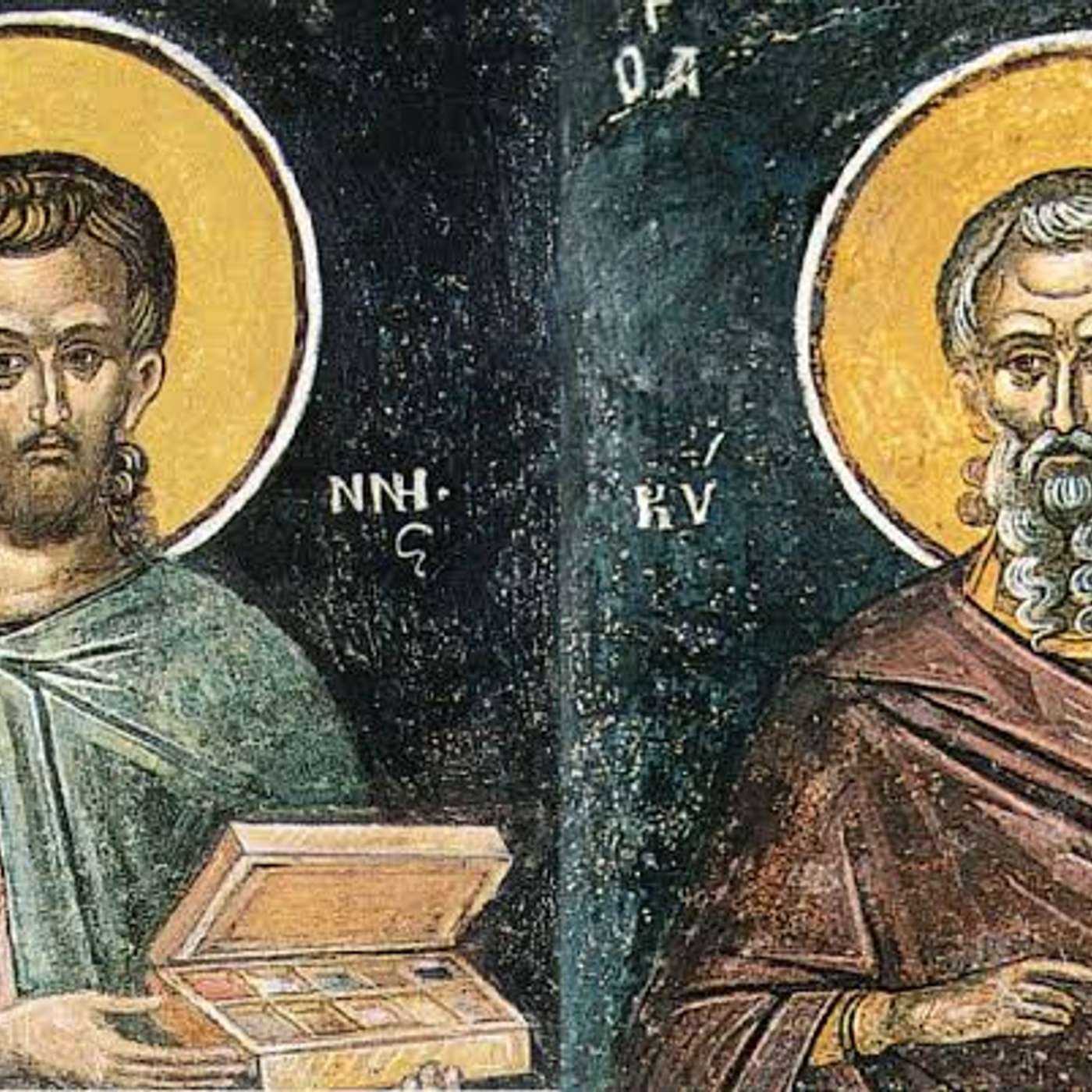
1 Corinthians 12:27-13:7.In his discussion of the spiritual gifts in 1 Corinthians 12, St. Paul uses the expression χαρισμάτων (charismaton).The root of this word is χάρισ (charis), grace. That means, as gifts, they are technically the property of the benefactor and are expected to be used by the recipient in accordance with the will of the benefactor. It is the spirit, that is God, who gives the gifts. And his will is summarized basically in the command to love. That is why Paul’s discussion of the different types of gifts is interrupted by a lengthy aside on love (Chapter 13 in its entirety). Love is the glue that binds together all of the gifts. The value of any of these spiritual gifts is not in the gifts per se, but in that they work for the συμφέρον (sympheron), the common good. Notes:Matthew 19:1-81 Corinthians 12:4-7Original intro and outro music composed and performed by Raphael Shaheen.
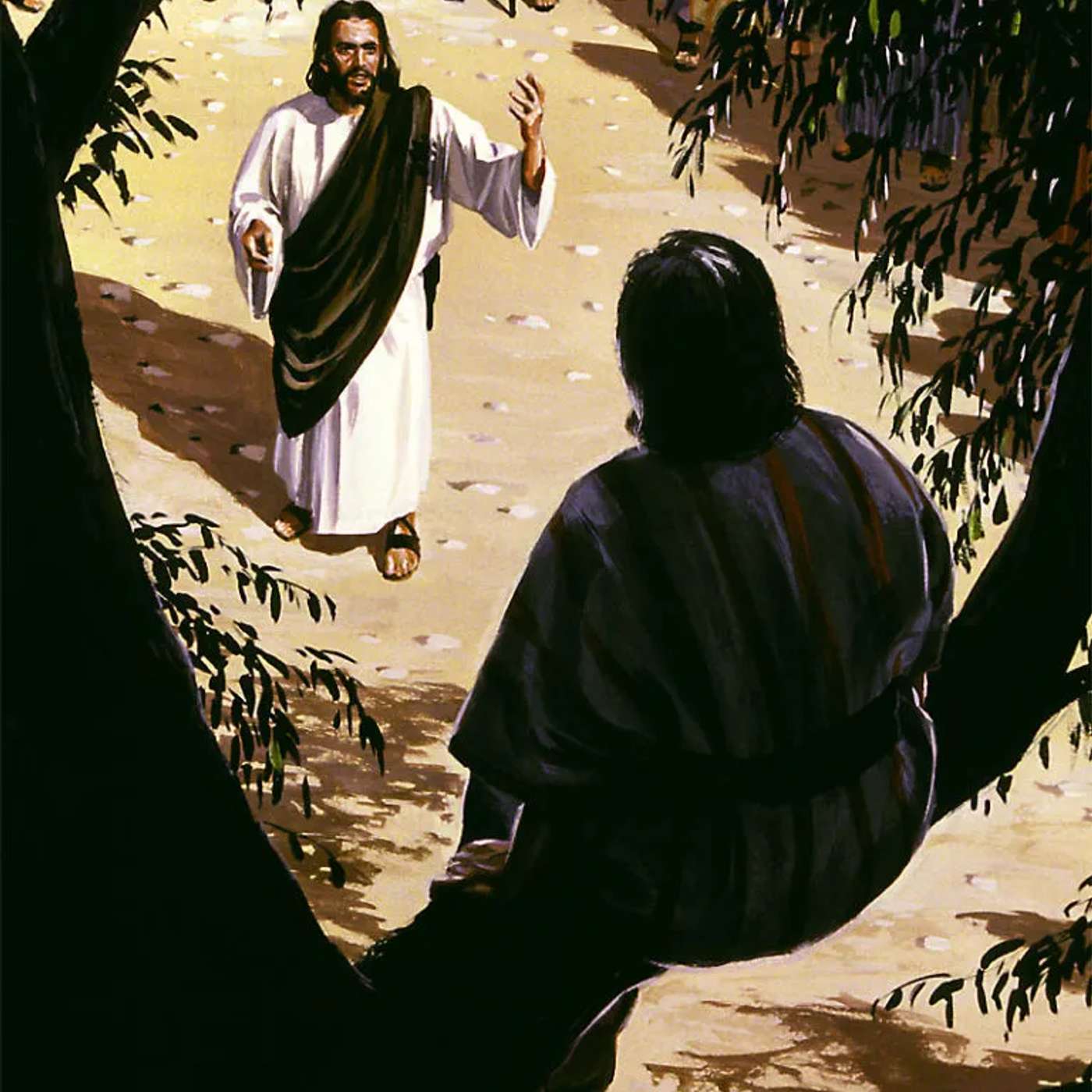
Are You Talking To Me?The real conflict in the story of Zacchaeus is between the ones who murmur that Jesus is going to be the guest of one who is a sinner and Jesus’ declaration that he is also a son of Abraham. That Zacchaeus received Jesus‘s invitation with joy and immediately made haste and came down from the tree should not surprise anyone who has been paying attention to Luke. We had heard, earlier in Luke, that Jesus’ mission was not to call the righteous but sinners to repentance (6:32). Zacchaeus, as a tax collector, would surely fit the bill. That’s why it is critical that we understand Jesus’ words in verses 9 and 10 as being addressed to the ones who are murmuring. The fact that he says that Zacchaeus is “also a son of Abraham” indicates he is addressing Jews, that is, ones who might consider themselves Abraham’s children based on genealogy. And he is presenting Zacchaeus as an example of one who through his behavior proves to be a true son of Abraham. This is precisely according to what John the Baptist had preached to them earlier in Luke: “Bear fruits in keeping with repentance. And do not begin to say to yourselves, ‘We have Abraham as our father.’ For I tell you, God is able from these stones to raise up children for Abraham” (3:8). Notes:ἵστημι (histémi) - to make standπρὸς (pros) - to, towardsLuke 3:8; 6:32Luke 24:36; John 20:19, 26; 21:4“Ruff Enuff” performed by MonoNeon and Prince.
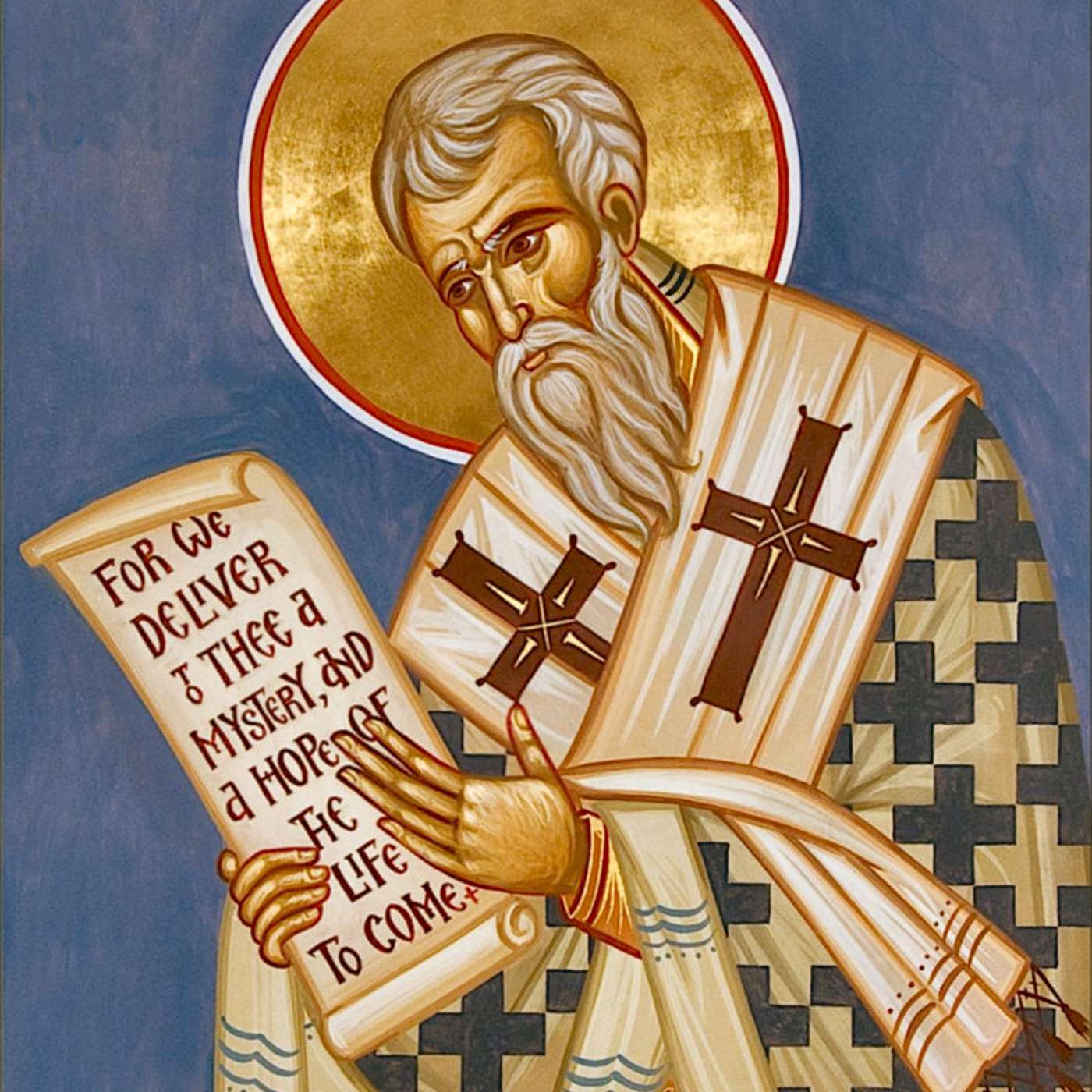
He did this once for all when he offered up himself.In chapter 8 of Hebrews, Jesus is called the high priest who is seated at the right hand of the throne of the majesty in the heavens. He is then called the minister/or, more literally the “liturgist” of the sanctuary, that is, the holy place, which is called “the true tent pitched not by man but by the Lord.” There are two emphases in this part of Hebrews and they are related: one is on Jesus’ high priestly sacrifice being made in the heavenly Jerusalem; and the other is that the holy place where his performed this “once for all” offering is depicted as a tent! Some of us might be windering…couldn’t he do better than a tent? It sounds primitive. It sounds basic. And in the setting of a wilderness, a mere tent wouldn’t provide sufficient covering. But that’s exactly the point. All of the protection that Jesus, or anyone for that matter, needs is provided by God in his words of instruction. This motif of God leading his people in the wilderness and feeding them with his words is found throughout the biblical narrative, beginning with the Law all the way through the Four gospels. And consistently, what is emphasized is not how ornate or impressive the place is where those words are uttered, but rather the teaching itself. In Isaiah chapter 54, the announcement that the Lord’s people will be comforted and consoled is made using shepherd terminology; and the dwelling place of Sarah, the one who had been barren is depicted clearly as a tent:“Sing, O barren one, who did not bear;break forth into singing and cry aloud,you who have not been in labor!For the children of the desolate one will be more than the children of her who is married,” says the LORD.2“Enlarge the place of your tent,and let the curtains of your habitations be stretched out; do not hold back; lengthen your cords and strengthen your stakes.3For you will spread abroad to the right and to the left, and your offspring will possess the nations and will people the desolate cities.”In the epistle to the Hebrews, the “once for all” offering of Jesus is made not in an earthly temple but in the Jerusalem above; additionally the one who makes the offering is referred to as a “minister of the sanctuary,” which sanctuary is said to be a tent set up by the Lord. The instruction to us, as hearers of the text, is clear - we are to submit fully to the will of God; and we are to keep moving, since the habitation he has prepared for us is still ahead. Notes:Exodus 40:36-37Mark 14:36Romans 12:1Hebrews 11:10On The Priesthood by St. John Chrysostom.“Bobbi Jo” performed by Prince.
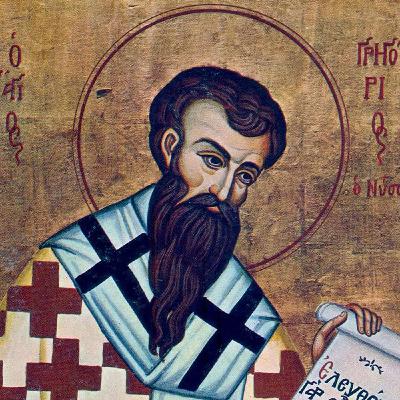
After his baptism and before the start of his preaching, Jesus is led by the spirit into the wilderness and is tempted by the devil (Matthew 4:1-11). He doesn’t wage a war with the tempter, nor does he argue. His only defense is “the sword of the spirit, which is the word of God” (Ephesians 6:16). To each temptation Jesus references what is written. All his responses are taken from Deuteronomy, which is the second giving of the Law; that is to say, the definitive expression of God’s will for his people after he had brought them through the wilderness and as he was about to bring them into Canaan. Jesus knows he isn’t wrestling with flesh and blood. Having Deuteronomy in his back pocket (in a manner of speaking), he employs the only offensive weaponry allowed in Scripture. And it is sufficient. St. Gregory of Nyssa commemorated on January 10 in the Orthodox Church.“A Couple of Miles” performed by the Flesh.

A Light 66.Inclusio.“Isn’t this where…we came in?”If you’ve ever listened to Pink Floyd’s the Wall, you will notice that the album closes with the same piece of music that it opens with. Similarly, another Pink Floyd album, Dark Side of the Moon, begins and ends with the sound of a heartbeat. In literature, when a word or motif appears at the beginning and at the end of a work, scholars call it inclusio (a Latin phrase meaning “enclosure”). The evangelist Mark employs this literary device in his Gospel. Galilee is mentioned early on as the place where Jesus comes from; and it is to Galilee that his disciples are directed to go, if they want to see him, after his resurrection. The purpose of inclusio is usually to bracket off a section of the work in order to zero in on it. In Mark, “Galilee” bookends the entirety of the Gospel, and the message this conveys to the hearer is powerful and unmissable.In this episode, we look at Mark 1:35-39 and how it anticipates “literarily” the ending of the Gospel in Chapter 16. That ending, in turn, sends the hearer back to the beginning of the Gospel to hear the story again.
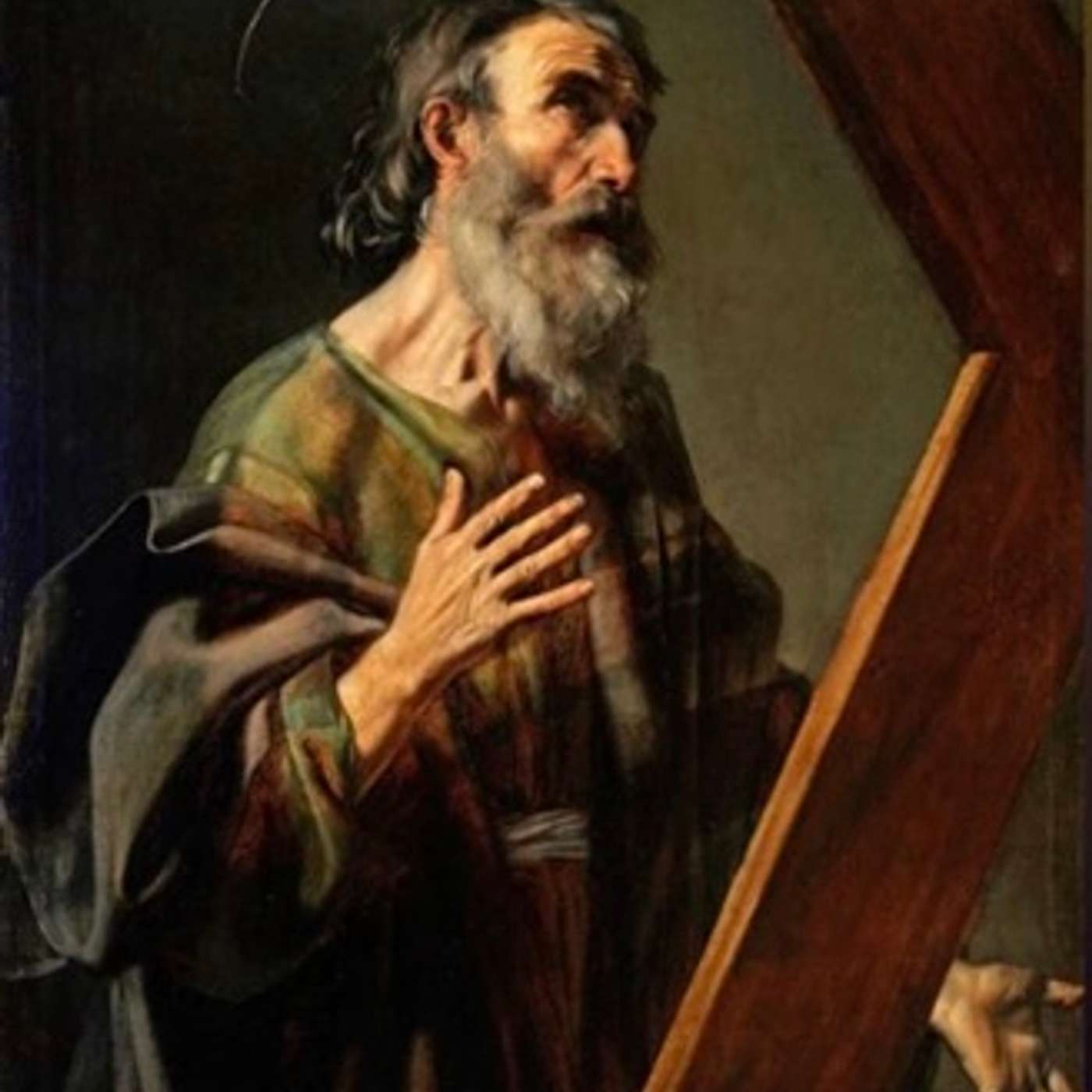
In the gospel of John, the call of Andrew, the apostle with the Greek name, precedes the call of Simon, whose name is derived from Aramaic. For this reason, Andrew is referred to as the “First-Called.” In the narrative, Andrew goes and tells his brother that they have found the Christ. The same pattern is repeated in the call of Phillip - a classic Greek name - who goes and finds Nathanael, who is explicitly identified as “an Israelite.” In this, John seems to be reversing the Scriptural sequence of “Jew first, then Greek” (Romans 2:9-10).Tune in to this bonus episode of A Light to the Nations as we discuss the importance of Andrew as “first called” and how it relates to calling Jesus “the Lamb of God.”Notes:The Rise of Scripture by Paul Nadim Tarazi (OCABS Press, St. Paul, MN, 2017).“Ruff Enuff” performed by Prince featuring MonoNeon.
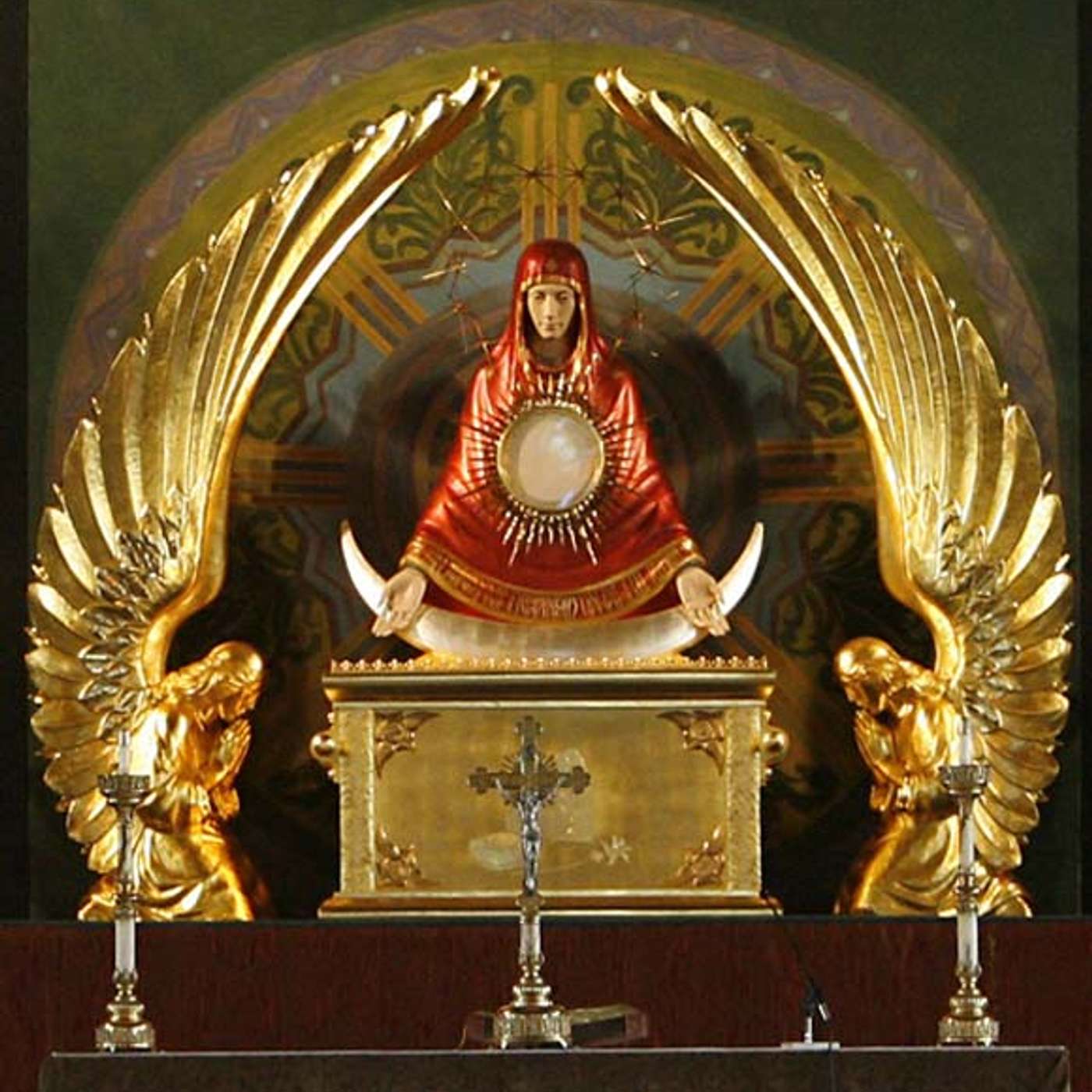
On November 21 in the Holy Orthodox Church the feast day of the Entrance of the Theotokos in the Temple is celebrated. The epistle reading assigned for this feast is Hebrews 9:1-7, which speaks of the regulations for worship under the first covenant and describes the two parts of the tabernacle, called the Holy Place, and the Holy of Holies. In that text, the author of Hebrews emphasizes that the tabernacle had to be prepared before sacrifices could be offered. On this feast day, that preparation is applied to Mary, the Theotokos. When we speak of her being prepared, we don’t want to understand that this somehow qualified her to be the mother of Jesus. Mary is depicted in the Gospels as highly favored and full of grace. If her preparation somehow makes her worthy, that diminishes the grace and her election becomes a reward, something owed to her. The preparation is for Mary’s benefit, not God’s. Notes: Hebrews 9:1-7Luke 10:38-42; 11:27-28κατασκευάζω (kataskeuazó) - to prepare thoroughly πρόθεσις (prosthesis) - presence, presentation “Fortune Presents Gifts Not According to the Book” performed by Dead Can Dance.
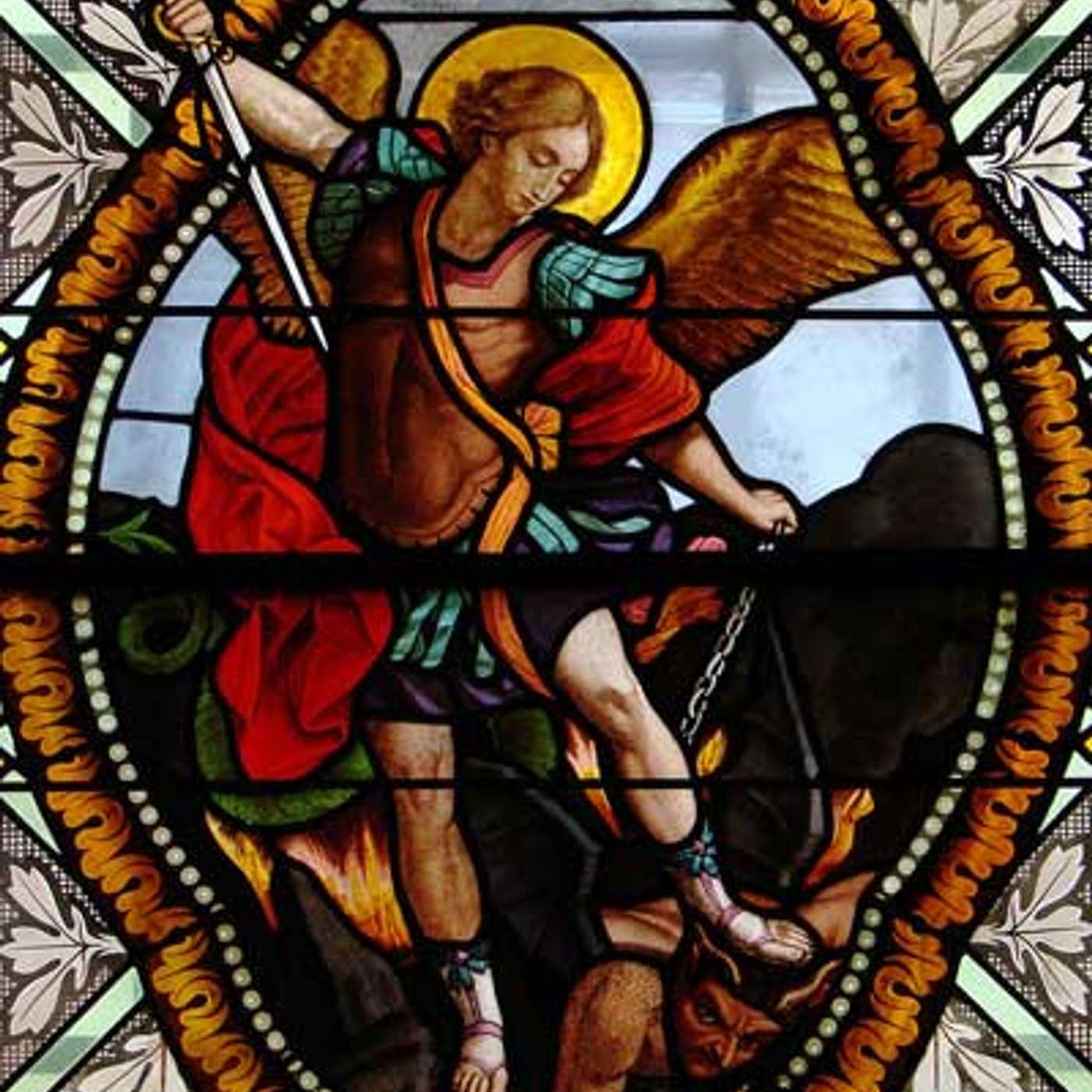
This episode looks at the remembrance in the Orthodox Church of Archangel Michael, the Chief Commander of the Bodiless Powers, in light of the reading at Vespers from Joshua Chapter 5. The victory granted to Joshua and the children of Israel is based on their adherence to the commandments of the Lord. The sword drawn in the hand of the supreme commander of the army of the Lord is not merely an instrument of war, but something more dreadful. Scripturally speaking, it is the Lord’s judgment. Notes:Joshua 5:13-15Exodus 3:1-5Genesis 3:24Ephesians 6:11-17“Fortune Presents Gifts Not According To The Book” performed by Dead Can Dance.“Koran” performed by Delirium.

In the previous passage, verses 21-28, the direction of movement was out. Here, it is in - from the synagogue (representing Judaism of the diaspora) to the “house” of Simon (representing the temple, thus the Judaism of Jerusalem). And in that house, Jesus does exactly what he had done to the demon-possessed man - he brings healing through the gospel. This parallel is meant to show that the Jews in Jerusalem are in no different a position than those in diaspora: both need the gospel. Join me in a discussion of Mark 1:28-34.Notes:2 Samuel 7:5-7Galatians 1:1, 15-16; 2:9εὐθὺς (evthys) - immediately οἶκος (oikos) - houseστῦλοι (styli) - pillars δοκέo (dokeio) - to seem, to appear soπενθερὰ (penthera) - mother-in-lawhttps://www.ocabspress.org/new-testament-products/vol-41-mark-part-1“Rumeta” performed by 3rd Eye Girl.Photo by Tim Mossholder: https://www.pexels.com/photo/brown-and-white-concrete-building-3690734/
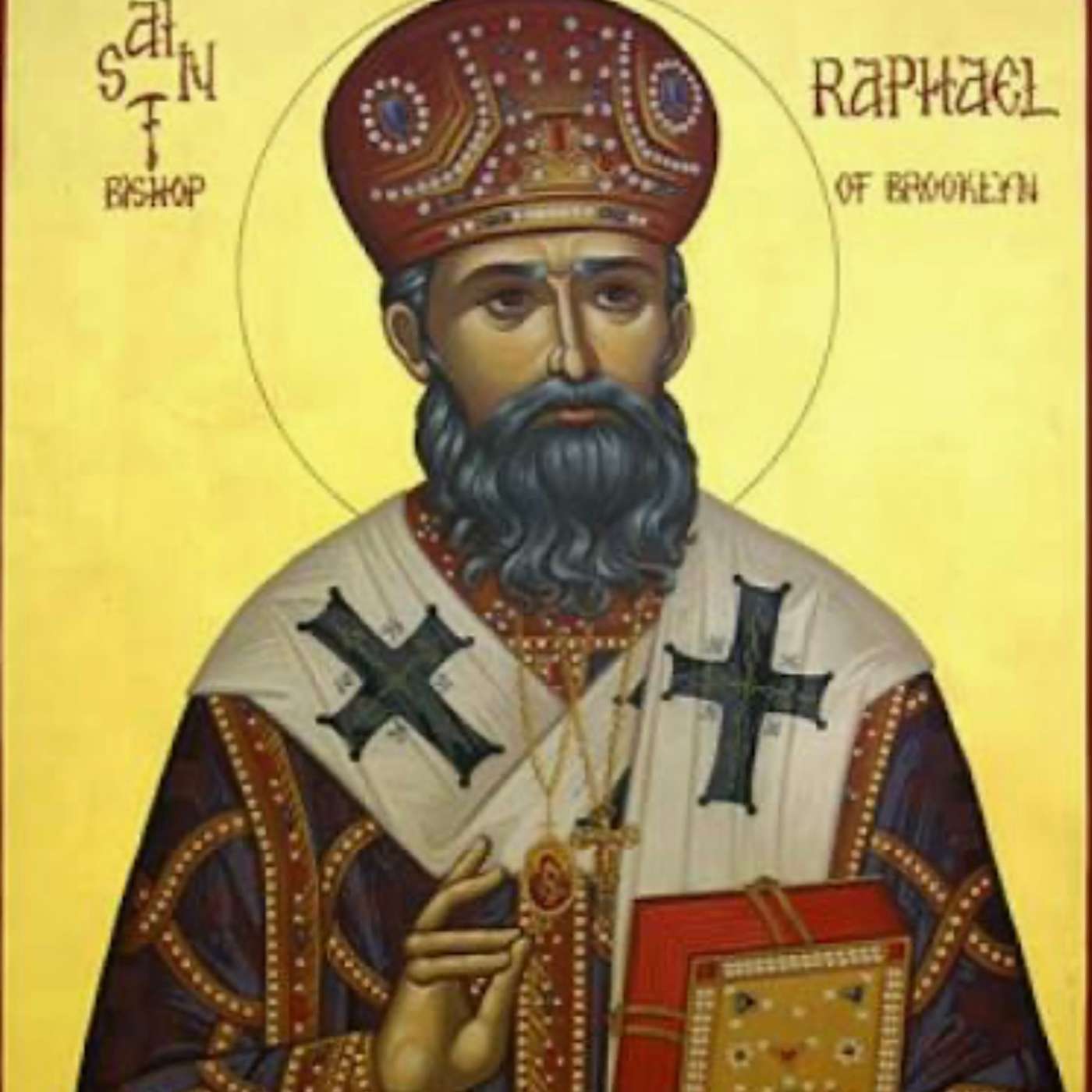
In the Antiochian Orthodox Church, St. Raphael of Brooklyn is commemorated on the first Saturday in November. At Divine Liturgy, the assigned readings are from the gospel of John and from the epistle to Hebrews. In Chapter 10 of John, Jesus speaks of himself as the good shepherd, the one whose voice the sheep hear when he calls them by name and leads them out. The emphasis on his leading them out reflects a scriptural motif. God takes his people out of Egypt to lead them into Canaan; in between the two is a 40-year period of instruction and testing in the wilderness. It is through obedience to that instruction, to the words that proceed out of the mouth of God, that the people are promised life.Our understanding of the text in John chapter 10:3 in which the Shepherd first leads his sheep out hinges on the meaning of the Greek term αὐλή, which is translated as “sheepfold.” Later in John chapter 18, the same word is translated as “courtyard,” and is thus associated with the temple. Jesus leads his sheep out of the earthly Jerusalem, represented by the temple, into a place of pasture. And along with others which are not of this fold, he leads them to the temple in the Jerusalem above. In her commemoration of hierarchs, such as St. Raphael, the Church applies this aspect of shepherding to them.Notes:Ezekiel 34:23-24John 10:1-3; 9-16; 18:15Hebrews 7:26-28; 8:1-2αὐλή aulé - sheepfold, courtyard Icon by the hand of Diana Voyajalou.Troparion and Kontakion are performed by *Ncense.
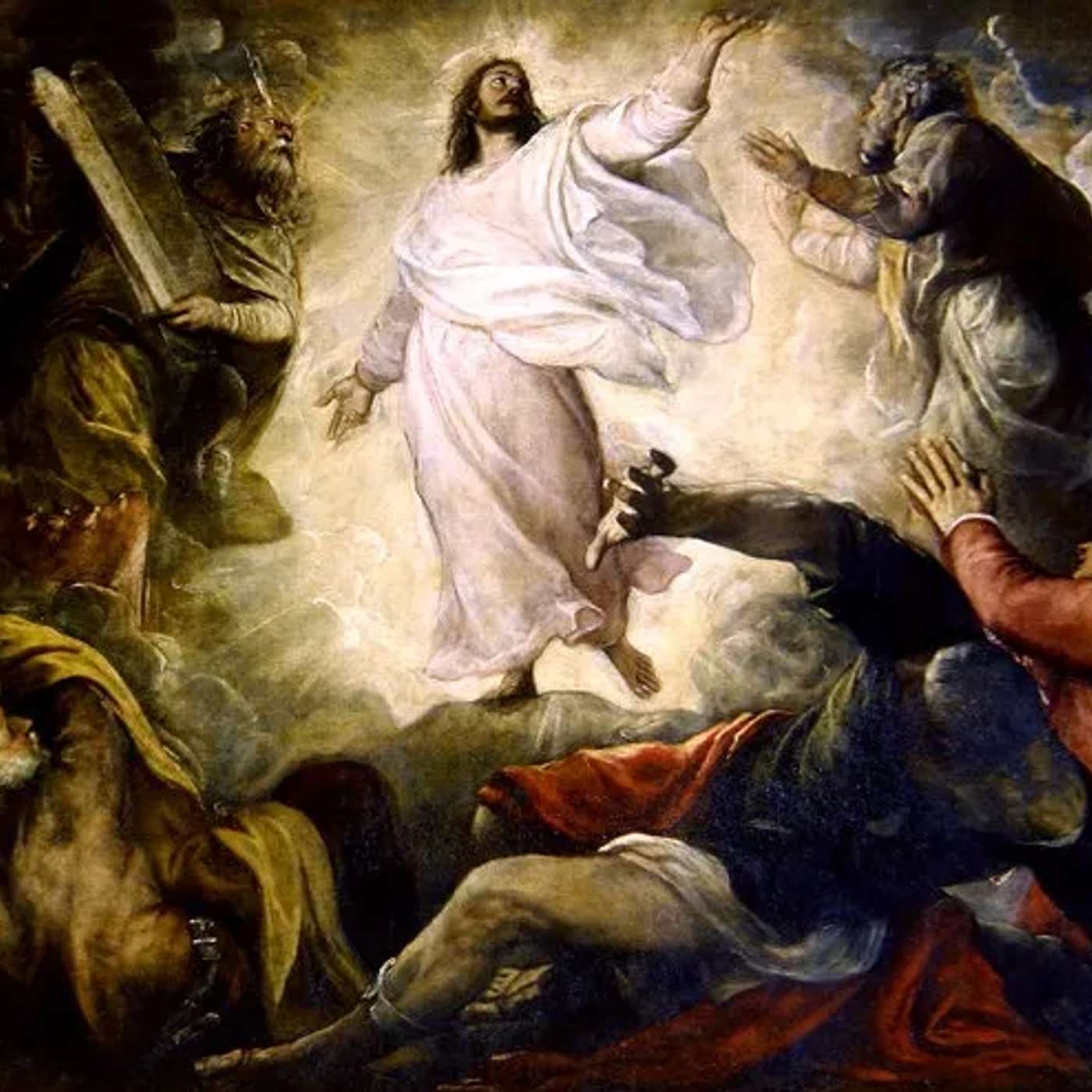
Beginning with Moses and all the Prophets. In Chapter 3 of Galatians, St. Paul teaches an understanding of Christ that begins with the Pentateuch (the Books of Moses), via the story of Abraham, and goes ⅔ the way through the last scroll of the Latter Prophets, via Habakkuk. He literally “begins with Moses and all the Prophets” to explain all the things in Scripture concerning Jesus Christ. At the conclusion of the Gospel of Luke (24:26), Jesus does precisely the same for his disciples. Notes:Luke 24:25-26, 35, 39, 44-47, 52Galatians 2:16; 3:11Insight into the significance of “Emmaus” in Scripture is courtesy of Fr. Paul Nadim Tarazi’s Introduction to the New Testament Vol. 2: Luke and Acts (SVS Press, 2000).Original music composed and performed by Raphael Shaheen.

You Don’t Find God. He Finds You.In the Gospel of Mark, Jesus enters Capernaum, a place whose name means “village of grace.” Scripturally, Jesus is bringing the news of the gospel to the people in that city as a gift. He goes into the synagogue, the place where the Jews of the diaspora gather to be taught, on the Sabbath, the day for that purpose. It is there that Jesus cleanses a man with an unclean spirit with a word of command. When it says he “entered” the synagogue, the stress is on the fact that grace is coming to them from outside. The gospel does not come from them, but it is unto them. This parallels the movement in Exodus where the children of Israel receive the Torah as a gift and are commanded to follow the voice of the Lord by keeping his statutes, in the wilderness. In Scripture, we don’t find God in a temple; rather, he leaves his abode in the heavens and comes to us through the word he puts into the mouth of his prophet. Join me as we continue our reading through the Gospel of Mark.Notes:John 16:27, 28, 30εἰσέρχομαι eiserchomai - to come into, to enter in, or go through ἐξέρχομαι exerchomai - to go out ofיצא yatsa’ - to go out ofεὐθὺς evthys - immediately ἐξουσίαν exousian - authority ὑπακούω hupakouó - to obeyὁρίζω horizó - to declare Photo by hanabi dae.“Hallucination Rain” and “The Exodus Has Begun” courtesy of NPG Vandals.
A Light To The Nations - Bonus Episode The Seed Of Instruction. In the Bible, biological reproduction is simply a given, and not a matter of concern. What the Bible emphasizes is progeny through instruction, which it presents using the terminology of biological reproduction - see for example the Parable of the Sower from Mark ch. 4, Luke ch. 8, and Matthew ch. 13. This emphasis is underscored in the passage of Phillip’s encounter with the Ethiopian eunuch in Acts. A total outsder with no chance of progeny happens to be reading Isaiah 53, a text in which we hear that the servant of the Lord offers up himself; in doing so he “sees his seed,” and “prolongs his days.” With this episode, we take a break from our reading through Mark to we look at passages about the Apostle Phillip the Deacon from Acts chapter 8. This apostle with a Greek name (same as the father of Alexander of Macedon) preaches to and baptizes Samaritans; and he is led by the Spirit to the farthest, most outlying areas where there is little or no chance for life - except that which the Gospel offers.See my companion article on Substack.Hear the related sermon on Luke’s Parable of the Sower on YouTube.NotesIsaiah 53:10Luke 8:5-15Acts 6:1-6; 17Original music composed and performed by Raphael Shaheen.Photo by MART PRODUCTION: https://www.pexels.com/photo/photograph-of-a-man-reading-a-bible-7218329/

In this passage we hear about Jesus passing by the Sea of Galilee and calling two sets of brothers. First, we encounter “Simon and Andrew, the brother of Simon.” It is said that they were “casting a net” for they were fishermen. Mark’s use of the verb ἀμφιβάλλοντας is important to note here. Ballo by itself means to throw; the prefix amphi adds the sense of “around” or “on both sides.” Although there is no direct object, English translators supply “their nets” since that’s the implication. But hearing it in Greek, it sounds like they were “casting” or “throwing back and forth,” as in “vacillating,” “tergiversating.” Join me in a discussion of Mark 1:16-20.Notes:βάλλω ballo - to throw, cast, put, place Joshua 7:1Mark 8:33; 14:29John 10:12-13Galatians 2:9; 11; 12-13; 4:26Photo by Erik Mclean: https://www.pexels.com/photo/out-of-use-information-on-petrol-dispenser-11058870/“Thirteen and 1/4” and “Ten and 1/2” performed by Madhouse.
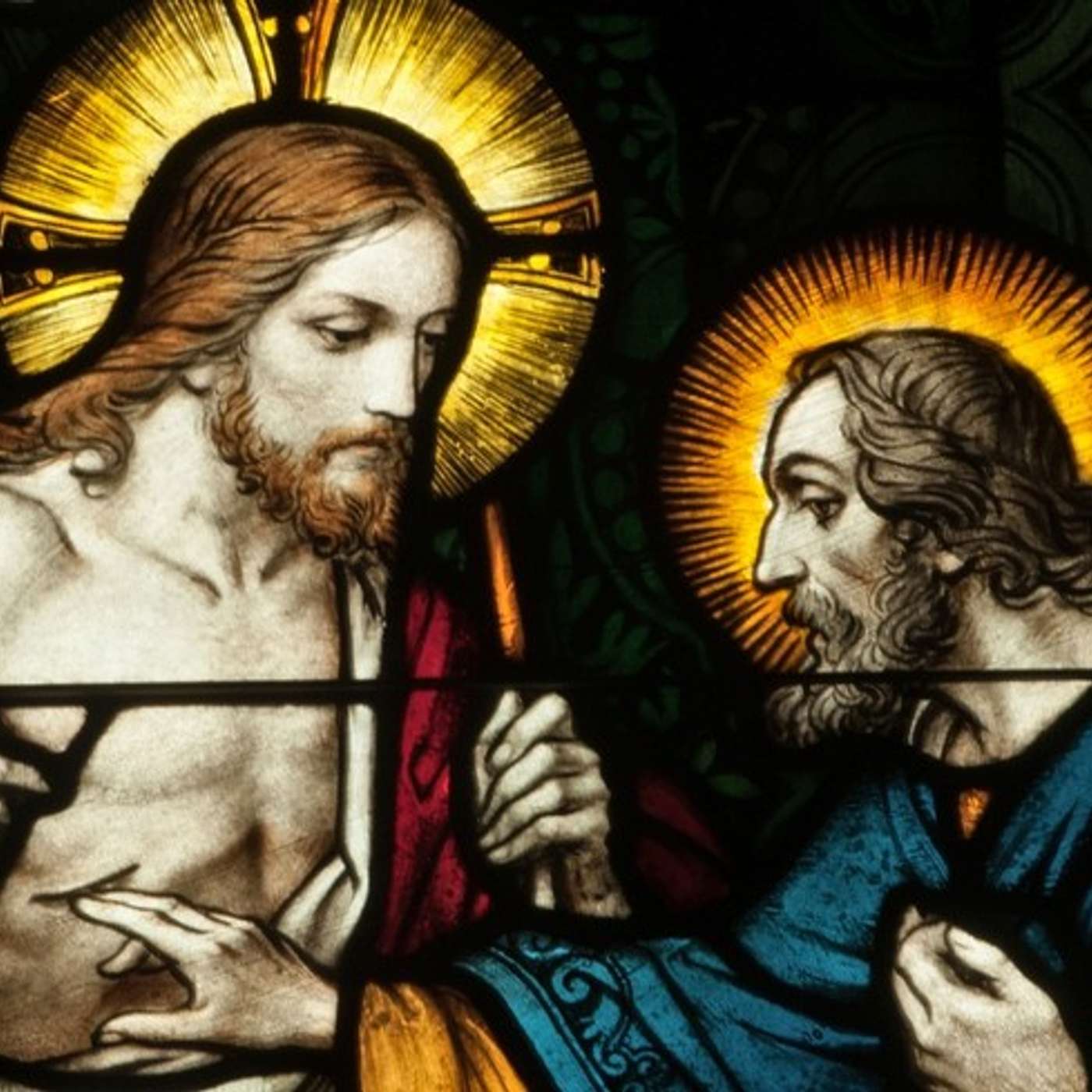
Bonus Episode - A Test Case.The value of the story in the gospel of John about Thomas’ doubt is that it’s an opportunity for teaching. The gospel proclamation comes to us in a word. We know that Jesus has been raised from the dead because it has been preached to us by the apostle. When we accept it, we do so based solely on the word of preaching. It is our sole reference. The gospel comes to us through this particular venue, which is according to Scripture, and when we submit to it we get the package deal. We accept not only it, but also the way it is communicated to us. We can’t say we accept the preaching and then look for other venues to support what we heard.In this episode, we look at the story of Thomas’ disbelief in John Chapter 20 as a testing ground for Jesus’ teaching in John Chapter 5. “Run Amok” and “A Couple of Miles” performed by The Flesh.

In Mark 1:14, John the Baptist is dismissed from the narrative with a reference to his being arrested. Mark mentions the arrest to close the preaching of John; he wants to move on to his real topic of interest: Jesus and the heralding of the gospel. When he introduced John in verse 4, he omitted the term “gospel,” suggesting that he is reserving it exclusively for the one who is coming after John, that is, Jesus.Mark will come back to John and tell us the circumstances surrounding his arrest and eventual death, but even then it’s not for the purpose of advancing the narrative. John is only functional in the gospel in how he relates to Jesus, who is the content of the gospel. John is the forerunner. What he says may be the same as what Jesus says - and, later, Matthew will underscore this by making the words of Jesus correspond to the words of John verbatim - but in the gospel of Mark, the sole reference is Jesus, the Christ. For him, Jesus is the gospel. Notes:Jeremiah 40:12; 44:28Mark 6:30Galatians 1:11-12Ephesians 4:20κηρύσσων (kérussó) - to herald, proclaim λέγων (legò) - to say, to speakκαιρὸς (kairos) - timeχρόνος (chronos) - time μετανοέω (metanoeó) - to repent, to change one’s mind שׁוּב - to return πιστεύω (pisteuó) - to believe, to trust Tarazi, Paul Nadim: New Testament An Introduction vol. 4 - Matthew and the Canon (SVS Press, 2009)“Sing A New Song Unto Me” performed by Raphael Shaheen.“Funky” performed by Miles Davis and Prince.Photo: Religion Picket On Street.

Comments

Download from Google Play

Download from App Store
 United States