


 Claim Ownership
For The Culture
Subscribed: 50Played: 560
Subscribe

© Copyright 2026, Special Broadcasting Services
Description
For the Culture is a podcast about how food shapes us - and how we shape food. Hosted by food writer Jess Ho, this six-part series explores how migration, memory, and the politics of the plate invite us to rethink what “Australian food” really is. Each episode questions the myth of authenticity and other fictions we feast on. Part cultural critique, part history lesson, and part food tour, the series brings together voices challenging how we see and taste food - asking how they’re doing it "For the Culture."
11 Episodes
Reverse
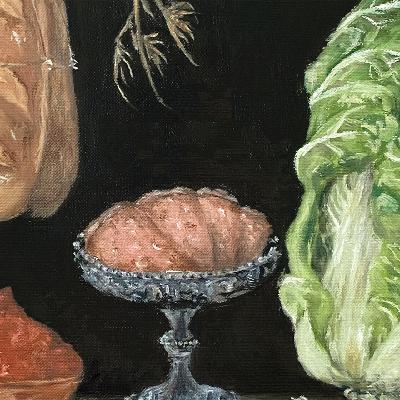
Everybody eats, but who gets to define what good food is? Join food writer Jess Ho on a journey through their pantry to dissect how Australian palates came to be. Meet expert eaters, farmers, researchers and chefs fighting to have their voice recognised - through the ingredients they champion, the aisles they stock, the prices they charge and the people they hire. People who dare to think differently and are all curious about the same question: what is good taste anyway?
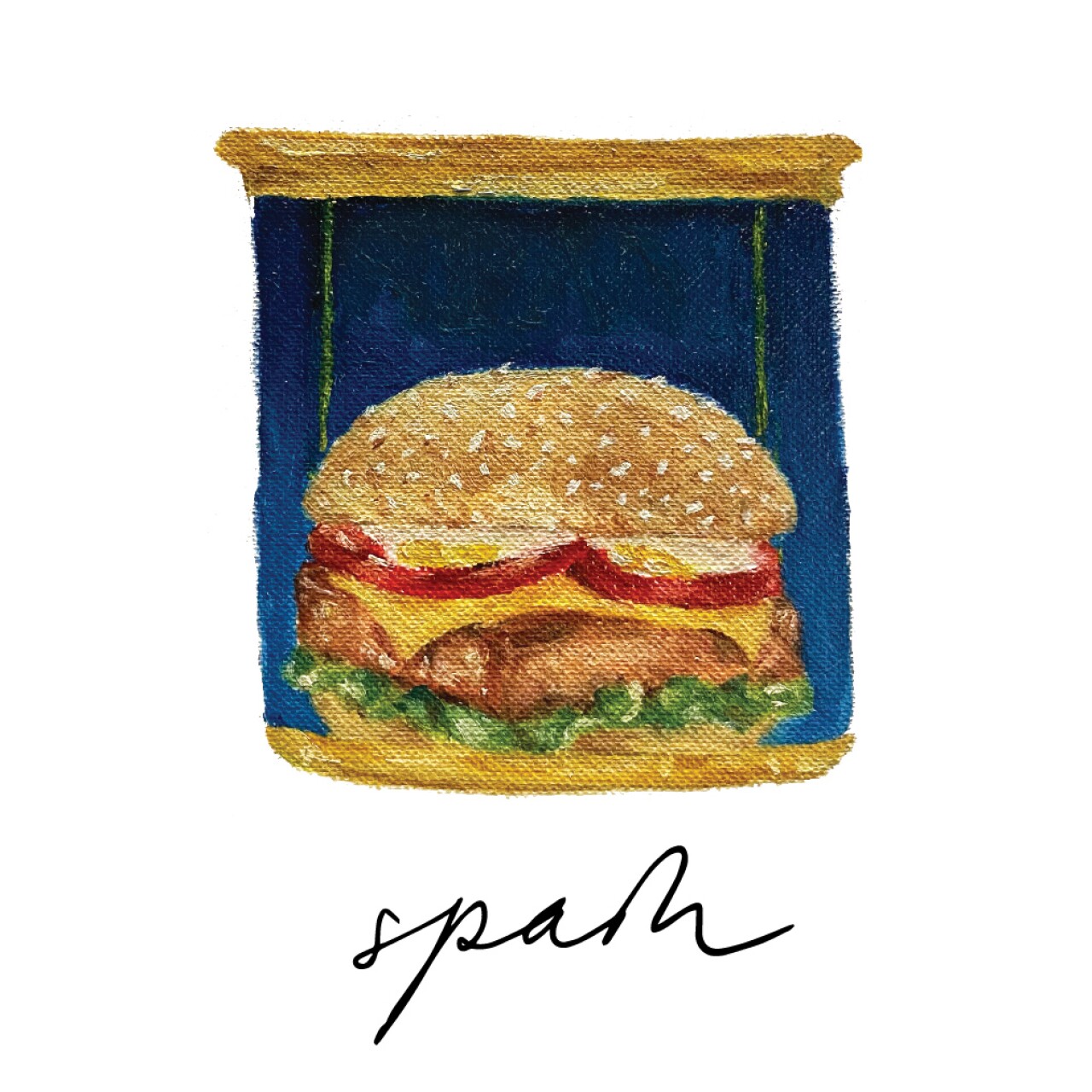
People either love or hate Spam, but its popularity is undeniable. Find out why it is in such high demand in this episode of Bad Taste.
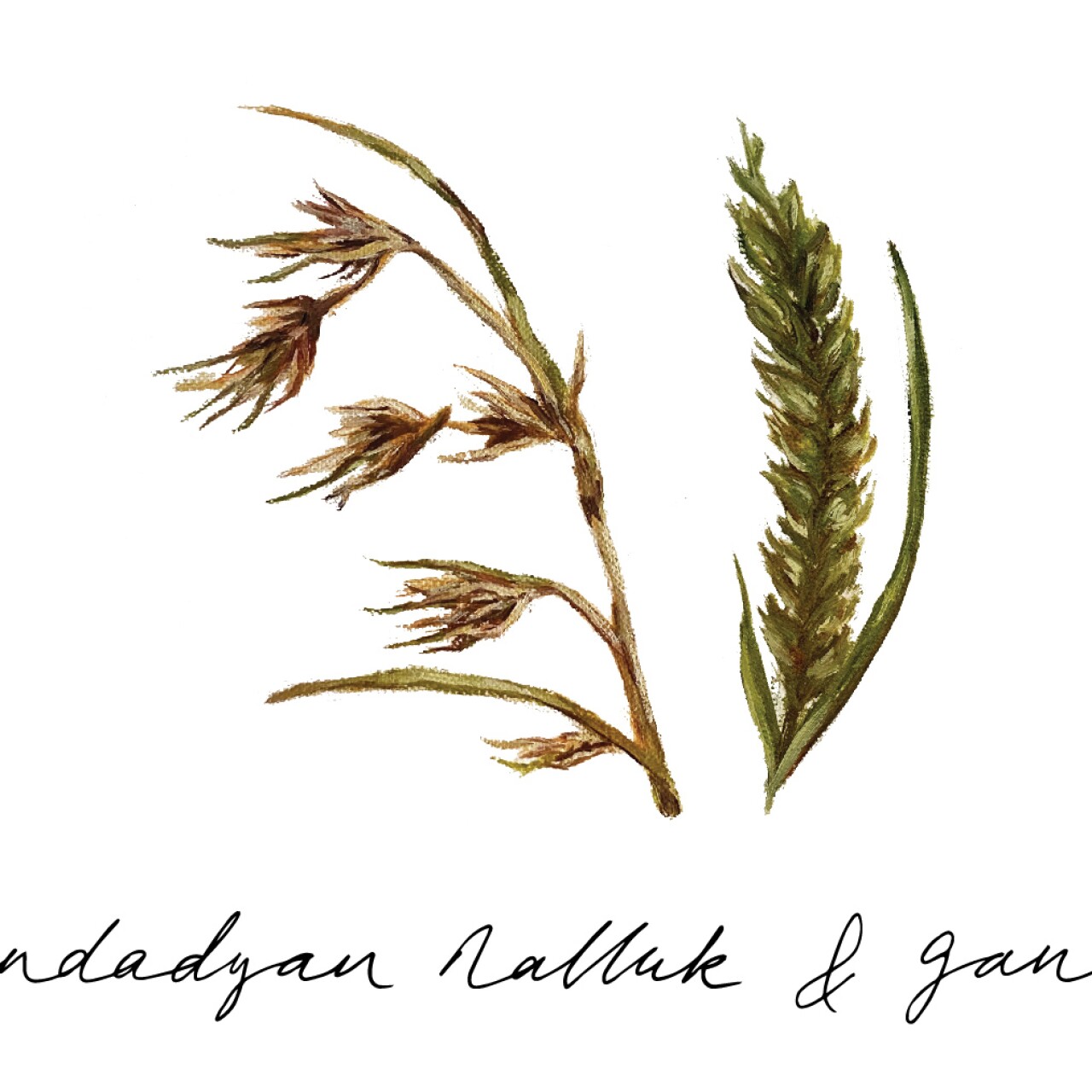
Farmers have grown grain in Australia on a commercial scale for years, but none of it is indigenous to our country. We talk to industry experts Bruce Pascoe and Jacob Birch about the potential of native grain crops and the impact they can have on Australia.
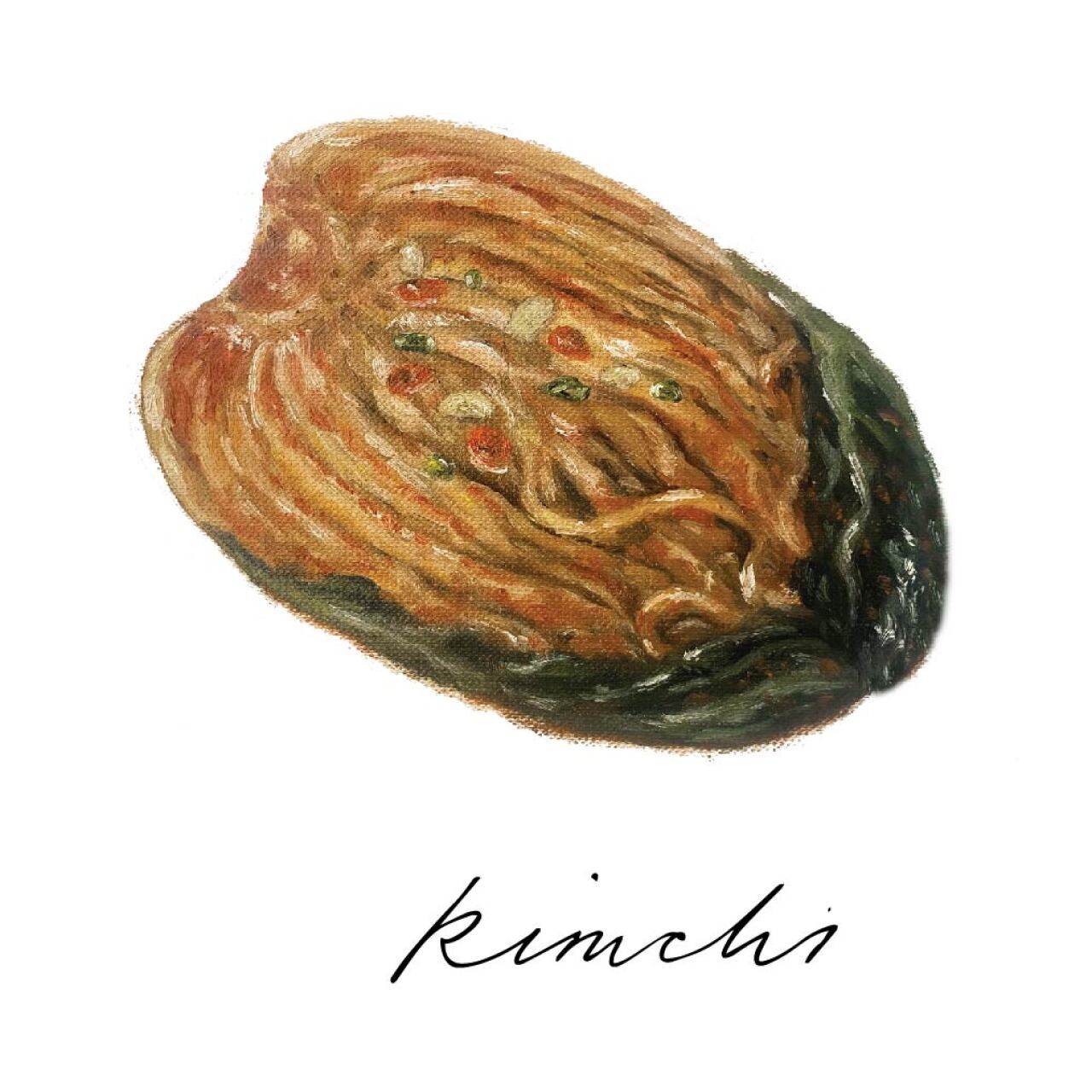
Fermented food is a growing industry thanks to wellness warriors and celebrity chefs, but is what you’re eating actually anything like the real thing?
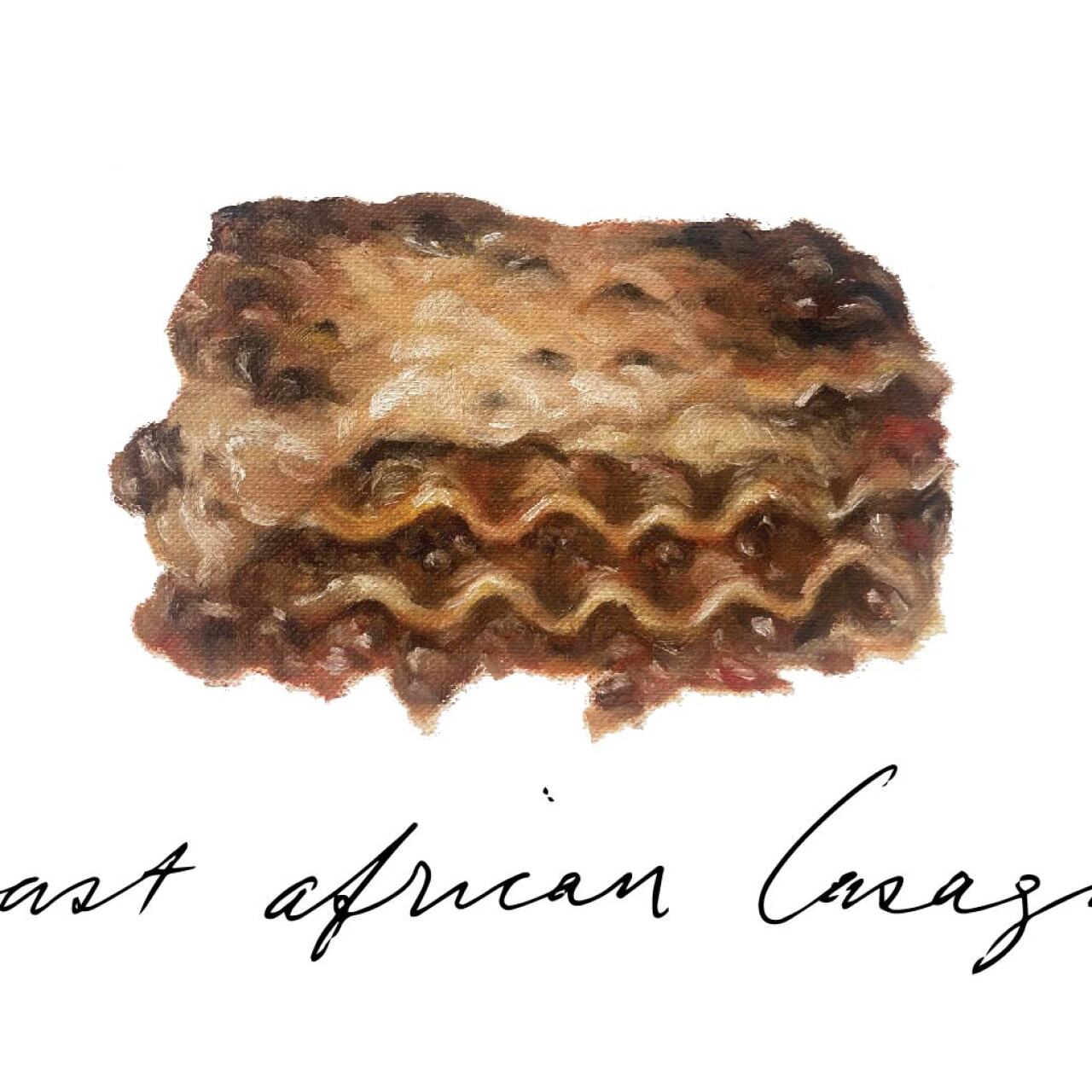
When we think of colonisation and its impact on cuisine, Italy invading Africa probably doesn’t come to mind first. In this episode of Bad Taste we unpack the messy history of a dish that's much-loved by the East African diaspora.
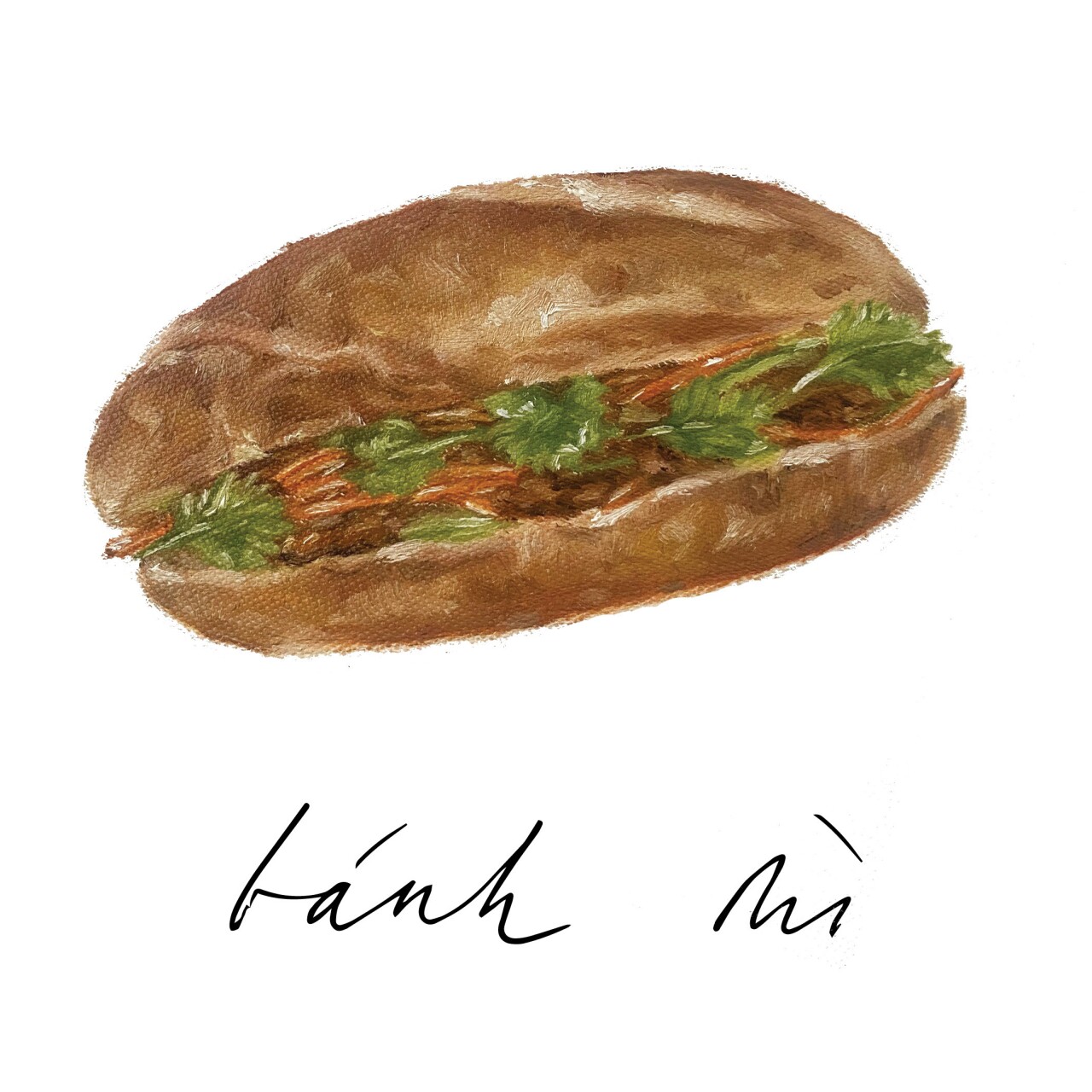
Everyone loves bánh mì because they’re cheap and satisfying, but have you ever thought about what the human cost is in keeping the price so low?
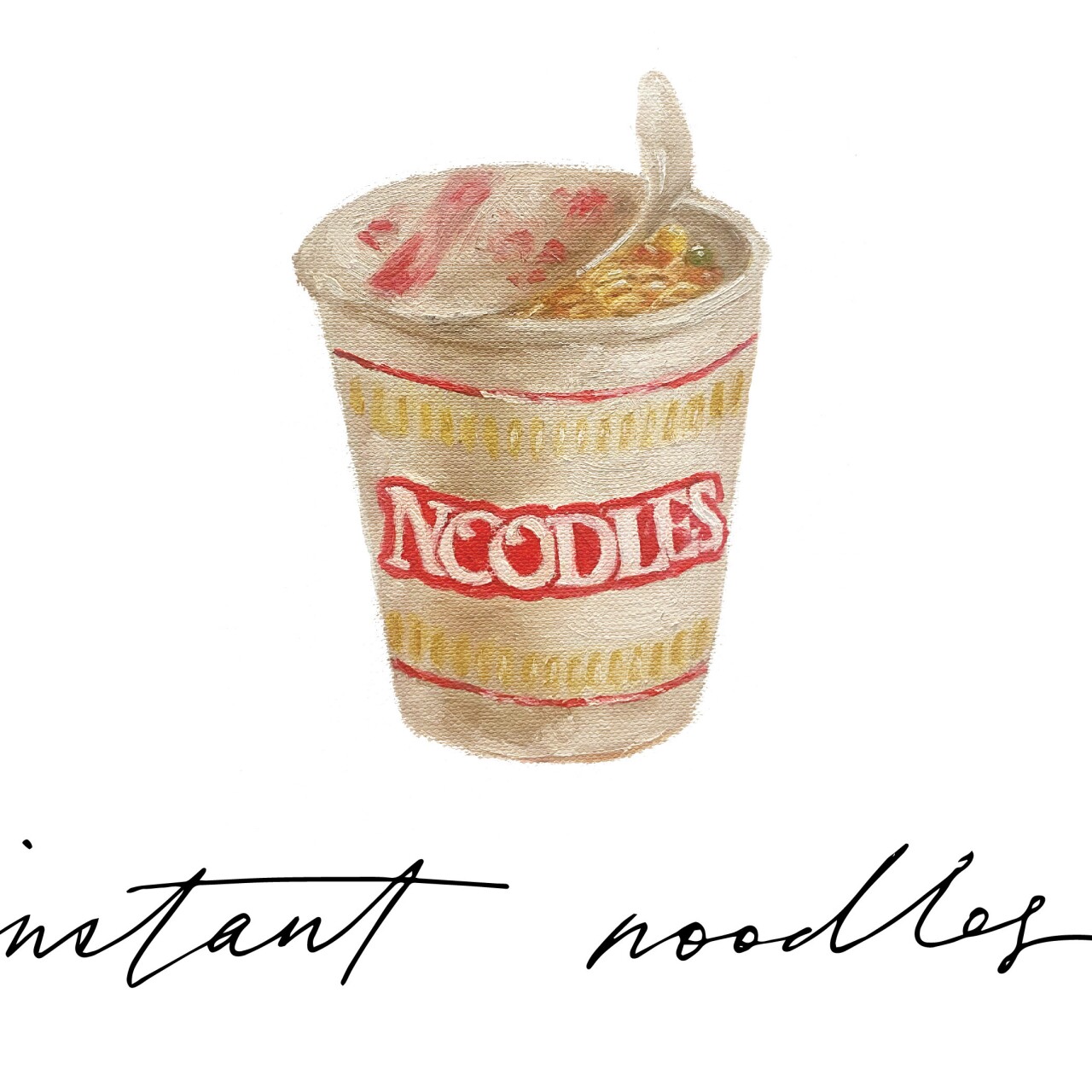
Instant noodles are notoriously easy on the wallet and simple to prepare. But why is this affordable staple turning into a luxury item?
What does 'Australian food' really mean - and who gets to define it? For the Culture host and foof writer Jess Ho introduces this six-part podcast series exploring migration, memory, and the stories behind what we eat.

Jess Ho investigates the myth of authenticity and takes a look at what Cantonese food is in the diaspora. They visit renowned Melbourne restaurant Flower Drum to eat pearl meat and explore how migration affects a regional cuisine. In conversation with New York food writer Francis Lam, Jess asks 'When does regional expression become fusion?' and in this context, ‘What IS the food of my people?’
Jess Ho sits down with Mauritian-Australian chef Nagesh Seethiah to unpack the tension between cultural expectation and creative expression in food. Through his hatted restaurant Manzé, Seethiah has created a space that reflects his vision of culture, community and care. But what happens when your food doesn’t meet the expectations of the community it comes from? Why are some cuisines given more freedom to evolve than others?

Award-winning chef John Rivera has long reimagined Filipino cuisine through a fine-dining lens, yet it’s ube that has become an unexpected global sensation. In this episode, Rivera joins Jess Ho to unpack how one ingredient came to symbolise an entire culture in the West, and what that kind of spotlight means for Filipino chefs navigating visibility, identity and the ongoing push for recognition in Australia.
Australia is full of white chefs who often receive critical acclaim for cooking cuisines they have no personal connection to, while migrant chefs are expected to stay in their lane. Why do some chefs get the creative freedom to experiment while others are seen as gatekeepers of tradition? Who is allowed to play and innovate? Jess Ho chats with chef Eun Hee An, owner of Moon Mart, to examine the structural barriers that limit who gets to cook “their” food and have it taken seriously.
Comments

Download from Google Play

Download from App Store
 United States