


 Claim Ownership
ThinkData Podcast
Subscribed: 1Played: 11
Subscribe

© Copyright 2026 Dataworks Group Limited
Description
The Growth Playbook brings you inside the minds of the leaders shaping Data and AI. Each episode, we sit down with some of the most interesting voices in the industry, from startup founders to seasoned execs, to hear their stories, lessons learned, and the real strategies behind growing great businesses.
92 Episodes
Reverse
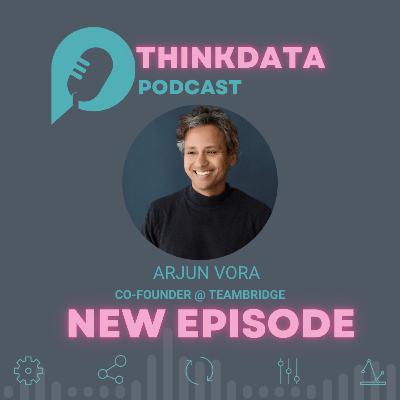
Today on the ThinkData Podcast, I’m joined by Arjun Vora, Co-Founder of Teambridge, a Series B startup redefining how frontline and hourly teams are managed.Arjun previously led design on the Uber for Drivers app, an experience that gave him first-hand insight into how broken tools, poor communication, and rigid systems impact people who don’t sit at desks all day.Teambridge is building a single operating system for frontline teams: combining scheduling, communication, workflows, and real-time insights into one intelligent platform. Their mission is simple but powerful, make managing people easier and make work better for the people doing it.In this episode, we explore why frontline workers have been overlooked by technology, how AI can genuinely improve shift-based work, and where the biggest opportunities lie over the next few years.🧠 Topics We CoverThe lightbulb moment behind Teambridge, and how Uber for Drivers inspired the ideaWhy most AI tools still ignore frontline and hourly workersHow Teambridge applies AI to scheduling, communication, and workflowsThe hardest challenges in scaling a two-sided workforce platformWhere AI will have the biggest impact on frontline work next
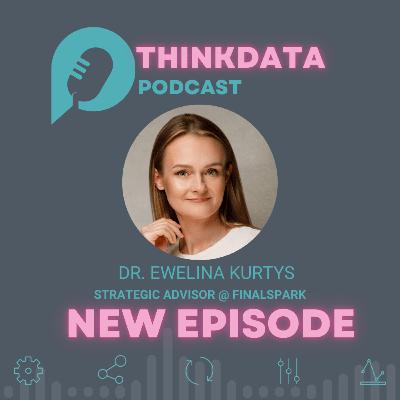
Today I’m joined by Dr Ewelina Kurtys, strategic advisor to FinalSpark, a company building computers powered by living human neurons.In simple terms, FinalSpark is exploring a new form of biocomputing that replaces silicon with real brain cells. This conversation dives into what that actually means, why it matters, and what it could unlock for the future of computation, energy efficiency, and AI.This is a genuinely mind-bending episode that sits at the intersection of neuroscience, computing, ethics, and deep tech innovation.Key Topics CoveredWhat FinalSpark is building and why biocomputing represents a radical shift from silicon-based systemsWhat drew Ewelina to FinalSpark’s mission and long-term visionEarly challenges in building a biocomputing platform and how close the company is to true product-market fitFeedback from early users and adopters working with neuron-based computingThe biggest technical and operational hurdles to scaling living neuron infrastructureHow FinalSpark differentiates itself in the emerging biocomputing spaceThe company’s long-term vision over the next 5 to 10 years and how it plans to fund and execute that roadmapWhy This Episode MattersBiocomputing is no longer science fiction. As traditional computing approaches physical and energy limits, FinalSpark is exploring an entirely new paradigm. This episode offers a rare, grounded look at what it really takes to turn breakthrough science into a commercial platform.
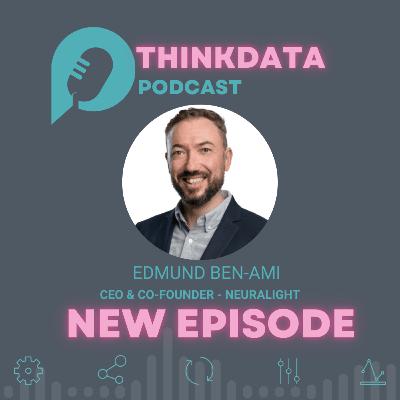
Today’s guest is Edmund Ben-Ami, CEO of NeuraLight — the company using AI and a simple webcam to radically improve how neurological diseases are measured.NeuraLight’s eye-tracking technology is already being deployed in clinical trials, where it has shown the ability to be up to 10× more sensitive than existing neurological assessment tools.In this conversation, we explore how AI-driven biomarkers are reshaping neurology, the realities of working with pharma and clinical trial teams, and what it takes to build and scale a scientifically rigorous healthtech company.This episode is a deep dive into where AI meets neuroscience, and why better data could change patient outcomes at scale.🎯 Key Topics CoveredThe original vision behind NeuraLight and how it has evolvedBalancing scientific rigour with commercial scale in healthtechHow pharma and clinical trial teams are using NeuraLight todayThe realities of deploying AI inside hospitals and trialsWhat “success” looks like in neurological biomarkers over the next 3–5 years
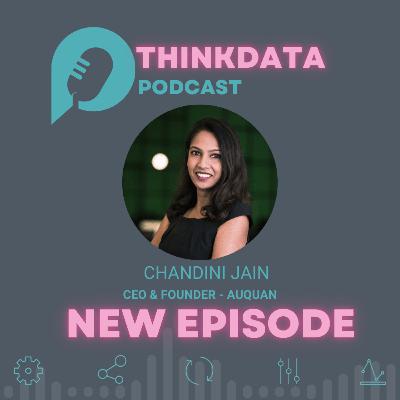
On this week’s ThinkData Podcast, I sat down with Chandini Jain, CEO and Co-Founder of Auquan.After seven years in finance, from derivatives trading to risk analytics at Deutsche Bank, Chandini made the bold decision to leave the world of corporate stability to build Auquan. Today, the company is helping financial institutions use AI to extract meaning, insight, and structure from the huge volumes of data they rely on.We talked through:The origin of Auquan and the moment the idea clickedWhy AI is so challenging to deploy in financeThe dynamics of co-founding a company with a siblingHow Auquan’s mission evolved as they learned more about customer pain pointsThe values guiding her leadership styleA sharp, honest discussion on building in one of the most demanding industries.
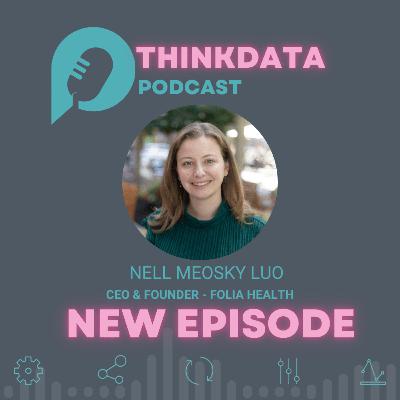
In this episode of the ThinkData Podcast, I sat down with Nell Meosky Luo, CEO and Co-Founder of Folia Health, a health-tracking platform redefining how chronic and rare conditions are monitored and understood.Folia was born from a deeply personal experience within Nell’s own family, where traditional healthcare systems failed to capture the nuance of day-to-day patient life. Today, Folia turns those everyday observations into structured, research-ready data that clinicians, researchers, and families can actually act on.We explore:• The founding story and how personal lived experience shaped Folia’s mission• What makes Folia different from traditional patient-tracking or EPRO tools• Why AI is only as powerful as the underlying data, and how Folia closes the real-world data gap• How the team has scaled headcount and capability following their Series A• How Mosaic is giving patients unprecedented control over research participation• The future of AI-driven, patient-led insightsThis conversation is a must-listen for anyone working in digital health, AI, chronic condition management, or patient-reported outcomes.
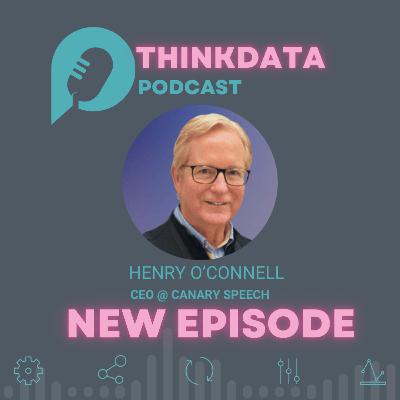
Today I’m joined by Henry O’Connell, CEO & Founder of Canary Speech, the company pioneering AI-powered vocal biomarkers to detect diseases like Alzheimer’s, Parkinson’s, and other neurological and behavioural conditions, all through a 20–30 second voice sample.In this episode, we explore:How Canary Speech was founded and where the idea came fromWhy holding 14 patents in vocal biomarker technology is such a competitive advantageHow Canary ensures clinical-grade safety, trust, and bias mitigation in AI healthcare toolsThe latest innovations in aggression detection, neurological disorders & behavioural healthHow global regulation (U.S. vs Europe vs Asia) shapes adoption speed in healthcare AIIf you’re interested in AI, healthcare, digital biomarkers, clinical innovation, or the future of diagnostics, this episode is a must-listen.
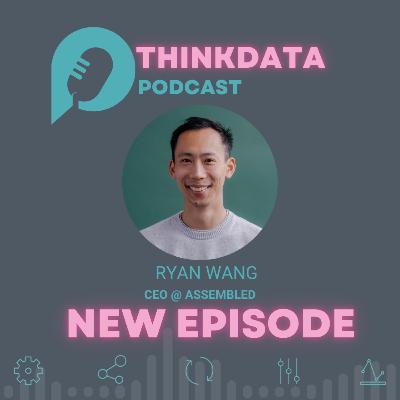
In this episode, I sat down with Ryan Wang, CEO & Co-Founder of Assembled, the AI-powered workforce management platform transforming how companies run customer support.We dived into:• The spark behind founding Assembled• The misconception around AI “replacing” roles• Key differences between U.S. and European adoption of AI• How agentic AI could reshape frontline support• What CX and CS teams must prepare for over the next 3–5 yearsA must-listen for anyone building in AI, customer operations, or scaling support teams globally.
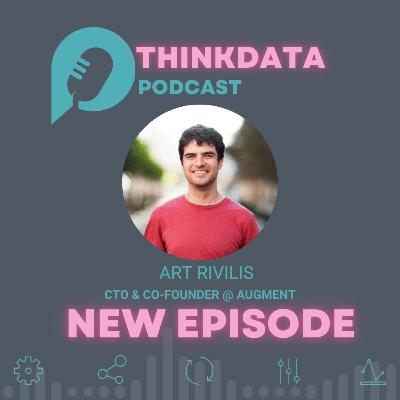
Today on the ThinkData Podcast, I am joined by Art Rivillis, CTO and Co-Founder of Augment, the company behind augie — an AI teammate built to automate complex workflows in logistics.We explored how Augment is transforming one of the world’s most operationally challenging industries, what it takes to build reliable automation that humans actually trust, and the lessons Art has learned scaling a fast-growing AI startup from the ground up.Episode Outline / Talking PointsThe origin of Augment — what inspired the creation of an AI teammate for logistics.Finding product–market fit — the early signals that proved Augment was solving a real pain point.Building trust in automation — how to win over operators in a traditional, process-heavy industry.Scaling the team and tech — balancing rapid growth with product reliability.Short-term vs. long-term AI innovation — how Augment prioritizes both.Key customer moments — wins that validated the company’s visionThe future of logistics — the AI breakthroughs that will reshape the industry over the next 3–5 years.
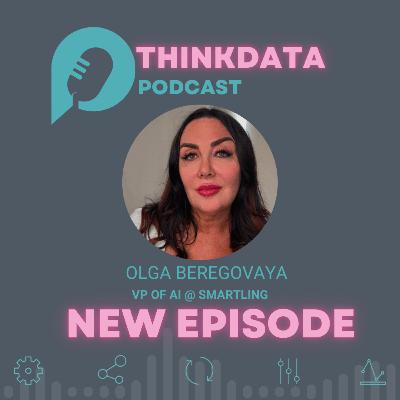
In this episode, Olga Beregovaya, Head of AI at Smartling, shares how the company is redefining translation with artificial intelligence, making global communication faster, more accurate, and more human.We explore how Smartling builds trust in AI, what helped them achieve product-market fit, and how they maintain leadership in one of the most competitive spaces in tech.🧠 Key Talking PointsHow Smartling combines human linguistic expertise with AI to improve translation qualityBuilding customer trust through transparency, explainability, and real resultsThe “aha” moments that proved Smartling’s AI-powered tools worked at scaleLessons in scaling trust across enterprise customers and global marketsWhat it takes to stay differentiated amid a flood of new AI translation toolsOlga’s perspective on the next frontier of language AI
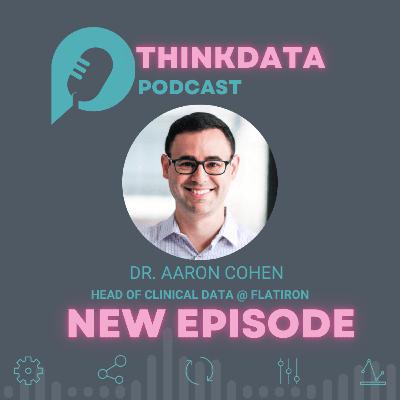
Today on the ThinkData Podcast, I’m joined by Dr. Aaron Cohen, from Flatiron Health, where he’s using real-world data and AI to transform cancer research.We explore how AI and data are driving breakthroughs in oncology — from uncovering insights in patient records to shaping fairer, safer, and more global cancer research.🔍 In this episode, we cover:🧠 AI in Cancer Research — How Flatiron is using AI to analyze patient records, uncover new patterns, and accelerate clinical understanding.⚖️ Avoiding Bias — The steps taken to ensure AI models in oncology are fair, representative, and clinically trustworthy.🌍 Global Data Collaboration — Why diverse, real-world datasets from hospitals worldwide are critical for improving cancer outcomes.🔒 Balancing Innovation & Safety — How Flatiron protects patient privacy and data ethics while pushing the boundaries of AI innovation.🚀 The Future of Flatiron — What’s next for AI-powered oncology research, and how global collaboration is reshaping cancer care.If you’re interested in the intersection of AI, real-world data, and life sciences, this episode offers a rare inside look at how Flatiron Health is changing the landscape of cancer research, responsibly and at scale.
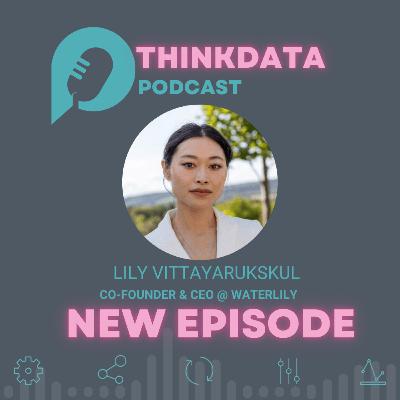
Today on the ThinkData Podcast, I’m joined by Lily, Co-Founder of Waterlily, the AI platform helping families plan and prepare for long-term care.We talk about her journey from NASA to startup life, how she validated early demand for Waterlily, and what it’s really like building a company (and marriage) in parallel with her partner, Evan.In this episode, I coverWhat Waterlily is and how the idea first came aboutHow Lily validated demand early and identified signs of product-market fitHow she cuts through the AI hype when speaking with investors and partnersThe story behind formalizing the co-founder dynamic with EvanHow do they balance startup life and marriage, and what communication rituals helpWhat Lily had to unlearn as a first-time founder once traction started buildingHer approach to hiring and what great talent looks like in caretechWhy the mission behind long-term care planning matters more than ever
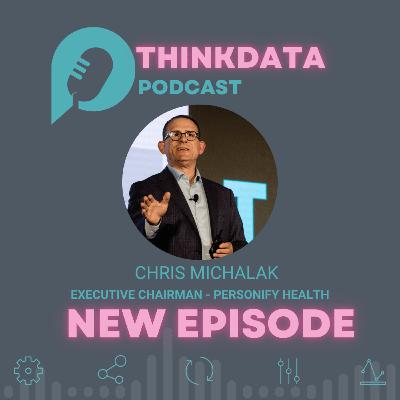
Today on the ThinkData Podcast, I’m joined by Chris Michalak, Executive Chairman at Personify Health, and former CEO of Virgin Pulse and Alight.Chris has led some of the most recognized companies at the intersection of healthcare, benefits, and technology, and is now at the forefront of using AI and data to personalize care at scale.We talk about:💡 How Personify Health is reimagining employee wellbeing through data-driven personalization🤖 The rise of digital “doppelgangers”, and how they’re improving engagement and outcomes⚙️ What it takes to unite teams and culture after a major merger and rebrand🚀 The balance between innovation and operational discipline at scale🌍 The future of employer-led healthcare and Personify’s vision for what comes nextIf you’re interested in how data is redefining healthtech, benefits, and workplace wellbeing, this one’s for you.
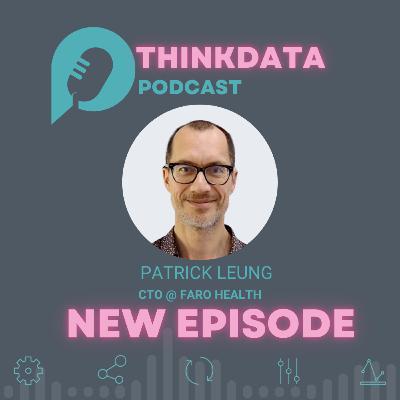
Today on the ThinkData Podcast, I’m joined by Patrick Leung, CTO of Faro Health.We dive into Patrick’s path from Google Duplex to healthtech, and explore how Faro is rethinking clinical trials, making them faster, more affordable, and trusted by researchers, doctors, and regulators.We cover:What drew Patrick into healthtech and the vision behind FaroHow Google Duplex shaped his view of AI in healthcareWhy clinical trials are slow and expensive, and how Faro is fixing thatBuilding AI systems that regulators can actually trustWhat it means for Faro to act as a “design partner” for researchersHow Faro has already saved companies over $100M in trial costsIf you care about AI, healthcare, and the future of clinical trials, this is a must-listen.
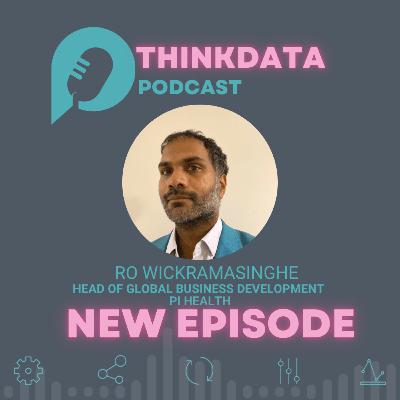
In this episode of the ThinkData Podcast, I sit down with Ro Wickramasinghe, Global Head of Business Development at Pi Health, the AI platform rethinking how clinical trials are run.We explore:🚀 How Pi Health is moving beyond traditional CRO models🌍 Making trials more diverse and inclusive across regions🤝 What they look for in the right sponsors and trial partners📊 Why real-time, regulatory-grade data is critical for sponsors and regulators🔮 The next big opportunities for Pi Health in clinical researchIf you’re interested in where AI is reshaping life sciences, or how to build the future of clinical trials, this one’s for you.
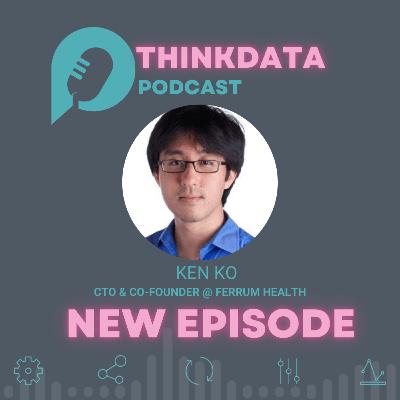
Welcome to the ThinkData Podcast. I’m joined today by Ken Ko, the CTO and Co-Founder of Ferrum Health. Ferrum is reshaping how hospitals use AI, and in this episode, I dive into Ken’s journey, what sparked the idea, the challenges of getting AI into hospitals at scale, and why keeping patient data inside hospital walls is so important.We also explore how Ferrum ensures its AI is safe and unbiased, and whether the future of healthcare AI should be shaped by stronger regulation or smarter hospital governance.In this episode, we cover:What inspired Ken to start Ferrum HealthThe biggest hurdles to getting AI into hospitals at scaleWhy patient data should stay within hospital wallsHow Ferrum makes sure AI is accurate, unbiased, and safeThe balance between regulation and hospital governance in healthcare AI
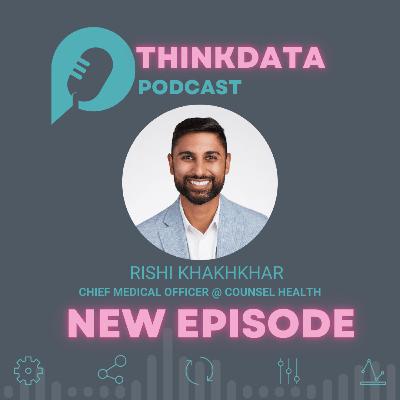
In this episode, I’m joined by Dr. Rishi Kerkar, Chief Medical Officer at Counsel Health, a physician-led, AI-first platform making care faster and more accessible through messaging and automation. We dig into how AI can expand healthcare capacity, why training AI is a lot like training medical students, and the lessons learned from building a modern, physician-led practice.Top Talking PointsCounsel’s mission and the problems they’re solving in healthcareThe original vision for AI-powered, messaging-based careHow AI can shift capacity from scarcity to abundanceTraining AI like medical students: what that means in practiceLessons from the first year of building an AI-first, physician-led platform
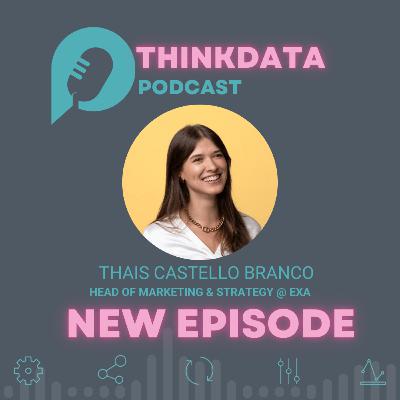
On this episode of the ThinkData Podcast, I sit down with Thais Branco, Head of Strategy & Marketing at Exa, the AI-first search engine reshaping how humans and agents explore the web.We dive into what sets Exa apart from competitors like Perplexity and Bing, the bold strategies behind its rapid growth, and Thais’ perspective on where AI agents are truly moving the needle.Discussion PointsHow Exa positions itself differently from Perplexity and Bing.The GTM tactics that helped Exa grow sign-ups 8× in just five months.The story behind the balloon-box campaign and its impact.How Exa uses AI daily across marketing, content, and GTM execution.Insights from analyzing 500+ AI agent companies, top trends, and standout use cases.
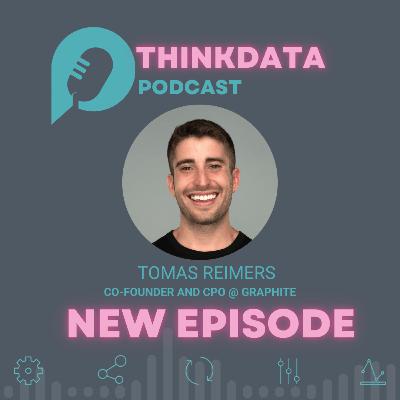
Welcome to the ThinkData podcast, in partnership with Dataworks.Today I’m joined by Tomas Reimers, co-founder and CPO of Graphite, a Series B startup that’s redefining code review with AI. We’ll be diving into how Tomas and the team validated demand, scaled the business without traditional marketing, and continue to stay ahead in a competitive space.Here are some of the discussion points we’ll cover:The problem Graphite set out to solve, and how Tomas knew people really needed itGrowing through education and community instead of traditional campaignsWhy they kept users on a waitlist and how they knew the product was ready for wider adoptionThe challenges of explaining a new product category and making it resonate with usersWhat makes Graphite different in a crowded market, and how it plans to stay ahead
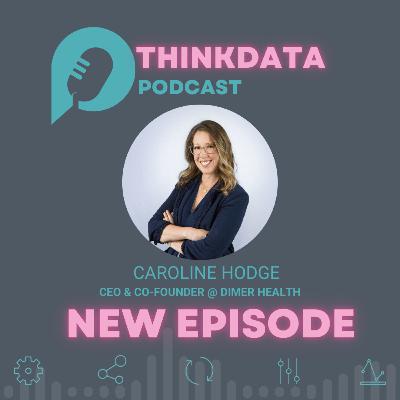
On this episode of the ThinkData Podcast, I sit down with Caroline Hodge, CEO & Co-Founder of Dimer Health. Caroline is a clinician-turned-executive who brings a unique perspective as both a patient and a provider.Through Dimer Health, she’s building an AI-driven startup reimagining transitional care — helping hospitals cut readmissions and improve patient outcomes with a human-centered approach.In our conversation, we covered:How the idea for Dimer came aboutThe role AI plays in keeping patients out of the hospitalBuilding trust in AI with privacy and compliance at the coreFinding product-market fit and scaling go-to-marketLessons from the early days and what she’d do differentlyWhat’s next for Dimer in the next 12–18 monthsIf you’re curious about AI, digital health, and the future of patient care, you’ll really enjoy this one.
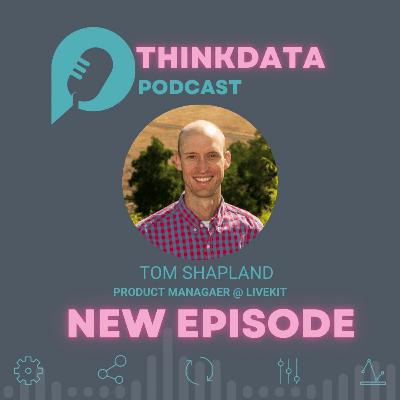
In this episode of the ThinkData Podcast, I sit down with Tom Shapland, Product Manager at LiveKit, the open-source platform redefining real-time voice and video with AI.From co-founding an agritech startup to leading product in voice AI, Tom’s path is anything but ordinary. He shares insights on building great voice agents, the impact of large language models, and why the hardest part is always the last 10%.In this episode, you’ll hear us talk about:How Tom went from agritech founder to product leader at LiveKitWhat LiveKit is, and how it’s helping developers build real-time voice & video appsWhy large language models are transforming the future of voice agentsThe “80/10 rule” and why the last stretch is the hardest to crackHow moving from coder to product leader reshaped his approach to innovation

Comments

Download from Google Play

Download from App Store
 United States