


 Claim Ownership
 Justin's brain
Justin's brainSubscribed: 0Played: 0
Subscribe

© 2026 Justin Jackson
Description
Hi, I'm Justin Jackson. Here, I'm sharing brief thoughts on building a better life, bootstrapping, improving society, growing older in tech, being a dad...
19 Episodes
Reverse
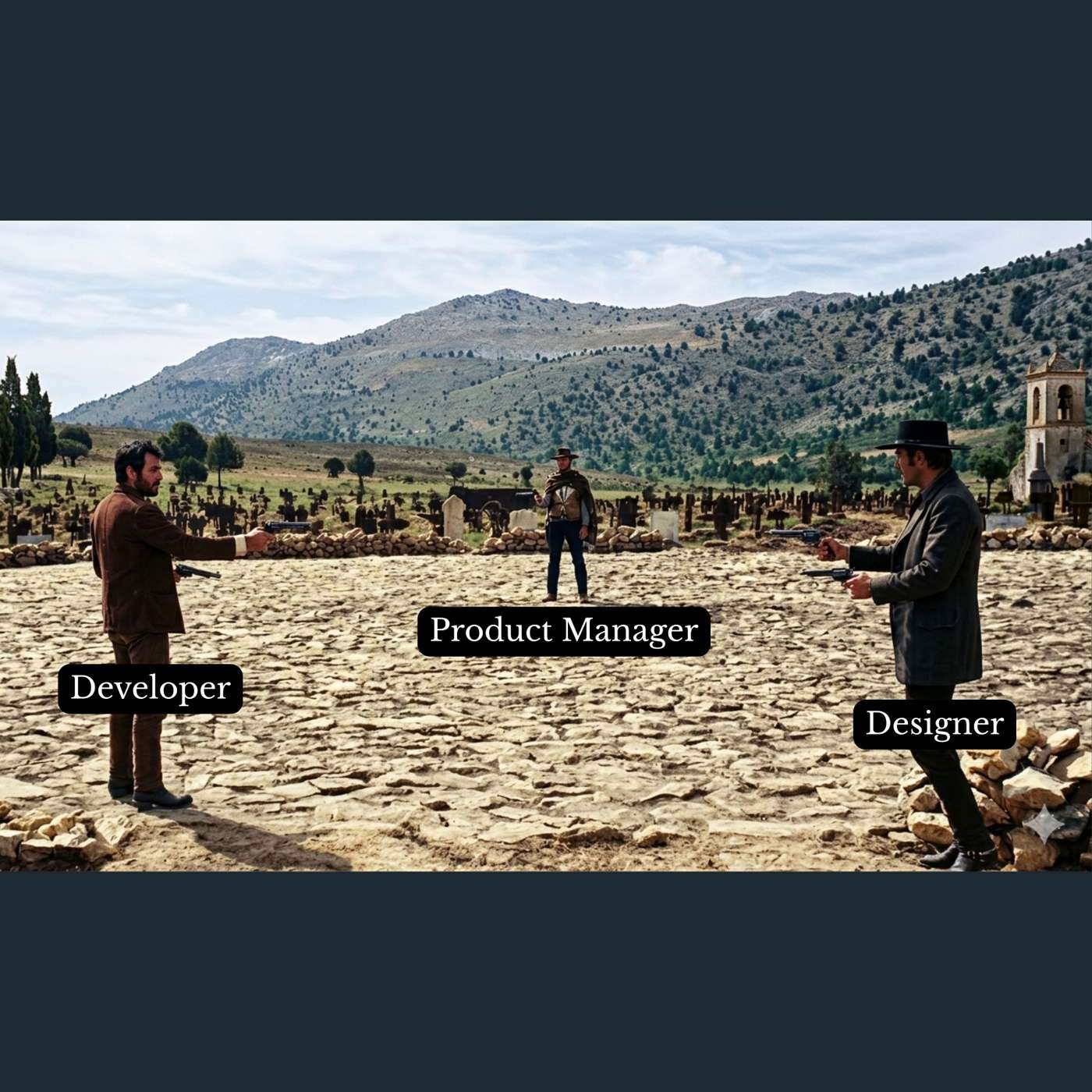
AI coding tools like Claude Code are blurring roles on software teams. As Marc Andreessen said on Lenny's podcast: " There's a Mexican standoff happening between those three roles: product manager, designer, and coder."Links referenced in this episode:→ Mark Andreessen on Lenny's Podcast→ "The Five Stages of Losing Our Craft"→ Kent Beck's tweet on 90% of skills becoming irrelevant→ Good vibes, bad vendors
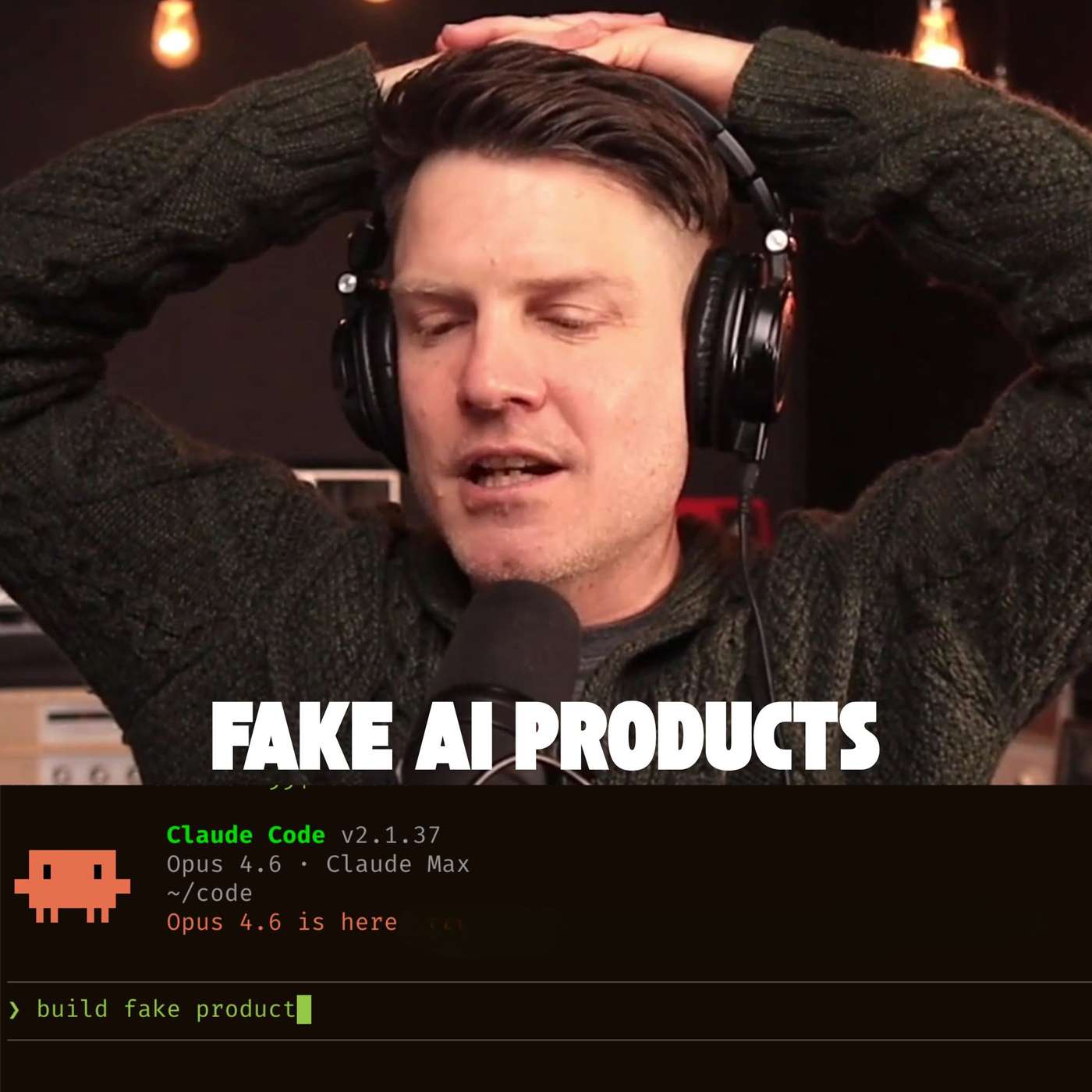
I prototyped a full video podcasting app in a couple of days using Claude Code, and it's completely changed how I think about building new features for Transistor (the podcast hosting product I co-founded).🔥 Timestamps:0:00 – Why you should build fake products first0:27 – The podcast countdown timer experiment0:56 – Taking on video podcast hosting at Transistor1:08 – Just start building it1:47 – Demo: the video podcasting prototype2:32 – What people actually want vs. what I assumed (HLS vs. simple upload)3:53 – "Usage is oxygen for product realizations."4:54 – Live demo: one-click publish to YouTube + Transistor5:57 – Scheduling episodes and real user testing (the church sermon use case)6:39 – Handling 15GB video uploads7:25 – Why everyone should be building fake products7:49 – Private podcasts → unlisted YouTube playlists8:28 – The FreshBooks "compete with yourself" story9:44 – How does this change your product process?10:17 – Claude Code + Slack: anyone on the team can start a PR14:05 – YouTube analytics vs. audio downloads in one view14:51 – Freedom to use a fresh tech stack15:18 – Night and day: old codebases vs. new ones★ More about me: ★I'm Justin Jackson. I co-founded Transistor.fm (a podcast hosting and analytics platform).I write, podcast, and make videos about bootstrapping, startups, marketing, calm companies, and business ethics.My blog: https://justinjackson.caBluesky: https://bsky.app/profile/justinjackson.ca

My friend Adam Wathan has a new podcast called Adam's Morning Walk, and in the last episode he talked about how he's thinking about building with AI:How can someone sit in front of a text area and explain what they want in enough detail that the AI is gonna produce something good?I was listening to this episode last night and it brought up all sorts of thoughts for me. So I opened up telegram and sent him a series of (slightly inebriated) voice memos.I'm publishing these here in case they spark some thoughts/ideas for you as well.F-stop exampleIf you have a response, let me know!Reply on Bluesky
Successful startups don't create demand. They position themselves in the path of existing demand. In a good market, customers provide their own motivation. Your job isn't to create customer motivation; it's to find where it already exists and then build something that satisfies it.Timestamps:00:00 I was listening to the Offsite podcast. 00:20 What does it take for a customer to take out their credit card?00:46 How high is the customer's desire for the product?01:23 When will a customer buy even when there's friction?01:59 The pitfalls of optimizing a product when there's no demand02:45 A framework for assessing Market Demand03:21 ConclusionWatch the whole episode of Jordan's conversation with Ruben.★ More about me: ★I'm Justin Jackson. I founded Transistor.fm (a podcast hosting and analytics platform) with Jon Buda.I write, podcast, and make videos about bootstrapping, startups, marketing, calm companies, and business ethics.My blogBluesky
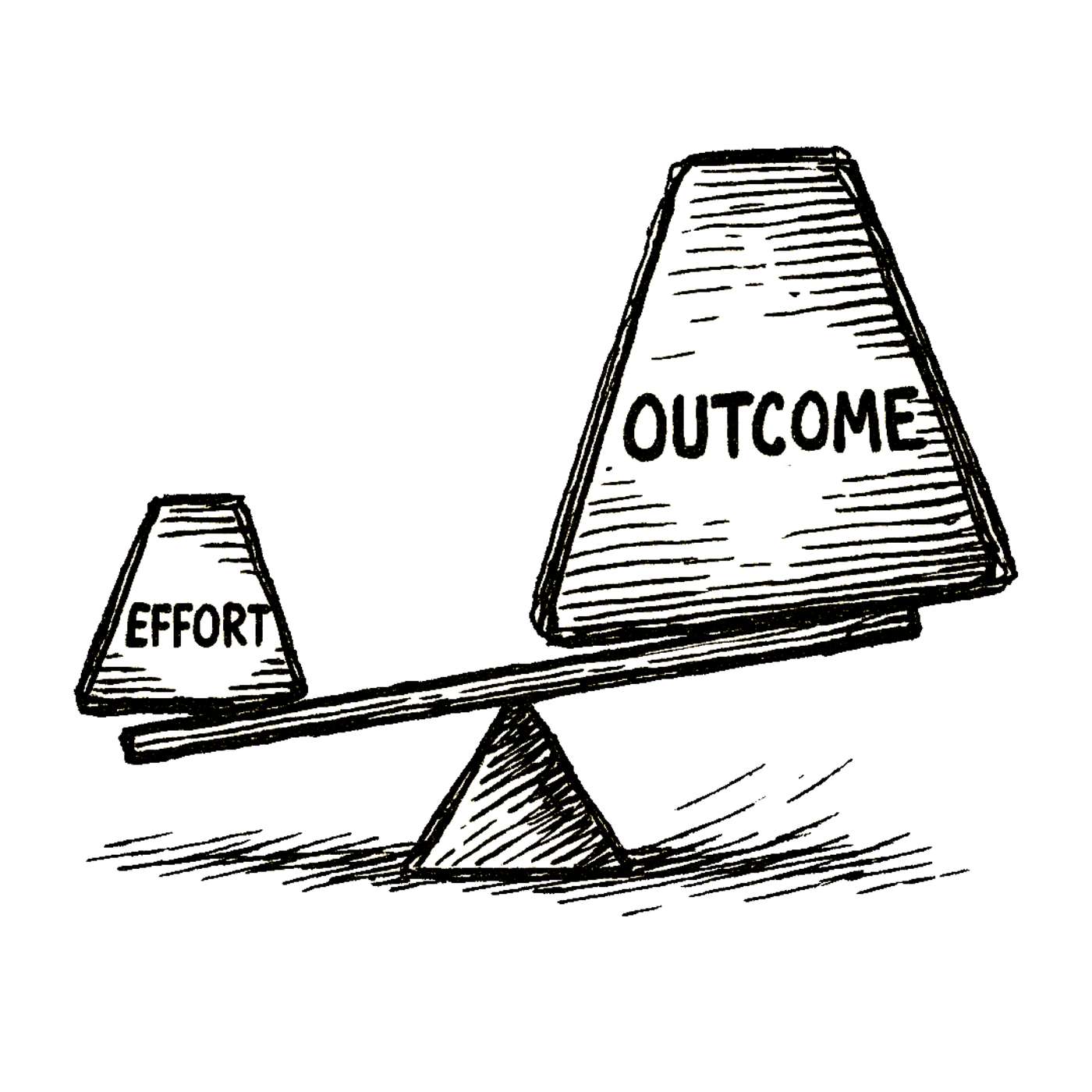
There's a strange relationship between the effort you put into something and the outcome you get out of it.You could invest thousands of hours in a project, only to get a tepid response to what you've made.Read the blog post: "The effort-outcome asymmetry" Have thoughts? Reply on Bluesky
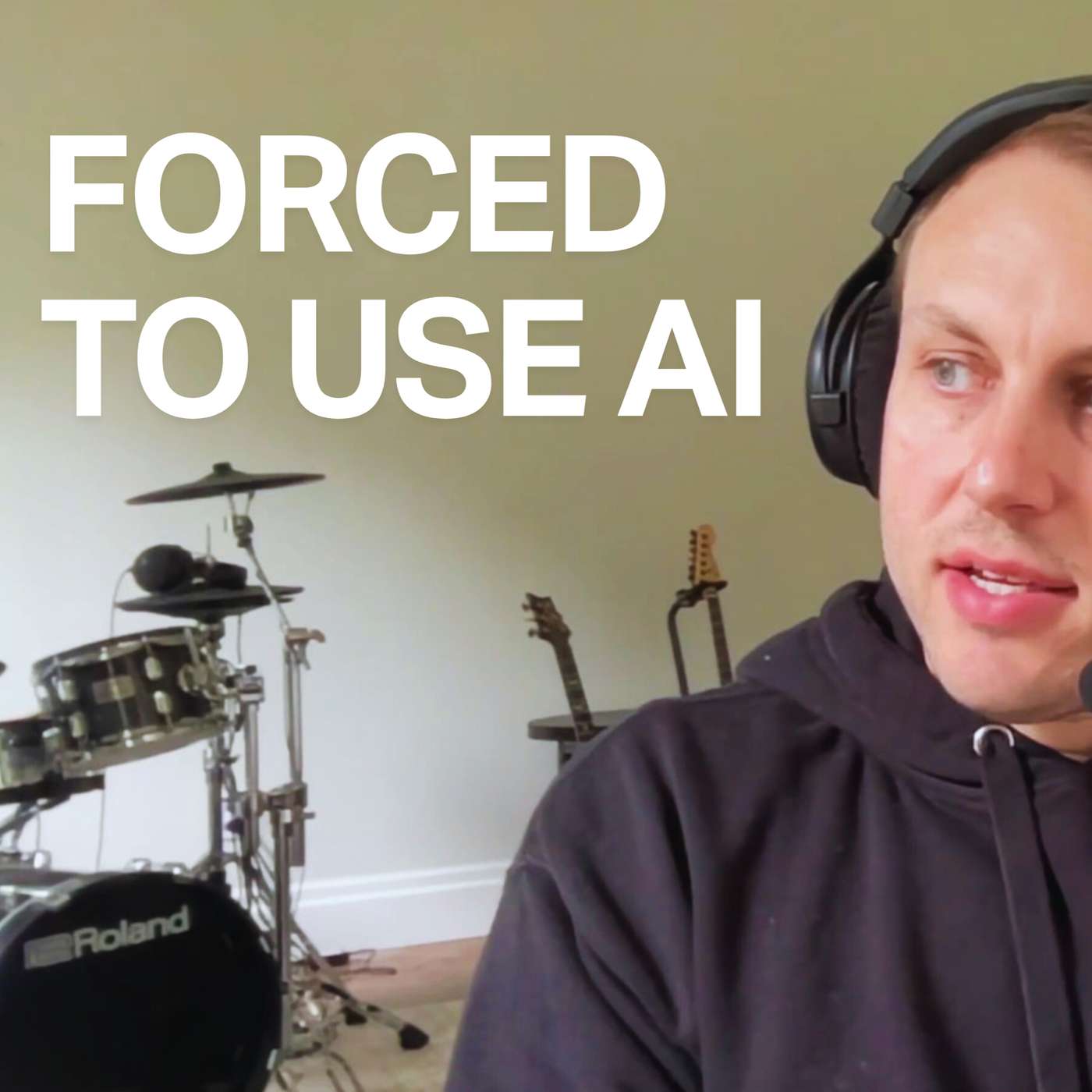
"I used to be more skeptical than I am now. Especially when everyone was talking about 'one-shotting' and 'vibe coding.' But then I forced myself to download Cursor and build an entire project without typing any code, making the computer type the code for me. I had to throw myself in the deep end."All three of us (Adam, Brian, Justin) give our honest takes on AI and software development, and how it's going to affect our businesses."AI is like keyboard shortcuts on steroids for the things I am an expert in."🎧 Listen to the whole episode on The Panel:https://panelpodcast.com/11Adam and Brian share how AI lets them program more, not less, by eliminating grunt work. They think experienced developers will have a huge advantage in this AI era. We also dive into the business implications: how AI is already affecting traffic and sales for Tailwind UI, why building an audience is more important than ever, and what Adam is building next.This conversation actually got me curious to try Claude Code and Cursor AI.Chapters00:00 - Adam's Initial AI Skepticism01:15 - The Cursor Experiment: Building Without Typing Code02:45 - Why You Need to Be Specific with AI03:15 - The Evolution of AI Models (Claude Sonnet 4)04:00 - Cursor Rules: Training AI to Match Your Style04:45 - The 90% Grunt Work Problem06:30 - AI as "Keyboard Shortcuts on Steroids"07:15 - Why AI Fails for Learning New Technologies08:15 - Using ChatGPT vs Cursor: Learning vs Coding09:00 - The Future of AI in Every App10:15 - How AI Should Work in Design Tools (Figma)10:30 - How AI is affecting the Tailwind business (traffic is down)14:00 - Keeping JavaScript Commercial This Time14:45 - New Ventures: Video Editing Software16:30 - Removing Grunt Work from Video Editing17:45 - The Paradigm Shift and New Opportunities19:00 - AI for Custom Personal Tools20:30 - Building AI Automation Flows22:00 - The Future: AI Pull Requests for Tailwind🔗 Links:Bryan's new Rails components: https://instrumental.dev/Bryan's SaaS: https://clarityflow.com/Integrate Open AI and Anthropic APIs into your Rails applications (video): https://www.youtube.com/watch?v=5dW1Kkx7utQRob Walling's Stair Step approach: https://robwalling.com/essays/2015/03/26/the-stair-step-method-of-bootstrappingVercel's new V0 AI tool: https://v0.dev/Thorsten Ball's article: How to build an agent https://ampcode.com/how-to-build-an-agent★ More about me: ★I'm Justin Jackson. I founded https://transistor.fm (a podcast hosting and analytics platform) with Jon Buda.I write, podcast, and make videos about bootstrapping, startups, marketing, calm companies, and business ethics.My blog: https://justinjackson.caBluesky: https://bsky.app/profile/justinjackson.ca
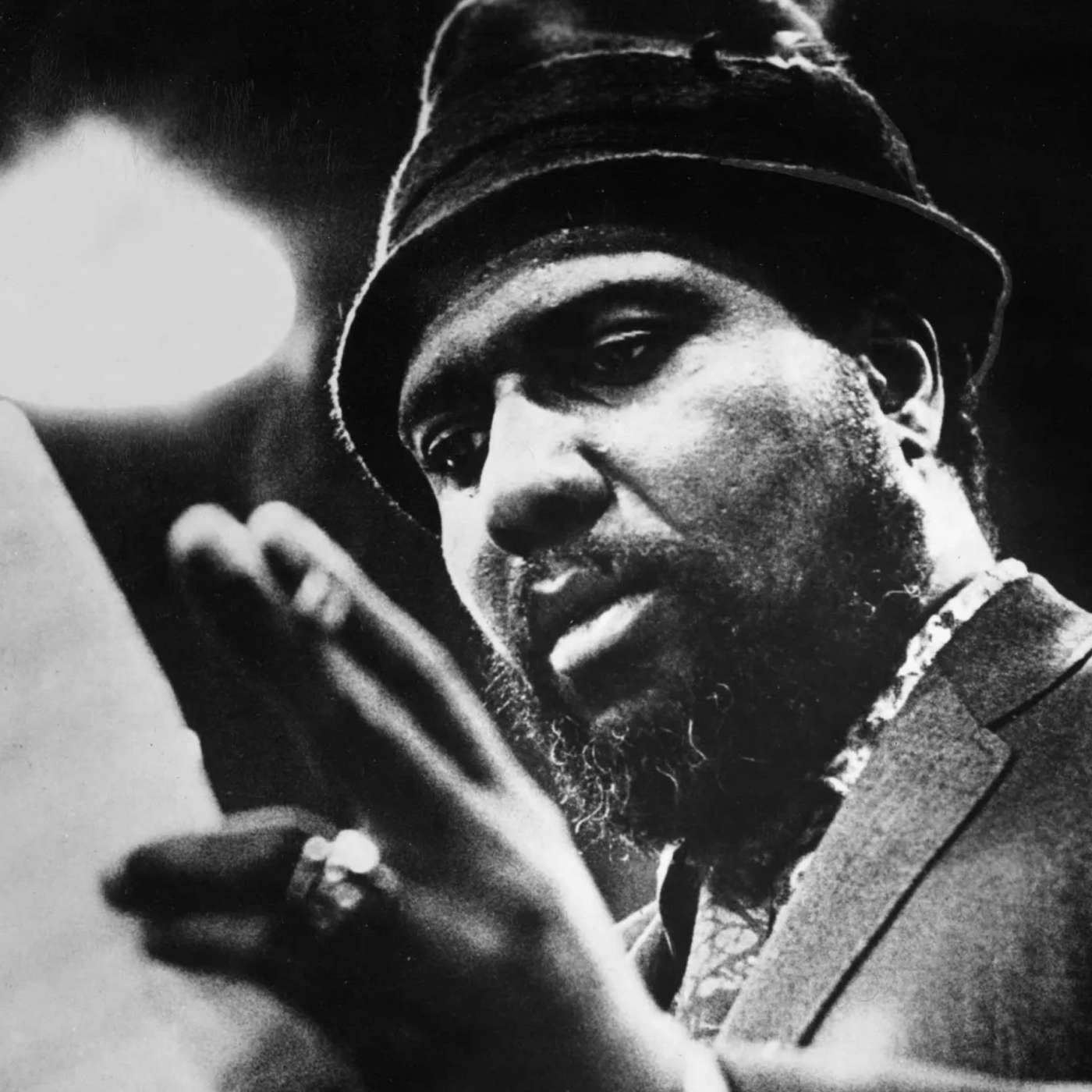
My friend Jeremy Enns and I recently had this conversation about a quote by Thelonious Monk:"A genius is the one most like himself."We explored this idea about what it means to find your zone of genius and why being authentically yourself might be the key to your greatest work.I ended up writing a blog post about this too: Finding your zone of geniusThis conversation was a part of a longer episode we did for PMT Explained.
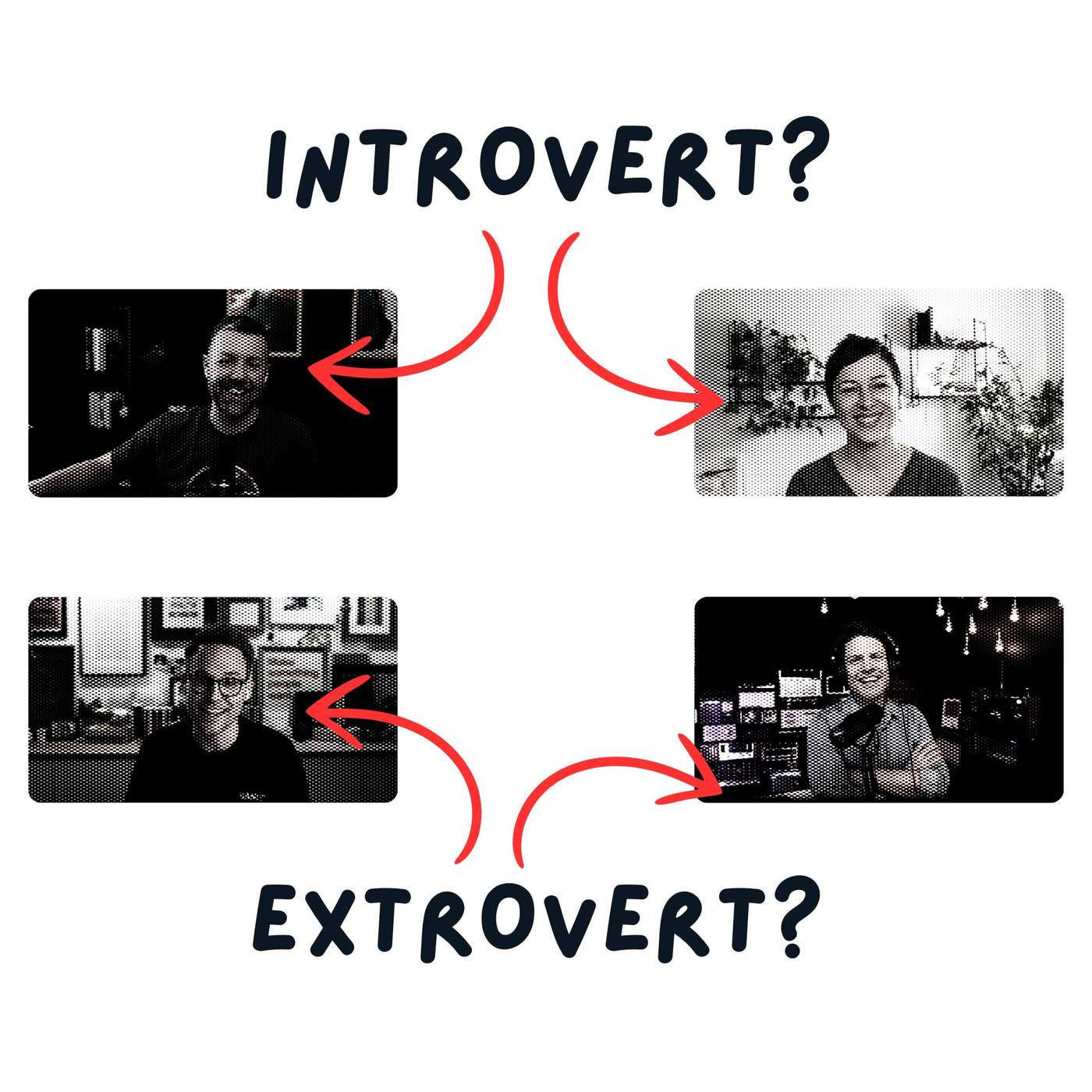
I think a lot of folks assume that people who create content (YouTube videos, podcasts, screencasts, public speaking) are mostly extroverted.But this conversation I recently had with Aaron Francis, Marie Poulin, and Brian Casel on the Panel Podcast calls that into question.🔗 Listen to the full episode here: https://panelpodcast.com/4Timestamps:(00:00) - - Are most content creators extroverts?
(00:50) - - Marie's journey from YouTube-resistant to YouTube creator
(02:07) - - Brian on the paradox of being quiet in person but public online
(03:33) - - Aaron: introvert who loves the stage
(05:11) - - It's not about attention, it's about resonance
(05:53) - - Am I the only extrovert here?
I'd love to hear your thoughts! Are you an introvert or extrovert?🗣️ Leave a comment on Bluesky
In the pursuit of "making podcasts more discoverable," the podcast industry has welcomed YouTube with open arms. But is the industry misdiagnosing YouTube's role? YouTube isn't just "getting into podcasting" - it's a behemoth that's captured consumer attention at an unprecedented level.Join the discussion:Reply on Bluesky
Leave a comment on YouTube
I don't think YouTube actually cares about "podcasting" as an industry (it's just another content keyword for them). I also think responses like "Let's add video to podcasts" are missing the bigger picture.This episode contains clips of myself and Jeremy Enns digging into the realities of algorithmic discovery, social media addiction, audio podcasts vs video podcasts, and how the podcast industry might respond to the threat of YouTube as a platform.(00:00) - - YouTube's advantage: engrained consumer habits
(01:54) - - What the podcast industry gets wrong about YouTube
(02:57) - - YouTube as the ultimate content aggregator
(04:47) - - "This is not our kingdom": Podcasting in YouTube's empire
(06:36) - - The staggering reach of YouTube (98% of US internet users)
(07:38) - - What podcasting does that YouTube doesn't
(08:30) - - Marketing podcasts as "entertainment for your ears for when your eyes are busy"
(09:20) - - Positioning audio podcasting as the calm alternative to digital overstimulation
Read my blog post on this topic here:justinjackson.ca/podcast-industry-youtubeWant to start an audio podcast? Read my guide.
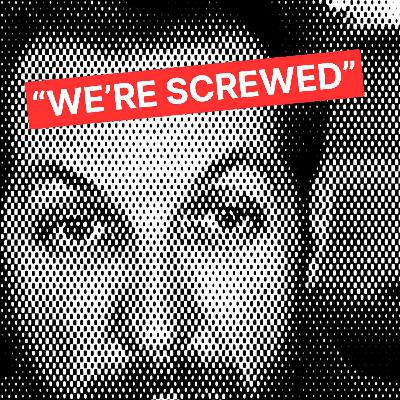
The advent of AI coding assistance has introduced a wave of dread in the software development industry, exemplified by Chris Sacca's stark prediction that "we are super screwed" when it comes to traditional coding jobs. But I'm not convinced.(00:00) - Chris Sacca's dire prediction about AI replacing coding
(02:23) - Brian Casel: In the future, will everyone just use AI to build their own little apps?
(02:42) - Tyler King: Is this wave of AI hype similar to the no-code wave?
(03:22) - The limitations of cobbled-together products
(04:40) - Colleen Schnettler: AI's limitations with integrated, systems level thinking
(05:22) - Historical parallel: the threat of open source alternatives
(06:12) - The Once.com experiment and self-hosting challenges
(07:40) - Problems with AI-generated code maintenance
(08:49) - Why great software requires human decision-making
(09:35) - AI's current limitations in end-to-end creation
Join the discussion by leaving a comment on YouTube or replying to my post on Bluesky
I wrote a blog post, that ended up Hacker News, called: "What's happening with founders over 40?" I got a lot of comments and reactions to the piece, so I thought I'd respond to those here.Key moments:0:00 - What was the blog post about?1:28 - Discussion of cognitive changes and fluid vs crystallized intelligence3:01 - Personal example of declining energy for late-night work5:36 - Menopause and hormonal changes in aging7:58 - Research showing the age of a successful founder is 4510:15 - Personal life stage considerations12:31 - Thoughts on ambition and different paths for aging entrepreneurs14:04 - Discussion of taking health seriously in your 40s15:44 - Example of shifting gears like Rob Walling17:38 - Final example: Bob DylanKey Quotes:"At 44, I don't feel like I still have the raw horsepower in terms of creative mental energy that I did 20 years ago.""It's like gradually and then sudden. And there's actually research that shows that aging might happen in these bursts.""A 50 year old entrepreneur is nearly twice as likely to have a runaway success as a 30 year old.""Nothing sticks. I have to clear my schedule, concentrate, take supplements, stay up late, and take copious notes just to make a bit of progress on anything.""You can't have the same kind of energy or creative firepower forever. I did that. I can't do that anymore, but I can do other things now."Links:Blog post: What's happening with founders over 40?Draft: I'm 44, and my brain is getting worseArticle: How Old Are Successful Tech Entrepreneurs?Blog: Old founders do this betterResearch: How the Aging Brain Affects ThinkingArticle: Humans age dramatically at two key points in lifeResearch: Nonlinear dynamics of multi-omics profiles during human agingPeter Attia: build muscle in your 40sVideo: Bob Dylan, 60 minutesBook: From Strength to Strength, Arthur Brooks
I have an entrepreneurial drive to start many projects.A formula from my therapist about stress management.How I use Claude AI to evaluate my life choices.Key moments:0:00 - Introduction & One-Take Podcast Format0:39 - The Stress Formula: Demands vs Resources1:44 - Entrepreneurial Phase & Sustainability1:59 - Using Claude AI for Life Planning2:27 - My Current Responsibilities3:31 - Desires for New Projects4:04 - Claude's Analysis of My Responsibilities5:17 - Resource Management Insights6:31 - The Only Two Solutions6:50 - Summer Camp Dream Example8:13 - Key Lesson: Can't Be CEO of Everything9:18 - Three Main TakeawaysKey Points:Stress = Demands ÷ ResourcesThe importance of maintaining equilibrium between responsibilities and available resourcesHow I'm using Claude AI for personal life planningWhy you can't be the CEO of everythingThe necessity of delegation when taking on new projectsLinks:Bluesky: I want to do all the things!Follow me on BlueskyInspired by Caleb Porzio's "Notes on Work" podcast
tl;dr – I've decided to delete all my Twitter posts, lock down my account, and leave the platform. And I'm going all-in on Bluesky, which (in the last month) has become 1,000x more fun than X.Links:Why I'm leaving Twitter for Bluesky – my blog postBluesky Migrate – a simple guide on how to migrate to Bluesky from X.Starterpacks.net and Bluesky Directory help you find Starter Packs to follow.Use your custom domain as your usernameFollow me on Bluesky!https://bsky.app/profile/mijustin.bsky.social
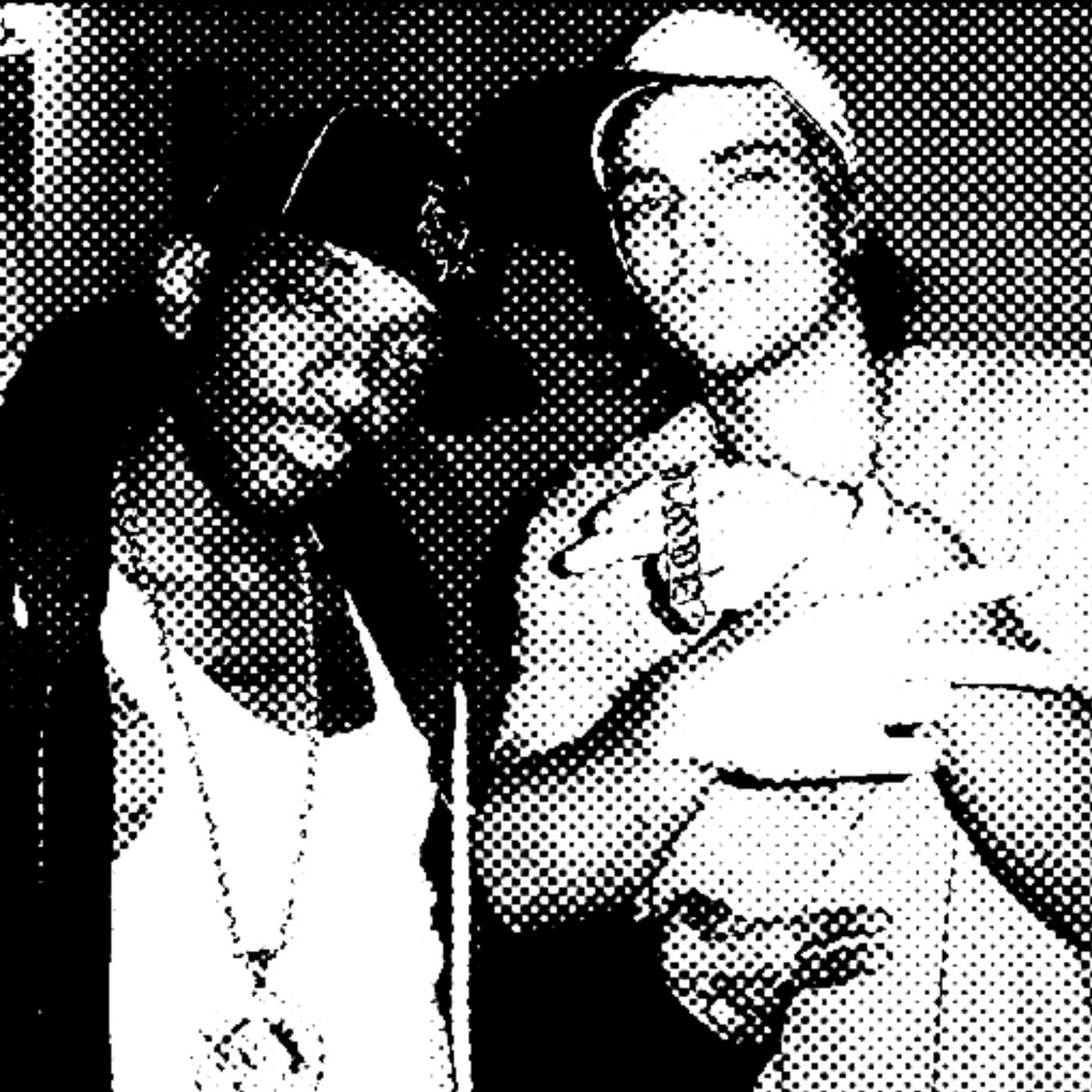
In 1999, I met Chad Muska at Slam City Jam in Vancouver. He was at the height of his popularity. His pro model was selling 10,000 units a month, and he was one of the first playable characters in Tony Hawk's Pro Skater game.But then, all the money and fame ran out. "Right around the beginning of the pandemic," Chad says, "everything ended in skateboarding for me as far as finances go. My last check came in, and it was done."So, what's Chad Muska doing now? He's building the Muska brand as an independent company and bootstrapping it just like you or I would.I initially made this episode as a YouTube mini-documentary. You can watch it here: https://youtu.be/14SLpQ-SsiMRead more about Chad's story on my blog: https://justinjackson.ca/chad-muska
"It's good for people to have to slow down; for people to not be able to just knee-jerk a reaction every time someone says something they don't like. in this TikTok video. so I'm like, if you've read the comments on TikTok videos, it's not the pinnacle of human achievement. Right? It's like They're awful. And YouTube YouTube comments are terrible too."Full episode on the Make Lemonade podcast, episode 49
This is my 2022 year in review. I've been writing these every year since 2013. Traditionally, these have focused on my business highlights: what's happening with the podcasting SaaS I run with Jon Buda (Transistor.fm), thoughts on bootstrapping and startups, plus any other personal experiences I feel I can share publicly.If you'd prefer to read the blog post version, you can find it here:https://justinjackson.ca/2022-reviewWhat happened in 2022 for Transistor.fmWith a team of four people, we were able to launch a lot more features than in previous years.Updated podcast website builder (and new themes)Multiple languages for podcast websitesFree podcast website builder for non-Transistor customersPodcast achievement badgesMultiple improvements to Dynamic Ad InsertionEpisode timestamp linksMultiple improvements to podcast analytics: episode comparison chartsGuest, host, and creator profiles for podcast websitesCool MP3 chapter feature that automatically generates timestampsRemove email address from the RSS feed, so you don't get spamAdded a few new Podcasting 2.0 tags (and joined the Podcast Standards Project)Big refresh to the Transistor marketing websiteI spent the last few months of 2022 trying to improve Transistor's search results for terms like "how to start a podcast" (both on Google and YouTube).Other links:Tatiana's community newsletterMatt Ruby's standup comedy specialWhy Sam Harris left TwitterTop posts from 2022Working harder won't make you more successfulOlder founders do this betterThe Good LifeIs Twitter done?
When looking at past mistakes, the positive action is to ask: "What did I learn?"But when we're looking towards the future, we want to be mindful of the kinds of risks we're taking.When you commit to the wrong thing, you risk burning out or getting crushed.Watch the whole interview on Sharath Kuruganty's channel:https://www.youtube.com/watch?v=3M-XsuHVxXMListen to the podcast:https://undefeatedunderdogs.com/6
There are some people that think they need to be Twitter famous in order to start a business.But I think fame is a trap; you should avoid it if you can. If you're a band, and you can fill a room with a hundred people and play to those fans in multiple cities around the globe, you've made it. That's perfect.The same is true in startups. If you can build a small, profitable business without becoming well-known, you should do it. It will bring so much more calm to your life.Links:Fat Mike interviewTim Ferris: 11 reasons not to be famousThis clip was taken from my conversation with Brian Casel on the Open Threads podcast. Listen to the full episode by going to openthreads.co/31
Listen to the full interview on the Indie Hackers podcast.
Comments

Download from Google Play

Download from App Store
 United States