


 Claim Ownership
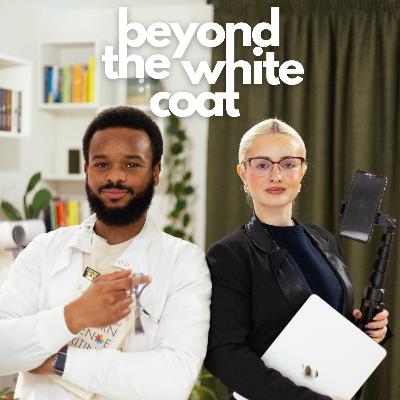
Beyond the White Coat
Subscribed: 7Played: 49
Subscribe

© Alex and Abdul
Description
Beyond the White Coat is a podcast about the human side of life in science, tech, and healthcare. Hosted by Alex, a health tech creative and HCPC registered biomedical scientist, and Abdul, a PhD student at University of York studying antibiotic resistance, the podcast blends real talk, career pivots, and personal growth in STEM. Through honest conversations and guest interviews, we explore career journeys both in and beyond the lab, challenge the status quo, and reflect on what it really means to build a meaningful life in science and healthcare.
Collabs: alex@biomedicalmentor.com
Collabs: alex@biomedicalmentor.com
28 Episodes
Reverse
This episode explores the history and biases of EEG technology, the challenges faced by diverse populations in medical device accuracy, and innovative solutions to improve inclusivity in biomedical research.00:00 Introduction to EEG and Medical Devices01:21 The Impact of Social Media on Healthcare Professions03:59 Biases in Medical Research and Devices06:41 Understanding EEG: Function and Importance09:27 Challenges with EEG Cap Design12:05 Innovations in EEG Technology14:23 The Need for Inclusivity in Medical Devices17:08 Community Response to EEG Innovations19:31 Future of EEG and Medical Device EquityRead More: Arnelle Etienne https://scholar.google.com/citations?user=kROM--AAAAAJ&hl=en
In this conversation, Alex and Abdul discuss the current state of research funding in the UK, the impact of recent funding cuts on researchers, and the role of social media in healthcare and research. They explore the challenges of content creation for healthcare professionals, emphasizing the importance of authenticity and credibility in online communication. The discussion also touches on the balance between professionalism and personal expression on social media, and the potential career benefits of building a personal brand online.Chapters00:00 Introduction and Current Events in Research Funding04:41 Impact of Funding Cuts on Research and Researchers08:12 The Role of Social Media in Healthcare and Research17:05 Navigating the Challenges of Content Creation24:22 The Importance of Authenticity and Credibility in Content31:24 Balancing Professionalism and Personal Expression on Social Media39:19 Conclusion: The Future of Healthcare Professionals on Social MediaKeywords: research funding, healthcare professionals, social media, content creation, science communication, funding cuts, biomedical science, authenticity, credibility, career development
In this conversation, Dr. Jane, a chartered counseling psychologist, shares her journey into the field of psychology, discussing her motivations, the importance of proper training and registration, and the nuances of therapy. She emphasizes the significance of finding the right therapist, the challenges of working in mental health, and the evolving landscape of mental health awareness. The discussion also touches on the importance of proper assessments for conditions like ADHD and the misconceptions surrounding therapists.Chapters00:00 Introduction to Counseling Psychology02:49 The Journey to Becoming a Psychologist05:03 Understanding Therapy Duration and Expectations07:44 Types of Psychology and Their Importance09:58 The Importance of HCPC Registration12:59 Securing a PhD in Psychology15:37 Group Therapy vs. Individual Therapy18:21 The Demands of Doctoral Training 20:45 The Transition from Training to Practice23:46 Navigating Post-PhD Career Paths27:14 The Shift to Remote Therapy30:26 Understanding Mental Health Awareness33:59 Transitioning to Private Practice37:59 Evolving Career in Psychology39:48 The Importance of Qualified AssessmentsKeywords: counseling psychology, mental health, therapy, HCPC registration, PhD in psychology, private practice, ADHD assessment, group therapy, misconceptions about therapists, career progressionFollow Dr Jane:Instagram https://www.instagram.com/dr.janehalsall/TikTok https://www.tiktok.com/@dr.janehalsall?lang=en-GBLinkedIn https://www.linkedin.com/company/the-dr-jane-halsall-psychology-practice/posts/?feedView=all Visit her website linktr.ee/drjanehalsall
In this episode, we explore the growing rise of side hustles in science and healthcare and whether they actually help or hurt your career.From PhD life, academia, and NHS careers to content creation, science communication, and advocacy, we unpack what it really means to be multi-passionate as a scientist. Alex shares her journey creating educational content alongside a full-time healthcare role, while Abdul reflects on balancing a PhD workload, research pressures, and creative side projects like photography and science outreach.Keywords: side hustles in science, scientists and side hustle, PhD life, academia burnout, healthcare careers, science communication, content creation for scientistsFollow Us on Social MediaThe podcast page on IG Follow Alex on IG Follow Abdul on LinkedIn
In this episode Abdul and Alex break down what health tech really is and why it’s becoming one of the most exciting and impactful areas in modern healthcare. The conversation dives into real-world health tech innovations, including digital physiotherapy platforms, eye-imaging photonic chips, and non-invasive brain monitoring tools, while also addressing critical challenges such as accuracy, user experience, health inequality, and data reliability across different populations.Whether you’re a scientist, healthcare professional, student, or someone curious about health tech careers, this episode offers an accessible, honest look at where the industry is heading and the questions we should be asking as innovation accelerates.Chapters:00:00 – Introduction01:00 – Why Talk About Health Tech Now?02:40 – What Is Health Tech? (Explained Simply)04:40 – Wearables, Apps & Everyday Health Data06:40 – Are Health Wearables Actually Useful?09:00 – Why Health Tech Is Growing So Fast11:20 – UK Health Tech & Innovation Ecosystem12:30 – Health Tech Example #1: Digital Physiotherapy (Flok Health)15:20 – Health Tech Example #2: Eye Imaging & Photonic Chips18:00 – Health Tech Example #3: Non-Invasive Brain Monitoring20:10 – Accuracy, Bias & Health Inequality in Health Tech23:00 – The Importance of User Experience in Medical Technology24:30 – Future Episode Ideas & Closing ThoughtsLinksEEG podcast episode: https://open.spotify.com/episode/2UbfqpaUDKUsU2DdvyiKSx?si=1exsBc7HTE20weHufxRI0gKeywords: Health tech, health tech innovations, healthcare technology, digital health, medical technology, health tech explained, wearable health devices, AI in healthcare, medical devices, home health monitoring, NHS innovation, preventative healthcare, health tech startups, scientists in industry, health tech careers, what is health tech, how technology is changing healthcare, health tech for patients, digital healthcare explained, health tech UK, inequality in health technology, wearables accuracy skin tone, future of healthcare technology
Today I’m excited to welcome my colleague and friend Emma to the show. Emma is a seasoned talent and events professional with deep experience across startups and big tech. She’s worked on high-growth hiring at companies like Amazon, Pinterest, and HeliosX, as well as two global VFX studios, giving her a uniquely broad perspective on what it takes to scale teams, stand out as a candidate, and navigate competitive hiring environments.Outside of the 9–5, Emma is equally impressive, she’s finishing her M.A. in Creative Writing, has multiple writing certifications, a degree in Food Science, and is working on her first novel. She’s also a runner, weight-trainer, beach-lover, cook, pianist, and overall creative powerhouse.Today we’ll dive into her career journey, what she’s learned from recruiting across industries, how people can distinguish themselves in today’s job market, and what makes hiring in health tech different from big tech. And of course, we’ll talk about her creative life and why having side projects may actually make you a stronger candidate. Chapters00:00nIntroduction to Emma's Career Journey03:17 Navigating the Job Market: Insights from a Recruiter12:08 Understanding Top Talent: What Employers Look For17:15 The Importance of Data in Recruitment20:14 Following the Candidate's Journey Post-Hire21:38 Misconceptions in Job Applications 25:11 The Importance of Customization26:47 Navigating Career Pivots29:31 Understanding Hiring Signals31:19 Differences in Health Tech Hiring33:26 Balancing Side Projects and Work37:15 The Value of Curiosity and Side Hustles39:19 Defining Success in CareersAmazon, Pinterest, HeliosX, Facebook, Technicolor, VFX Studios, Health Tech, Big Tech, Startups, Recruitment, Creative Writing, Talent Acquisition, Compliance and Regulatory, Film Industry, Social Media, Healthcare Industry
The conversation explores the critical role of research and development (R&D) in the consumer goods industry, particularly focusing on how companies like P&G and Unilever leverage incremental innovations to enhance their market share. It highlights that while consumers may not notice significant differences in products, the ongoing tweaks and improvements in formulations contribute to overall performance and competitiveness.00:00 Introduction and Hiatus03:00 Guest Lecture on Malaria09:00 Nanotherapeutics and Research15:00 Placement Experience at P&G21:00 Role of Enzymes in Detergents27:00 Impact of COVID-19 on Placements33:00 Exploring New InterestsKeywords: R&D, consumer goods, market share, technology development, incremental innovation, P&G, scientist, detergent, protease team, fairy, Lenore, tide, Unilever
In this episode, Alex and Abdul discuss recent breakthroughs in gene therapy, particularly for Huntington's disease, and delve into the importance of the HCPC for biomedical scientists. They share personal experiences from their NHS placements, highlighting the challenges and learning opportunities within the lab environment. The conversation also touches on the dynamics between students and employees, the significance of teamwork, and the financial considerations that influence career choices in the healthcare sector. Ultimately, they reflect on the journey of self-discovery and the transition from scientific roles to corporate positions, emphasizing the importance of finding one's identity beyond a job title.Chapters00:00 Introduction and News Segment02:53 Breakthrough in Gene Therapy for Huntington's Disease05:33 Understanding HCPC and Biomedical Scientist Registration08:35 Placement Experience in a Diagnostic Lab11:24 Navigating NHS Lab Placements 14:09 Histopathology: The Role and Responsibilities17:03 Working with Precious Samples in Histopathology20:18 Navigating the Lab Environment24:03 The Student vs. Employee Experience27:36 The Role of Locums in Biomedical Science31:31 Repetitiveness and Personal Growth35:07 Identity and Career Reflection39:01 Financial Considerations in Career ChoicesKeywords: gene therapy, Huntington's disease, biomedical science, HCPC, NHS placement, lab experience, career choices, corporate roles, financial considerations, healthcare professions, IBMS, Institute
In this episode of Beyond the White Coat, Abdul shares his experiences from a recent international conference focused on the biology and physics of prokaryotic chromosomes. He discusses the importance of networking, presenting research, and engaging with attendees. The conversation covers tips for creating effective research posters, strategies for initiating conversations, and the significance of follow-ups after conferences. Abdul emphasizes the value of both peer networking and connecting with senior researchers, while also providing insights on how to find and choose the right conferences to attend.Chapters00:00 Introduction and Conference Overview 02:42 Research Presentation and Poster Creation05:22 Engaging with Conference Attendees08:20 Networking and Building Connections10:56 Reflections on Networking and Follow-Up Strategies22:45 Finding Conferences and Networking Opportunities25:08 Evaluating Conference Worthiness27:54 The Social Aspect of Conferences29:59 Choosing Between Conference Sizes30:49 Starting Conversations at Conferences37:49 Networking Strategies: Peers vs. Senior ResearchersKeywords: conferences, networking, research, presentations, academic growth, poster sessions, collaboration, early career researchers, public speaking, scientific communityUseful LinksBiochemical Society WebsiteBioSci Toolkit WebsiteFLEX tool - https://excitinginstruments.com/ei-flex/
Alex and Abdul return from their holidays in Greece and Barcelona only to dive into a heavier reality: the brutal job market for scientists and grads. From spreadsheets tracking hundreds of rejections, to AI filters rejecting CVs in minutes, to why personal branding might matter more than your degree. This episode breaks down the challenges of getting hired today. They also share tips that actually worked for them, and debate how much you should “game the system” vs. stay true to your values.Chapters & TimestampsHoliday Recaps: Greece & Barcelona – 00:00PhD Placement Planning & Career Options – 01:28The Viral LinkedIn Post: 450 Job Applications – 02:02Our Own Job Application War Stories – 04:20Ghosting & The Spreadsheet Method – 05:36AI in Recruitment: ATS Systems & Interview Note-Takers – 09:47Doctors & Personal Branding in 2025 – 12:02CV Tailoring, Keywords & Using AI Wisely – 13:57Values vs. Branding: Finding the Right Fit – 18:31Creative Hacks to Stand Out (Assignments, Mock Interviews, Referrals) – 23:01Final Tips & Wrapping Up – 27:59Links & ResourcesThe LinkedIn PostJob Application Tools & TipsJobscan – test your CV against job descriptions.Notion or Google Sheets – track applications.ChatGPT – tailor your CV with keywords.Recommended Reading: So Good They Can’t Ignore You by Cal Newport (career & skills focus)
In this episode, Alex and Abdul discuss their personal experiences, including the importance of taking breaks, the impact of social media on their podcast, and the challenges of navigating the PhD application process. Abdul shares his journey to securing a PhD, the various application processes, and the feelings of imposter syndrome that can arise in academia, particularly for underrepresented groups. The conversation emphasizes the need for open discussions about career progress and the importance of building confidence in professional settings.🕒 Chapters00:00 Introduction and Personal Updates14:19 Abdul's Journey to a PhD15:50 Navigating the Path to a PhD18:49 The Application Process Unveiled24:10 Understanding PhD Interviews30:49 Scholarship Opportunities and Diversity in Academia🔗 Key LinksCheck out Helen O'neill Follow Alex on Instagram & TikTokFollow Abudul on LinkedInSubscribe on YoutubePhD journey, application process, interviews, imposter syndrome, diversity in academia, personal growth, social media impact, confidence building, academic challenges, career development
In this episode, Alex and Abdul discuss their recent personal and professional updates, including Alex's journey in asking for a promotion and Abdul's upcoming conference presentation. They delve into the challenges of time management in their respective roles, contrasting the structured environment of a PhD with the flexibility of creative work. The conversation highlights the importance of self-assessment, learning opportunities, and the need for balance in work and personal life.🕒 Chapters00:00 Life Updates and Career Progression02:48 Navigating Promotions and Self-Assessment05:40 Learning and Development in the Workplace08:37 Conference Preparation and Presentation Skills11:15 Mentorship and New Beginnings in Research15:17 Celebrating Achievements in Research16:09 Diving into Time Management Strategies26:41 Personal Approaches to Time Management🔗 Key LinksCheck out our YouTube Channel Abdul's Published Paper in Nature CommunicationFollow Alex on Instagram or TikTokFollow Abdul on LinkedIn
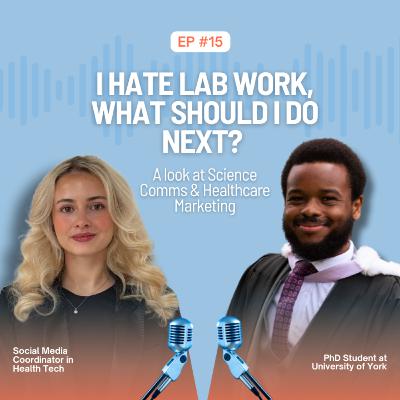
If lab work’s not for you… what now? In this comeback episode of Beyond the White Coat, Alex is joined by new co-host Abdul, a PhD student researching antibiotic resistance and navigating his own science communication journey.Together, they answer a listener’s question about pivoting away from lab work and explore alternative careers in science comms and healthcare marketing, two growing fields where your science background is actually a major asset.Expect personal stories, honest advice, a hilarious $9,200 pricing fail, and practical steps to explore creative, impactful career paths in science, even if you never touch a pipette again.📌 Key Takeaways- You’re not alone if lab work isn’t for you. There are fulfilling career paths in communication, policy, media, and marketing that value your science background.- How Abdul got free science communication training through a university email many students would have ignored. - Healthcare marketing as a career path. Alex shares how she transitioned from biomed into creative roles without formal marketing education🧭 Episode Chapters00:10 – Welcome Back! Meet the New Co-Host01:35 – $9,200 for Four Videos?! Healthcare Marketing Gone Wild05:58 – Listener Question: I Hate Lab Work, Now What?06:43 – Abdul’s SciComm Workshop Recap (and Meeting a Rock Star CEO)12:31 – Science Communication Is Everywhere14:10 – How to Approach Intimidating Experts Without Freezing17:39 – Mentors, Coaches & Setting Boundaries18:45 – What Is Healthcare Marketing & How Do You Get Into It?20:01 – Managing a Social Media Side Hustle with a Full-Time Degree20:36 – Wrapping Up & What’s Next🔗 Essential Links & ResourcesSense About Science – SciComm & policy training for early-career researchers Hertility Health – Founded by science communicator Helen O’NeillGot a question for the pod? Use the Q&A box on Spotify or DM Alex on Instagram Follow Abdul's journey on LinkedIn
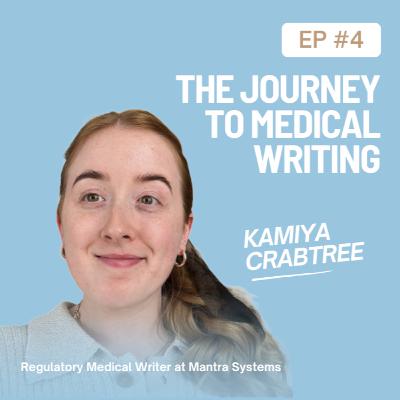
Today, I'm excited to introduce you to Kamiya. She began her career inbiomedical science, driven by a passion for understanding the real-world impact of research.Starting in the lab, she honed her scientific expertise before transitioning to a pivotal role at anNHS 111 call center, where she developed exceptional communication and problem-solving skills. These experiences laid the foundation for her career in regulatory medical writing.Today, Kamiya works atMantra Systems, a company dedicated to guiding innovative medical devices through complex regulatory landscapes. Her role involves crafting clinical evaluation reports, state-of-the-art documents, and regulatory submissions, ensuring devices meet stringent safety and efficacy standards.Visit Mantra System here: https://www.mantrasystems.co.uk/
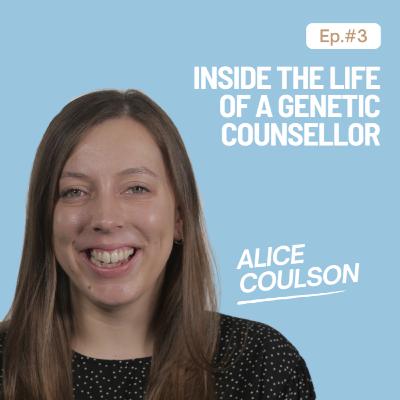
Alice has built an impressive career in the healthcare field, specializing in cancer genetics and neurodegenerative inherited conditions. After earning First Class Honours in Human Biology from Loughborough University, she went on to complete a Master's degree in Genes, Environment, and Development at the Institute of Psychiatry, Psychology, and Neuroscience. Alice’s journey into genetic counselling was shaped through the Scientist Training Programme at Guy’s Hospital, where she honed her clinical skills and began her work with families affected by genetic conditions. Follow Alice on LinkedIn
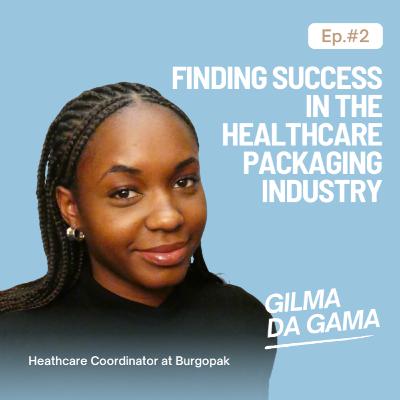
Today, I’m excited to introduce my friend Gilma, who is a Heathcare Coordinator at Burgopak, an award-winning packaging design agency. She’s part of a team that brings innovative, patented solutions to a wide variety of industries. Gilma has an extensive background in packaging design and project management, and she’s here to share her experiences in the healthcare packaging industry and offer insights for those interested in pursuing this field.The healthcare packaging industry plays a crucial role in the safe and effective delivery of medical products, ranging from pharmaceuticals to medical devices. As healthcare innovation continues to grow, so does the demand for advanced, functional packaging solutions. This sector is not only essential for safety and compliance but also offers exciting opportunities for creativity and problem-solving. For those interested in design, sustainability, and making a tangible impact in healthcare, this industry is an exciting field to explore.Bugopak: https://burgopak.com/ More from Gilma Instagram : https://www.instagram.com/gilmanda?igsh=MXpwajBoenU0anpr&utm_source=qr "Navigating the 20s" Podcast: https://open.spotify.com/episode/0VfrTvNWf0MJ8k3Fuwq9Tr?si=g76HigA0TMGXOHxgEcOo0A LinkedIn: https://www.linkedin.com/in/gilma-da-gama-/
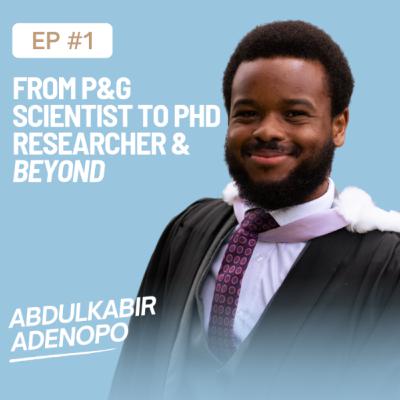
Introducing you to Abdul 👏After earning his undergraduate degree in Biological Sciences from Durham University, he completed a placement at Procter & Gamble, where he worked in R&D analyzing the effectiveness of proteases in household products like Fairy Liquid and Lenor. Following this, Abdul worked as a lab technician at Imperial College before pursuing a PhD with the White Rose Mechanistic Biology DTP. His research delves into single-molecule biophysics to understand bacterial plasmid segregation, a critical process in antibiotic resistance. Combining academic excellence with industry insight, Abdul offers a fresh perspective on tackling major healthcare challenges.Links Related to this Episode: White Rose: https://www.whiterose-mechanisticbiology-dtp.ac.uk/P&G: https://www.pg.co.uk/Follow Abdul:• LinkedIn: https://www.linkedin.com/in/abdulkabir-adenopo-14495b176/• X: https://x.com/abdul_adenopo
Today I'm breaking down the differencdifference between Biomedical Science and Biomedicine courses using the Lancaster University courses as an example.
Check out the 3 work experiences I reviewed in this episode:
https://www.bna.org.uk/careers/undergraduate-summer-research-placements/
https://www.ukri.org/who-we-are/stfc/work-for-stfc/summer-placement-scheme/
https://www2.mrc-lmb.cam.ac.uk/students/student-placement-scheme/
I'm very excited to tell you the story of how I got my new job in healthcare social media marketing for a popular healthtech company.

Comments

Download from Google Play

Download from App Store
 United States