


 Claim Ownership
HISTORIC DUCK HUNTING STORIES THE GOLDEN AGE OF DUCK HUNTING
Subscribed: 18Played: 259
Subscribe

© HISTORIC DUCK HUNTING STORIES
Description
Most duck hunters want to know what happened in the olden and golden days when the old timers pursued their love of duck hunting, but not everyone has the time nor patience to read through a bunch of books and outdoor journals. So, sit back and relax as a passionate duck hunter of 60 years, Wayne Capooth, author of eleven historical waterfowling books and outdoor writer, recaps from his 40 years of research the hidden riches and treasures of duck hunting by the old timers, who sadly have all passed away! The podcast will cover all facets of duck hunting.
67 Episodes
Reverse
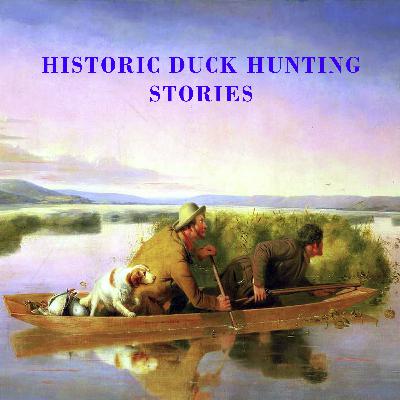
IN THIS EPISODE 5, OLD TIMER TELLS US ABOUT DUCK HUNTING IN CALIFORNIA ON THE SUISUN MARSH FROM THE TIME OF THE GOLD RUSH IN 1848 TO THE 1930'S AND AT THE TIME WHEN MARKET HUNTING WAS OCCURRING AND THE FAMOUS FOUR DUCK-HUNTING CLUB WERE ORGANIZING, WHICH SET THE STAGE FOR MORE CLUBS TO FORM. EPISODE 5 ALSO GIVES A GOOD HISTORY OF THE FAMOUS, LEGENDARY CHAMBERLAIN TRACT WHERE SO MANY OF THE EARLY DUCK HUNTING CLUBS ORGANIZED ON ITS 5,000-ACRE TRACT, WITH MANY OF THEM STILL IN EXISTENCE.
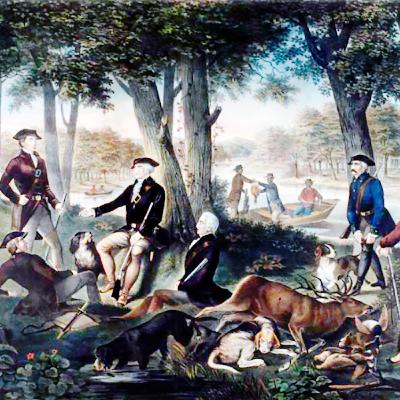
Fowling was another favorite amusement of the first president. As he got older, his own estate and the country around him swarmed with waterfowl. Tradition has it that he was a good shot. Mount Vernon, in the olden days, was celebrated for the luxuries of the table, as fields, forest, and the Potomac, each in their respective seasons, furnished the most abundant resources for good eating and good living. At Mount Vernon’s riverfront, the wild celery grew in the greatest profusion and here canvasbacks, sometimes referred to as whitebacks, congregated, and across the river from Mount Vernon was one of the most famous ducking blinds on the Potomac. In 1752, George’s older brother Lawrence died, and George inherited Mount Vernon after Lawrence’s widow died in 1761. After Lawrence’s death, George, in the run up to the Revolution, became a more avid waterfowler. When at home, he took his flintlock long fowling piece and went “a-ducking,” as he termed it. He spent hours in his boat, sneaking cautiously on the birds, or watching their flight from his place of concealment. He knew the favorite feeding places of the finest waterfowl, and during the season he was out with his long fowling piece early in the morning. George’s favorite meal was canvasback and hominy, and the shooting of them was one of Washington’s favorite recreations.
Occasionally, he recorded fair bags of “mallards, teal, bald faces & blew wings,” with bald faces being widgeons and blew wing, blue wing teal. On October 4, 1768, he recorded that he “Went into the Neck—& up the Creek after Blew Wings.” His best outing was February 24, 1768, when he, quoting “went a Ducking up a creek between breakfast and dinner & Killd 2 Mallards & 5 bald faces.” On January 16, 1769, he duck hunted in the afternoon, one of the few times he hunted in the afternoon. That same year, he “went a Ducking with Col. Lewis,” for three days in a row. On the fifth of October, he, now quoting, “Went after Blew Wings with Humphrey Peale. Killd 3.” On January 9, 1770, he “Went a ducking but got nothing with the Creeks and Rivers being frozen.”
A few other entries in his diary offer further insight into his duck hunting as on February 28, 1768, he noted that he “Went to the Creek but not across it. Killd 2 ducks, a Teal, and a sprig tail (which is a pintail). Rid out with my gun but killd nothing." He wrote several times in his diary of taking his “water dog” Pilot” “a ducking” with him.
Not only Washington but his entire family and friends enjoyed eating canvasbacks. Following his retirement from the presidency, General Washington met some friends in nearby Alexandria for dinner at the City Hotel in 1798. The proprietor, John Gadsby, mentioned that he had a good supply of canvasback ducks in the larder, which led Washington to reply, “Very good, sir, give us some of them, with a chafing-dish, some hominy, and a bottle of good Madeira, and we shall not complain.”
During his presidency, from 1783 to 1789 at his Mount Vernon residence, he fox hunted 23 times and killed fewer than 10. His final fox hunt at Mount Vernon took place on February 15, 1788, a week before his 56th birthday. During this time, he did no waterfowling and never went a ducking again. He retired from the presidency in 1797, having served two terms.
At his death in 1799, he owned 19 pistols, three rifles, four muskets, and nine fowlers. The only authenticated fowling piece owned by Washington at the time of his death was made by Richard Wilson of London. Overall, the long fowling piece was 64 ½ inches with a 48 ½ inch, .81 caliber barrel.
Most duck hunters, young and old, want to know what happened in the olden and golden days when the old timers pursued their love of duck hunting, but not everyone has the time nor patience to read through a bunch of books and outdoor magazines. Through this podcast, the old timers and their stories are drawn from life while being a duck hunter, and their stories will fascinate you and resonate within you.
This episode is a continuation of Episode 1 which gives the history of duck hunting from the time Europeans set foot upon this continent, so it covers from 1607-1700. With each podcast of Historic Duck Hunting Stories, I hope to instill in you the beauty of our sport during the olden and golden days as seen through the eyes of the old timers.
When the Europeans arrived they landed in what they would describe as "Nature's Masterpiece" or "Hunter's Eden," as this New World which they came to was filled with game and the skies and wetlands were abundantly supplied with game, especially waterfowl. They had never witnessed such profusion of waterfowl during the seasons. If not for the Indians supplying them with venison, turkeys and waterfowl they probably wouldn't have survived as the majority of them had not been allowed to hunt in the Old World.
To some, Reelfoot Lake,nestled in the far northwestern corner of Tennessee, was known as the “Paradiseof Sportsmen.” Others referred to it as the “Eighth Wonder of the World,” whileWalt Disney called it “Mystery Lake.” But most referred to it as the“Chesapeake Bay of the South.” With wintery winds sweeping from the north overthe broad breast of the Mississippi River, it looked, at times, like all theducks of North America had gathered to feast along its shallowbanks.After having beenthe home to mankind for more than 12,000 years, Reelfoot became the most-usedaerial highway of migratory waterfowl during the spring and autumn—ducks,geese, swans, sandhill cranes, and shorebirds. Historically, in its early years, the lake wasmost famous for the canvasback which was often referred to as the "King ofDucks,” as their flight through the lower-middle Mississippi Valley saw themain body stop at Reelfoot where wild celery grew.
To many, it would become the eighth wonder of the world. It is not an official designation but a reflection on the awe inspiring, spectacular natural phenomenon and wonder that covered the sky with billions of pigeons, but it wouldn’t last, as billions dwindled to millions, to thousands, to one, then to extinction. Sadly, this spectacle was lost forever, driven to extinction in a matter of a few decades, going from billions to zero in a span of less than 50 years.For 50,000 years or more, wild passenger pigeons traveled the skyways inincredible numbers that seem unimaginable to us today. When the Old-World people began arriving, millions of pigeons saturated the skies. Over the interveningyears, European and settler invaders were immensely ecstatic and teeming withextraordinary admiration as they witnessed this unique innate beauty of the grandest and most unique natural phenomenon in the history of the world.
The question must be asked, “Will the canvasback or can the canvasback ever recover and occurin numbers that would allow no closed seasons?” It is doubtful, and if it does it will be through dedicated restoration efforts by transplanting and sowingthe seeds of wild celery, wapato, and a plant I haven’t mentioned for canvasbacks, the pondweed. In doing so, many depleted ducking wetlands can be restored and thus new ducking grounds can be created.
E64 LISTS 17 OF THE EARLIEST DUCK CLUBS IN AMERICA, ALL ORGANIZED BEFORE THE CIVIL WAR, SOME OF THE MOST FAMOUS DUCK CLUBS SUCH AS WINOUS POINT, CURRITUCK SHOOTING CLUB AND MORE.
The evolution of the duck call began some 45,000 to 50,000 years ago or earlier and this episode takes you from that time frame up until E16 which was starts in 1854.
Year after year, waterfowl have followed the ancestral Mississippi Flywayand made their usual stops, where along the way they feasted abundantly in theforested White River bottomlands on acres of high-energy pinoak acorns andaquatic plants, like wild millet, Chufa, and smartweed.Before rice production came to the Grand Prairie,ducks were found foraging in the small prairie wetlands, seasonal herbaceouswetlands, the vast flooded bottomland, hardwood forests of the White andArkansas Rivers, and other smaller meandering rivers and bayous.Once rice had been plantedfor the first time in the first decade of the twentieth century in theeast-central part of the state, it spread rapidly throughout the Grand Prairie,mainly in the counties of Arkansas and Prairie and small sections in westernMonroe and eastern Lonoke during that decade and especially during the 1920sand the 1930s. Doing so, prairie lands, bounded by the bottomlands of four streams, the White andArkansas Rivers, Bayou Meto, and Wattensaw Bayou, could not exist and was converted tofarmland, so the prairies essentially vanished after 40 years.Rice changed the flyway intwo ways. For one, it moved a lot of the waterfowl migration from theMississippi River westward to the rice-growing regions of Arkansas. Second, italso shifted lots of waterfowl from overflying Arkansas and going to the ricefields of Louisiana. No place in the Grand Prairie of eastern Arkansas prior tothe construction of reservoirs reaped rice’s benefit more so than the twinlakes of Jacob’s Lake and Pecan Lake in Arkansas County.
The day after Memorial Day, I reflected back to Vietnam and the loss of my best friend when out on night patrol. He had just been in Vietnam after going through basic training for seven days. On the seventh night, he was shot in the neck by a sniper and died. I miss him dearly and Memorial Day made me reflect back on life and what is important.
With their primary breeding grounds inprairie Manitoba, the eastern continental population of canvasbacks stagedduring the fall in the olden days on Lake Cristina and Heron Lake in Minnesota;the Detroit River, Lake St. Clair and Saginaw Bay in Michigan; the IllinoisRiver in Illinois, in Iowa along the Upper Mississippi, and Lakes Poygan, Puckaway, Butte des Morts, Winnebago, Winneconne, and Koshkonong in Wisconsin. Lake Koshkonong was the countless hosts of migratory waterfowl which knew it from a time before a white man ever gazed upon its waters.From its beginning, the Koshkonong marsh wascovered with from one to two feet of water and filled entirely with wild riceand in a few deep-water places wild celery grew. During the fall and springmigration, the marsh was literally alive with mallards, teal, and otherdabbling ducks with a few canvasbacks and redheads in a few deeper areas. Thenthe dam in 1851 was built which raised the water level enticing more wildcelery to grow and year after year it grew more and the canvasbacks came ingreat numbers. Then the dam was made higher in 1874, which raised the level ofwater even higher and once again more wild celery grew while the wild ricereceded closer to the shore. Then the canvasbacks came in greater number whichwas beyond computation and the mallards departed for the most part to thesurrounding marshes boarding on the sides of the lake. Furthermore, during summer,thousands of young canvasbacks could be seen as the result of the breedingseason unconscious of the fate that awaited them within a few months from thehands of sportsmen and market hunters.But all of this changed with theoverharvesting of canvasbacks, the introduction of carp, the extended raisingof the dam, the onset of WWI, the Dust Bowl Years, pollution, the drainage ofthe numerous marshes which existed outside of the boundary of the lake and thedrainage of other small wetlands near the lake along with their ancient hangoutson the lake being covered with the dwellings of the white man which added extrahunting pressure on waterfowl using the lake and increased use of the lake forleisure motorboating which ran many waterfowl off the lake.
There are in every sport remarkableindividuals that become legends, and thesport of trap shooting as we know it today belongs to three of the mostinfluential and remarkable marksmen in trap shooting history, in what I call TheThree Pillars of Trap Shooting: Ira Paine, Adam Bogardus, and Doc Carver. Thelatter two are in the Trapshooting Hall of Fame and certainly deserving of thehonor; Paine is not, Why? I don’t know, but, perhaps, it may be that historianshave recognized him more of a pistol and revolver shooter than a shotgun trapshooter, spending a great deal of his time as he grew older pistol and revolvershooting. But that doesn’t seem to hold much weight as Carver was certainlyknown as much for his rifle shooting as he was for his shotgun shooting, maybemore so for his exhibition rifle shooting.Maybeanother reason Paine is not in the Trap Shooting Hall of Fame is that when hefirst started shooting and for several years afterwards, it was in the dayswhen they used black powder, shot muzzleloading shotguns at wild pigeons, from fiveunknown traps with shotgun held below the elbow until “pull” was called, thepurpose being to place the shooter in the same unprepared condition at the riseof a bird as he was supposed to be at the rise of a bird in actual fieldshooting. This was the modus operandi both in England and America along withshooting 21-yard rise from ground traps. Paine, William King, John Taylor,Miles Johnson, and Edward “Ned” Tinker were considered giants in those days ofwild passenger pigeon matches, attested to by their scores they made indifferent matches.Andmaybe another reason is because he died at age 53, so his short life spanshortened his shooting career, while Bogardus was 80 at the time of his deathand Carver was 87. But he lived long enough to see feathers fly in akaleidoscopic dazzling shower when he broke his patented feather-filled glassballs as his eyes never forgot how to look along a shotgun barrel.Thereare so many stories and incidents about Ira Paine’s pigeon, glass ball, andexhibition shooting career that it is impossible to relate all of them. Butthere are some which must be told to make this story complete, so I would liketo give you just a short summary of why I think he should be and needs to be inthe Trapshooting Hall of Fame.
E57 is the history of trap shooting in the United States from its beginnings in the 1820s after the sport had cross the Atlantic Ocean from England. It goes from wild pigeon shooting to glass balls to clay targets, and listen as you will discover how trap shooting developed and progressed in America. E57 covers three famous trap shooters in the early days--Captain Adam Bogardus, Doc Carver, and Ira Paine. E57 picks up where trap shooting began in England. E58 will pick up where E57 leaves off and will be podcasted in the near future.
THIS IS THE STORY OF DUCK HUNTING IN THE SEVENTEENTH CENTURY WHEN THE EUROPEANS SET FOOT IN THE NEW WORLD IN 1607, ARRIVING IN THE COASTAL AREAS TO SETTLE THE NEW WORLD WHICH WOULD BECOME AMERICA. HERE THEY FOUND AN ABUNDANCE OF GAME AND WATERFOWL THAT WAS BEYOND THEIR WILDEST IMAGINATIONS, DESCRIBED IN SUCH TERMS AS A "NATURE'S MASTERPIECE" OR A "HUNTER'S EDEN" OR A "HUNTER'S PARADISE." USING FLINTLOCK LONG FOWLING PIECES THEY "SHOT SETTING" AS "SHOOTING FLYING" OR WING SHOOTING, AS WE CALL IT, WAS NEARLY IMPOSSIBLE DUE TO THE WEIGHT AND SIZE OF THE THEIR LONG FOWLERS. WING SHOOTING WOULD HAVE TO WAIT UNTIL THE EIGHTEENTH CENTURY. EPISODE ONE OF MY PODCAST TELLS HOW THE INDIANS WERE THE FIRST MARKET HUNTERS, AS THE COLONISTS DIDN'T KNOW HOW TO HUNT WATERFOWL, FOR IN THEIR COUNTRIES, ESPECIALLY ENGLAND, ONLY THE NOBILITY HAD THE OPPORTUNITY TO HUNT AND ALL OTHERS HAD TO POACH IF THEY HUNTED AT ALL. IT IS IMPOSSIBLE FOR US TO COMPREHEND WHAT THEY WITNESSED AS WATERFOWL WAS HERE IN SUCH NUMBERS THAT THE COLONISTS EVEN HAD TROUBLE DESCRIBING IT, WITH MANY HISTORIANS STATING THAT WHAT THEY WROTE WAS HYPERBOLE. AS TIME WENT ON IN THE SEVENTEENTH CENTURY, THE COLONISTS LEARNED HOW TO HUNT, FOR THEY HAD TO IN ORDER TO SUPPLEMENT THEIR DINNER TABLE UNTIL THEY COULD RAISE ENOUGH CROPS AND ANIMALS TO DO SO. UNTIL THEN THEY RELIED ON THE INDIANS.
A continuation of Part I and II of Trap shooting, with Part III covering the three great trap shooters of the time--Captain Adam Bogardus, Doc Carter, and Ira Paine. It covers the period of time when pigeon trap shooting had advanced from live pigeon shooting to glass balls to Ligowsky clay pigeons.
let
me tell
you about the origin of trap shooting,
which began in England. Reporting
on sporting events in England began
in the 1710s and 1720s, this at a time
when the population of England
began to double between 1700 and 1800, and a new leisure class of titled,
gentry and upper-middling groups emerged.
Wagering needed winners and losers, so wagering
and
gambling has long been ingrained in British society. Clearly hunting was a rural
sport. But in pigeon shooting it attracted rural and city spectators, the
landowning aristocracy and gentry, farmers, townfolks, and countrymen, even
though the pigeon enclosure grounds could be a few miles outside a town. But it
was innkeepers and tavernkeepers who contributed probably the most at its
inception as they gained financial benefit form hosting pigeon shooting and
they existed in taverns
and inns up and down England for over a millennium, the best were
located
on turnpikes near large towns and cities, a turnpike being a road kept up in good shape by levying a toll on the
user such as coaches and stages. In these
establishments, wagering was generally associated with some form of sport
such as horse racing,
cockfighting, cricket, and pigeon shooting
where the latter had an enclosure,
along with their other functions of providing refreshments, food, lodging,
meetings, and trade activities.
Realizing the
potential for revenue that could be generated, inns’ and taverns’ keepers began promoting many
contests. The two played a highly
significant commercial role, often
helping arrange, advertise,
and host pigeon-shooting
matches. London was the key center for pigeon shooting and contests,
tied to the inn-and tavern subculture, and aristocratic gambling patronage, and
crowds were often large.
It was wagering most
especially the high stakes “wagers” between
wealthy individuals on sporting contests that generated media coverage, wider
spectator interest, a larger betting market, and growing numbers of events,
increasingly on a commercial basis. Wagering encouraged the development of pigeon
shooting rules and
regulations in which to create “fair play”
in gambling terms and to avoid subsequent disputes.
For spectators,
wagering provided a strong
form of identification with the shooters
and the sport. The wagering of the
wealthy also gave real impetus to the
emerging sport of pigeon shooting. It was a sport that
required matching and eventually
handicapping, which were attempts to equalize
competition and create an uncertain outcome that encouraged wagering. In pigeon
shooting, matching shooters was part of the
ritual surrounding contests, encouraging status, honor, prestige, dignity, and
respect.
So, this preamble
hopefully gives you the listener of my
podcast some idea of the origin of
pigeon shooting, of how it all
started, along with its earliest
development in England. And, in doing so, I believe you will marvel at
how well they shot with the old, clumsy, untrustworthy, smoothbore, muzzleloading
flintlocks using
black powder, for
when
the
shooter fired, there was an appreciable moment of time between the instant of
pulling the trigger and the
instant when the shot left the muzzle, and if the priming
was damp or blown away by the wind, the gun could not be fired at all,
and with black powder,
which they used, shooting with a double barrel on a windless day, the smoke would
hang
in front of the muzzle and blind the shooter on
many occasion preventing him from firing
his second barrel. If
that wasn’t enough, they had to hold the butt end of
the gun below the elbow until the pigeon was on the
wing. It seems a miracle that pigeon shooters
could manage
all these
inferior weapons so effectively.
let
me attempt to tell
you about the origin of trap shooting,
which began in England. Furthermore, I
must be forthright and tell you that
the exact time when pigeon shooting and matches came into vogue
that I have found no authentic
records verifying such, as
newspapers did
not begin reporting
on sporting events in England until
in the 1710s and 1720s, this at a time
when the population of England
began to double between 1700 and 1800, and a new leisure class of titled,
gentry and upper-middling groups emerged.
Wagering needed winners and losers, so wagering
and
gambling has long been ingrained in British society. Clearly hunting was a rural
sport. But in pigeon shooting it attracted rural and city spectators, the
landowning aristocracy and gentry, farmers, townfolks, and countrymen, even
though the pigeon enclosure grounds could be a few miles outside a town. But it
was innkeepers and tavernkeepers who contributed probably the most at its
inception as they gained financial benefit form hosting pigeon shooting and
they existed in taverns
and inns up and down England for over a millennium, the best were
located
on turnpikes near large towns and cities, a turnpike being a road kept up in good shape by levying a toll on the
user such as coaches and stages. In these
establishments, wagering was generally associated with some form of sport
such as horse racing,
cockfighting, cricket, and pigeon shooting
where the latter had an enclosure,
along with their other functions of providing refreshments, food, lodging,
meetings, and trade activities.
Realizing the
potential for revenue that could be generated, inns’ and taverns’ keepers began promoting many
contests. The two played a highly
significant commercial role, often
helping arrange, advertise,
and host pigeon-shooting
matches. London was the key center for pigeon shooting and contests,
tied to the inn-and tavern subculture, and aristocratic gambling patronage, and
crowds were often large.
It was wagering most
especially the high stakes “wagers” between
wealthy individuals on sporting contests that generated media coverage, wider
spectator interest, a larger betting market, and growing numbers of events,
increasingly on a commercial basis. Wagering encouraged the development of pigeon
shooting rules and
regulations in which to create “fair play”
in gambling terms and to avoid subsequent disputes.
For spectators,
wagering provided a strong
form of identification with the shooters
and the sport. The wagering of the
wealthy also gave real impetus to the
emerging sport of pigeon shooting. It was a sport that
required matching and eventually
handicapping, which were attempts to equalize
competition and create an uncertain outcome that encouraged wagering. In pigeon
shooting, matching shooters was part of the
ritual surrounding contests, encouraging status, honor, prestige, dignity, and
respect.
So, this preamble
hopefully gives you the listener of my
podcast some idea of the origin of
pigeon shooting, of how it all
started, along with its earliest
development in England. And, in doing so, I believe you will marvel at
how well they shot with the old, clumsy, untrustworthy, smoothbore, muzzleloading
flintlocks using
black powder, for
when
the
shooter fired, there was an appreciable moment of time between the instant of
pulling the trigger and the
instant when the shot left the muzzle, and if the priming
was damp or blown away by the wind, the gun could not be fired at all,
and with black powder,
which they used, shooting with a double barrel on a windless day, the smoke would
hang
in front of the muzzle and blind the shooter on
many occasion preventing him from firing
his second barrel. If
that wasn’t enough, they had to hold the butt end of
the gun below the elbow until the pigeon was on the
wing. It seems a miracle that pigeon shooters
could manage
all these
inferior weapons so effectively.
let
me attempt to tell
you about the origin of trap shooting,
which began in England. Furthermore, I
must be forthright and tell you that
the exact time when pigeon shooting and matches came into vogue
that I have found no authentic
records verifying such, as
newspapers did
not begin reporting
on sporting events in England until
in the 1710s and 1720s, this at a time
when the population of England
began to double between 1700 and 1800, and a new leisure class of titled,
gentry and upper-middling groups emerged.
Wagering needed winners and losers, so wagering
and
gambling has long been ingrained in British society. Clearly hunting was a rural
sport. But in pigeon shooting it attracted rural and city spectators, the
landowning aristocracy and gentry, farmers, townfolks, and countrymen, even
though the pigeon enclosure grounds could be a few miles outside a town. But it
was innkeepers and tavernkeepers who contributed probably the most at its
inception as they gained financial benefit form hosting pigeon shooting and
they existed in taverns
and inns up and down England for over a millennium, the best were
located
on turnpikes near large towns and cities, a turnpike being a road kept up in good shape by levying a toll on the
user such as coaches and stages. In these
establishments, wagering was generally associated with some form of sport
such as horse racing,
cockfighting, cricket, and pigeon shooting
where the latter had an enclosure,
along with their other functions of providing refreshments, food, lodging,
meetings, and trade activities.
Realizing the
potential for revenue that could be generated, inns’ and taverns’ keepers began promoting many
contests. The two played a highly
significant commercial role, often
helping arrange, advertise,
and host pigeon-shooting
matches. London was the key center for pigeon shooting and contests,
tied to the inn-and tavern subculture, and aristocratic gambling patronage, and
crowds were often large.
It was wagering most
especially the high stakes “wagers” between
wealthy individuals on sporting contests that generated media coverage, wider
spectator interest, a larger betting market, and growing numbers of events,
increasingly on a commercial basis. Wagering encouraged the development of pigeon
shooting rules and
regulations in which to create “fair play”
in gambling terms and to avoid subsequent di
A True magazine article that chronicled Herb’s
accomplishments tagged him as the “Showman Shooter” and the moniker stuck.
On the way to an exhibition, Herb would stop at a supermarket
where he collected what he called his "groceries." He bought oranges,
grapefruit, potatoes, cabbages, turnips, and several dozen eggs. Wherever he
went, the town’s people were about to witness one of the greatest shooting
exhibitions of all time—a combination of Buffalo Bill’s Wild West Show, Annie
Oakley, Doc Carver, P.T. Barnum and a Vaudeville comedy routine.
In 55 frenzied minutes, Herb typically shot, non-stop, more
than 15 Winchester firearms 52 different ways at more than 800 targets, scoring
99 percent on them. The ones he missed, he said, were “hens.”
Herb was
hired in 1929 by Winchester to be a salesman for the Mississippi territory. Winchester
advertisements from the era called Herb the “Winchester Wizard.” He came to
epitomize the idea that being good with a gun was a way to become a better man,
and nothing could better illustrate just how valuable our Second Amendment
really is to all Americans. Upon Herb’s early passing in 1959 at age 51, he had
been a Winchester man for 30 years. His love of hunting and shooting was only
surpassed by his devotion to family and church.
With the end of War World II, Olin leased
from Crowe in 1945 some 1,880 acres, of which 1,100 acres was timber in Prairie
County, approximately six miles southeast of Hazen. It was immediately
christened the Greenbriar Club, so name by John Olin’s younger brother Spencer,
who was, besides being a duck hunter, an avid golfer and his favorite golfing
course was the Greenbriar Club in White Sulphur Springs, West Virginia. Over
the years, however, the locals knew it as the “Winchester Club.”
John Olin was the president of the Olin Company and Winchester-Western small arms and ammunition company, while his brother Spencer was vice president.
Having no clubhouse, Olin rented two floors
of the Riceland Hotel in Stuttgart. Olin always boarded in room 410. He had a
number of famous guests over the years, including Herb Parsons, John Wayne,
Gary Cooper, Clark Gable, Nash Buckingham, General Nate Twining, General
Jonathan Wainwright, Richard Bishop and many others.
Olin often brought along Walter Siegmund,
who was general sales manager of Olin Industries. He was also a great sportsman
and judge for the National Duck Calling Championship.
Having no clubhouse, Olin rented two floors
of the Riceland Hotel in Stuttgart. Olin always boarded in room 410. He had a
number of famous guests over the years, including Herb Parsons, John Wayne,
Gary Cooper, Clark Gable, Nash Buckingham, General Nate Twining, General
Jonathan Wainwright, Richard Bishop and many others.
It was at the Greenbriar Club where Olin's Lab, King Buck, retrieved his first duck and his last duck over a five-year period.
King
Buck successfully completed an unprecedented 63 consecutive series in the
National Championship Stake and was the National Retriever Field Trial Club
champion for two successive years, 1952 and 1953, in a feat not to be
duplicated for nearly 40 years. Overall, King Buck finished 83 national series
out of a possible 85.
His royal name was given its due, when, in
1959, it was decided that the federal duck stamp for that year should
commemorate the work of retrievers and their contribution to waterfowl
conservation. And so, for that occasion, the single time that the Migratory
Waterfowl Stamp has ever been other than a duck, Maynard Reece painted a
portrait of perhaps the greatest duck dog of them all: King Buck.
In 1955, Olin built a one-room clubhouse with
a fireplace to replace staying at the Riceland Hotel. In the early 1960s, the
IRS disallowed his business deductions for the club.John sold his Prairie County duck paradise to multi-millionaire Robert “Bob”
Brittingham, of Dal Tile of Dallas, Texas, and a hunter of great refute. A
magnificent lodge was built in 1983. Today, the club is still in existence, and owned by three brothers of the Kemmons Wilson Company (Holiday Inn fame) and two other individuals.
Three thousand duck
enthusiasts slowly gathered around the stage at 2:00 p.m. to watch some of the
best: Art Beauchamp, Chick Majors (1945 Word Champion), Tom Burge (Missouri
State Champion), Carl Zieglowsky (Iowa State Champion), and W.C. Cross (winner
of the championship in 1957 and 1958). Then there was Daryl Cates, of Memphis, the youngest ever to enter at 13 years, having
won the TennesseeState title.
Dressed in their
best hunting togs, forty men, with testosterone flowing, tooted, and chattered
four calls – the open water call, woods call, mating call, and the comeback
call. However, one contestant – number 13 – dressed a little different, strolling
to the stage in a band outfit. Although unusual, many in the audience thought
it might be divine guidance, especially after 50 or more ducks passed overhead
when the Arkansas State Teachers College band played earlier during the day.
Contestant number
13 was a high school senior, 17, proficient with a clarinet and a caller,
having captured five previous calling titles – the first at age 12. Each year
thereafter, a trophy was added to the trophy case. Nevertheless, this was the
first entry in the world championship.
Hopefully, someone can
unravel the two great mysteries of this extraordinary and historic relic--a monstrous three-barreled punt gun: where
is and what happened to this Holy Grail of a unique and unusual monstrous punt gun
and who was the gunmaker Lizerad?

Comments

Download from Google Play

Download from App Store
 United States