


The Universal Leader
Subscribed: 2Played: 19
Subscribe

© TK
Description
The Universal Leader is a masterclass in portable excellence. Hosted by TK, this podcast bridges the gap between technical management and high-level leadership. We explore the core pillars of success that transcend any industry: leading people with intent, scaling operations through robust systems, and building high-performing teams.
By focusing on personal development and finding your true "Why," we provide the blueprint for moving from a tactical operator to a strategic architect. Refine your life, your leadership, and your legacy—one day at a time.
By focusing on personal development and finding your true "Why," we provide the blueprint for moving from a tactical operator to a strategic architect. Refine your life, your leadership, and your legacy—one day at a time.
39 Episodes
Reverse
Series: The Alchemical LeaderHost: TKIn the debut episode of The Universal Leader, we strip away the "hype" of traditional leadership advice to look at the uncomfortable reality of growth. Borrowing from the ancient alchemical stage of Nigredo (The Blackening), we discusses why the biggest obstacle to your next promotion isn't your team or your boss—it’s your own ego.The Lead vs. The Gold: Understanding that your "Hero" identity (the person who does everything) is actually the "Lead" that prevents you from becoming a "Golden" leader of leaders.The Technician’s Trap: Why "stepping in to fix it" is a failure of leadership, not a virtue.The Shadow Audit: How to identify the parts of your management style—like the need for control or validation—that need to "rot away" to make room for a scalable culture.Refinement through Heat: Why feeling overwhelmed or "in the dark" is a logical sign of progress, not a sign of failure."You cannot build a skyscraper on top of an old shack; you have to tear the shack down first."In this episode, we break down the three-step process of the Blackening:Deconstruction: Letting go of tasks you’ve outgrown.Decay: Observing the discomfort of not being the "Hero."Purification: Using that discomfort to identify where your systems are weak.[Download] The Nigredo Audit Worksheet: A 1-page diagnostic tool to help you identify your leadership bottlenecks and commit to one "identity death" this week.https://drive.google.com/file/d/1rGPnvla3b6OkLVsGfTDVlW64k-izAcwp/view?usp=drive_linkPodcast: The Universal LeaderSlogan: Mastering Leadership One Day At A Time.
HI, hey, and hello!
Today's episode is about the role of data analytics with some real world examples on how make informed decisions about your business.
See all of our show notes at:
therestaurantleadershippodcast.com!
Hi and hello!!!
I hope you're all having a fantastic start to your week! I know I certainly am!
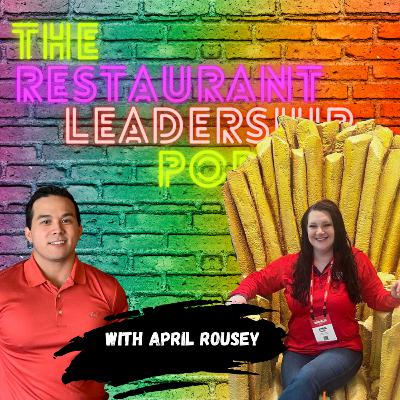
In this 45 minute, value-packed episode I interview April Rousey. April is a General Manager for one of the fastest growing restaurant chains in the US. She has just under a decade of leadership experience and her thoughts on interviews, employee culture, and more give us a peak into the thoughts of a high-performing GM! If you are a restaurant manager, you can learn a ton from this episode.
If YOU would like to be on the show, I would LOVE To have you! Just email me at thailurk@gmail.com!
Thanks ya'll, I hope you each have a great week! Chat soon!
Hi and hello!!!!
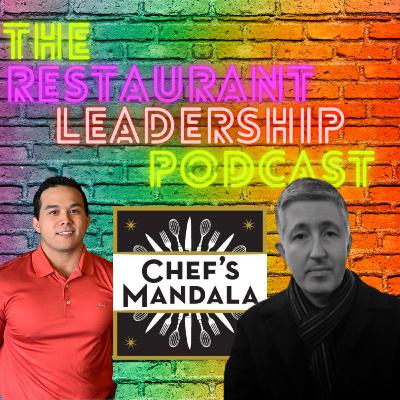
Today I've got a very special episode for you all, I am interviewing Stephen Drezga - Owner, Founder, CEO of Chef's Mandala.
Stephen's got an interesting story, he unloads heaps of quality information and taught me quite a bit in the short 30 minutes I had with him.
We talk about Product Costs, consumer behavior, getting pickled okra through secret service at 2am, and more!
Use the coupon code RLP10 at chefsmandalagourmet.com
In this episode of our podcast, we delve into the topic of restaurant burnout and the challenges it poses for industry professionals. We explore the various factors that contribute to burnout, such as long working hours, high-pressure environments, and the demands of managing a restaurant. Our expert guests share personal experiences and provide valuable insights on strategies to prevent and cope with burnout. From implementing self-care practices to fostering work-life balance, we uncover practical tips and techniques for individuals in the restaurant industry to prioritize their well-being and find renewed motivation in their culinary journey. Tune in to gain a fresh perspective on this prevalent issue and discover the tools to combat burnout in the restaurant world.
Join our community of Evolved Leaders here: https://www.facebook.com/groups/restaurantleadershipevolution
Talk to me on Twitter: @YourHostTK
Email me: thailur@evolvedleadershipcoaching.com
www.TheRestaurantLeadershipPodcast.com
Hi, hey and hello!
I hope you're having a great start to your week! This episode is about 6 strategies to dealing with difficult guests! Enjoy!
Show notes:
Difficult customers can pose quite a challenge for
restaurant staff, but handling them effectively is crucial for maintaining a
positive dining experience. In this blog post, we will discuss practical
strategies for dealing with challenging customers and resolving conflicts
gracefully. By implementing these techniques, restaurant owners and staff can
enhance customer satisfaction and foster a positive environment for all. Let's
dive in!
1.
Stay Calm and Composed
When faced with a difficult customer, it is essential to
remain calm and composed. Take a deep breath, maintain a friendly demeanor, and
listen attentively to their concerns. By staying composed, you can diffuse
tension and help the customer feel heard and valued.
2.
Show Empathy and Active Listening
Demonstrate empathy by acknowledging the customer's concerns
and displaying genuine understanding. Let them know that their satisfaction is
your priority. Practice active listening, which involves fully focusing on the
customer's words, maintaining eye contact, and refraining from interrupting.
This approach promotes effective communication and can help de-escalate the
situation.
3.
Apologize and Offer Solutions
Apologizing sincerely is a crucial step in resolving
conflicts with difficult customers. Accept responsibility, even if the issue
was not directly caused by the restaurant, and acknowledge the customer's
frustration. After apologizing, offer appropriate solutions to address their
concerns, ensuring they align with the restaurant's policies and capabilities.
This proactive approach shows your commitment to resolving the issue and helps
rebuild trust.
4.
Empower Your Staff
Ensure your staff is equipped with the necessary skills to
handle difficult customer interactions. Provide comprehensive training on
conflict resolution techniques, active listening, and empathetic communication.
Empower them to make decisions within their authority to resolve conflicts
promptly. Building a supportive team that collaborates effectively can lead to
better outcomes in challenging situations.
5.
Monitor Feedback and Learn from Each Incident
After resolving conflicts with difficult customers, take
time to reflect on the situation. Monitor customer feedback, both online and
offline, and use it as an opportunity for growth and improvement. Analyze
common issues and if necessary, revise your restaurant's procedures or policies
to prevent similar conflicts from occurring in the future.
6.
Communicate Clearly and Transparently
Clear communication is key to resolving conflict
effectively. Clearly explain the steps you will take to resolve the issue,
providing accurate timelines and potential solutions. Transparency helps manage
customer expectations and fosters trust. Keep the lines of communication open,
ensuring customers feel comfortable expressing their conc erns to you directly.
Conclusion
Dealing with difficult customers is an inevitable part of
running a restaurant. However, by adopting these effective strategies, you can
navigate challenging situations gracefully and ensure a positive experience for
both customers and staff. Remember to stay calm, show empathy, provide
solutions, empower your staff, learn from each incident, and communicate
transparently. By implementing these approaches consistently, you'll create a
welcoming atmosphere that encourages customer loyalty and satisfaction.
Hi, hey, and hello! I hope your week is going well! In this episode we dive into 5 tactics to developing leadership skills for those aspiring to be restaurant managers, and for those tenured managers to get a refresh on a few things! Enjoy!
You can find out show notes in the blog at therestaurantleadershippodcast.com!
Hi and Hello Evolved Leaders! Your host TK here! Today's episode is about the Art of Restaurant Leadership and 5 attributes you need to be an evolved leader!
Join our community of Evolved Leaders here: https://www.facebook.com/groups/restaurantleadershipevolution
Talk to me on Twitter: @YourHostTK
Email me: thailur@evolvedleadershipcoaching.com
https://evolvedleadershipcoaching.com/
Show Notes:
Title: The Art of Restaurant Leadership: Inspiring Excellence and Nurturing Success
Introduction:In the fast-paced and competitive world of the restaurant industry, effective leadership plays a pivotal role in determining the success and longevity of an establishment. Restaurant leadership encompasses a unique set of skills and qualities that go beyond mere management. It requires the ability to inspire, motivate, and guide a diverse team towards a common goal of delivering exceptional dining experiences. Drawing inspiration from classical leadership principles, this essay explores the importance of restaurant leadership, its key attributes, and the impact it has on the overall success of an establishment.
I. Visionary Leadership:
A. A visionary leader in the restaurant industry possesses a clear and compelling vision for the establishment's future.
B. They inspire their team by effectively communicating this vision, instilling a sense of purpose and direction.
C. By setting high standards and goals, visionary leaders motivate their team to strive for excellence, fostering a culture of continuous improvement
II. Effective Communication:
A. Communication is the cornerstone of successful restaurant leadership.
B. Leaders must possess exceptional listening skills to understand the needs and concerns of their team members.
C. By fostering open and transparent communication channels, leaders create an environment where ideas are shared, problems are addressed, and feedback is valued.
III. Empowering and Developing Employees:
A. Great restaurant leaders understand the importance of empowering their employees.
B. They delegate responsibilities, allowing team members to take ownership of their roles and contribute to the overall success of the establishment.
C. Leaders also invest in the development of their employees, providing training opportunities and mentorship to enhance their skills and knowledge.
IV. Leading by Example:
A. Restaurant leaders must lead by example, embodying the values and principles they expect from their team.
B. By demonstrating integrity, professionalism, and a strong work ethic, leaders inspire their employees to follow suit.
C. Leading by example also involves being adaptable and resilient in the face of challenges, showing the team that obstacles can be overcome through perseverance and determination.
V. Building a Positive Organizational Culture:
A. A positive organizational culture is crucial for a thriving restaurant.
B. Leaders create this culture by fostering a supportive and inclusive environment, where teamwork, respect, and collaboration are valued.
C. By recognizing and rewarding exceptional performance, leaders motivate their team members and create a sense of pride and loyalty towards the establishment.
Hi and Hello Evolved Leaders! Your host TK here! Today's episode is all about providing actual tools for success for your team!
Join our community of Evolved Leaders here: https://www.facebook.com/groups/restaurantleadershipevolution
I have TikTok- @yourhostTK
Talk to me on Twitter: @YourHostTK
Email me: thailur@evolvedleadershipcoaching.com
https://evolvedleadershipcoaching.com/
Show notes here:
-
Tools
for Success – Give them
An important part of restaurant leadership is setting your
employees up for success — but what do those tools look like?
Provide effective training- Having an effective training
program will give your new employees the knowledge they need to succeed and
will allow your tenured team members a chance to become Certified Trainers and
further their careers.
Set goals. Encourage your employees to set goals for
themselves and find time to check in with them every so often about those
goals. Having SMART Goals are important! Specific, Measurable, Achievable,
Relevant, and Time-Bound. Set a monthly meeting with the higher performing team
members and the lower performing team members to set goals and help them
accomplish them.
Don't forget to delegate. I get it. It’s easier if I do it
myself. But ultimately that doesn’t help anyone. No one gets the chance to
improve their skills and you end up burning out. Delegating will empower your
team and will help increase their effectiveness.
Actual Tools – Don’t skimp out on equipment repairs. They
are important for perspective and for actual operation. All equipment is there
for a reason. Do not put It off to hit profit lines. Your team not having the
appropriate equipment is baseline unacceptable and yet I see it in restaurant
all the time. Simple things such as non-broken spatulas to jerry-rigged ovens
with no handles. Keeping them unfixed tells your team that you don’t actually
care about them or their job. If you did, you would have proper equipment for
your team at all times. It’s not their fault you can’t manage the budget to
allow for repairs and maintenance. If they are guest experience items such as
booth seats being ripped, it’s even more unacceptable.
Hi and Hello Evolved Leaders! Your host TK here! Today's episode is all about how to portray Above and Beyond in your leadership and how it leaks into your team.
Join our community of Evolved Leaders here:
https://www.facebook.com/groups/restaurantleadershipevolution
Talk to me on Twitter: @YourHostTK
Email me: thailur@evolvedleadershipcoaching.com
https://evolvedleadershipcoaching.com/
Show notes here:
What does
above and beyond look like?
When it comes to leadership, we all hear above and beyond
this, above and beyond that.
No one really explains what that looks like in terms of
leadership. What is the line in the sand between doing too much, and too
little?
-
Doing too much for your crew will lead to
dependance.
-
High performing teams = a self-sustaining
operation.
-
Doing too little will portray lack of care for
the team’s workload.
-
As a manager on duty, imagine that you are an
octopus trying to prevent a submarine from filling with water. You are
consistently using your 8 limbs to ensure all holes in the ship stay plugged. A
great leader can anticipate the tape peeling off the leaking hole before it
even happens.
o
Total store awareness
o
Vision on where bottlenecks will occur before
they happen.
o
Consistently preventing the backups will show
the team that you are dedicated to ensuring their shift goes smoothly.
o
Ex. – preparing for a soda BIB change,
recognizing a cook will create a bottle neck if they have to refill their cold
line, servers will have to spend an extra 5 minutes filling up water pitchers,
ice is running out in the drink station, etc.
o
Delegating – you don’t have to do it yourself.
o
Doing these things yourself consistently day
after day will create a crutch where the team will rely on you for those things
every shift. This is not what you want.
o
Delegating will begin teaching your crew to look
for those things before they happen, just as you invision them.
Why is it important to display above and beyond as a leader?
-
Displaying a&b as a leader will show the
crew that you do care and you aren’t afraid to do a little extra.
-
This attitude and perception will leak onto your
crew.
-
An above and beyond team can only be cultivated
with an above and beyond leader.
-
Caring about a team member’s personal life, or
perception of, will increase the likelihood of that person going A&B for
your business.
What are some other ways to show A & B in my leadership?
-
Having those 5 minutes conversations with the
team member. No official document or evaluation, just showing interest in them
as a person
-
Being consistent with how you show up. Many
leaders are so volatile it causes uneasiness in the ranks. (what mood is X
manager going to be in today?) This doesn’t cultivate an above and beyond
culture.
Hi and Hello Evolved Leaders! Your host TK here! Today's episode contains 5 tips for New General Managers and Leaders coming into the restaurant industry!
Join our community of Evolved Leaders here:
https://www.facebook.com/groups/restaurantleadershipevolution
Talk to me on Twitter: @YourHostTK
Email me: thailur@evolvedleadershipcoaching.com
https://evolvedleadershipcoaching.com/
Show notes here:
5 Tips for a
new General Manager
1.
Approaching a new team
a.
Hold an all-employee meeting to establish the
lines in the sand.
b.
Hold and establish a regular manager meeting
with all managers.
c.
Have a conversation with every team member one
on one.
d.
Understand their past trauma and what they
disliked most about previous management
i.
Think of it as adopting a dog who was beaten by
their previous owner. It takes time and care and establishment of boundaries.
e.
Identify your key operators in an ABC list
i.
What is an ABC list?
2.
Understanding the workload you’re about to face
a.
3-month turnaround period – it can be
demotivating at times but the curve begins to peak at the 3 month spot
b.
You will have to analyze and undo some of the
bad habits prev. management instilled.
c.
You will be communicating constantly. Don’t stay
quiet. Talk, delegate, and establish the norm.
3.
Do an extensive analysis on the current state of
the restaurant – be strategic
a.
Establish what “normal” looks like.
b.
Take note of:
i.
Cleanliness
ii.
Operations
iii.
Profitability
iv.
Staffing and Training
v.
Systems
vi.
Repair and Maintenance
vii.
Current Guest satisfaction
c.
Ensure you have logins to all systems you’ll
need
4.
Build a daily routine.
a.
Routines are the backbone of great operations.
b.
Write down what routine you need to do to be successful.
i.
This can only be done after analysis.
c.
Have 1 week, 2 week, 4 week, and 8 week goals
written and broken down into bite-sized chunks
i.
It can be overwhelming. Taking over a new
restaurant is just like eating an elephant. You have to do it one bite at a
time.
5.
Have Fun
a.
One of the most overlooked tips is to have fun.
Whether you are a new leader, or an existing leader, you chose this profession
for a reason. Find ways to make your day enjoyable.
b.
Have a contest, pot luck, or even maybe a raffle
drawing.
c.
Your team is your new family. Treat them with
care and understanding. If you find yourself not having fun, take a step back,
analyze, and plan to get out of the funk
Hi and Hello Evolved Leaders! Your host TK here! Today's episode is all about Preshifts and why they are so darn important!
Join our community of Evolved Leaders here:
https://www.facebook.com/groups/restaurantleadershipevolution
Talk to me on Twitter: @YourHostTK
Email me: thailur@evolvedleadershipcoaching.com
https://evolvedleadershipcoaching.com/
Show notes here:
Preshifts-
Why they are an integral part to your daily shift
Unexpected things happen in the restaurant every day - call outs, 86’ed items, specials,
equipment breadowns you name it.
Teams that plan ahead can avoid the stress and hair-pulling
kind of chaos that we have all seen.
Having a pre-shift is important for 3 key reasons:
-
Preparation for the day and alignment
-
Directing your crew to a common goal and mindset
-
Setting the tone for the shift
Think of a preshift as a huddle before a big game. The study
time students use to prepare for a big test. The training session athletes do
before competition. Preshifts are in the same ball park. Without that huddle,
study time, or training session, people would be left goal-less and not as
prepared as they could have been.
-
What to include in your pre-shift?
- This varies from day to day but a good guideline to follow
is to ensure your pre-shifts have:
-Praises – choose an MVP from the day prior or give someone
a shout out. This starts the meeting out positively and will help motivate
employees for being recognized. Be specific and sincere.
- Review any previous goals from the day prior
- Business updates – 86’ed items, any specials, any
equipment down, big events in the community, owner visits, weather, anticipated
Guest flow etc.
- 1-2 goals. Don’t give your team an expansive 5 goal
checklist. Chose the most important ones you have to accomplish today. These
should be geared around sales driving, team work, and Guest satisfaction.
-
Preparation is key to a pre-shift. Be sure you
have a few bullet points ready to discuss which will help you keep on track and
not forget any important updates.
-
Delegate the preshift- Delegating to a high
performing Team member will help with their development and establishment as a
leader in your restaurant. I’ve seen great return on delegating this to a hipo.
-
Be sure to give your notes and bullet points to
the team member so they have talking points. Being unprepared and unexperienced
in pre-shifts will lead to feelings of being overwhelmed and will negate any
future decisions to do preshifts from that team member.
Lastly – keep them consistent and to the point. Keep them
less than 5 minutes in length.
Post shifts – Why are they important? – Recap the day,
celebrate same-day wins, and solidifying the goals and expectations – more of a
likelihood it becomes a long-term memory.
Hi and Hello!
Your host TK here! Today's episode is 5 Signs of an Effective Restaurant Leader!
Join our Facebook Group: https://www.facebook.com/groups/restaurantleadershipevolution
Talk to me on Twitter: @YourHostTK
Email me: thailur@evolvedleadershipcoaching.com
https://evolvedleadershipcoaching.com/
Show notes here:
5 Attributes for Effective Restaurant Leadership
Here are 5 attributes effective restaurant managers practice to lead their team successfully
1- Communicate regularly with your team and customers
o. Communication is the main problem with conflicts in the workplace.
p. When a GM or Leader doesn’t communicate, the whole restaurant fails.
q. They are the dam for information from top down.
r. Communicate with Guests to learn true feedback on your operations and to get to know your community.
2- Understand the Importance of Teamwork
a. You can’t win alone -it takes a village
b. You can’t run all positions efficiently
3- Lead by example
a. Be the ideal employee. Wash your hands when needed for 20 seconds, show up dressed and ready to go and on time, Always smile and bring positivity.
b. How you react to situations is also a form of leading by example.
i. To guest incidents and complaints
ii. To Employee drama
iii. To operations
iv. To changes in the systems
v. Mishaps that come about – broken equipment, late truck orders, health inspector
4- Planning
a. An amazing Leader is always thinking 3 months ahead.
b. A good leader is thinking 1 month ahead.
c. An Assistant may think 1 week ahead
d. A key holder/shift manager thinks 1 day ahead
e. An employee thinks 1 shift ahead.
f. Being a good planner will alleviate most of the stress as it takes away the need to use some of your finite will power energy source. It is finite.
g. Planning is more than just using a calendar.
i. You need to forecast events in your community and how they will affect your business
ii. Employee changes
1. Seasonal?
2. Graduates
3. Promotions
iii. You’ll look like a rock star to your bosses
iv. Always leave room for flexibility. Life happens
5- Establish and Represent the Culture
a. The culture is the soul
b. Set hard lines in the sand on items you wont budge on:
i. Attendance and uniforms
ii. Disrespect
iii. 3rd chances
iv. Harassment of any sort
v. Creating a hostile work environment
c. Be the standard.
d. IT takes about 6-12 months to establish a new culture that is self-sustaining – aka will need minimal input from you the leader but will still require some. IF you wish to continue being a culture leader, there is no harm in continuing pounding this door until you become the best culture and employer of choice in your area.
Hi and Hello!
Your host TK here! Today's episode comes from a listener, they asked "What do you look for as signs of growth or leadership potential in your team?"
Join our Facebook Group: https://www.facebook.com/groups/restaurantleadershipevolution
Talk to me on Twitter: @YourHostTK
Email me: thailur@evolvedleadershipcoaching.com
https://evolvedleadershipcoaching.com/
Show notes here:
What do you look for as signs of growth or leadership
potential?
a. Patience
b. Commitment to their
team
c. Integrity
d. Positive outlook.
e. High Standards
f.
We are in the people business
1- attitude trumps skill every time.
2- Someone who shows they are a leader in their current position
already 3– takes the initiative to better the restaurant and/or guest
experience, eager to learn and be challenged, enjoys working with others and
training, enjoys coming to work…passion for what they do.
4- Someone who actively grows each and every day – They approach
you to ask about promotion opportunities and solicit feedback.
5- They help others without being asked
6- They are dependable and reliable
7- They never say no to a challenge
8- They aren’t afraid to fail and correct their mistake and move
on.
Providing small steps toward leadership
allows us to see them in that role on a smaller scale. Becoming a Trainer,
then a Supervisor, then a Manager In Training provides a path to
master new skills while demonstrating your leadership potential – Having that
Crewmember life cycle
Hi yall!
Hope you're all having a great week! This week's episode is about emotional intelligence in specific, two situations and how having emotional intelligence and control helped turn both situations positive.
Join our Facebook group here: https://www.facebook.com/groups/restaurantleadershipevolution/?ref=share
Talk to me on Twitter here: https://twitter.com/YourHostTK?t=FN5Q1eJF7ivYOBNcvoPCdw&s=09
Email me at thailurk@gmail.com!
Hi all. Ive had this topic on my chest for some time now. My hope is that you leave this episode with a different outlook on your employees.
Hi! This episode is about soft skills and 10 questions you can ask to draw out the soft skill information you're looking for. Too often I see managers asking the same cliche interview questions about hard skills. How long were you a server? Did you enjoy it? The list goes on. Asking these questions will only garner the answers they know you're looking for. Don't ask yes or no questions. Turn the interview into a conversation. Find out who people are, not what they've done.
I'm reading off of this article on indeed found here:https://www.indeed.com/career-advice/interviewing/soft-skills-interview-questions
Please give me a follow and rating. It would mean the world to me.
You can also reach me here at thailurk@gmail.com
Hi and happy Wednesday! What is your passion? Why do you get up in the morning? I explain my passion in this episode and I hope you get something from this!
If you'd like to be on my podcast send me an email at thailurk@gmail.com!
Hi! I know I've been gone for a few months. I've taken time to reflect on the path we'd like this podcast to take and to realign our personal lives to make podcasting about restaurant leadership a normal and consistent part of our day to day.
I love you all, thank you for the support and kind words I've heard. We've got some learning to do this Quarter. Are you ready to be an evolved restaurant manager?
In this episode we discuss how having a positive attitude can help increase your own personal development, your team's development, and your restaurant's bottom line.

Comments

Download from Google Play

Download from App Store
 United States