


 Claim Ownership
The Chemical Show: Leadership Conversations on Strategy, Supply Chain, Innovation, Talent and Trends
Subscribed: 40Played: 1,040
Subscribe

© Copyright 2021-2026 The Chemical Show LLC | All Rights Reserved | www.progressioglobal.com
Description
Looking to lead, grow, and stay ahead in the global chemical industry?
The Chemical Show is the #1 business podcast for the chemical industry, bringing you leadership insights, business strategies, industry trends, and real-world lessons from the executives shaping the business of chemicals.
Each week, host Victoria King Meyer sits down with leaders from across the chemical industry, from Fortune 50 companies to mid-sized businesses and innovative startups. You’ll hear how they’re navigating today’s challenges and opportunities, the experiences that shaped their leadership, and the insights you can apply to your own business and career.
Conversations explore the issues that matter to chemical industry leaders, including:
• Business strategy and growth
• Leadership and talent
• Innovation and technology
• AI and digital transformation
• Supply chain and operational resilience
• Markets, customers, and industry trends
Victoria brings more than 25 years of chemical industry experience from companies including Shell, LyondellBasell, and Clariant. Today, she is an executive advisor and coach, founder of The Chemical Summit, and host of The Chemical Show.
Whether you’re an executive, business leader, or rising leader in chemicals and materials, The Chemical Show helps you stay informed, think differently, and lead with greater impact.
Follow The Chemical Show on LinkedIn and join the conversation. (https://www.linkedin.com/company/the-chemical-show/)
The Chemical Show: https://www.thechemicalshow.com
The Chemical Summit: https://www.thechemicalsummit.com
Progressio Global: https://www.progressioglobal.com
The Chemical Show is the #1 business podcast for the chemical industry, bringing you leadership insights, business strategies, industry trends, and real-world lessons from the executives shaping the business of chemicals.
Each week, host Victoria King Meyer sits down with leaders from across the chemical industry, from Fortune 50 companies to mid-sized businesses and innovative startups. You’ll hear how they’re navigating today’s challenges and opportunities, the experiences that shaped their leadership, and the insights you can apply to your own business and career.
Conversations explore the issues that matter to chemical industry leaders, including:
• Business strategy and growth
• Leadership and talent
• Innovation and technology
• AI and digital transformation
• Supply chain and operational resilience
• Markets, customers, and industry trends
Victoria brings more than 25 years of chemical industry experience from companies including Shell, LyondellBasell, and Clariant. Today, she is an executive advisor and coach, founder of The Chemical Summit, and host of The Chemical Show.
Whether you’re an executive, business leader, or rising leader in chemicals and materials, The Chemical Show helps you stay informed, think differently, and lead with greater impact.
Follow The Chemical Show on LinkedIn and join the conversation. (https://www.linkedin.com/company/the-chemical-show/)
The Chemical Show: https://www.thechemicalshow.com
The Chemical Summit: https://www.thechemicalsummit.com
Progressio Global: https://www.progressioglobal.com
282 Episodes
Reverse
New executive orders and tougher enforcement are raising the stakes for trade compliance in the chemical industry. Victoria Meyer sits down with Noushin Shamsili, CEO of NUCO Logistics, to clarify what leaders need to know about customs, importer responsibilities, and real-time compliance demands. They outline how assigning ownership of trade compliance, strengthening internal processes, and leveraging systems like CAPE for tariff refunds can protect your business. This episode highlights the true risks of non-compliance and offers practical guidance for leaders navigating the shifting landscape of global supply chains. Victoria and Noushin discuss: How NUCO Logistics pioneered chemical-specific freight forwarding and customs brokerage. The difference between customs clearance and full-spectrum trade compliance. Understanding the new Executive Order 14411: stricter requirements, physical presence, and increased accountability for importers of record. Why compliance is a company-wide responsibility spanning purchasing, logistics, regulatory, finance, and executive leadership. The essentials every chemical importer must address: HTS codes, country of origin, valuation, recordkeeping, and post-entry audits. Tariffs and what’s changed, how to ensure you recover eligible duties, and common pitfalls. Practical steps to strengthen compliance culture and safeguard your license to operate. Killer Quote: “Importing into the country is not a right, it is a privilege that has been given to every importer.” — Noushin Shamsili More Links: Episode 248 - What’s Ahead for Marine Logistics in 2026 with Noushin Shamsili of NUCO Logistics Episode 64 - Innovative Logistic Solutions With Noushin Shamsili Of NUCO Logistics Episode 12 - How NUCO Logistics Pivoted During The Pandemic With Noushin Shamsili
Industry headlines are driving strategic shifts in the chemical sector, and Victoria Meyer gives her candid perspective on what these major moves really mean for industry leaders and decision makers. This episode puts a spotlight on recent deals and boardroom decisions involving Shell, Olin, Huntsman, Solstice Advanced Materials, and H.B. Fuller. From Shell’s planned chemical asset sale to the Olin-Huntsman merger of equals, Victoria unpacks key questions: Is this a broader trend or company-specific? How does M&A activity impact value chains, partner relationships, and competitive dynamics? What does it signal about the future shape of the chemical industry? Victoria discusses: Shell’s $8B US chemical asset sale and why Exxon, LyondellBasell, and investors are circling. H.B. Fuller’s board rejecting a proposal from activist investor Ancora and why value creation looks different from the inside versus the outside. Why Solstice and Element Solutions called off a $14.5B merger, insight into what “better alone than together” means in practice. The Olin and Huntsman “merger of equals” and what’s behind their conviction that the whole is greater than the sum of the parts. Broader market trends: Portfolio reshaping, supply chain considerations in deal-making, and what leaders must do to position their companies for future advantage. Killer Quote: “The whole point of reshaping advantage is that it’s not about fixing your business for today… it’s really looking ahead—for the future, 5 years, 10 years, 20 years out.” – Victoria Meyer Article Links: Solstice, Element terminate $14.5 billion merger deal after shareholder feedback H.B. Fuller Board Unanimously Rejects Unsolicited Proposal from Ancora Shell draws Exxon interest in $8bn US chemical assets sale OLIN and HUNTSMAN Shareholders Approve Transformative Merger of Equals
Chief Economist Martha Moore of the American Chemistry Council joins Victoria Meyer to unpack the latest economic realities and policy challenges shaping the chemical industry. Martha shares insight from ACC’s member surveys, discusses key drivers behind current market trends, and covers what’s keeping executives awake at night—from rising raw material costs to global trade uncertainty. This episode also covers the strategic importance of US manufacturing, the impact of legislation like TSCA, and how the industry is positioning for growth and innovation amid a shifting global landscape. Martha offers data-driven perspectives relevant to leaders needing to navigate volatility, build resilience, and influence both policy and boardrooms. Victoria and Martha discuss the following: Martha’s path from a STEM-focused upbringing to Chief Economist at ACC. The three pillars driving chemical demand: consumer spending, business investment, and exports. The sharp rise in raw materials and logistics costs for chemical manufacturers. What ACC’s members and sentiment surveys reveal about today’s top business challenges. The effect of international trade policy, tariffs, and China’s rising influence on the industry. Why innovation and reshoring US manufacturing are vital for future growth. Leadership lessons for executives: focus on agility, long-term strategy, and building resilience. Killer Quote: “Chemistry is foundational to our economy, and being able to communicate that message is one of the top things we do. I try to help people make the connection between chemistry and the experiences they’re having in their everyday lives.” —Martha Moore Other Links: The Chemical Summit
This episode of The Chemical Show features Farid Tahvildari, Managing Director of NUCO Logistics. Returning to the podcast, Farid provides a straightforward analysis of the ongoing Strait of Hormuz and Red Sea crises and their far-reaching impacts on global shipping, freight costs, and chemical supply chains. He explains how even those not directly trading through these regions are affected by disruptions in marine traffic, rising insurance costs, and energy price volatility. Victoria and Farid examine how the industry has adapted to persistent instability, from the emergence of new shipping routes around Africa due to Suez Canal constraints to the critical importance of redundancy in logistics planning. Farid provides practical advice for shippers, highlighting that planning, communication, and strong provider relationships are now the cornerstones of resilient supply chains. Key topics discussed in this episode: Strait of Hormuz Crisis: Why it matters for global shipping, chemicals, and energy—even for companies outside the Gulf region Red Sea Disruptions: The Houthis’ impact on marine logistics, workarounds, and why confidence in shipping lanes is as vital as their physical openness Adaptation in Action: How chemical and logistics companies have shifted to new routes, added shipping capacity, and developed operational flexibility Inventory Management: Avoiding the pitfalls of single-lane dependence and leveraging lessons learned from the COVID container crisis Small & Midsize Company Strategies: How those with less leverage can increase resilience Early Warning Signs: Key indicators—including port omissions, insurance premiums, and carrier announcements—that signal rising risk Long-Term Outlook: Why the industry is preparing for ongoing uncertainty and building a new normal rooted in flexibility Killer Quote: "At the end of the day, by knowing where the exposures are, you can plan...work closely with your provider, whoever they are. That’s the key." —Farid Tahvildari Other Links: Strait of Hormuz Crisis: How Oil and Chemicals Are Affected Worldwide with Farid Tahvildari (Episode 257) Red Sea Shipping Issues and Resolutions with Farid Tahvildari of NUCO Logistics (Episode 152)
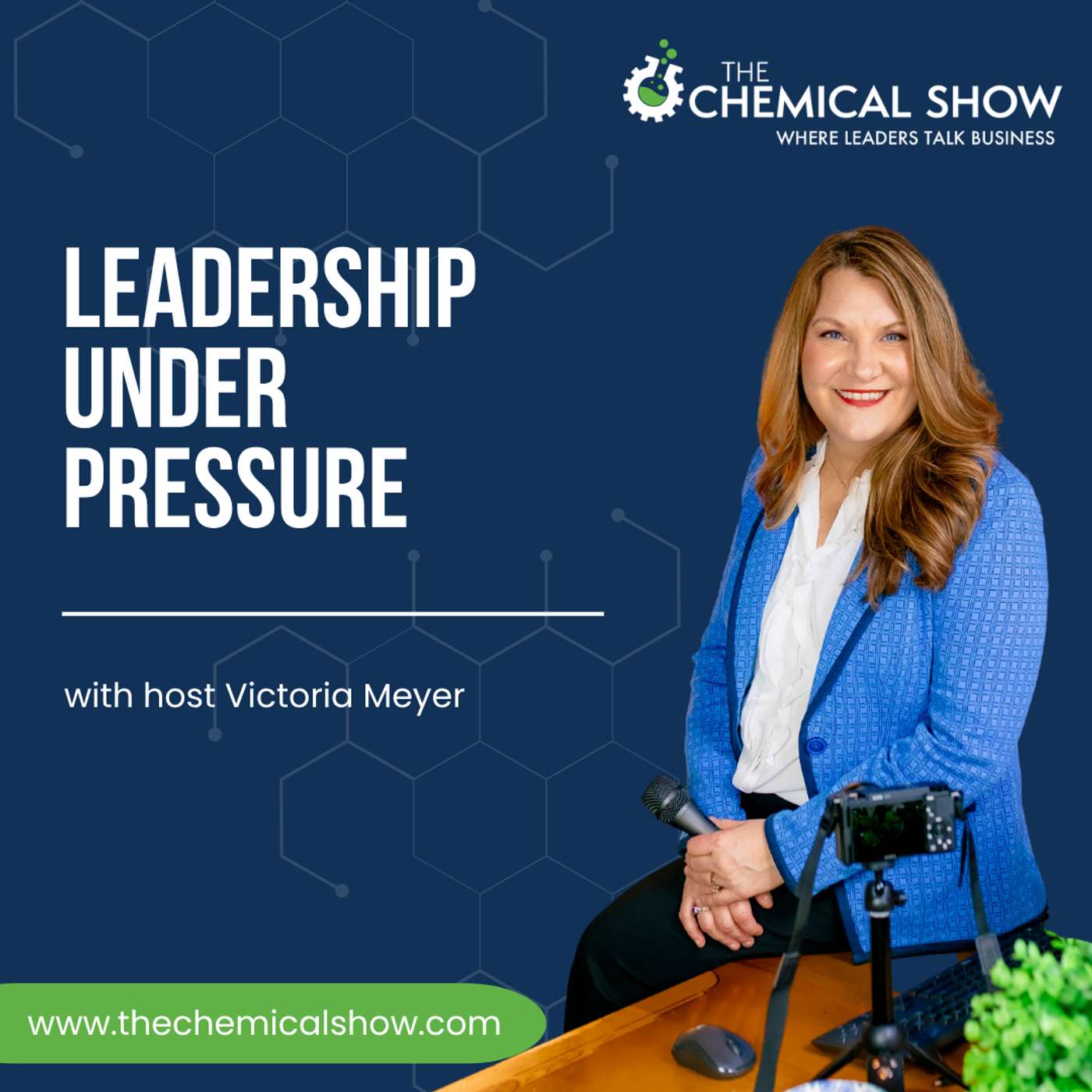
Facing increasing demands, complex organizational shifts, and economic uncertainty, many leaders in the chemical industry are under more pressure than ever. In this episode of The Chemical Show, Victoria Meyer explores emerging patterns in executive and senior leadership she's noticed from her conversations with industry leaders, coaching, and real-world experience. Victoria explains the three key patterns she’s seeing in organizations today and shares a “leadership operating reset” framework with three practical pillars to relieve stress and refocus on what matters. You’ll hear how to shift from doing it all to enabling others, set clear boundaries, empower up-and-coming leaders, and reclaim time for strategic priorities—both for yourself and for your team. Join us this week to learn about: New Organizational Realities: Why simplification often just means increased workload for proven leaders Leadership Bottlenecks: The risk of becoming the go-to resolver and how it stifles organizational development Dealing with Pressure: Balancing stakeholder demands at work and at home, and the importance of clear boundaries Activity vs. Value: Recognizing when too much busyness is displacing your crucial leadership work Leadership Operating Reset: Three pillars for relief—control the flow of demands, clarify decision processes, and align operating rhythms Delegation and Decision Rights: How enabling others to act boosts effectiveness and relieves pressure Killer Quote: “You’re making the greatest impact when you’re working at your highest value—setting direction, building relationships, and enabling others—not just solving every problem that finds its way to you.” -Victoria Meyer Other links: Talent Shifts Reshaping the Chemical Industry with Geoff Smith of Mercer (Ep. 274) The Chemical Summit 40 Under 40 in Chemicals

Comments

Download from Google Play

Download from App Store
 United States