


 Claim Ownership
That's So Hindu
Subscribed: 103Played: 2,011
Subscribe

© Hindu American Foundation
Description
The podcast that interviews entrepreneurs and activists, politicians and professors, journalists, entertainers, spiritual teachers, and more on how Hinduism shapes their work and lives. All American. So Hindu. Brought to you by the Hindu American Foundation.
Hosted on Acast. See acast.com/privacy for more information.
174 Episodes
Reverse
In this episode of That’s So Hindu, Mat McDermott talks with Sachin Nandha about his biography of Keshev Balaram Hedgewar, the founder of the Rashtriya Swayamsevak Sangh. They explore Hedgewar's life, critiques of Indian society, and the concept of Hindutva. Nandha emphasizes the importance of understanding Hedgewar's legacy in the context of modern India, highlighting issues of caste, class, and women's rights. The discussion also touches on the historical roots of Hindutva and its implications for contemporary society. They also discuss the complex ideologies surrounding Hindutva, particularly focusing on the distinctions between Savarkar's and Hedgewar's interpretations. They delve into the influences of Western political thought on these figures, the misconceptions surrounding fascism, and the diverse nature of the RSS as an organization. The discussion also highlights the historical context in which the RSS was formed, emphasizing the importance of understanding Deshbhakti as a cultural and spiritual connection to the soil rather than a mere political nationalism. Nandha contrasts the approaches of Gandhi and Hedgewar towards violence and integration, highlighting the relevance of Hedgewar's ideas in today's multi-ethnic societies. The discussion also touches on the modern parallels to historical tropes surrounding the RSS and the importance of fostering a sense of belonging in diverse communities.Chapters00:00 Introduction to RSS and Its Controversies01:13 Sachin Nandha's Journey to Writing the Biography06:03 Understanding Keshev Balaram Hedgewar12:42 Hedgewar's Critique of Indian Society19:27 Hedgewar's Criticism of Women and Caste26:39 The Concept of Hindutva and Its Origins32:56 Influences of Western Political Thought35:13 Defining Fascism and Its Misconceptions39:09 Hedgewar: A Progressive Conservative43:45 The RSS: A Broad Church of Ideologies49:14 Origins of the RSS and Its Context54:12 Deshbhakti vs. Patriotism: A Cultural Perspective59:01 Cultural Nationalism and Community Building62:46 The Role of the RSS in Society65:01 Historical Context of the RSS70:18 The RSS and Law and Order72:06 Modern Parallels and Historical Tropes76:50 Gandhi vs. Hedgewar: Different Approaches to Violence83:57 Relevance of Hedgewar's Ideas TodayLearn more Hedgewar: The Definitive Biography ### KeywordsRSS, Hedgewar, Indian society, nationalism, Hindutva, cultural identity, political theory, Sachin Nandha, biography, social issues Hindutva, RSS, Savarkar, Hedgewar, Fascism, Nationalism, Deshbhakti, Political Philosophy, Indian History, Western Influence Cultural Nationalism, RSS, Community Building, Social Capital, Historical Context, Law and Order, Gandhi, Hedgewar, Modern Parallels, Multi-Ethnic SocietyFollow and support Hindu American Foundation WEB www.hinduamerican.org DONATE www.hinduamerican.org/donate Find Hindu American Foundation on social media INSTAGRAM https://www.instagram.com/hinduamerican/X https://x.com/hinduamericanAbout Hindu American FoundationEstablished in 2003, the Hindu American Foundation is the largest and oldest education and advocacy organization and the preeminent voice for Hindu Americans. HAF advances the understanding of Hindu Dharma traditions to secure the rights and dignity of Hindu Americans now and for generations to come. HAF is politically agnostic and non-partisan, meaning we’re informed, but do not favor and cannot endorse any one political party or any candidates. We will work with all individuals and institutions who embrace integrity and reason and are constructively engaged in promoting dignity, freedom, equality and justice. HAF is not affiliated with any religious or political organizations or entities. Hosted on Acast. See acast.com/privacy for more information.
In this episode of That’s So Hindu, Mat McDermott and John Morehead discuss the problematic issues of talking about religion-based ‘phobia’ framing. They talk about the importance of understanding fears and building trust in interfaith dialogues, while also addressing the challenges of criticism and bigotry. The discussion touches on the implications of Christian nationalism and the need for self-reflection within religious communities. Chapters 00:00 Introduction to Religious Diplomacy 02:23 The Complexity of Phobia Terminology 06:41 Understanding Fear and Trust in Interfaith Dialogue 10:09 Navigating Criticism and Bigotry 13:42 Building Trust Across Divides 18:06 The Challenge of Exclusivism in Religion 23:48 Christian Nationalism and Its Implications 25:39 Rethinking Terminology in Religious Discourse Learn more https://johnmorehead2.substack.com/p/beyond-phobia Follow and support Hindu American Foundation WEB www.hinduamerican.org DONATE www.hinduamerican.org/donate Find Hindu American Foundation on social media INSTAGRAM https://www.instagram.com/hinduamerican/ X https://x.com/hinduamerican About Hindu American Foundation Established in 2003, the Hindu American Foundation is the largest and oldest education and advocacy organization and the preeminent voice for Hindu Americans. HAF advances the understanding of Hindu Dharma traditions to secure the rights and dignity of Hindu Americans now and for generations to come. HAF is politically agnostic and non-partisan, meaning we’re informed, but do not favor and cannot endorse any one political party or any candidates. We will work with all individuals and institutions who embrace integrity and reason and are constructively engaged in promoting dignity, freedom, equality and justice. HAF is not affiliated with any religious or political organizations or entities. Hosted on Acast. See acast.com/privacy for more information.
supernatural beings in Hindu culture. The discussion delves into the differences between Western and Hindu perspectives on these entities, including the concepts of reincarnation and the nature of demons. The conversation highlights the beliefs and stories that shape the understanding of the supernatural in Hindu traditions, providing insights into how these beliefs manifest in cultural practices and folklore. They delve into beings that embody characteristics of both vampires and zombies, and discuss the nature of possession in Hinduism. 00:00 Halloween and Its Origins01:57 Hindu Perspectives on Ghosts and Spirits06:19 Understanding Ghosts in Hindu Tradition11:20 Reincarnation and the Journey of Spirits14:25 Demons in Hinduism: A Different Perspective19:30 Taxonomy of Supernatural Beings in Hindu Lore23:31 Exploring Indian Ghost Stories25:02 The Indian Vampire-Zombie Hybrid29:02 Possession and the Supernatural in Hinduism33:05 Zoroastrianism and Duality in Spirituality37:09 Hindu Festivals and the Spirit WorldFollow and support Hindu American Foundation WEB www.hinduamerican.org DONATE www.hinduamerican.org/donate Find Hindu American Foundation on social media INSTAGRAM https://www.instagram.com/hinduamerican/X https://x.com/hinduamericanAbout Hindu American FoundationEstablished in 2003, the Hindu American Foundation is the largest and oldest education and advocacy organization and the preeminent voice for Hindu Americans. HAF advances the understanding of Hindu Dharma traditions to secure the rights and dignity of Hindu Americans now and for generations to come. HAF is politically agnostic and non-partisan, meaning we’re informed, but do not favor and cannot endorse any one political party or any candidates. We will work with all individuals and institutions who embrace integrity and reason and are constructively engaged in promoting dignity, freedom, equality and justice. HAF is not affiliated with any religious or political organizations or entities. Hosted on Acast. See acast.com/privacy for more information.
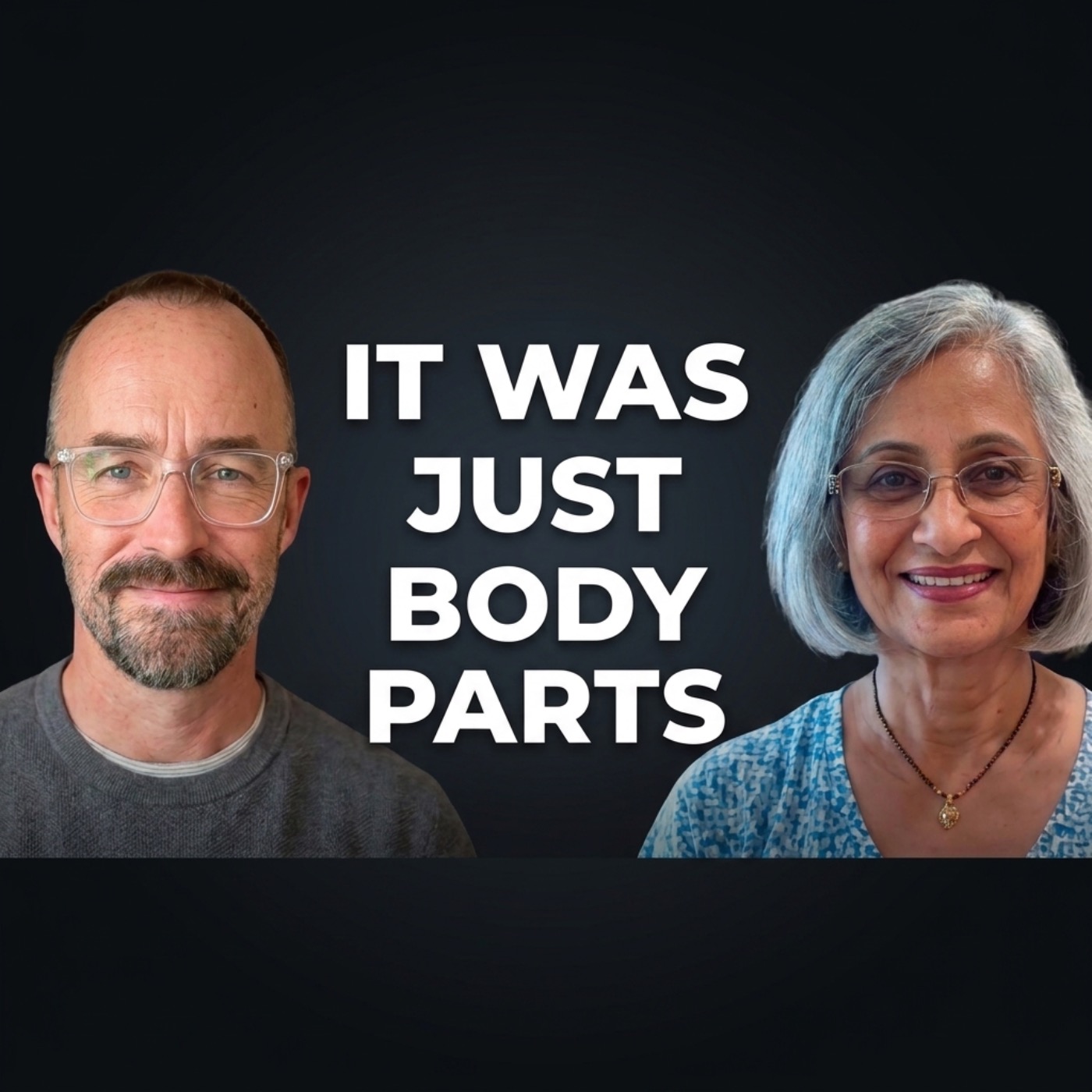
In this episode of That’s So Hindu, Mat McDermott speaks with Ranjna Sharma, whose family members in Ireland assisted victims’ families in the aftermath of the bombing of Air India flight 182, in 1985. She shares her family's connection to the aftermath in Ireland, reflections on the impact of terrorism, and insights on the ongoing repercussions within diaspora communities. This conversation highlights the importance of remembrance, reconciliation, and understanding the roots of violence in the Khalistan movement. Hosted on Acast. See acast.com/privacy for more information.

In this episode of That's So Hindu, Sheetal Shah talks with Dr. Reetu Rudra about the principles of Ayurveda, a holistic system of health that emphasizes the balance of body and mind through understanding one's dosha. The conversation explores the significance of food, digestion, and the importance of proper food combinations in maintaining health. Dr. Rudra explains the three doshas—Vata, Pitta, and Kapha—and how they influence individual health. The episode also addresses common misconceptions about food, including the role of protein powders and the nutritional value of lentils, providing insights into how Ayurveda can guide dietary choices for better health. They also explore the principles of Ayurveda, focusing on the importance of spices in digestion, the individual nature of dietary needs, and the benefits of fresh foods over frozen options. They discuss the significance of ghee in Ayurvedic practices, the perspective on non-vegetarian food, and the practice of soaking foods for better digestion. The dialogue emphasizes understanding one's body and its unique requirements for optimal health.Learn more: https://zenvedany.com/TakeawaysAyurveda is about living a balanced life.Understanding your dosha is crucial for health.Food quality and combinations matter in Ayurveda.Digestion is the foundation of health.Each person has unique dietary needs based on their dosha.Food that is good for one may not be good for another.Ayurveda emphasizes prevention over treatment.Cold foods can suppress digestive fire.Protein powders can be beneficial if digestible.Lentils can be a wholesome protein source when paired correctly. Spices play a crucial role in making food digestible.It's essential to consider how food is prepared, not just what is eaten.Individual digestive needs vary; there is no one-size-fits-all approach.Fresh foods are preferred over frozen for better health.Ghee is valued in Ayurveda for its health benefits and lubrication properties.Ayurveda recognizes both vegetarian and non-vegetarian diets based on individual needs.Soaking foods can aid in digestion and reduce the burden on the gut.Preparation methods can enhance the nutritional value of leftovers.Understanding one's body type is key to following Ayurvedic principles.Half-prepping meals can help busy individuals maintain a healthy diet.Chapters00:00 Introduction to Ayurveda and Dr. Ritu Rudra02:14 Understanding Ayurveda: A Holistic Approach to Health05:53 The Three Doshas: Vata, Pitta, and Kapha Explained09:22 Ayurvedic Perspective on Food and Digestion15:01 Food Combinations: The Ayurvedic Approach20:11 The Impact of Food Combinations on Health23:52 Protein Powders and Ayurvedic Nutrition26:45 Lentils: A Wholesome Source of Protein27:14 The Role of Spices in Digestion32:10 Understanding Individual Digestive Needs35:17 Navigating Fresh vs. Frozen Foods41:21 The Benefits of Ghee in Ayurveda45:20 Ayurveda's Perspective on Non-Vegetarian Food46:59 The Importance of Soaking Foods Hosted on Acast. See acast.com/privacy for more information.

Comments

Download from Google Play

Download from App Store
 United States