DiscoverTea Biz
Tea Biz

Tea Biz

Author: Dan Bolton

Subscribed: 18Played: 720
Share

Description

The Voice of Tea Lands | Tea Journey Magazine, founded in 2015, and the Tea Biz Blog | Podcast are favorites of tea enthusiasts and professionals worldwide. Content is authentic, timely, and exclusive, a collaborative effort that enlists 40 voices skilled in 12 languages to tell the story of tea.

Coverage spans tea discovery and preparation to tea tourism, lifestyles, health and wellness, meditation, culinary tea with recipes, and terroir. Our business coverage offers insights for commercial producers supported by rich market data and scientifically backed research. Transparency is rooted in authentic storytelling, featuring nuanced articles about the places and people who passionately live a life in tea.

As a niche publication, Tea Journey relies on reader contributions for most of its income. Please consider donating to support the writers and staff who bring you our unique tea content from around the globe. We appreciate your support.

In 2025, we teamed up with our good friends at OverSubscribe, a platform that lets our fans make real financial investments in our future. By contributing as little as $25 to Tea Journey, you’re not just supporting our publication—you’re joining a lively global community and earning a return on your investment. | https://teajourney.oversub.me/

442 Episodes
Reverse
Week 5 tea markets closed on a steady-to-selective note as buyers continued to prioritize prompt coverage rather than extending forward positions. Overall, price discovery remained firmly quality-led, underscoring that invoice-level differentiation—not headline averages—continues to define current market outcomes. | In Colombo (Sri Lanka) | Demand was fair to good for featured leaf grades, with selective bidding for secondary descriptions. Exporter offerings remained disciplined, reinforcing quality-led clearance across high- and mid-grown catalogues.Prices averaged USD 3.15/kg (Week 5) | DOWN FROM USD 3.17/kg (Week 4).In Kolkata / North India | Buying activity remained largely functional and contract-driven, with limited speculative participation. Assam CTC liquidity grades continued to anchor price discovery, while plainer teas saw softer realizations.Prices averaged USD 2.02/kg (Week 5) | DOWN FROM USD 2.06/kg (Week 4).In Mombasa (East Africa) | Buyer participation remained broad, with competition intensifying for quality invoices. Large volumes cleared with wide intra-sale dispersion, reflecting selective bidding rather than generalized strength.Prices averaged USD 2.21/kg (Week 5) | UP FROM USD 2.17/kg (Week 4)Indonesia | Auction activity remained secondary to direct sales, with selective interest in specialty and improvement lots. Pricing reflected cautious, contract-led demand rather than spot-driven buying behavior.Prices averaged USD 1.18/kg (Week 5) | DOWN FROM USD 1.24/kg (Week 4). | Podlink signup: https://pod.link/1549975153Support this podcast at — https://redcircle.com/tea-biz/donationsAdvertising Inquiries: https://redcircle.com/brandsPrivacy & Opt-Out: https://redcircle.com/privacy
In this SPOTLIGHT conversation, Fraser Kennedy shares the story behind Chalu, a Yunnan-based tea brand built on a simple yet demanding principle: let the tea speak.From cold-brewing single-origin teas to layering structure with local Yunnan oak, natural carbonation, and minimal intervention, Kennedy explains how Chalu was designed not as a flavored beverage but as a tea-forward alternative to wine—crafted for restaurants navigating the global shift toward low- and no-alcohol menus.Grounded in Yunnan’s geography, history, and the ancient Tea Road itself, this discussion connects innovation with restraint, showing how respect for origin, process, and flavor can create a new drinking occasion—without compromising what makes tea, tea. | BIO | Originally trained as a brewer, Fraser Kennedy brings a deep understanding of fermentation, structure, and mouthfeel to tea—applying brewing discipline to preserve, rather than mask, tea’s natural character. After relocating to Yunnan in the early 2010s, he immersed himself in the region’s tea landscapes and traditions, developing a mission to share Yunnan’s flavor with the world. Chalu—named for the ancient Tea Road—cold-brews single-origin teas sourced directly from producers, finishing them with minimal, locally rooted elements to create a structured,wine-adjacent tea experience suitable for Michelin-level tables. Kennedy’s work sits at the intersection of tea tradition and contemporary beverage innovation, reflecting a broader shift toward authenticity, provenance, and tea-first thinking in global RTD and hospitality markets. | Podlink signup: https://pod.link/1549975153Support this podcast at — https://redcircle.com/tea-biz/donationsAdvertising Inquiries: https://redcircle.com/brandsPrivacy & Opt-Out: https://redcircle.com/privacy
India–EU Trade Deal: Opportunity and Compliance Test for Tea | Container Reliability, Not Price, Is Now Tea’s Real Risk | Sustainability Shifts from Branding to Market Access in Tea | Podlink signup: https://pod.link/1549975153Support this podcast at — https://redcircle.com/tea-biz/donationsAdvertising Inquiries: https://redcircle.com/brandsPrivacy & Opt-Out: https://redcircle.com/privacy
India–EU Trade Deal: Opportunity and Compliance Test for Tea | Container Reliability, Not Price, Is Now Tea’s Real Risk | Sustainability Shifts from Branding to Market Access in TeaNEWSMAKER – Fraser Kennedy, Founder of Chalu Sparkling TeaPLUS | Real Tea, Real Craft: Why Tea Is Ready for the Modern Table |This week on the Tea Biz Podcast, we’re joined by Fraser Kennedy, founder of Chalu, from Yunnan, China. Chalu is a producer redefining what “real tea” can look like in the fast-growing non-alcoholic and restaurant beverage space.As RTD tea expands globally—often diluted by flavorings, powders, and shortcuts—Chalu takes a different path: starting with single-origin Yunnan tea, cold-brewed to preserve aroma and structure, then finished with the restraint and precision more often associated with fine wine.In this conversation, we explore why tea—not botanicals, not sugar, not branding tricks—is emerging as the most credible base for premium non-alcoholic beverages, and why authenticity, provenance, and process matter more than ever as tea enters Michelin-level dining rooms and global distribution. | Podlink signup: https://pod.link/1549975153Support this podcast at — https://redcircle.com/tea-biz/donationsAdvertising Inquiries: https://redcircle.com/brandsPrivacy & Opt-Out: https://redcircle.com/privacy
Tea markets closed the third trading week of 2026 on a steady-to-firm note as buyers prioritized near-term coverage against structurally constrained supply. Auction price discovery remained quality-led across major origins, with Colombo supported by exporter demand for high-grown teas, Assam liquidity grades set the direction in North India, and Mombasa prices held within narrow bands despite buyer selectivity. Exporter resistance remained evident as currency and input costs reinforced price floors. | Podlink signup: https://pod.link/1549975153Support this podcast at — https://redcircle.com/tea-biz/donationsAdvertising Inquiries: https://redcircle.com/brandsPrivacy & Opt-Out: https://redcircle.com/privacy
Over five days last October, James Suranga, executive director of the International Tea Committee, served on an expert panel of judges that evaluated hundreds of entries from across the tea lands, recognizing excellence in flavor, innovation, and sustainable practices.The 2025 edition of The Leafies, the international awards celebrating artisan tea excellence, concluded this week with an awards program in London, followed by public tastings at Fortnum & Mason.Launched in 2022 by the UK Tea Academy in partnership with Fortnum & Mason, The Leafies attracted hundreds of entries from tea makers across Asia, Africa, and Europe. All teas were blind-tasted by an expert judging panel, with awards recognizing flavor quality, craftsmanship, innovation, and sustainable practices.Winning teas earn The Leafies’ prestige mark—now a recognized signal of excellence—and several will be displayed at Fortnum & Mason’s Rare Tea Counter.More than trophies, The Leafies continue to connect education, terroir, and global tea craftsmanship on a single, credible platform.BIO: James Suranga is a senior global tea executive and head of the International Tea Committee, overseeing industry data, analysis, and policy engagement. A respected judge and speaker, he brings deep expertise in tea markets, production economics, and international trade dynamics. He holds a master's degree in marketing from Edith Cowan University. | Podlink signup: https://pod.link/1549975153Support this podcast at — https://redcircle.com/tea-biz/donationsAdvertising Inquiries: https://redcircle.com/brandsPrivacy & Opt-Out: https://redcircle.com/privacy
Red Sea Routing Volatility Returns: Why Tea Logistics Is Still Not Normal | East Africa Opens 2026 Strong as Bids Reward Premiumization | Taiwan’s 500 7-Eleven Tea Bars Scale Up| Podlink signup: https://pod.link/1549975153Support this podcast at — https://redcircle.com/tea-biz/donationsAdvertising Inquiries: https://redcircle.com/brandsPrivacy & Opt-Out: https://redcircle.com/privacy
Red Sea Routing Volatility Returns: Why Tea Logistics Is Still Not Normal | East Africa Opens 2026 Strong as Bids Reward Premiumization | Taiwan’s 500 7-Eleven Tea Bars Scale UpNEWSMAKER – James Suranga, Executive Director, International Tea CommitteePLUS | The 2025 Leafies Awards | The 2025 Leafies Awards—an international showcase for artisan teas—drew the tea world’s attention to London this week. Judges awarded 21 Gold, 52 Highly Commended, and 9 Special Awards, recognizing excellence not only in flavor but also in innovation, craftsmanship, and alignment with sustainable practices.Following the awards, winning teas were presented to the public at Fortnum & Mason, underscoring the growing connection between craftsmanship at origin and premium retail at destination. | Joining us today is James Suranga, Head of the International Tea Committee. James participated in tastings and judging of 411 teas entered by producers and tea makers from around the world. He discusses which teas stood out, how standards are evolving, and what this year’s results signal for producers and specialty tea markets worldwide. | Podlink signup: https://pod.link/1549975153Support this podcast at — https://redcircle.com/tea-biz/donationsAdvertising Inquiries: https://redcircle.com/brandsPrivacy & Opt-Out: https://redcircle.com/privacy
Episode 231 | Week 2 | Ending 9 January 2026 | This is Dan Bolton with Tea Trade Takeaways for the week ending 9 January 2026Tea markets closed Week 2 on a steady-to-firm footing as post-holiday buying intersected with structurally constrained supply. Price discovery continued to reward well-made teas, while average descriptions cleared selectively. Exporter resistance remained evident where costs and currency dynamics reinforced price floors early in Q1.Colombo (Sri Lanka) | High-grown teas continued to attract steady interest, supported by exporter demand for January shipment. Medium and lower elevations showed uneven clearance, reflecting quality dispersion. Kolkata / North India | Assam liquidity grades remained the primary price-setting mechanism. Buying was functional, with a limited appetite for forward coverage.| Mombasa (East Africa) | BP1 and PF grades held narrow ranges on balanced demand. Buyer selectivity increased toward the end of the week. | Indonesia | Auction activity remained secondary to direct sales, with most volumes moving through contractual channels. Specialty orthodox demand was selective. | Next Week's Forecast | Trading next week is expected to remain selective, with outcomes driven by catalogue quality and buyer attendance. That’s the Tea Biz Tea Price Report. For expanded coverage, visit www.teajourney.pub and select the Tea Biz Tea Price Report (https://teajourney.pub/tea-price-report/). | Podlink signup: https://pod.link/1549975153Support this podcast at — https://redcircle.com/tea-biz/donationsAdvertising Inquiries: https://redcircle.com/brandsPrivacy & Opt-Out: https://redcircle.com/privacy
This year’s State of the Tea Industry forecast is different by design. Instead of publishing a finished report and inviting reaction afterward, we’re opening the process itself. The 2026 forecast is intentionally collaborative—published in draft and shaped by informed public commentary from across the tea ecosystem. If you work in production, trade, branding, retail, logistics, or policy, your perspective has value. By contributing publicly, you’re not just reacting to trends—you’re helping refine them, challenge assumptions, and improve the final analysis. In today’s featured Spotlight, I’ll explain how this collaborative approach works—and how thoughtful participation can elevate both the forecast and the voices behind it. | Podlink signup: https://pod.link/1549975153Support this podcast at — https://redcircle.com/tea-biz/donationsAdvertising Inquiries: https://redcircle.com/brandsPrivacy & Opt-Out: https://redcircle.com/privacy
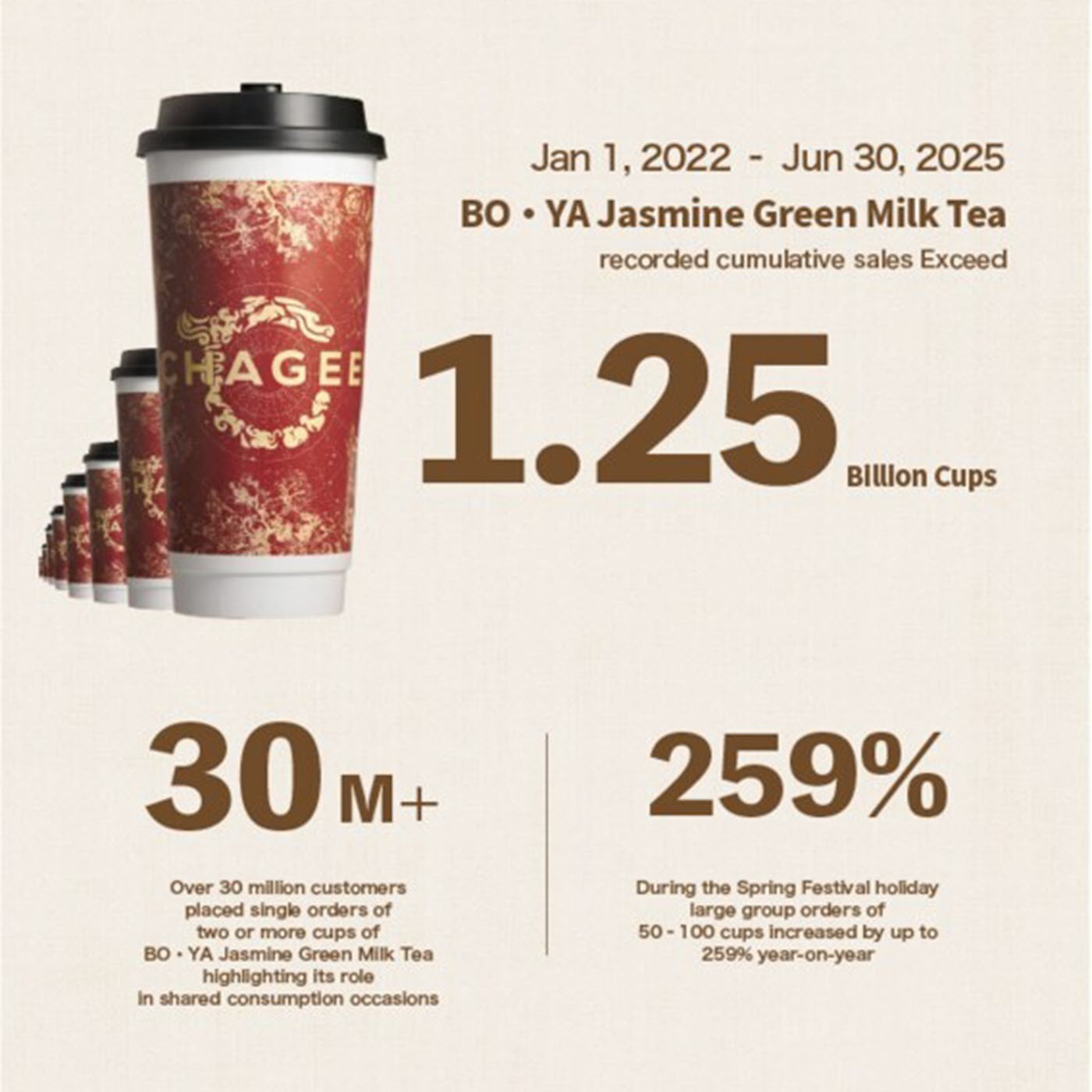
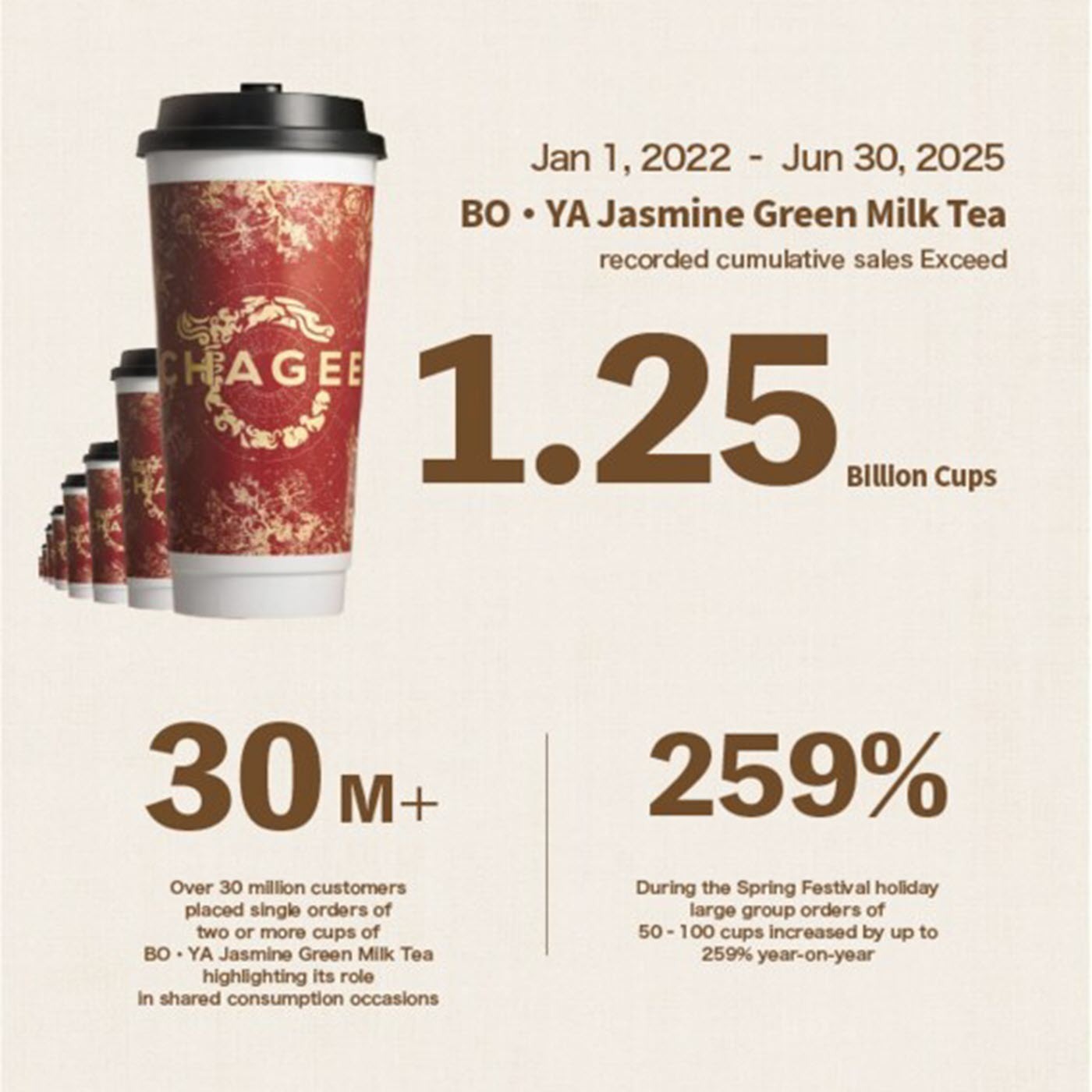
Tariffs, Courts, and Geopolitics: Why India-Linked Tea Risk Is Rising Again | China’s New-Style Tea Brands Expand in the U.S., Led by CHAGEE | Unilever Sells Indonesia's Favorite SariWangi Tea | Podlink signup: https://pod.link/1549975153Support this podcast at — https://redcircle.com/tea-biz/donationsAdvertising Inquiries: https://redcircle.com/brandsPrivacy & Opt-Out: https://redcircle.com/privacy
Tariffs, Courts, and Geopolitics: Why India-Linked Tea Risk Is Rising Again | China’s New-Style Tea Brands Expand in the U.S., Led by CHAGEE | Unilever Sells Indonesia's Favorite SariWangi TeaHOST – Dan Bolton, Founder, Tea Biz Blog | PodcastPLUS | A Call for Collaboration | The Tea Biz State of the Tea Industry 2026 forecast is now live—and this year, it’s open by design. Instead of publishing a finished report and soliciting feedback later, we’re inviting informed public commentary as the analysis is still taking shape.If you work anywhere in the tea ecosystem—production, trade, branding, retail, logistics, or policy—your perspective matters. Thoughtful comments help challenge assumptions, sharpen interpretation, and improve the final forecast.Stay tuned. In today’s Spotlight, I’ll explain how this collaborative approach works—and how your voice can help shape what comes next. | Podlink signup: https://pod.link/1549975153Support this podcast at — https://redcircle.com/tea-biz/donationsAdvertising Inquiries: https://redcircle.com/brandsPrivacy & Opt-Out: https://redcircle.com/privacy
Episode 230 | Week 52 | Ending December 31, 2025Tea markets closed the final trading days of 2025 on a steady-to-firm note, with thin holiday volumes masking structurally supportive fundamentals. Across origins, disciplined seller offerings, year-end inventory positioning, and persistently elevated input costs reinforced price floors. Buyers remained selective by grade and origin, but resistance to sharp declines was evident, particularly for cleaner, well-made teas aligned with established blending programs.Colombo closed the year firmly, with limited year-end offerings of bright high-grown teas continuing to attract interest from Middle Eastern packers covering January shipment requirements.South India CTC markets held steady through the year-end period as domestic blenders focused on near-term coverage and deferred discretionary buying until early Q1.Mombasa remained stable, with BP1 and PF grades clearing within narrow bands as reduced catalogues and cautious buyer participation limited volatility.Indonesia traded steadily, with most export volumes moving via direct sales contracts rather than open auction channels. | Now the outlook:Market tone exits 2025 on a firmer footing than it entered the year. Early Q1 restocking interest is expected to emerge gradually as buyers reassess inventory positions, though sensitivity to price and quality dispersion is likely to remain pronounced. Absent a material demand shock, downside risk appears limited by cost structures and disciplined supply management.| This week’s Tea Price Report is sponsored by the East Africa Tea Trade Association (EATTA), owners of the Mombasa Tea Auction since 1956. | Podlink signup: https://pod.link/1549975153Support this podcast at — https://redcircle.com/tea-biz/donationsAdvertising Inquiries: https://redcircle.com/brandsPrivacy & Opt-Out: https://redcircle.com/privacy
Tea has long been associated with health, calm, and comfort—but how much of that reputation is backed by science, and how much by lifestyle? In this SPOTLIGHT conversation, Michael Cramer explains how consumer perceptions of tea and wellness have evolved since the pandemic, why ritual matters as much as ingredients, and how personalization is shaping the future of tea. From loose-leaf adoption to herbals, mindfulness, and blending, this discussion reframes tea not as medicine but as a lifelong companion to healthier living. BIO | Michael Cramer is Founder and CEO of Adagio Teas, one of the most influential specialty tea retailers in the United States. He launched Adagio in 1999 with the goal of making high-quality loose-leaf tea more accessible while preserving the cultural, sensory, and ritual dimensions of tea drinking. Under his leadership, Adagio pioneered direct-to-consumer sourcing, online education, and customer-driven tea blending—allowing consumers to create and share their own formulations long before personalization became a retail buzzword.Cramer has been a consistent voice cautioning against overstated health claims, instead positioning tea as a lifestyle practice rooted in pleasure, habit, and social connection. His perspective reflects a deep understanding of consumer behavior, product design, and the long arc of tea culture across markets. Michael holds a bachelor’s degree from Rutgers University and an MBA from INSEAD (Institut Européen d’Administration des Affaires). His analytical background continues to inform Adagio’s data-driven and customer-centric approach to tea.Signup www.tea-biz.com | https://teajourney.pub/newsletter-preferences/Support this podcast at — https://redcircle.com/tea-biz/donationsAdvertising Inquiries: https://redcircle.com/brandsPrivacy & Opt-Out: https://redcircle.com/privacy
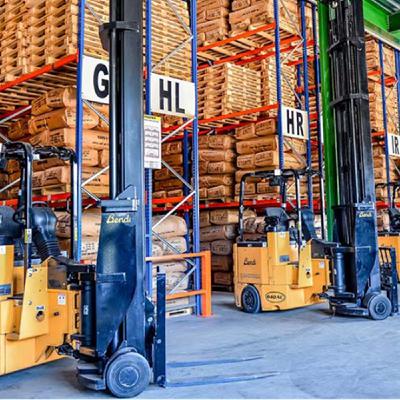
India’s Food Safety Regulators Clarify Camellia sinensis Standard | Global Tea Industry Forecast Now Live | Asia Siyaka Warehousing is the World’s First ZeroCarbon Logistics FacilitySignup www.tea-biz.com | https://teajourney.pub/newsletter-preferences/Support this podcast at — https://redcircle.com/tea-biz/donationsAdvertising Inquiries: https://redcircle.com/brandsPrivacy & Opt-Out: https://redcircle.com/privacy
India’s Food Safety Regulators Clarify Camellia sinensis Standard | Global Tea Industry Forecast Now Live | Asia Siyaka Warehousing is the World’s First ZeroCarbon Logistics FacilityGUEST – Michael Cramer, Founder, CEO Adagio TeasPLUS | Tea, Wellness, and the Power of Ritual: Why Health Isn’t the Whole Story | January is Hot Tea month, and this year tens of millions are experiencing influenza or flu-like illness, gravitating toward warm soothing beverages associated with comfort, hydration, and routine rather than clinical treatment. Post-pandemic research consistently shows that health and wellness motivations increasingly overlap with behavioral benefits, such as stress reduction, relaxation, and daily rituals, rather than with explicit disease-prevention claims. Adagio Teas founder Michael Cramer joins us today to explain why tea’s greatest benefits lie not in miracle claims, but in habit, ritual, and personalization.Signup www.tea-biz.com | https://teajourney.pub/newsletter-preferences/Support this podcast at — https://redcircle.com/tea-biz/donationsAdvertising Inquiries: https://redcircle.com/brandsPrivacy & Opt-Out: https://redcircle.com/privacy
Here are Tea Biz price trends from the world’s major black-tea markets for Week 50 ending December 12.In Colombo, the market remained firm.The weekly average held near recent highs, supported by tight availability of bright, high-grown teas and steady buying from the Middle East.Quality offerings were limited, which helped keep prices supported despite selective bidding.In South India, CTC prices were mainly steady.Kerala and Nilgiris auctions saw consistent interest from blenders, with medium- and good-liquoring teas finding ready demand as packers covered near-term requirements ahead of year-end.At Mombasa, the auction showed mixed results.Top BP1 grades were selectively dearer, while secondary teas met more resistance.Buyers remain cautious, but warehouse stocks are still below last year’s levels, limiting downside pressure.Looking at market conditions, production remains uneven across origins.Sri Lanka continues to report lower leaf intake in some high-grown areas.Kenya’s crop is improving seasonally, though fertiliser and fuel costs remain elevated.In India, higher electricity and labour costs are reinforcing price floors.On the demand side, year-end restocking continues in the Gulf and parts of Europe, while some buyers are already looking ahead to coverage in the first quarter of 2026.Now the outlook.The overall tone is steady to firm.Colombo prices are expected to remain supported through December.South India CTC is likely to trade within a narrow range.Mombasa may continue to fluctuate week to week, but limited stocks should help prevent any sharp decline.That’s the Tea Biz Tea Price Report for Week 50 ending December 12th, 2025 | Podlink signup: https://pod.link/1549975153Support this podcast at — https://redcircle.com/tea-biz/donationsAdvertising Inquiries: https://redcircle.com/brandsPrivacy & Opt-Out: https://redcircle.com/privacy
Eduard/Teas is a Berlin-based online tea company founded by tea sommelier Eduardo Molina that launched on Dec. 17. Selections are limited-edition seasonal teas curated by terroir. Collections are introduced quarterly, and loose-leaf teas are sold individually in 20g and 40g pouches, or as a set of five. The initial collection is Eduard/Himalaya, sourced from Nepal, Darjeeling, and Sikkim. Selections are guided by sensory evaluation, stylistic balance, and how individual teas work together as a collection. Molina explains that success for Eduard/Teas is defined by the growth of a knowledgeable and engaged community, the ability to educate and inspire through storytelling, and establishing transparency as an industry standard. The first teas will ship in January. Distribution is limited to Germany, but will expand in the new year.BIO: Eduardo Molina grew up in Chile, where tea is popular. He worked for several years in hospitality at major hotels in Santiago and with Crystal South America Cruises. He attended Chinese Culture University in Taiwan and holds a degree in Asian Studies from Humboldt University, Berlin. Work in tea includes founding the first tea school in Chile in 2013 and co-founding the Chilean Tea Academy in 2016. Eduardo joined Paper & Tea in 2018 and worked there for five years as head of tea experience.Signup www.tea-biz.com | https://teajourney.pub/newsletter-preferences/Support this podcast at — https://redcircle.com/tea-biz/donationsAdvertising Inquiries: https://redcircle.com/brandsPrivacy & Opt-Out: https://redcircle.com/privacy
Shabnam Weber to Preside Over Both US and Canada Tea Associations | African Tea Convention to Celebrate the 70th Mombasa Auction Anniversary in September | 30,000 Senna Leaf Herbal Teabags RecalledSignup www.tea-biz.com | https://teajourney.pub/newsletter-preferences/Support this podcast at — https://redcircle.com/tea-biz/donationsAdvertising Inquiries: https://redcircle.com/brandsPrivacy & Opt-Out: https://redcircle.com/privacy
Shabnam Weber to Preside Over Both US and Canada Tea Associations | African Tea Convention to Celebrate the 70th Mombasa Auction Anniversary in September | 30,000 Senna Leaf Herbal Teabags RecalledNEWSMAKER – Eduardo Molina, Founder of Eduard/ TeasPLUS | Terroir Curated Tea | Eduard/ Teas is a Berlin-based online tea company founded by tea sommelier Eduardo Molina that launched on Dec. 17. Selections are limited-edition seasonal teas curated by terroir. Collections are introduced quarterly, and loose-leaf teas are sold individually in 20g and 40g pouches, or as a set of five. The initial collection is Eduard/Himalaya, sourced from Nepal, Darjeeling, and Sikkim. Selections are guided by sensory evaluation, stylistic balance, and how individual teas work together as a collection. Molina explains that success for Eduard/Teas is defined by the growth of a knowledgeable and engaged community, the ability to educate and inspire through storytelling, and establishing transparency as an industry standard. The first teas will ship in January. Distribution is limited to Germany, but will expand in the new year.Signup www.tea-biz.com | https://teajourney.pub/newsletter-preferences/Support this podcast at — https://redcircle.com/tea-biz/donationsAdvertising Inquiries: https://redcircle.com/brandsPrivacy & Opt-Out: https://redcircle.com/privacy
loading
Comments