


 Claim Ownership
Nelson Arts Festival Pukapuka Talks
Subscribed: 2Played: 38
Subscribe

© Nelson Arts Festival Pukapuka Talks
Description
Pukapuka Talks is the Nelson Arts Festival's literary programme, bringing together both established and emerging writers with readers.
42 Episodes
Reverse
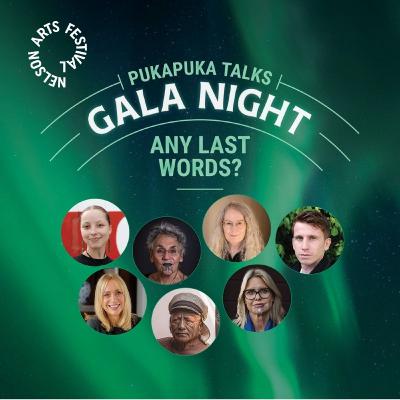
A once-in-a-lifetime storytelling experience, featuring a star-studded line up of Aotearoa New Zealand's best writers, presenting in both English and te reo Māori.Join former cage fighter-turned-writer Airana Ngarewa; award-winning journalist, broadcaster and survivor advocate Ali Mau; esteemed author Elizabeth Knox CNZM; renowned mental health advocate Dr Hinemoa Elder MNZM; Poetry Slam champion and filmmaker Matariki Bennett; academic and award-winning memoirist Ngāhuia te Awekōtuku MNZM; and artist and activist Tāme Iti, as they respond to the provocation, ‘Any Last Words?’ MCed by Johny O’Donnell.

Step inside the minds of three masterful storytellers – Michael Bennett, Fiona Sussman and Rachel Paris – as they explore the social, psychological, cultural, and political contexts driving their page-turning stories: Carved in Blood (the third book in the Hana Westerman series), Hooked Up (the second book in the Bandara/Stark Novels series) and See How They Fall (the bestselling debut). . Facilitated by Sylvan Thomson.
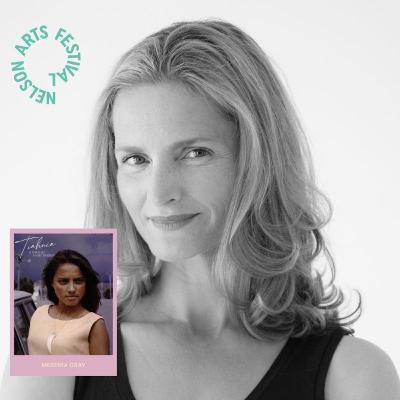
Tiahuia: A Karanga to My Mother is artistic director and choreographer Merenia Gray’s tribute to her mother Tiahuia Te Puea Hērangi, the whāngai daughter of Princess Te Puea. This Pukapuka Talks session features a deep and insightful kōrero between Merenia and Donna McLeod about Tiahuia’s life.
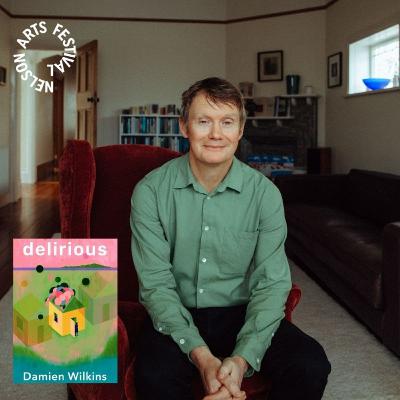
In 2025, Damien Wilkins won the prestigious Jann Medlicott Acorn Prize for Fiction at the Ockham New Zealand Book Awards for Delirious, a captivating tale about families and ageing, which follows ex-cop Mary and her husband Pete, a retired librarian, as they navigate life’s big transitions. In this intimate story, Wilkins blends astute observations about life’s biggest challenges, endearing characters, emotional depth and rueful humour. He chats with Elizabeth Knox.
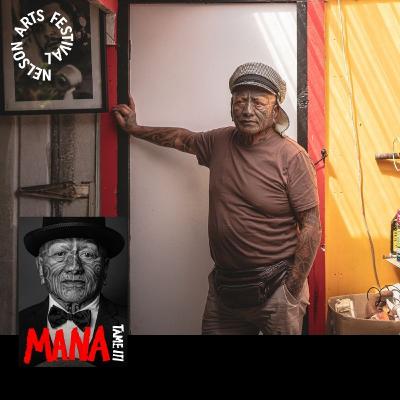
Iconic Māori activist, artist, and performer Tāme Iti shares his extraordinary life, defined by resistance, resilience, and rangatiratanga. From land marches to performance art, police raids to prison cells, his voice has challenged New Zealand to reckon with its colonial legacy. Once branded as a dangerous and extreme activist, now hailed as a national treasure, Tāme has lived the contradictions and realities of standing with mana motuhake in a modern world.Hosted by Naomi Aporo and Hamuera Manihera.
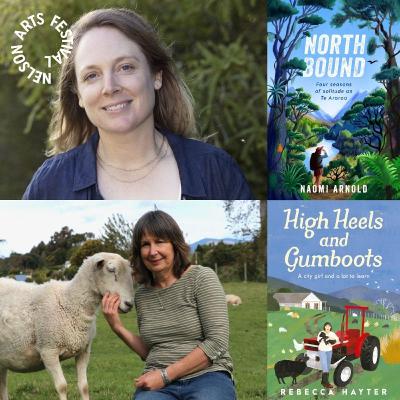
In this Pukapuka Talks, Samantha Gee from Radio New Zealand quizzes Naomi Arnold about her 2026 Ockham NZ Book Award longlisted book, Northbound, and Rebecca Hayter about High Heels & Gumboots, her hilarious and heartwarming memoir set in Golden Bay,. When award-winning journalist and author Naomi Arnold set off to walk from Bluff to Cape Reinga she soon discovered that heading north meant she would spend long periods completely on her own. Yachting enthusiast Rebecca Hayter – also an award-winning journalist – initially planned a seachange with her partner but found herself the ‘accidental’ sole owner of a 10-acre beachfront ‘lifestyle’ property in Golden Bay.While these two award-winning journalists and authors embarked on two very different journeys, they were both yearning to reconnect with the landscape of Aotearoa and themselves.
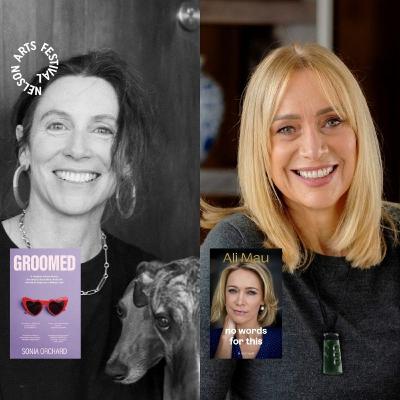
Ali Mau (author of No Words for This) and Sonia Orchard (author of Groomed) examine what happens when the people you trust most betray you and shine the light on what needs to change for justice to prevail. This kōrero was facilitated by Dr Nikki Evans, who is manager of Hikitia! RISE’s Family Violence and Sexual Violence Prevention mahi (work)
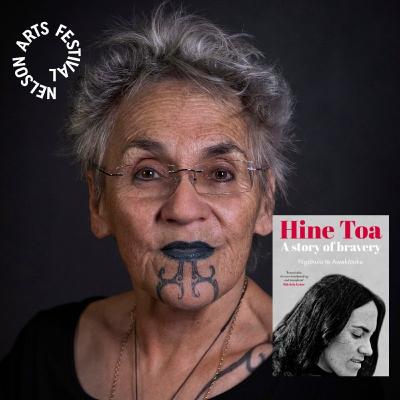
Discover how a restless working-class girl from the pā became a founding member of Ngā Tamatoa, the Women’s and Gay Liberation movements, and an essential voice in protests across Aotearoa. The kōrero with Ngāhuia te Awekōtuku is facilitated by Donna McLeod.

What is it really like to work in the news media? Join Ali Mau and Michelle Duff, two of Aotearoa’s most highly regarded journalists, as they speak candidly about the shifting landscape of journalism in an age of misinformation, outrage, and fragile business models.Led by fellow journalist Naomi Arnold, this timely conversation considers the inherent structural challenges in the media, the role of advocacy in journalism, and how we can establish which media to trust.

Dr Hinemoa Elder’s new book, Ara: A Māori Guidebook of the Mind, is a quest through the caves of Hinengaro (mental health) and a resource for anyone seeking comfort and ease amid the chaos of life. This kōrero is facilitated by Annie Fay.
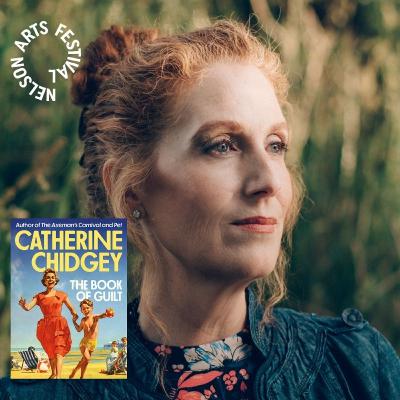
Set in a sinisterly skewed version of England, Catherine Chidgey’s astonishing new novel, The Book of Guilt, is a story told through the eyes of Vincent (one of three identical triplets) and the lonely but observant single child, Nancy. Claire Mabey leads the kōrero.
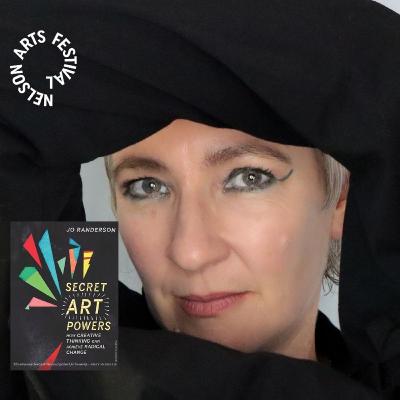
Possibly the first book to emerge from ‘live, disrupted TED-style talks’, Jo Randerson’s Secret Art Powers is a guide to using creative thinking to achieve radical change. In this kōrero with World of WearableArt CEO and creativity advocate Meg Williams, the multifaceted writer, director and performer explores six creative mindsets that they believe can help us navigate through complex, changing times.
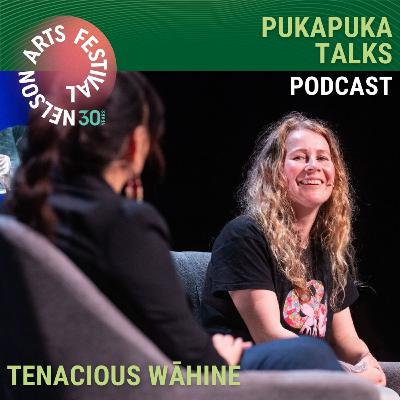
In her very first festival appearance following the publication of Kataraina, Becky Manawatu discusses the highly anticipated sequel to her bestselling debut novel, Auē, alongside friend and fellow kaituhi Māori Talia Marshall, whose essay collection, Whaea Blue, is one of this year’s most anticipated non-fiction pukapuka. Chaired by Nuki Tākao.
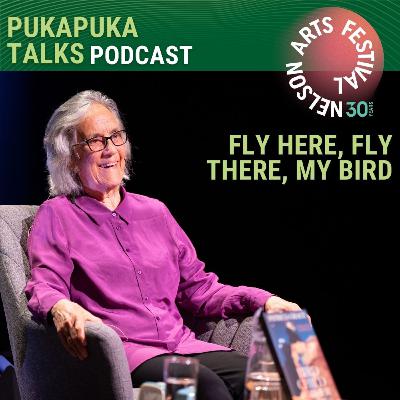
In this Pukapuka Talks session, we celebrate Patricia Grace’s eighth short story collection, the astonishing Bird Child and Other Stories, as well as her remarkable writing life over almost 50 years. Patricia will discuss her latest book, her approach to writing and how she has collaborated with her talented whānau, in conversation with Donna McLeod.
This podcast was produced with the support of Copyright Licensing New Zealand's 2024 Contestable Fund Grant.
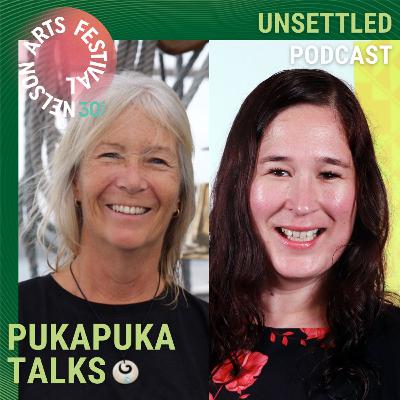
Lauren Keenan and Cristina Sanders are two of Aotearoa New Zealand’s preeminent historical fiction writers. Journey back in time with them to hear about their new books, The Space Between and Ōkiwi Brown - an opportunity to experience life through the eyes of those who history books have, to date, largely neglected. Chaired by Sylvan Thomson.
This podcast was produced with the support of Copyright Licensing New Zealand's 2024 Contestable Fund Grant.
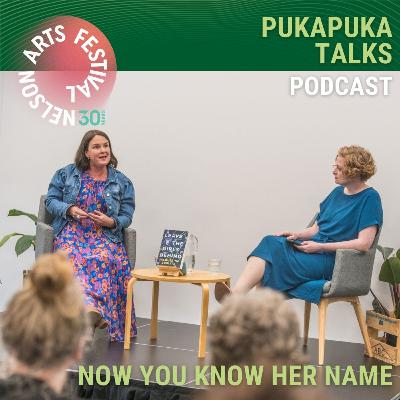
In a world first, on the day the global sales embargo ends, hear Jacqueline Bublitz talk about her new novel, Leave the Girls Behind, the dazzling follow-up to her 2022 Ngaio Marsh Award–winning debut novel, Before You Knew My Name. Chaired by Susie Ferguson.
From an author who “pushes the boundaries of crime fiction in all the right ways” (Alex Finlay, author of The Night Shift), Leave the Girls Behind is another spine-chilling thriller that will linger long after you finish the last page.
This podcast was produced with the support of Copyright Licensing New Zealand's 2024 Contestable Fund Grant.
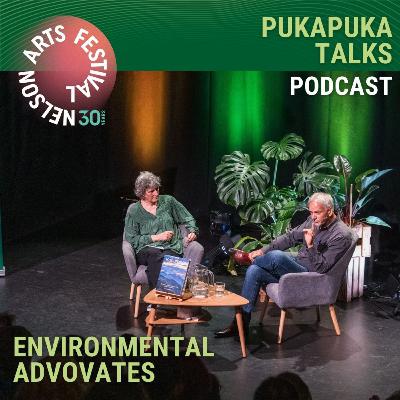
Dave Hansford and Debs Martin discuss the role storytelling must play in triumphing over commercial and political agendas. In his latest book Kahurangi, Hansford documents one of the most significant natural regions in Aotearoa: Kahurangi National Park, along with the adjoining areas of Whanganui Inlet, Wharariki and Onetahua/Farewell Spit. Together, they are home to the greatest variety of plants and animals in the country, with many not found elsewhere on the planet. Hansford, one of our country’s foremost science and natural history writers, is eloquent and uncompromising in his arguments for why and how we must urgently rescue these precious wild lands. Kahurangi is nature writing at its absolute finest.
This podcast was produced with the support of Copyright Licensing New Zealand's 2024 Contestable Fund Grant.
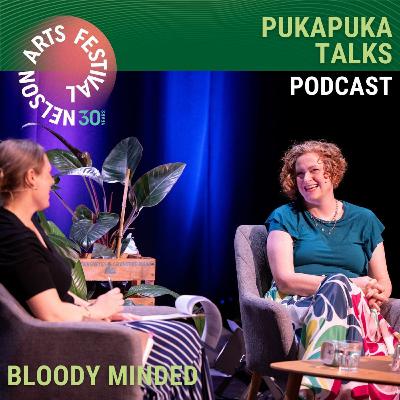
RNZ presenter Susie Ferguson recounts her years as a war correspondent while battling endometriosis and discusses her breathtaking memoir on tenacity and self-belief, which shines a light on a health system that isn’t made for us and proves the importance of being loud with our truths. Chaired by Naomi Arnold.
This podcast was produced with the support of Copyright Licensing New Zealand's 2024 Contestable Fund Grant.
Rachael King and Lee Murray both evoke ancient mythological creatures from distant shores in their latest novels: The Grimmelings and Fox Spirit on a Distant Shore. Scottish folklore inspired Scottish folklore inspired King to write about a vengeful black horse-like creature called a kelpie, while Murray has made the ancient Chinese fox spirit húli jīng her narrator. Chaired by Claire Mabey, who is The Spinoff Books editor and author of The Raven's Eye Runaways.
This podcast was produced with the support of Copyright Licensing New Zealand's 2024 Contestable Fund Grant.
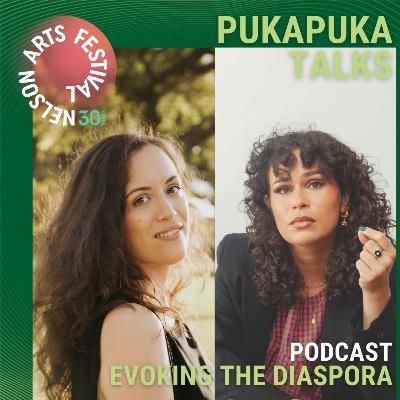
Multi-generational migrant stories are finding compelling new ways of being told in the capable, creative hands of Jade Kake, author of Checkerboard Hill, and Saraid de Silva, author of Amma. Both explore belonging and the legacy of intergenerational trauma while mastering a unique way of sharing the diasporic experience. Chaired by Elizabeth Heritage.
This podcast was produced with the support of Copyright Licensing New Zealand's 2024 Contestable Fund Grant.

Comments

Download from Google Play

Download from App Store
 United States